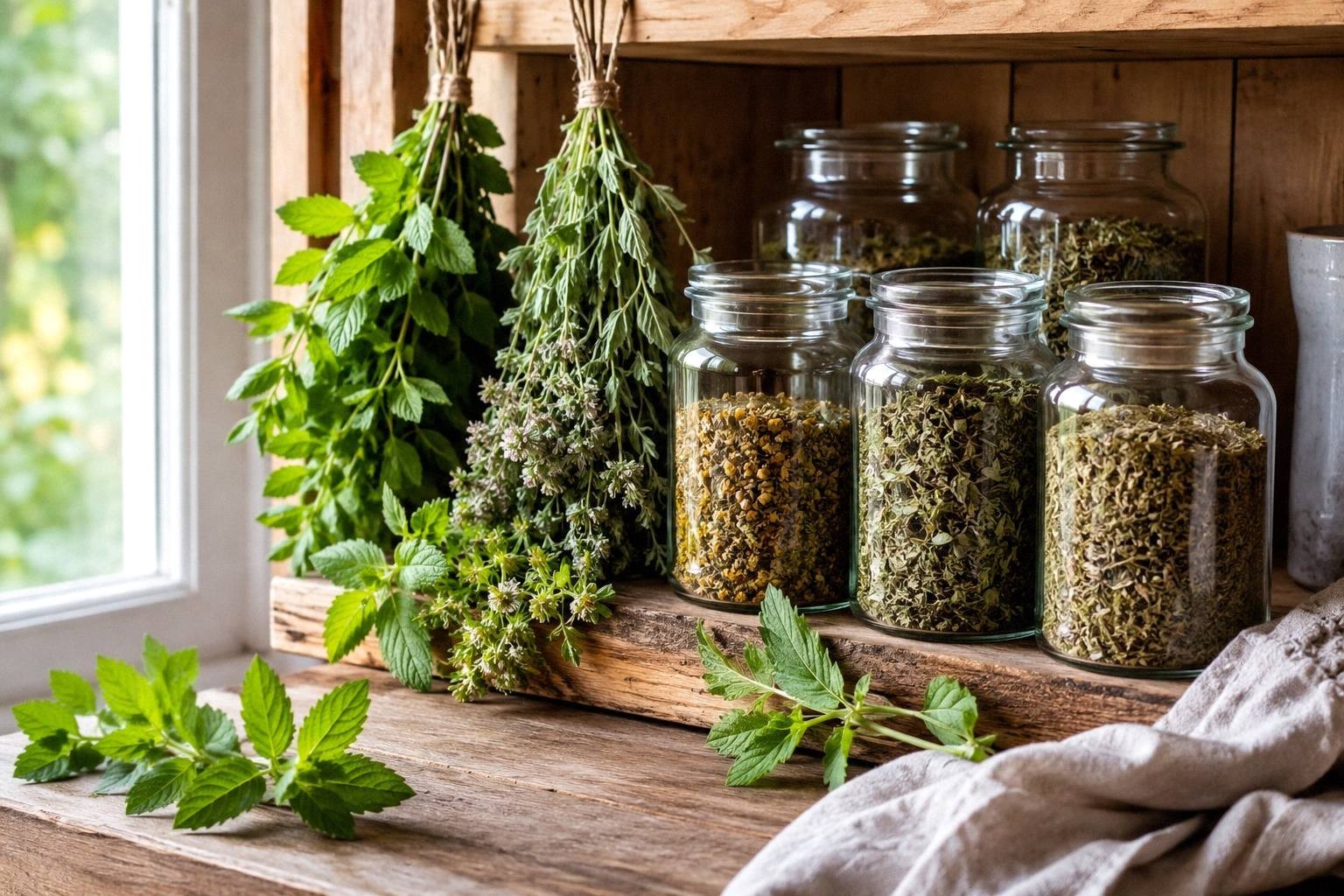
How to Dry and Store Herbs for Tea
How to dry and store herbs for tea: choose a method for tender or woody leaves, check actual dryness, and keep labeled jars cool, dark and dry.
Read MoreHerb profiles and guides covering growing, harvesting, drying, and using medicinal and culinary herbs in drinks and remedies.
13 recipes
How to dry and store herbs for tea: choose a method for tender or woody leaves, check actual dryness, and keep labeled jars cool, dark and dry.
Read More
A practical herb list for small patios, mocktails, tea, bath soaks, and beginner home apothecary projects with mint, basil, rosemary, lavender, lemon …
Read More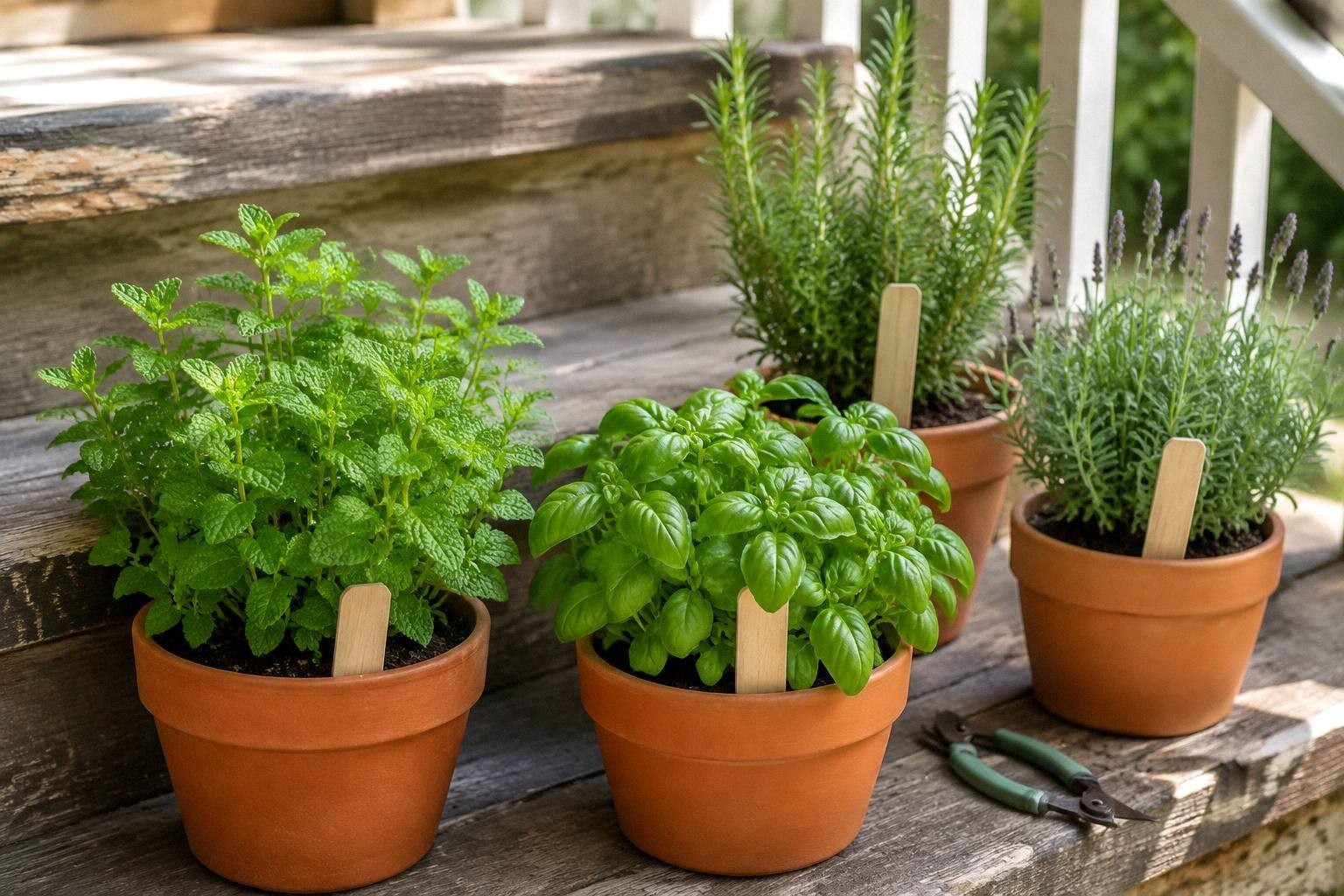
Grow a cocktail herb garden in four pots with mint, basil, rosemary and lavender care, measured lavender compost, harvesting cuts and food-use checks.
Read More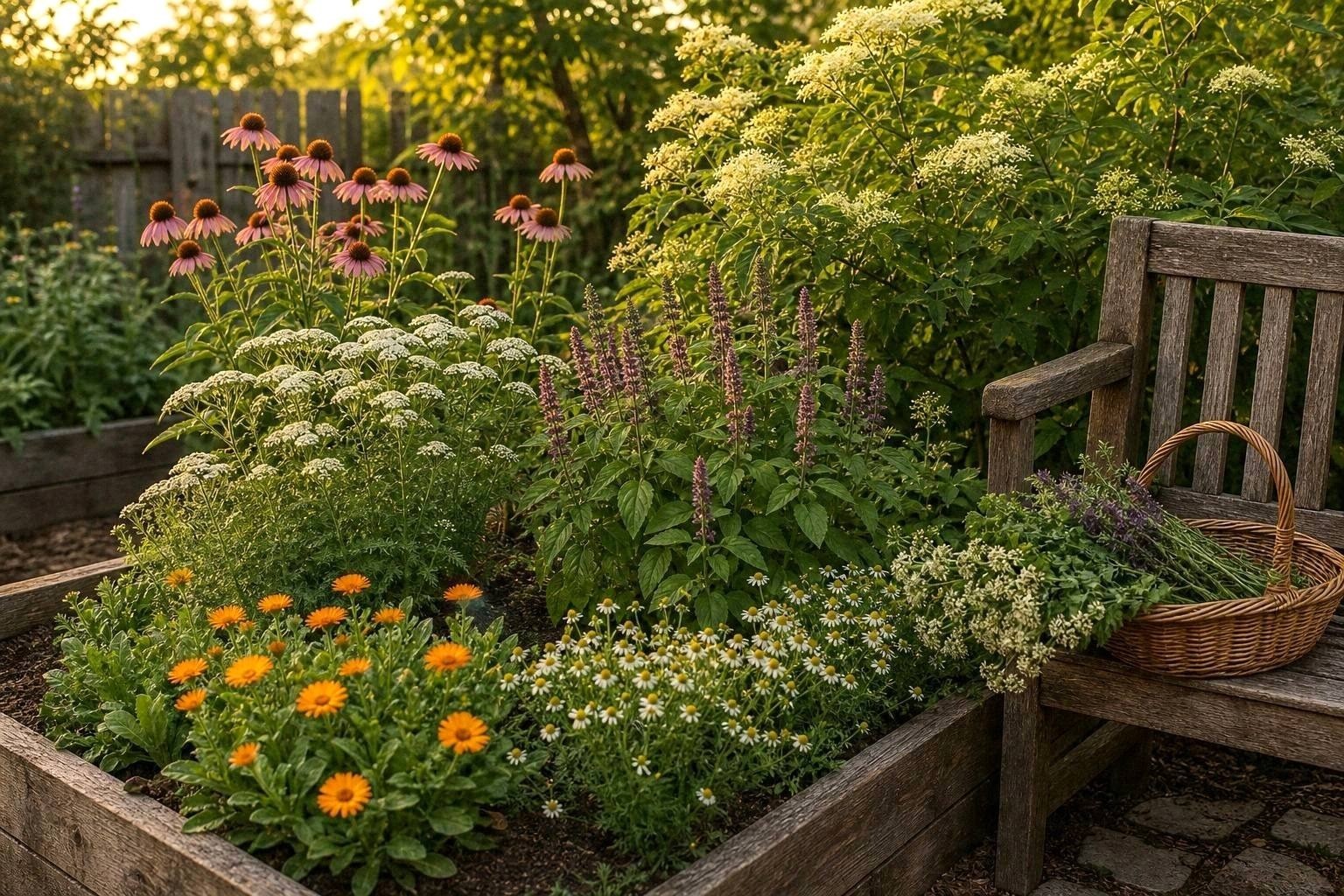
Choose ten backyard herbs by species, sunlight, mature size and spread, with a realistic bed plan and clear limits on medicinal use.
Read More
Rosemary lemon tea, simple syrup and hot-infused honey with measured ingredients, cooling steps and a fresh honey-vinegar drink for the kitchen.
Read More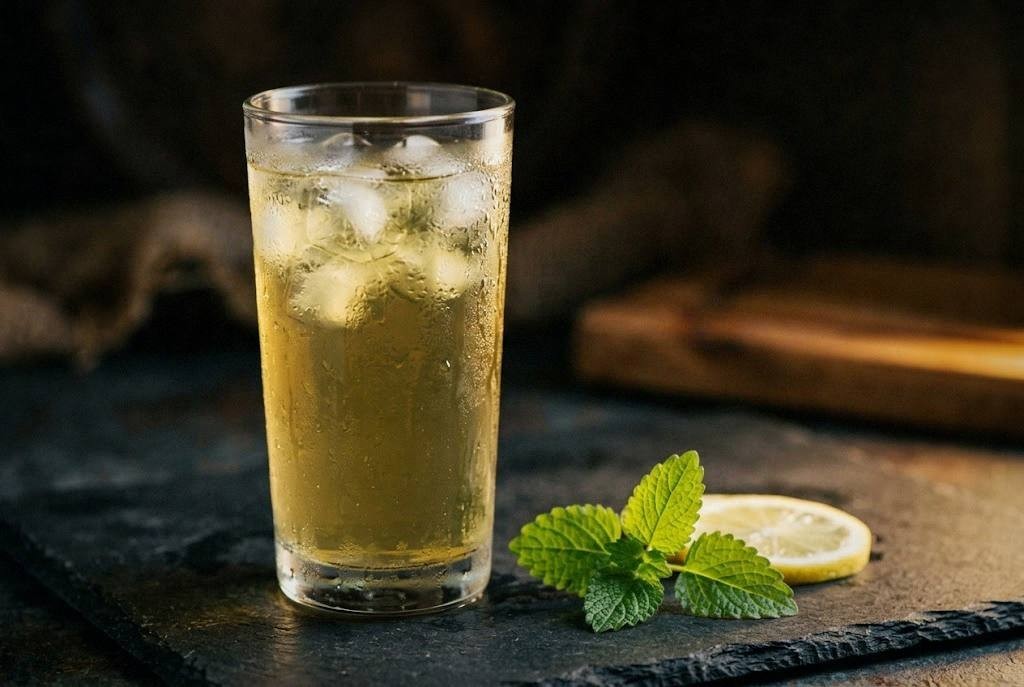
Lemon balm scent, garden history and a hot-brewed tea for flavor. Understand traditional-use evidence and the limits of medicinal claims and extracts.
Read More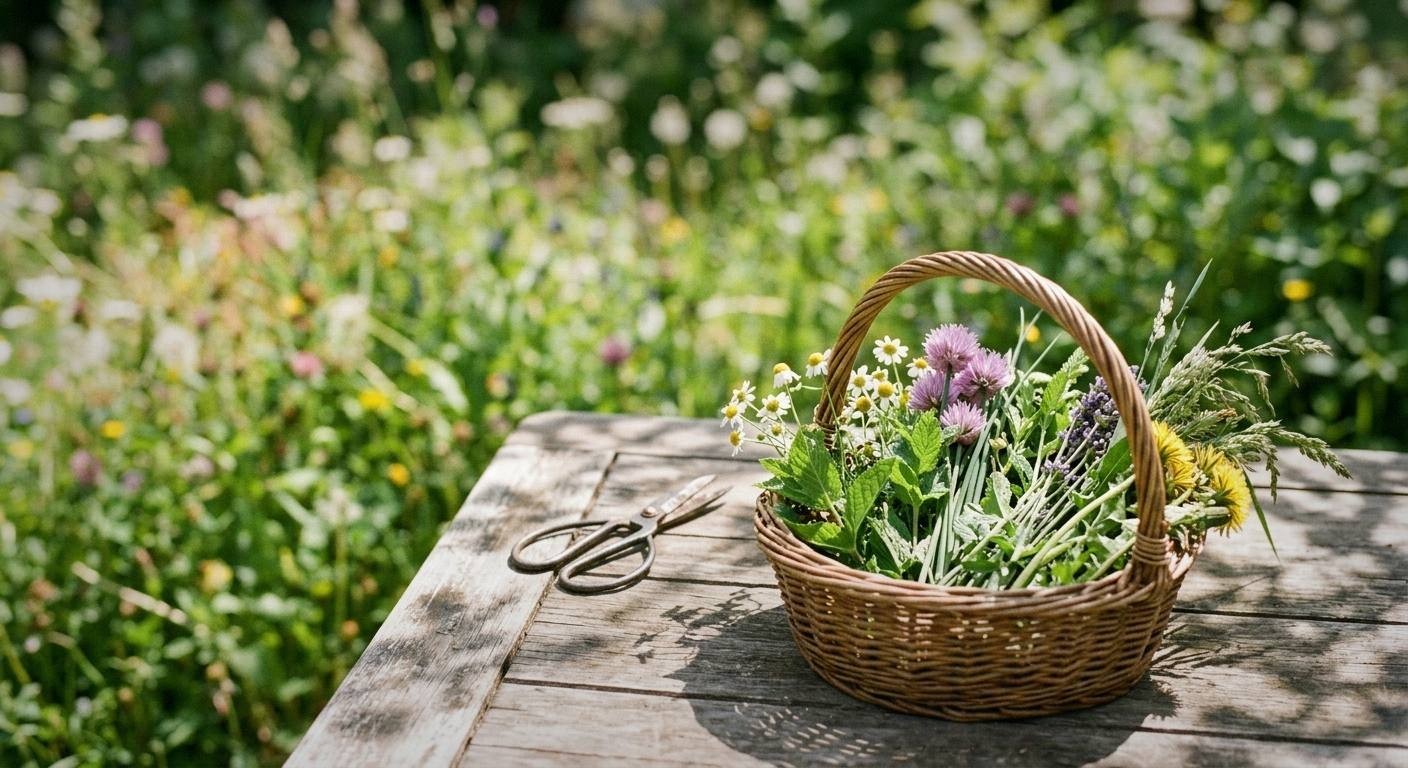
Spring herbal drinks with measured flowers and leaves, hot brewing and cold handling. Eight plant entries distinguish culinary use from wild …
Read More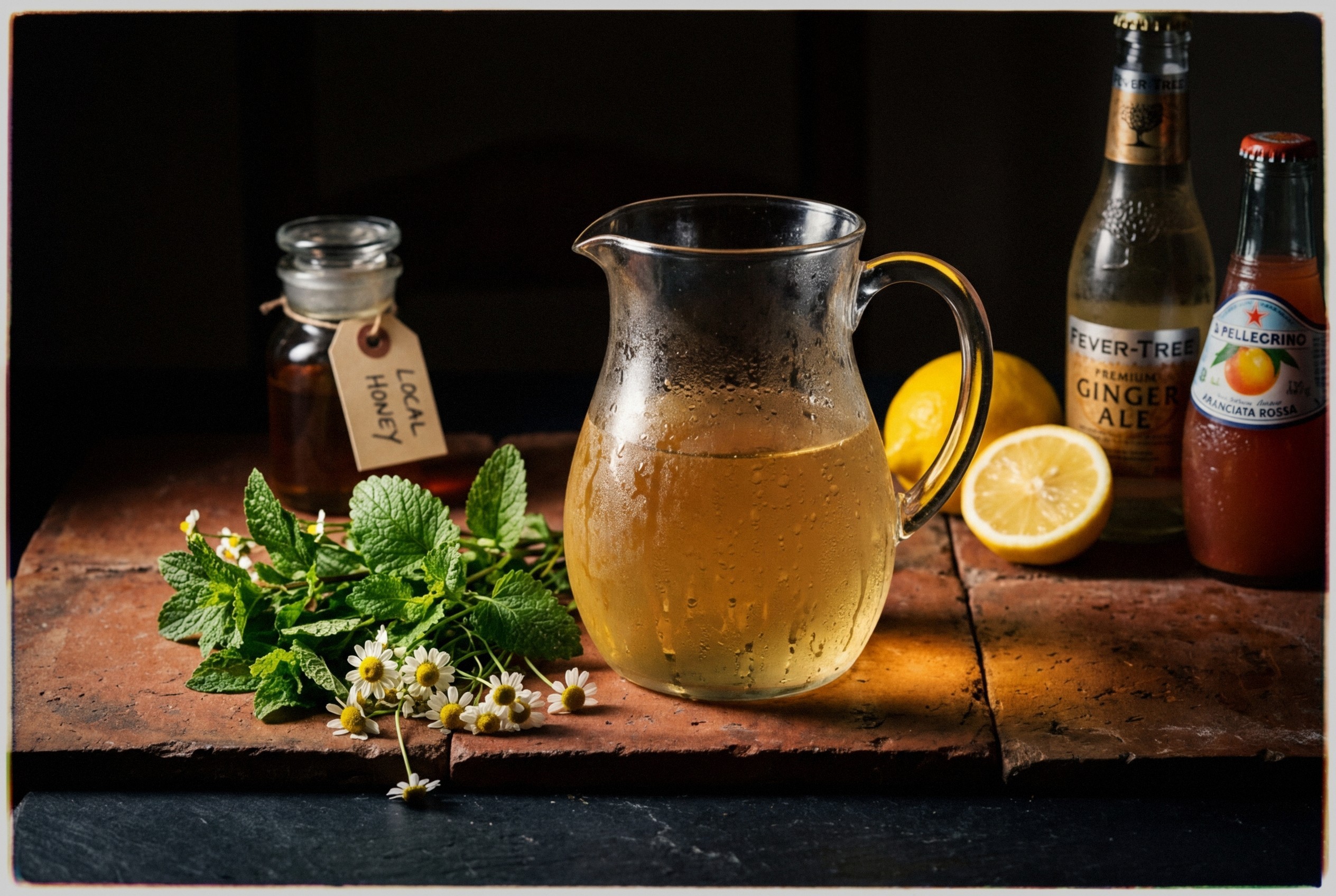
A tea-garden guide with measured culinary blends, boiling-water preparation and drying guidance. Planting schedules depend on local conditions.
Read More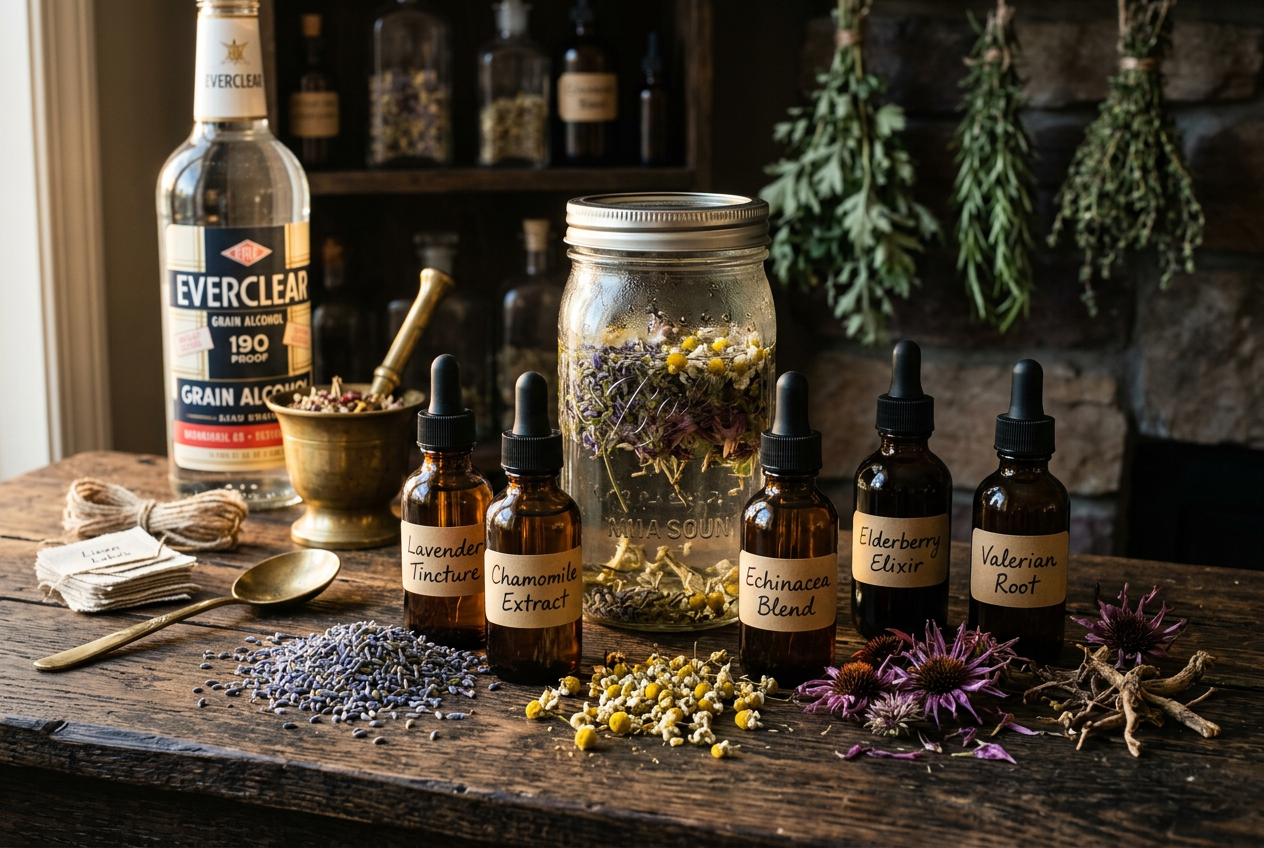
Why generic homemade tincture ratios and dropper doses need plant-specific review, including solvent strength, ingredient treatment and supplement …
Read More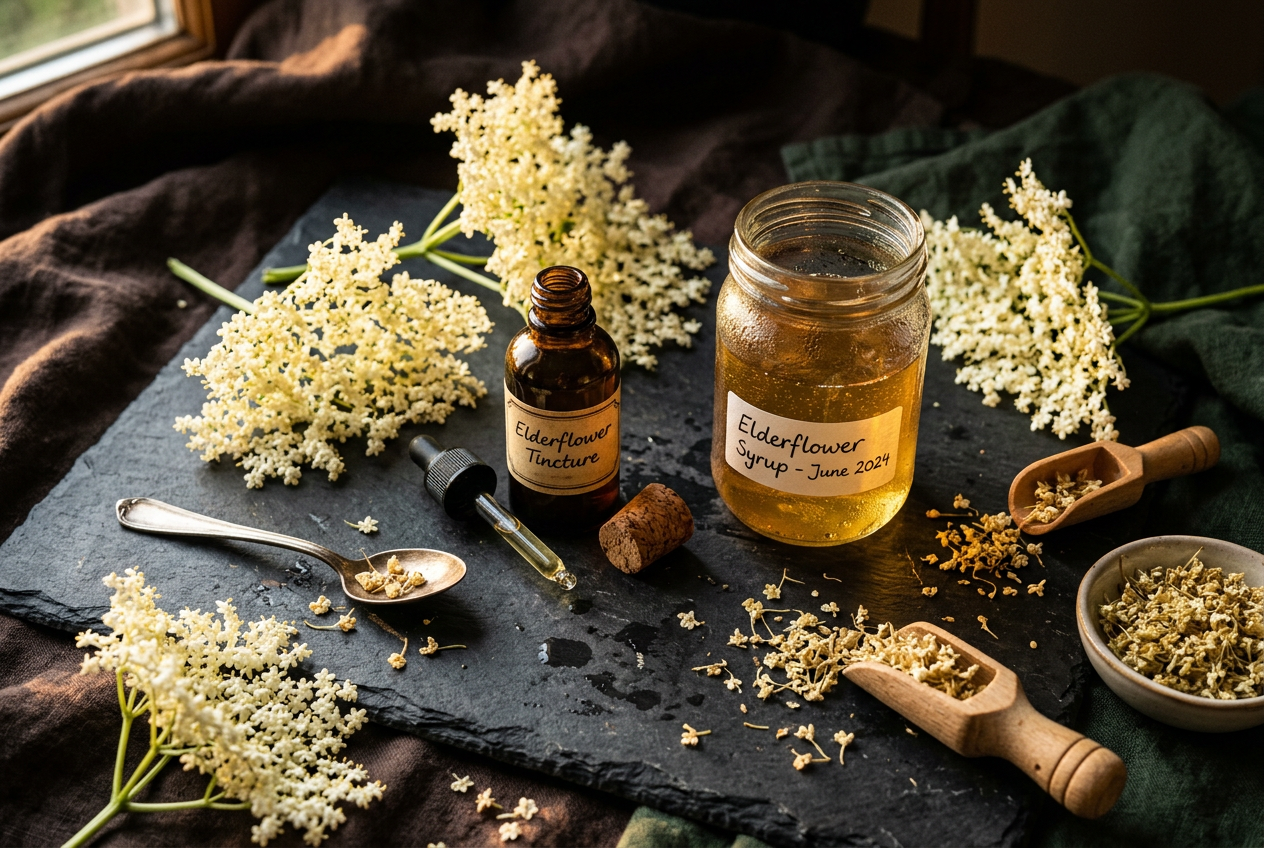
Understand elderflower food uses, plant identity and traditional-use evidence, with clear limits for medicinal claims and homemade syrup.
Read More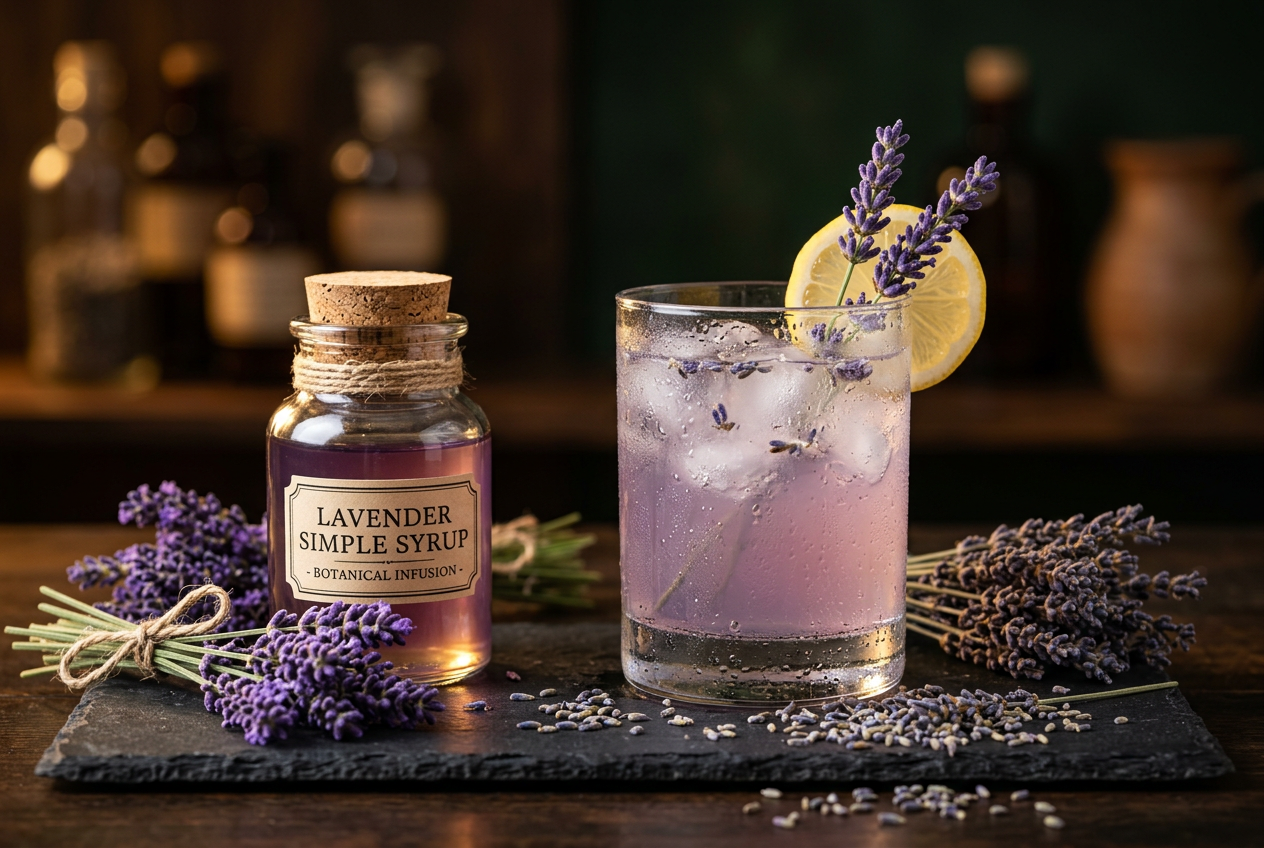
A food-grade lavender syrup adapted from Serious Eats, with separate tea and alcohol-free lemonade instructions.
Read More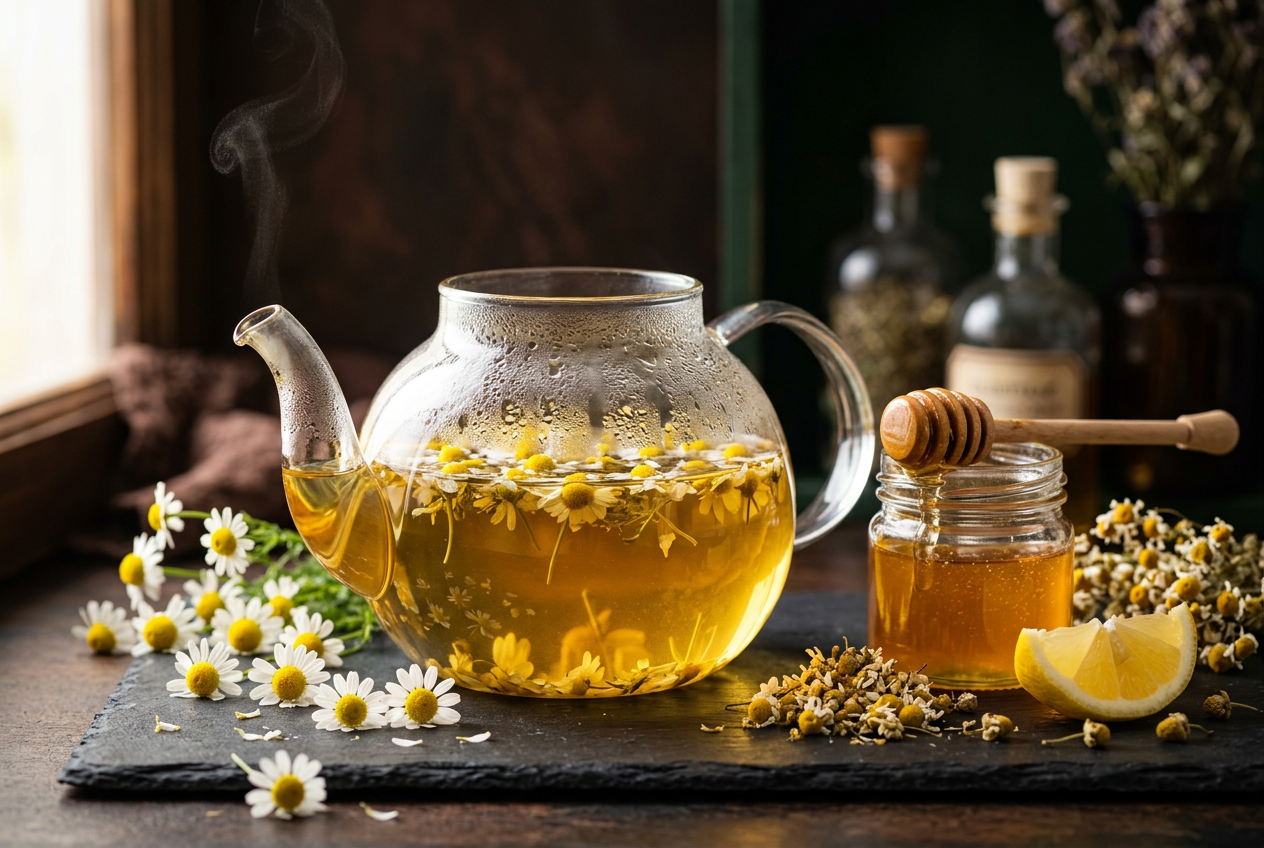
Chamomile lemon tea with a labeled tea amount, a ten-minute steep and measured honey, plus small syrup and milk variations for botanical drinks.
Read More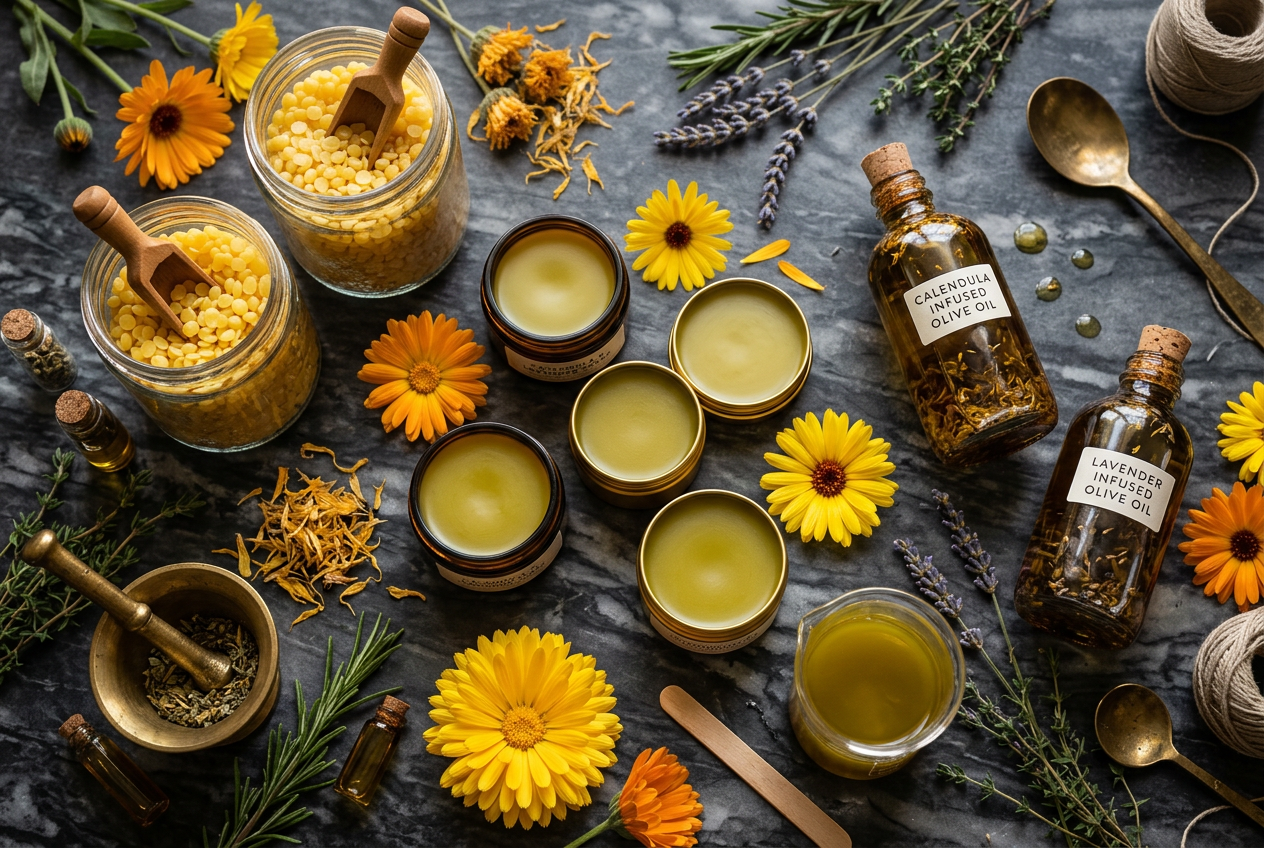
Separate dried-calendula oil infusion from a measured beeswax balm, with source attribution, equipment choices and realistic handling limits.
Read MoreKnowing your herbs is the foundation of everything else on this site. These guides cover the plants themselves: how to grow them, when to harvest, how to dry and store them, and what makes each one useful in drinks, tinctures, and remedies. A recipe is only as good as the ingredients behind it.
Each herb profile includes botanical identification, traditional uses across different herbal traditions, flavor notes, and the specific compounds responsible for both taste and therapeutic properties. This is where curiosity meets the garden.
Start with five plants that are nearly impossible to kill: mint, lemon balm, chamomile, rosemary, and lavender. All five grow in containers on a sunny windowsill or patio. Mint and lemon balm spread aggressively in garden beds, so containers are actually preferable. Harvest in the morning after dew dries but before midday heat, when volatile oil content peaks.
The distinction is more about dosage and preparation than the plants themselves. Culinary herbs are used in small amounts for flavor. Medicinal herbs are prepared in concentrated forms (tinctures, decoctions, strong infusions) at therapeutic doses. Chamomile in a cup of tea is culinary. Chamomile extracted in alcohol at a 1:5 ratio for use as a digestive bitter is medicinal. Many plants cross both categories.
Bundle small bunches of 4 to 6 stems and hang them upside down in a warm, dark, well-ventilated space. Drying takes 1 to 2 weeks depending on humidity. Herbs are fully dry when stems snap cleanly instead of bending. For faster results, use a dehydrator set to 95 to 105 degrees F. Never use an oven, as even low heat destroys volatile oils.
Comfrey (internal use), pennyroyal, wormwood in large doses, foxglove, and any herb you cannot identify with 100% certainty. Pregnant and nursing individuals should avoid most medicinal herbs beyond gentle culinary use. If you take prescription medications, research interactions before adding concentrated herbal preparations to your routine.
Whole dried leaves keep 12 to 18 months. Flowers lose potency faster, within 6 to 12 months. Roots and bark hold 2 to 3 years when stored properly. Proper storage means airtight glass jars in a cool, dark place. Ground or crushed herbs degrade roughly twice as fast as whole. The sniff test is reliable: if the aroma is faint, the herb has lost much of its effectiveness.