Raw elderberries and raw juice should not be eaten or drunk. Unripe berries, stems and leaves are also a concern. Cooking guidance applies to correctly identified food species and a complete preparation method, not to an unknown plant.
What the Institutional Guidance Says
NCCIH warns that raw or unripe berries and other plant parts contain cyanide-producing substances that can cause gastrointestinal illness and, in larger exposures, serious illness. It states that cooking eliminates the toxin, but does not supply a species-independent time, temperature, batch size or method.
Minnesota Extension describes removing unwanted plant parts and heat treatment. Its ten-minute boiling statement is not a validation of every homemade tea or syrup. Oregon State Extension distinguishes elderberry species and product acidity. Follow its complete research-based preparation for the named product and berry type; do not replace it with a generic simmer threshold. This page does not provide a home detoxification recipe or approve another article’s syrup by its cooking clock.
Species, Sorting and Dried Fruit
Oregon State advises avoiding red elderberry food products. Color alone does not establish plant identity, and a known supplier does not remove every contamination or identification risk. Unknown foraged plants must not be treated as elderberries on the basis of this page or its photographs. Seek competent local identification before using harvested plants.
Discard stems, leaves and unripe fruit from correctly identified food berries. Freezing can help separate berries from stems, as Oregon State describes, but freezing does not detoxify them. There is no dependable floating/sinking rule here that proves berries are ripe or free of fine stem fragments; the old float-test shortcut is removed. Dried fruit is not automatically ready to eat: both Minnesota and Oregon State specify heat treatment before consumption. Use a commercially prepared food product according to its label rather than improvising a loose-fruit infusion.
Flowers are a distinct ingredient, not interchangeable with berries. The extension sources discuss their preparation separately. Use only a commercial culinary elderflower product according to its label; neither botanical photographs nor historical use validates arbitrary raw flower grazing or steeping. No actionable wild-plant detoxification method is provided here.
Cooking and Preservation Are Different Questions
Removing cyanogenic hazards does not establish a product’s safe refrigerated life or make a sealed jar shelf-stable. Elderberry acidity varies by species and product. Minnesota calls for research-based preservation recipes; Oregon State gives product-specific canning limits. Do not improvise canning times, acid additions or low-sugar changes from this safety overview. A commercially processed syrup follows its own label, not an assumed equivalence to home syrup.
After a Raw or Unknown-Plant Exposure
Contact Poison Control at 1-800-222-1222 in the United States for individualized advice; do not wait for symptoms or use a home remedy. Its online triage option is linked from the same site. If someone collapses, has a seizure, has trouble breathing or cannot be awakened, call emergency services immediately. Outside the US contact the local poison center or emergency service. Keep plant or product identification, estimated amount and time of exposure available for the responder. A single berry is not declared harmless, and no safe raw dose is given.
Evidence Limits
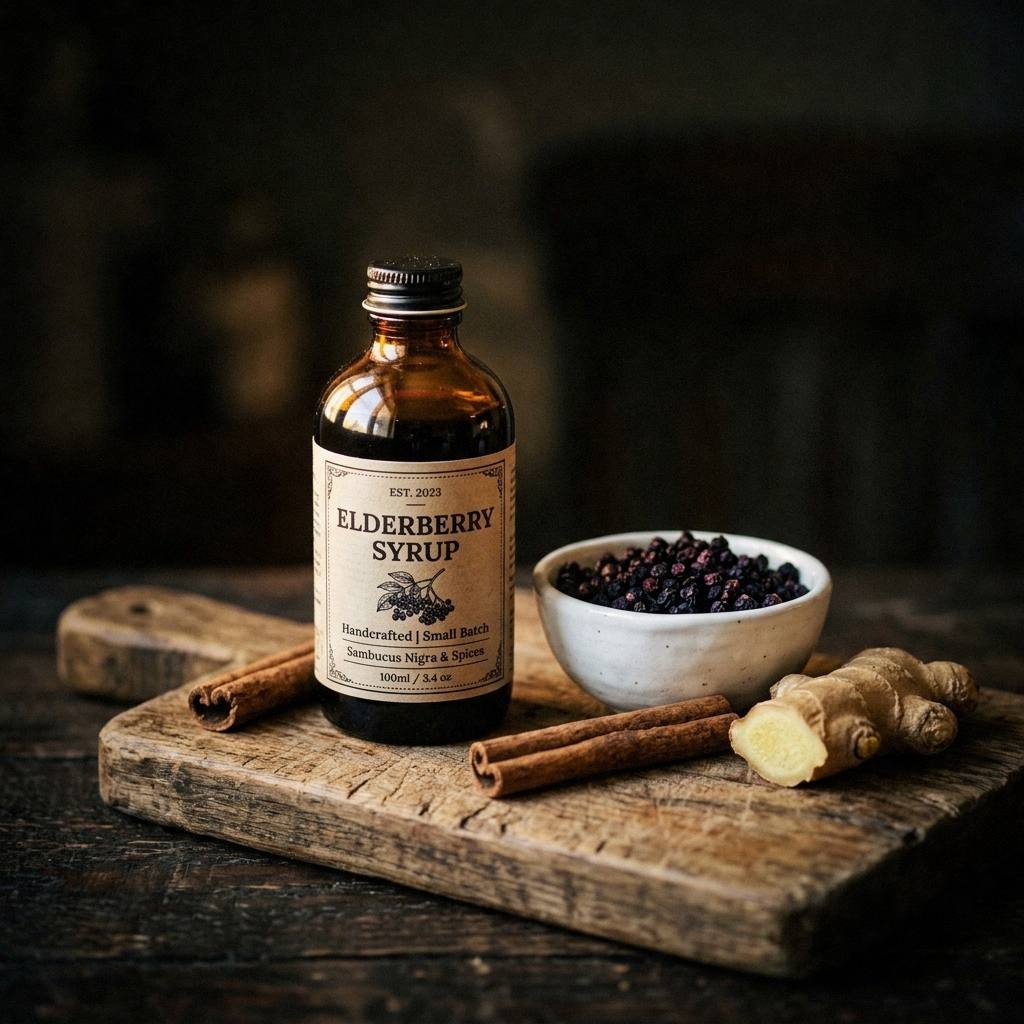
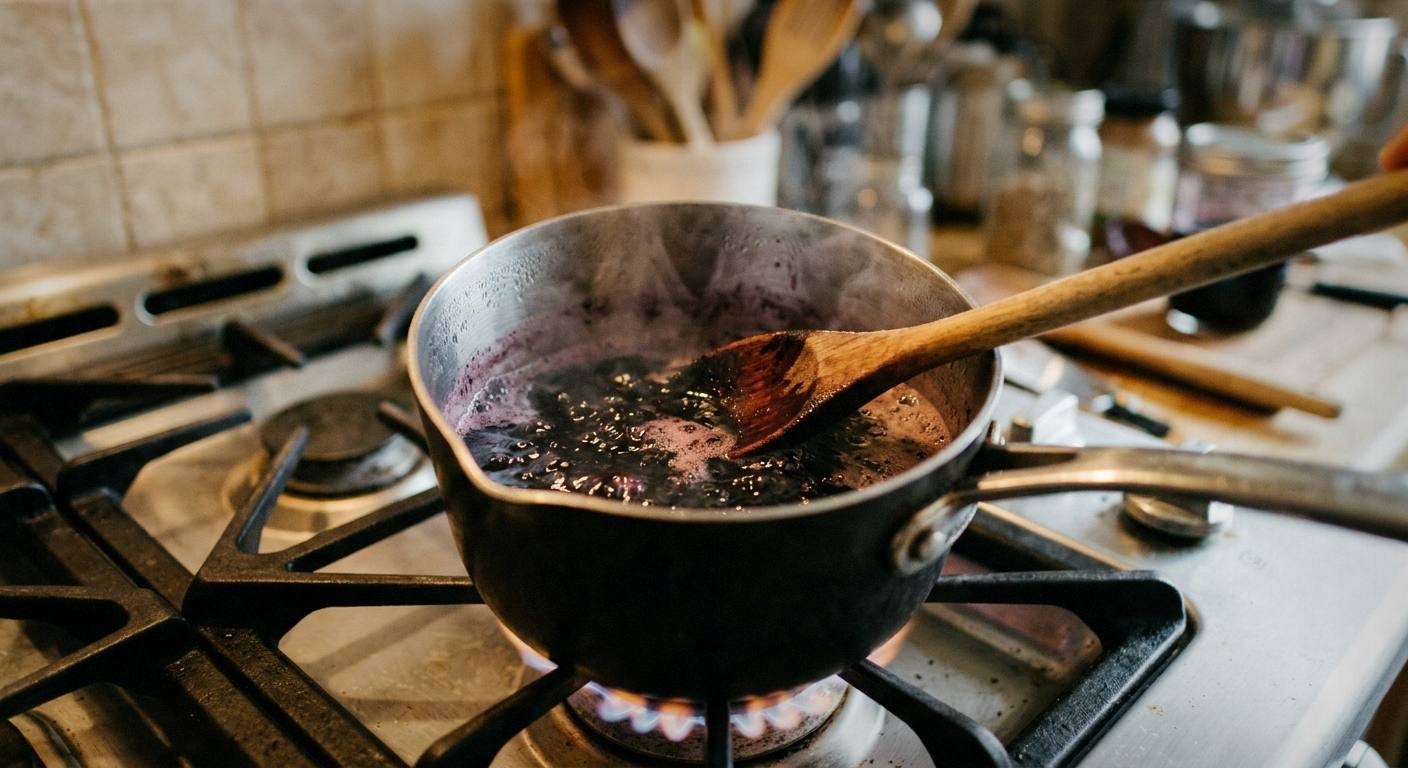
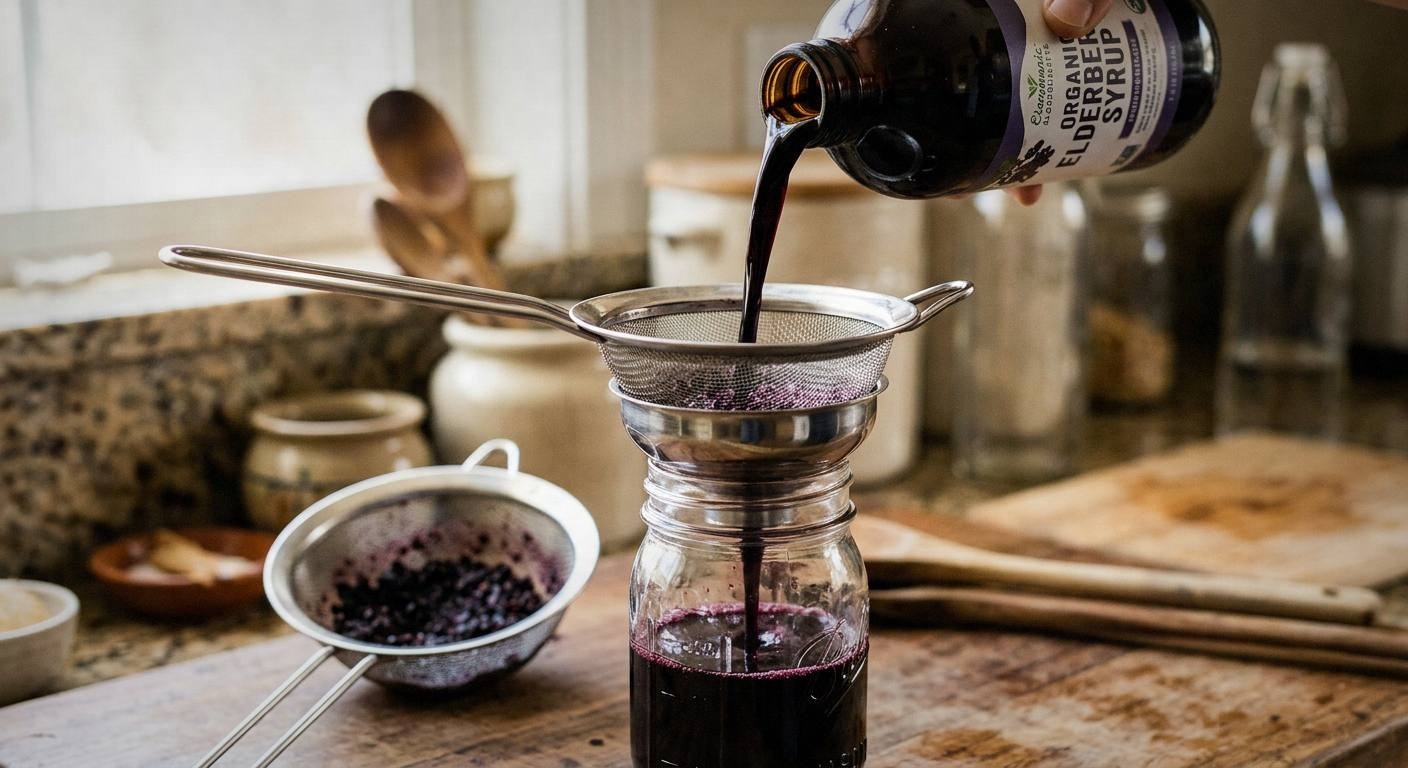
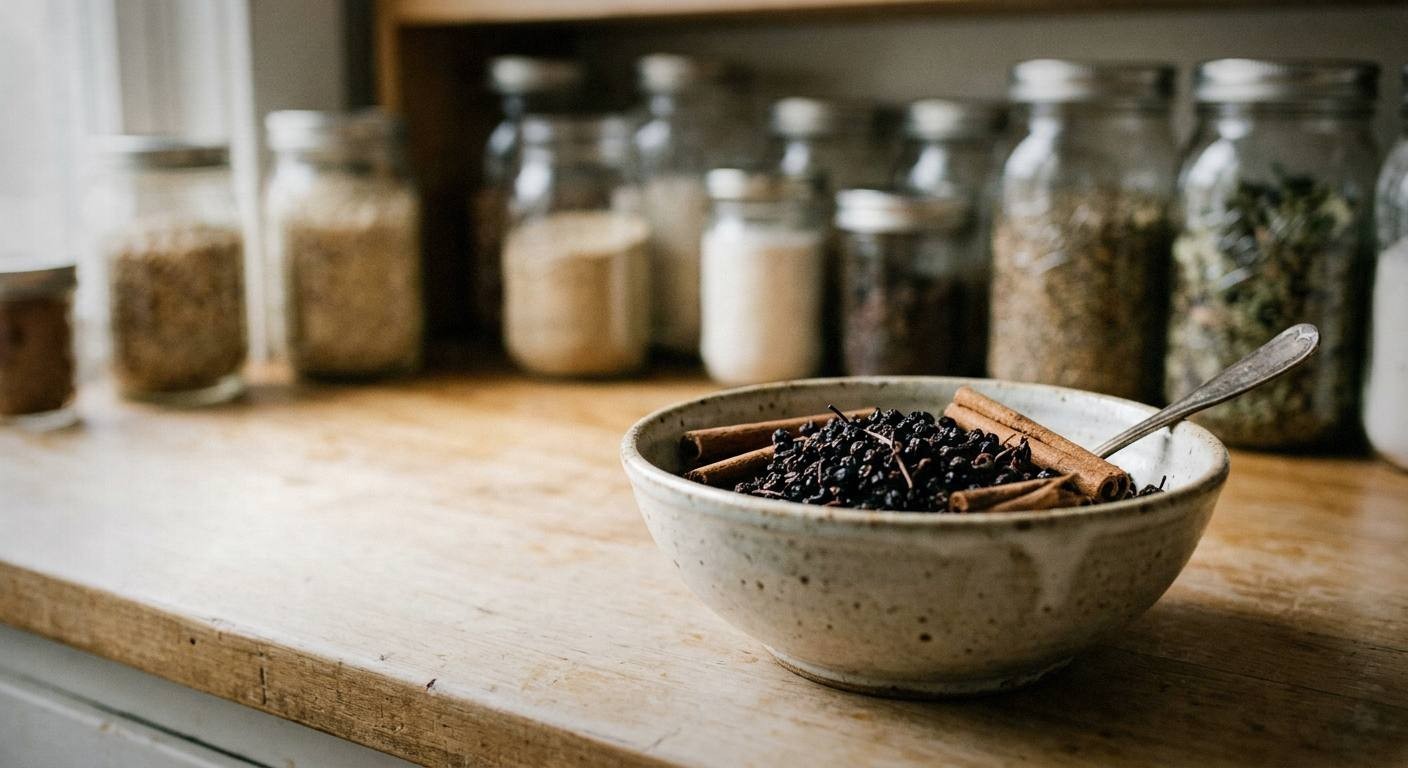
The earlier tissue-study discussion cannot predict an individual’s exposure or certify all species safe. This overview relies on institutional consumer and preservation guidance rather than turning laboratory averages into a nibbling allowance. It makes no immune, treatment or universal home-method claim. The retained image is illustrative, not identification or processing evidence.
Related Reading
- Honey-Spice Elderberry Syrup: Formula and Process Limits
- Dried vs Fresh Elderberries: Which to Use and What Changes
- Elderflower: Flavor, Uses and Limits of the Health Evidence
- Can You Freeze Elderberry Syrup? Cubes, Headspace, and Thawing
- How Long Does Elderberry Syrup Last? Fridge Life and Spoilage Signs
Sources and Scope
This overview follows institutional consumer and preservation guidance. It does not supply a home detoxification formula, a safe raw dose or a tested shelf life.