The Short Answer
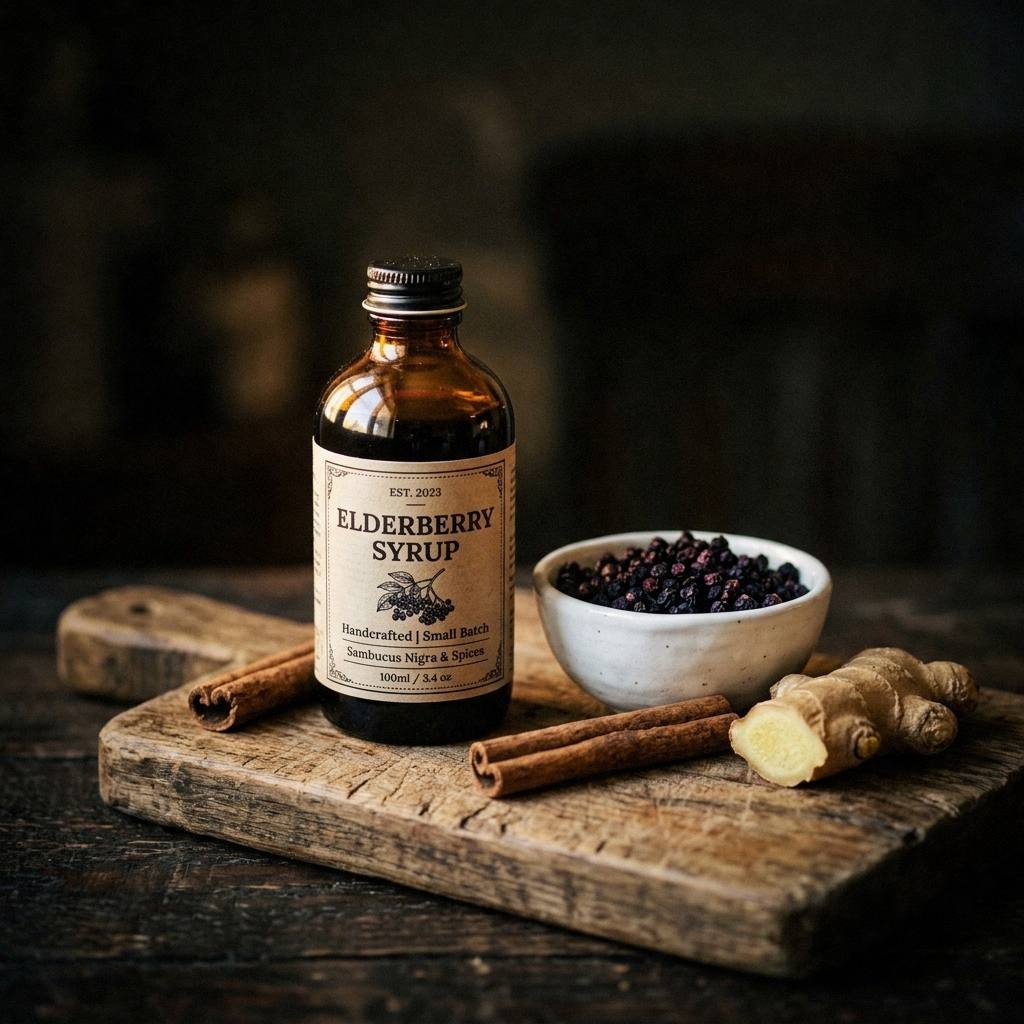
Nine times out of ten the syrup is fine and the expectation is off. Elderberry syrup is a pourable liquid. It is closer to maple syrup than to jam, and it is supposed to run off a spoon rather than sit on it.
The second thing to know is that hot syrup always looks thin. Sugar liquids gain most of their body as they cool, so judging consistency at the stove tells you almost nothing. Let a spoonful sit in the fridge for twenty minutes before you decide anything.
Our elderberry syrup page has withdrawn its preparation directions pending resolution of process limits. The texture discussion below does not reinstate a reduction or reheating rescue for that formula.
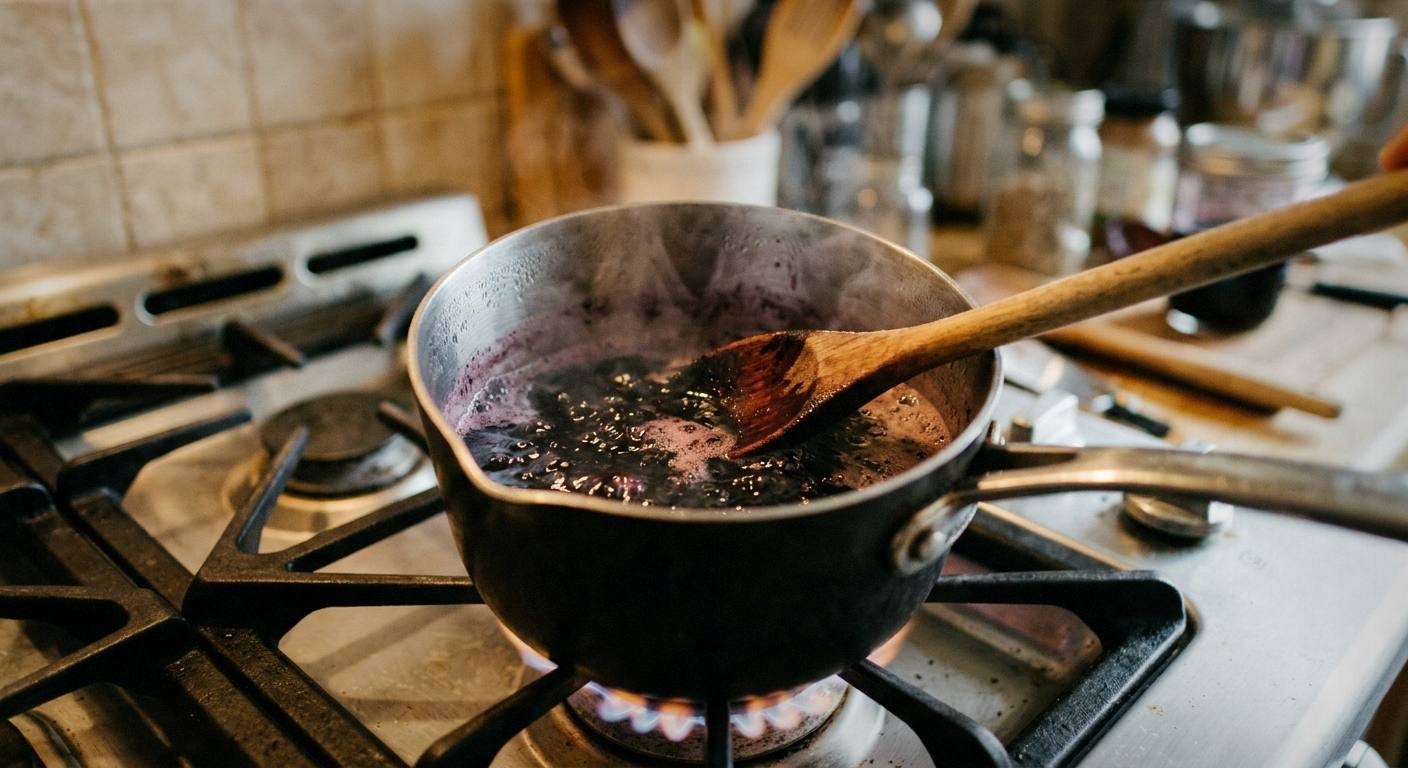
What Elderberry Syrup Should Actually Look Like
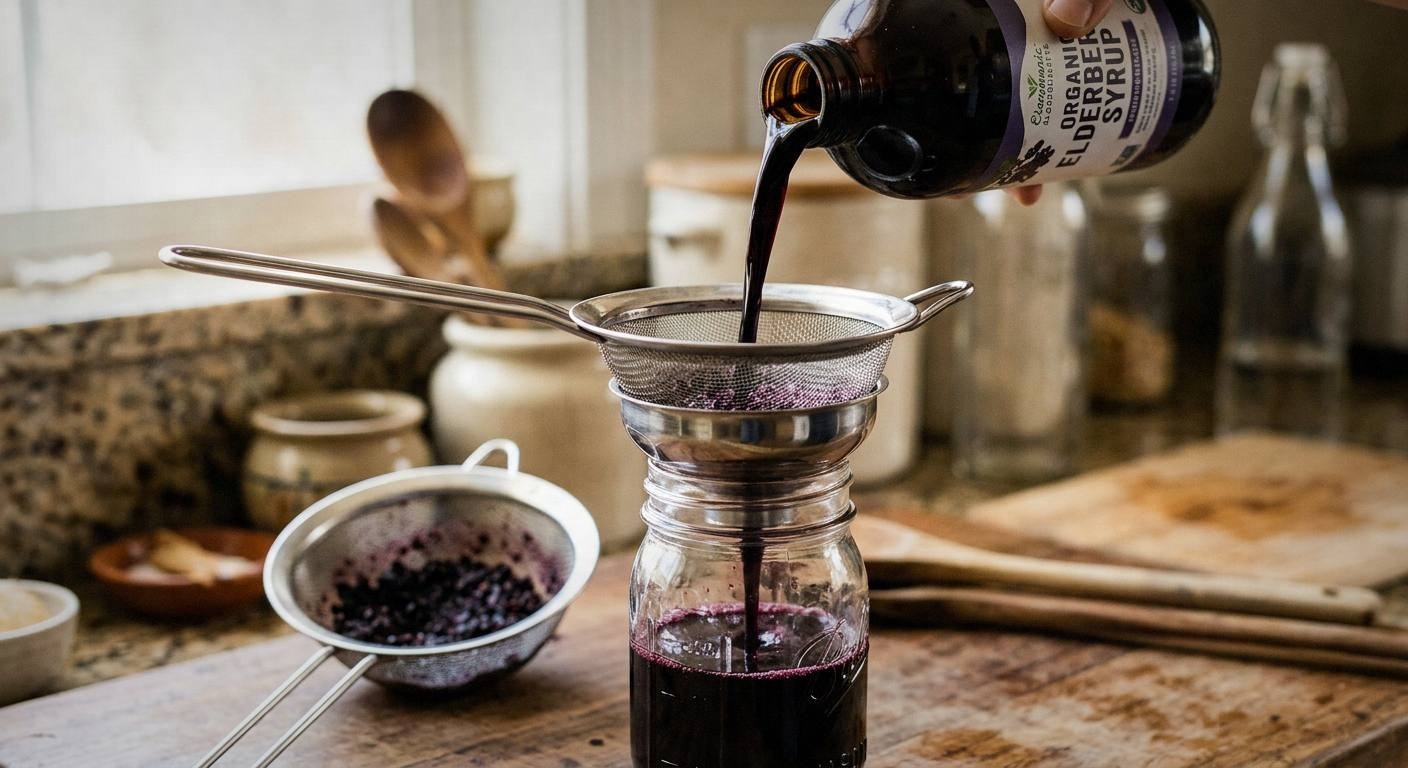
Pour some on a cold plate and tilt it. A finished batch moves slowly and leaves a colored trail behind it. It does not stand up, it does not gel, and it does not hold a shape.
There is no pectin doing structural work here and nothing is being set. The body comes from two places only: water that has been boiled off, and sugar dissolved in what is left. That is the entire mechanism, which is useful, because it tells you exactly which levers exist.
Cause One: You Did Not Reduce It Far Enough
Water loss concentrates a syrup and reduces yield. That explains texture, but it does not establish whether an elderberry batch was correctly identified and processed. The former half-reduction instruction for the withdrawn site syrup is not supplied here. Follow a complete documented preparation appropriate to the berry species and formulation.
Cause Two: The Lid Was On
A lid can return condensed water to a pot and slow evaporation. This is a concentration explanation, not a replacement cooking method for the withdrawn syrup. Do not infer its safety from color, thickness or how much liquid evaporated.
Cause Three: The Honey Went In Too Early
The former honey-addition explanation is withdrawn with the unresolved site formula. This guide does not establish a honey-temperature mechanism or provide reheating directions. Follow a complete documented preparation or manufacturer instructions for the particular product.
The Cold Test Before Anything Else
Comparing a documented syrup at its intended cold serving temperature can help assess texture. No universal twenty-minute, ribbon or spoon-coating test proves elderberry processing was adequate. Do not use a cold texture test to approve or rescue the withdrawn formula.
Fixing a Batch That Is Already Bottled
The former bottled-batch reheating directions for the site honey-spice syrup are withdrawn with its underlying preparation method. Further reduction cannot establish that an unknown batch was processed safely, and reheating does not reliably rescue spoiled food. Use the complete source recipe or commercial manufacturer instructions for the particular product.
What Not to Add to Thicken It
Cornstarch or arrowroot. These make a sauce, not a syrup. They cloud the color, change the mouthfeel to something starchy, and shorten how well the jar keeps.
Pectin. Pectin sets a gel. You will get elderberry jelly, which is a fine thing to want, but it is a different recipe with different proportions and its own processing rules.
Gelatin. Same problem, plus it sets solid in the cold and will not pour when you actually want it.
More sweetener than the recipe calls for. This does add body, but it also makes the syrup cloying, and you are solving a texture problem by ruining the flavor.
Changing concentration is not a safety validation or a rescue instruction for the withdrawn syrup.
When Thin Is Actually Correct
Sometimes the syrup is meant to be loose, and thicker would be worse:
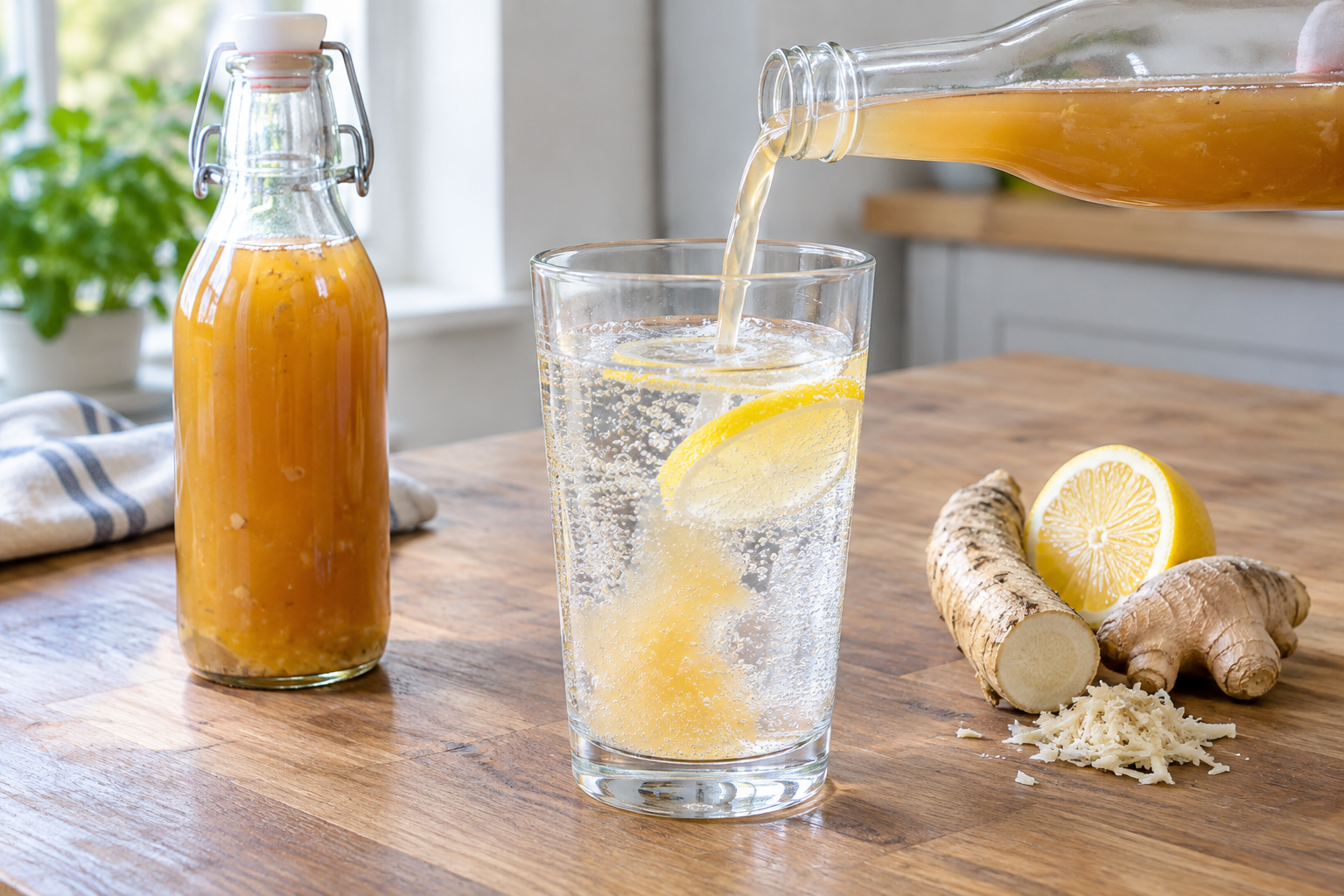
- Stirring into sparkling water, where a thick syrup sinks and refuses to mix
- Pouring over yogurt or oatmeal
- Anything you plan to freeze into cubes, see freezing elderberry syrup and the complete source product instructions; this guide supplies no thawed-texture guarantee
- A batch you will be spooning out of a jar in the middle of winter
Thick syrup is harder to get out of a bottle and harder to portion evenly into a drink. Pour and taste do not establish that an unresolved batch was processed safely.
Thin, Watery, or Turned
Be sure you are troubleshooting texture and not spoilage. A syrup that has thinned out over weeks in the fridge, especially with bubbles or a cidery smell, has not lost body. It has picked up wild yeast that is eating the sugar, and that batch goes out rather than back on the stove. The signals are listed in how long does elderberry syrup last .
One Note on the Honey
If your version is honey-sweetened, keep the infant rule in mind regardless of how the batch turned out. Botulism spores turn up in honey, and MedlinePlus states that these foods should not be fed to infants less than 1 year old . Cooking does not change that.
Common Questions
How thick should elderberry syrup be?
Pourable. It should ribbon off a spoon and coat the back of it thinly. If it mounds, it is closer to jam than syrup.
Will elderberry syrup thicken in the fridge?
Yes, noticeably. Always judge consistency cold, never in the pot.
Can I boil it harder to speed up reduction?
Follow the complete source recipe for the particular product. This guide supplies no faster-boil or simmer rescue for the withdrawn site syrup.
Why is my syrup thin but tastes strong?
Flavor and a loose pour cannot establish safe processing. Follow the complete documented preparation or manufacturer instructions; do not taste an unknown batch to decide whether it is safe.
Can I fix thin syrup after adding the honey?
This guide does not provide that rescue for the unresolved site syrup. Use a complete documented preparation or manufacturer instructions for the particular product.
Does using fresh berries instead of dried change the consistency?
Fresh fruit brings more water into the pot, so a fresh batch generally needs a longer reduction to land in the same place. The rest of the differences are in dried vs fresh elderberries .