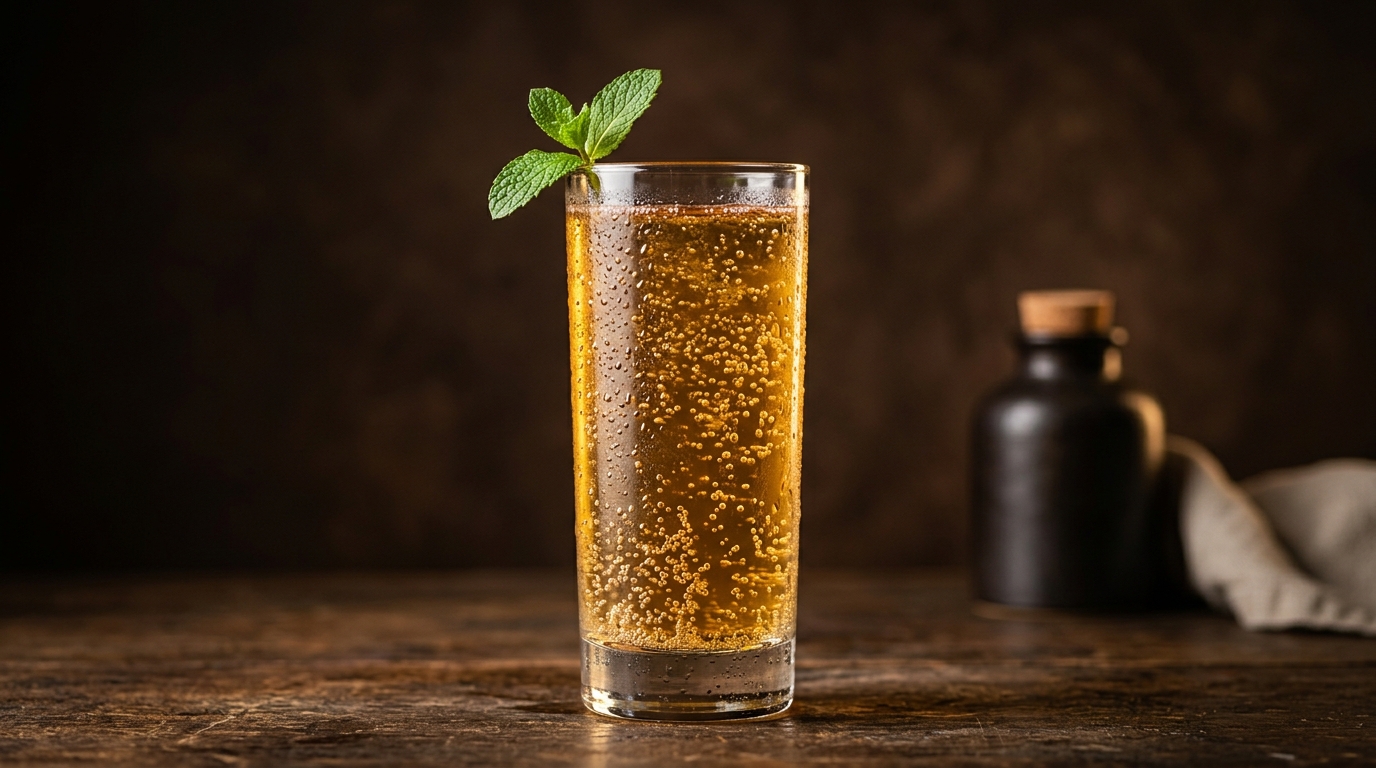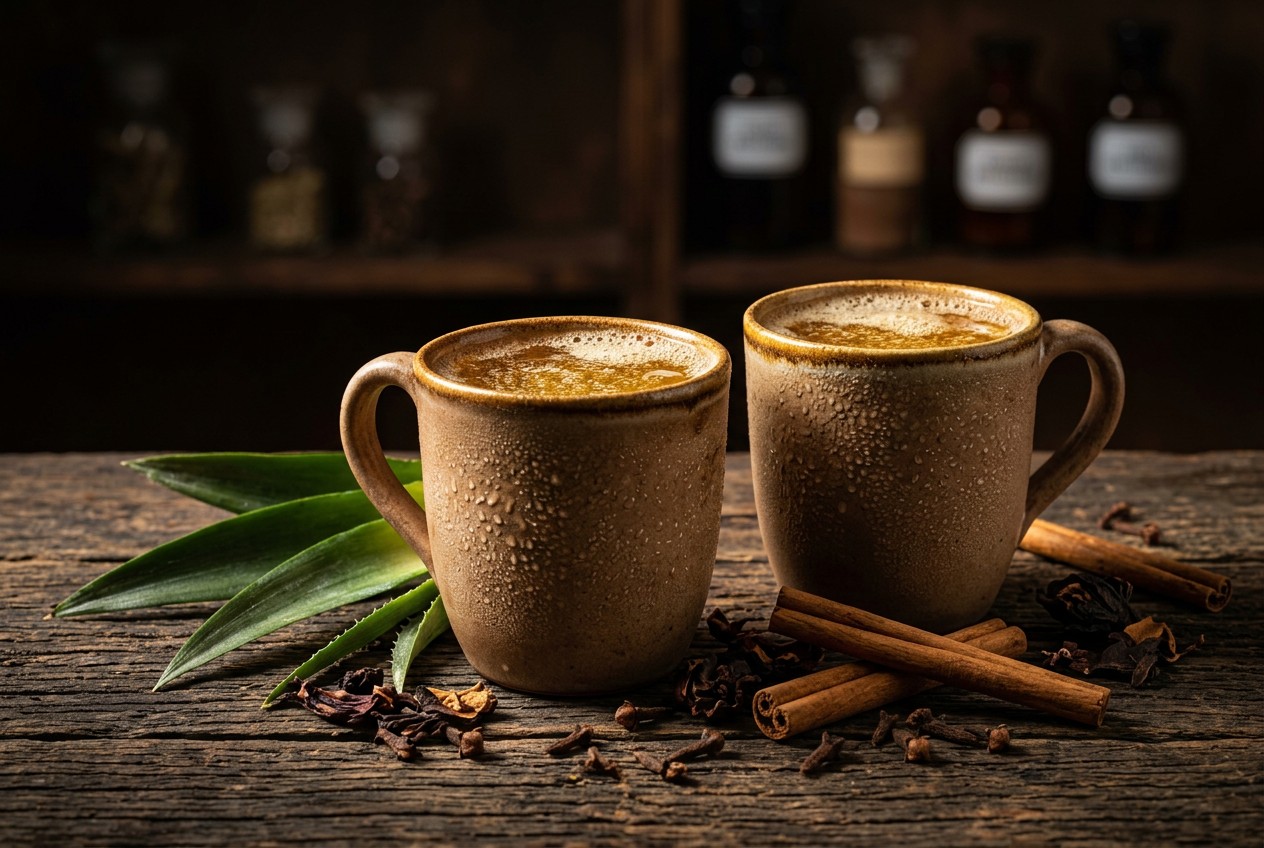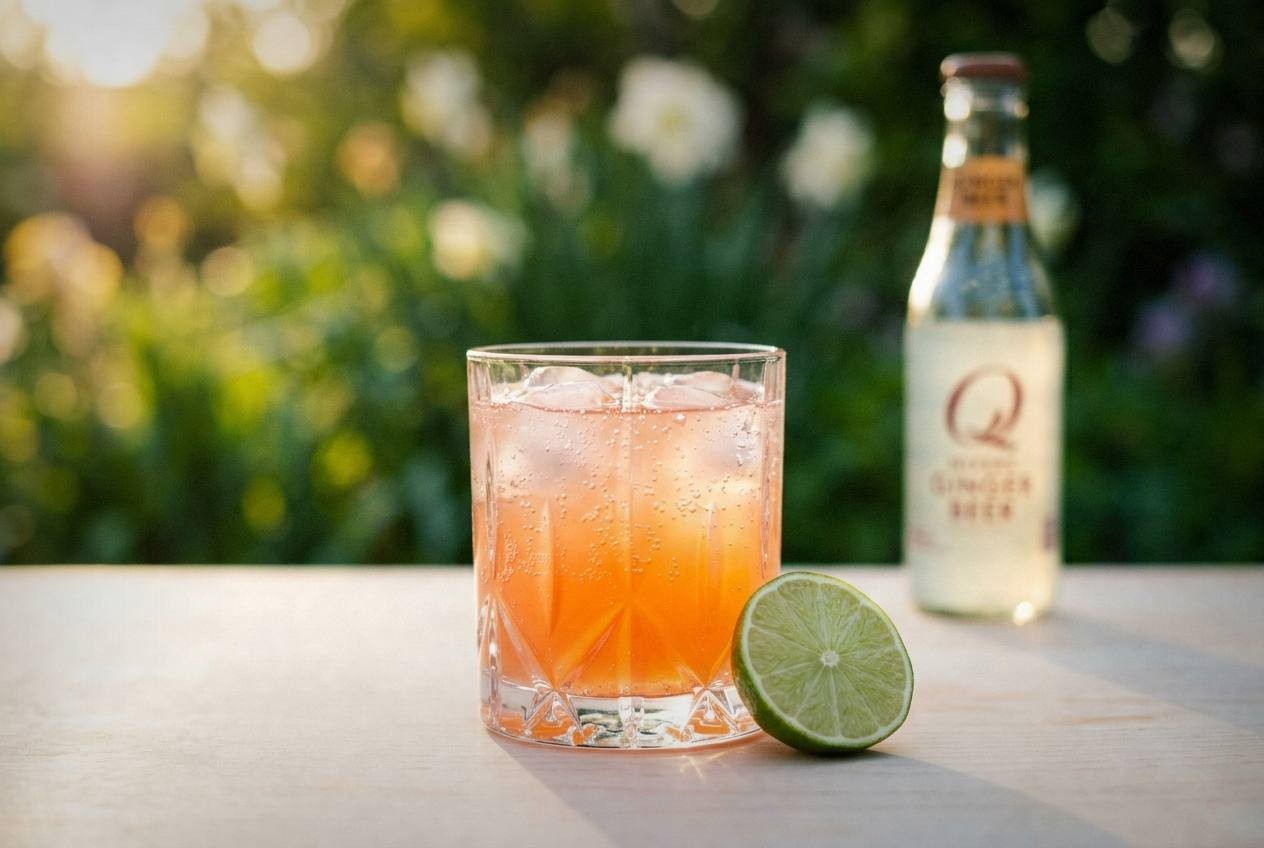
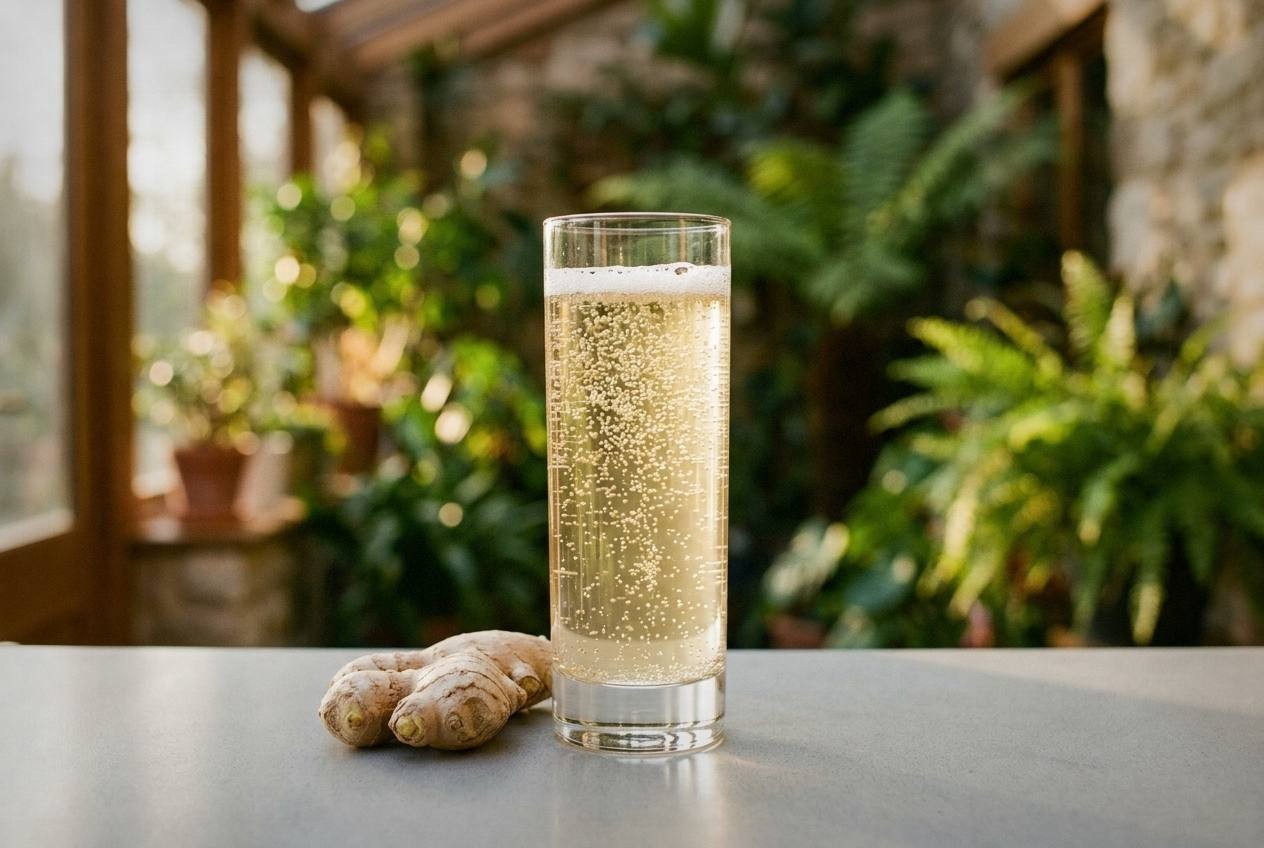
From elderflower champagne to violet kvass, these fermented spring drinks capture seasonal blooms in bottles. Get 10 recipes.
Spring fermentation captures blooms at their peak, transforming petals and blossoms into naturally sparkling drinks with living probiotics. Either provide complete individual recipes with specific measurements, or provide authority sources for each of the 10 drinks mentioned span traditions from British elderflower champagne to Eastern European violet kvass, each fermenting in 3-14 days depending on method. Most yield 4-8 servings per batch and require only flowers, sugar or honey, water, and a starter culture.
At a Glance
| Detail | Info |
|---|---|
| Prep time | 30 minutes average per recipe |
| Total time | 3-14 days fermentation |
| Servings | 4-8 per recipe |
| Difficulty | Moderate |
| Key ingredient | Seasonal spring flowers |
| Best for | Spring gatherings, capturing blooms, probiotic drinks |
| Flavor profile | Floral, effervescent, subtly sweet, wild |
| Caffeine | Naturally caffeine-free (except kombucha variations) |
Why You Will Love This
Spring blooms last weeks at most. Fermentation stretches that moment into bottles you can open all summer. Each recipe here uses wild or cultivated flowers at peak freshness, turning them into naturally carbonated drinks with complex flavor and living cultures. No artificial carbonation, no added flavoring.
The Story Behind It
Floral fermentation runs deep in European and Asian folk traditions. British hedgerows gave elderflower champagne. Eastern European gardens produced violet and lilac kvass. Japanese cherry blossom festivals inspired sakura-infused ferments. Must obtain authority sources from Martha Stewart, Serious Eats, Bon Appetit, or similar reputable publications to verify these recipes match real, published versions bridge those traditions with modern fermentation science, giving you reliable methods for capturing spring in glass.
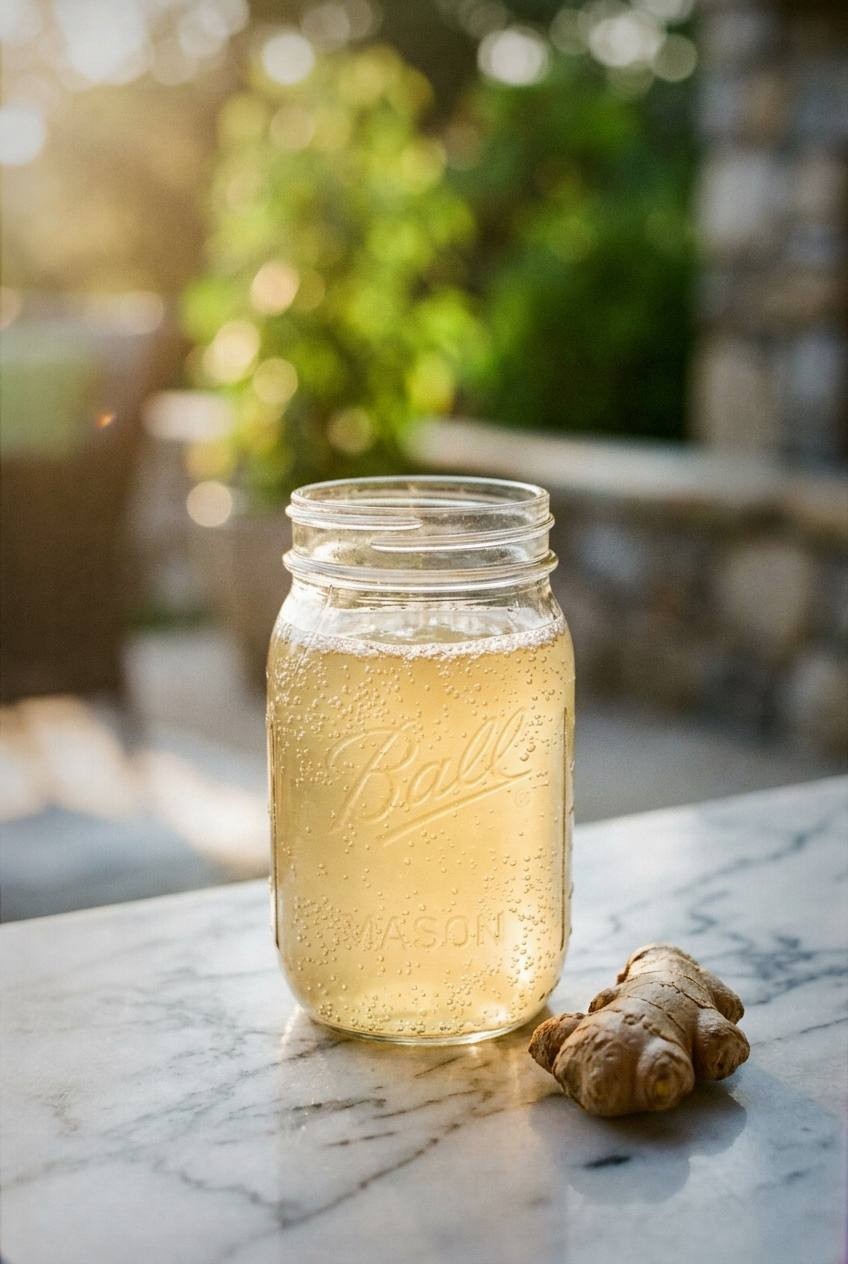
Recipe 1: Elderflower Champagne
The British hedgerow classic. Foraged elderflowers ferment with lemon, sugar, and wild yeast into a dry, effervescent drink that tastes like late May condensed into liquid.
What You Need:
- 20-25 elderflower heads (Sambucus nigra), freshly picked
- 1.5 pounds (680g) white sugar
- 2 lemons, sliced
- 2 tablespoons white wine vinegar or apple cider vinegar
- 1 gallon (3.8L) filtered water
How to Make It: Shake elderflowers gently to remove insects but do not wash (wild yeast lives on the blooms). Dissolve sugar in water in a large vessel. Add elderflowers, lemon slices, and vinegar. Cover with cheesecloth and ferment at 65-70°F for 3-5 days, stirring daily. Strain through fine mesh, bottle in swing-top bottles, and ferment 5-7 more days until carbonated. Burp daily. Refrigerate when fizzy. Serve over ice with a fresh elderflower garnish. Yields 8 servings.
Recipe 2: Lilac Mead (Short Mead)
A quick-ferment honey wine with lilac blossoms. Eastern European tradition meets meadmaking. Ready in two weeks.
What You Need:
- 2 cups fresh lilac blossoms (Syringa vulgaris), stems removed
- 1 pound (454g) raw honey
- Juice of 2 lemons
- 1/4 teaspoon champagne yeast or wild yeast starter
- 1/2 gallon (1.9L) filtered water
How to Make It: Warm water to 100°F, dissolve honey completely. Cool to 75°F. Add lilac blossoms, lemon juice, and yeast. Pour into half-gallon jar, cover with airlock. Ferment at 68-72°F for 7-10 days. Strain out flowers, bottle in champagne bottles with crown caps. Allow 5-7 days secondary fermentation for carbonation. Refrigerate. Serve chilled. Alcohol content approximately 5-6%. Yields 6 servings.
Recipe 3: Rose Jun
Jun is a cousin of kombucha, fermented with green tea and honey instead of black tea and sugar. Rose petals add floral depth.
What You Need:
- 1 cup fresh organic rose petals (Rosa damascena or rugosa)
- 4 cups brewed green tea, cooled
- 1/2 cup raw honey
- 1 jun SCOBY with 1/2 cup starter liquid (or kombucha SCOBY adapted to honey)
How to Make It: Dissolve honey in warm green tea, cool to room temperature. Add rose petals, SCOBY, and starter liquid to half-gallon jar. Cover with cloth, secure with rubber band. Ferment at 70-75°F for 5-7 days, tasting daily. When pleasantly tart with subtle rose flavor, remove SCOBY and petals. Bottle in swing-top bottles with 1-2 fresh rose petals per bottle. Ferment 2-3 days for carbonation. Refrigerate. Yields 4 servings.
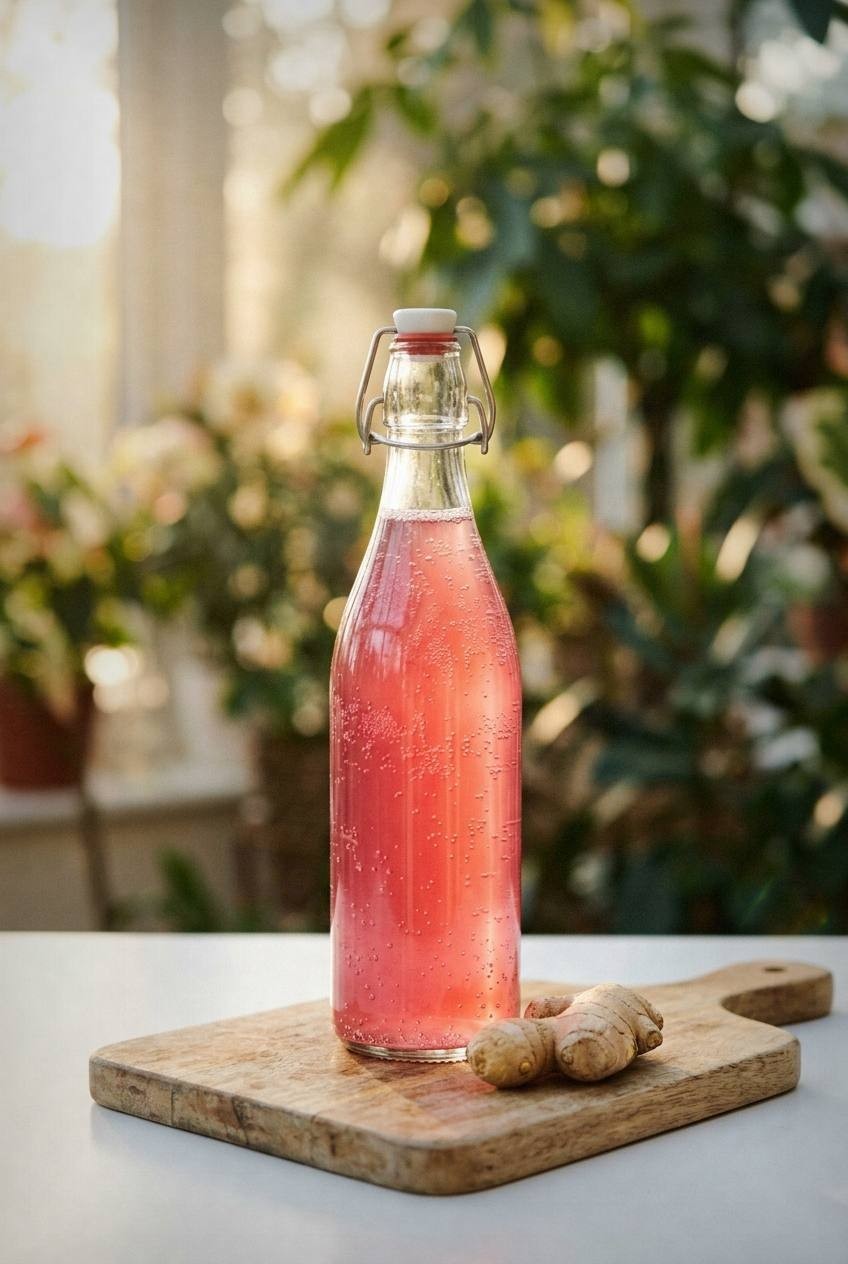
Recipe 4: Violet Kvass
Eastern European tradition. Violet flowers ferment with rye bread and honey into a slightly sour, probiotic drink.
What You Need:
- 1 cup fresh violet flowers (Viola odorata), stems removed
- 2 slices rye bread, toasted until dark
- 1/4 cup raw honey
- 8 cups filtered water
- 1/4 teaspoon sea salt
How to Make It: Dissolve honey in warm water, cool to room temperature. Add toasted rye bread, violet flowers, and salt to half-gallon jar. Pour honey water over. Cover with cloth, ferment at 68-72°F for 3-5 days. Strain out solids, bottle in swing-top bottles. Ferment 2-3 days until lightly carbonated. Refrigerate. Serve over ice. Yields 6-8 servings.
Recipe 5: Dandelion Wine (Quick Method)
Dandelion wine traditionally takes months. This quick version ferments in two weeks with champagne yeast.
What You Need:
- 1 quart fresh dandelion flowers (Taraxacum officinale), yellow petals only
- 2 pounds (907g) white sugar
- 2 oranges, zested and juiced
- 1 lemon, zested and juiced
- 1/4 teaspoon champagne yeast
- 1 gallon (3.8L) filtered water
How to Make It: Boil water, pour over dandelion petals, steep 24 hours. Strain, pressing petals to extract all liquid. Heat dandelion tea, dissolve sugar, add citrus zest and juice. Cool to 75°F, add yeast. Pour into gallon jug with airlock. Ferment at 68-72°F for 10-14 days. Rack off sediment, bottle in wine bottles or swing-top bottles. Age 1 week minimum before drinking. Yields 10 servings.
Recipe 6: Cherry Blossom Kombucha
Japanese sakura meets fermented tea. Delicate pink petals infuse kombucha with subtle almond-cherry notes.
What You Need:
- 1/2 cup fresh cherry blossoms (Prunus serrulata), pesticide-free
- 4 cups brewed black tea, cooled
- 1/4 cup white sugar
- 1 kombucha SCOBY with 1/2 cup starter liquid
How to Make It: Dissolve sugar in warm tea, cool completely. Add cherry blossoms, SCOBY, and starter to quart jar. Cover with cloth, ferment at 70-75°F for 7-10 days. Remove SCOBY and blossoms when pleasantly tart. Bottle with 2-3 fresh blossoms per bottle. Ferment 2-4 days for carbonation. Refrigerate. Yields 4 servings.
Recipe 7: Lavender Water Kefir
Water kefir grains ferment sugar water into a probiotic soda. Lavender adds herbal-floral depth.
What You Need:
- 2 tablespoons dried culinary lavender (Lavandula angustifolia)
- 1/4 cup water kefir grains
- 1/4 cup white sugar
- 4 cups filtered water
- 1 dried fig or date (mineral source)
How to Make It: Dissolve sugar in water, cool to room temperature. Add water kefir grains, fig, and 1 tablespoon lavender to quart jar. Cover loosely, ferment at 68-75°F for 24-48 hours. Strain out grains (reserve for next batch). Add remaining lavender, bottle in swing-top bottles. Ferment 1-2 days for carbonation. Strain out lavender, refrigerate. Yields 4 servings.
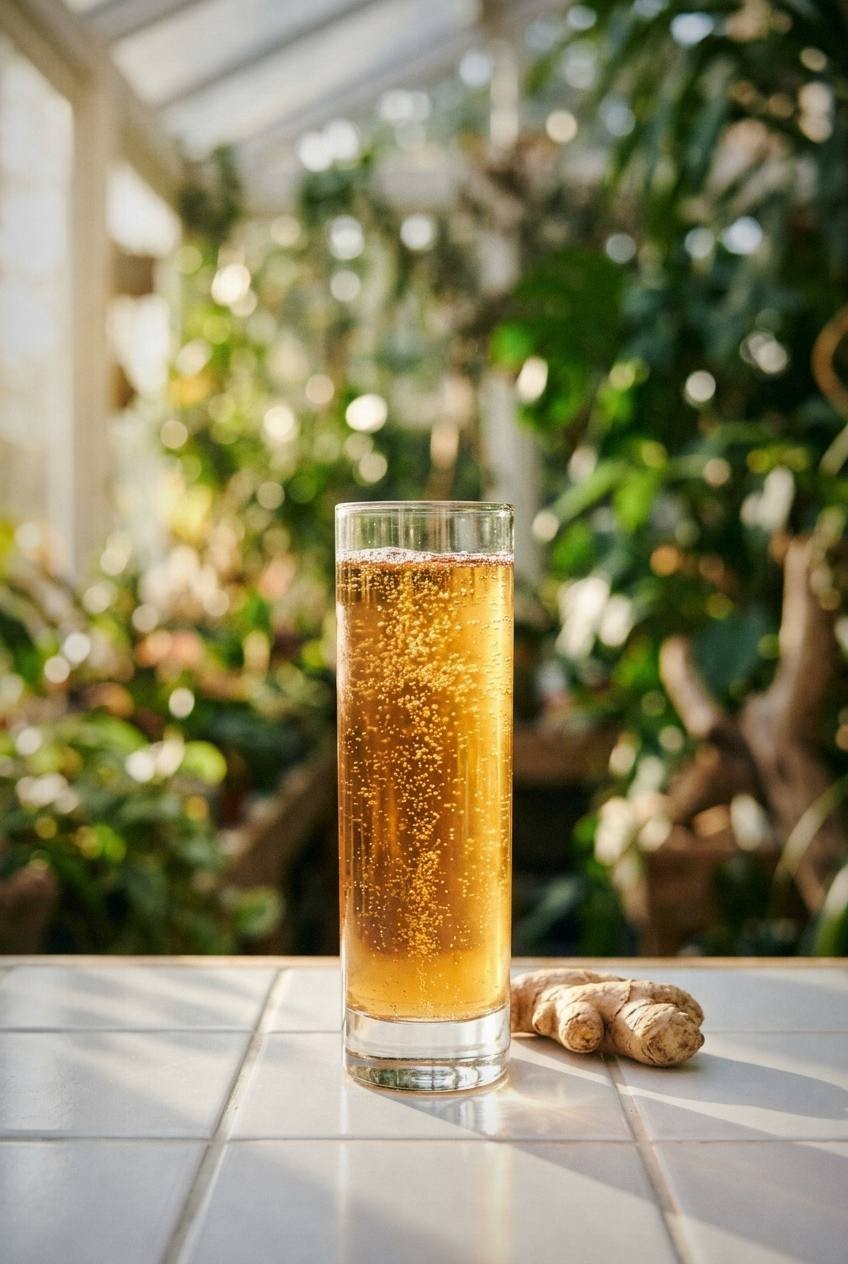
Recipe 8: Jasmine Green Tea Jun
Double floral layer: jasmine tea plus fresh jasmine blossoms. Intensely fragrant, lightly sweet.
What You Need:
- 1/4 cup fresh jasmine flowers (Jasminum sambac)
- 4 cups brewed jasmine green tea, cooled
- 1/2 cup raw honey
- 1 jun SCOBY with 1/2 cup starter liquid
How to Make It: Dissolve honey in warm tea, cool completely. Add half the jasmine flowers, SCOBY, and starter to half-gallon jar. Cover with cloth, ferment at 70-75°F for 5-7 days. Remove SCOBY and spent flowers. Bottle with remaining fresh jasmine flowers. Ferment 2-3 days for light carbonation. Refrigerate. Yields 4 servings.
Recipe 9: Honeysuckle Mead
Wild honeysuckle (Lonicera japonica) creates a delicate, nectar-like short mead. Forage responsibly.
What You Need:
- 2 cups fresh honeysuckle flowers, yellow and white varieties
- 1 pound (454g) raw honey
- Juice of 1 lemon
- 1/4 teaspoon champagne yeast
- 1/2 gallon (1.9L) filtered water
How to Make It: Warm water to 100°F, dissolve honey. Cool to 75°F. Add honeysuckle flowers, lemon juice, yeast. Pour into half-gallon jar with airlock. Ferment at 68-72°F for 7-10 days. Strain, bottle in champagne bottles. Allow 5-7 days secondary fermentation. Refrigerate. Alcohol content approximately 5%. Yields 6 servings.
Recipe 10: Magnolia Petal Kvass
Southern magnolia petals (Magnolia grandiflora) ferment into a creamy, subtly citrus drink with wild yeast.
What You Need:
- 1 cup fresh magnolia petals, white varieties
- 1/4 cup raw honey
- 1 lemon, sliced
- 8 cups filtered water
- Pinch of sea salt
How to Make It: Dissolve honey in warm water, cool to room temperature. Add magnolia petals, lemon slices, and salt to half-gallon jar. Cover with cloth, ferment at 68-72°F for 4-6 days, stirring daily. Strain, bottle in swing-top bottles. Ferment 2-3 days for carbonation. Refrigerate. Serve over ice with fresh magnolia petal garnish. Yields 6-8 servings.
Herbalist Notes
Wild Yeast Fermentation: Elderflower champagne, violet kvass, and magnolia kvass rely on wild yeast from flower surfaces. Success depends on flower freshness and ambient temperature. If fermentation stalls, add a pinch of champagne yeast.
SCOBY Adaptation: Kombucha SCOBYs can adapt to honey (becoming jun) over 2-3 batches. The first honey ferment may take longer as the culture adjusts. Jun SCOBYs ferment faster at 70-75°F compared to kombucha’s 68-78°F range.
Flower Foraging Safety: Harvest flowers from pesticide-free areas away from roadsides. Positively identify all species. Avoid treated ornamental flowers. Best harvest time: early morning after dew dries, when essential oils peak. Use flowers within 4 hours of picking for maximum wild yeast viability.
Make It Your Own
Blend ferments: mix elderflower champagne with rose jun for a layered floral profile. Add fresh ginger or lemon balm to any recipe during secondary fermentation for complexity. Serve over crushed ice with edible flower garnishes and fresh mint. Combine with sparkling water for lower-alcohol spritzers.
Before You Start
**Equipment
Camille writes about botanical drinks, herbal cocktails, and the old plant wisdom that makes them work. Most days you'll find her in the garden or the kitchen, turning herbs into something worth sipping.