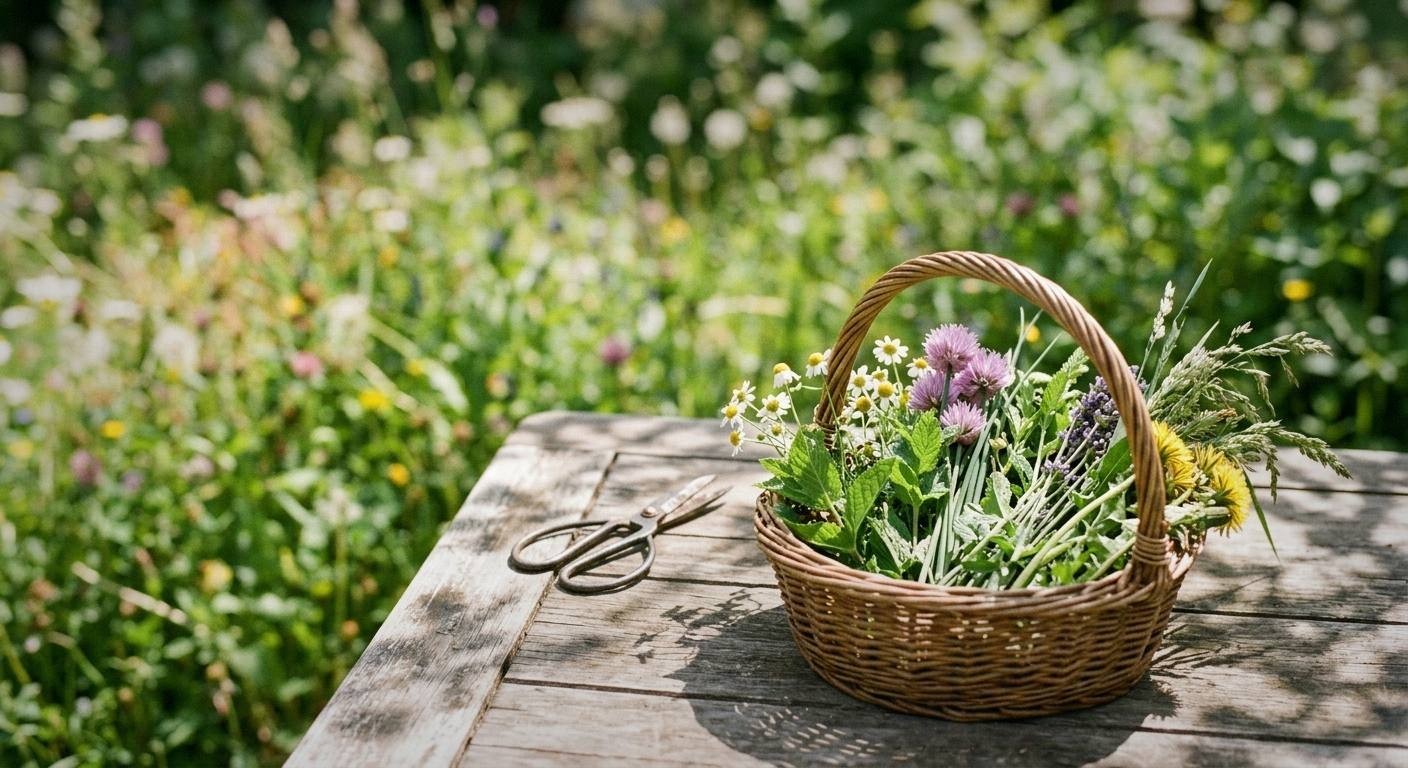
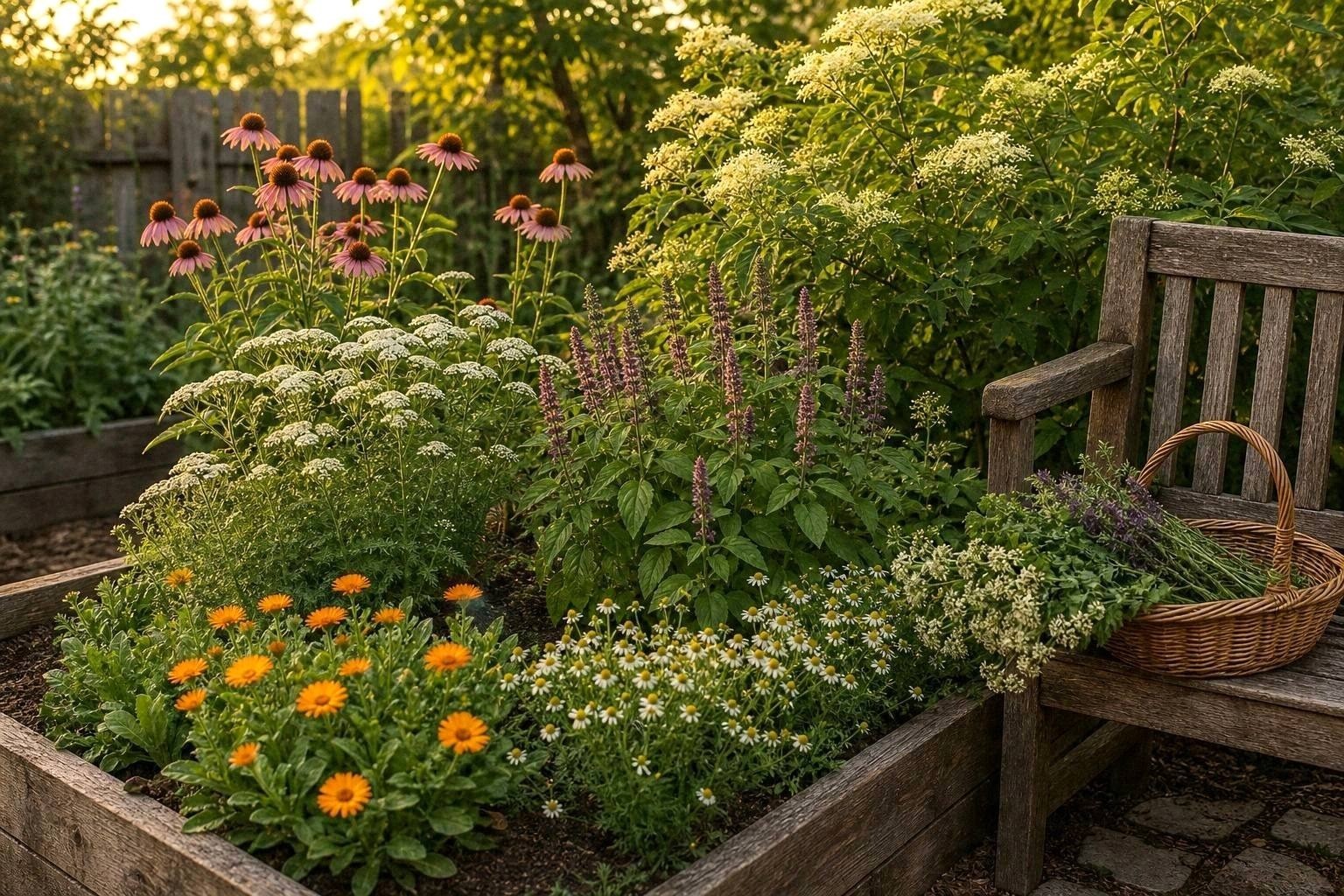
Choose these ten plants by growing conditions and available space. They do not all belong in one 4-by-8-foot bed: black elder is a substantial shrub, and peppermint and lemon balm can spread. A garden can supply flowers, foliage and culinary ingredients without becoming a substitute for medical care.
Ten plants, different spaces
Each plant name links to its North Carolina Extension Gardener Plant Toolbox profile. Use those species-specific details and local extension advice alongside the cultivar label; a single zone, watering rule or harvest month does not fit all ten.
| Plant and source | Placement to consider | Space decision |
|---|---|---|
| Yarrow | Sunny, well-drained border | Spreads through rhizomes; allow for a patch rather than one stem. |
| Calendula | Sun or partial shade; well-drained soil | Treat it as an annual planting choice, not a permanent shrub. |
| Holy basil / tulsi | Sunny bed or container | Plan around local seasonal conditions. |
| German chamomile | Sunny annual flower patch | Keep annual seedling space available. |
| Lemon balm | Sun or partial shade; drained soil | Can spread aggressively; a container helps manage placement. |
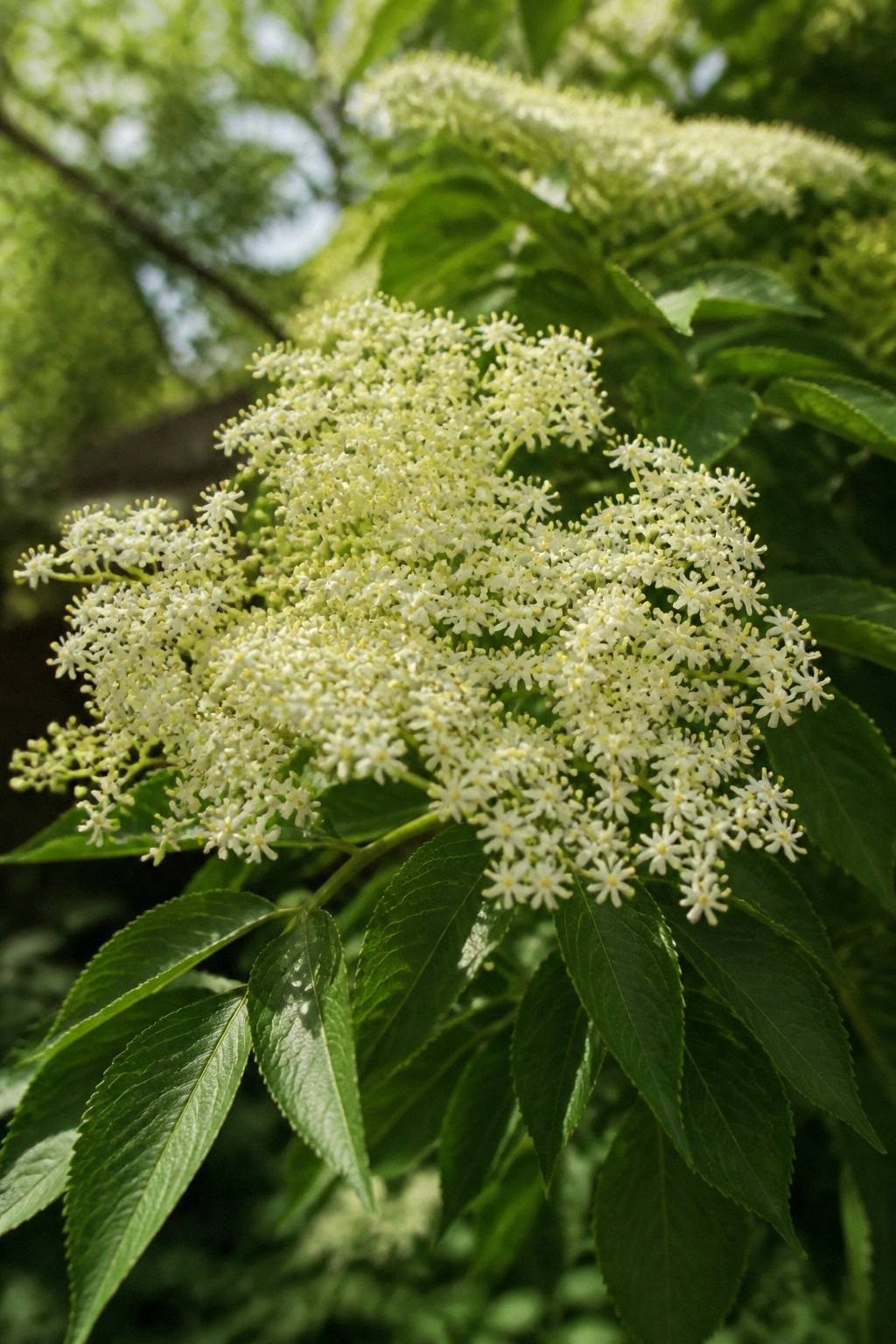
| Black elder | Separate shrub space; moist, drained soil | NC State lists 8–20 feet tall and wide, with suckering. |
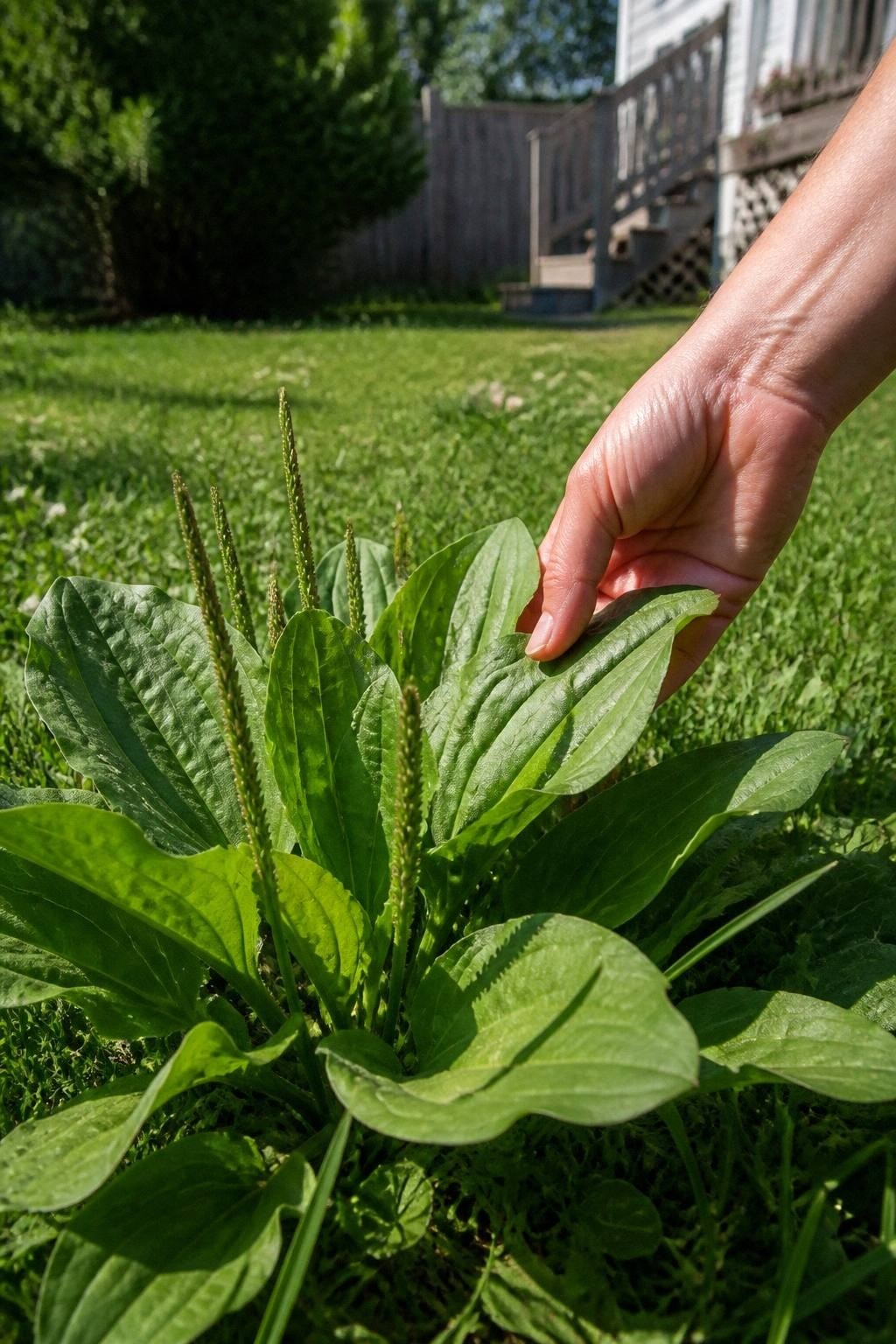
| Broadleaf plantain | Existing disturbed-ground plant; identify before retaining | Check whether it is wanted in your garden at all. |
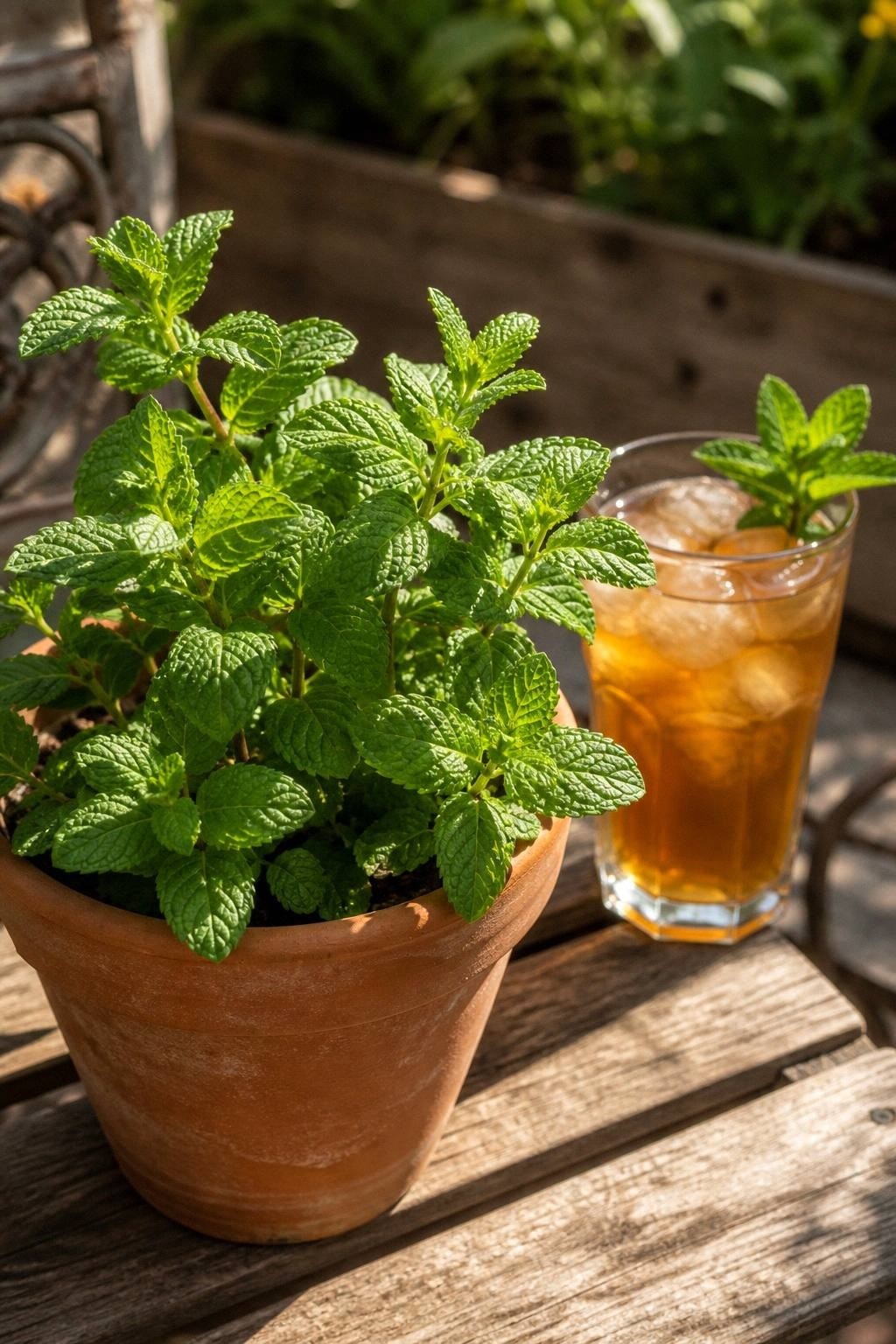
| Peppermint | Sun or partial shade; container option | Rhizomes spread aggressively in open ground. |
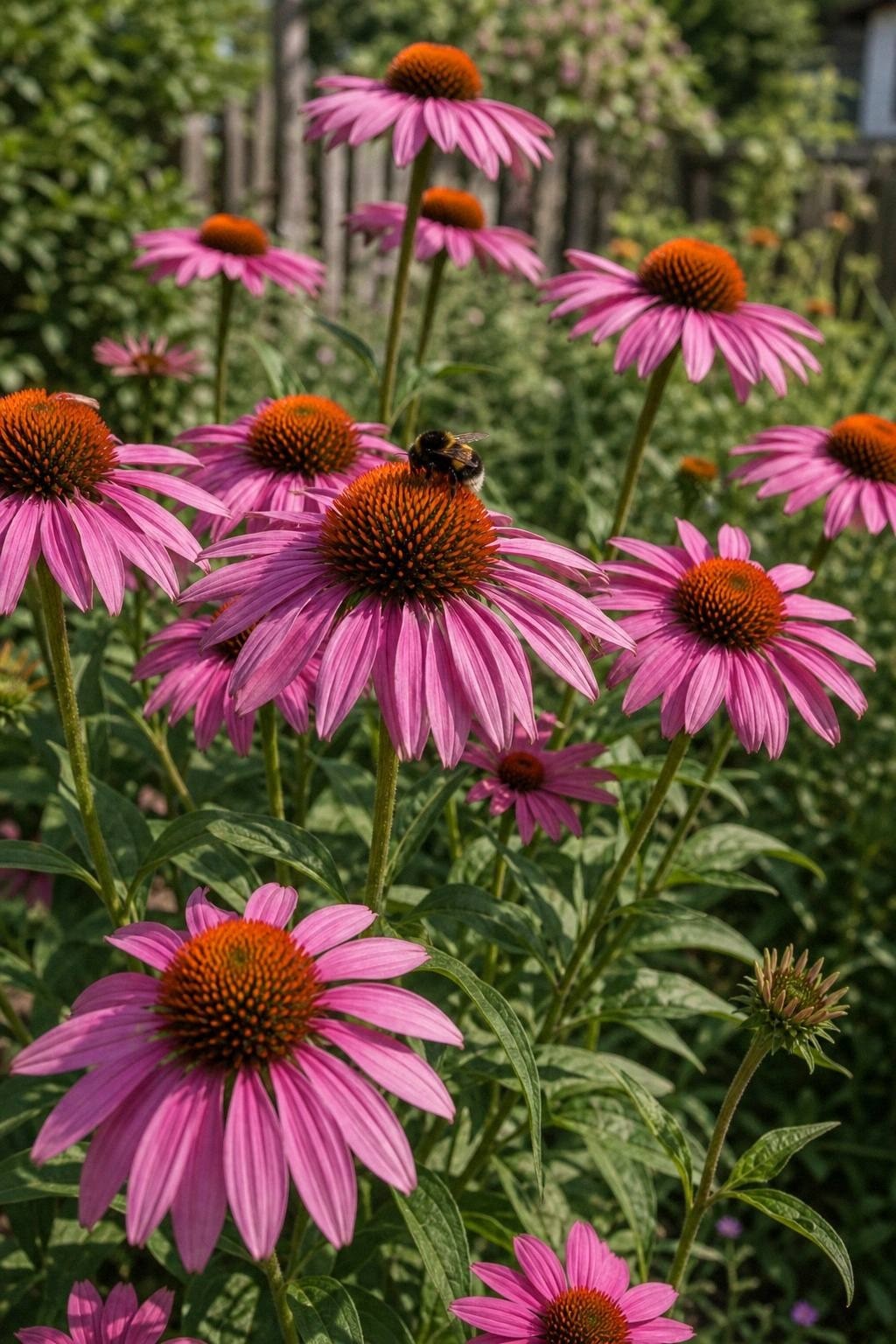
| Purple coneflower | Sun or partial shade; drained perennial border | NC State lists 3–4 feet tall and 1–2 feet wide. |
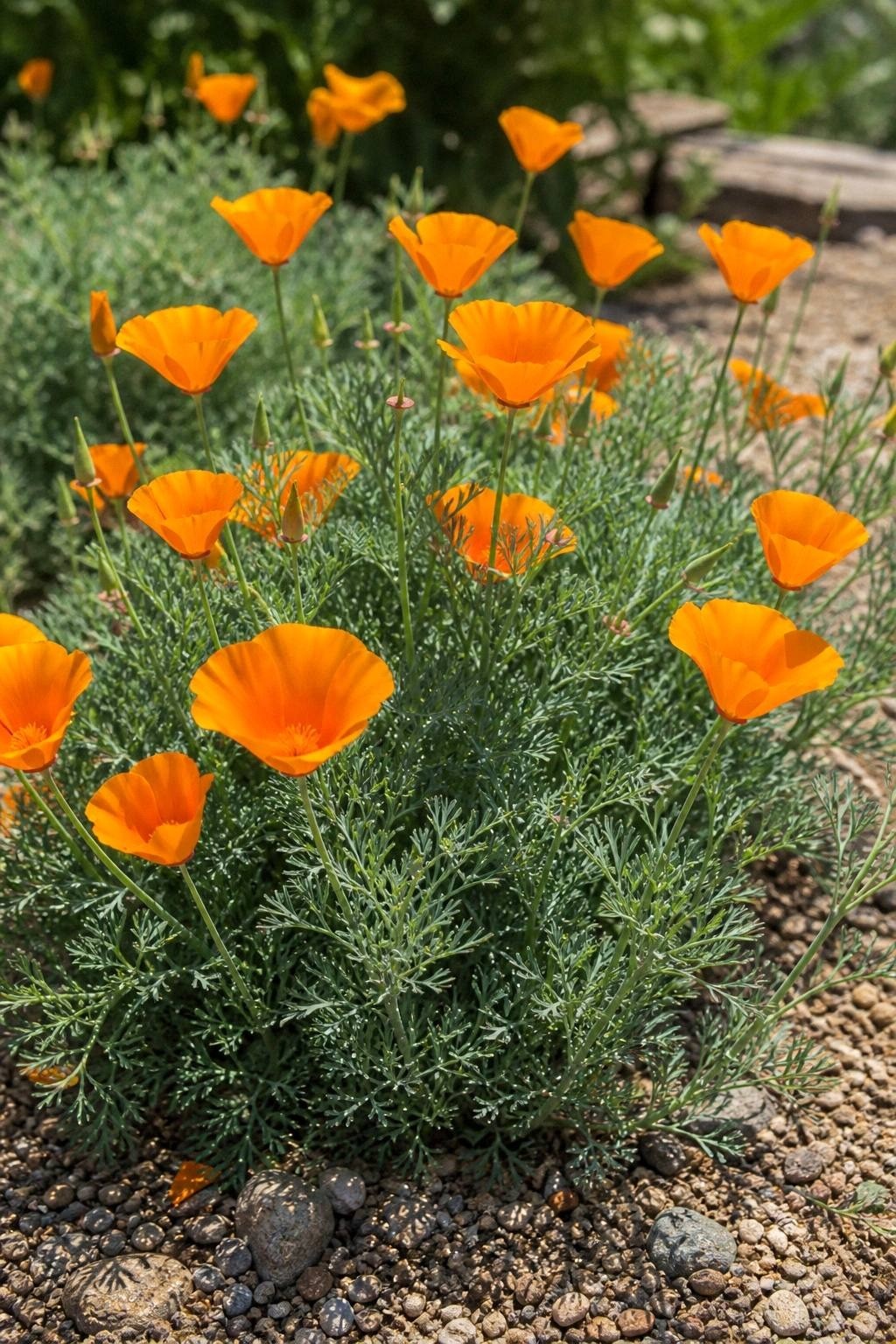
| California poppy | Full sun; a drier planting area | Self-seeds; manage seed heads if spread is unwanted. |
Plan a small bed in three steps
- Record your sunlight, drainage, available area and local planting season. Match plants to those conditions before buying them.
- Choose a small subset, such as calendula, German chamomile and a coneflower, only if their site needs fit. Space the actual cultivars using their mature dimensions. This is a starting selection, not a promise that any three fit a particular bed.
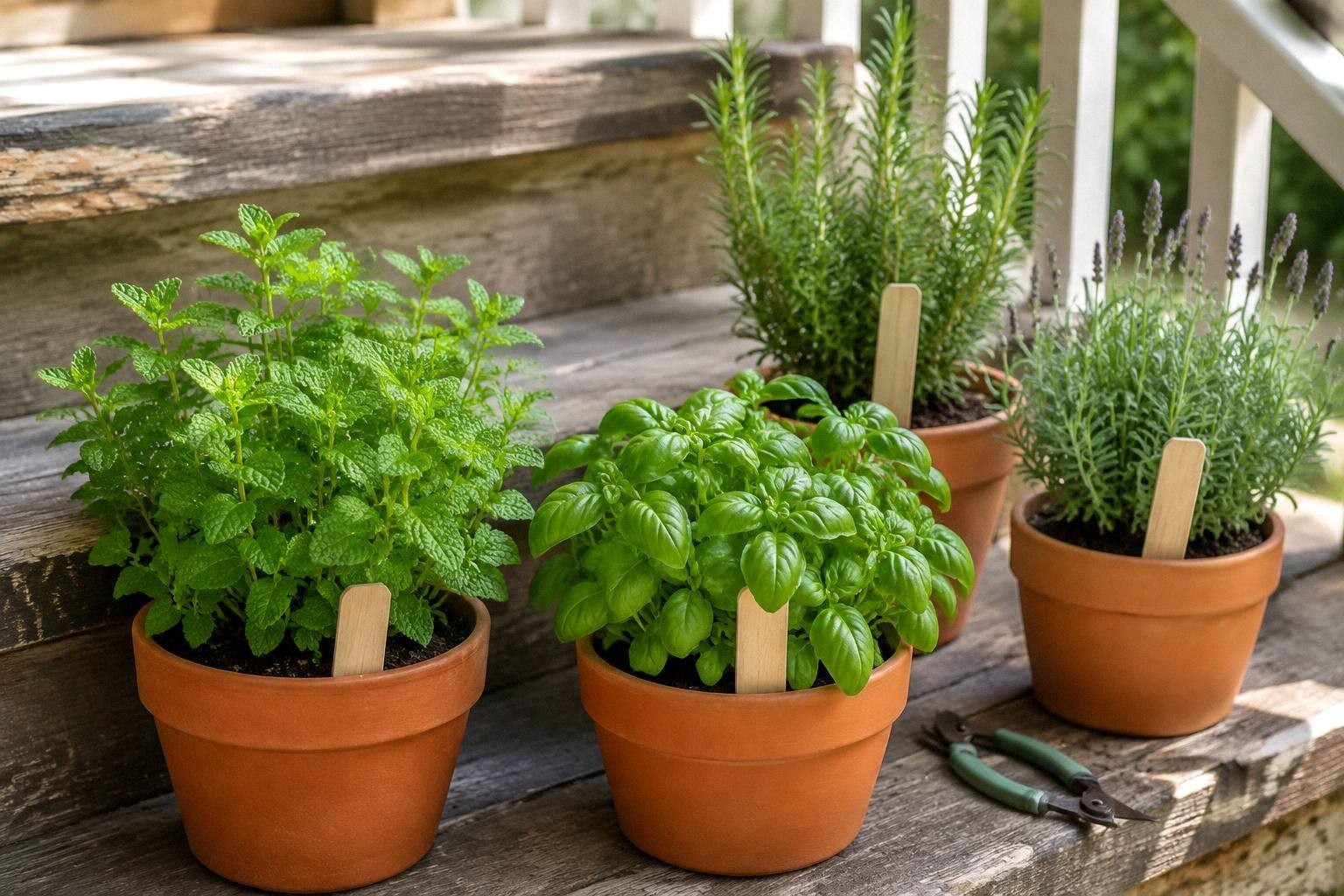
- Give peppermint and lemon balm their own containers if you want to manage spread. Place elder in suitable separate shrub space. Keep the drier poppy planting separate from plants needing more moisture when your site requires it.
Plant profiles
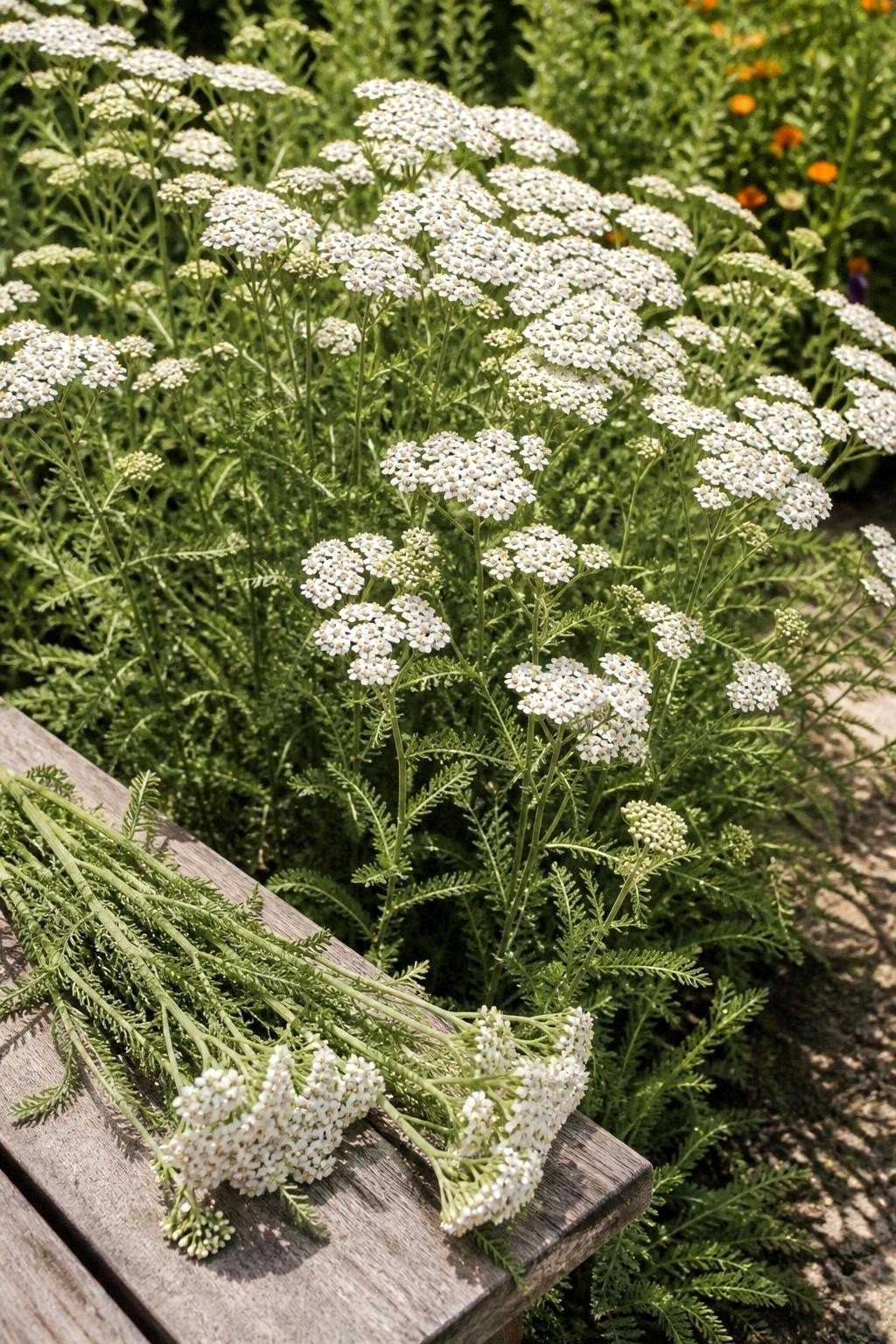
1. Yarrow: Achillea millefolium
Grow it for flower form and its place in the border. NC State notes contact-dermatitis potential; wear gloves when handling. The former chewed-leaf wound instructions are omitted.
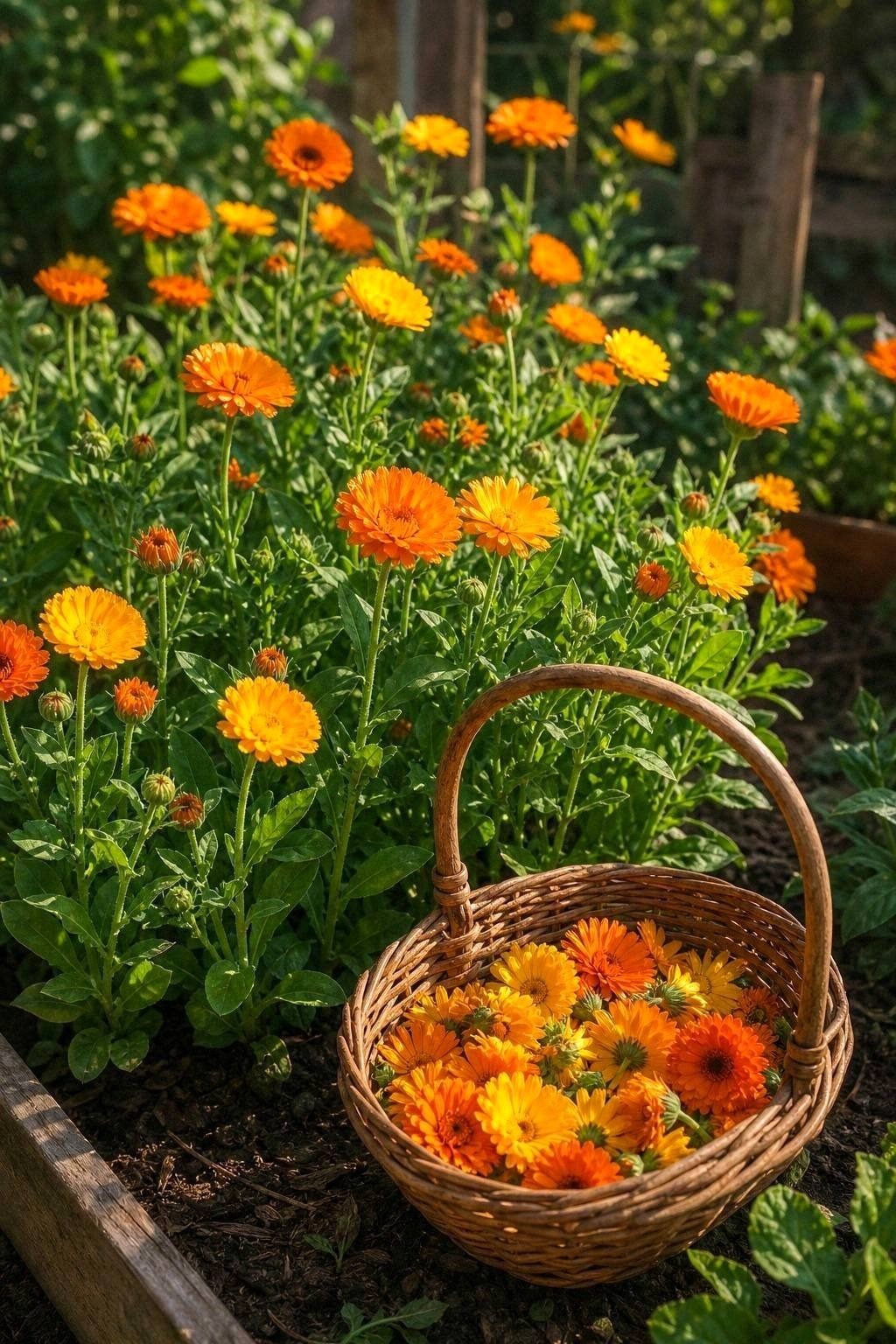
2. Calendula: Calendula officinalis
Buy plants labeled Calendula officinalis: a common name such as marigold does not identify the species. Its flowers can be a garden harvest, but that does not establish a clinical skin treatment.
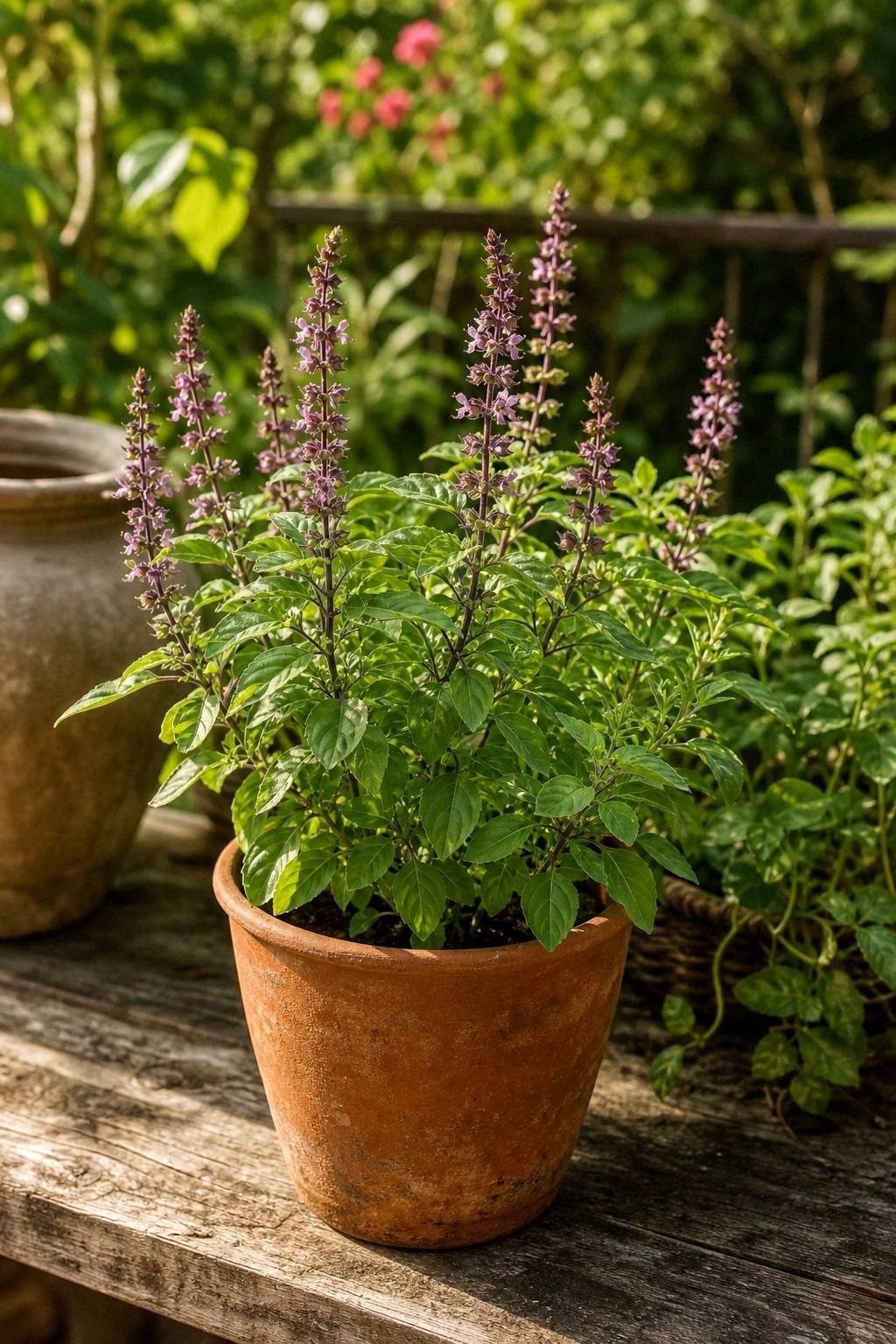
3. Holy basil / tulsi: Ocimum tenuiflorum
Check the botanical name when ordering; tulsi is not simply any culinary basil. Choose its aromatic foliage and flowers without promising that a home-grown preparation treats stress.
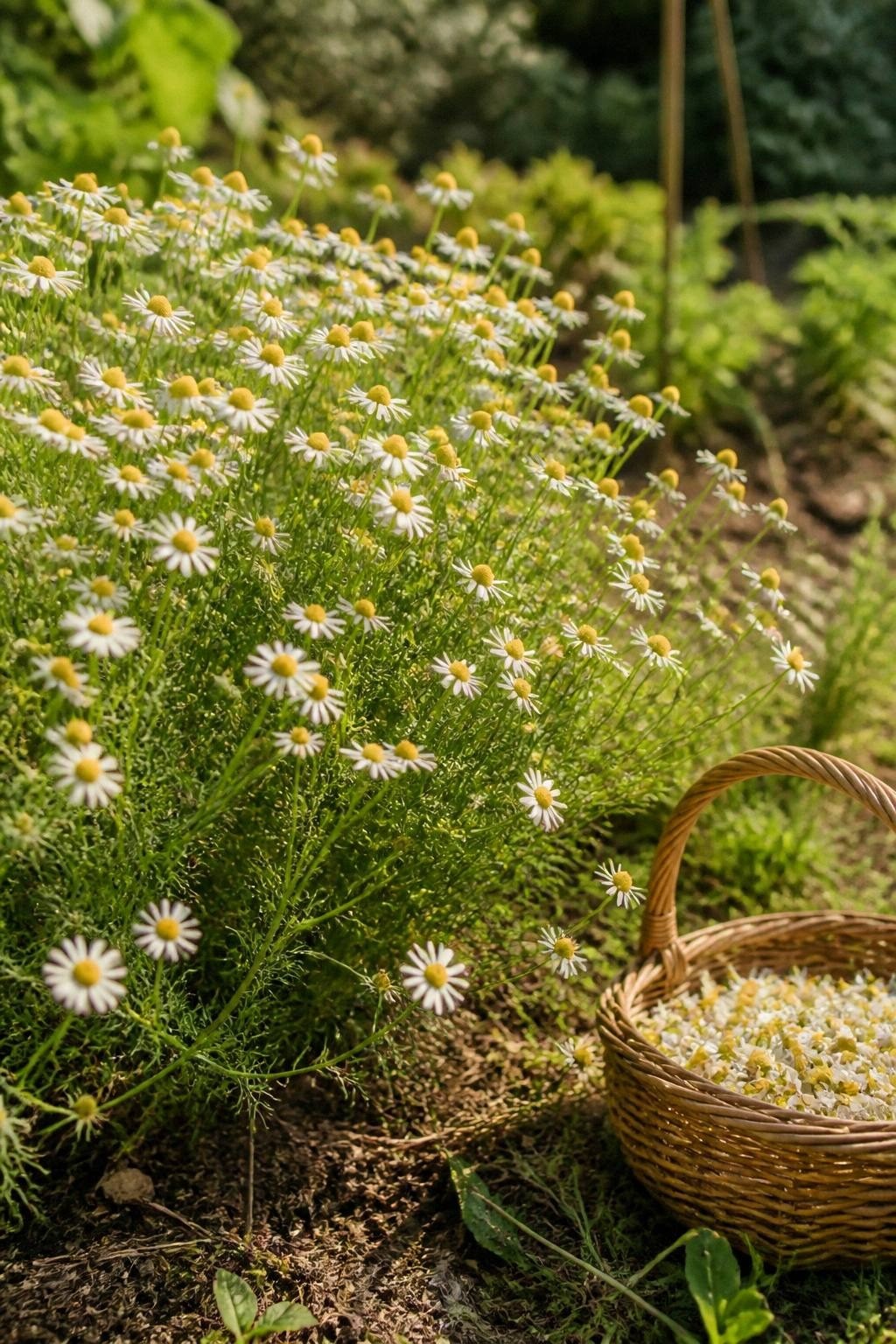
4. German chamomile: Matricaria chamomilla
German chamomile and Roman chamomile are different plants. Identify the species before buying or using flowers. The former eye-compress and medicinal tea-dose suggestions are omitted.
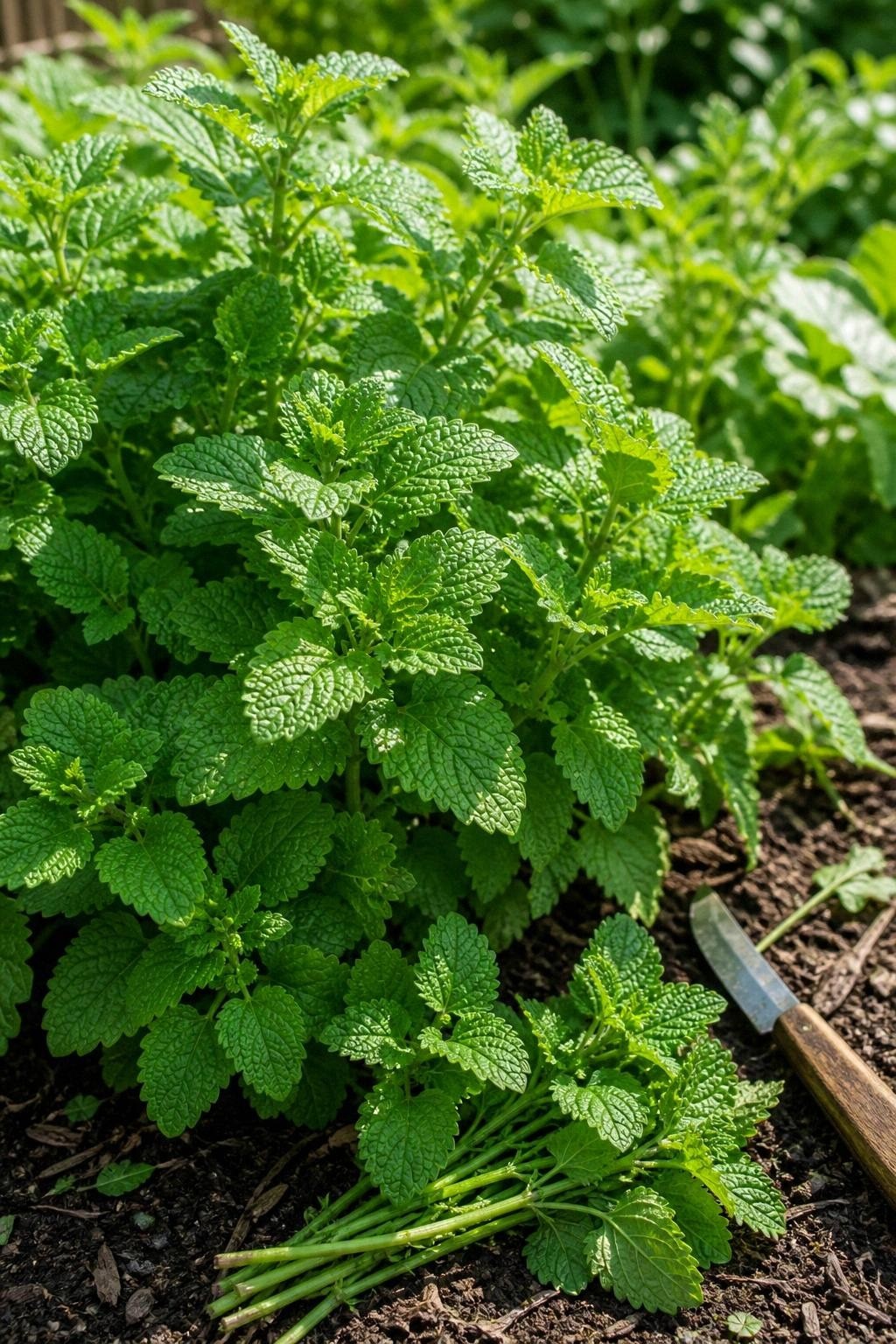
5. Lemon balm: Melissa officinalis
Plan for the mature clump and seedlings rather than letting it crowd the whole bed. Its lemon-scented leaves are a culinary interest; that is separate from anxiety or cold-sore treatment.
6. Black elder: Sambucus nigra
Keep this shrub outside the proposed small herb bed. It needs a landscape decision, not a back-row slot beside annuals. Flowers, fruits and other plant parts have different uses and hazards.
7. Broadleaf plantain: Plantago major
This is Plantago major, not the banana-like food called plantain. A plant appearing in a lawn is not permission to chew it or put it on a sting, wound or splinter.
8. Peppermint: Mentha × piperita
Use a separate pot when containment matters. Leaves used as food flavoring and concentrated essential oil are different preparations; the garden does not provide an automatic headache-rub formula.
9. Purple coneflower: Echinacea purpurea
Choose it for perennial flowers and pollinator interest. There is no need to harvest roots to justify growing it. The previous tincture schedule and cold-treatment recommendation are omitted.
10. California poppy: Eschscholzia californica
NC State describes a drought-tolerant annual or short-lived perennial in suitable climates. Keep it with plants that suit its conditions. This profile supplies no sleep-tincture recipe or dose.
Growing a herb does not establish a remedy
NCCIH’s chamomile review describes limited evidence for many claimed benefits, allergy concerns and possible medicine interactions. A home-grown tea, eyewash and extract are different preparations. The elderflower evidence guide likewise separates traditional medicinal use from clinical evidence and food use. Check with a clinician or pharmacist before medicinal use, particularly with medicines, pregnancy or breastfeeding.
Don’t use chewed leaves on wounds or homemade preparations in eyes. Botanical identification, the plant part, handling and the complete preparation all matter; this garden list supplies no medicinal dose or preservation method. Keep plant labels and get regional identification help before harvesting. A photo alone is not an identification key.
For a separate culinary preparation, the chamomile tea page gives an attributed published drink formula and explains its evidence limits. The calendula balm guide discusses a separate cosmetic craft method, not a treatment for cuts, burns or infection. Growing the ingredient does not validate those applications.