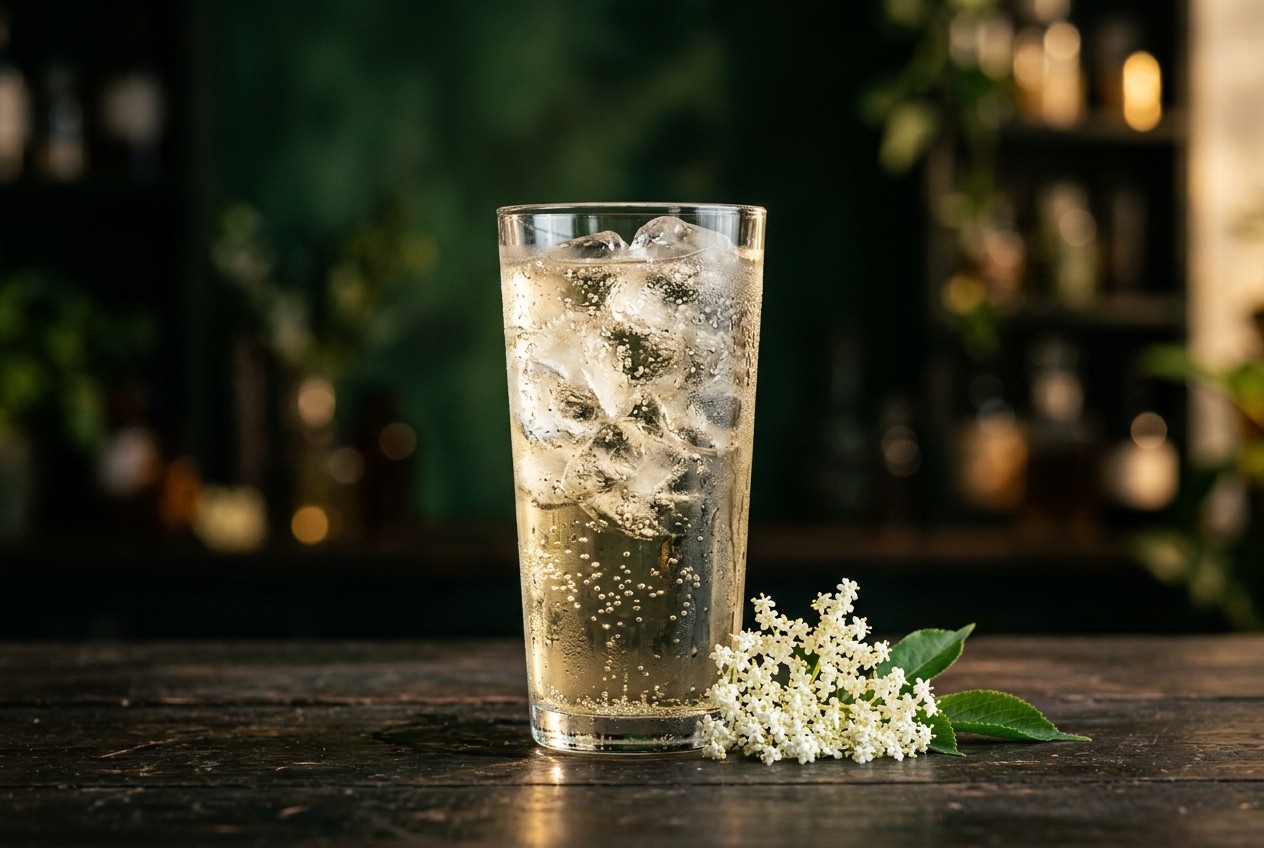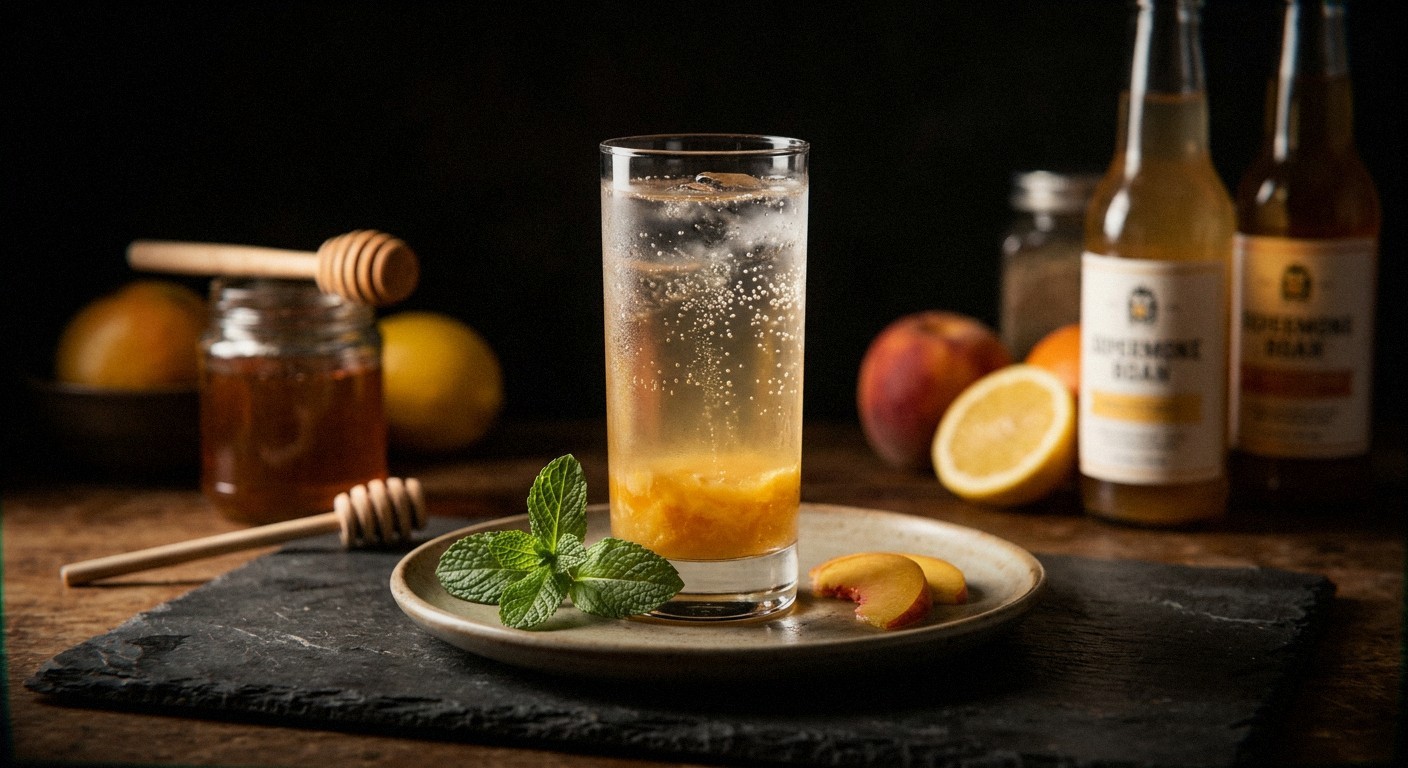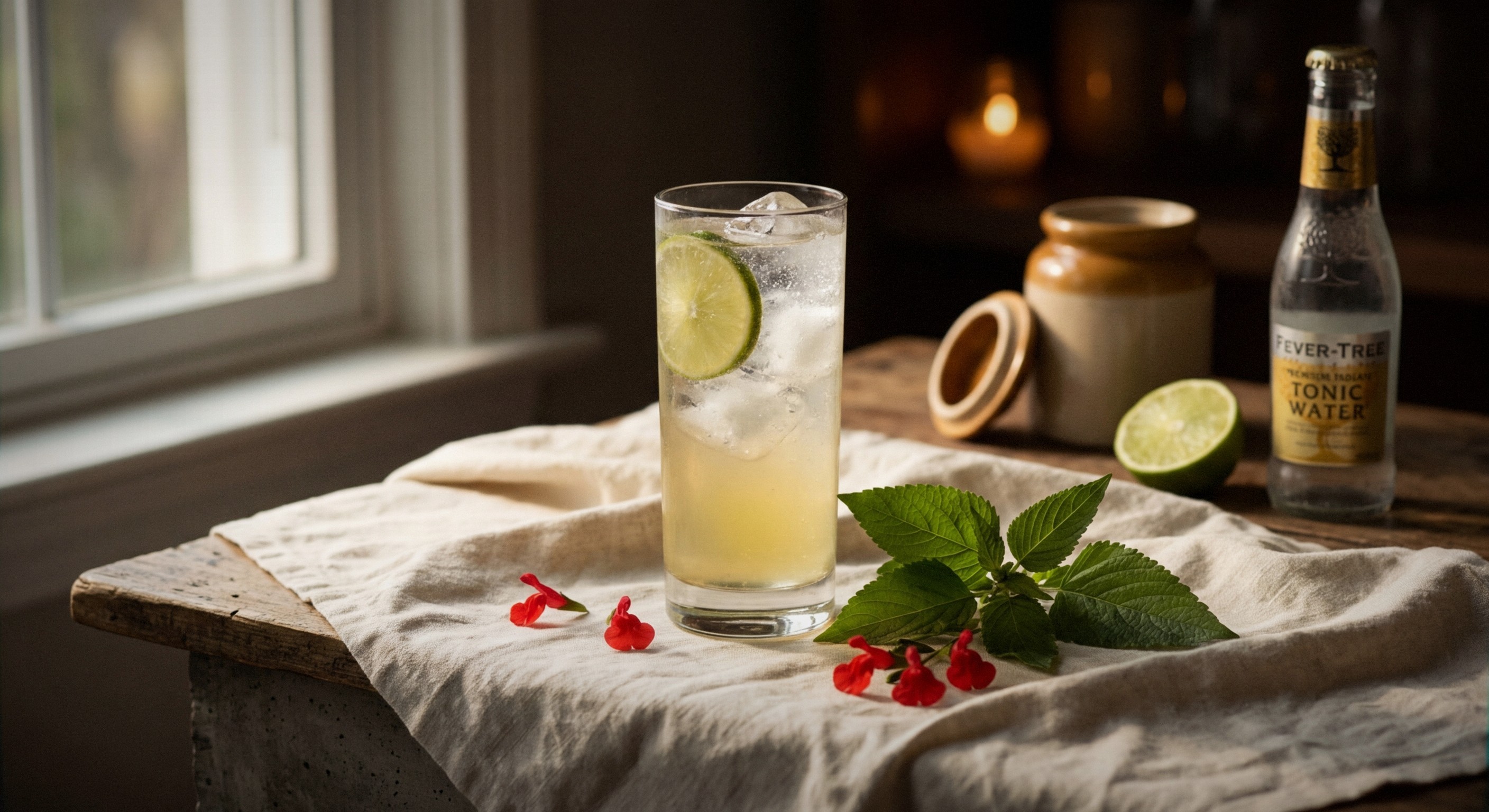
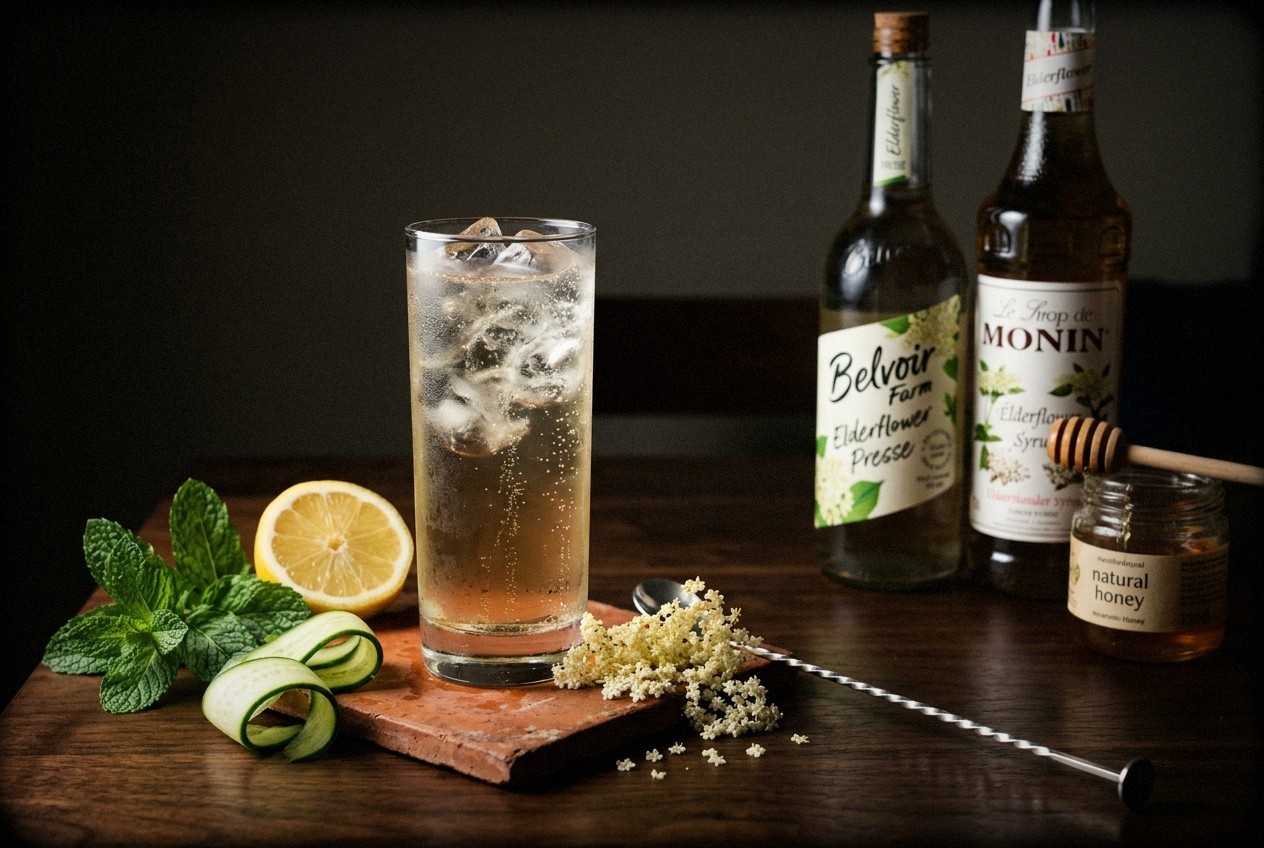
Bright, botanical spring mocktails featuring elderflower, mint, and citrus. Get 10 tested recipes perfect for outdoor gatherings.
Why You Will Love This
March light hits differently. That first warm afternoon when you can sit outside without a jacket, when the farmers market starts showing green things again. These ten mocktails pull from what is actually available right now: forced rhubarb from heated greenhouses, the last of stored citrus, early greenhouse strawberries, and dried botanicals that bridge winter into spring. Each drink takes under 10 minutes. Most use elderflower cordial as a base because it tastes like spring distilled into syrup.
The Story Behind It
Spring drinking in Northern Europe has always leaned on elderflower. The blossoms appear in late May through June, but the cordial made last summer carries that white-flower sweetness through until fresh blooms return. British herbalists have documented elderflower’s cooling properties since the 1600s, noting its affinity for warming weather and outdoor meals. These recipes adapt that tradition for the American spring calendar, when we are hungry for anything that tastes bright and cold.
What You Will Need
Base Ingredients (Keep These Stocked)
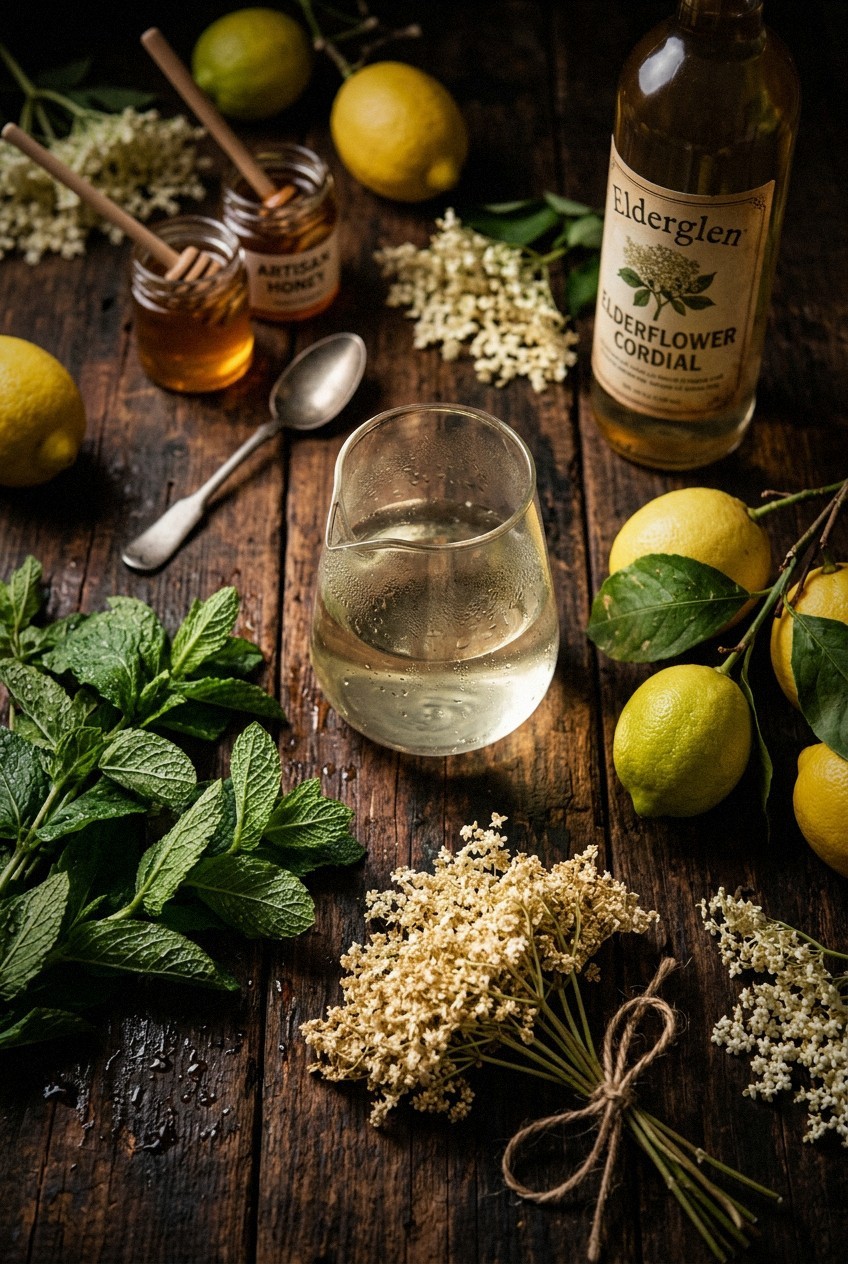
- Elderflower cordial (Belvoir or Ikea brands work well)
- Fresh lemons and limes
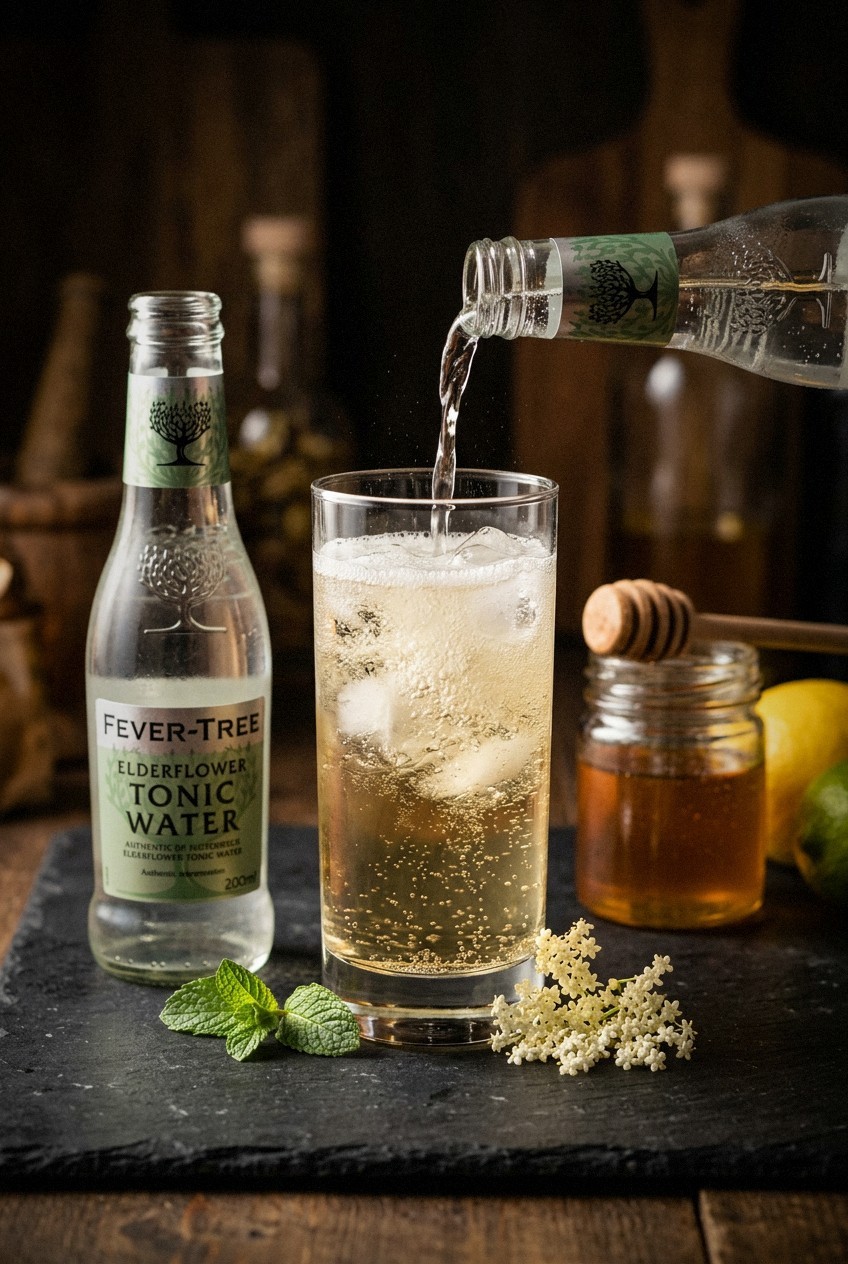
- Sparkling water or tonic water
- Simple syrup (1:1 sugar to water ratio)
- Ice cubes or crushed ice
Fresh Herbs (Use What You Find)
- Mint (spearmint for sweetness, peppermint for cooling)
- Basil (Genovese or Thai varieties)
- Rosemary (fresh sprigs, not dried)
- Thyme (lemon thyme if available)
Seasonal Produce
- Cucumbers (English or Persian)
- Strawberries (greenhouse or first outdoor crop)
- Rhubarb (forced or early field varieties)
- Blood oranges (tail end of season)
- Grapefruit (Ruby Red or Oro Blanco)
Specialty Botanicals
- Dried lavender buds (culinary grade)
- Rose water (food grade, not cosmetic)
- Hibiscus flowers (dried, whole or crushed)
- Ginger root (fresh, not powdered)
How to Make It
1. Elderflower Cucumber Cooler
Fill a highball glass with ice. Add 2 oz elderflower cordial, 1 oz fresh lime juice, 3 thin cucumber ribbons. Top with 4 oz sparkling water. Stir once. Garnish with a cucumber wheel and mint sprig. The cucumber releases water as it sits, diluting the drink slightly over 10-15 minutes.
2. Rhubarb Rosemary Fizz
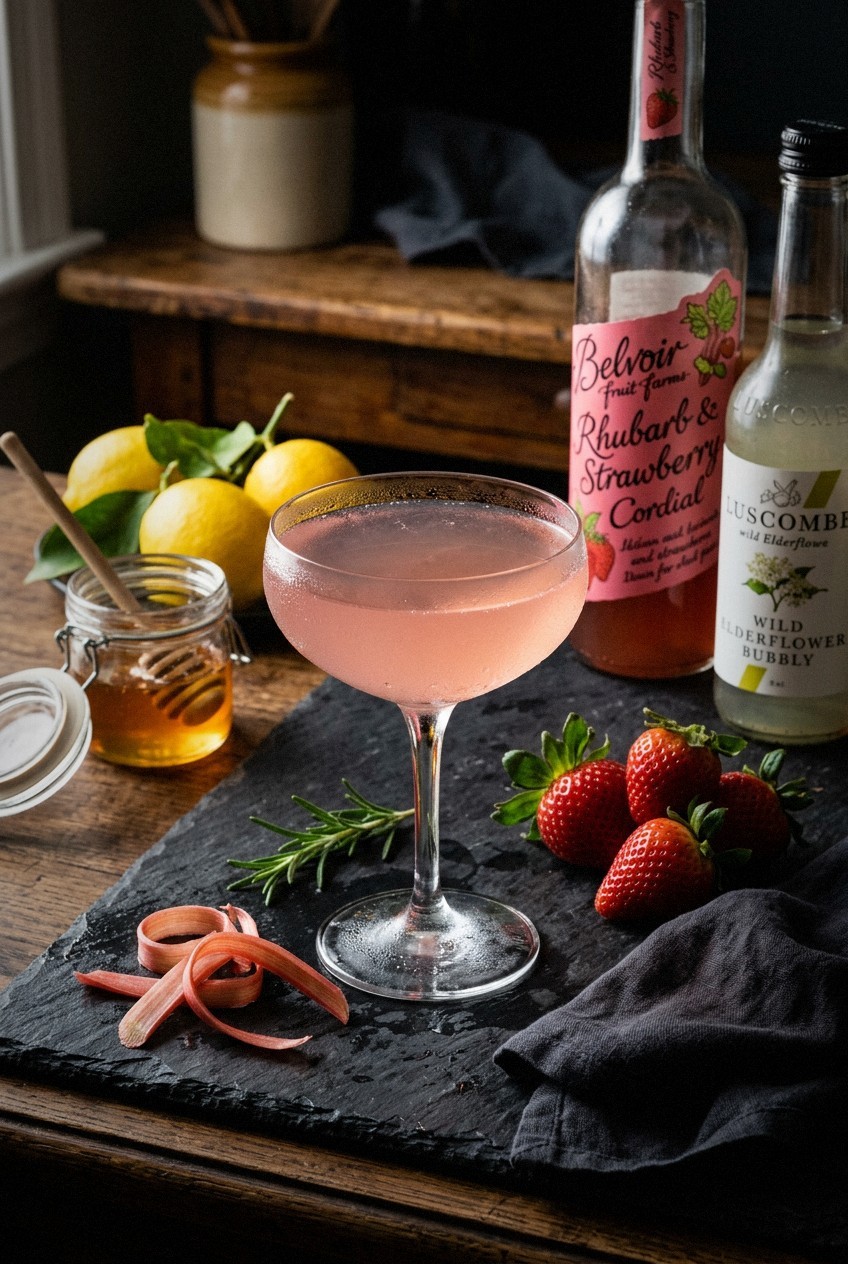
Make rhubarb syrup first: simmer 2 cups chopped rhubarb with 1 cup sugar and 1 cup water for 15 minutes, strain, cool. Keeps refrigerated for 2 weeks. For the drink: muddle 1 small rosemary sprig in a shaker. Add 1.5 oz rhubarb syrup, 0.5 oz lemon juice, ice. Shake hard for 10 seconds. Strain into a coupe glass. Top with 2 oz tonic water. Garnish with a fresh rosemary sprig.
3. Strawberry Basil Smash
Muddle 3 hulled strawberries and 4 basil leaves in a rocks glass. Add 0.75 oz simple syrup, 1 oz lemon juice, fill with crushed ice. Stir vigorously for 20 seconds. Top with 2 oz sparkling water. Slap a basil leaf between your palms to release oils, place on top. Early strawberries have less sugar than June fruit, so adjust syrup to taste.
4. Lavender Lemonade Spritz
Steep 1 tsp dried lavender buds in 4 oz hot water for 5 minutes, strain, cool completely. For the drink: combine 2 oz lavender tea, 1 oz fresh lemon juice, 0.75 oz honey syrup (1:1 honey to hot water, dissolved and cooled) in an ice-filled Collins glass. Top with 2 oz sparkling water. Garnish with a lemon wheel and 3 lavender buds. Lavender can taste soapy if over-steeped beyond 5 minutes.
5. Blood Orange Thyme Tonic
Juice 1 blood orange (about 3 oz juice). Combine with 0.5 oz simple syrup and 2 fresh thyme sprigs in a shaker with ice. Shake for 10 seconds. Strain into an ice-filled rocks glass. Top with 3 oz tonic water. Garnish with a blood orange half-wheel and thyme sprig. Blood oranges peak in February through March, then disappear until next winter.
6. Grapefruit Ginger Mint Refresher
Peel and slice a 1-inch piece of fresh ginger. Muddle with 6 mint leaves in a shaker. Add 2 oz fresh grapefruit juice, 0.5 oz lime juice, 0.75 oz simple syrup, ice. Shake hard for 15 seconds. Double-strain into an ice-filled highball glass. Top with 2 oz sparkling water. Slap a mint bouquet and place on top. Fresh ginger is significantly more potent than dried, use half the amount if substituting dried.
7. Hibiscus Rose Cooler
Steep 2 tbsp dried hibiscus flowers in 6 oz hot water for 10 minutes, strain, cool. For the drink: combine 3 oz hibiscus tea, 0.5 oz rose water, 1 oz lemon juice, 0.75 oz simple syrup in an ice-filled wine glass. Stir gently. Top with 1 oz sparkling water. Garnish with dried rose petals or a lemon twist. Hibiscus tea turns deep magenta and has a cranberry-like tartness.
8. Cucumber Mint Elderflower Tonic
Muddle 4 cucumber slices and 5 mint leaves in a shaker. Add 1.5 oz elderflower cordial, 0.75 oz lime juice, ice. Shake for 10 seconds. Strain into an ice-filled highball glass. Top with 4 oz tonic water. Garnish with a cucumber ribbon threaded onto a cocktail pick with mint leaves. The quinine in tonic water adds bitterness that balances elderflower’s sweetness.
9. Strawberry Rhubarb Spritzer
Use rhubarb syrup from Recipe 2. Muddle 2 hulled strawberries in a wine glass. Add 1 oz rhubarb syrup, 0.5 oz lemon juice, fill with ice. Top with 4 oz sparkling rosé (non-alcoholic, brands like Surely or Giesen). Stir gently. Garnish with a strawberry fan and small rhubarb ribbon if you have it. The combination tastes like spring pie in liquid form.
10. Lemon Thyme Sparkler
Muddle 3 lemon thyme sprigs (or regular thyme plus lemon zest) in a shaker. Add 1 oz fresh lemon juice, 0.75 oz honey syrup, ice. Shake hard for 10 seconds. Strain into a champagne flute. Top with 4 oz sparkling water. Garnish with a lemon thyme sprig and lemon twist. Lemon thyme has citral compounds that amplify lemon juice without adding acidity.
Herbalist Notes
Elderflower (Sambucus nigra) has been used in Western European herbalism since at least the 17th century for its cooling and gently diaphoretic properties. The flowers contain flavonoids and phenolic acids that give the cordial its characteristic floral taste. Traditional preparations involve steeping fresh flowers in sugar syrup with lemon, a method that preserves volatile compounds for 12-18 months when properly bottled.
Mint (Mentha species) contains menthol, which activates cold-sensitive TRPM8 receptors on the tongue, creating a cooling sensation without changing actual temperature. Spearmint has 0.5% menthol content versus peppermint’s 40%, making it sweeter and less aggressively cooling. Ayurvedic texts classify mint as cooling (sheeta virya) and recommend it during pitta season, roughly April through September in Northern climates.
Rhubarb (Rheum rhabarbarum) stalks contain malic acid and oxalic acid, giving them their characteristic tartness. Only the stalks are edible, the leaves contain toxic levels of oxalic acid (0.5% by weight). Forced rhubarb, grown in heated dark sheds in Yorkshire, England, produces sweeter, more tender stalks than field-grown varieties and is harvested January through March. The pink color comes from anthocyanin pigments that deepen in low-light conditions.
Make It Your Own
Scale any of these recipes to pitcher size by multiplying ingredients by 6-8 and adding ice just before serving. Sparkling water goes flat within 30 minutes in a pitcher, so add it last as guests arrive. For a less sweet version of any recipe, cut the syrup or cordial by half and add an extra 0.5 oz of citrus juice. The tartness will be more pronounced but some people prefer that balance. If you cannot find elderflower cordial, substitute with equal parts simple syrup plus 3-4 drops of orange blossom water per drink.
Common Questions
Can I make these ahead for a party?
Prepare all syrups, juices, and herb-infused waters up to 24 hours ahead. Store separately in the refrigerator. Assemble individual drinks as guests arrive, or set up a self-serve station with labeled bottles and printed instructions. Do not add ice or sparkling water until serving, both will dilute and flatten the drinks. Muddle fresh herbs per drink rather than in bulk, muddled herbs oxidize and turn brown within 2 hours.
Where do I find elderflower cordial in March?
Belvoir Fruit Farms elderflower cordial is available year-round at Whole Foods, World Market, and Amazon. Ikea sells a less expensive version called Dryck Fläder in their food section. Both are non-alcoholic and shelf-stable until opened. After opening, refrigerate and use within 6 weeks. If you cannot find it locally, substitute with 1.5 oz simple syrup plus 4-5 drops orange blossom water per 2 oz of cordial called for, but the flavor will be less complex.
What is the difference between sparkling water and tonic water in these recipes?
Tonic water contains quinine (83 mg per liter in Fever-Tree brand), which adds bitterness and slight medicinal notes. Use it in drinks with sweet elements like elderflower or rhubarb syrup to create balance. Sparkling water is neutral and lets herb and fruit flavors dominate. Club soda contains added minerals (sodium bicarbonate, potassium sulfate) that give it a slightly salty taste, making it less ideal for botanical drinks. For these recipes, plain sparkling water or tonic water work best depending on whether you want bitterness or clean bubbles.
How do I prevent herbs from tasting bitter when muddled?
Muddle gently. Press and twist for 5-10 seconds maximum. You want to bruise the leaves and release essential oils, not pulverize them into green mush. Over-muddling breaks open cell walls containing bitter compounds like tannins. For mint, 8-10 gentle presses is enough. For basil, 5-6 presses. For rosemary and thyme, which have tougher leaves, 10-12 presses. If you taste bitterness, you have gone too far. Use a wooden muddler rather than metal, wood is gentler on delicate herbs.
Can I use dried herbs instead of fresh?
Not for these recipes. Dried herbs lack the volatile oils that give fresh herbs their bright, aromatic quality. Dried mint tastes like tea, not like fresh mint. Dried basil has almost no flavor compared to fresh. The only exception is lavender, which is typically used dried because fresh lavender flowers are harder to source and more intensely flavored. If you absolutely must substitute dried for fresh, use one-third the amount and steep it in the citrus juice for 5 minutes before straining, rather than muddling.