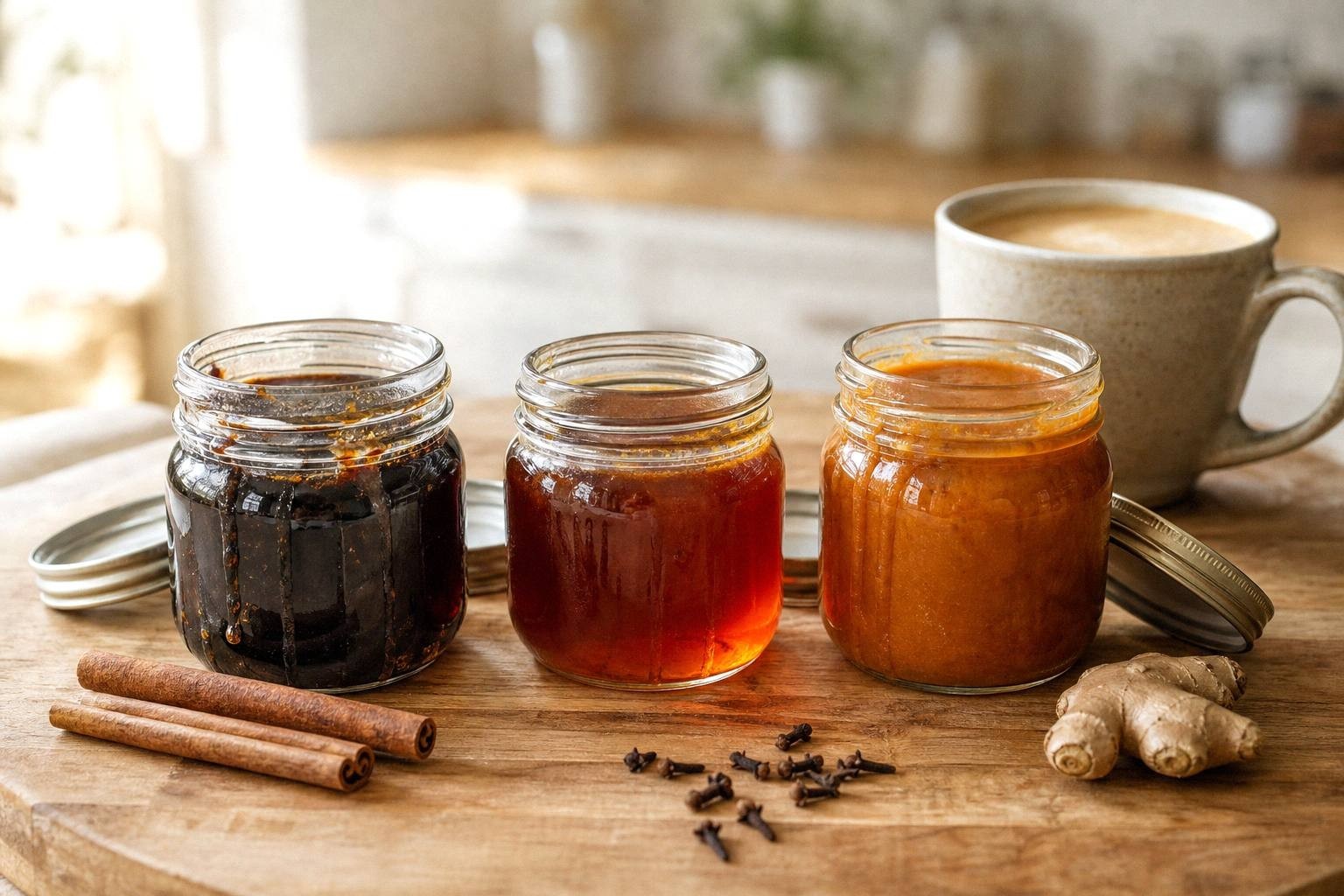
Three jars in the fridge door and your morning coffee stops needing a drive-through. Each of these takes between ten and twenty five minutes, uses pantry spices you probably already own, and keeps for weeks.
They also do different jobs. One is dark and molasses heavy, one is a cinnamon-steeped brown sugar syrup that behaves like a base for anything, and one is the actual pumpkin one with real pumpkin in it.
How the Three Compare
Pick by what your coffee is already doing. A dark roast wants the brown sugar, a milder medium roast can carry the gingerbread without being buried.
| Syrup | Dominant flavor | Best with | Active time |
|---|---|---|---|
| Gingerbread latte syrup | Molasses and fresh ginger | Medium roast, steamed whole milk | 10 minutes |
| Brown sugar cinnamon syrup | Caramel and warm cinnamon | Dark roast, espresso over ice | 10 minutes |
| Pumpkin spice syrup | Squash, cardamom and clove | Light or medium roast, oat milk | 15 minutes |
The gingerbread one makes the smallest batch on purpose. Molasses is assertive and a big jar of it tends to sit in the fridge going unloved while you reach for the brown sugar.
1. Gingerbread Latte Syrup
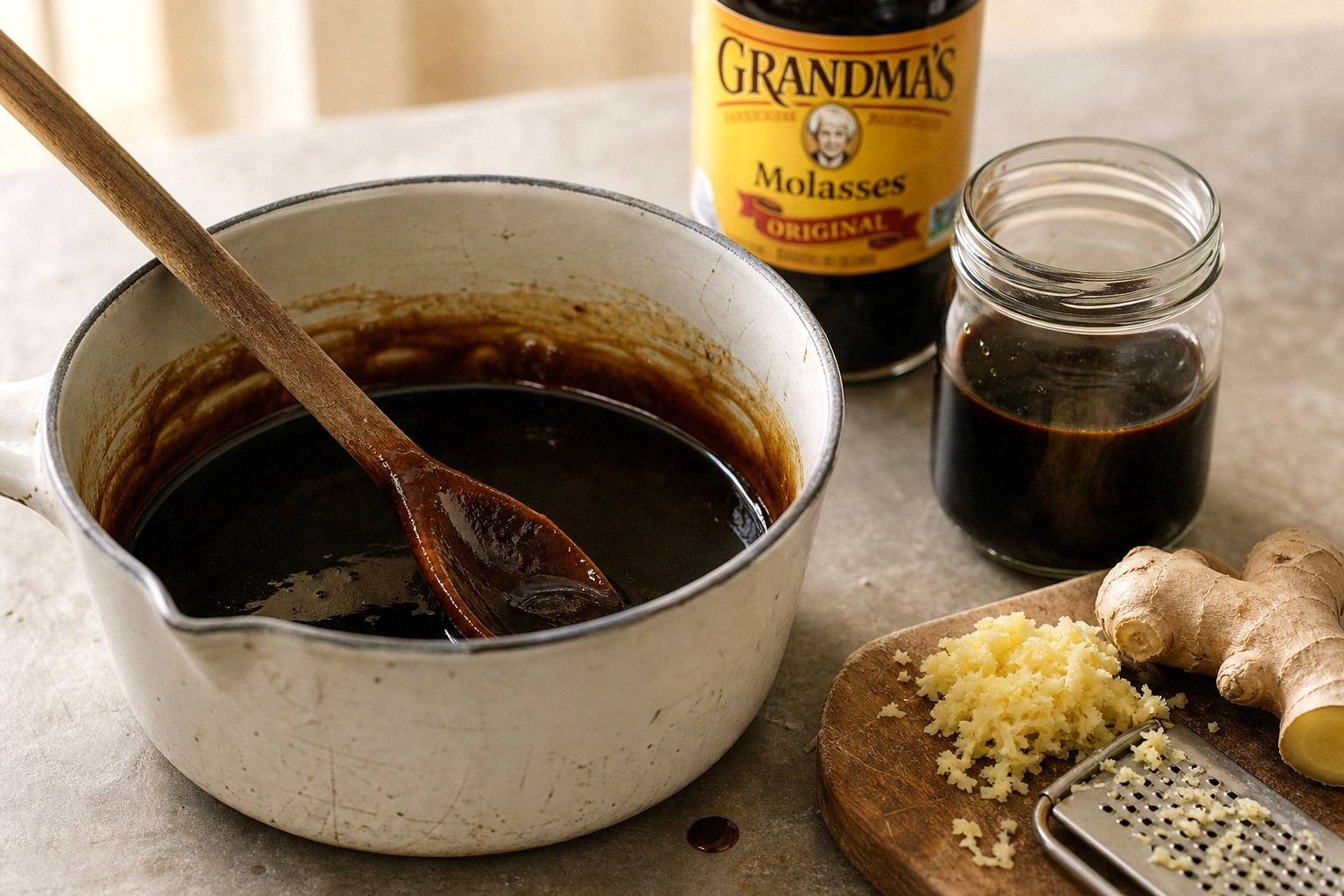
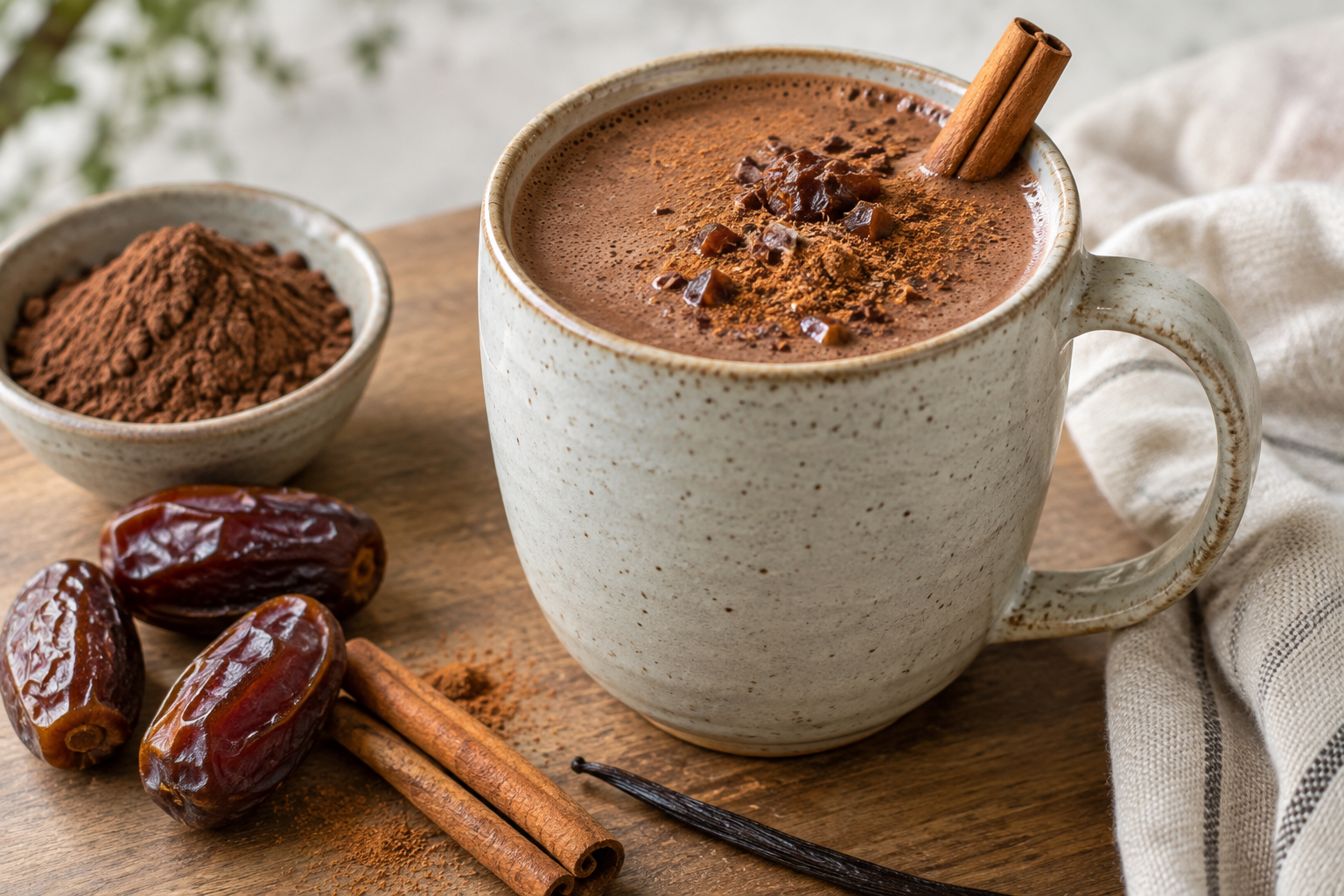
This is the darkest of the three and the only one built on molasses rather than sugar alone. Molasses brings a slightly bitter edge that keeps the spice from reading as dessert.
Fresh grated ginger goes in with the liquid at the start so it has heat and time to release, and the ground spices go in afterward off the boil. That order matters more than it sounds like it should. Ground cinnamon and cloves turn dusty and flat if you boil them.
The batch is small, roughly four servings, and it’s ready to use the moment it comes off the heat. Warm syrup dissolves into hot coffee instantly, so there’s no waiting if you want one immediately.
Ingredients
- 2 tablespoons molasses, unsulphured
- 1/4 cup water
- 2 tablespoons dark brown sugar
- 1 teaspoon fresh ginger, grated
- 1/4 teaspoon ground ginger
- 3/4 teaspoon ground cinnamon
- 1/8 teaspoon ground nutmeg
- pinch ground cloves
- 1/2 teaspoon vanilla extract
Instructions
- Put the molasses, water, brown sugar and grated fresh ginger in a small saucepan. Warm over medium heat until it reaches a low boil and the sugar has dissolved.
- Turn the heat to low, then add the ground ginger, cinnamon, nutmeg, cloves and vanilla. Stir for about a minute.
- Use it straight away, or pour it into a glass jar and keep it in the refrigerator.
2. Brown Sugar Cinnamon Syrup
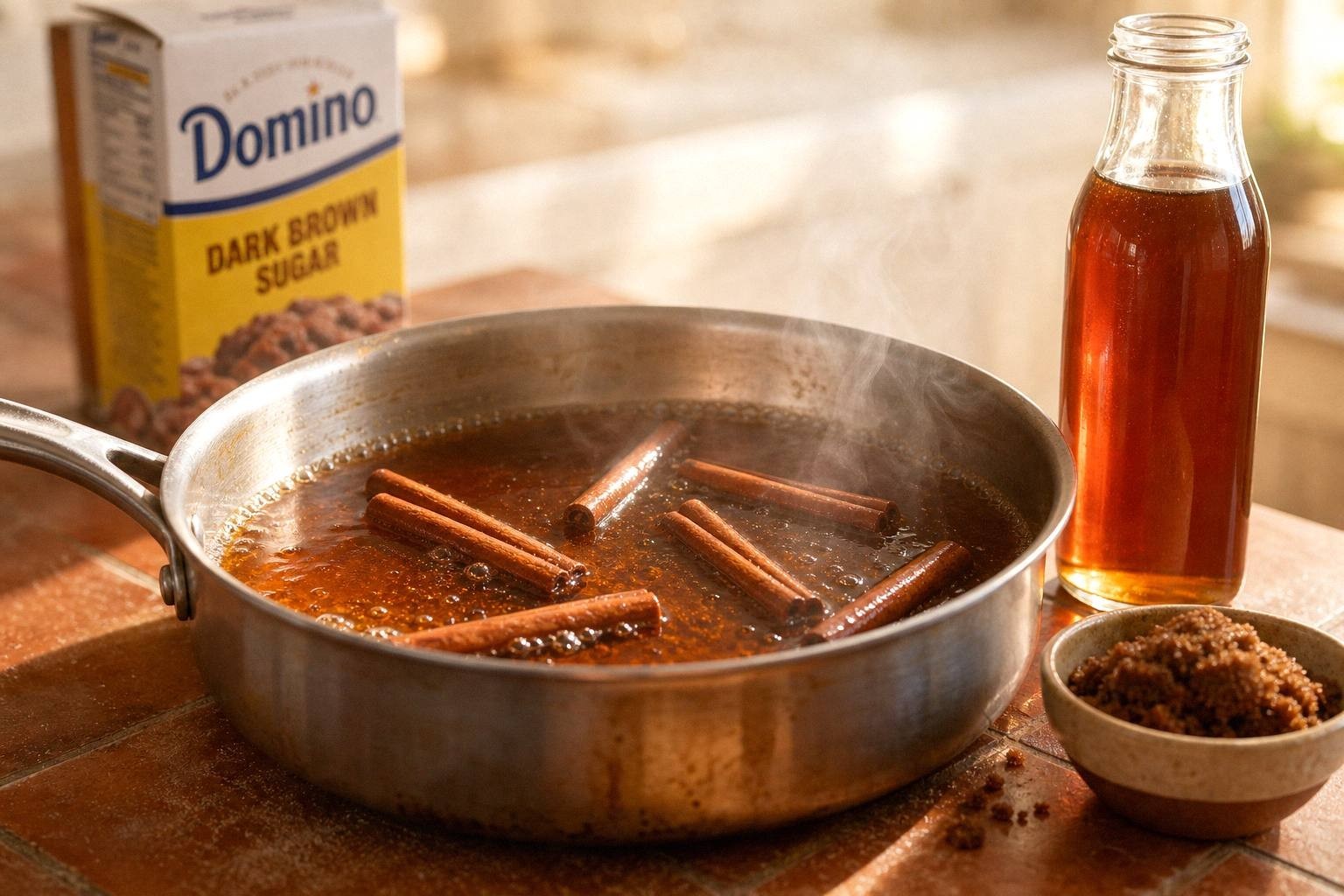
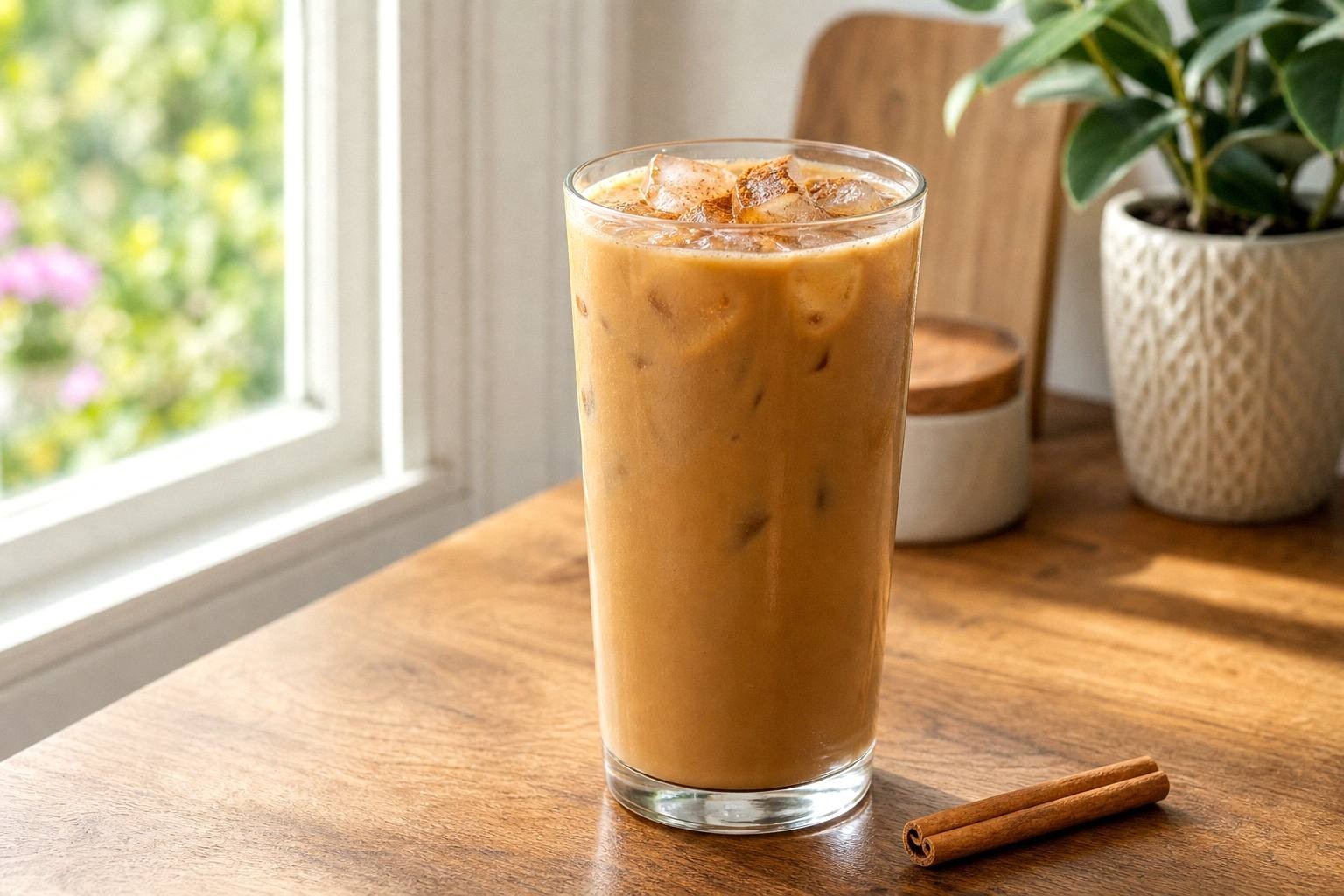
If you only make one of these, make this one. It’s the most useful jar in the fridge because it goes into coffee, tea, oatmeal and whiskey without arguing with any of them.
Whole cinnamon sticks do the flavoring rather than ground cinnamon, which is why the finished syrup stays clear and pourable instead of turning into a sludge you have to shake every time. Six sticks sounds like a lot until you taste what two would have given you.
The vanilla goes in after the pan comes off the heat and has cooled. Vanilla extract is alcohol based and simmering it drives off exactly the part you wanted. This batch yields around twelve servings and keeps in the fridge.
Ingredients
- 2 cups lightly packed dark brown sugar
- 1 cup water
- 6 cinnamon sticks
- 2 teaspoons pure vanilla extract
Instructions
- Whisk the brown sugar and water together in a medium saucepan over medium heat, drop in the cinnamon sticks, and bring it to a boil while stirring to dissolve the sugar.
- Turn the heat down and simmer for about two minutes, until the sugar has fully dissolved.
- Take the pan off the heat and let it cool completely. Lift out the cinnamon sticks, stir in the vanilla extract, then pour the syrup into a glass jar and refrigerate it.
3. Pumpkin Spice Syrup
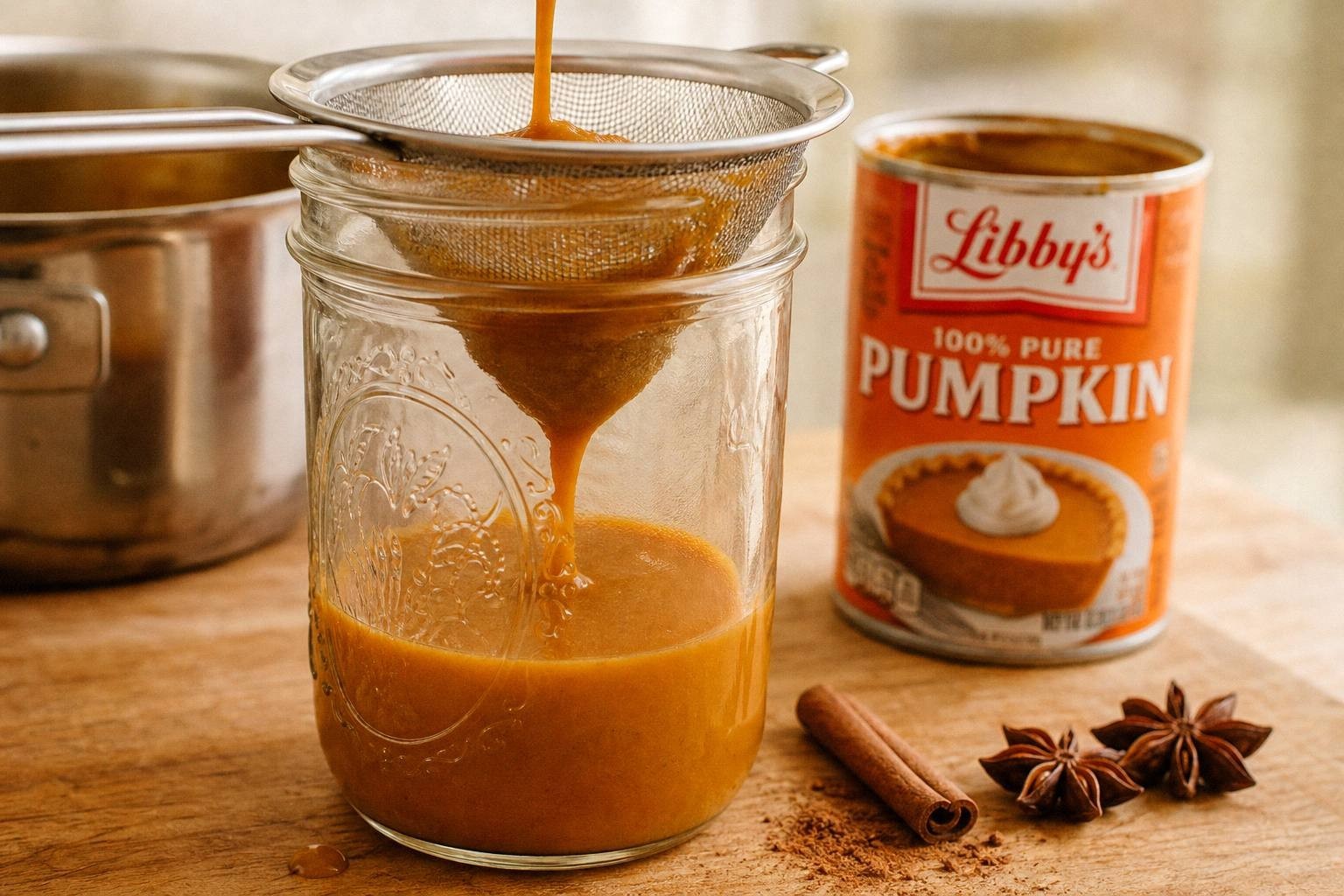
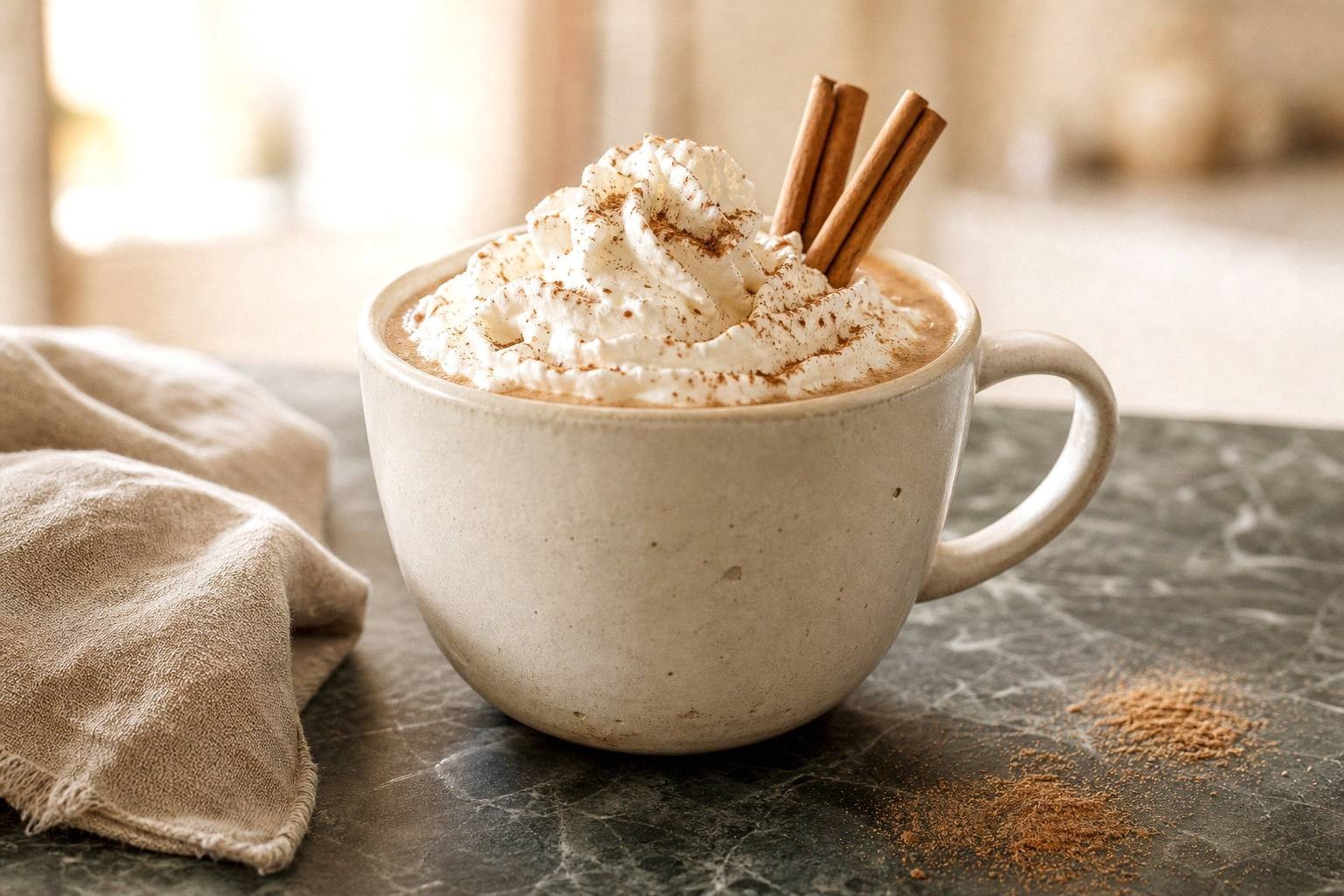
This is the one with actual pumpkin in it, and that’s what separates it from the bottled versions that are really just spiced sugar water. The purée gives the syrup body, so it clings to the coffee instead of thinning it out.
The instruction that matters most is the one people skip: don’t let it boil. Boiling pumpkin purée makes it grainy and gives the finished syrup a slightly scorched, vegetal note. Keep the pan at a lazy simmer and stir.
It gets strained through a fine mesh sieve at the end, which is what turns it from pumpkin sauce into something that will pour cleanly into a mug. Expect around eight servings and about two weeks in the fridge.
Ingredients
- ½ cup brown sugar
- ½ cup cane sugar (granulated sugar)
- 1 cup water
- ¼ cup pumpkin purée
- ½ teaspoon vanilla extract
- 1 teaspoon ground cinnamon
- 1 teaspoon ground ginger
- ½ teaspoon ground nutmeg
- ¼ teaspoon ground cloves
- ¼ teaspoon ground cardamom
Instructions
- Stir the sugars and water together in a saucepan over medium heat until the sugar dissolves, keeping it below a boil.
- Stir in the pumpkin puree and vanilla extract until smooth, then stir in the spices.
- Cook for around ten minutes without letting it boil. Turn off the heat and leave the pan to sit for fifteen minutes.
- Pour it through a fine mesh strainer.
- Cool it completely, then store it in an airtight food-safe container such as a mason jar for up to two weeks.
How to Store Them and How Long They Keep
All three go into clean glass jars with tight lids and live in the coldest part of the fridge, not the door. The door swings through a temperature range every time you open it and that shortens the life of anything with fruit or vegetable matter in it.
- Gingerbread: about two weeks refrigerated. The fresh ginger is the limiting factor, so if it starts to smell sharp rather than warm, it’s done.
- Brown sugar cinnamon: the longest keeper of the three at roughly a month, because it’s sugar, water and a spice that was already dried.
- Pumpkin spice: two weeks, and this one is worth being strict about. Pumpkin purée is a low acid vegetable and it does not want to sit around.
Label each jar with the date you made it. Three brown syrups in identical jars are impossible to tell apart by sight after a week, and guessing is how you end up with a gingerbread iced latte you didn’t plan on.
Common Mistakes and How to Fix Them
- The syrup crystallized into grains: the sugar didn’t fully dissolve before the pan came off the heat. Warm it gently with a tablespoon of water and stir until it’s smooth again.
- The pumpkin syrup is gritty: it boiled, or it never got strained. Straining a second time through a fine sieve rescues most of it.
- The spices sank to the bottom of the jar: normal for the gingerbread and pumpkin versions, because ground spice doesn’t dissolve. Shake the jar before pouring.
- The syrup tastes weak in the cup: you’re pouring cold syrup into hot coffee and it’s sinking. Add the syrup to the empty mug first, then pour the coffee over it.
- It went cloudy and smells sour: that’s fermentation and the jar is finished. Sugar syrups spoil quietly, which is exactly why the date on the label earns its place.
Which Syrup Suits Which Coffee
Roast level does more to a flavored latte than the syrup does, so it’s worth matching them.
| Coffee | Best syrup | Why it works |
|---|---|---|
| Dark roast drip | Brown sugar cinnamon | Caramel notes echo the roast instead of fighting it |
| Espresso over ice | Brown sugar cinnamon | Dissolves cleanly in cold liquid and doesn’t cloud |
| Medium roast with steamed milk | Gingerbread | Milk fat softens the molasses edge |
| Light roast pour over | Pumpkin spice | Delicate coffee needs the body the purée provides |
| Cold brew | Pumpkin spice | Low acidity leaves room for the cardamom and clove |
Start with two teaspoons per eight ounce cup and adjust from there. All three are sweeter than they look in the jar.
Frequently Asked Questions
Can I use pumpkin pie filling instead of pumpkin puree?
Pie filling is already sweetened and spiced, so it would throw off both the sugar and the spice measurements in this recipe. Plain pumpkin puree is the ingredient the amounts here are built around.
Can I make these sugar free?
Not with these ratios. Sugar is doing structural work in a syrup, holding water and keeping the mixture from spoiling, so a swap changes the shelf life as well as the taste. That version needs its own recipe.
Why did my brown sugar syrup turn out thin?
Two minutes of simmering is enough to dissolve the sugar but not enough to reduce anything, and that’s on purpose. This syrup is meant to pour, not to coat a spoon.
Can I freeze them?
Yes, and an ice cube tray is the easiest way. Frozen syrup cubes drop straight into iced coffee and chill the drink while they melt.
Do I need a milk frother for a homemade latte?
No. Warm milk in a jar with the lid on, shake it hard for thirty seconds, then microwave it uncovered for another thirty. You’ll get a foam that’s close enough for a weekday.