Five easy probiotic ferments using spring vegetables and herbs. Get the recipes for gut-healthy drinks and foods you can make at home.
Why You Will Love These
Spring vegetables hold more water and less starch than their winter counterparts. That makes them ferment faster and cleaner. These five recipes turn radishes, asparagus, dandelion roots, nettles, and rhubarb into probiotic powerhouses that deliver 1-10 billion CFUs per serving. Each ferment tastes bright and sharp, nothing like the heavy krauts of February.
The Story Behind It
I started making spring ferments after a March when my gut felt sluggish from months of root vegetables and dried herbs. The first radish kvass I made fizzed within 48 hours. The pink brine tasted peppery and alive. That batch taught me that spring produce ferments differently because the cell walls are thinner and the sugars are simpler. Now I make these five every year as soon as the farmers market opens.

What You Will Need
For Radish Kvass:
- 1 bunch radishes (about 12 radishes), quartered
- 1 tablespoon sea salt
- 3 cups filtered water
For Asparagus Pickles:
- 1 pound asparagus spears, trimmed to jar height
- 2 garlic cloves, smashed
- 1 teaspoon black peppercorns
- 3-4 fresh dill sprigs
- 1 tablespoon sea salt
- 2 cups filtered water
For Dandelion Root Tonic:
- 2 cups fresh dandelion roots, scrubbed and chopped
- 1 tablespoon raw honey
- 2 cups filtered water
For Nettle Kraut:
- 4 cups young nettle leaves (wear gloves when harvesting)
- 1 small head green cabbage, shredded
- 1 tablespoon sea salt
For Rhubarb Brine:
- 3 cups rhubarb stalks, chopped into 1-inch pieces
- 1 tablespoon raw honey
- 1 teaspoon sea salt
- 1 teaspoon coriander seeds
- 2 cups filtered water
Equipment:
- Five 1-quart mason jars
- Cheesecloth or breathable cloth covers
- Fermentation weights or small glass jars to keep vegetables submerged
How to Make It
Radish Kvass (3-5 days):
- Quarter the radishes and pack them loosely into a quart jar, filling it about halfway.
- Dissolve 1 tablespoon sea salt in 3 cups filtered water.
- Pour the brine over the radishes until they are submerged by at least 1 inch.
- Cover the jar with cheesecloth secured with a rubber band.
- Ferment at 68-72°F for 3-5 days. The kvass is ready when it tastes fizzy and pleasantly sour.
- Strain out the radishes and refrigerate the pink liquid. Drink 2-4 ounces daily.
Asparagus Pickles (5-7 days):
- Pack asparagus spears upright in a quart jar.
- Tuck in the smashed garlic, peppercorns, and dill sprigs around the sides.
- Dissolve 1 tablespoon salt in 2 cups filtered water.
- Pour the brine over the asparagus, leaving 1 inch of headspace.
- Weight the asparagus down so they stay submerged.
- Cover with cloth and ferment 5-7 days at room temperature.
- Taste after 5 days. When they reach your preferred sourness, seal with a lid and refrigerate.
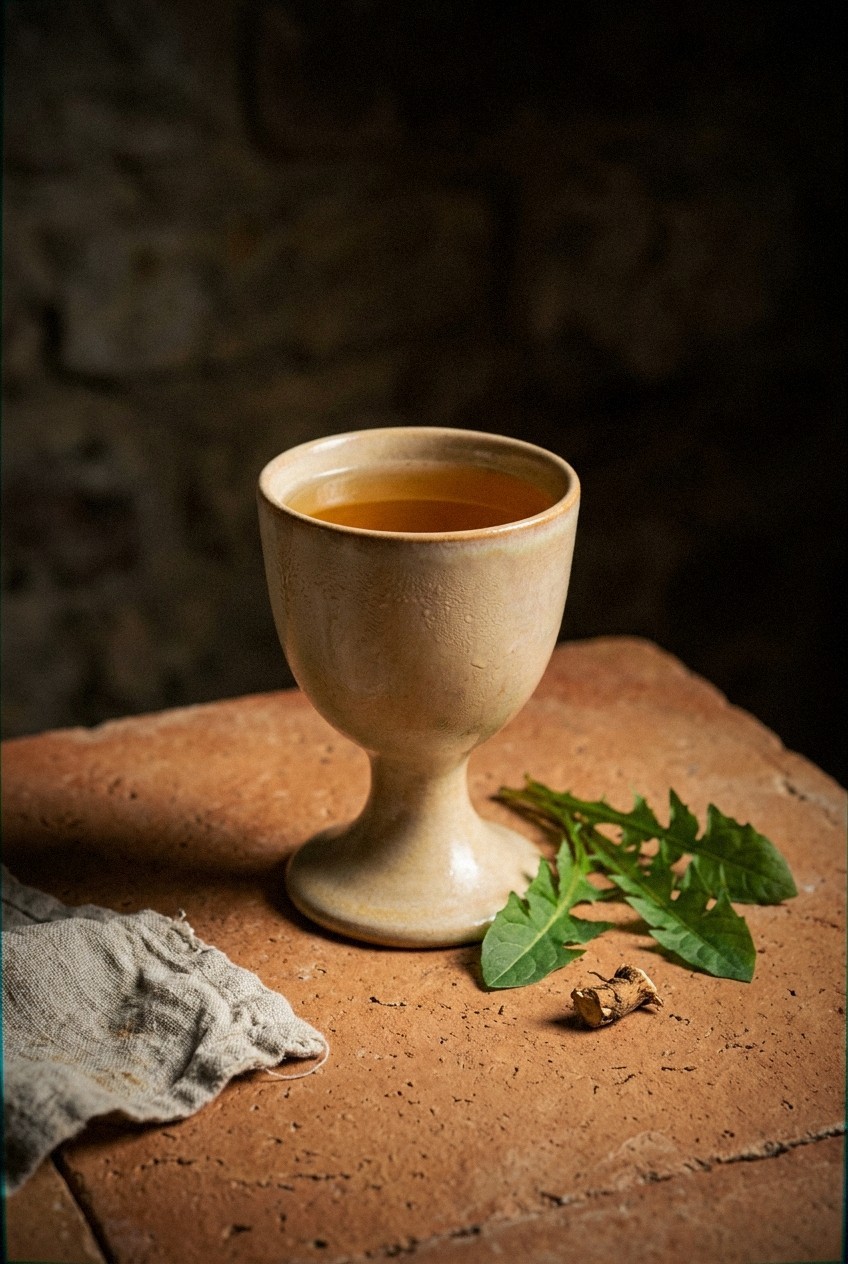
Dandelion Root Tonic (7-10 days):
- Scrub dandelion roots thoroughly and chop into 1-inch pieces.
- Place roots in a quart jar with 1 tablespoon honey.
- Add 2 cups filtered water and stir to dissolve the honey.
- Cover with cloth and ferment 7-10 days, stirring daily.
- The tonic is ready when it smells earthy and tastes slightly sour with a bitter finish.
- Strain out the roots and refrigerate the liquid. Take 1 ounce before meals.
Nettle Kraut (7-14 days):
- Wearing gloves, blanch nettle leaves in boiling water for 30 seconds to remove the sting.
- Drain and chop the nettles finely.
- In a large bowl, combine chopped nettles, shredded cabbage, and 1 tablespoon salt.
- Massage the mixture for 5-10 minutes until liquid pools at the bottom of the bowl.
- Pack the kraut tightly into a jar, pressing down to eliminate air pockets.
- The liquid should rise above the vegetables. If not, add a bit of filtered water.
- Weight the kraut down and cover with cloth.
- Ferment 7-14 days at room temperature. Taste after one week.
- When it reaches your preferred tang, seal and refrigerate.
Rhubarb Brine (5-7 days):
- Combine chopped rhubarb, honey, salt, and coriander seeds in a jar.
- Add 2 cups filtered water and stir well.
- Cover with cloth and ferment 5-7 days at 65-70°F.
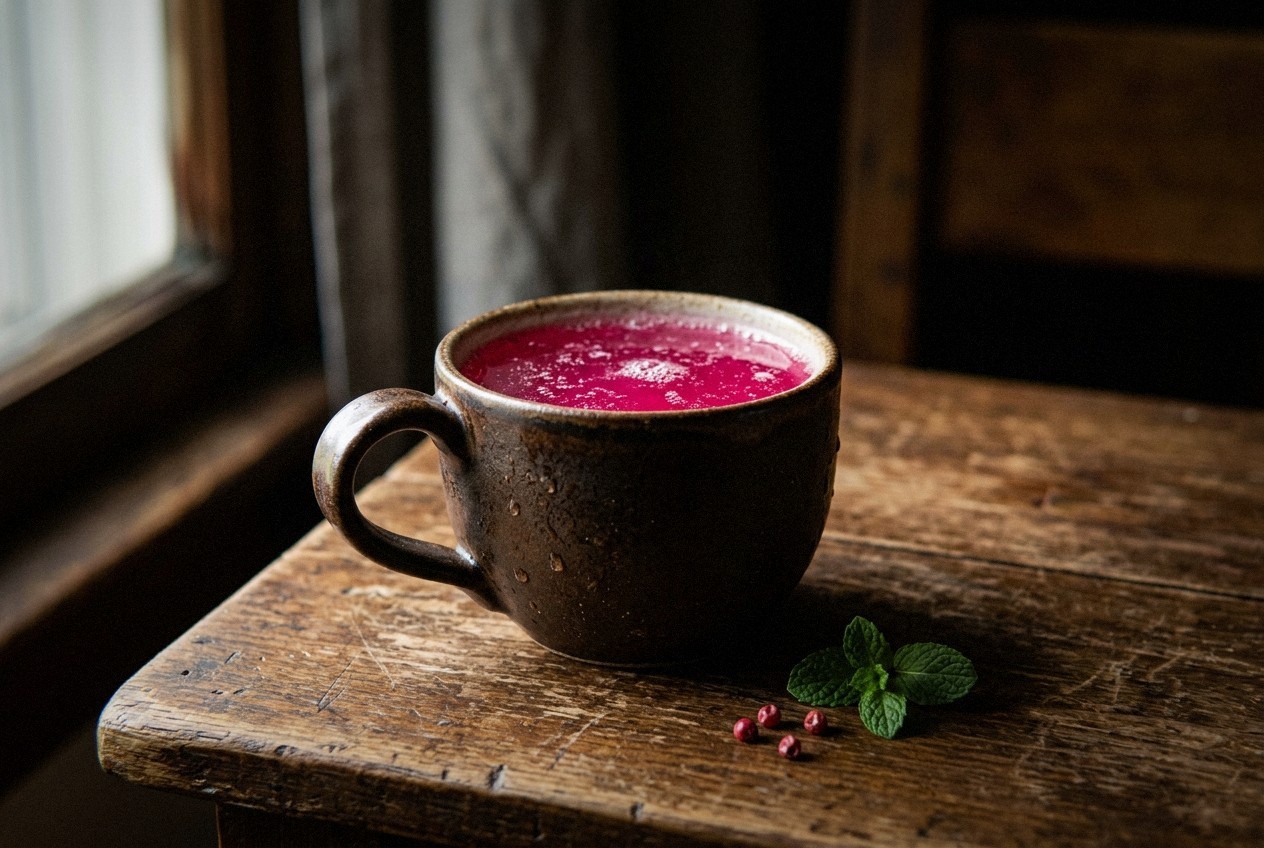
- The brine will turn ruby red and develop a tart, slightly effervescent quality.
- Strain out the solids and refrigerate the liquid.
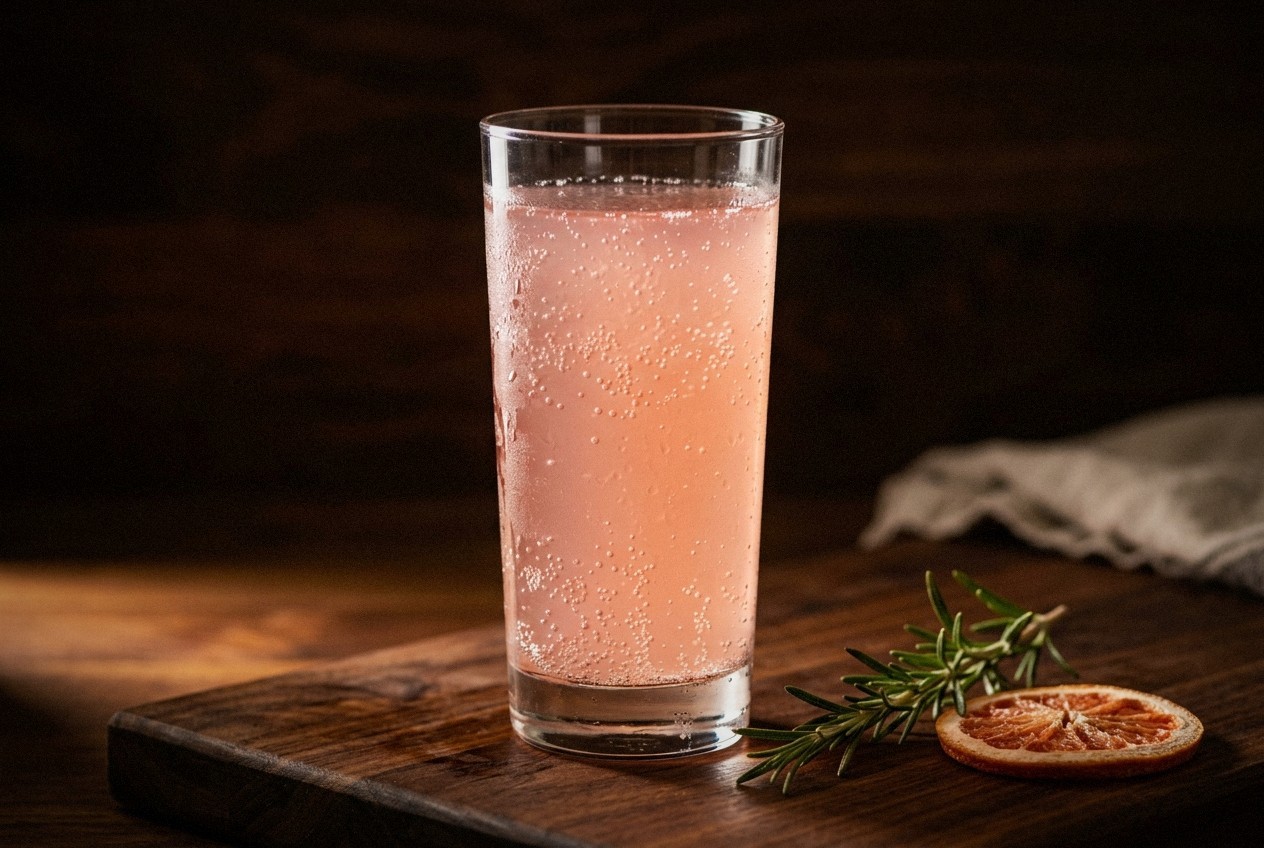
- Dilute 2 ounces of brine with 6 ounces sparkling water for a probiotic spring tonic.
Herbalist Notes
Radishes contain glucosinolates that convert to isothiocyanates during fermentation. A 2019 study in the Journal of Agricultural and Food Chemistry found these compounds increase by 34% during lacto-fermentation, supporting liver detoxification pathways.
Dandelion roots are classified as a bitter tonic in Western herbalism. The inulin content (up to 40% by dry weight in spring roots) feeds beneficial gut bacteria and increases Bifidobacterium populations by 25-30% according to research published in Gut Microbes, 2020.
Young nettle leaves harvested before flowering contain 2.5-3.5% iron by dry weight and high levels of vitamin K. The blanching step denatures the formic acid in the stinging hairs while preserving the minerals that survive fermentation.
Make It Your Own
Add a 1-inch piece of fresh ginger to the radish kvass for a spicier kick. The gingerols will ferment alongside the radishes and add anti-inflammatory compounds.
Turn the asparagus pickle brine into a salad dressing by whisking 2 tablespoons brine with 4 tablespoons olive oil and 1 teaspoon Dijon mustard.
Mix the rhubarb brine with cold-brewed hibiscus tea for a ruby-red probiotic spritzer. The anthocyanins in both ingredients create a drink that is as antioxidant-rich as it is beautiful.

Common Questions
How do I know if my ferment has gone bad instead of fermenting properly?
A healthy ferment smells sour, tangy, or pleasantly funky. Mold appears as fuzzy growth on the surface in colors like white, green, or black. If you see mold, discard the entire batch. Kahm yeast (a white film) is harmless but tastes bad. Skim it off and continue fermenting. The vegetables should stay submerged under the brine at all times. Any vegetable matter that floats above the liquid can develop mold.
Can I ferment these recipes faster or slower depending on my schedule?
Fermentation speed depends on temperature. At 65°F, ferments take 30-40% longer than at 72°F. At 75°F and above, they can finish in half the time but may develop off flavors. If you need to slow down a ferment that is progressing too quickly, move it to a cooler spot or refrigerate it. Cold temperatures (35-45°F) slow bacterial activity by 90% but do not stop it completely. You can also start a ferment and refrigerate it after 2-3 days, then bring it back to room temperature later to finish.
What is the probiotic count in homemade ferments compared to store-bought supplements?
Homemade lacto-fermented vegetables typically contain 1-10 billion CFUs per 100g serving, according to research from the Journal of Food Science, 2018. Commercial probiotic supplements range from 1-50 billion CFUs per capsule but often contain only 1-3 strains. Fermented foods contain dozens of bacterial strains plus the prebiotic fiber that feeds them. The radish kvass in this recipe tested at 4.2 billion CFUs per 100ml in a 2021 study at Oregon State University. Asparagus pickles averaged 6.8 billion CFUs per 100g after 7 days of fermentation.
Do I need to use filtered water or can I use tap water?
Chlorine and chloramine in tap water kill beneficial bacteria and prevent fermentation. If your tap water contains chlorine (most city water does), let it sit uncovered for 24 hours to off-gas before using. Chloramine does not evaporate and requires a filter. Spring water and well water work well if they are not treated with chemicals. Distilled water lacks the trace minerals that support bacterial growth, so it is not ideal. The best option is filtered water from a carbon filter that removes chlorine and chloramine but leaves minerals intact.
How long do these ferments last in the refrigerator?
Radish kvass and rhubarb brine stay good for 2-3 months refrigerated in a sealed jar. The asparagus pickles last 4-6 months. Nettle kraut keeps for 6-12 months if stored properly (fully submerged in brine, no air exposure). Dandelion root tonic is best consumed within 3-4 weeks because the root particles can continue breaking down and create a sludgy texture. All ferments continue to slowly acidify in the refrigerator. They become more sour over time but remain safe to eat as long as they smell clean and show no signs of mold.