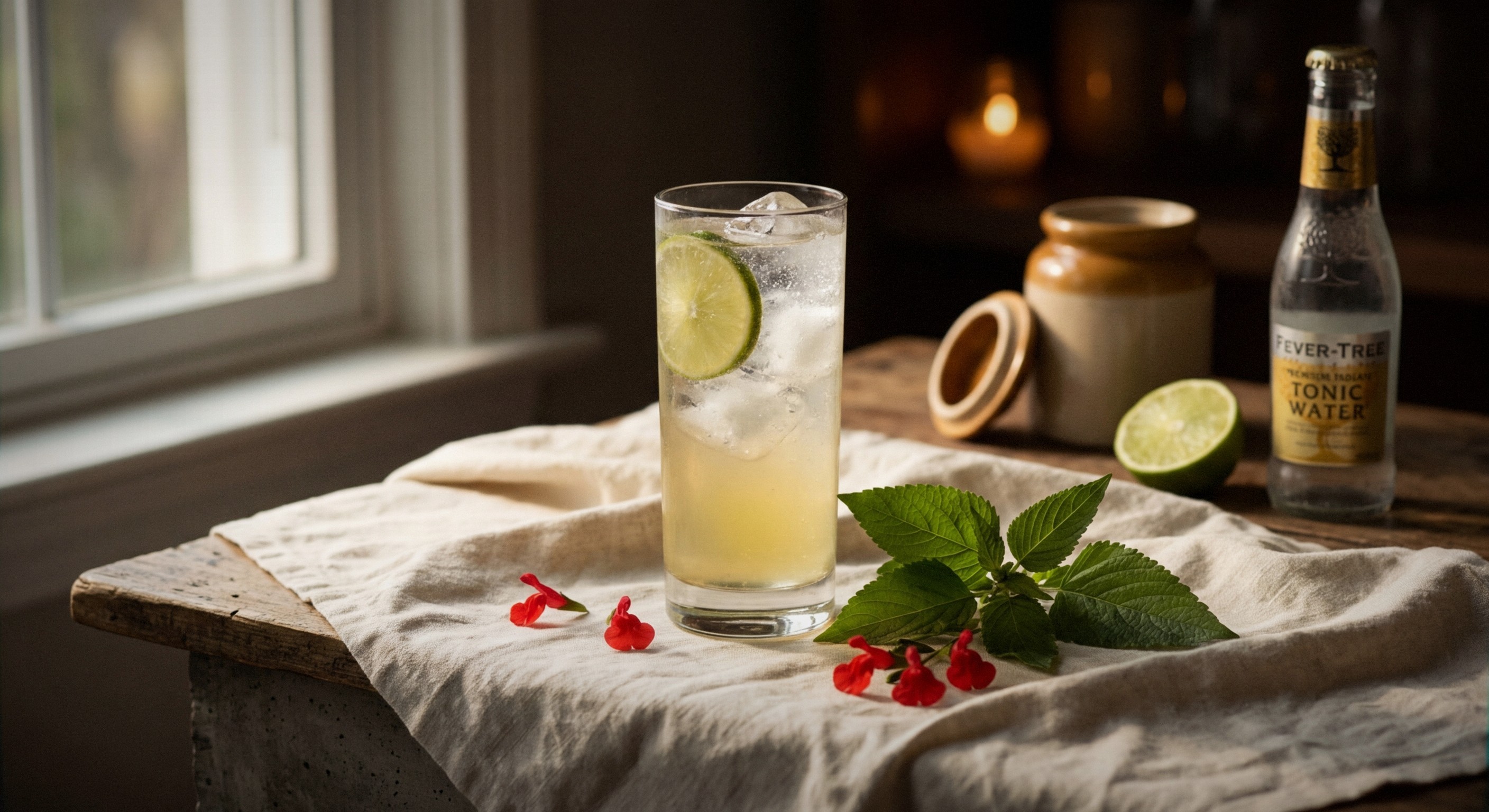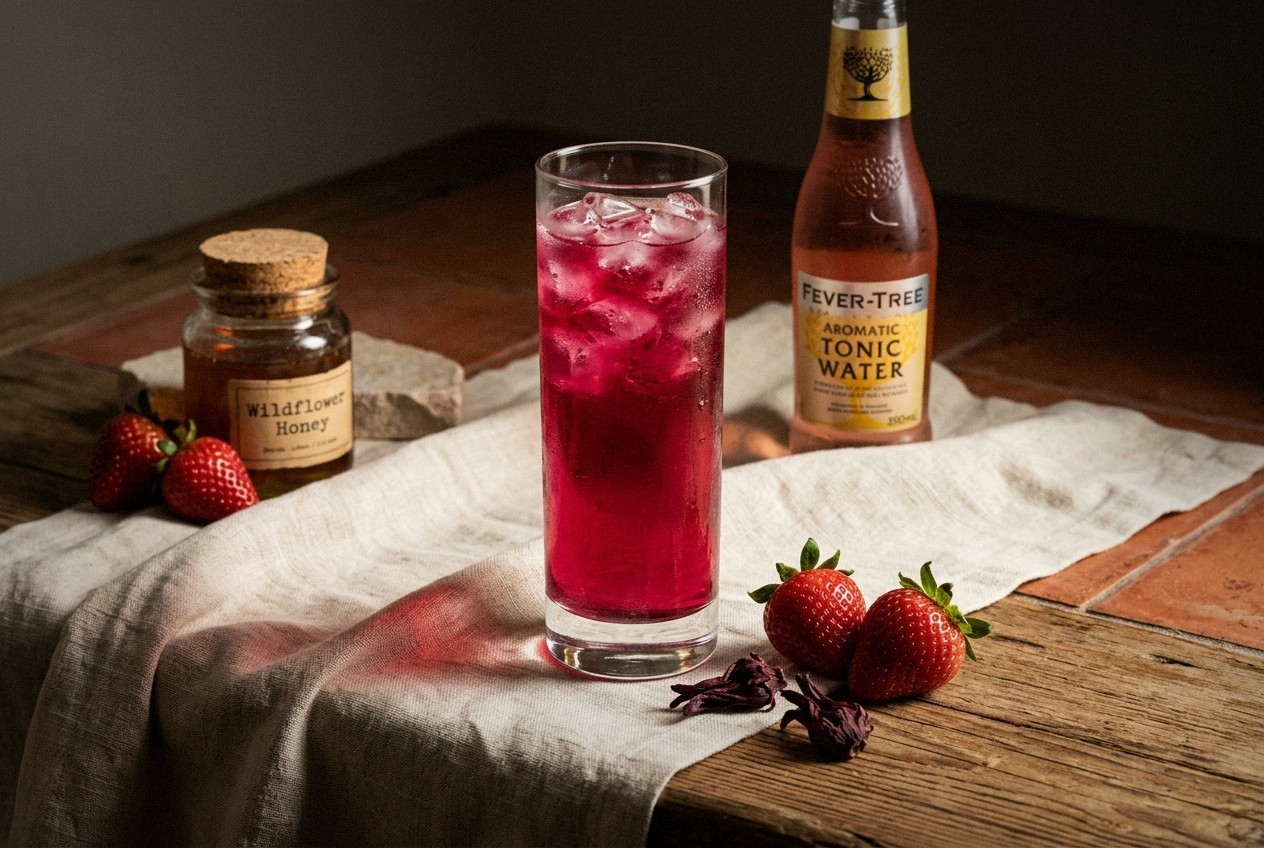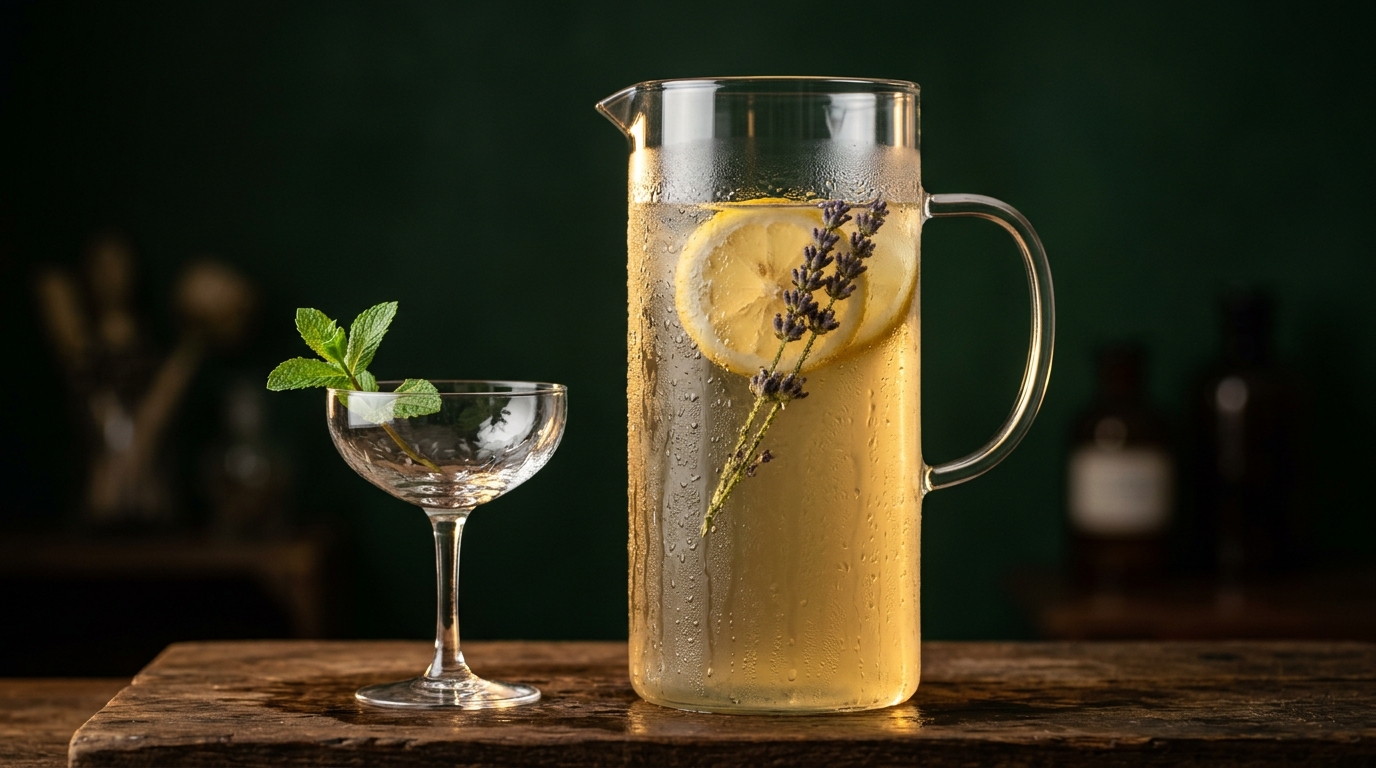
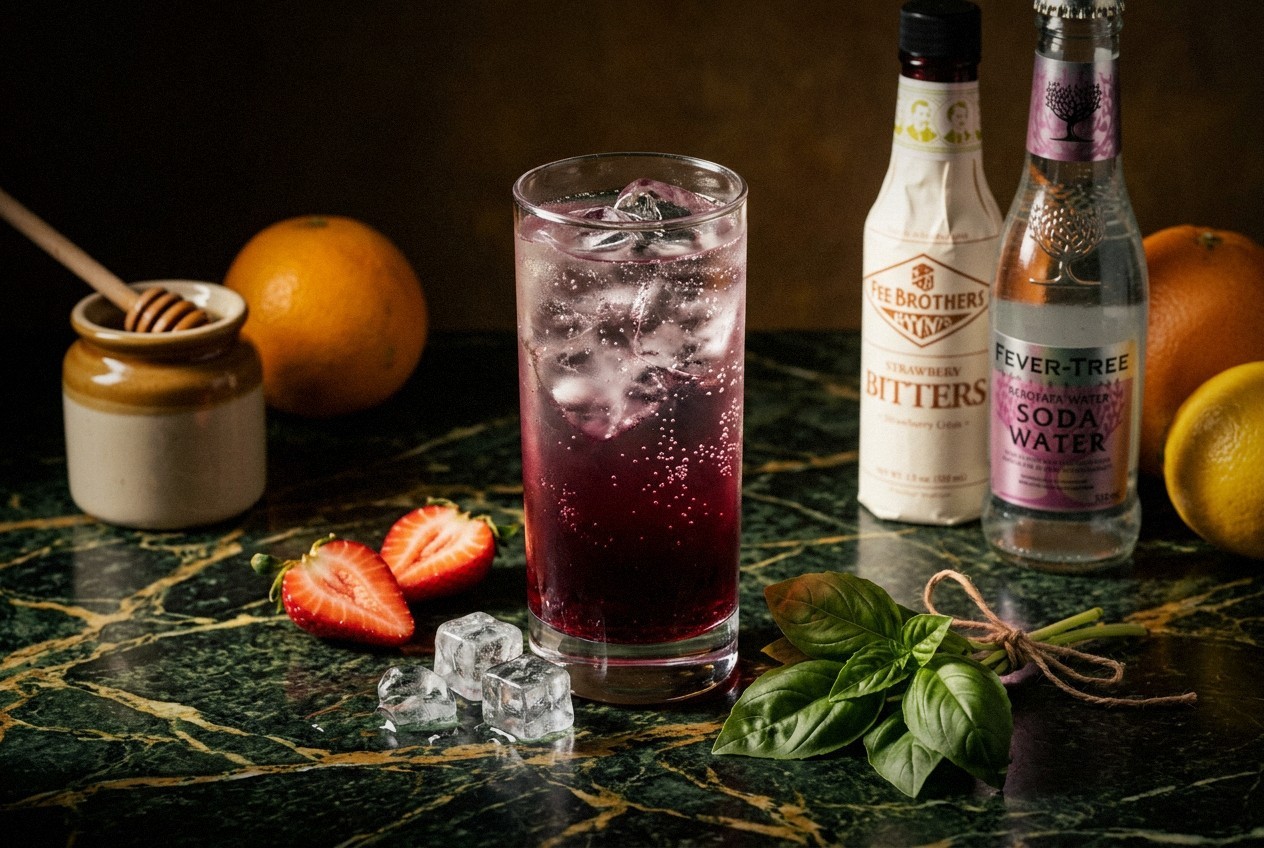
Five refreshing strawberry mocktails with fresh herbs, sparkling water, and botanical twists. Get all the recipes for peak-season strawberries.
Why You Will Love This
Peak-season strawberries collapse into juice with the slightest pressure. That three-week window when they actually taste like something. These five drinks use fresh herbs, sparkling water, and botanical accents to turn a flat of berries into something worth photographing. Each recipe takes under 15 minutes and requires no special equipment beyond a muddler or the back of a wooden spoon.
The Story Behind It
Strawberry season hits hard in late spring. Markets overflow, prices drop, and suddenly you have two pounds of berries that need using before they soften. These recipes came from testing what worked when strawberries were so ripe they stained the cutting board. The basil smash started as an accident. The rose water sparkler came from a Syrian friend who always added a few drops to fruit drinks. The others followed once the pattern became clear: strawberries need acid, bubbles, and something green or floral to keep them interesting.
What You Will Need
Base Ingredients (for all five drinks):
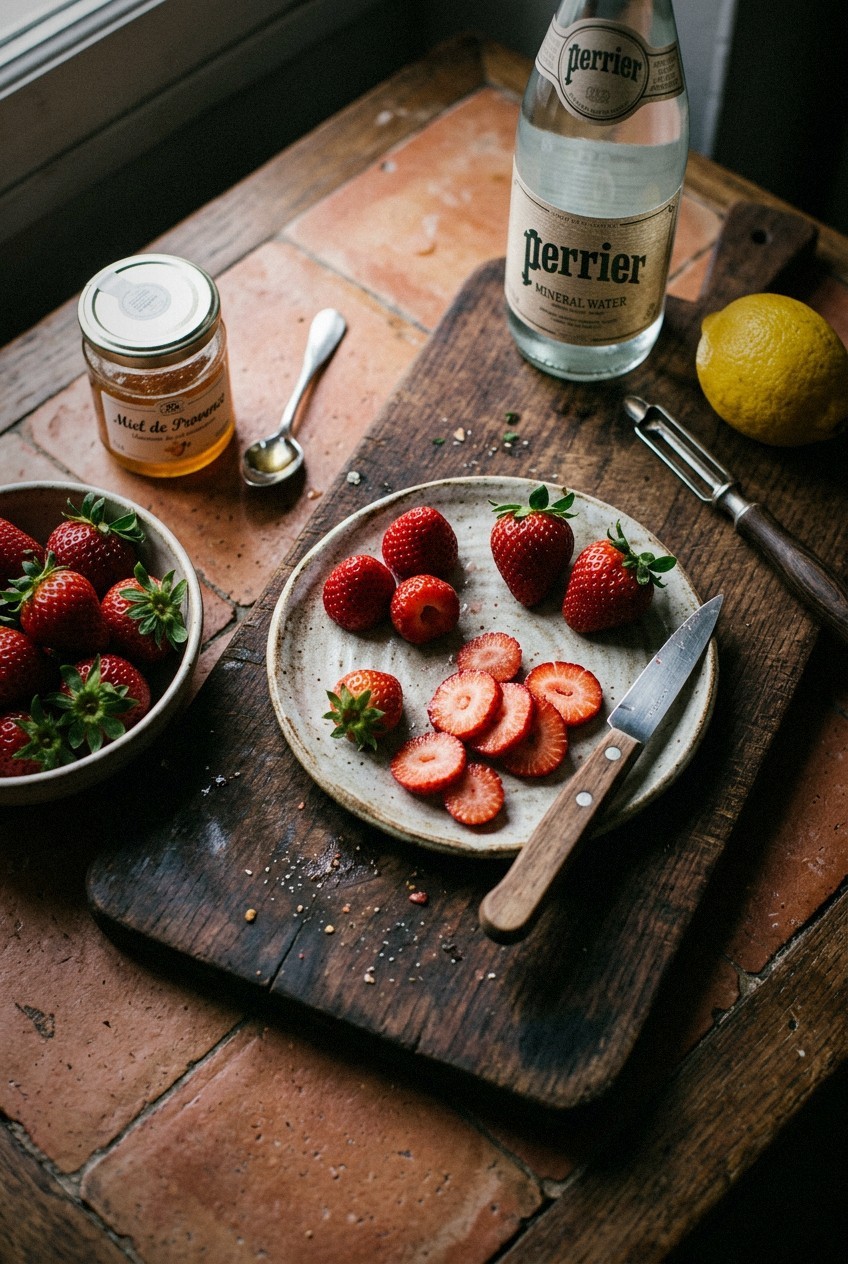
- 2 cups fresh strawberries, hulled and sliced
- 1/4 cup raw honey or maple syrup
- 4 cups sparkling water (chilled)
- Ice cubes
For Basil Strawberry Smash:
- 1/4 cup fresh basil leaves
- 1 lime, juiced
For Rose Water Sparkler:
- 1 tablespoon rose water (food-grade)
- 1 lemon, juiced
For Mint Lime Cooler:
- 1/4 cup fresh mint leaves
- 2 limes, juiced
For Elderflower Spritz:
- 2 tablespoons elderflower cordial
For Lavender Lemonade:
- 2 tablespoons dried culinary lavender
- 2 lemons, juiced
How to Make It
Basil Strawberry Smash:
- Place 1/2 cup sliced strawberries in a tall glass with 6-8 basil leaves and 1 tablespoon honey.
- Muddle until strawberries release their juice and basil bruises (about 30 seconds).
- Add juice of half a lime and fill glass with ice.
- Top with 1 cup sparkling water. Stir twice. Garnish with a basil sprig.
Rose Water Sparkler:
- Blend 1/2 cup strawberries with 1 teaspoon rose water, 1 tablespoon honey, and juice of half a lemon until completely smooth (about 20 seconds).
- Strain through a fine-mesh sieve into a glass to remove seeds.
- Fill glass with ice and top with 1 cup sparkling water. Stir once.
- Garnish with a lemon wheel and dried rose petals if available.
Mint Lime Cooler:
- Muddle 1/2 cup strawberries with 6-8 mint leaves in a glass until mint releases its oils.
- Add juice of 1 lime and 1 tablespoon honey. Stir to dissolve honey.
- Fill glass with ice and top with 1 cup sparkling water.
- Garnish with a mint sprig and lime wheel.
Elderflower Spritz:
- Place 1/2 cup sliced strawberries in a glass with 2 tablespoons elderflower cordial.
- Gently press strawberries with a spoon to release some juice (don’t fully muddle).
- Fill glass with ice and top with 1 cup sparkling water. Stir gently.
- Garnish with a strawberry half on the rim.
Lavender Lemonade:
- Steep 2 tablespoons culinary lavender in 1/2 cup just-boiled water for 5 minutes. Strain and let cool slightly.
- Blend lavender tea with 1/2 cup strawberries, juice of 1 lemon, and 1 tablespoon honey until smooth.
- Pour over ice in a tall glass and top with 1 cup sparkling water.
- Garnish with a lemon wheel and lavender sprig.
Herbalist Notes
Basil (Ocimum basilicum): Sweet basil contains eugenol, the same compound in cloves, which gives it that slight spicy-sweet edge. In Ayurvedic tradition, tulsi (holy basil) has been used for over 3,000 years as a cooling herb. Sweet basil shares some of those properties. Pair it with strawberries and the combination becomes more refreshing than either ingredient alone.
Rose water: Distilled from Rosa damascena petals, rose water has been used in Persian and Middle Eastern medicine since the 10th century. The phenylethyl alcohol in rose petals creates that distinctive floral scent. Use food-grade rose water only. A little goes far. One teaspoon per drink is enough.
Lavender (Lavandula angustifolia): Culinary lavender contains linalool and linalyl acetate, the compounds responsible for its calming reputation in Western herbalism. English lavender varieties work best for drinks. French lavender tastes soapy. Steep it like tea, never use the raw flowers directly in cold drinks or you’ll get a bitter, perfume-like taste.
Make It Your Own
Swap sparkling water for kombucha in any of these recipes for a probiotic boost and slightly tangy edge. The elderflower spritz works particularly well with ginger kombucha. For a creamier version, blend 1/4 cup coconut cream into the rose water sparkler before adding ice and sparkling water. You can also freeze leftover strawberry puree in ice cube trays and use those instead of regular ice. The drink stays cold without getting watered down.
Common Questions
Can I make these ahead for a party?
Prepare the muddled or blended strawberry bases up to 4 hours ahead and store them in the refrigerator in sealed containers. Add ice and sparkling water just before serving. The lavender tea can be steeped the night before and refrigerated. Do not add sparkling water until serving time or it will go flat. For a crowd, multiply the base recipes by the number of servings needed and set up a drink station where guests can add their own ice and bubbles.
What if I can’t find elderflower cordial?
Substitute 1 tablespoon honey mixed with 1 tablespoon fresh lemon juice and a pinch of orange zest. It won’t have the exact floral notes of elderflower, but the combination of honey and citrus creates a similar sweetness with complexity. You can also use 2 tablespoons of St. Germain elderflower liqueur if you’re okay with a small amount of alcohol (about 0.5% ABV in the final drink after dilution). For a completely alcohol-free option, steep 1 tablespoon dried chamomile flowers in 1/4 cup hot water for 5 minutes, strain, and use that in place of the cordial.
How long do fresh strawberries stay good for drinks?
Peak-season strawberries last 3-5 days in the refrigerator if stored unwashed in a single layer on paper towels. Wash them only right before use. Once washed, they soften within 24 hours. For these drinks, slightly overripe strawberries actually work better because they’re sweeter and muddle more easily. If your berries are starting to go soft, freeze them whole on a baking sheet, then transfer to a freezer bag. Frozen strawberries work perfectly in the blended recipes (rose sparkler and lavender lemonade). Thaw them slightly before muddling for the other three drinks.
Is rose water safe to drink?
Yes, but only if it’s labeled “food-grade” or “culinary.” Cosmetic rose water often contains additives and should never be consumed. Food-grade rose water is distilled from rose petals with no added chemicals. Brands like Cortas, Sadaf, or Nielsen-Massey are widely available and safe. The typical dose in drinks is 1/4 to 1 teaspoon per serving. More than that and the drink tastes like perfume. Rose water has been used in Persian, Turkish, and Indian cuisine for over a millennium. In Unani medicine (a tradition from ancient Greece practiced in South Asia), rose water is considered cooling and used for digestive comfort.
What’s the caffeine content in these drinks?
Zero. All five recipes are completely caffeine-free. If you substitute kombucha for sparkling water, most commercial kombuchas contain 8-15 mg of caffeine per 8 oz serving because they’re made from tea. That’s about 10% of the caffeine in a cup of coffee. For a truly caffeine-free kombucha option, look for brands that use herbal tea bases like rooibos or hibiscus instead of black or green tea.