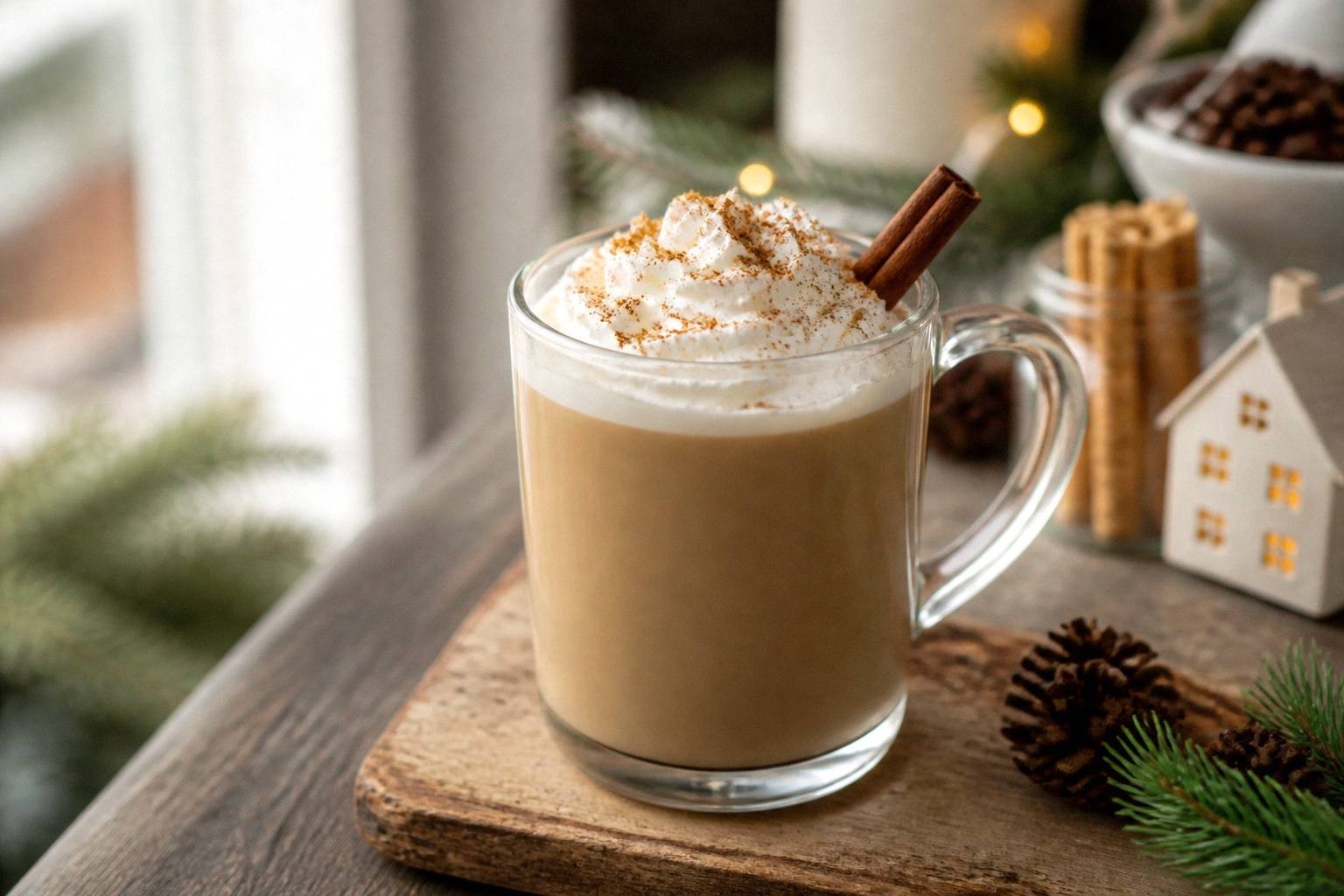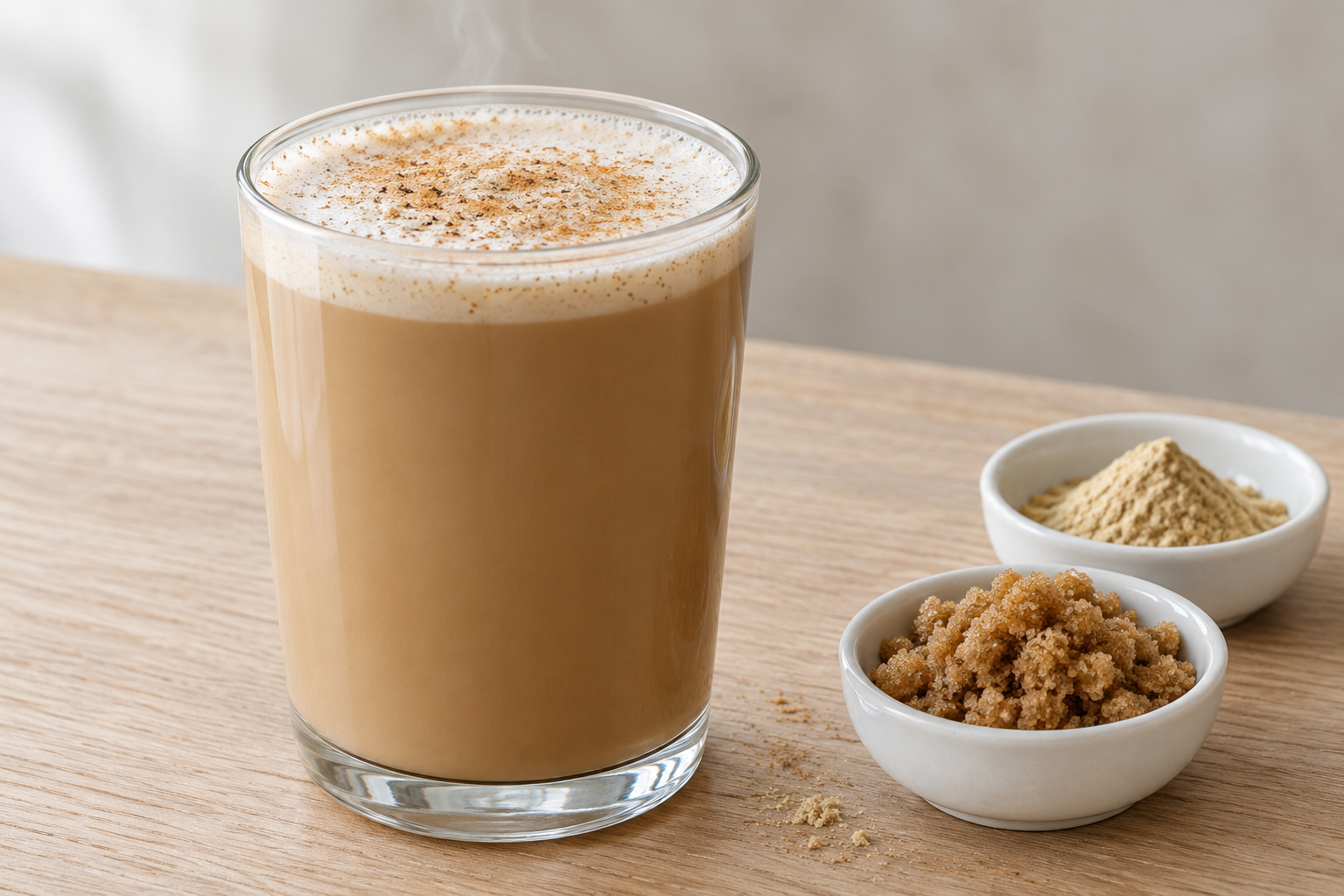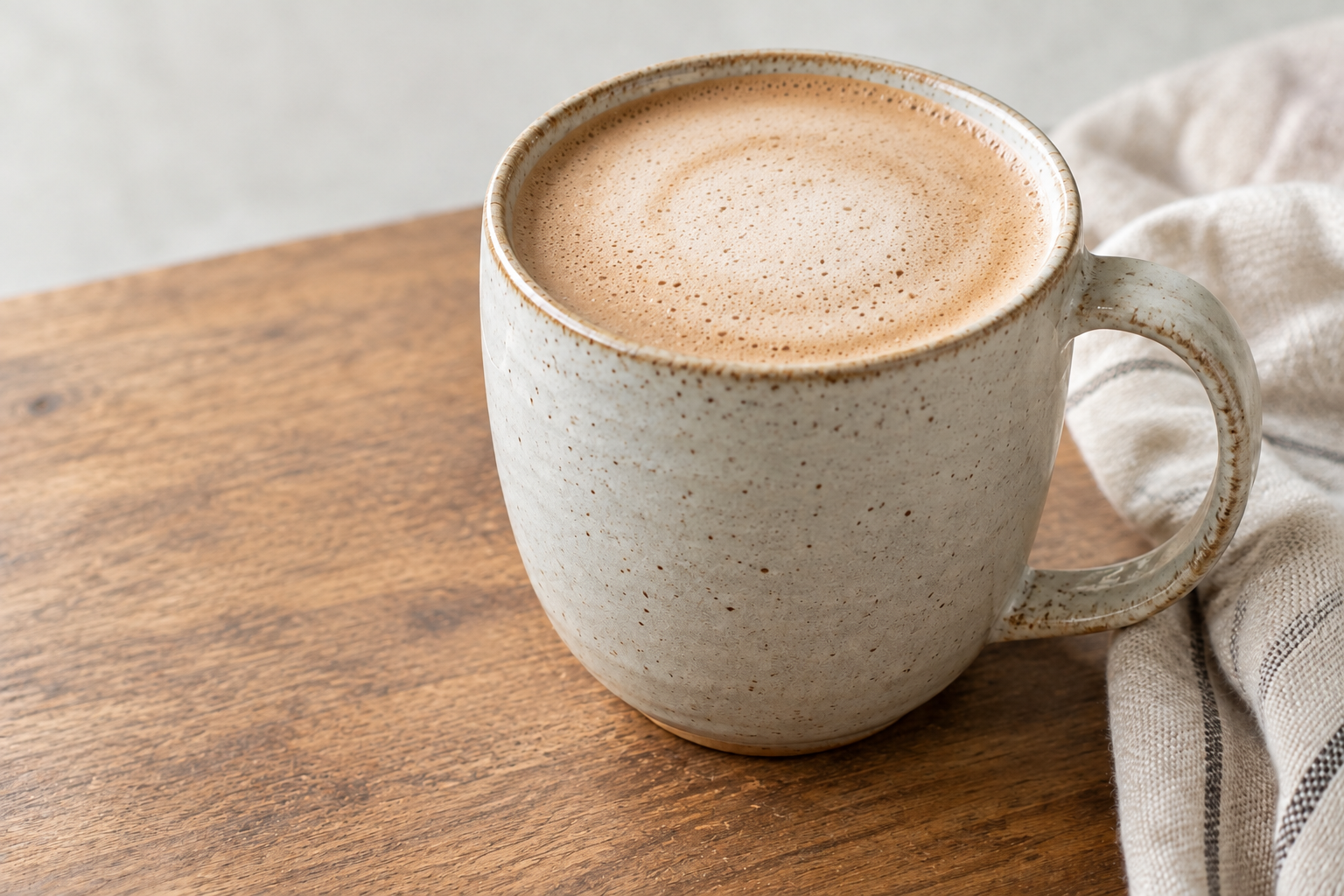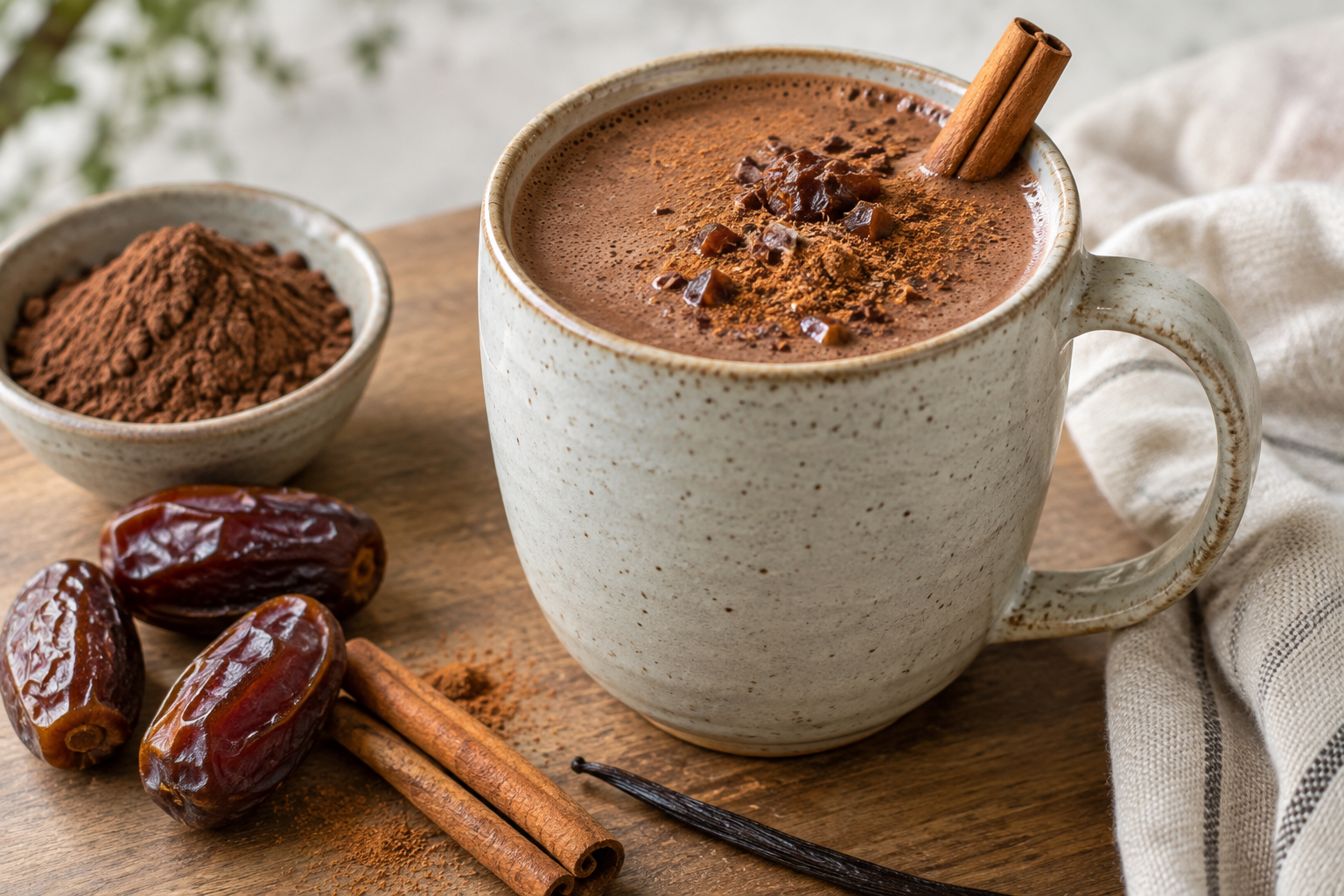

The best Italian coffee drinks to make at home are affogato, shakerato, marocchino, bicerin, cappuccino, macchiato, and ristretto, and the layered, cozy ones like bicerin and marocchino are made for a chilly fall morning. Italian coffee culture runs deeper than the cappuccino and latte most cafés serve. Walk into a bar in Milan or Turin and you’ll see locals ordering drinks most Americans have never heard of: a marocchino with its chocolate-streaked glass, a shakerato shaken cold over ice, or a bicerin layered with cream and hot chocolate. These aren’t complicated drinks, and you don’t need barista training to make them. What you do need is an espresso machine or a good moka pot, the right ingredients, and about five minutes.
1. Affogato

Affogato translates to “drowned,” which is exactly what happens when you pour hot espresso over cold vanilla gelato. The coffee melts the ice cream into a creamy, bittersweet puddle that you eat with a spoon before it turns to soup. It’s dessert and coffee in one glass, and it takes less time to make than it does to describe.
Serve this after dinner when you want something sweet but not heavy. The contrast between the hot espresso and frozen gelato is the whole point, so use the best vanilla ice cream you can find and brew the espresso fresh. Stale coffee ruins it.
Ingredients
- 4 scoops vanilla ice cream
- 4 shots of espresso coffee
Instructions
- Drop a scoop of ice cream into each of four small bowls, small enough that the espresso will pool around the ice cream.
- Set a bowl in front of each person with a freshly-made espresso. Pour the espresso over the ice cream and eat right away.
2. Caffè Shakerato
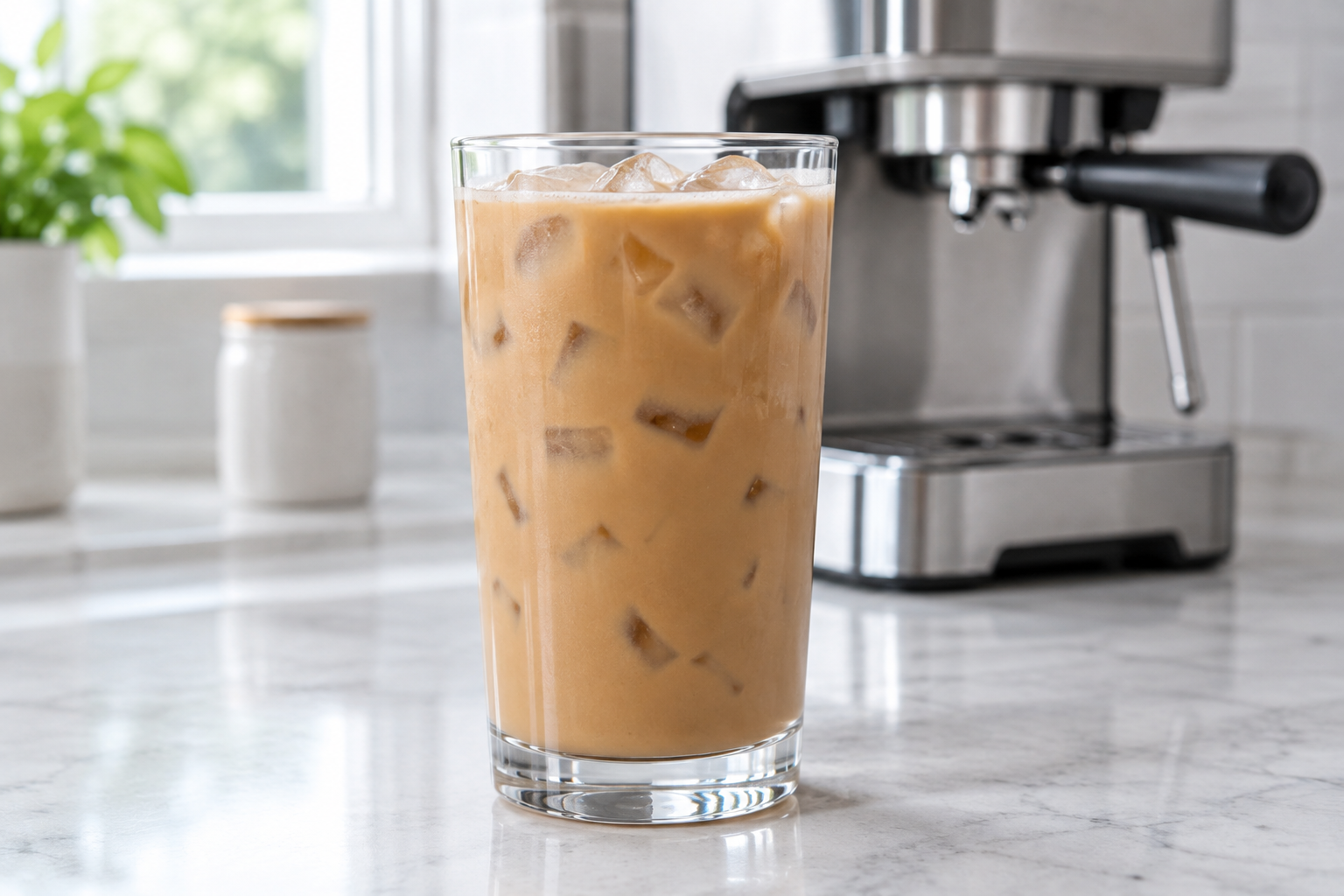
Shakerato is Italian iced coffee , but it’s nothing like the watered-down version you get at chain cafés. You shake hot espresso with sugar and ice in a cocktail shaker until it’s cold, frothy, and slightly aerated. The shaking creates a layer of foam on top that makes the drink feel lighter than it is.
This one is a summer drink, the kind you order at an Italian beach bar in the afternoon when it’s too hot for hot coffee but you still need the caffeine. The sugar is traditional, but you can leave it out if you want the coffee flavor straight.
Ingredients
- 2 tbsp ground espresso coffee
- 2 tsp sugar
- 2 ice cubes
Instructions
- Brew your espresso and pour it into a salsa jar or martini shaker with 2 teaspoons of sugar and 2 ice cubes. Shake it hard, do a little dance while you’re at it. Pour the drink into a martini or champagne glass. You’ll see a thick foam on top, and that’s the best part. Enjoy it cold.
3. Marocchino
Marocchino is a layered drink from Northern Italy that combines espresso, frothed milk, and chocolate in a small glass. The name means “Moroccan” in Italian, possibly because the drink’s color resembles the leather used in Moroccan goods. You dust the inside of the glass with cocoa powder, add espresso, then top it with frothed milk and more cocoa.
The chocolate here isn’t sweet hot chocolate . It’s cocoa powder or a thin layer of chocolate spread, just enough to add bitterness and depth without turning the drink into dessert. Use a clear glass so you can see the layers.
Ingredients
- 18 g coffee beans
- 2 tbsp cocoa powder
- 3-4 oz milk
Instructions
- Grind your beans just before you brew. Pull your espresso straight into the serving glasses. This makes two single-shot Marocchinos, if you want a double shot, increase the milk foam to match and use a larger glass.
- Froth the milk with the steam wand on your espresso machine. You want light, airy foam like you’d spoon onto a cappuccino, not the silky, dense milk you’d pour for a latte. The foam should be thick enough to spoon, not pour.
- Build the Marocchino in layers so you can see each one through the glass. Sprinkle cocoa powder over the espresso until you have a thick layer, but save a little for the top. Spoon the foamed milk on top to match the amount of espresso, then dust with the remaining cocoa powder. Admire the layers, then stir to mix in the cocoa powder before you drink.
4. Bicerin

Bicerin comes from Turin, where it’s been served in cafés since the 1700s. The drink layers hot chocolate, espresso, and whipped cream in a glass, and you’re supposed to drink it without stirring so you taste each layer separately. The name comes from the Piedmontese word for “small glass,” which is what the drink is traditionally served in.
This is a cold-weather drink, rich and warming. The chocolate here is real melted dark chocolate, not cocoa powder, so it’s thicker and more substantial than a mocha. Use chocolate with at least 70% cocoa solids or the drink will taste too sweet.
Ingredients
- 125ml double cream
- 250ml whole milk or single cream
- 50g dark chocolate (at least 70% cocoa solids), finely chopped
- demerara sugar to taste
- 2 shots of freshly brewed espresso
- 10g hazelnuts finely grated or chopped
- pinch of cocoa powder
Instructions
- Whisk the double cream in a bowl until it holds its shape but is still pourable. Set aside.
- Pour the milk or single cream into a saucepan with the dark chocolate. Stir continuously over a low-medium heat using a whisk until the mixture comes to the boil. Lower the heat and simmer while continuing to whisk. Add the demerara sugar to taste.
- Warm two heatproof glasses by rinsing with hot water, then dry and pour in the espresso. Carefully pour over the chocolate mixture, then top with the whipped cream, hazelnuts and a pinch of cocoa powder.
5. Cappuccino
Cappuccino is the most famous Italian coffee drink, and also the most misunderstood outside Italy. A real cappuccino is one part espresso, one part steamed milk, and one part milk foam, served in a small cup that holds about 200 to 250 milliliters. It’s not a large milky drink, and Italians drink it only in the morning, never after 11 a.m.
The foam matters here. It should be thick and velvety, not stiff or bubbly. When you pour the steamed milk, it should blend with the espresso at the bottom while the foam sits on top. If you don’t have an espresso machine with a steam wand, you can heat the milk and froth it with a handheld frother, but the texture won’t be quite the same.
Ingredients
- 18g ground espresso (or 1 espresso pod)
- 150ml milk
- cocoa powder (optional)
- the right cup 200-250ml capacity
Instructions
- Pull about 35ml of espresso and pour it into your cup.
- Steam your milk until you have 4 to 6cm of foam on top. Hold the jug with the spout 3 to 4cm above the cup and pour the milk in steadily. As the cup fills, bring the jug as close to the surface as you can while pouring into the centre. Once the jug is almost touching the surface of the coffee, tilt it to speed up your pour. As you pour faster, the milk will hit the back of the cup and fold in on itself naturally, creating a pattern on top. Dust the surface with a little cocoa powder if you like.
6. Caffè Macchiato
Macchiato means “stained” or “marked,” and that’s what this drink is: espresso marked with a small amount of steamed milk and foam. It’s not a latte with less milk. It’s espresso that’s been softened just slightly, so you still taste the coffee but with a creamier texture.
Order a macchiato in Italy and you’ll get a small cup with a shot of espresso and a dollop of foam on top. The milk here is measured in tablespoons, not ounces. If you want more milk than that, you’re ordering a different drink.
Ingredients
- 2 to 4 shots brewed Espresso
- ¼ cup whole milk
Instructions
- Divide the espresso shots between two espresso cups.
- Steam or warm the milk to about 160°F (71°C) until it’s creamy. Then hold the steam wand or handheld frother just below the surface to create foam.
- Pour as much steamed milk as you like into the espresso.
- Spoon the foam on top and serve.
7. Ristretto

Ristretto is a short shot of espresso made with the same amount of coffee but half the water. You stop the extraction early, so you get a smaller, more concentrated shot that’s sweeter and less bitter than regular espresso. The word means “restricted” in Italian, referring to the restricted water flow.
This is the strongest coffee on this list, and it’s not for everyone. If you find regular espresso too bitter, you might like ristretto better because the shorter extraction pulls fewer bitter compounds from the coffee. If you find espresso too weak, ristretto gives you more intensity in a smaller package.
Ingredients
- 9 grams espresso roast coffee for single shot, 18 grams for a double shot
- Countertop espresso machine
- Knock box
Instructions
- Grind the coffee until it’s very fine. Different roasts and brands will need a different grind for your machine. You may need to run a few tests to get it dialed in just right.
- Add the coffee grounds to the portafilter until they’re slightly heaping over the top. Use the tamper to press the grounds evenly into the portafilter, pressing very firmly until they’re fully compressed. It helps to have something to press against while tamping so you don’t damage the counter or filter. Place the portafilter on a folded towel before tamping, or use the ledge of a knock box (you can also use it to discard the used grounds). The coffee grounds need to be as even and level as possible to get the best espresso shot.
- Place the portafilter in the espresso machine and press the button to pull the shot using Manual mode. This is the most important part of pulling a ristretto shot. Make sure it lasts 15 to 20 seconds, giving you 1 1/2 ounces coffee for a double ristretto, with a caramel-colored crema (compared to 25 to 30 seconds for a standard espresso doubleshot).
- It takes a while to dial in the grind and the tamping process. Don’t worry if it’s not exactly right the first time. If you find the shot is watery, use slightly more coffee grounds or grind the coffee a little finer.
What You Need to Make These Drinks
An at-home espresso machine is the most honest way to make these drinks, but you don’t need a $3,000 commercial model. A countertop machine that pulls consistent shots and has a steam wand will work for everything on this list. If you don’t have an espresso machine, a moka pot makes strong coffee that’s close enough for most of these drinks, though it won’t give you the crema or the exact flavor of real espresso.
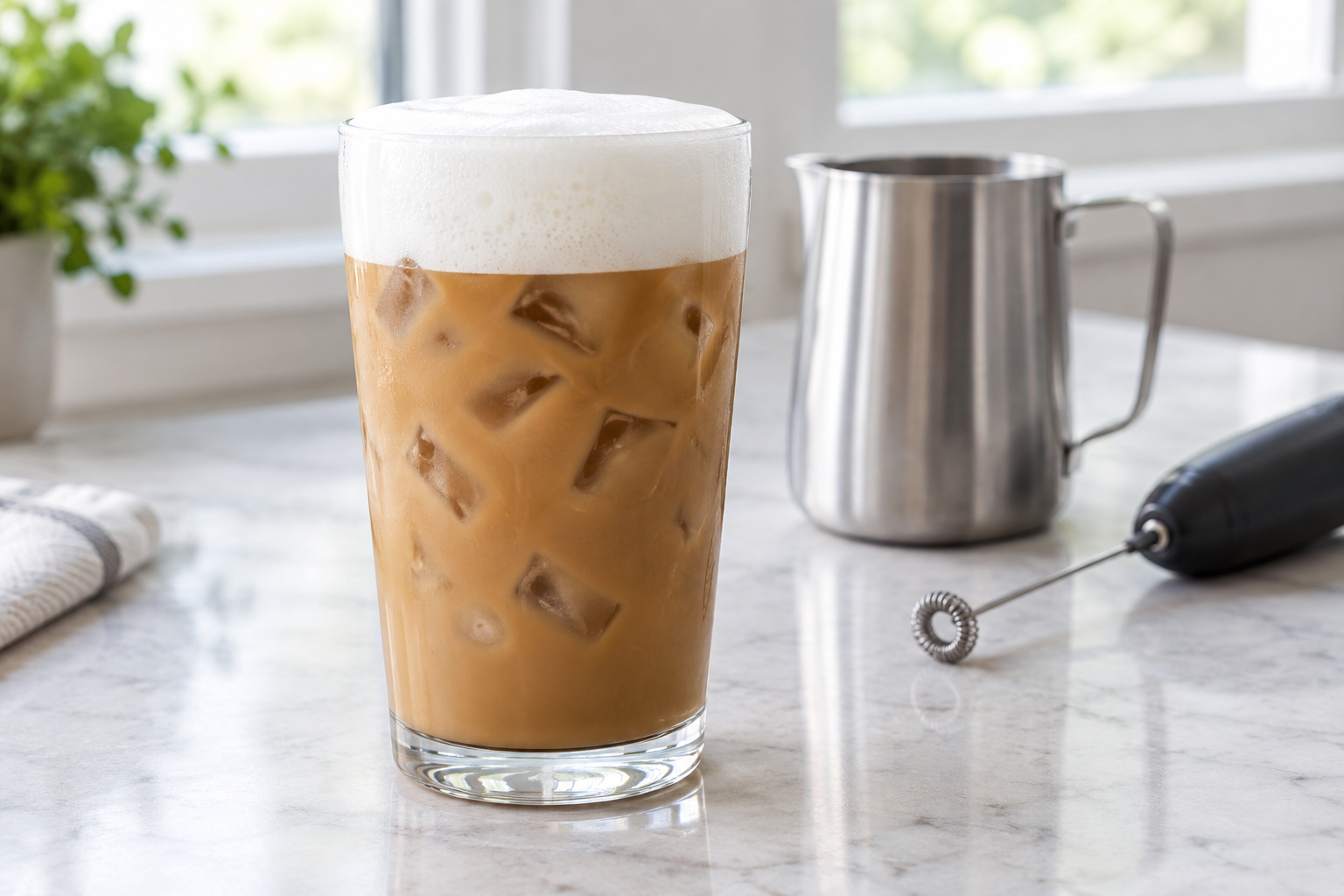
For drinks that require frothed milk, you need either a steam wand attached to your espresso machine or a handheld milk frother. The steam wand gives you better control and creates the velvety microfoam that makes cappuccino and macchiato work, but a handheld frother will get you foam that’s good enough for home use. Heat the milk first, then froth it.
Use whole milk if you can. It froths better than skim or low-fat milk because the fat content stabilizes the foam. Oat milk froths well if you need a dairy-free option, but almond milk tends to separate and won’t give you the same texture.
Common Problems and How to Fix Them
- The layers mix together instead of staying separate. Pour slowly and use a spoon to guide the liquid down the side of the glass. For drinks like marocchino and bicerin, the different densities of the liquids keep them layered, but only if you pour gently.
- The milk foam deflates immediately. You’re either overheating the milk or not incorporating enough air when you froth. Keep the milk below 70°C and hold the frother just below the surface to pull air into the milk.
- The espresso tastes bitter. You’re over-extracting. For ristretto, stop the shot earlier. For regular espresso, check your grind size and make sure you’re not running too much water through the coffee.
- The affogato turns to soup before you can eat it. Use frozen gelato straight from the freezer and brew the espresso right before you pour it. Don’t let the ice cream sit out while you make the coffee.
- The shakerato isn’t frothy. Shake harder and longer, at least 15 to 20 seconds. The ice needs to chill the coffee and aerate it at the same time, which takes vigorous shaking.
- The bicerin cream sinks into the chocolate. Whip the cream until it’s thick enough to hold its shape but still pourable. If it’s too thin, it will sink. If it’s too stiff, it won’t pour smoothly.
Frequently Asked Questions
Can I make these drinks without an espresso machine?
A moka pot makes strong coffee that works for most of these drinks, though it won’t give you true espresso. For affogato, shakerato, and macchiato, moka pot coffee is close enough. For ristretto, you need an espresso machine because the drink depends on controlling the exact extraction time and water volume.
What’s the difference between marocchino and mocha?
Marocchino uses cocoa powder and a small amount of frothed milk in a layered drink served in a small glass. Mocha is a larger drink made with chocolate syrup or sauce, steamed milk, and espresso, usually topped with whipped cream. Marocchino is less sweet and more coffee-forward.
Can I use strong brewed coffee instead of espresso?
For drinks where the coffee is mixed with other ingredients, like bicerin or shakerato, strong brewed coffee or even instant espresso powder dissolved in hot water will work. For drinks where the espresso stands alone or is only lightly marked with milk, like ristretto or macchiato, you need real espresso or the flavor won’t be right.
What type of glass should I use for layered drinks?
Use a small clear glass so you can see the layers. For marocchino, a 3 to 4 ounce glass works. For bicerin, use a slightly larger heatproof glass that holds about 6 to 8 ounces. The glass needs to be narrow enough that the layers stack vertically rather than spreading out.
How do I froth milk without a steam wand?
Heat the milk on the stove or in the microwave until it’s steaming but not boiling, then use a handheld milk frother to create foam. Hold the frother just below the surface of the milk and move it up and down to incorporate air. You can also shake hot milk in a jar with a tight lid, though this gives you larger bubbles and less control.
Can I make these drinks dairy-free?
Oat milk froths well and works in any of these drinks. Almond milk tends to separate when heated and won’t give you stable foam. For affogato, use a good dairy-free vanilla ice cream. For bicerin, use coconut cream in place of the double cream and a dairy-free milk for the chocolate mixture.
Conclusion
These seven drinks cover the range of what Italians actually order in bars, from the intense ristretto to the dessert-like affogato. None of them require advanced technique, and most take less than ten minutes to make. Start with the drinks that match the equipment you already have, then work your way toward the ones that need more gear or practice. Once you’ve made a proper cappuccino or a layered marocchino at home, the coffee shop version will taste like a pale imitation.