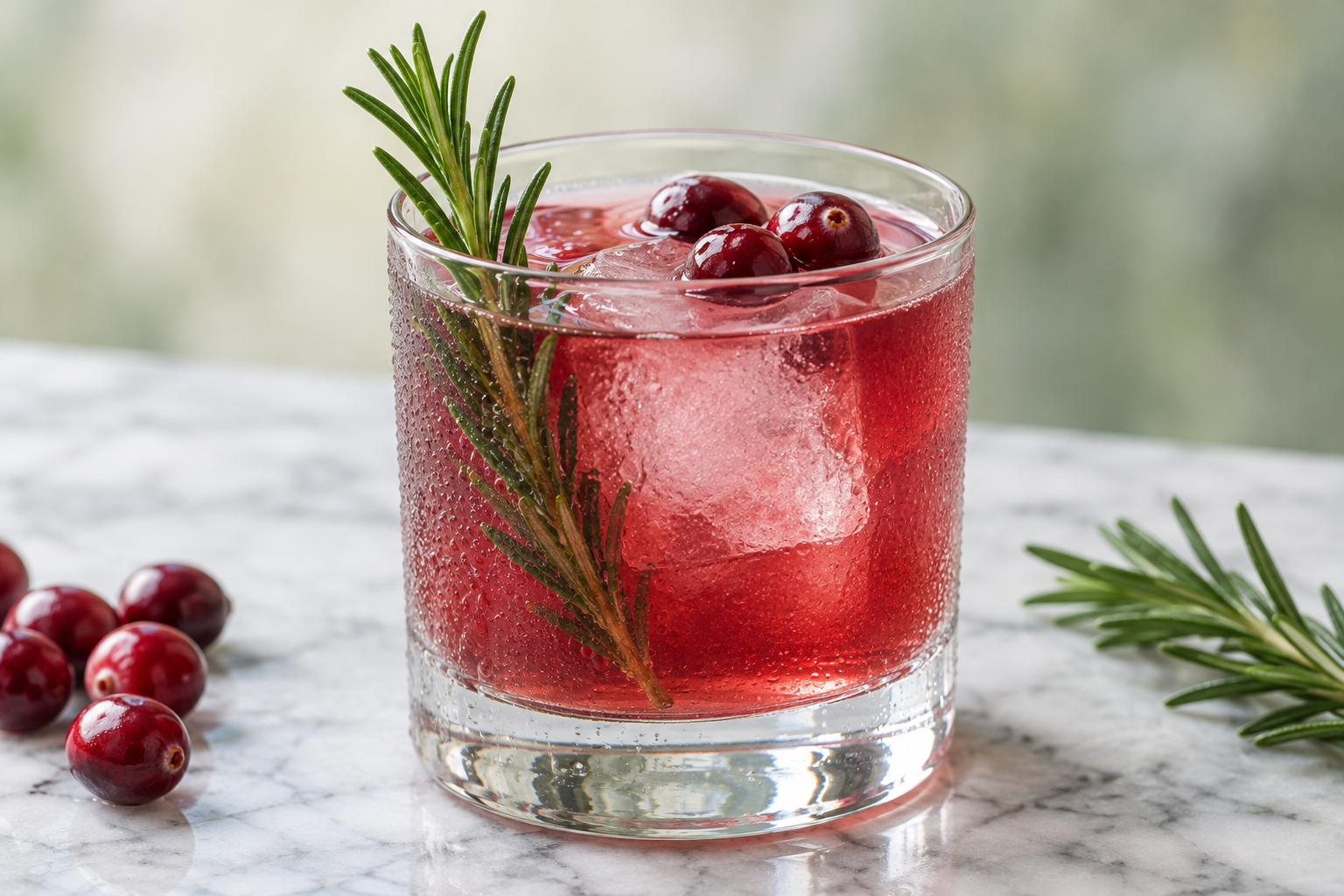
Gin shines in winter when you pair it with the season’s tart cranberries, blood oranges, and warming spices. These seven cocktails range from sparkling fizzes to a hot toddy, each built around gin’s botanical backbone and flavors that make sense when it’s cold outside. Some you shake and strain into a coupe, others you pour over ice and top with bubbles, and one you serve steaming in a mug.
The recipes below come from tested sources and include exact measurements. Each drink gets its own ingredient list and step-by-step instructions, so you can make one or all seven without flipping between sections.
1. French 75
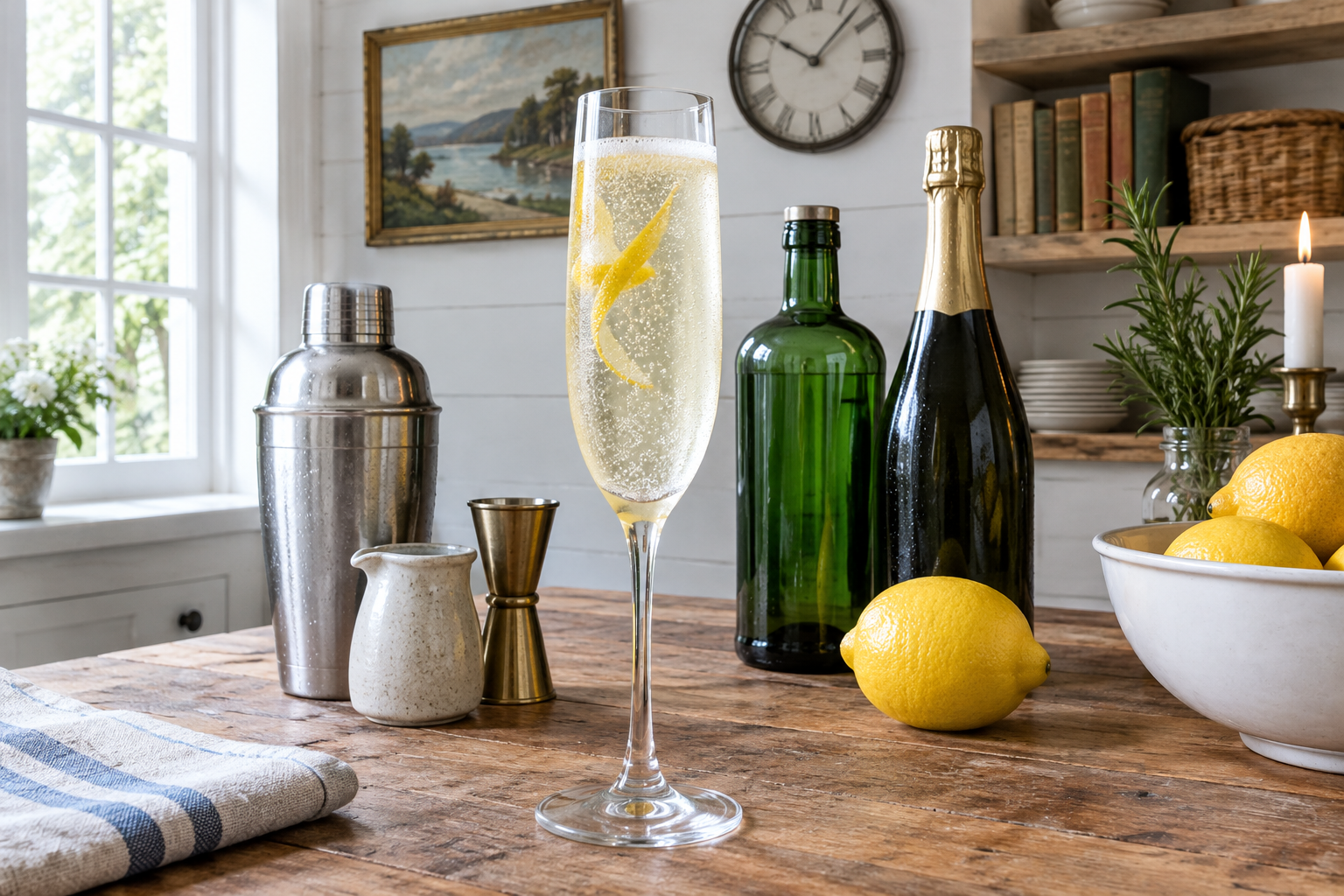
The French 75 is gin, lemon, simple syrup, and Champagne shaken cold and poured into a flute. It tastes bright and dry, with enough citrus to cut through the bubbles and enough alcohol to feel like a proper cocktail. The drink dates to World War I and gets its name from a French artillery piece, though the only thing it has in common with a cannon is the kick.
This is the cocktail to serve when you want something elegant without fuss. The lemon peel twist curls around your finger into a long spiral that sits in the glass like a ribbon, and the whole thing takes five minutes if you have simple syrup already made.
Ingredients
- 1 lemon
- 1½ oz. gin
- ¾ oz. fresh lemon juice
- ½ oz. simple syrup
- 1 cup ice cubes
- 2 oz. dry sparkling wine, such as brut Champagne, chilled
Instructions
- With a zester or paring knife, slice the peel from 1 lemon in a long, thin spiral. Set the peel aside and save the lemon for another use.
- Pour 1½ oz. gin, ¾ oz. fresh lemon juice, and ½ oz. simple syrup into a cocktail shaker. Add 1 cup ice cubes and shake vigorously until well chilled, about 20 seconds. Strain into a chilled Champagne flute and top with 2 oz. dry sparkling wine.
- Curl the reserved lemon peel around your finger to create a twist at least 6" long. Garnish the drink with the lemon twist and serve immediately.
Serves 1. Ready in 5 minutes.
2. Cranberry Gin Fizz
This fizz mixes gin with cranberry juice, orange juice, and ginger beer, then gets garnished with fresh cranberries and thyme. The cranberry brings tartness, the orange softens it, and the ginger beer adds spice and fizz. It’s a pitcher drink, so you can make it ahead and top each glass with ginger beer when people arrive.
The thyme and cranberry garnish make it look like a holiday drink, but the flavor is balanced enough to serve any cold night. If you can’t find ginger beer, ginger ale works, though it will be sweeter and less spicy.
Ingredients
- 8 ounces gin
- 6 ounces cranberry juice
- 2 ounces orange juice
- Ginger beer or ginger ale, for topping
- Thyme sprigs, fresh cranberries and orange peel, for garnish
Instructions
- Pour the gin, cranberry juice, and orange juice into a pitcher and stir them together.
- When you’re ready to serve, pour the drink over ice. Top it off with ginger beer or ginger ale to your liking. Add a sprig of thyme, a few cranberries, and a twist of orange peel.
Serves 4 to 6. Ready in 5 minutes.
3. Pomegranate Gin Fizz
Pomegranate juice and gin go into Champagne glasses, then get topped with Prosecco and a handful of pomegranate seeds. The drink is tart, lightly sweet, and pink, with the seeds floating at the top like garnish you can eat. It’s simpler than the cranberry version because there’s no shaking and no extra juice to balance.
Prosecco is cheaper than Champagne and works just as well here. The pomegranate juice should be 100% juice, not a blend with added sugar, or the drink will be too sweet. This is a good one for a crowd because you can line up the glasses, pour the gin and juice, and top them all at once.
Ingredients
- 75 mL (3 fl oz) gin
- 150 mL (5 fl oz, 1/4 pint) pomegranate juice
- 300 mL (10 fl oz, 1/2 pint) Prosecco
- pomegranate seeds, to garnish
Instructions
- Mix together the gin and pomegranate juice, then pour into 6 Champagne glasses.
- Top up with Prosecco, drop in a few pomegranate seeds, and serve right away.
Serves 6. Ready in 5 minutes.
4. Hot Gin Toddy
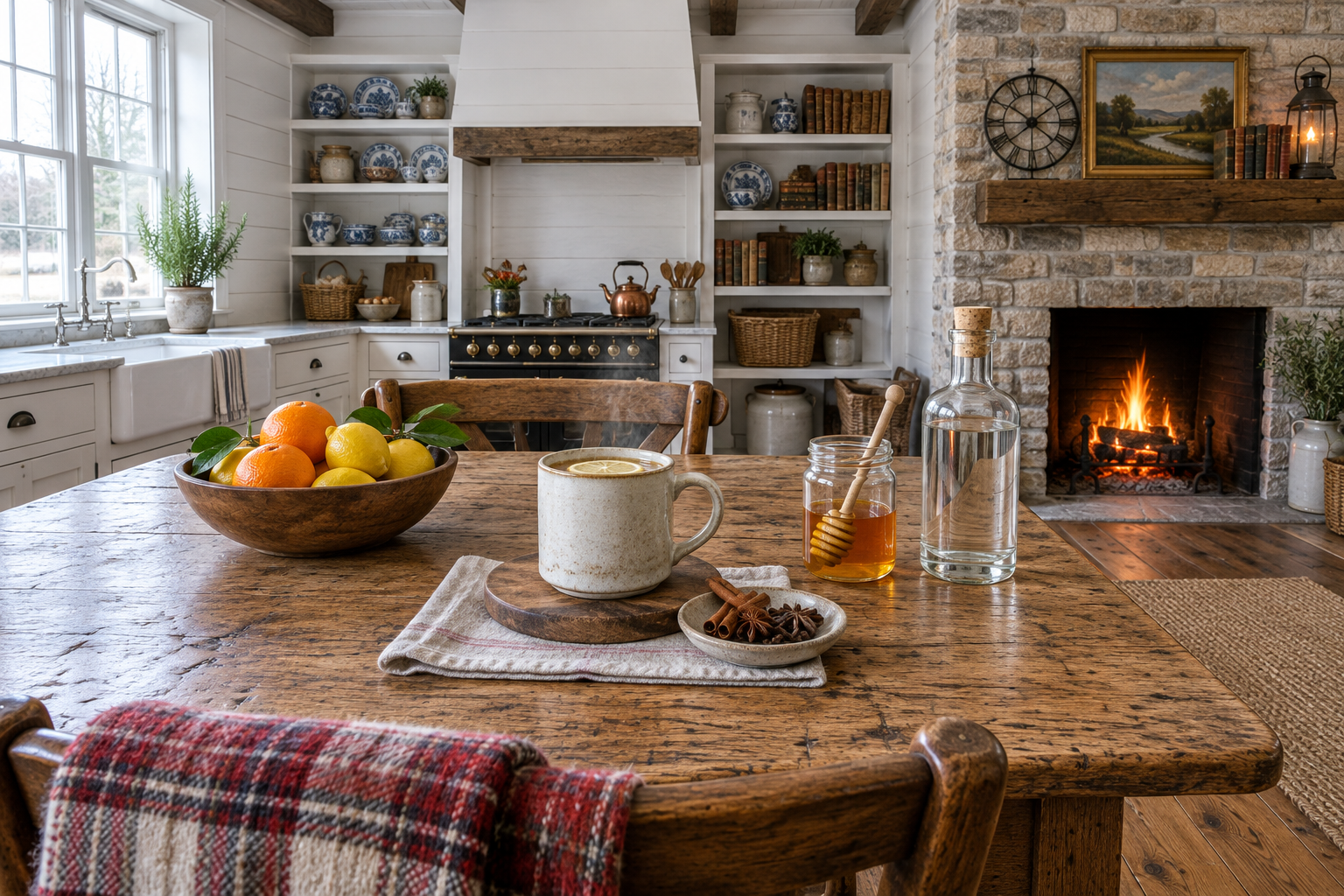
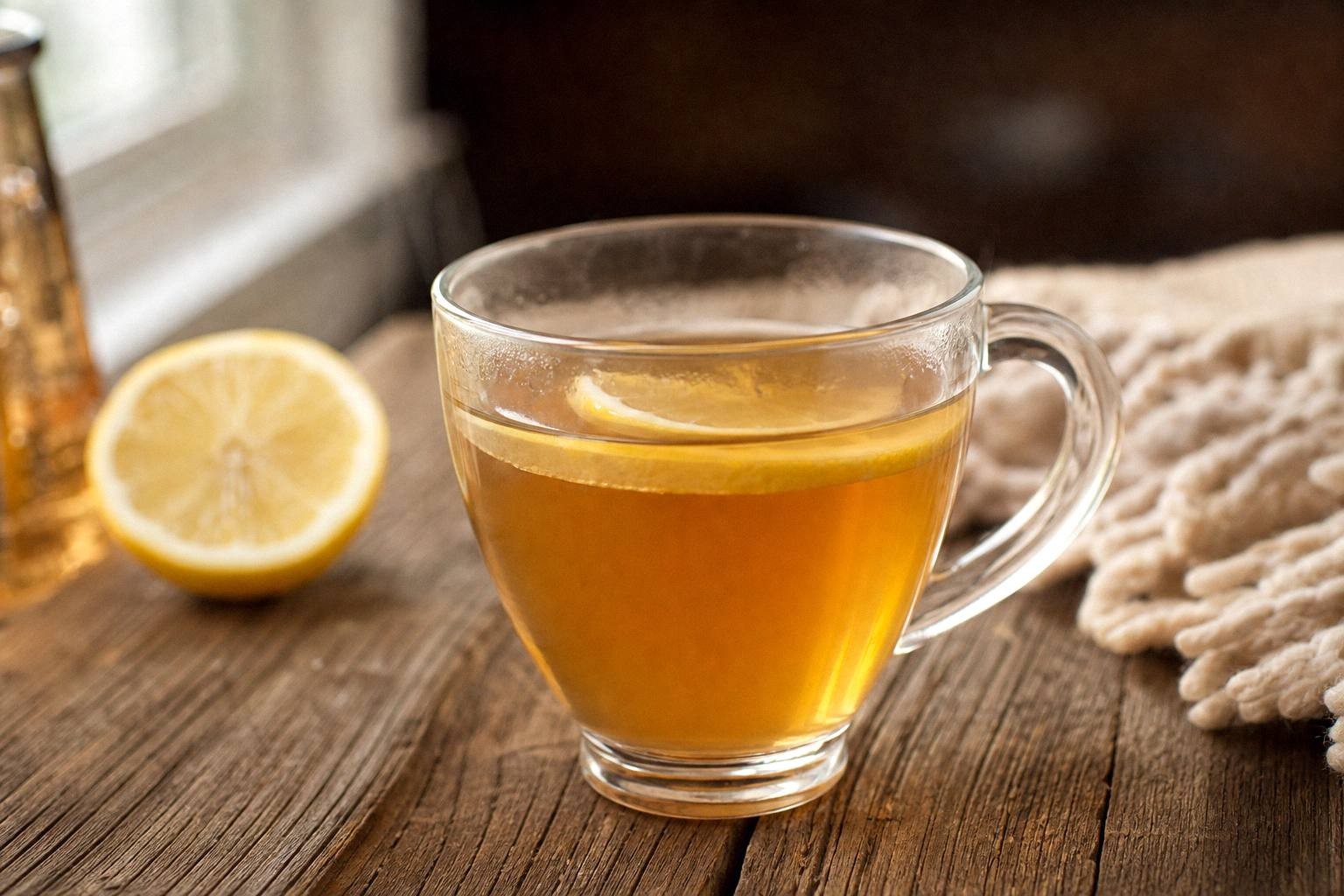
A hot toddy is usually whiskey, but gin works when you add orange juice, lemon juice, honey, and a handful of spices. The drink is served hot in a mug, with the spices strained out and a lemon slice floating on top. It tastes like mulled citrus with gin’s juniper cutting through the sweetness, and it’s the only drink on this list you make on the stove.
The spices matter here. Cloves, cardamom, cinnamon, and juniper berries simmer with the citrus and honey, then get strained out before you pour the toddy over the gin. If you skip the spices, you’re just drinking hot gin and juice, which is not the same thing.
Ingredients
- 50ml gin
- 50ml freshly squeezed orange juice
- 50ml lemon juice
- ½ lemon sliced
- 2 cloves
- 2 cardamom pods lightly crushed
- 1 cinnamon stick
- 2 juniper berries lightly crushed
- 2 tsp runny honey
Instructions
- Divide the gin between two small heatproof glasses or mugs.
- Pour 100ml water into a saucepan with the rest of the ingredients, reserving one lemon slice. Heat gently over low heat until it simmers.
- Strain the mixture into a jug, discard the fruit and spices, then pour the toddy over the gin in the glasses and stir gently to combine. Cut the reserved lemon slice in half, use these to garnish the drinks and serve warm.
Serves 2. Ready in 10 minutes.
5. Bee’s Knees
The Bee’s Knees is gin, lemon juice, and honey syrup shaken cold and strained into a coupe. It’s a Prohibition-era drink, invented when honey was cheaper than sugar and helped cover up the taste of bad gin. With good gin, the honey adds body and a floral sweetness that balances the lemon without making the drink taste like dessert.
You need honey syrup, not straight honey, because honey won’t dissolve in cold liquid. Mix equal parts honey and warm water, stir until smooth, and let it cool before you use it. The syrup keeps in the fridge for a month.
Ingredients
- 2 ounces gin
- ¾ ounce lemon juice
- ¾ ounce simple syrup
- 1 egg white (optional)
- 3 drops aromatic bitters, for garnish
Instructions
- Pour the gin, lemon juice, and simple syrup into a cocktail shaker, and add the egg white if you’re using one. If you added the egg white, shake without ice for 20 to 30 seconds.
- Add ice to the shaker and shake for 15 seconds to chill and dilute the cocktail.
- Double strain the cocktail into a chilled, stemmed cocktail glass. Garnish with three drops of bitters floated over the top of the drink.
Serves 1. Ready in 4 minutes.
6. Elderflower Gin Fizz
Elderflower cordial and elderflower liqueur go into a shaker with gin and lemon juice, then get topped with sparkling wine and garnished with lemon thyme or mint. The elderflower is floral and sweet, the lemon keeps it from being cloying, and the sparkling wine makes it feel like a celebration. This is lighter and more delicate than the cranberry or pomegranate fizzes.
Elderflower cordial is a British syrup made from elderflowers, sugar, and citric acid. You can find it at specialty stores or online. If you can’t get elderflower liqueur, use an extra 25 ml of gin instead. The drink will be less sweet and more botanical, but it still works.
Ingredients
- 25ml lemon juice
- 1 tbsp elderflower cordial
- 50ml gin
- 25ml elderflower liqueur (or add another gin)
- ice
- 75ml chilled sparkling wine
- sprig of lemon thyme or a mint leaf
Instructions
- Pour the lemon juice, elderflower cordial, gin and elderflower liqueur (if using) into a cocktail shaker. Drop in a large handful of ice and shake until the outside of the shaker feels icy cold.
- Strain the cocktail into two champagne flutes or coupes, then top up slowly with sparkling wine. Garnish each one with a small sprig of lemon thyme or a mint leaf.
Serves 2. Ready in 10 minutes.
7. Blood Orange Gin Cocktail
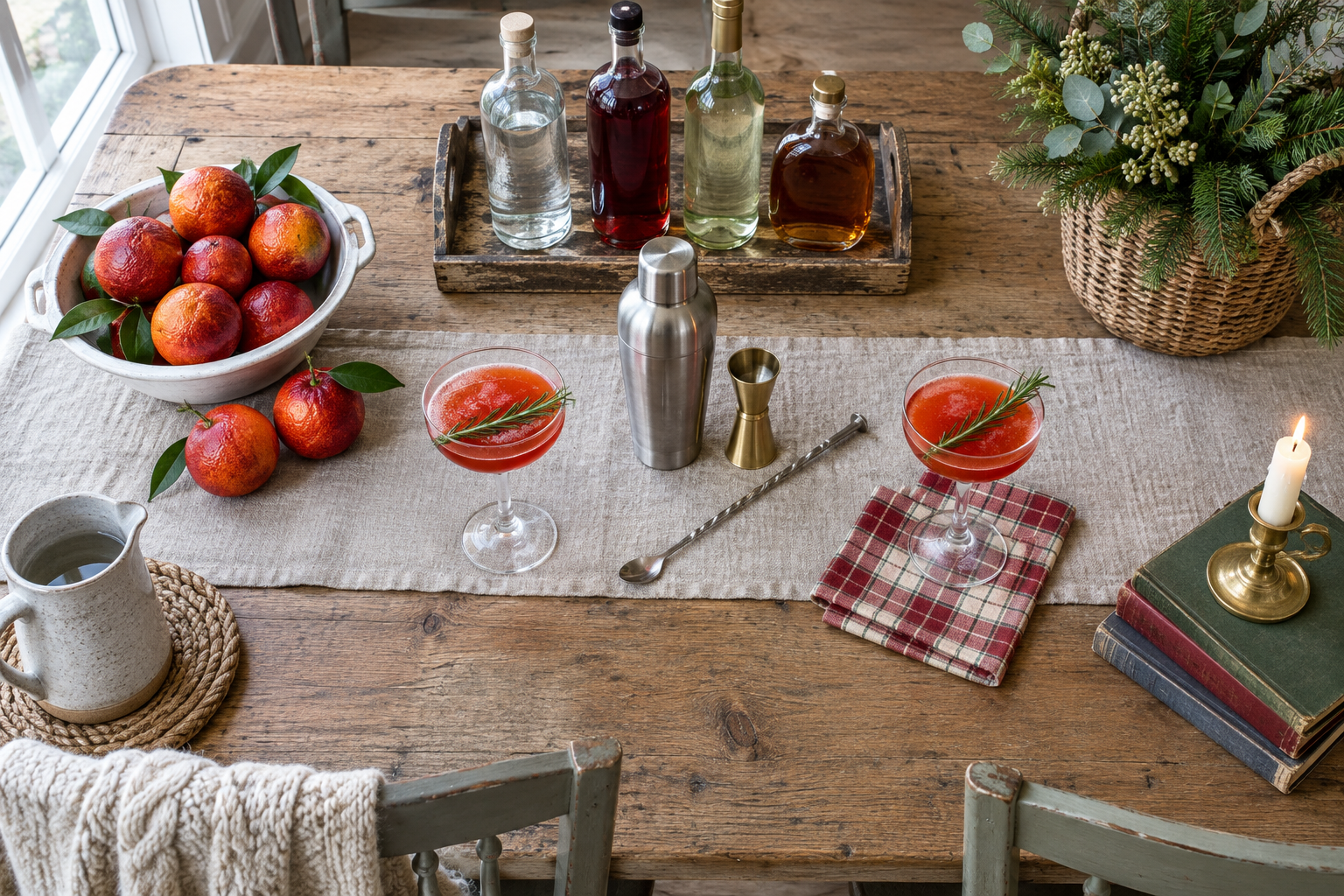
Blood oranges are in season from December through March, and their juice is sweeter and less acidic than regular orange juice, with a berry-like flavor that works with gin. This cocktail adds red bitter liqueur, dry vermouth, and a touch of amaretto, then gets shaken and strained into a coupe with an orange twist. It’s a winter riff on a Negroni, but lighter and fruitier.
The red bitter liqueur is Campari or a similar Italian aperitif. The amaretto is optional but adds an almond note that ties the drink together. If you can’t find blood oranges, regular orange juice works, but the drink will be more tart and less interesting.
Ingredients
- 40 ml Gin
- 20 ml Red bitter liqueur
- 20 ml Dry vermouth
- 40 ml Blood orange juice
- 5 ml Amaretto liqueur
Instructions
- Pick out a coupe glass and get it cold in the freezer.
- Cut a twist of zest from an orange.
- Pour everything into a shaker with ice and shake it up.
- Strain through a fine strainer into your cold glass.
- Squeeze the orange twist over the drink to spray its oils, then drop it in.
Serves 1. Ready in 5 minutes.
What Makes These Cocktails Work in Winter
Gin’s juniper and botanicals pair well with the tart fruit and warm spices that show up in winter. Cranberries, pomegranates, and blood oranges are all in season during cold months, and their acidity balances gin without needing a lot of sugar. The fizzes use sparkling wine or ginger beer to add carbonation and a festive feel, while the hot toddy takes the opposite approach and serves gin warm with spices.
The French 75 and Bee’s Knees are classics that happen to work year-round, but they feel right in winter because they’re served in coupes and taste elegant. The elderflower fizz is lighter and more floral, so it’s better for a party than a nightcap. The blood orange cocktail is the most complex, with bitter liqueur and vermouth adding layers that make it taste like a winter Negroni.
Choosing the Right Gin
London Dry gin works for all seven of these drinks. It’s juniper-forward and dry, so it doesn’t fight with the other ingredients. If you want something more floral, try a gin with elderflower or rose botanicals for the fizzes. For the hot toddy, a gin with citrus or spice notes will reinforce the orange and cinnamon.
Avoid Old Tom gin, which is sweetened, unless you cut back on the simple syrup or honey in the recipe. Navy Strength gin is higher proof and will make the drinks stronger, so use it only if you want that.
How to Make Simple Syrup and Honey Syrup
Simple syrup is equal parts sugar and water heated until the sugar dissolves, then cooled. Honey syrup is the same ratio but with honey instead of sugar. Both keep in the fridge for a month in a sealed jar.
To make simple syrup, combine 1 cup sugar and 1 cup water in a saucepan. Heat over medium heat, stirring occasionally, until the sugar dissolves completely. Let it cool, then pour it into a jar. For honey syrup, use 1 cup honey and 1 cup warm water, stir until smooth, and skip the heating step.
Batching and Scaling for a Crowd
The cranberry gin fizz and pomegranate gin fizz are already written as batch drinks. For the others, multiply the ingredient list by the number of servings you need, mix everything except the sparkling wine or ginger beer in a pitcher, and top each glass individually when you serve.
The French 75, Bee’s Knees, elderflower fizz, and blood orange cocktail all need to be shaken with ice, so you can’t batch them fully ahead. Instead, mix the non-carbonated ingredients in a pitcher, chill it, and shake individual servings with ice when guests arrive. This takes about 30 seconds per drink.
The hot toddy doesn’t batch well because it needs to be served hot. If you’re making it for more than four people, double or triple the spiced citrus mixture on the stove, strain it into a thermos, and pour it over individual servings of gin in mugs as needed.
Common Problems and How to Fix Them
- Flat fizz: Sparkling wine and ginger beer lose carbonation fast once opened. Pour them last, right before serving, and don’t stir after you add them. If you’re batching, keep the bottles chilled and unopened until the last minute.
- Too sweet: Cut back on the simple syrup or honey syrup by half and taste before adding more. Elderflower cordial is very sweet, so if the elderflower fizz tastes like candy, use 1/2 tablespoon instead of a full tablespoon.
- Too tart: Add simple syrup 1/4 oz at a time until the drink balances. Pomegranate juice varies in sweetness depending on the brand, so taste it before you mix the drink.
- Weak hot toddy: The gin gets diluted by the hot citrus mixture, so don’t add extra water. If the drink still tastes weak, use 75 ml gin per serving instead of 50 ml.
- Honey won’t dissolve: You need honey syrup, not straight honey. Mix equal parts honey and warm water, stir until smooth, and let it cool before using it in the Bee’s Knees.
- Bitter aftertaste: The blood orange cocktail uses red bitter liqueur, which is supposed to be bitter. If it’s too much, cut the liqueur to 15 ml and add 5 ml more blood orange juice.
Garnishes That Matter
The lemon twist on the French 75 isn’t just decoration. Expressing the oils over the drink adds lemon aroma that you smell before you taste the cocktail. The same goes for the orange twist on the blood orange cocktail. Hold the peel over the glass, skin side down, and squeeze it gently so the oils spray onto the surface.
Fresh cranberries and pomegranate seeds float and look festive, but they also add little bursts of tart flavor if you eat them. Thyme and mint are aromatic, so you smell them while you drink. A lemon slice in the hot toddy is mostly visual, but it also keeps the drink from looking like tea.
Frequently Asked Questions
Can you serve gin cocktails warm?
Yes. The hot gin toddy is served warm in a mug, with spiced citrus and honey. The gin goes into the glass first, then you pour the hot mixture over it and stir. Don’t heat the gin directly or it will taste harsh.
What winter fruits pair well with gin?
Cranberries, pomegranates, and blood oranges are all in season during winter and have enough acidity to balance gin. Regular oranges and lemons work year-round. Avoid sweet fruits like mango or peach, which make gin taste muddy.
What’s the difference between a fizz and a spritz?
A fizz is shaken with citrus and simple syrup, then topped with sparkling wine or soda. A spritz is built in the glass with wine, a bitter liqueur, and soda, no shaking. The fizzes in this article are all shaken except the pomegranate version, which is stirred.
Can you make these cocktails ahead?
You can mix the non-carbonated ingredients ahead and chill them in a pitcher, but don’t add sparkling wine, ginger beer, or ice until you serve. The hot toddy’s spiced citrus mixture can be made a few hours ahead and reheated gently before pouring over the gin.
What if you can’t find elderflower cordial?
Use an extra 25 ml of gin and add 1/2 oz simple syrup to replace the sweetness. The drink will be less floral but still balanced. Elderflower liqueur is easier to find than cordial and can replace both if you use 50 ml of it and skip the cordial entirely.
Do you need a cocktail shaker?
For the French 75, Bee’s Knees, elderflower fizz, and blood orange cocktail, yes. A shaker chills the drink and dilutes it with melting ice, which balances the alcohol. If you don’t have one, use a mason jar with a tight lid, but make sure it’s big enough to shake hard without spilling.
Conclusion
Start with the cranberry gin fizz if you’re making drinks for a group, or the French 75 if you want something classic and quick. The hot toddy is the one to make when it’s actually cold outside and you want something warming. All seven drinks use gin as the base, but they taste different enough that you can serve them at different points in the season without repeating yourself.