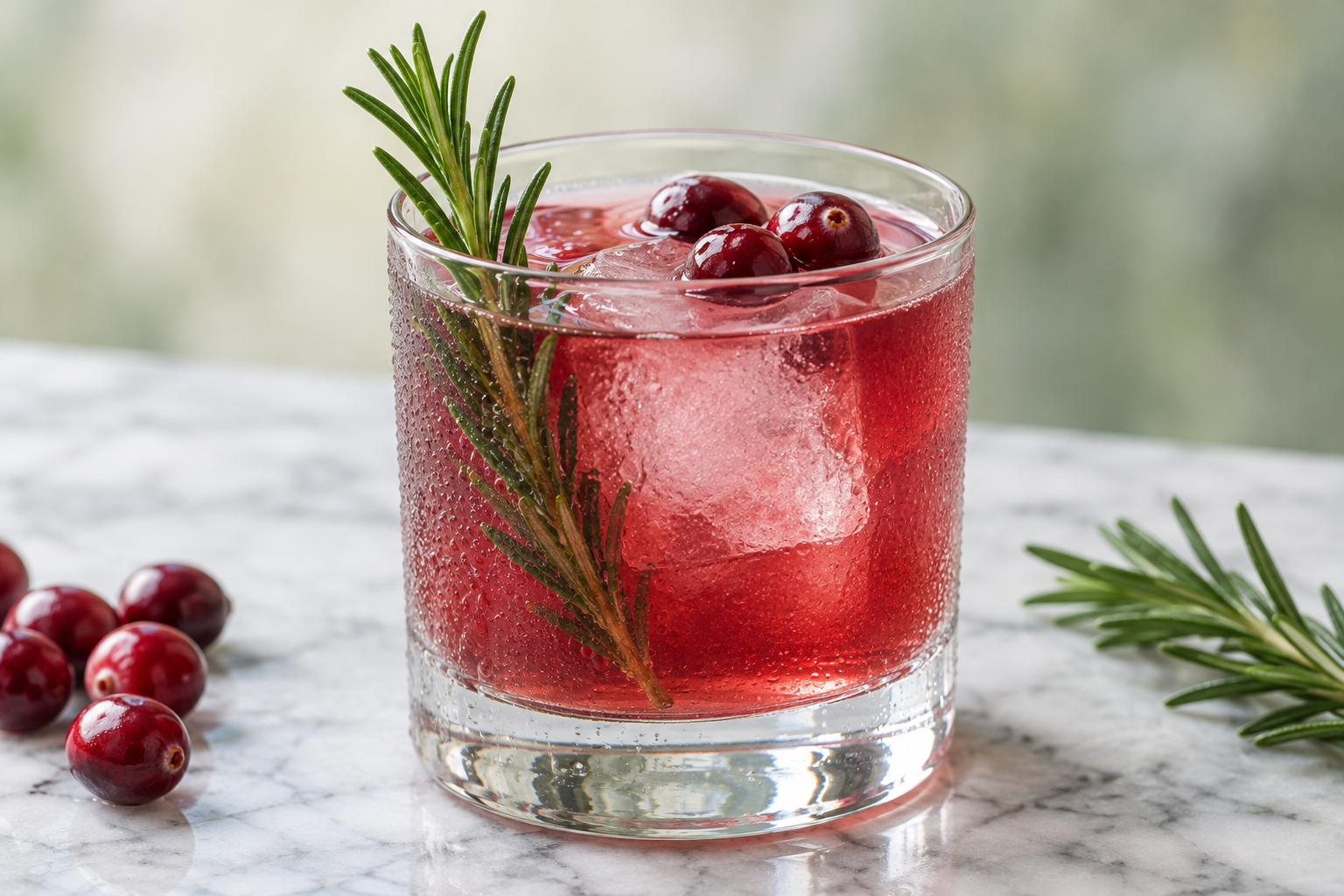

Christmas sangria brings the warmth of mulled wine and the brightness of fresh fruit together in a pitcher that serves a crowd without tying you to the bar. These eight recipes trade summer’s peaches and berries for cranberries, pomegranate, spiced cider, and citrus that actually tastes like December. Each one can be made hours ahead, which means you get to sit down with your guests instead of shaking cocktails one at a time. If you want a warm Christmas fruit punch without added spirits, see this Ponche Navideño .
The best Christmas sangria balances tart winter fruit with enough sweetness to make the wine approachable, then adds a spirit that deepens the flavor without turning the pitcher into a punch bowl. Some recipes lean on brandy for richness, others use vodka or spiced rum for a cleaner kick. The fruit matters as much as the wine: fresh cranberries, pomegranate arils, and citrus slices look festive in the glass and give each sip something to chew on.
Why Make-Ahead Matters
Most of these recipes call for at least an hour of refrigeration, and several improve after sitting overnight. The fruit softens, the wine picks up the spice, and the whole pitcher mellows into something more cohesive than what you poured in. Make the sangria in the morning, chill it all day, and top it with sparkling wine or ginger ale right before your guests arrive.
1. Cranberry Pomegranate Red Wine Sangria

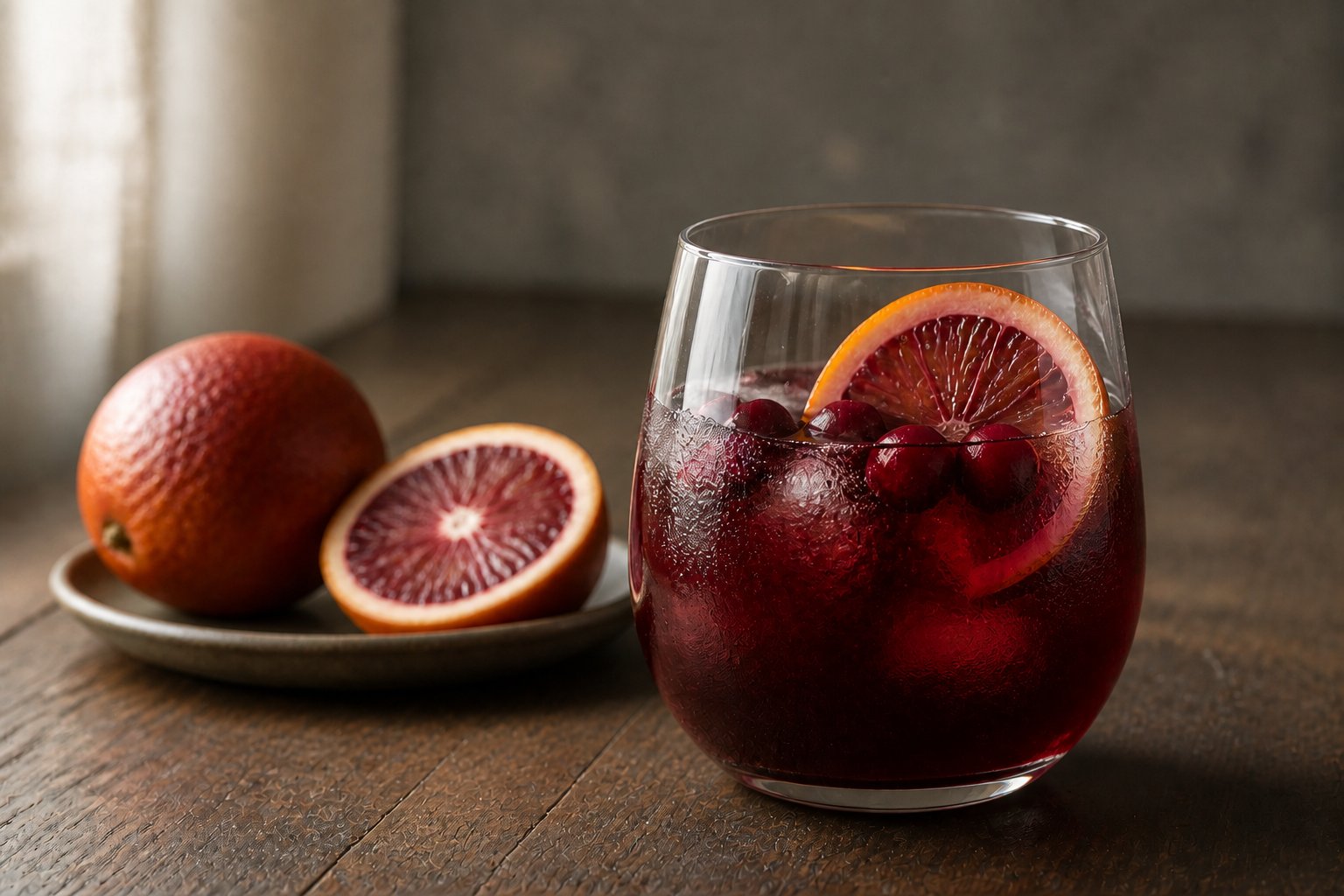
This is the sangria that tastes like Christmas in a glass. Cranberry juice brings the tart backbone, pomegranate juice adds a deeper sweetness, and brandy gives the whole pitcher enough weight to stand up to a holiday meal. The fruit soaks up the wine and turns soft and boozy after a few hours in the fridge, so every glass gets a few pieces worth eating.
Wine and Fizz
Red wine is the base here, and you want something fruity but not tannic. A Merlot or Zinfandel works better than a Cabernet Sauvignon, which can taste too dry once you add the juice and brandy. The ginger ale goes in last, right before you serve, so it stays fizzy. If you skip it, the sangria is still good but drinks heavier.
Ingredients
- 1 bottle red wine
- 1 cup pomegranate juice
- 1 cup cranberry juice
- ½ cup orange juice
- ⅔ cup brandy
- 1 medium pear, chopped
- 1 medium apple, chopped
- 1 small orange, sliced
- 2 whole cinnamon sticks
- 1 (12 ounce) can ginger ale*
Instructions
- In a large pitcher, pour in the red wine, pomegranate juice, cranberry juice, orange juice, and brandy. Stir everything together.
- Drop in the chopped pears and apples, orange slices and cinnamon sticks. Pour in the ginger ale. Stir again to combine.
- Put the pitcher in the refrigerator for at least several hours. When you’re ready, pour into glasses over ice.
Serves 4. Ready in 10 minutes plus several hours chilling.
2. White Christmas Sangria With Pears and Cranberries

White sangria feels lighter than red, which makes it easier to drink before dinner or alongside appetizers. This version uses a dry white wine like Pinot Grigio or Sauvignon Blanc, then adds sparkling white wine or sparkling apple cider for fizz. The cranberries stay whole or get halved so they float in the glass, and the Granny Smith apple slices keep their shape and add a tart crunch.
The Rosemary Trick
Rosemary is the surprise here. A few sprigs in the pitcher make the whole thing smell like a winter garden, and if you thread cranberries onto a rosemary sprig for garnish, it looks like you put in more effort than you did. The vodka is optional but recommended: a quarter cup gives the sangria enough backbone to taste like a cocktail instead of spiked juice.
Ingredients
- 1 lime (thinly sliced)
- 1 Granny Smith apple (cored and thinly sliced, see note)
- 1 cup cranberries
- 1/4 cup pomegranate seeds
- 1/4 cup Vodka
- 1 bottle white wine (see notes)
- 1 bottle sparkling white wine (see notes)
- Ice
- Optional: Rosemary sprigs and cranberries (for garnish)
Instructions
- Drop the lime, apple, cranberries and pomegranate seeds into a large pitcher. Pour in the vodka and white wine, then chill for at least 1 hour and up to overnight, the longer it sits, the more the fruit soaks up the alcohol.
- When you’re ready to serve, pour in the sparkling wine and serve over plenty of ice. If you want, thread cranberries onto rosemary sprigs for stirring.
Serves 4. Ready in 10 minutes plus at least 1 hour chilling.
3. Spiced Apple Cider Sangria

This sangria starts with a spiced apple cider reduction that you make on the stove, which means the whole pitcher tastes like mulled cider without the heaviness of red wine. You simmer apple cider with brown sugar, orange slices, cinnamon sticks, and whole cloves until it reduces by half, then strain out the solids and let it cool. That syrup goes into a pitcher with white wine, brandy, and fresh apple and orange slices, and the whole thing chills for an hour or two before you serve it.
Why the Reduction Matters
The reduction step is what makes this recipe different from every other white sangria. The cider concentrates into something thick and sweet, and the spices infuse the liquid instead of just floating in it. You can skip the reduction and use straight apple cider, but the sangria will taste thinner and less spiced. If you want more fizz, top each glass with ginger ale or club soda right before serving.
Spiced Apple Cider Reduction
- 2 ½ cups apple cider or juice
- ½ cup light or dark brown sugar
- 1 orange, sliced and divided
- 1 lemon, sliced
- 2 cinnamon sticks
- 5 whole cloves
Ingredients
- 2 ½ cups apple cider or juice (, see Note)
- ½ cup light or dark brown sugar
- 2 oranges (sliced and divided)
- 1 lemon (sliced)
- 2 cinnamon sticks
- 5 whole cloves
- 750 ml bottle dry white wine (such as chardonnay, pinot grigio or sauvignon blanc)
- 1 cup cognac or brandy
- 2 apples (sliced)
- Cinnamon stick (for garnish in pitcher or individual glasses)
- Cinnamon-sugar (to rim glasses)
- Ginger ale or club soda (to top individual servings)
Instructions
- Pour the apple cider or juice into a medium saucepan and add the brown sugar, half of the orange slices, the lemon slices, cinnamon sticks, and whole cloves. Set it over medium-high heat and bring it to a boil, then let it simmer for 10 to 15 minutes until it reduces slightly.
- Let the reduction cool to room temperature, then strain out the citrus slices and whole spices.
- Pour the white wine, cognac or brandy, and spiced apple cider into a large pitcher, then add the apple slices and remaining orange slices. Chill for 1 to 2 hours before serving.
- Serve as you like, adding any garnishes you want or topping each glass with ginger ale or club soda if that sounds good.
Serves 6. Ready in 30 minutes plus 1 to 2 hours chilling.
4. Rosemary Citrus Sangria

Winter citrus sangria swaps summer’s stone fruit for blood oranges , cara cara oranges, and grapefruit, which are all at their peak in December and January. The citrus slices look dramatic in the pitcher, especially if you use a mix of colors, and the juice they release into the wine is tart enough to balance a sweeter white or rosé. Rosemary sprigs add an herbal note that makes the whole thing smell like a winter cocktail instead of a fruit punch.
Wine and Liqueur
This sangria works best with a wine that has some body but not too much oak. A dry rosé or an unoaked Chardonnay lets the citrus come through without competing with it. Add a splash of elderflower liqueur or Cointreau if you want more sweetness, or leave it out and let the fruit do the work. Serve it over ice with a rosemary sprig in each glass, and the garnish doubles as a stirrer.
Ingredients
- 1 ½ cups ice
- 1 bottle crisp Sauvignon Blanc
- ½ cup caramelized rosemary honey
- ¼ cup orange liqueur or other orange-flavored brandy
- 1 blood orange (half juiced and the other half thinly sliced)
- 1 lemon (thinly sliced)
- 1 clementine (thinly sliced)
- 1 lime (thinly sliced)
Instructions
- Drop the ice into a pitcher, pour in the wine, the infused honey, the orange liqueur and the blood orange juice, add the sliced fruit and stir it all together. Pour into wine glasses and serve.
5. Sparkling Cranberry Orange Sangria

This sangria starts with a cranberry-orange syrup that you cook on the stove, which gives the whole pitcher a concentrated cranberry flavor without the tartness of straight cranberry juice. You simmer fresh cranberries with orange juice and sugar until the berries burst and the liquid thickens, then let it cool and stir in brandy. That syrup goes into a pitcher with sweet white wine and chills for a couple of hours, and right before you serve it, you top the whole thing with sparkling wine.
Sweet Wine and Dry Bubbles
The cooked cranberries turn the sangria a deep pink, and the orange slices float on top with the reserved fresh cranberries for garnish. Sweet white wine is the base here, not dry, because the cranberry syrup is tart enough on its own. A Moscato or Riesling works better than a Pinot Grigio. The sparkling wine goes in last so it stays fizzy, and you want something dry like Prosecco or Cava to balance the sweetness of the base.
Ingredients
- 3 cups fresh cranberries, divided
- 1 cup orange juice
- ½ cup granulated sugar
- ¾ cup brandy
- 1 bottle sweet white wine
- 1 bottle sparkling wine, chilled
- 1 orange, sliced
Instructions
- Add 2 cups of cranberries, the orange juice, and sugar to a medium pot. Place over medium heat and cook, stirring now and then, for 15 minutes, until all the cranberries have burst open. You may need to turn the heat down to low once the cranberries start bursting, since the liquid will get frothy and could bubble over.
- Take the pot off the heat and let it cool for 5 minutes. Stir the brandy into the cranberry mixture. Transfer to the refrigerator to chill for 2 hours. Pour the brandy mixture through a fine mesh strainer into a large bowl. Discard the cranberry pulp. Transfer the sweetened cranberry brandy to a serving pitcher. Add the sliced orange and 1 cup of fresh cranberries. Pour the white wine (not sparkling) into the pitcher. Stir. Refrigerate for at least 2 hours. Just before serving, pour in the chilled sparkling wine.
- The Cranberry Marketing Committee and Amanda Finks, RDN of The Wholesome Dish
Ready in 20 minutes plus 2 hours chilling.
6. Sparkling Pomegranate Sangria

Pomegranate champagne sangria is the fancy version of the cranberry-pomegranate pitcher, and it works for New Year’s Eve or any party where you want something that looks expensive but still serves a crowd. The base is pomegranate juice and a dry white wine or rosé, with a splash of Cointreau or Grand Marnier for orange flavor. Pomegranate arils go into the pitcher along with orange slices, and the whole thing chills for an hour or two before you top it with champagne or Prosecco.
Arils and Sparkling Wine
The arils sink to the bottom of the glass and look like little jewels, and they taste good after they’ve soaked in the wine for a while. Use a dry sparkling wine here, not a sweet one, because the pomegranate juice and Cointreau are already sweet enough. If you can’t find fresh pomegranate, bottled pomegranate juice works fine, but skip the arils rather than using frozen ones, which turn mushy.
Ingredients
- 3 medium to large blood oranges
- Arils (seeds) from 1 pomegranate
- ¼ cup brandy
- ¼ cup simple syrup (more or less to taste), see below
- 1 bottle dry sparkling rosé (or white sparkling wine like Prosecco or Cava)
- 2 tablespoons honey or sugar
- 2 tablespoons hot water
Instructions
- First, decide if you want simple syrup, it depends on how sweet your wine and fruit are, and what you like. If you’re using brandy, you’ll probably want it to smooth out the edge. Make it by whisking equal parts sweetener and hot water together until the sweetener dissolves completely.
- Juice two of the blood oranges with a citrus juicer, or just squeeze them by hand. Slice the remaining blood orange into thin rounds, then cut each round in half to make half moons.
- In a pitcher, combine the blood orange juice, blood orange slices, pomegranate arils, and brandy. For the best flavor, cover the pitcher and let the fruit marinate in the refrigerator for a few hours, though it’ll still taste good if you need it right away.
- When you’re ready to serve, pour in the sparkling rosé and add simple syrup to taste. Use a ladle to scoop the sangria and fruit into glasses.
7. Mulled Wine Sangria

Mulled wine sangria is what happens when you cross a traditional sangria with a pot of mulled wine, and it works because the spices infuse the wine while it chills instead of while it simmers. One version makes a spiced honey syrup on the stove with cardamom, allspice, star anise, and cinnamon, then cools it and stirs it into a pitcher with red wine, orange juice, and citrus slices. The other skips the syrup and just heats the wine with brandy, sugar, and citrus until the sugar dissolves, then chills the whole thing.
Syrup or Simple
The syrup version tastes more complex because the spices have time to bloom in the honey, and you can make the syrup a day ahead and keep it in the fridge. The simpler version is faster and still tastes like mulled wine, just less intense. Either way, you want a Spanish red table wine or a fruity red that won’t turn bitter when you add the spices. Serve it over ice or warmed up, depending on how cold it is outside.
Spiced Honey Syrup
- 1 cup water
- ½ cup honey
- 6 green cardamom pods
- 5 whole allspice berries
- 4 star anise pods
- 2 cinnamon sticks
Ingredients
- 1 bottle Spanish red table wine
- 1/4 cup fresh orange juice
- 1/4 cup brandy
- 3 tablespoons sugar
- 1 orange, thinly sliced
- 1 lemon, thinly sliced
Instructions
- Pour the wine, juice, and brandy into a medium saucepan, add the sugar, and set it over low heat until the sugar melts. Drop in the orange and lemon slices and let everything simmer for 5 minutes. Pour into heat-resistant glasses.
Serves 4. Ready in 45 minutes plus at least 6 hours chilling.
8. Winter Sangria

Winter sangria is red wine with a homemade cranberry cinnamon syrup, orange slices, and triple sec, chilled before serving. The syrup simmers fresh cranberries with cinnamon sticks and sugar until the berries pop and the liquid turns deep red and tastes tart and sweet. That syrup cools and goes into the pitcher with the wine, orange slices, and triple sec, and the whole thing chills for a few hours so the fruit soaks up the wine and the flavors blend.
What Wine Works Best for Christmas Sangria
Red Sangria
- Spanish Tempranillo, California Zinfandel, or Merlot. Fruity and medium-bodied wines that won’t turn bitter when you add juice and brandy.
- Avoid Cabernet Sauvignon. Too tannic and tastes harsh once you dilute it.
- Skip oaky or expensive bottles. The fruit and spices will cover up the wine’s character.
White Sangria
- Dry Pinot Grigio, Sauvignon Blanc, or unoaked Chardonnay. Clean bases that let the fruit come through.
- Moscato or Riesling for sweet white wine recipes. Check the label to make sure it’s actually sweet and not just off-dry.
Sparkling Wine
- Prosecco or Cava. Dry sparkling wines that balance the sweetness of the base. Add right before serving.
- Champagne works but costs more than the sangria is worth.
Price and Quantity
The bottle doesn’t have to be good enough to drink on its own, but it shouldn’t be so cheap that it tastes like vinegar. Spend ten to fifteen dollars on the base wine and save the expensive bottle for drinking straight. If you’re making sangria for a crowd, buy two bottles of the same wine so the pitcher tastes consistent, and open the second bottle only if you need to top off the pitcher.
How to Balance Tart and Sweet in Winter Sangria
Winter fruit is tart, which is why Christmas sangria needs more sweetener than a summer version. Cranberries, pomegranate, and citrus all have enough acid to make the wine taste sour if you don’t add sugar, honey, or a sweet liqueur to balance it. The easiest fix is to use a sweet white wine or add a quarter cup of simple syrup to the pitcher, but that can make the sangria taste flat if you add too much.
Cook the Fruit First
A better approach is to cook the tart fruit with sugar first, which concentrates the flavor and gives you a syrup that sweetens the sangria without watering it down. The cranberry-orange sangria and the spiced apple cider sangria both use this technique, and the result tastes more complex than just adding sugar to the pitcher. If you’re using straight cranberry juice, cut it with orange juice or pomegranate juice, which are both sweeter and less astringent.
Liqueurs and Last-Minute Fixes
Brandy, Cointreau, and Grand Marnier all add sweetness along with alcohol, so they do double duty in a sangria. A half cup of brandy in a pitcher is enough to make the wine taste richer without turning the whole thing into a punch.
If the sangria still tastes too tart after you’ve added the sweetener, stir in a tablespoon of honey or agave syrup and taste it again. Add sweetness in small amounts, because you can always add more but you can’t take it out.
Make-Ahead and Batch Tips for Party Sangria
Sangria improves after it sits, so make it the morning of your party or even the night before. The fruit softens, the wine picks up the spice, and the whole pitcher mellows into something more cohesive than what you poured in. Most recipes call for at least an hour of chilling, but two to four hours is better, and overnight is fine as long as you don’t add the sparkling wine or ginger ale until right before you serve.
Scaling for a Crowd
If you’re making sangria for a crowd, double or triple the recipe and use a large drink dispenser instead of a pitcher. A two-gallon dispenser holds about three bottles of wine plus the juice and fruit, which serves twelve to fifteen people. Set the dispenser on a table with a bucket of ice underneath to keep it cold, and put a stack of cups and a ladle next to it so guests can serve themselves. Refill the dispenser halfway through the party if you need to, and add more ice to the bucket so the sangria stays cold.
Keeping Fruit Fresh
The fruit in the pitcher will start to break down after about six hours, so if you’re making sangria the night before, strain out the fruit in the morning and add fresh slices right before the party. The wine will still taste like the fruit, but the slices in the glass will look better. If you’re making a sangria with a cooked syrup, make the syrup up to three days ahead and keep it in the fridge, then stir it into the wine the day of the party.
Common Problems and How to Fix Them
- Sangria tastes too tart. Add a tablespoon of honey, agave syrup, or simple syrup and stir. Taste again and add more if needed. If you’re using cranberry juice, cut it with orange juice or pomegranate juice, which are both sweeter.
- Sangria tastes too sweet. Add a squeeze of fresh lemon or lime juice to brighten it, or top each glass with club soda to dilute the sweetness. If the sangria is already made, you can’t fix it, so taste the pitcher before you serve it and adjust next time.
Fruit, Fizz, and Strength
- Fruit turns mushy. This happens when the sangria sits too long or when you use soft fruit like strawberries or peaches. Strain out the old fruit and add fresh slices right before serving. Apples, pears, and citrus hold up better than berries.
- Sangria tastes watery. You added too much juice or sparkling water, or the ice melted into the pitcher. Make the sangria stronger next time by using less juice and more wine, and serve it over ice in the glass instead of adding ice to the pitcher.
- Sparkling wine goes flat. You added it too early. Sparkling wine and ginger ale should go into the pitcher right before you serve, not while the sangria is chilling. If you’re using a drink dispenser, add the sparkling wine in batches as you refill it.
- Sangria tastes like straight wine. The fruit and spices didn’t have enough time to infuse. Let the sangria chill for at least two hours, and make sure you’re using enough fruit and juice. If the recipe calls for a syrup or a reduction, don’t skip it.
Frequently Asked Questions
Can I use frozen cranberries instead of fresh?
Yes, frozen cranberries work fine in sangria, especially if you’re cooking them into a syrup. Thaw them first if you’re adding them whole to the pitcher, because frozen cranberries will water down the sangria as they thaw. Fresh cranberries look better and hold their shape longer, but frozen ones taste the same once they’ve soaked in the wine.
What’s the difference between brandy and cognac in sangria?
Cognac is a type of brandy made in the Cognac region of France, and it tastes smoother and more refined than most brandies. For sangria, the difference doesn’t matter much because the wine and fruit cover up the brandy’s flavor. Use whatever brandy you have, or substitute spiced rum or Cointreau if you want a different flavor.
Can I make sangria without alcohol?
Yes, replace the wine with sparkling grape juice or sparkling apple cider, and skip the brandy or use a splash of vanilla extract for depth. The fruit and spices will still infuse the liquid, and the sangria will taste festive even without the alcohol. Add the sparkling juice right before serving so it stays fizzy.
How long does sangria last in the fridge?
Sangria keeps for two to three days in the fridge, but the fruit will start to break down and the flavors will get muddier after the first day. If you’re making it ahead, strain out the fruit after six to eight hours and add fresh slices right before you serve it. Don’t add sparkling wine or ginger ale until you’re ready to drink it, because the carbonation will go flat.
Can I use pomegranate arils instead of pomegranate juice?
Yes, pomegranate arils add texture and look beautiful in the glass, but they won’t flavor the sangria as much as the juice does. Use both if you can: juice for flavor and arils for garnish. If you’re using only arils, muddle a handful in the bottom of the pitcher before you add the wine so they release some juice.
What’s the best way to rim a glass with cinnamon sugar?
Mix equal parts granulated sugar and ground cinnamon in a shallow bowl. Run a lime or orange wedge around the rim of the glass to wet it, then dip the rim into the cinnamon sugar and twist to coat. Let the rim dry for a minute before you pour the sangria so the sugar sticks.
Conclusion
Christmas sangria works because it gives you a pitcher that serves a crowd, tastes festive, and doesn’t require you to stand at the bar all night. Make it in the morning, let it chill all day, and top it with sparkling wine or ginger ale right before your guests arrive. The fruit soaks up the wine and turns into something worth eating, and the whole pitcher looks better than anything you’d pour from a bottle.
Start with one of the recipes that uses a cooked syrup if you want something that tastes more complex, or go with the white sangria if you want something lighter and faster. Either way, use a wine you’d drink on its own, add enough sweetener to balance the tart fruit, and give the pitcher at least two hours to chill before you serve it.
Ingredients
- 1 and ¾ cups whole cranberries (divided)
- 1 cup granulated sugar
- 1 cup water
- 2 teaspoons ground cinnamon
- ½ teaspoon ground cloves
- 3 medium (or 2 large) oranges
- 1 bottle red wine1
- ⅓ cup triple sec
Instructions
- In a medium saucepan over medium heat, combine the sugar, water, cinnamon, cloves, and 1 cup (100g) of the cranberries. Bring it to a boil, then turn the heat down right away to a simmer.
- Let it simmer for 10 minutes, stirring often and watching that it doesn’t boil over the sides. After 10 minutes, the cranberries will have broken down and the mixture will have thickened. Take it off the heat and let it cool.
- Once the cranberry mixture has cooled, strain it through a mesh sieve, cheesecloth, or fine strainer into a small container. Save the cranberry chunks for chutney if you like, and set the mulled syrup aside.
- Slice one large orange and drop the slices into the bottom of a large glass pitcher. Muddle the oranges with a muddler or wooden spoon.
- Juice the other two oranges and pour the juice into the pitcher, along with the mulled cranberry syrup you set aside, the red wine, and the triple sec. Stir everything together.
- Roughly chop the remaining ¾ cup of cranberries, then add them to the pitcher. Let the sangria chill in the fridge for at least 2 hours, longer is even better. Serve it chilled with a cinnamon-sugared rim if you want.