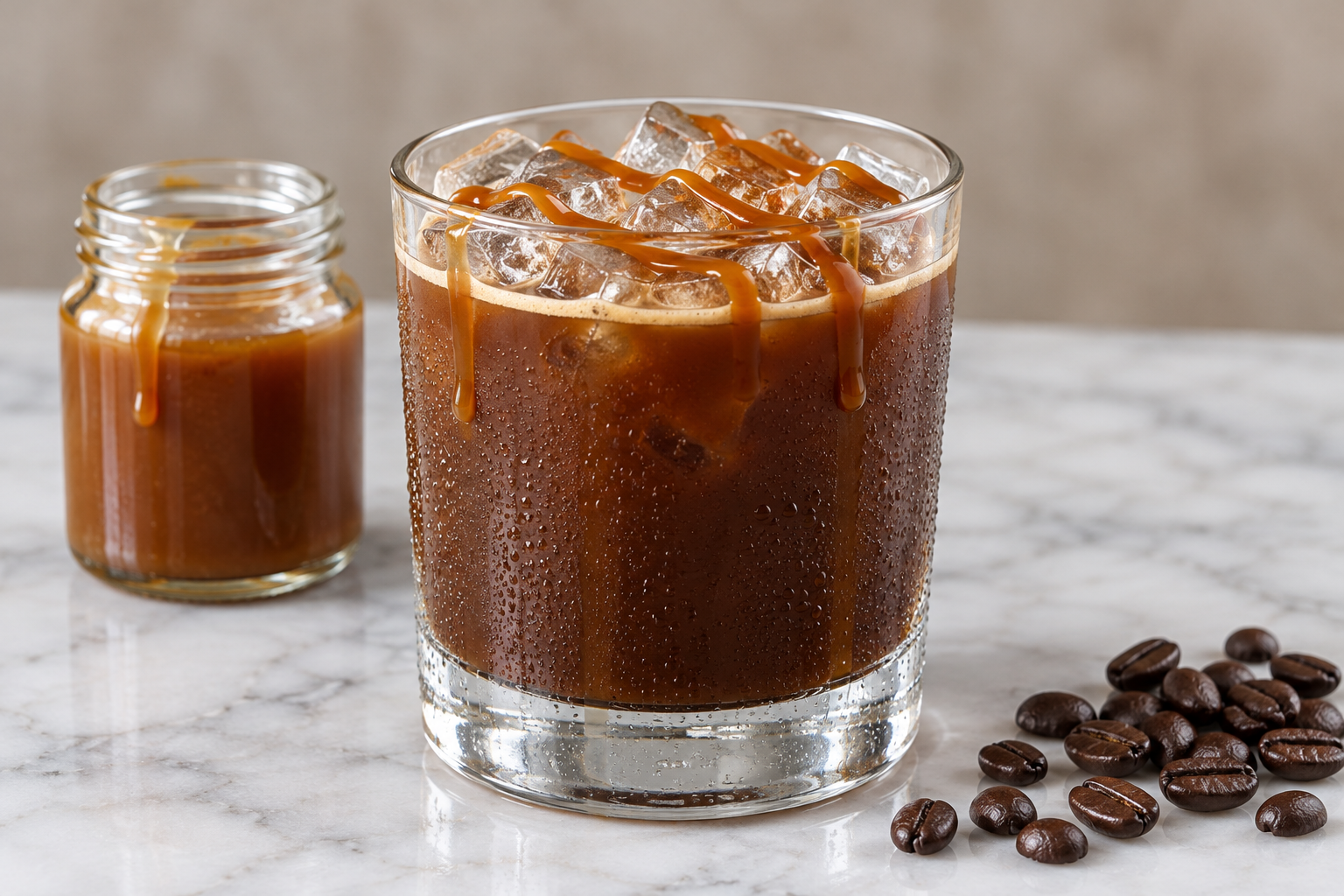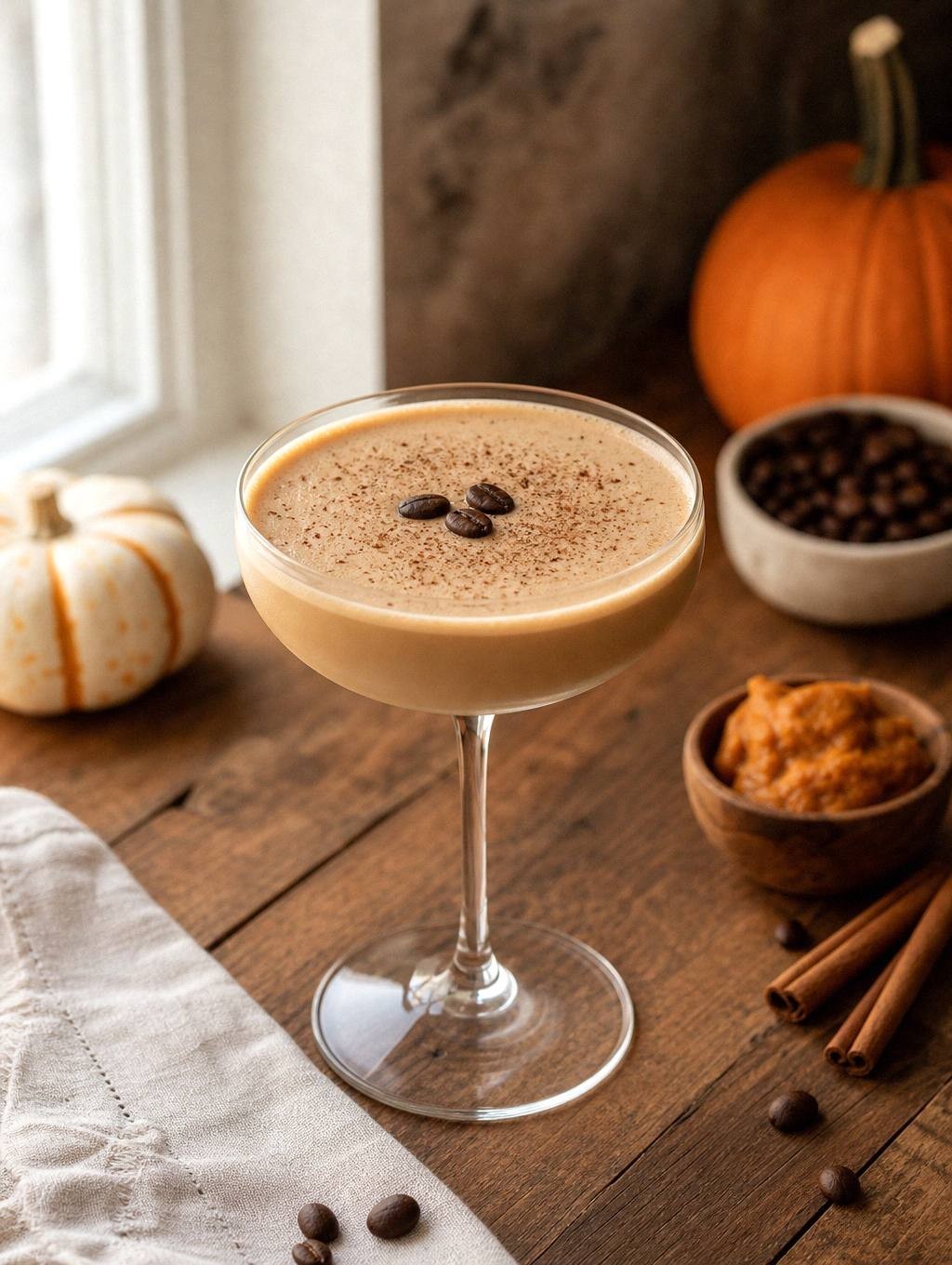

Serving one espresso martini at a dinner party is easy. Serving nine different ones without turning your kitchen into a bar supply warehouse is the actual challenge. This collection gives you a classic base recipe plus eight variations that share most of the same bottles, so you can offer variety without buying specialty liqueurs you’ll use once. Each recipe makes one drink, scales cleanly for groups, and works with the shaking technique and foam tips below.
Why These Nine Work for Dinner Parties
These recipes share a vodka and coffee liqueur base, so you’re not buying nine different spirits. The variations come from adding one or two ingredients to the classic formula: a flavored liqueur, a different vodka, or a syrup you already have. That means you can make three or four different drinks from the same core setup, and guests get real variety without you needing a liquor store in your pantry.
The classic espresso martini anchors the collection because it’s what most guests expect, and it’s the easiest to execute under pressure. The variations let you match drinks to the dinner: serve the salted caramel or vanilla after a rich main course, the coconut or white chocolate with a lighter dessert, the hazelnut or amaretto alongside something nutty or fruity. The mocha and Irish cream versions work as dessert on their own. For a toasted-marshmallow take with homemade syrup, see this espresso martini recipe .
How to Get the Foam Right Every Time
The foam comes from shaking hot or room-temperature espresso with ice until the drink is ice-cold and the proteins in the coffee emulsify with air. Cold brew and cold espresso produce less foam because the temperature difference isn’t there to drive the emulsion. If you’re using espresso, pull the shots and let them cool to room temperature, or use them hot and shake immediately.
Shake hard for 20 to 30 seconds. You want the shaker to feel icy in your hand and the sound of the ice to change from clinking to a duller thud as the drink thickens. A weak shake gives you a thin layer of bubbles that disappears in seconds. A proper shake gives you a dense, creamy foam that lasts through the first few sips.
Use regular ice cubes, not large square cubes. Smaller cubes create more surface area for the shake, which helps build foam faster. Fill the shaker about two-thirds full with ice before adding the liquids, and don’t reuse the ice between drinks. Melted ice dilutes the next batch and produces weaker foam.
Make-Ahead Strategy for Groups
You cannot make espresso martinis hours ahead and expect the foam to survive. The foam starts breaking down within 10 to 15 minutes, and refrigeration doesn’t stop it. What you can do is prep everything except the shaking: chill your glasses in the freezer, measure out the spirits into small containers, and pull your espresso shots so they’re at room temperature when you’re ready to shake.
If you’re serving six to nine drinks, shake them in two or three batches rather than one at a time. Make three drinks per batch by tripling the recipe in a large shaker, shake for 30 seconds, then strain into three chilled glasses. This keeps the foam quality high and gets drinks out faster than shaking nine individual servings. Pour each glass halfway, then go back and top them all off so the foam distributes evenly across all three.
For a dozen guests, set up a shaking station and make drinks to order in small batches as people finish their first round. Trying to pre-shake a dozen espresso martinis results in half of them sitting around losing foam while you finish the rest.
1. Classic Espresso Martini

This is the version most guests expect: vodka, coffee liqueur, fresh espresso, and simple syrup shaken until a thick foam forms on top. It’s strong, sweet, and caffeinated, and it works as an after-dinner drink or a late-evening pick-me-up. The coffee liqueur adds sweetness and depth, the vodka provides the alcohol backbone, and the espresso gives you the foam and the coffee flavor.
Use room-temperature espresso if you have time to let it cool, or shake it hot if you’re making drinks on the fly. Hot espresso produces slightly more foam because the temperature contrast with the ice is greater, but room-temperature espresso is easier to control and less likely to crack your glassware if you’re pouring into a chilled glass.
Ingredients
- Ice, for shaking
- 2 ounces vodka
- 1 ounce brewed espresso, at room temperature, or 1 ½ ounces cold brew concentrate (see Tip)
- ½ ounce coffee-flavored liqueur, such as coffee liqueur, plus more to taste
- ½ ounce simple syrup
- Whole coffee beans (optional), for garnish
Instructions
- Fill a cocktail shaker two-thirds full with ice. Pour in the vodka, espresso, and coffee liqueur, then add the simple syrup.
- Put the lid on the shaker and shake hard for 30 seconds.
- Strain the cocktail into a martini glass and drop in a few coffee beans if you like.
Serves 1. Ready in 10 minutes.
2. Salted Caramel Espresso Martini
This variation adds salted caramel vodka to the classic formula, which brings a rich, buttery sweetness that balances the bitterness of the espresso. The cream liqueur smooths out the drink and makes it taste closer to a dessert than a cocktail. It’s heavier than the classic version, so serve it after a lighter main course or alongside a fruit-based dessert.
The salted caramel vodka requires advance prep: you dissolve hard caramels in vodka and let them sit for 2 to 4 hours until fully dissolved. Make a batch a day ahead and store it at room temperature in a sealed container. If you don’t want to make your own, buy a bottle of salted caramel vodka and skip the infusion step.
Salted Caramel Vodka
- 135g hard caramels, such as Werther’s Originals
- 500ml vodka
Place the caramels in a large glass jar, pour in the vodka, seal, and shake well. Leave at room temperature, shaking occasionally, until the caramels dissolve completely, about 2 to 4 hours. Strain through a coffee filter to remove any residue and store in an airtight container.
Ingredients
- 135g/5oz hard caramels
- 500ml/18fl oz vodka
- 40ml/1fl½ oz salted caramel vodka (see above)
- 25ml/1fl oz hot, freshly brewed espresso
- 25ml/1fl oz coffee liqueur
- 10ml/⅓fl oz cream liqueur
- coffee beans, to serve
Instructions
- Drop the caramels into a large, clean glass jar or jug. Pour in the vodka, seal it up, and give it a good shake.
- Leave it at room temperature, shaking now and then, until the caramels dissolve completely. This usually takes 2, 4 hours, or you can leave it overnight for extra smoothness.
- Once dissolved, strain it through a coffee filter to remove any residue. Store in an airtight container at room temp.
- Add all ingredients to a shaker filled with ice.
- Shake vigorously until well chilled and a rich crema forms. Fine strain into a chilled coupe or martini glass. Garnish with three coffee beans.
Serves 1.
3. Vanilla Espresso Martini
Vanilla vodka replaces plain vodka here, and a small amount of vanilla sugar syrup reinforces the flavor without making the drink taste like a milkshake. The saline solution is optional but recommended: two drops brighten the coffee and vanilla flavors and keep the drink from tasting flat. This version is slightly sweeter than the classic but still coffee-forward, and it pairs well with chocolate desserts or anything with caramel.
If you don’t have vanilla sugar syrup, use plain simple syrup and add a quarter teaspoon of vanilla extract to the shaker. The saline solution is just salt dissolved in water at the 4:1 ratio the recipe calls for, four parts water to one part salt, or buy a small bottle from a cocktail supply shop.
Ingredients
- 45 ml Vanilla vodka
- 30 ml Espresso coffee (hot)
- 20 ml Coffee liqueur
- 5 ml Vanilla sugar syrup
- 2 drop Saline solution 4:1
Instructions
- Pick out a martini glass and put it in the freezer to chill.
- Get your garnish ready: 3 coffee beans to float on top, and if you’re feeling fancy, add half a vanilla bean or even a whole one.
- Pour everything into a shaker with ice and shake it up.
- Strain through a fine strainer into your chilled glass.
Serves 1.
4. Hazelnut Espresso Martini
Hazelnut liqueur and brown sugar syrup turn the classic espresso martini into something that tastes like a liquid hazelnut latte. The hazelnut flavor is subtle, not overpowering, and the brown sugar adds a molasses-like depth that plain simple syrup doesn’t provide. This version works well after a meal with roasted vegetables, mushrooms, or anything earthy.
Use Frangelico for the hazelnut liqueur if you can find it. Cheaper hazelnut liqueurs often taste artificial and can make the drink cloying. If you don’t have brown sugar syrup, make it by dissolving equal parts brown sugar and water over low heat, then let it cool before using.
Ingredients
- 45 ml Vodka
- 30 ml Espresso coffee (hot)
- 15 ml Coffee liqueur
- 7 1/2 ml Hazelnut liqueur
- 7 1/2 ml Brown sugar syrup
Instructions
- Pick out a coupe glass and get it cold in the freezer.
- Toast a hazelnut and set it aside to float on top.
- Pour everything into a shaker with ice and shake it well.
- Strain through a fine strainer into your chilled glass.
Serves 1. Ready in 5 minutes.
5. Irish Cream Espresso Martini

Baileys replaces part of the vodka and coffee liqueur in this version, which makes the drink creamier and slightly less boozy than the classic. The Irish cream adds vanilla, chocolate, and cream flavors that soften the espresso’s bitterness, and the result tastes more like a spiked iced coffee than a martini. Serve this one to guests who find the classic version too strong or too bitter.
Use Baileys Original Irish Cream, not one of the flavored versions. The flavored Baileys liqueurs are sweeter and can make the drink taste like dessert syrup. If you want a stronger drink, use the full ounce of vodka and reduce the Baileys to 1 ounce instead of 1.5 ounces.
Ingredients
- Irish cream
- Espresso
- Vodka
- Coffee beans
- Ice
Instructions
- Fill a cocktail shaker with ice cubes.
- Pour in the Irish cream, vodka and espresso. Shake well until the outside of the shaker feels cold.
- Strain into a coupe glass and drop in 3 coffee beans.
Serves 1.
6. White Chocolate Espresso Martini
White chocolate liqueur replaces the coffee liqueur here, which makes the drink taste like a white chocolate mocha. It’s sweeter and richer than the classic version, and the white chocolate flavor is strong enough that you can taste it over the espresso. This one works as a dessert drink or alongside a fruit tart or berry-based dessert.
Rim the glass with white chocolate ganache if you want a more dramatic presentation: melt white chocolate with a small amount of cream, let it cool slightly, then dip the rim of the glass in the ganache before chilling it. The ganache hardens as the glass chills and stays in place when you pour the drink.
Ingredients
- 2 ounces white chocolate liqueur
- 1 ounce vodka (plain, whipped cream, or vanilla)
- 1 ounce espresso or strongly brewed coffee (chilled)
- White chocolate ganache (for the rim)
- Chocolate shavings
- Strawberries
- Fresh mint
Instructions
- Chill your martini glass for at least 10 minutes. If you like, coat the rim with a drizzle of white chocolate ganache.
- Drop a few ice cubes into a cocktail shaker and pour in the white chocolate liqueur, vodka, and espresso. Shake well until everything’s combined and chilled, then strain into your chilled glass.
- Serve right away, garnished with chocolate shavings, strawberries, and fresh mint if you like.
Serves 1. Ready in 5 minutes.
7. Coconut Espresso Martini
Coconut milk replaces the cream liqueur in this version, which makes the drink lighter and less sweet than the white chocolate or Irish cream variations. The coconut flavor is subtle and doesn’t overpower the espresso, and the result tastes like a cold coconut latte with a kick. This one works well in warm weather or after a spicy meal.
Use full-fat coconut milk, not coconut water or light coconut milk. The fat in the coconut milk helps build foam and gives the drink a creamy texture. Shake this one longer than the other variations, about 40 to 50 seconds, because the coconut milk takes more work to emulsify with the espresso.
Ingredients
- Water, as necessary
- 1 espresso capsules
- 2 ounces vodka
- 1 ounce coffee liqueur
- 1 1/2 ounces unsweetened coconut milk
- Cocoa powder
Instructions
- Fill the water reservoir to at least the Cup line.
- Lift the lever all the way up and drop in the capsule, making sure it’s facing the right way. Close the lever, adjust the cup platform if you need to, and set a cup on the platform.
- Press the Capsule Button and select ESPRESSO, then select START BREW. The progress bar on the display will light up to show you where your brew is at. Let the espresso cool.
- Pour the vodka, coffee liqueur, and coconut milk into a shaker. Pour in the espresso and shake hard with ice for about 40 to 50 seconds.
- Strain into a chilled martini glass and dust the top with cocoa powder.
Serves 1.
8. Mocha Espresso Martini
Chocolate liqueur replaces the coffee liqueur in this version, which makes the drink taste like a liquid mocha. The chocolate flavor is strong and sweet, and the vanilla vodka adds a subtle bakery note that keeps the drink from tasting like hot chocolate with espresso. This one is dessert in a glass, and it pairs well with anything chocolate or caramel.
Use a good chocolate liqueur, not chocolate syrup. Chocolate syrup is too thick and too sweet, and it doesn’t mix well with the espresso. Godiva and Tempus Fugit make solid chocolate liqueurs that work in cocktails. If you want a less sweet version, reduce the chocolate liqueur to 2 ounces and add half an ounce of coffee liqueur.
Ingredients
- Ice cubes
- 2-1/2 ounces chocolate liqueur
- 1/2 ounce brewed espresso
- 1/2 ounce vanilla-flavored vodka
- Optional: Chocolate syrup and chocolate shavings
Instructions
- Fill a mixing glass or tumbler three-quarters full with ice. Pour in the chocolate liqueur, espresso, and vodka, then stir until you see condensation form on the outside of the glass. Make sure your espresso is already cooled before you add it, warm espresso will melt too much ice and leave you with a watery, barely-cold drink.
- Strain the vodka mixture into a glass and garnish with chocolate syrup and shavings if you like.
Serves 1. Ready in 5 minutes.
9. Amaretto Espresso Martini

Amaretto adds an almond-cherry flavor to the classic espresso martini, which makes the drink taste like a liquid almond biscotti. The amaretto is sweet, so this version uses less simple syrup than the classic recipe. It’s a good choice after an Italian meal or alongside anything with stone fruit or almonds.
Use Disaronno or another high-quality amaretto. Cheap amaretto tastes like artificial almond extract and can make the drink cloying. If you want a stronger almond flavor, increase the amaretto to 1 ounce and reduce the vodka to 1.5 ounces.
Ingredients
- 2 oz vodka
- 1/2 oz amaretto
- 1/2 oz simple syrup
- 1 oz espresso shot (freshly brewed)
- Ice
- Coffee beans for garnish
Instructions
- Pull a shot of espresso.
- Chill a coupe glass in the freezer.
- Fill a cocktail shaker generously with ice.
- Add the vodka, amaretto, espresso, and simple syrup.
- Shake hard for 20 to 30 seconds until very cold and frothy.
- Strain quickly into the chilled coupe glass.
- Drop three coffee beans on top.
Serves 1. Ready in 5 minutes.
What to Buy for the Full Collection
If you want to make all nine drinks, here’s what you need. The list assumes you already have ice, simple syrup, and espresso or strong coffee.
- Vodka: One 750ml bottle of plain vodka covers the classic, hazelnut, coconut, and amaretto versions. Buy a second bottle of vanilla vodka for the vanilla and mocha drinks, or use plain vodka and add vanilla extract.
- Coffee liqueur: One bottle of Kahlúa works for every recipe that calls for coffee liqueur. You’ll use about half the bottle if you make one of each drink.
- Flavored liqueurs: Buy small bottles of hazelnut liqueur, amaretto, white chocolate liqueur, and chocolate liqueur. You only need 1 to 2 ounces of each per drink, so a 375ml bottle of each is enough for a party.
- Irish cream: One 750ml bottle of Baileys covers the Irish cream version and gives you leftovers for coffee or other drinks.
- Coconut milk: One 13.5-ounce can of full-fat coconut milk makes about four coconut espresso martinis.
- Salted caramel vodka: Make your own with hard caramels and vodka, or buy a bottle of salted caramel vodka if you don’t want to wait for the infusion.
You don’t need to buy everything at once. Start with vodka, coffee liqueur, and espresso, which covers the classic version. Add one or two flavored liqueurs based on what your guests like, and build the collection over time.
Common Problems and How to Fix Them
- Thin or no foam: You’re either using cold espresso without shaking long enough, or your ice is too large. Use room-temperature or hot espresso, shake for a full 20 to 30 seconds, and use regular ice cubes instead of large square cubes.
- Foam disappears quickly: The drink is too warm or you’re not shaking hard enough. Make sure the shaker feels icy cold before you strain, and chill your glasses in the freezer before pouring.
- Drink tastes watery: You’re shaking too long or using too much ice. Shake for 20 to 30 seconds, no more, and fill the shaker only two-thirds full with ice.
- Drink is too sweet: Reduce the simple syrup by half or cut it entirely. The coffee liqueur already adds sweetness, and some guests prefer a less sweet drink.
- Drink is too bitter: Add another quarter ounce of simple syrup or coffee liqueur. You can also use a lighter roast espresso, which has less bitterness than a dark roast.
- Can’t get the coffee beans to float: Drop them gently on the foam right after you pour. If the foam is too thin, they’ll sink. A proper foam layer holds the beans on the surface.
Frequently Asked Questions
Can I use cold brew instead of espresso?
Yes, but use cold brew concentrate, not diluted cold brew. Regular cold brew is too weak and produces almost no foam. Cold brew concentrate has a similar strength to espresso and will give you a decent foam layer, though not as thick as hot or room-temperature espresso. Use 1 1/2 ounces of cold brew concentrate in place of 1 ounce of espresso.
How do I make simple syrup?
Combine equal parts sugar and water in a small saucepan. Heat over medium heat, stirring occasionally, until the sugar dissolves completely. Let it cool to room temperature, then store it in a sealed container in the refrigerator for up to a month. For brown sugar syrup, use brown sugar instead of white sugar and follow the same method.
Can I make these without a cocktail shaker?
You need something to shake the drink in, but it doesn’t have to be a cocktail shaker. A mason jar with a tight-fitting lid works, or a protein shaker bottle. The key is sealing it tightly so you can shake hard without spilling. A blender doesn’t work because it incorporates too much air and makes the foam too loose.
Why do bartenders hate making espresso martinis?
Espresso martinis take longer to make than most cocktails because you have to pull a fresh espresso shot, wait for it to cool slightly, then shake it longer than a standard martini to build the foam. In a busy bar, that time adds up. At home, it’s not an issue because you’re making drinks for a small group, not a packed bar.
Can I substitute the vodka with rum or tequila?
Yes, but the drink will taste different. Rum adds a molasses or vanilla note depending on the type, and tequila adds an agave flavor that can clash with the coffee. If you want to experiment, use a light rum or a blanco tequila and start with the classic recipe before trying the variations.
How much caffeine is in an espresso martini?
One espresso martini contains about 60 to 80 milligrams of caffeine, roughly the same as a shot of espresso. If you’re serving these after dinner, keep in mind that caffeine can interfere with sleep for some people. Consider offering a decaf version or serving the drinks earlier in the evening.
Conclusion
These nine recipes give you enough variety to serve different drinks to different guests without buying a liquor store’s worth of bottles. Start with the classic version to get the technique down, then branch out to the variations based on what your guests like and what you already have in your pantry. The key is the foam: shake hard, use room-temperature or hot espresso, and chill your glasses before pouring. Everything else is just choosing which flavor you want.