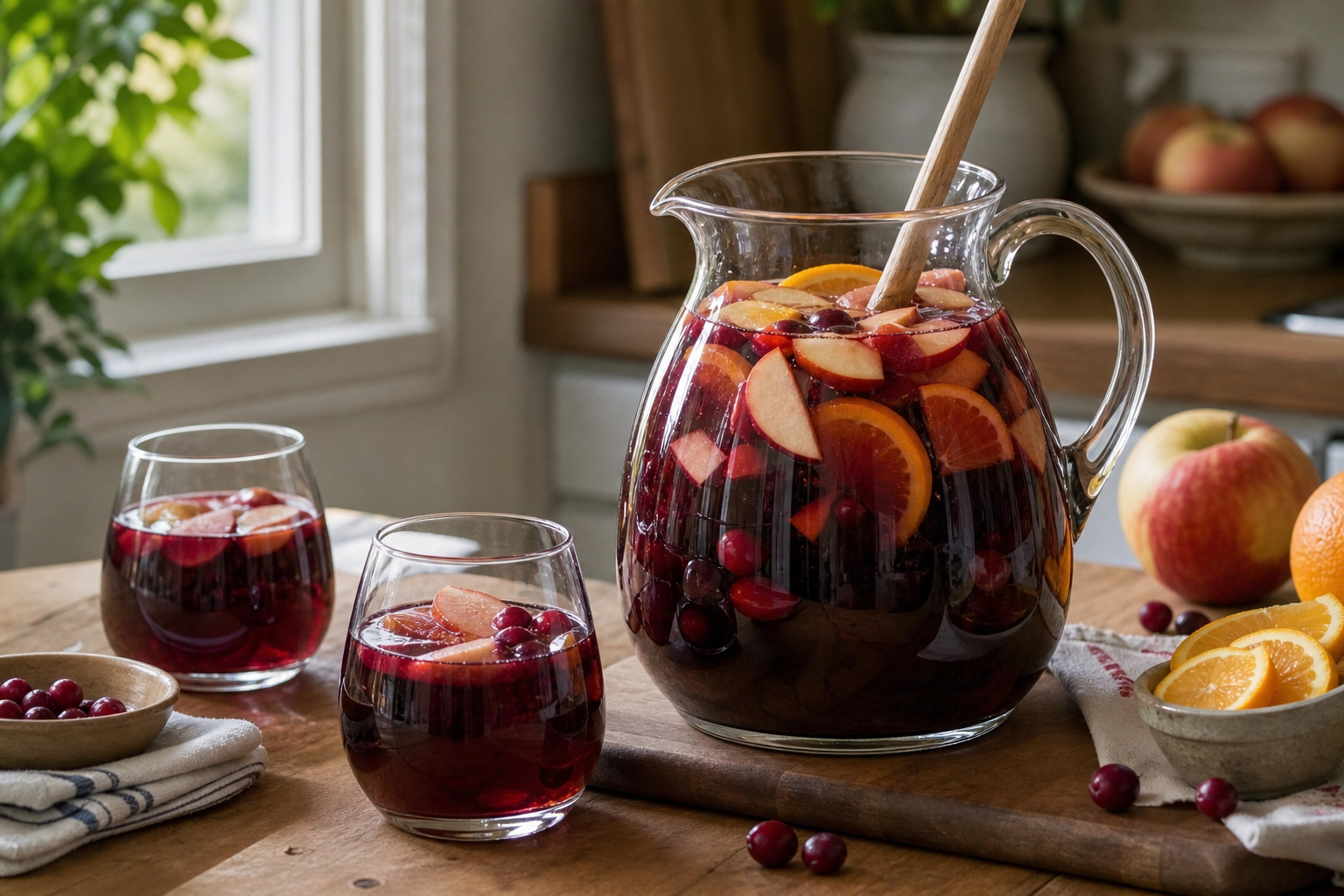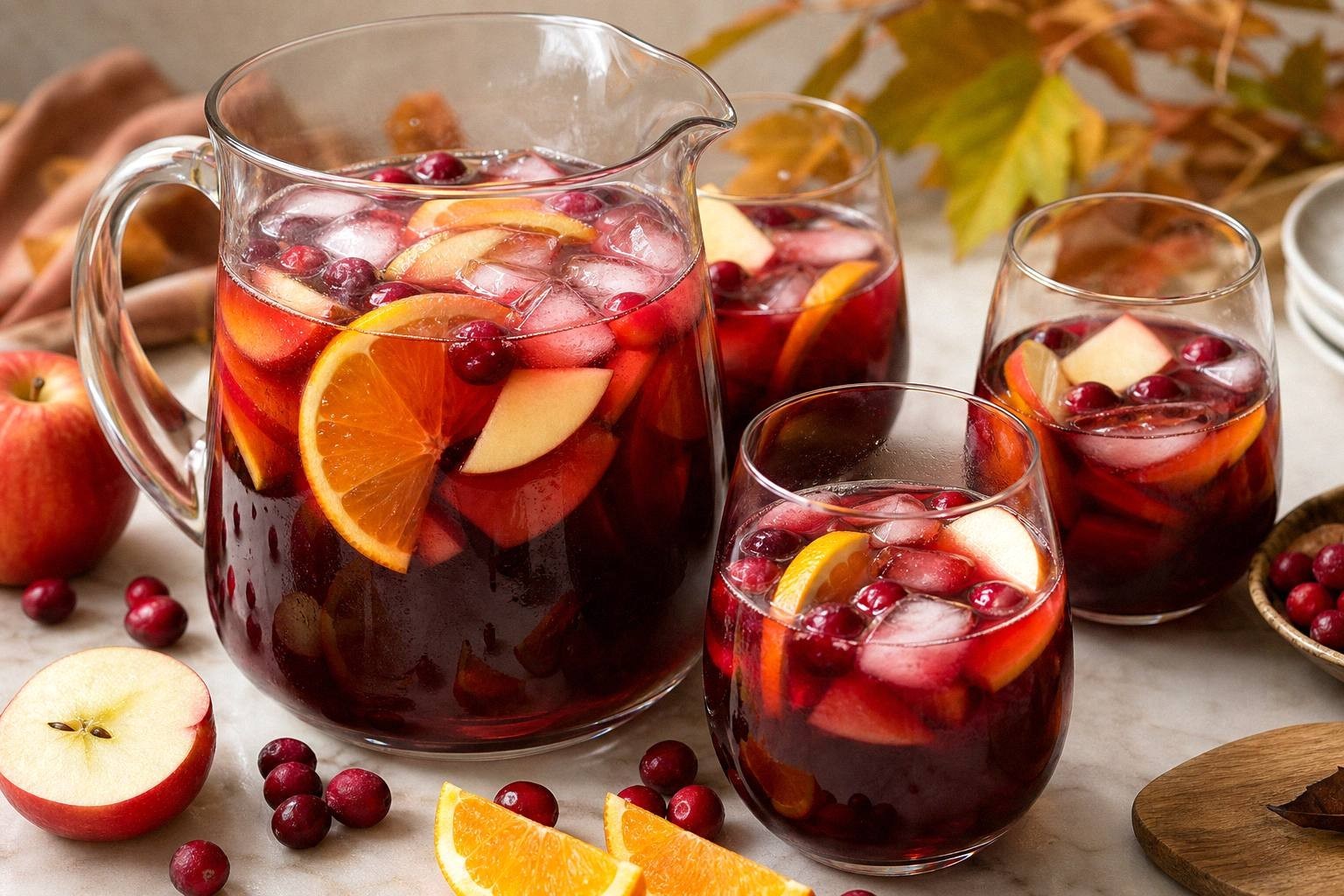
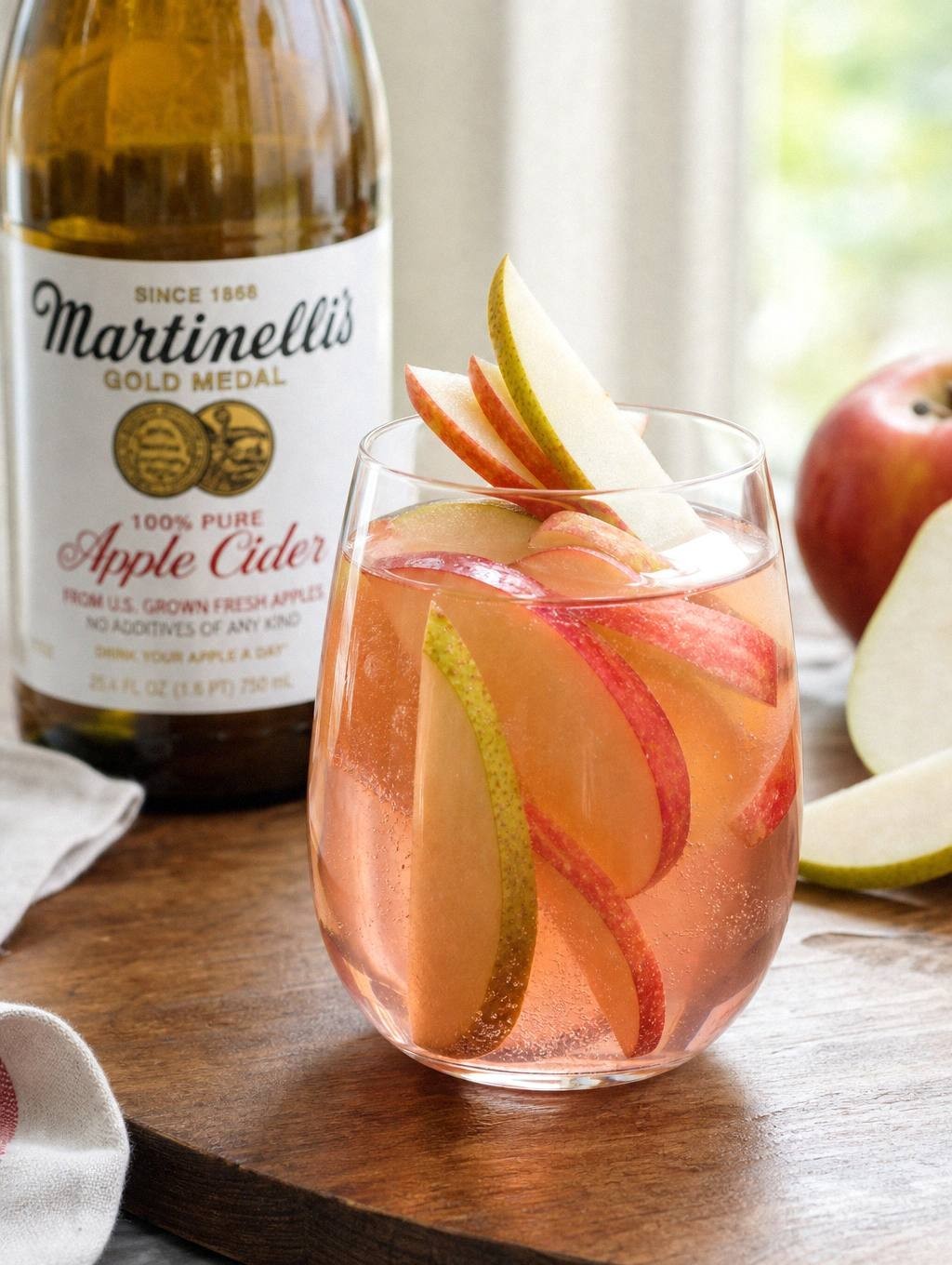
Apple cider sangria turns a pitcher of wine into a fall party in a glass. Fresh apple cider, seasonal fruit, and a splash of whiskey or brandy steep together in the fridge, letting the flavors marry while you prep the rest of your meal. When you pour it over ice and top each glass with a fizzy finish, you get a drink that tastes like autumn without the fuss of muddling or shaking individual cocktails.
Why Apple Cider Sangria Works for Fall Gatherings
Sangria scales beautifully because you build the whole batch hours ahead, then pour and serve without touching a shaker. The fruit steeps in the wine and cider, pulling flavor into every glass while the alcohol softens the fruit’s texture. A cinnamon stick or two adds warmth without the powdery residue ground spice leaves behind.
Apple cider brings natural sweetness and a hint of spice that pairs with both white and red wine. White wine keeps the drink lighter and crisper, which works well for afternoon gatherings or Thanksgiving dinner. Red wine adds body and a deeper color that looks dramatic in a clear pitcher, though it can overshadow the cider’s delicate apple flavor if you choose a bold varietal.
The spirit you add, whiskey, brandy, or even vodka, gives the sangria backbone and helps extract flavor from the fruit. Whiskey brings a smoky edge that complements cinnamon and pear, while brandy offers a rounder, fruitier note. Vodka stays neutral, letting the cider and wine lead.
What to Buy
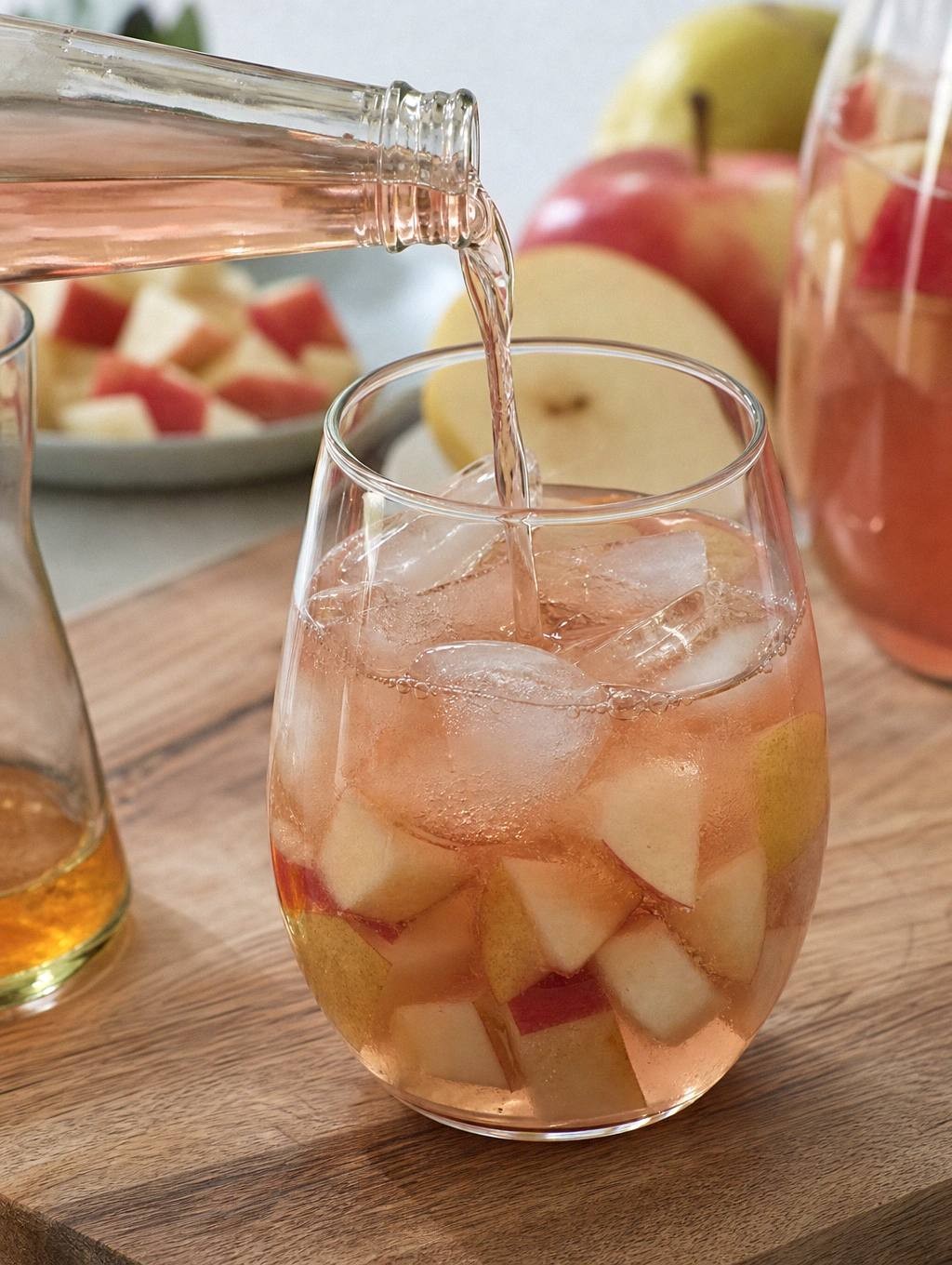
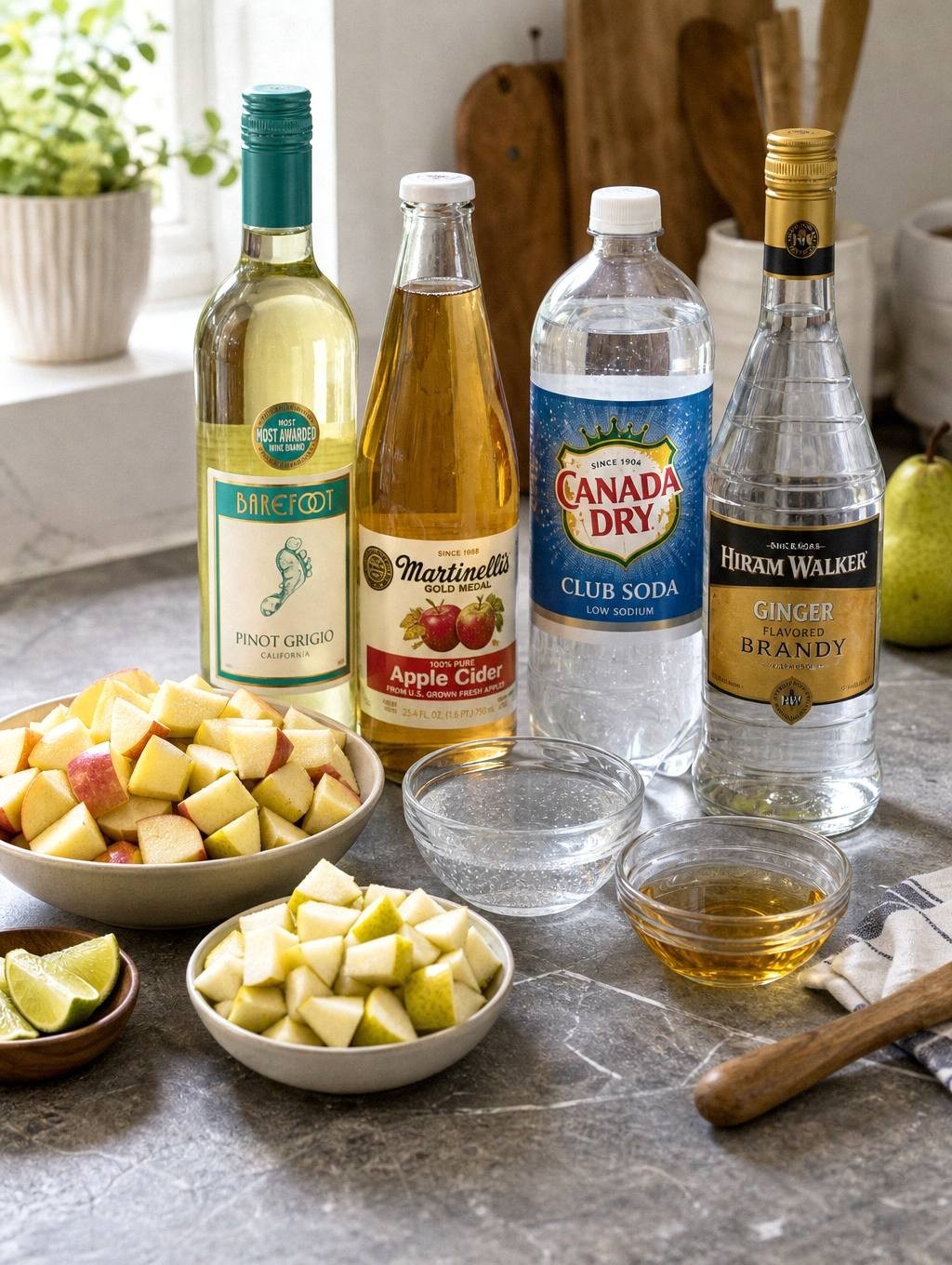
- Wine: Choose a wine you’d drink on its own, but don’t spend more than fifteen dollars a bottle. For white versions, Pinot Grigio or unoaked Chardonnay work well because they’re crisp without being too tart. For red, Pinot Noir or a light Spanish red won’t overpower the cider.
- Apple cider: Look for unfiltered cider in the refrigerated section, not shelf-stable apple juice. The cloudiness signals that the cider still carries pulp and natural pectin, which gives the sangria body. If you can only find filtered cider, it’ll still work, but the drink will taste thinner.
- Fruit: Pick firm apples and pears that hold their shape when sliced. Honeycrisp and Granny Smith apples stay crisp in the pitcher, while Bartlett pears add sweetness without turning mushy. An orange cut into thin wedges adds a citrus note that brightens the whole batch.
Ingredients
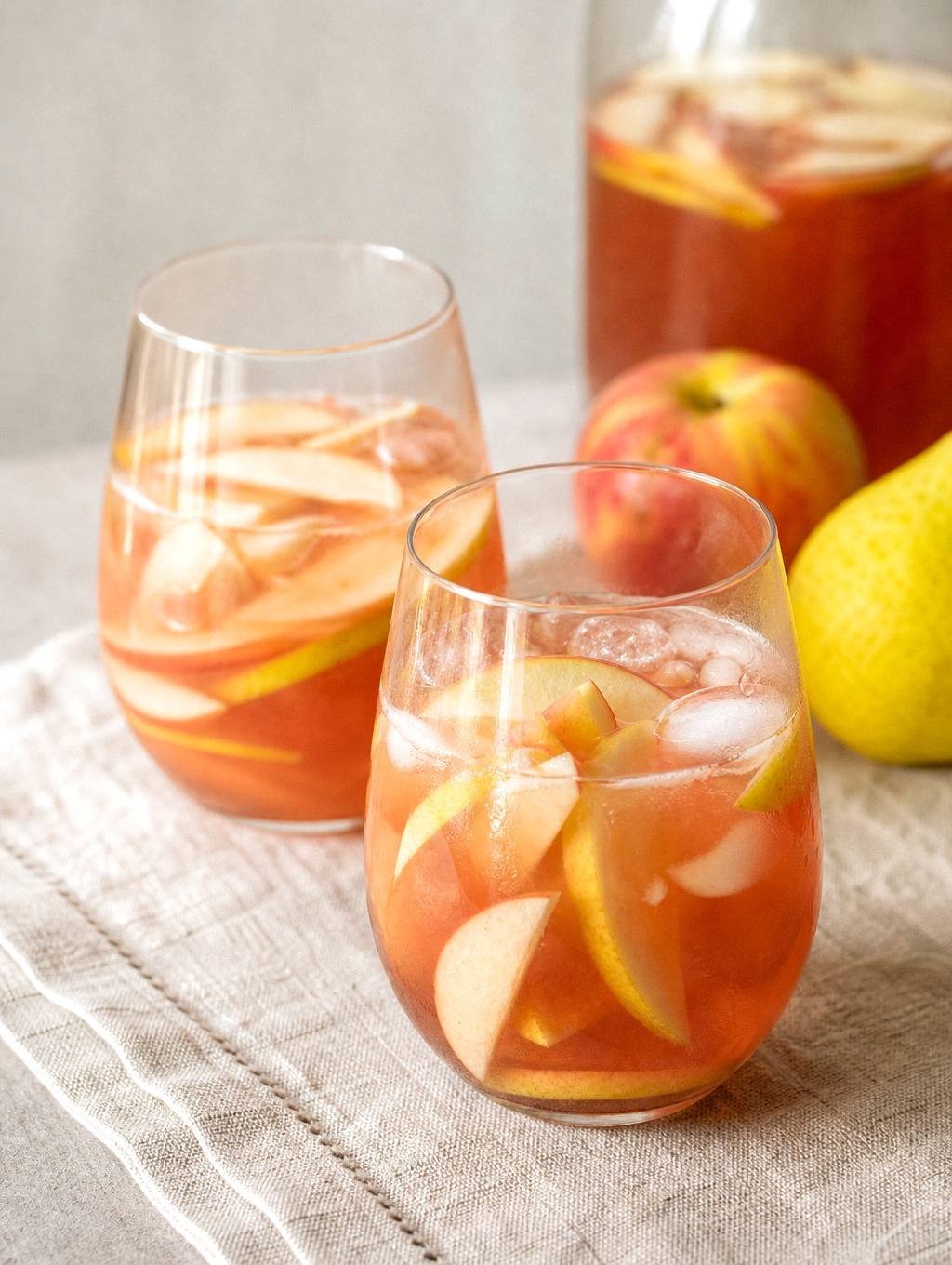
- 1 bottle, (standard size of pinot grigio)
- 2 1/2 cups fresh apple cider
- 1 cup club soda
- 1/2 cup ginger brandy
- 3 honey crisp apples, (chopped)
- 3 pears, (chopped)
Instructions
- Put everything in a bowl and stir it well. Let it chill in the fridge for an hour or longer before you serve it.
How Long to Refrigerate and When to Add Carbonation
Two hours in the fridge gives the fruit time to soften and release its juices into the wine. The cinnamon sticks infuse slowly, so longer steeping, up to 24 hours, deepens the spice without turning bitter. If you’re making the sangria the night before, leave out the carbonation until you’re ready to serve.
Ginger ale or club soda goes flat quickly once it hits the wine, so add it right before you pour. If you’re serving a crowd over several hours, keep the carbonation bottle chilled on the side and let guests top their own glasses. That way the last pour is as fizzy as the first.
Sparkling wine works too, but it’s pricier and the bubbles disappear faster than ginger ale’s. If you do use prosecco or cava, pour it in just before serving and skip the extra club soda.
Make-Ahead and Batch Scaling
This recipe fills a standard two-quart pitcher and serves eight people with about six ounces per glass. To double the batch for sixteen guests, use two bottles of wine, four cups of cider, one cup of whiskey, and scale the fruit proportionally. A gallon pitcher or drink dispenser holds a double batch comfortably.
The sangria holds in the fridge for up to three days, though the fruit starts to look tired after the second day. The flavor stays good, but the apple slices lose their crispness and the orange peel can turn bitter. If you’re making it more than a day ahead, strain out the fruit after 24 hours and add fresh slices just before serving.
For a smaller batch serving four, halve everything: one 375 ml bottle of wine (or half a standard bottle), one cup of cider, a quarter cup of whiskey, and two apples. A quart-sized mason jar works as both the steeping vessel and the serving pitcher.
Optional Cinnamon Sugar Rim
A cinnamon sugar rim turns the drink into something that looks like you spent an hour on it. Whisk together one tablespoon of granulated sugar with one teaspoon of ground cinnamon on a small plate. Pour a thin layer of caramel sauce onto another plate.
Dip the rim of each glass into the caramel, then immediately into the cinnamon sugar, twisting gently to coat the edge. Let the glasses sit for a minute so the sugar sets before you add ice and sangria. The caramel holds the sugar in place better than water or citrus juice, and it adds a subtle sweetness that complements the cider.
Common Problems and How to Fix Them
- Sangria tastes too sweet: You added the ginger ale too early or used a sweet wine. Next time, choose a dry wine and add the carbonation right before serving. If the batch is already made, stir in a squeeze of fresh lemon juice to balance the sugar.
- Fruit turns brown: Apples oxidize when exposed to air. Toss the sliced apples in a tablespoon of lemon juice before adding them to the pitcher, or use the sangria within 12 hours.
- Drink tastes flat: The carbonation sat too long or the ginger ale was warm. Always chill the soda before adding it, and pour it in just before serving. If you’re making a big batch, keep the carbonation separate and let guests add their own.
- Cinnamon flavor is too strong: The sticks steeped for more than 24 hours. Pull them out after a day, especially if you’re using fresh, high-quality cinnamon. You can always add them back for presentation.
Frequently Asked Questions
Should I use white or red wine?
White wine keeps the sangria lighter and lets the apple cider’s flavor come through, which works well for daytime gatherings or Thanksgiving. Red wine adds body and a richer color but can overpower the cider if you choose a bold varietal. Pinot Noir is the best red option because it’s fruity without being heavy.
Can I make apple cider sangria ahead of time?
Yes. Combine the wine, cider, whiskey, fruit, and cinnamon sticks up to 24 hours before serving. Keep it covered in the fridge and add the carbonation right before you pour. The flavors improve with time, but the fruit starts to look tired after two days.
What spirit works best?
Whiskey adds a smoky note that pairs well with cinnamon and pear. Brandy offers a rounder, fruitier flavor that blends smoothly with the cider. Vodka stays neutral and lets the wine and cider lead. All three work, so pick the one you already have or prefer to drink.
When do I add the ginger ale or club soda?
Pour it in right before serving. Carbonation goes flat quickly once it mixes with the wine, so if you’re serving a crowd over several hours, keep the bottle chilled on the side and let guests top their own glasses.
Can I use shelf-stable apple juice instead of fresh cider?
You can, but the sangria will taste thinner and sweeter. Fresh apple cider has more body and a deeper apple flavor because it’s less filtered. If you only have apple juice, reduce the amount by a quarter cup and add a pinch of cinnamon to the pitcher to make up for the lost spice.
How long does leftover sangria keep?
Up to three days in the fridge, though the fruit softens and the carbonation disappears. Strain out the old fruit after the first day and add fresh slices if you’re serving it again. The flavor stays good, but the texture and fizz won’t be the same.
Serving Apple Cider Sangria
Pour the sangria over ice in short tumblers or stemless wine glasses. The ice keeps it cold without diluting the flavor too quickly, and a wide glass shows off the fruit. Garnish each glass with a cinnamon stick and a few fresh apple slices so guests know what they’re drinking before they taste it.
Sangria works as a welcome drink for Thanksgiving or Christmas dinner because you can make it ahead and it pairs with both savory appetizers and sweet desserts. It’s also strong enough to hold up next to rich foods like roasted turkey or pecan pie without tasting too light. If you’re serving it at a casual gathering, set out the pitcher with a ladle and let people help themselves.