Beet kvass is the earthy probiotic tonic Eastern Europe has trusted for centuries. Here's how to make it at home in 3 days with just three ingredients.
The first time you open a jar of properly fermented beet kvass, you get a smell that is unmistakably alive. Earthy, sour, mineral, with something faintly sweet underneath. It is the smell of a drink that has been doing its own work on your kitchen counter for three days, and it is deeply satisfying.
Beet kvass is not a trend. It is one of the oldest fermented tonics in Eastern Europe, drunk in Ukraine, Poland, Russia, and the Baltic states long before anyone called fermented foods “probiotic.” Home cooks made it because beets were abundant, salt was cheap, and the body seemed to want it. The modern gut-health conversation has simply given old intuition a scientific vocabulary.

What Beet Kvass Actually Is
Kvass (квас) is a broad category of fermented beverages. Bread kvass, made from rye, is what most Russians mean when they say the word. Beet kvass is the Ukrainian variant, sometimes called buryakovy kvas, and it follows a simpler path: beets, salt, water, and time.
The process is lacto-fermentation. Salt suppresses the harmful bacteria while Lactobacillus organisms, naturally present on the beet skin and in the environment, convert sugars into lactic acid. What you end up with is a deeply mineral, tangy liquid that carries the beet’s iron and folate alongside a population of live cultures.
Traditional Ukrainian cooking used beet kvass as a base for borscht, added a splash to vinaigrette, or served it as a morning tonic. A small glass before a meal was thought to stimulate digestion. Whether or not you buy the folk medicine framing, the drink is useful in the kitchen, and a real pleasure as a cold tonic on a warm afternoon.
This is a spring and summer drink served cold, straight from the jar over ice. The earthy sourness cuts through heat the way a cold glass of kombucha does, but with more depth and less sweetness.
What You Need
Three ingredients. The simplicity is the point.
Beets. Use fresh, firm beets. Two to three medium beets, about one pound total, will fill a quart jar comfortably. Peel them. Then cut into roughly 1-inch cubes.
Here is the one non-negotiable instruction in this recipe: do not grate the beets. Grated beet has too much surface area. The sugars ferment fast and you end up with something closer to beet wine or vinegar. Cubed beet releases its sugars slowly, which gives the lactic bacteria time to dominate the ferment and produce a clean, tangy kvass.
Salt. One tablespoon of fine sea salt, non-iodized. Iodine is antimicrobial and will suppress the fermentation. Kosher salt works. Standard table salt with iodine does not.
Water. Filtered or unchlorinated. Tap water in most cities contains chlorine or chloramine specifically to kill microbes. That is great for drinking water safety and bad for lacto-fermentation. Use filtered water, leave tap water in an open pitcher overnight to off-gas chlorine, or use spring water.
The Recipe
Makes about 1 quart (4 servings) Prep: 10 minutes. Ferment: 2-3 days.
Pack the cubed beets into a clean quart-sized glass jar, filling it about halfway to two-thirds. Do not pack it all the way to the top. You need headroom and the beets may expand slightly.
Dissolve the sea salt in one cup of filtered water. Pour this brine over the beets, then add more filtered water until the beets are submerged and the jar is filled to within an inch of the top.
Cover the jar loosely. A piece of cheesecloth secured with a rubber band works well. A lid left very slightly ajar also works. Do not seal it airtight, as the fermentation produces carbon dioxide and a sealed jar will build pressure. An airlock lid is ideal if you have one.
Leave the jar at room temperature, somewhere between 65 and 75 degrees Fahrenheit. Warmer ferments faster. Cooler ferments slower and often produces a more complex flavor. A kitchen counter out of direct sunlight is the right location.
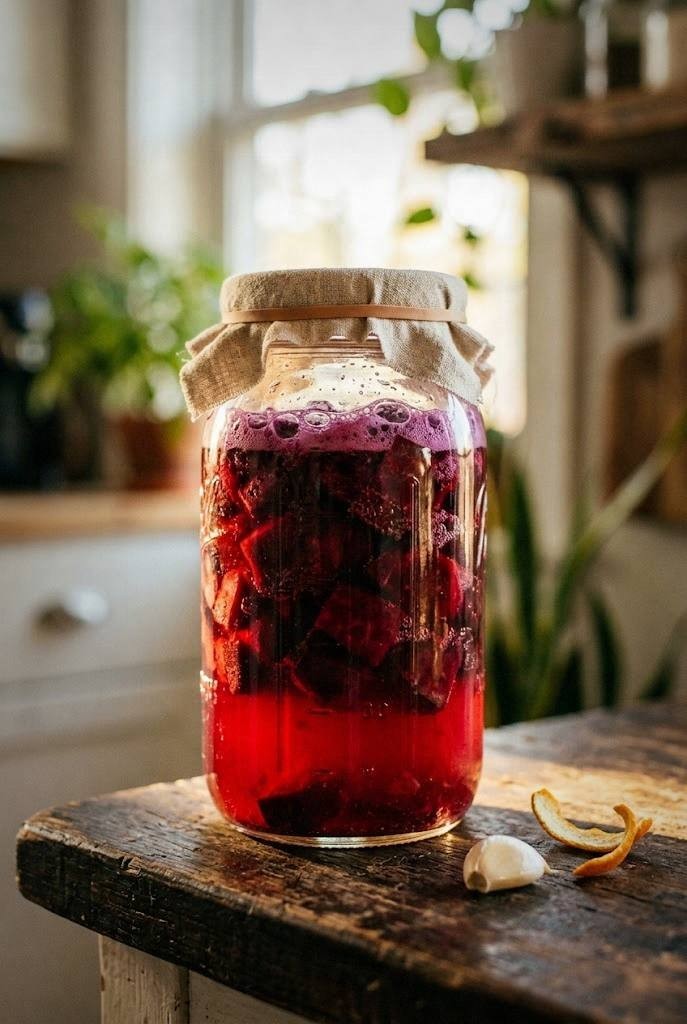
Start tasting on day two. The brine should be noticeably tangy by then, with an earthy, slightly salty edge. By day three it should have real sourness and a round mineral backbone. If your kitchen is cool, it may need a fourth day.
Signs of a healthy ferment: the liquid turns a deep ruby red, the brine goes cloudy, you may see small bubbles rising from the beet pieces. These are good signs.
Signs to discard and start over: fuzzy mold growing on the surface (a thin white film is kahm yeast, which is harmless but best skimmed off; green or black fuzz is mold and means discard), a putrid smell rather than a sour one, or beets that have gone slick and smell off.
Once it tastes right, strain the liquid into a clean bottle or jar. Refrigerate immediately. Cold stops the fermentation.
The spent beets are not waste. Pack them back into the jar, cover with fresh salted brine, and ferment again for 2-3 days. This second batch is lighter in color and milder in flavor, but still worth drinking. After the second batch, the beets are done. Chop them into a salad or blend into hummus.
Serving Suggestions
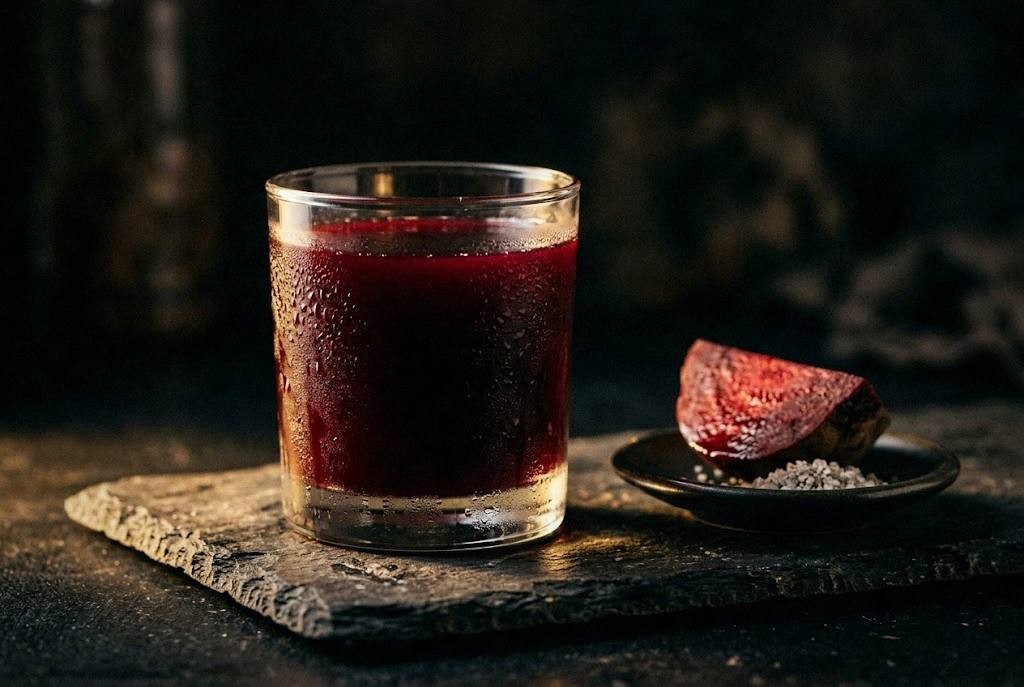
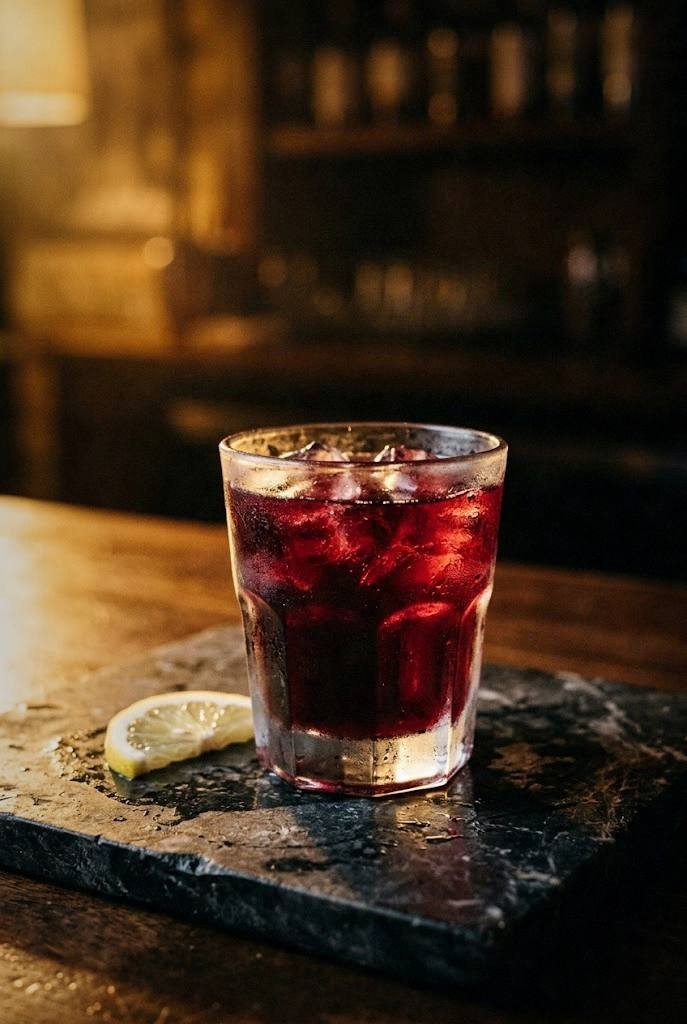
Serve beet kvass cold. Over ice. In a small glass.
A serving is typically 4-6 ounces, not a full glass of something sweet. This is a tonic, not a juice. The earthy sourness is the point.
A squeeze of lemon brings the mineral quality forward. A pinch of black pepper is traditional in some Polish preparations. A sprig of fresh dill floating in the glass is Eastern European hospitality made visible.
In the kitchen, use it anywhere you’d use a sour, mineral-rich liquid. A splash in borscht replaces the vinegar or lemon juice. A quarter cup in a grain salad dressing adds depth. Two tablespoons in a glass of sparkling water with a slice of orange makes a sharp, mineral non-alcoholic aperitif.
Refrigerated, beet kvass keeps for 4-6 weeks and continues to slowly sour. The flavor in week three is different from day three: more complex, less sharp. Both are worth drinking.
Variations Worth Trying
The base recipe is intentionally plain so you can taste what beet kvass actually is. Once you have made one plain batch, here are the additions that work:
Garlic kvass. Add one peeled clove of garlic to the jar before fermenting. This is common in Ukrainian households. The garlic mellows as it ferments and adds a savory depth without being pungent.
Ginger kvass. Add one teaspoon of fresh sliced ginger. The ginger ferments alongside the beet and brings a warm, bright heat to the finished tonic. This is the variation that converts people who find plain kvass too earthy.
Orange peel kvass. A single strip of orange peel, pith removed, adds a faint citrus note that makes the kvass feel lighter. Use organic orange or scrub the peel well before using.
Horseradish kvass. A small piece of fresh horseradish root, about one inch, produces something quite sharp and traditionally used as a digestive before heavier meals. Not for beginners, but authentic.
A Note on Troubleshooting
Kvass is too salty. You can dilute it with a small amount of filtered water. For future batches, try three-quarters of a tablespoon of salt rather than a full tablespoon. Some prefer a lighter hand, especially for drinking straight.
Kvass is not sour enough after three days. Your kitchen is probably cool. Leave it another day and taste again. If it is still flat after four days, the fermentation may not have started properly. Chlorinated water is the most common culprit.
White film on the surface. This is kahm yeast, a wild yeast that is harmless but tastes a little off. Skim it with a clean spoon and strain the kvass. It is still fine to drink. For future batches, make sure the beets stay submerged below the brine, as exposed beet surfaces invite kahm.
Kvass is too fizzy. You bottled it and then sealed it tightly before refrigerating. The fermentation continued in the sealed bottle. Open carefully. Next time, refrigerate promptly after straining and do not fully seal the bottle for the first 24 hours in the fridge.
Why This Drink Keeps Coming Back
Beet kvass disappeared from most Western kitchens somewhere in the twentieth century when refrigeration made fermentation feel unnecessary and the flavor profile stopped being familiar. It never disappeared from the kitchens where it started.
What it offers is specific. It is sour without being sweet. It is mineral in a way that most drinks are not. It is made from one vegetable, one mineral, and water, and it takes three days to become something worth drinking. That is a different kind of satisfaction than opening a bottle. The fizz is yours. The sourness is yours. The deep red is yours.
Make a quart. Drink it over a week. See what your digestion thinks about it. There is a reason Eastern European grandmothers kept a jar going all spring.

Camille writes about botanical drinks, herbal cocktails, and the old plant wisdom that makes them work. Most days you'll find her in the garden or the kitchen, turning herbs into something worth sipping.