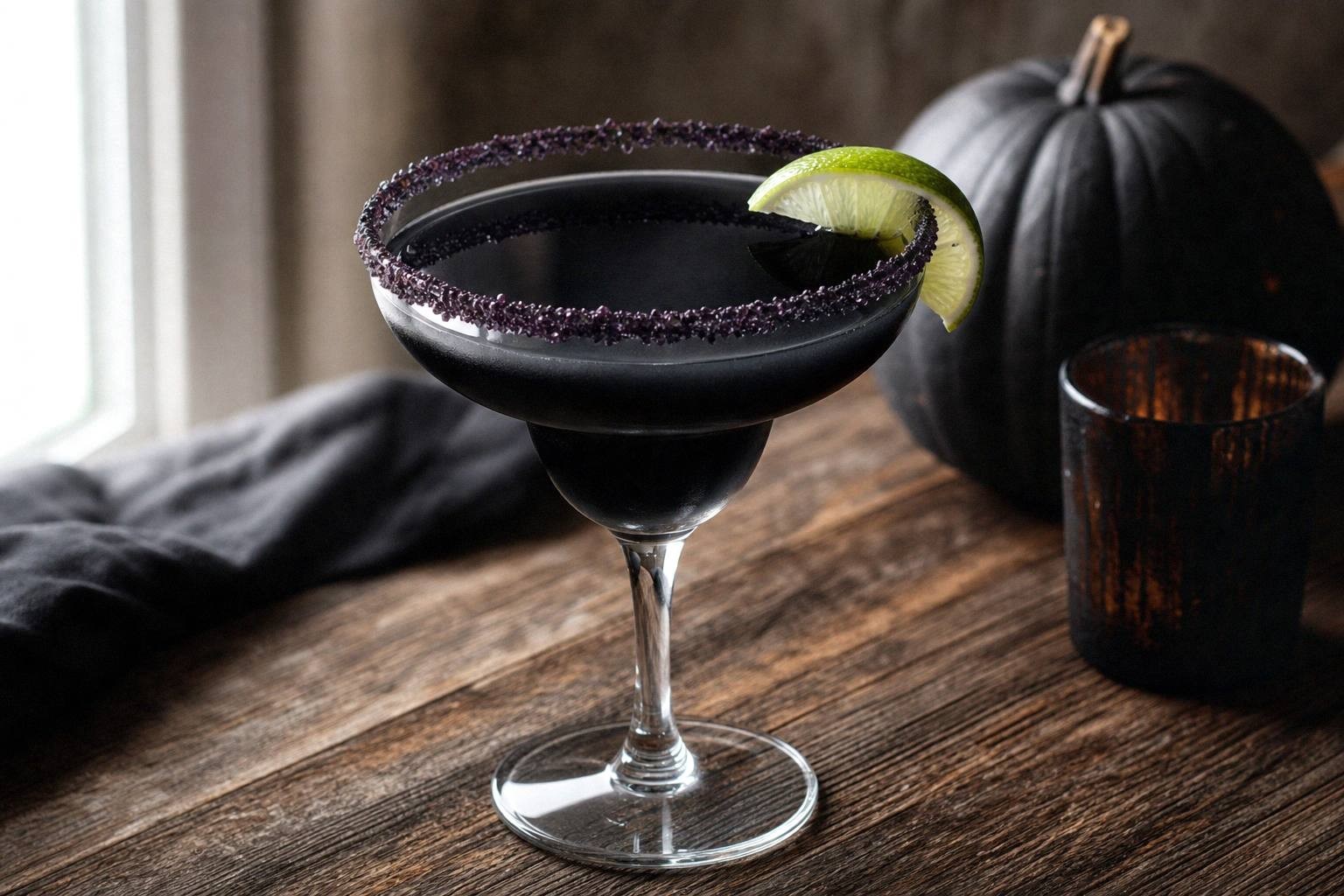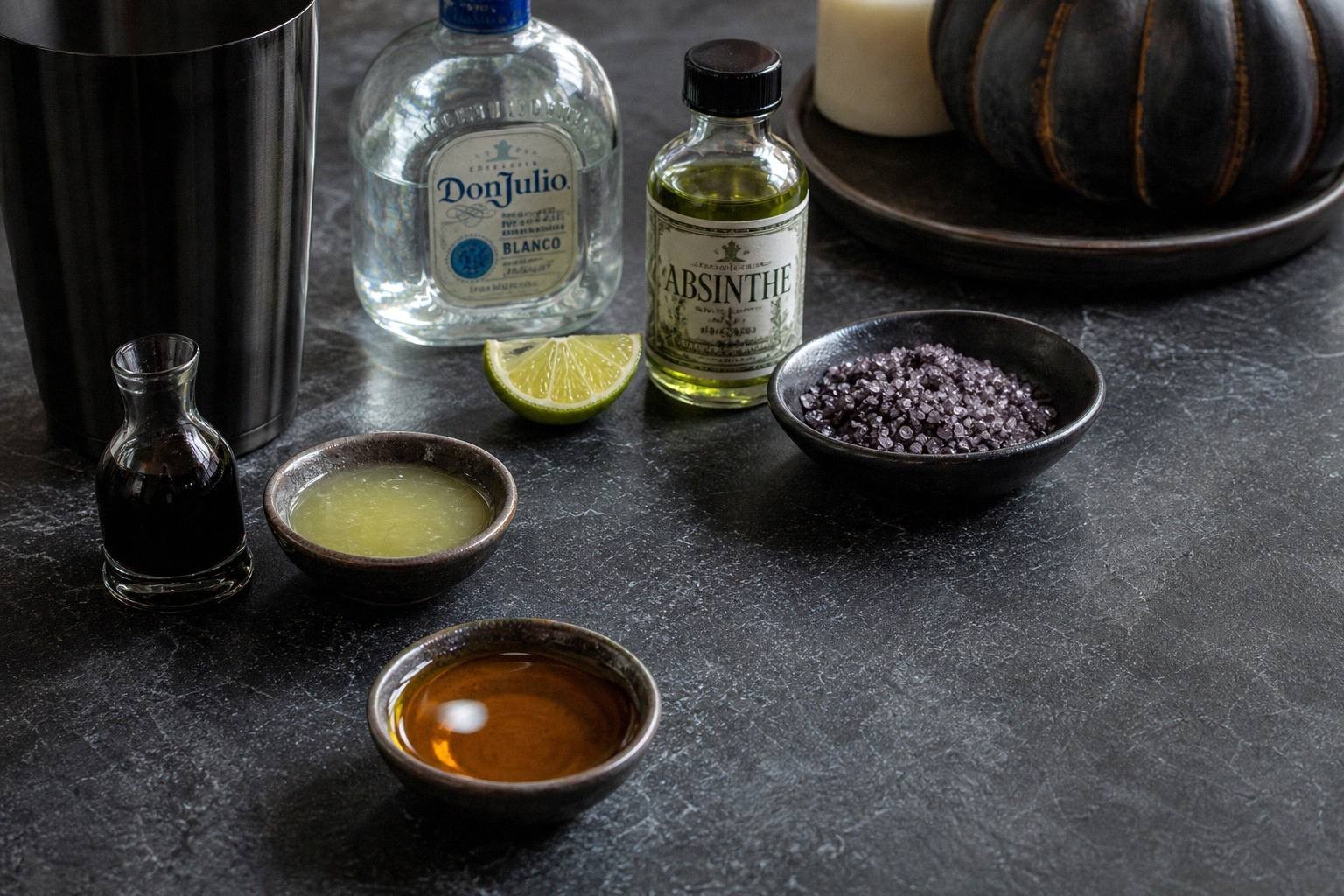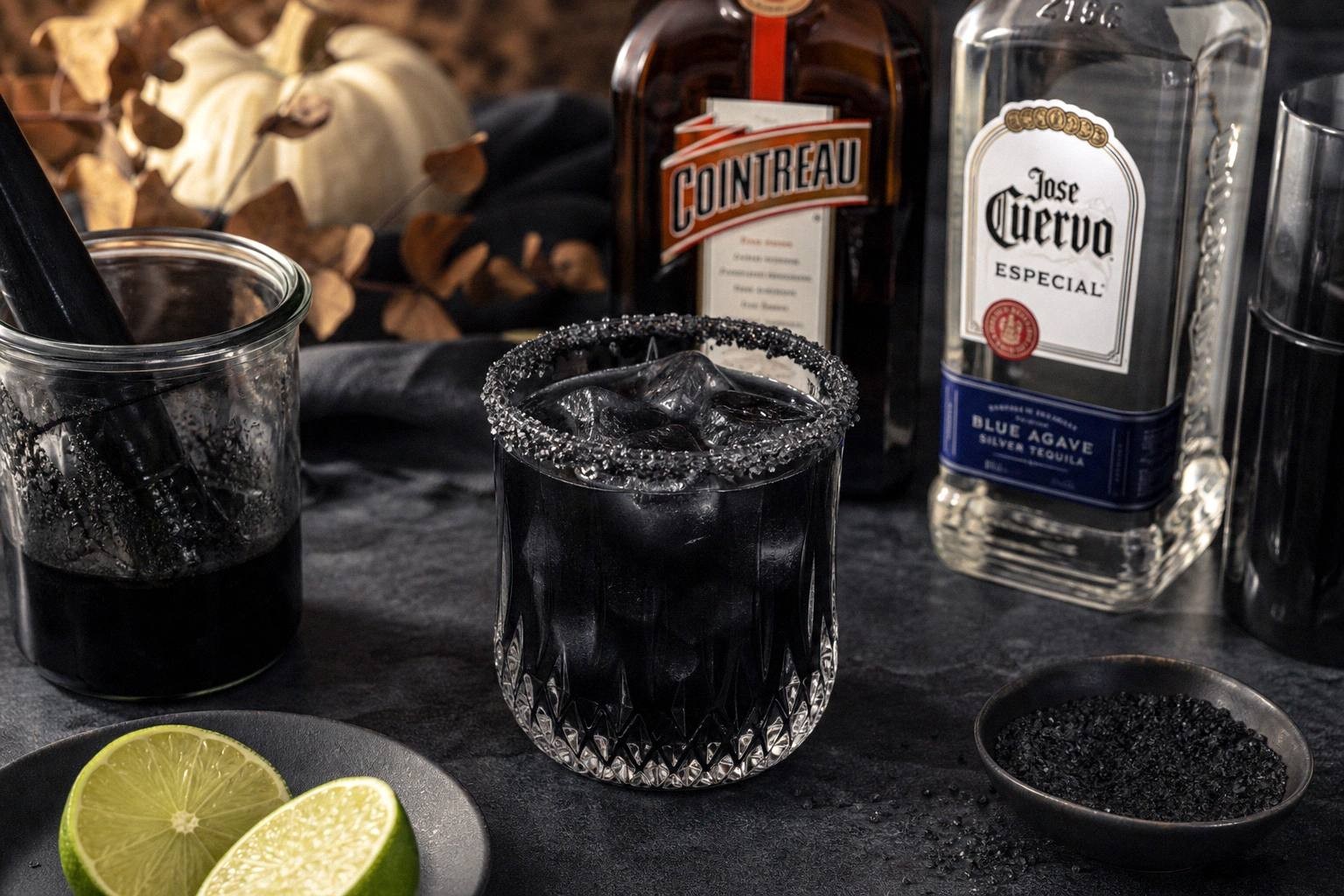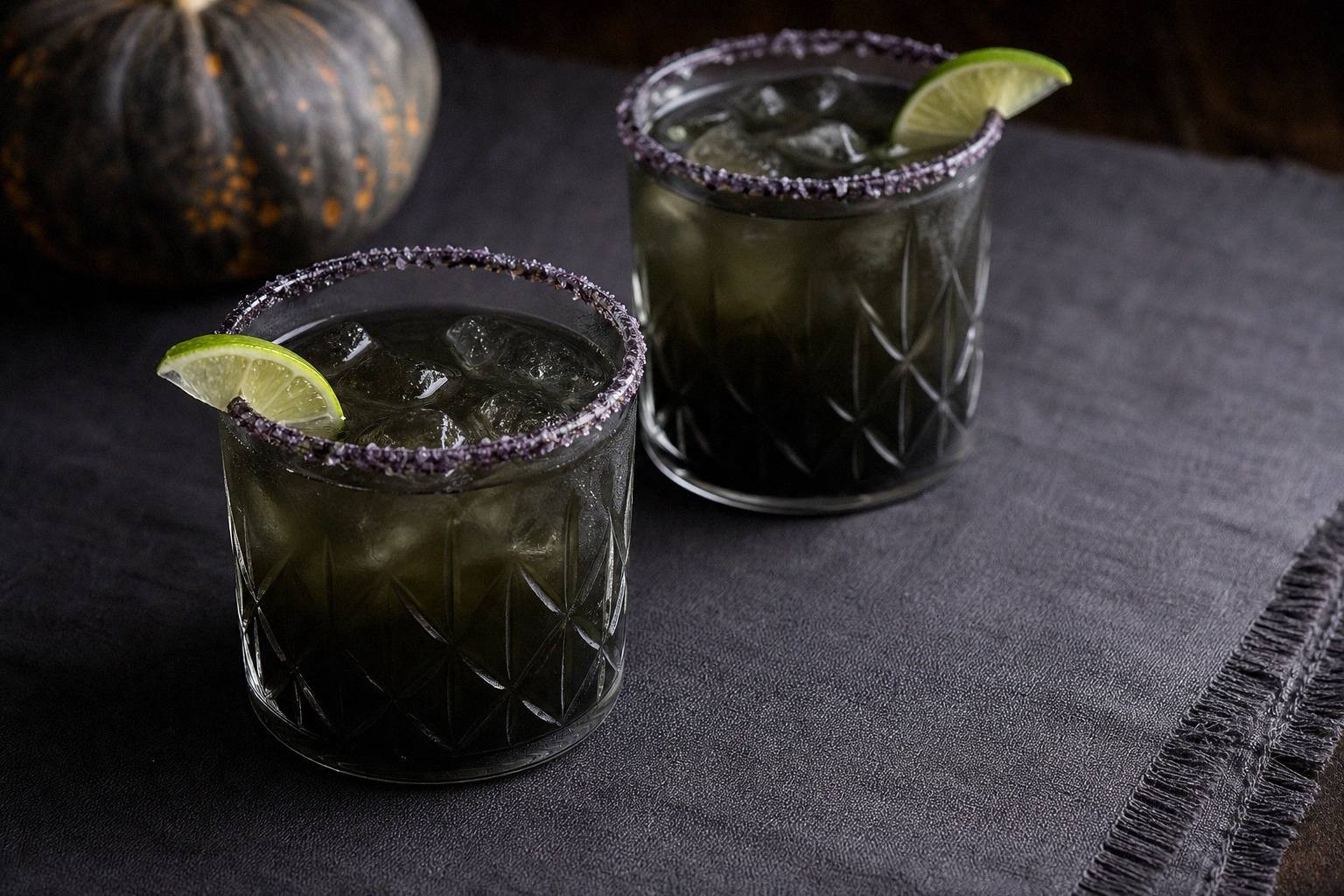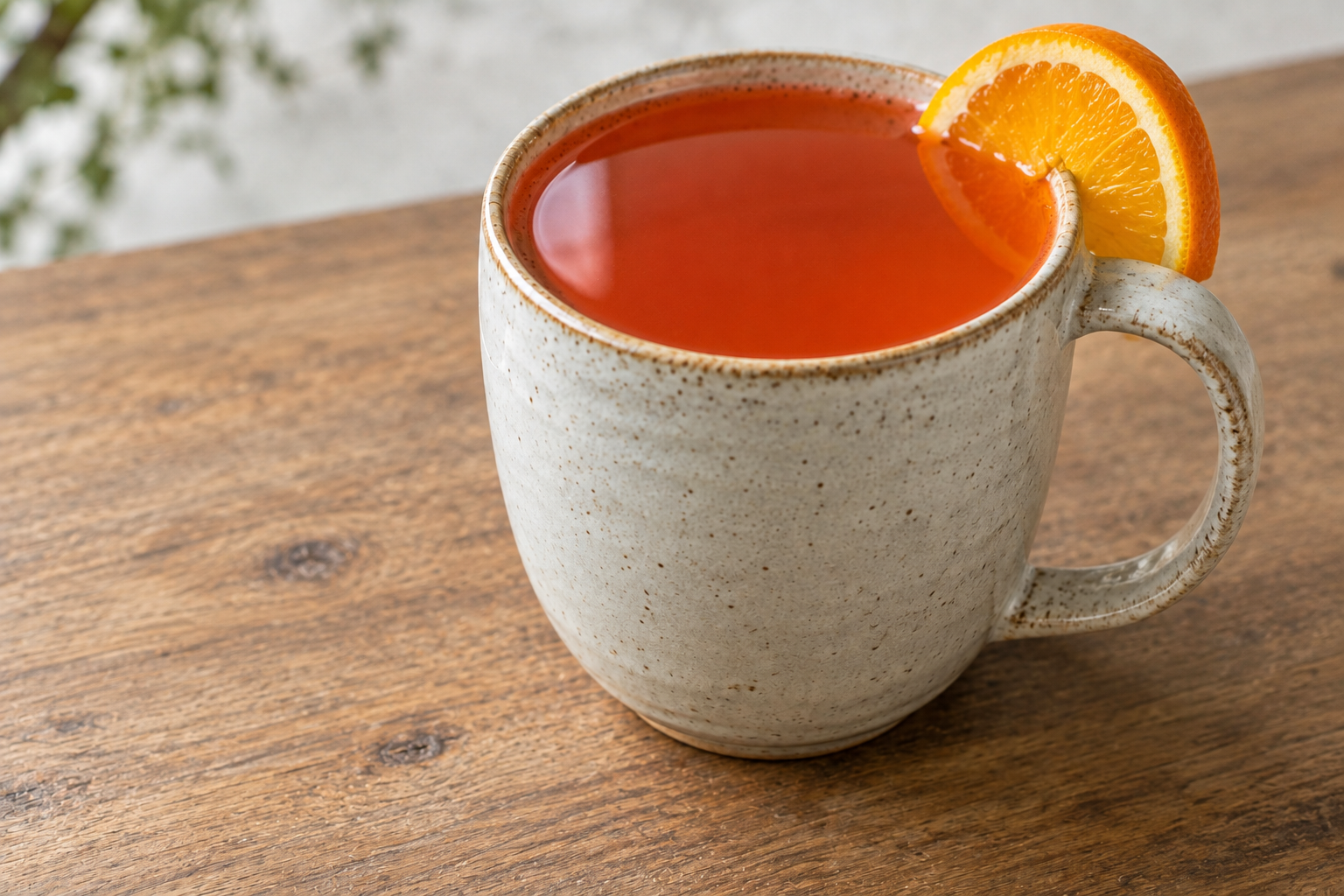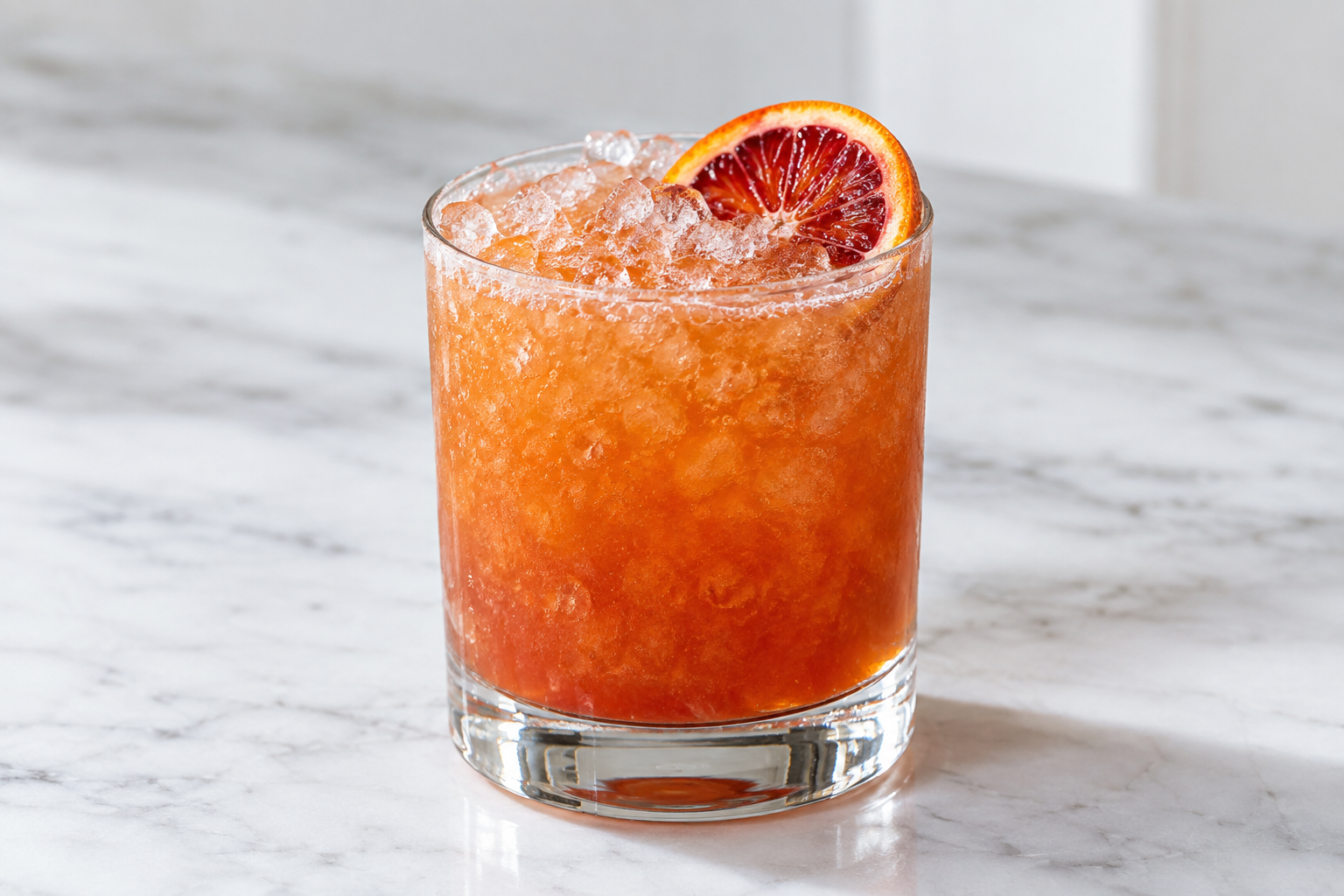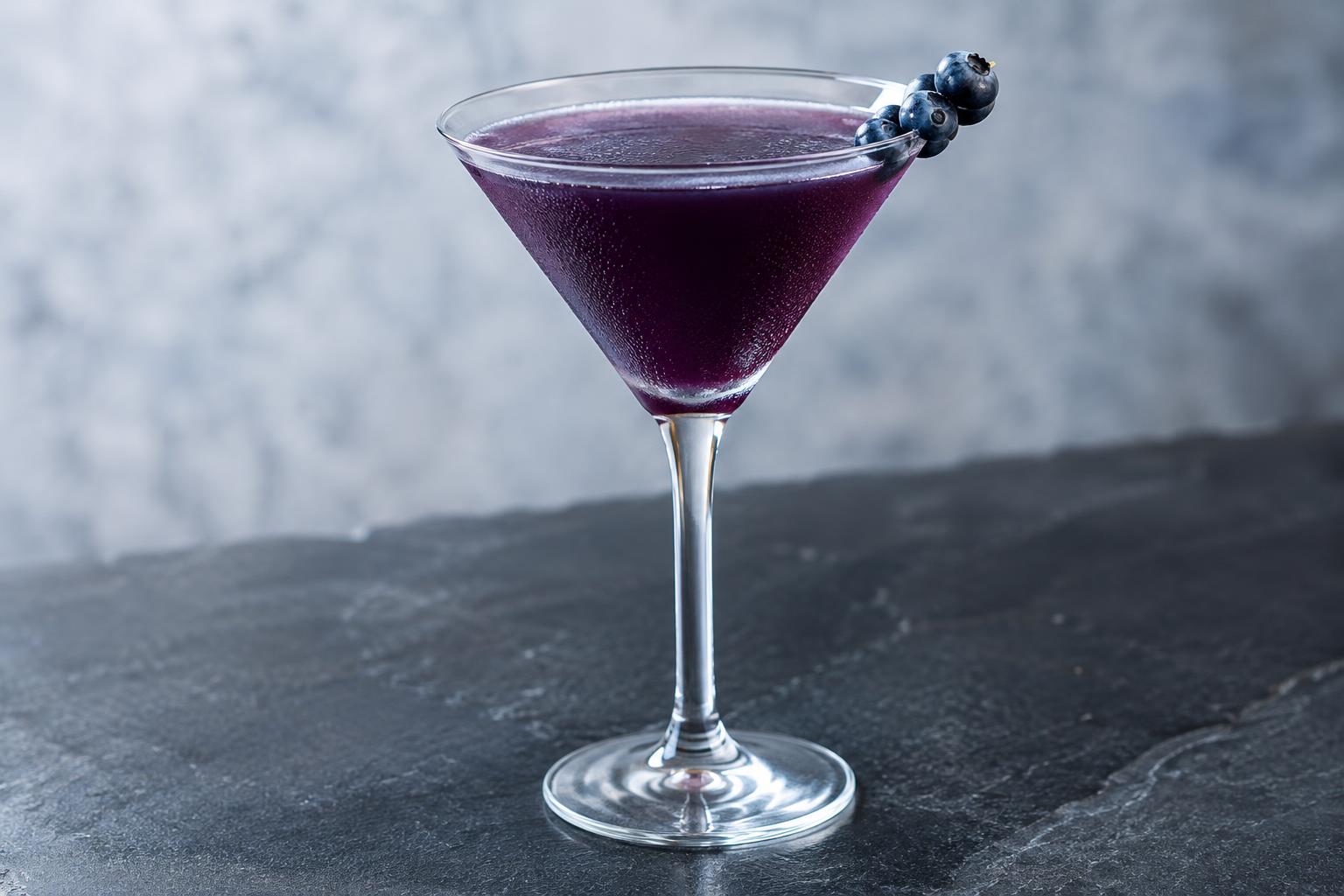
The former black margarita depended on activated charcoal. This repaired Halloween margarita keeps tequila, lime, agave and absinthe, and uses the source author’s permitted charcoal omission. It will be pale and may cloud when absinthe is diluted; it is no longer promised to be black.
Ingredients and Method
2 drinks; 3.5 fluid ounces each plus shake dilution. 5 minutes.
Ingredients
- 3 fluid ounces tequila blanco
- 1 fluid ounce absinthe
- 2 fluid ounces lime juice
- 1 fluid ounce agave nectar
- 1 tablespoon plain kosher salt for optional rims
- 1 washed lime wedge and 2 washed lime slices
- Ice for shaking and serving
Method
- For optional rims, wet two 10-fluid-ounce glass rims with the lime wedge, dip lightly in plain salt and discard used salt.
- Shake tequila, absinthe, lime juice and agave with ice for 15 seconds. Strain equally over fresh ice in the two glasses.
- Add one lime slice per glass and serve. Keep a prepared base at 40 F or below; use the day made. Do not add activated charcoal, black lava salt containing charcoal, craft glitter or dry ice.
Compared with Food Republic Black Magic Halloween Margarita . Activated charcoal can bind substances in the gut; Poison Control: Activated Charcoal does not establish an appropriate cocktail dose. The earlier capsules, increased charcoal for gray color and charcoal-containing rim directions are withdrawn.
Eight-drink pitcher
Combine 12 fluid ounces tequila, 4 fluid ounces absinthe, 8 fluid ounces lime juice and 4 fluid ounces agave, yielding 28 fluid ounces before shake dilution. Refrigerate covered at 40 F or below and use the day made. Shake 7 fluid ounces at a time with ice, split into two glasses, and repeat four times. Prepare 8 lime slices and use 4 tablespoons plain salt for optional rims. For 12 drinks multiply the two-drink ingredients by 6; for 16 multiply by 8. Ice is added per serving, not left melting in a pitcher.
Without absinthe
Replace the 1 fluid ounce absinthe in the two-drink recipe with 1 fluid ounce orange liqueur for citrus flavor, or 1 fluid ounce additional tequila. All other quantities and the 3.5 fluid-ounce serving size stay the same; alcohol strength depends on bottle proofs. Pastis is not an automatic same-proof replacement. For a weaker serving, replace 1 fluid ounce of the total spirits with 1 fluid ounce cold water. Extra lime does not remove alcohol.
Measured limeade alternative
For two alcohol-free drinks, combine 3 fluid ounces cold water, 2 fluid ounces lime juice and 1 fluid ounce agave. Divide 3 fluid ounces into each glass over ice, then add 1/2 fluid ounce orange juice and 1/2 fluid ounce sparkling water per glass. Makes two 4 fluid-ounce drinks before ice in 10 fluid-ounce glasses; 5 minutes. Use treated packaged juice and add fizz last. No supplements, charcoal or absinthe are included.
Rim, garnish and adjustments
Plain sugar may replace the tablespoon salt 1:1 for a sweeter rim; discard remnants that contacted wet rims. Lime is the specified garnish. A darker color is not a reason to add supplement powders, improvised salt pigments or glitter. To adjust a served drink, add 1 teaspoon agave or lime at a time; each adds 1/6 fluid ounce. No fixed two-day leftover life is claimed. Bottled lime juice can be used at the measured amount; select a food product rather than assuming every bottle tastes the same.
Measuring and Keeping Drinks Cold
Liquid ounces mean US fluid ounces, not weight. A US cup is 8 fluid ounces, a tablespoon is 1/2 fluid ounce and a teaspoon is 1/6 fluid ounce. Metric amounts are exact where used; a litre is about 4.23 US cups. Drink volumes exclude ice and fruit. Choose a glass with room for the stated liquid, ice and fizz.
Use clean equipment and wash produce under running water before cutting. Choose pasteurized or otherwise safety-treated packaged juices, food-grown culinary herbs and potable water. Follow opened-package instructions. A concentrate must be diluted according to its label unless explicitly measured as concentrate. For alcohol-free drinks, choose mixers labeled 0.0% alcohol; the name ginger beer or kombucha alone is no guarantee. Avoid alcoholic bitters and alcohol-containing extracts in strict alcohol-free versions.
Keep prepared bases, cut fruit and homemade syrups at 40 F (4 C) or below. Check serving liquid with a thermometer; frozen fruit alone cannot establish cold holding. Discard perishables after more than two cumulative hours without cold holding, or one hour above 90 F (32 C). Replace warm remnants with clean chilled pitchers. Normal smell or appearance does not prove safety.
Use homemade fruit/herb syrups and juice bases the day made, or freeze promptly in small portions after cooling; thaw in the refrigerator and use that day. This is a conservative house handling policy, not a tested shelf-life claim. Add carbonation at serving, outside a sealed shaker. For hot drinks, hold at 140 F (60 C) or above, cool leftovers promptly in shallow containers or an ice bath and refrigerate within the limits above. A slow cooker’s low or warm setting is not a temperature reading.
Keep rosemary , thyme, cinnamon sticks, vanilla pods and whole spices on the table after straining, rather than in serving glasses. Fresh food-grown mint or basil leaves and washed fruit slices can be edible garnishes. Use glass or an intact food-safe lined mug for acidic drinks; bare copper is unsuitable.
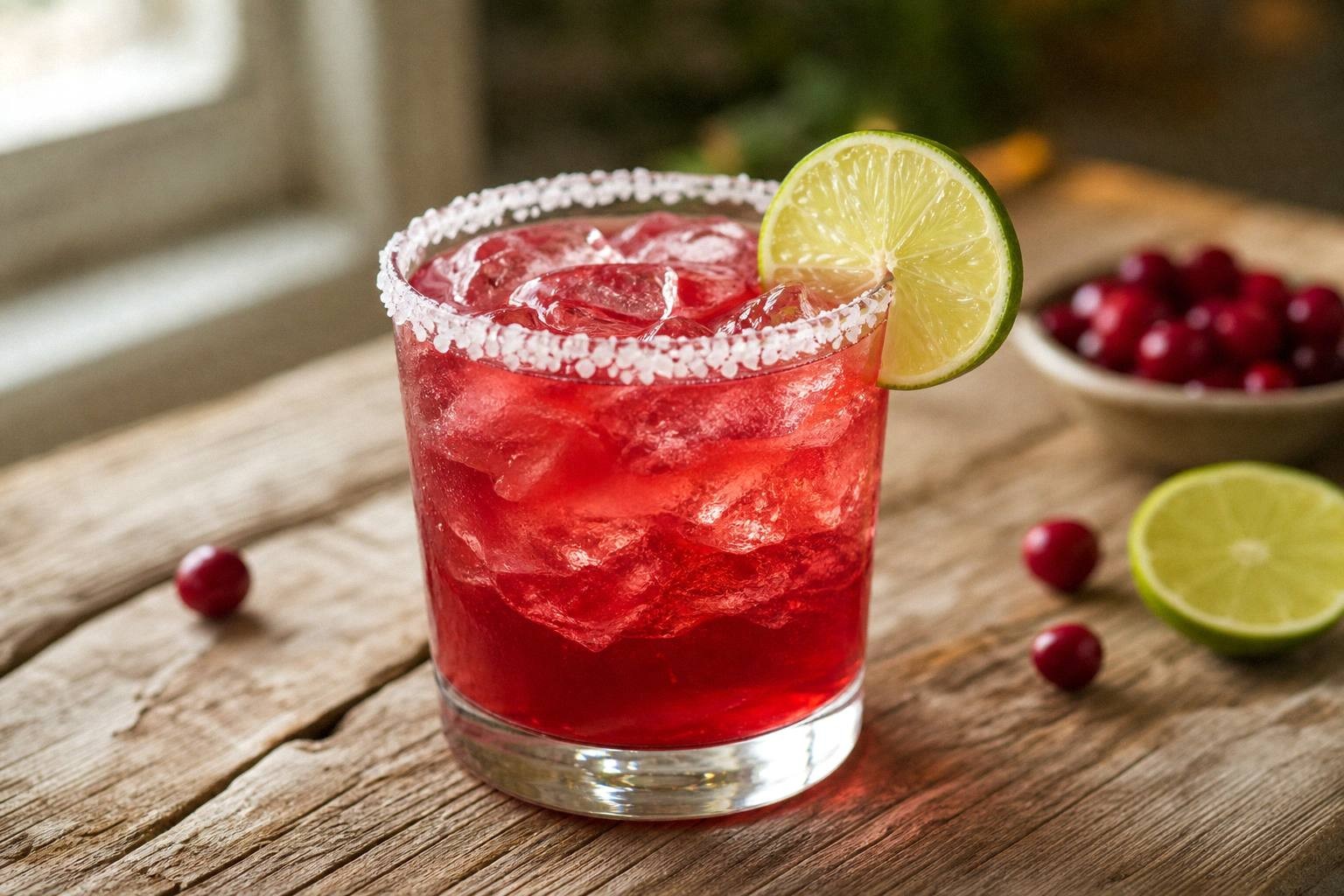
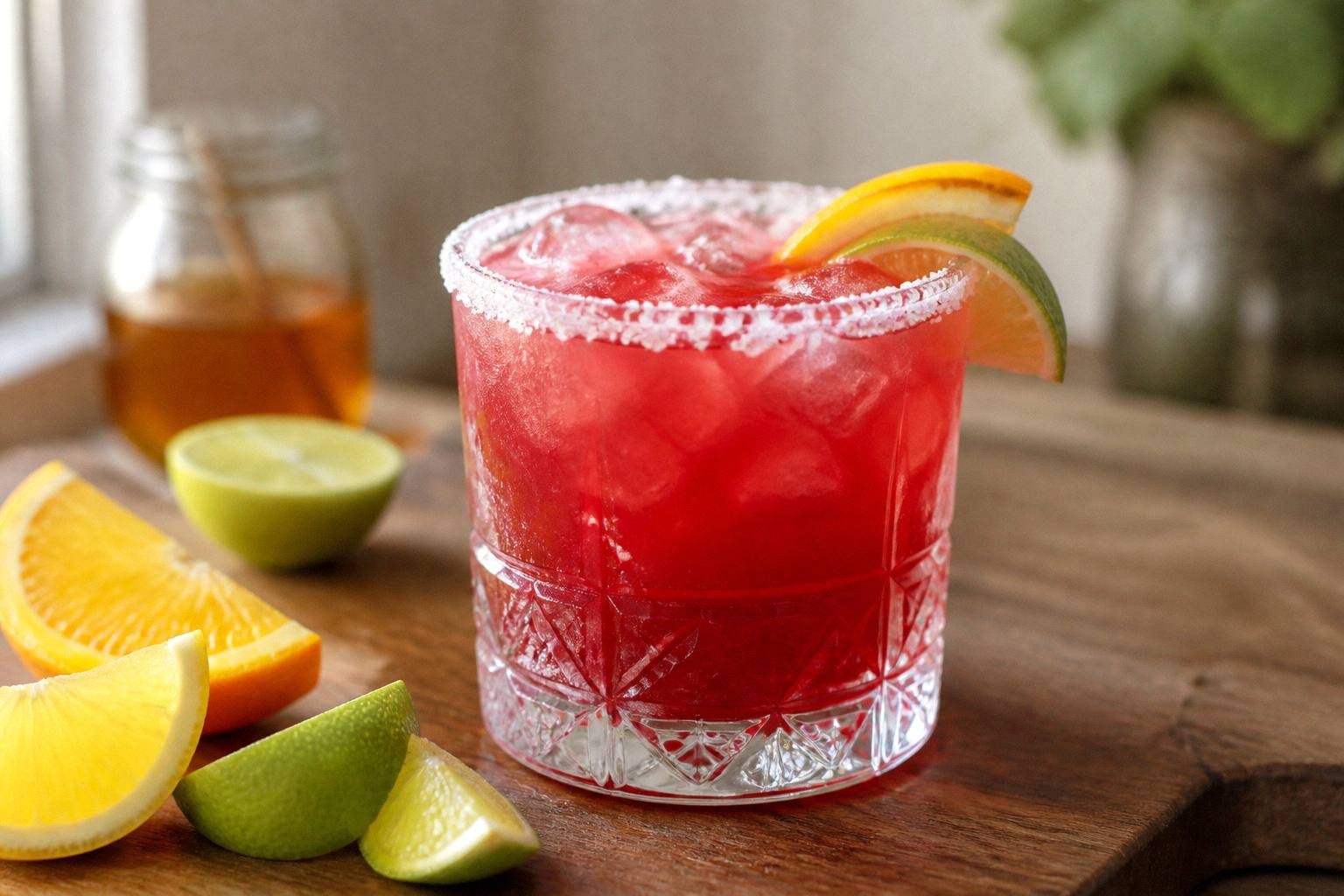
These formulas are culinary house adaptations compared with the cited methods. No kitchen, sensory, pathogen, clinical, pressure, alcohol or shelf-life testing is claimed. Images are retained illustrations and may depict the earlier recipe; ingredient lists and methods govern preparation.