This post contains paid Amazon links. I may earn a commission if you buy through them, at no extra cost to you. As an Amazon Associate I earn from qualifying purchases. Read the disclosure.
Five Bridgerton-inspired mocktails for your tea party with elderflower, lavender, rose, and hibiscus. Perfect for bridal showers and Easter brunch.
Why You Will Love This
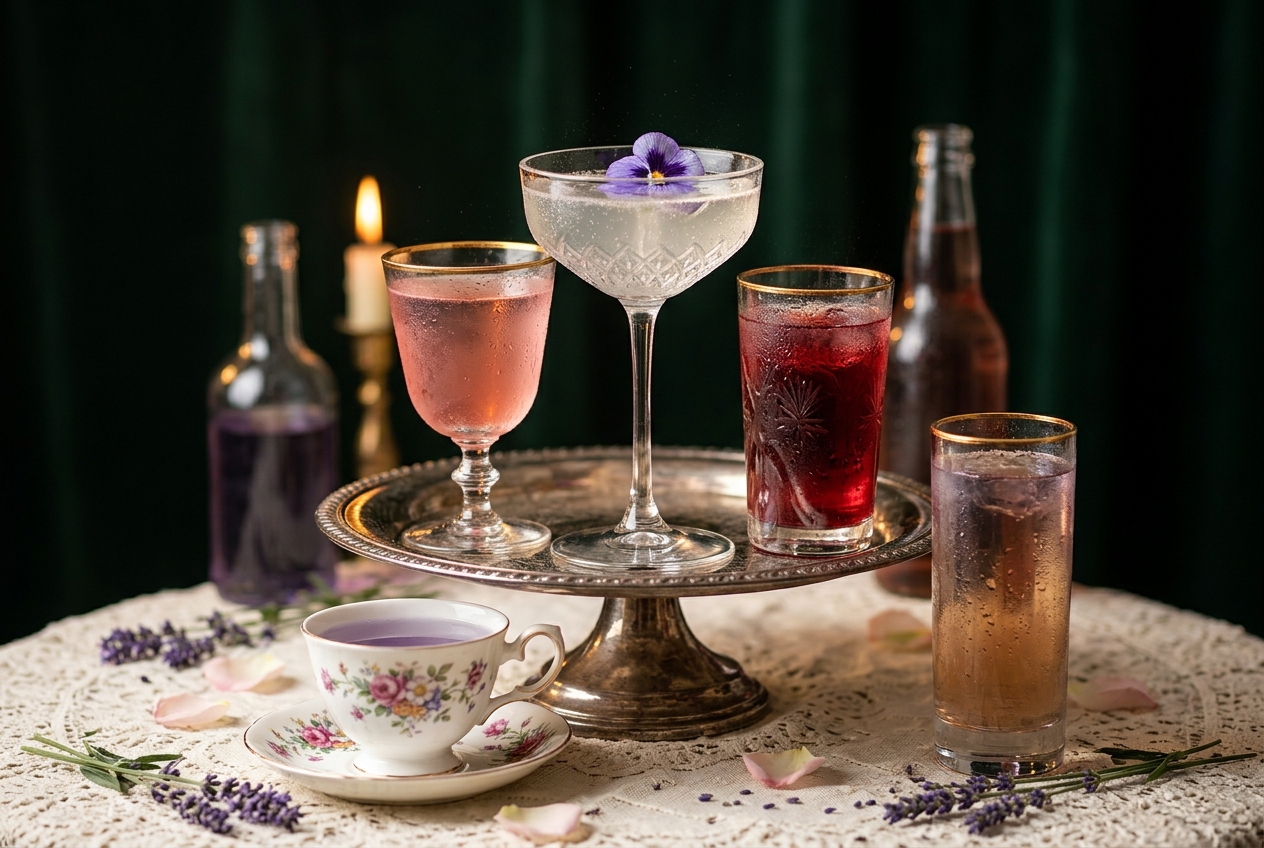
Five botanical mocktails that belong in Lady Danbury’s drawing room. Each recipe uses real floral syrups and quality teas, the kind of ingredients a Regency-era herbalist might have kept in her stillroom. The elderflower fizz tastes like spring in a coupe glass. The lavender white tea has that delicate, almost-perfumed quality that makes guests ask for the recipe.
These work for Easter brunch, bridal showers, or any afternoon when you want to feel like you stepped into a Bridgerton episode. Browse the full mocktails collection, or keep a pot from the herbal teas on the same table if some guests want something hot. No artificial flavors, no neon colors. Just flowers, tea, and sparkling things.
Quick Reference: All 5 Bridgerton Mocktails
| Mocktail | Base | Key Flavor | Prep Time | Glass | Best For |
|---|---|---|---|---|---|
| Lady Whistledown’s Elderflower Fizz | Sparkling water | Elderflower cordial, lemon | 2 min | Coupe | Welcome drink, toasts |
| The Duke’s Lavender White Tea | White tea (Silver Needle) | Lavender syrup, tonic | 5 min | Tall glass | Afternoon sipping |
| Daphne’s Strawberry Rose Refresher | Chamomile tea | Rose water, strawberry, ginger beer | 5 min | Wine glass | Main course pairing |
| Queen Charlotte’s Hibiscus Cooler | Black tea (Assam) | Hibiscus syrup, lime | 3 min | Highball | Bold flavor lovers |
| Penelope’s Violet Garden Cup | Jasmine tea | Violet syrup, cucumber | 3 min | Teacup | Gentle, garden-party vibe |
The Story Behind It
Regency England (1811-1820) saw the rise of the formal tea party as a social institution. Wealthy households served tea blended with bergamot (Earl Grey arrived around 1830), chamomile (Matricaria chamomilla) from kitchen gardens, and occasionally elderflower (Sambucus nigra) cordial made each June when the blooms appeared. Rose water came from apothecaries who distilled Rosa damascena for both medicinal and culinary use. The Bridgerton series on Netflix captures this era’s obsession with beauty, society, and ritual, and the tea table was the center of it all.
These five mocktails take that historical palette and add modern technique: proper dilution ratios, chilled tea instead of hot, sparkling water for texture. The violet syrup in Penelope’s Garden Cup references the Victorian language of flowers (violets meant faithfulness), though that trend peaked slightly after the Regency period.
Need homemade syrups for these drinks? Our botanical simple syrups guide covers 8 flavors, including lavender, rose, and hibiscus. And for a dedicated lavender simple syrup recipe, we have you covered.
What You Will Need
For Lady Whistledown’s Elderflower Fizz:
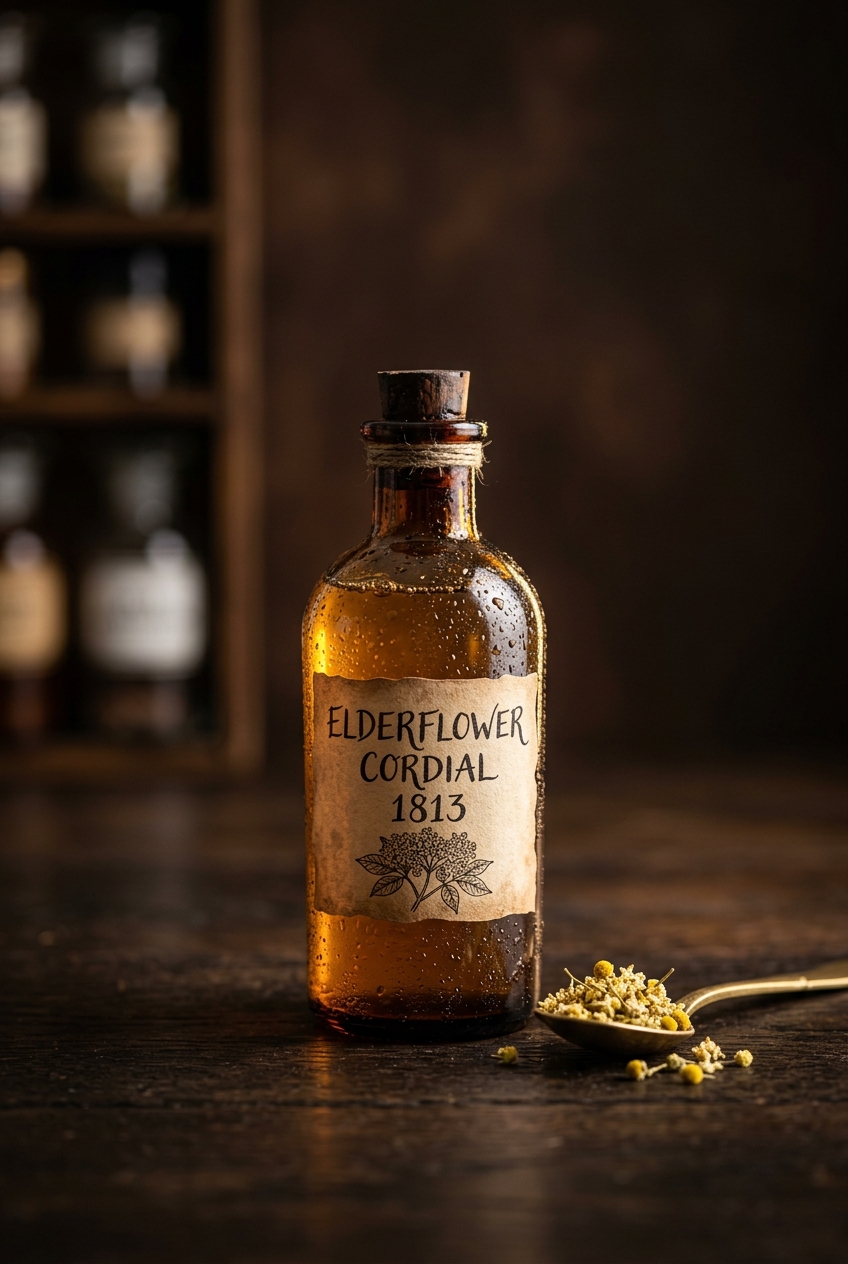
- 1 oz elderflower cordial (Belvoir or St. Germain-style)
- 4 oz sparkling water, chilled
- 1/2 oz fresh lemon juice
- Lemon twist and edible pansy for garnish
For The Duke’s Lavender White Tea:
- 1 oz lavender simple syrup (recipe below)
- 3 oz white tea (Silver Needle or Bai Mudan), steeped at 175°F for 3 minutes, cooled
- 2 oz tonic water
- Fresh lavender sprig
For Daphne’s Strawberry Rose Refresher:
- 6-8 fresh strawberries (about 4 oz)
- 1/2 oz food-grade rose water
- 1 oz honey (or 3/4 oz simple syrup)
- 3 oz chamomile tea, cooled
- 2 oz ginger beer
- Sliced strawberry and rose petal for garnish
For Queen Charlotte’s Hibiscus Cooler:
- 1 oz hibiscus syrup (recipe below)
- 3 oz black tea (Assam or Darjeeling), cooled
- 1 oz fresh lime juice
- Lime wheel and dried hibiscus flower
For Penelope’s Violet Garden Cup:
- 1 oz fresh cucumber juice (about 2 inches cucumber, blended and strained)
- 1/2 oz violet syrup (Monin or homemade)
- 4 oz jasmine tea, cooled
- Fresh mint leaves and violet petals
For Lavender Simple Syrup:
- 1 cup water
- 1 cup sugar
- 2 tablespoons dried culinary lavender
For Hibiscus Syrup:
- 1 cup water
- 1 cup sugar
- 1/4 cup dried hibiscus flowers
How to Make It
Prepare the Syrups (make 1-2 days ahead):
For lavender syrup: Bring water and sugar to a simmer. Remove from heat, add lavender, steep 20 minutes. Strain through fine-mesh sieve. Store refrigerated up to 2 weeks.
For hibiscus syrup: Simmer water, sugar, and hibiscus for 10 minutes until deep magenta. Strain. Refrigerated, this keeps 3 weeks.
Brew and Cool Teas:
- Brew each tea at proper temperature (white tea at 175°F for 3 minutes, black tea at 200°F for 4 minutes, chamomile and jasmine at 200°F for 5 minutes). Cool completely in refrigerator, at least 2 hours.
Build Each Mocktail:
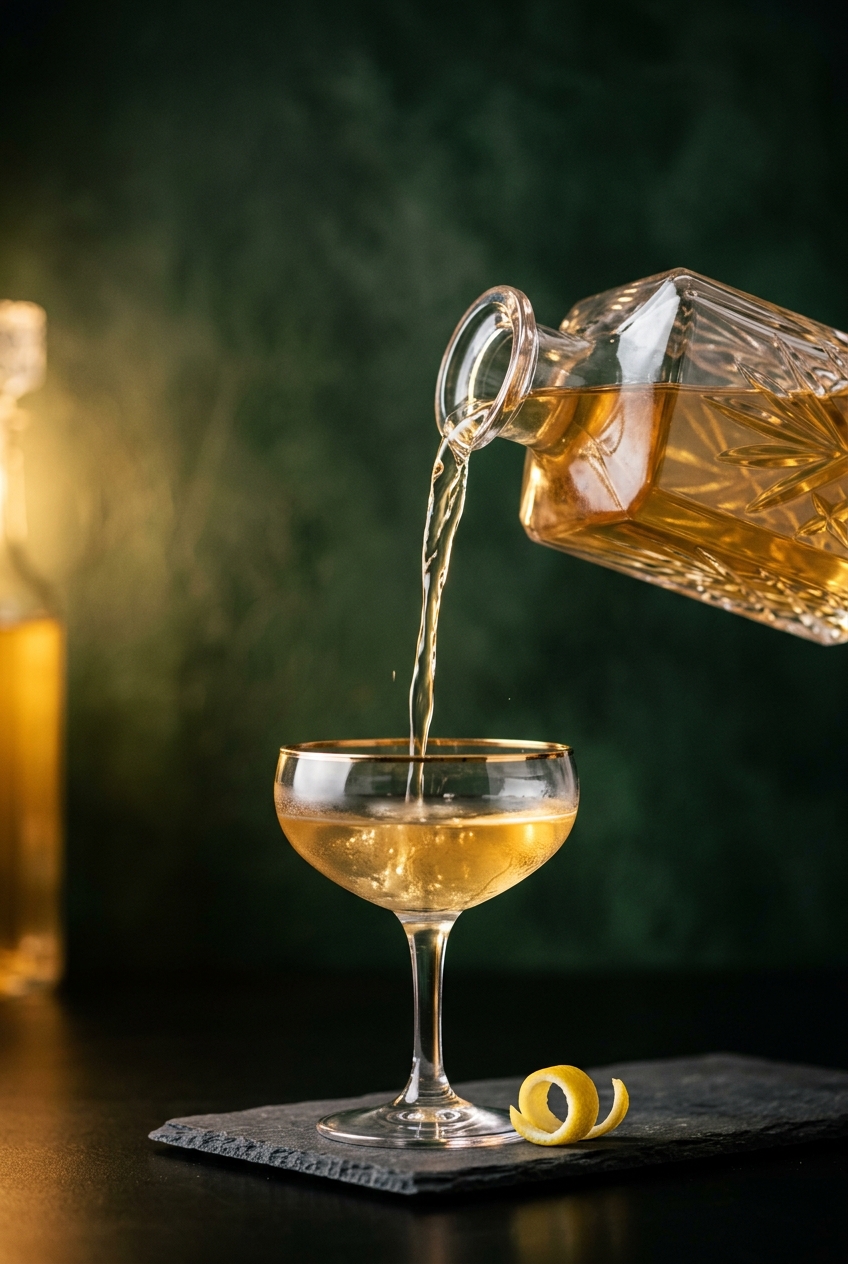
Lady Whistledown’s Elderflower Fizz: Pour elderflower cordial and lemon juice into a chilled coupe glass. Top with sparkling water. Express lemon twist over drink, drop in. Float edible pansy on surface.
The Duke’s Lavender White Tea: Fill tall glass with ice. Add lavender syrup and white tea, stir. Top with tonic water. Garnish with lavender sprig.
Daphne’s Strawberry Rose Refresher: In cocktail shaker, muddle 4 strawberries with rose water and honey until broken down. Add chamomile tea and ice, shake 15 seconds. Strain into wine glass over fresh ice. Top with ginger beer. Garnish with strawberry slice and rose petal.
Queen Charlotte’s Hibiscus Cooler: In highball glass with ice, combine hibiscus syrup, black tea, and lime juice. Stir gently for 10 seconds. Garnish with lime wheel and hibiscus flower.
Penelope’s Violet Garden Cup: In teacup or punch glass with ice, combine cucumber juice, violet syrup, and jasmine tea. Stir. Float mint leaves and violet petals on top.
Herbalist Notes
Elderflower (Sambucus nigra) has been used in European folk medicine since the 17th century for respiratory support. The cordial contains flavonoids that give it that characteristic honey-floral taste. That flavor is why a small pour reads as floral rather than sugary, and why the fizz needs nothing behind it but lemon and bubbles. Learn more about this botanical in our elderflower healing benefits guide, or try the classic elderflower cordial recipe (UK style).
Lavender (Lavandula angustifolia) contains linalool and linalyl acetate, the two compounds behind its scent. European folk practice has treated it as a calming herb for centuries. The amount in a mocktail is small, but the aromatic experience still signals relaxation to most people. For a deeper look at this herb, see our lavender healing benefits guide.
Rose water has been used in Persian and Ayurvedic traditions for over 2,000 years. Food-grade rose water (not the cosmetic kind) contains rose oil (Rosa damascena) at about 0.01-0.02%, which provides aroma without bitterness. In Unani medicine, rose is considered cooling and used in summer drinks to balance internal heat.
Chamomile (Matricaria chamomilla) appears in Daphne’s Strawberry Rose Refresher as the tea base. It has been used for centuries as a calming digestive aid. Read more in our chamomile health benefits guide.
Hibiscus (Hibiscus sabdariffa) gives Queen Charlotte’s Cooler its deep magenta color. The anthocyanins that make it that colour also make it tart, in a cranberry-like way that keeps the sweetness in check.
When to Serve Bridgerton Mocktails
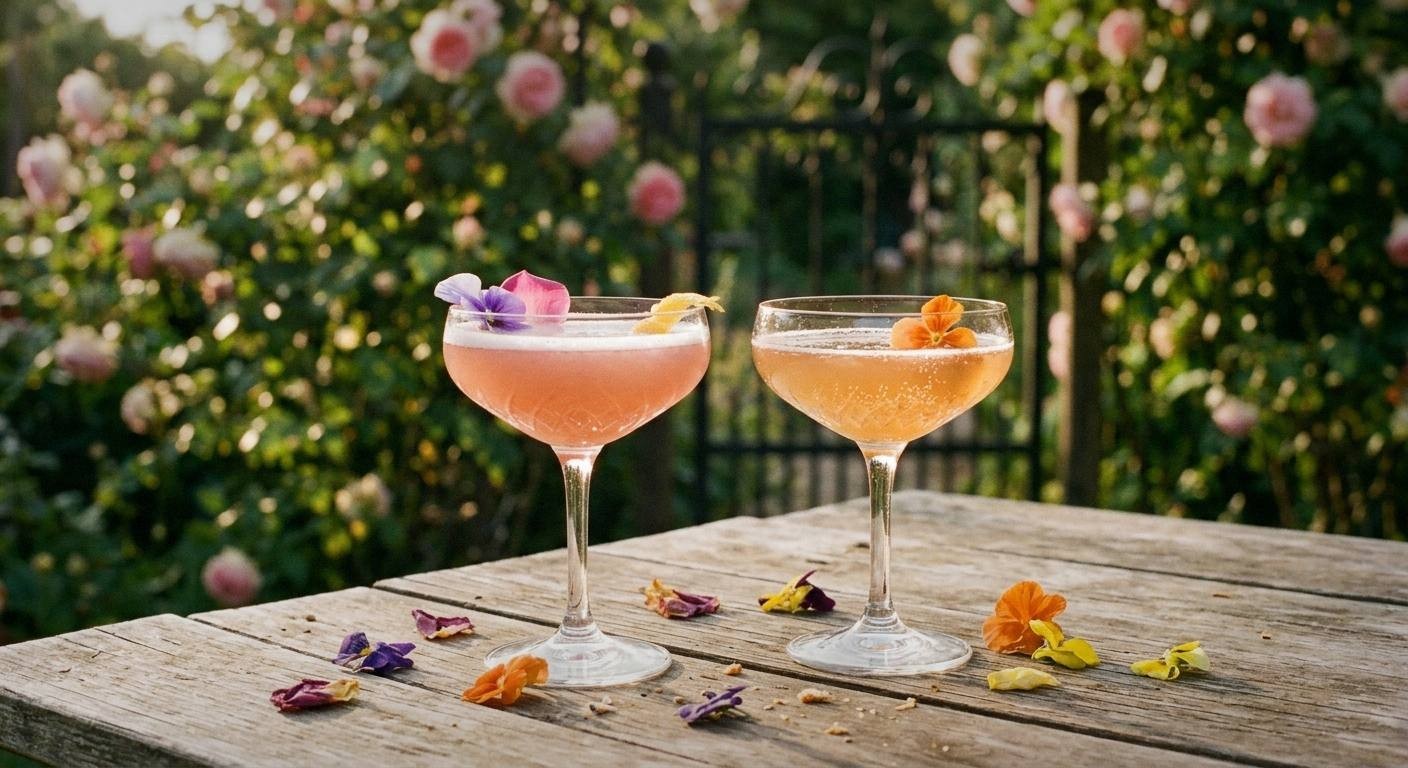
These botanical drinks fit any spring or summer gathering. Here are the occasions they work best:
- Easter brunch - The elderflower fizz and strawberry rose refresher match the season. See more ideas in our Easter mocktail recipes for adults.
- Bridal showers - Elegant enough for the occasion without being fussy. Our wedding shower mocktails guide has 10 more options.
- Mother’s Day - The lavender white tea and violet garden cup feel like a gift. See our Mother’s Day mocktails for more.
- Book club meetings - Especially if you are reading Bridgerton or any Regency romance.
- Afternoon tea parties - Serve all five as a tasting flight with finger sandwiches and scones.
- Baby showers - Every recipe is alcohol-free. Our mocktails for pregnancy guide has safety notes.
Make It Your Own
Swap the white tea in the lavender recipe for oolong if you want a slightly roasted, fuller flavor. Use champagne flutes instead of coupes for the elderflower fizz at formal events.
For larger parties, batch the strawberry rose refresher: muddle 2 cups strawberries with 4 oz rose water and 8 oz honey, strain through cheesecloth, combine with 24 oz chamomile tea in a pitcher. Guests add ice and top with ginger beer themselves. This works for 8-10 servings. For more batch recipes, check our best party mocktails for any occasion.
The violet syrup in Penelope’s Garden Cup can be replaced with crème de violette (the liqueur) if you’re making a traditional version for guests who drink alcohol. Otherwise, make violet syrup by steeping 1/2 cup dried violets in simple syrup for 30 minutes. The rhubarb rose cooler makes a great sixth drink if you want to extend the menu with another floral option.
Glassware and Serving Pieces for a Tea Table
Affiliate note: Links below are Amazon Associate links with my tag fabledetheric-20. If you buy through them, I may earn a commission at no extra cost to you. Every product here is already on our live bar cart essentials or bar cart accessories pages. No filler gadgets.
Bridgerton mocktails read best in clear glass with a soft pour. Coupes for the floral drinks, a pitcher or carafes for a self-serve tray, and one tray so the table stays composed.
Qipecedm ribbed coupe glasses (set of 4)
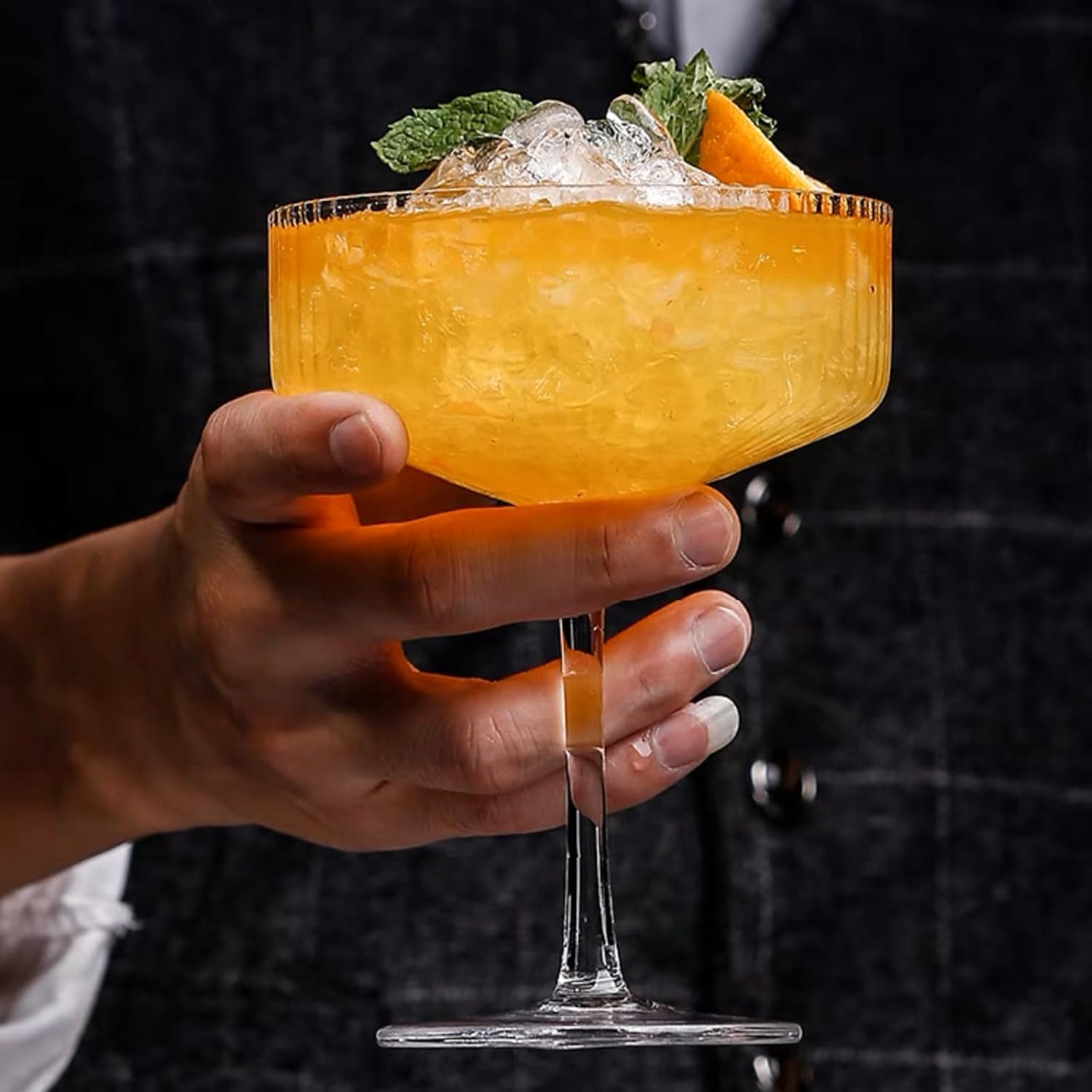
Ribbed glass catches light the way a tea-party table wants. At 10 ounces they hold a floral mocktail without looking like a thimble.
See the ribbed coupes on Amazon
Bivvclaz 68-ounce glass pitcher

Batch one floral base ahead, chill with the lid on, and let guests pour. Keeps you out of the kitchen during the toast.
See the Bivvclaz pitcher on Amazon
NETANY glass carafes with lids (set of 4)

When you want several smaller bases (lavender, elderflower, hibiscus) instead of one big pitcher, lidded carafes keep flavors separate and still look intentional.
See the NETANY carafes on Amazon
Acacia wood serving tray (17 in.)

Carry coupes, carafes, and garnish in one pass from kitchen to table. Handles matter when the tray is full.
Common Questions
What drinks do you serve at a Bridgerton tea party?
If you want historically accurate: black tea with milk and sugar, chamomile or mint tisanes, lemonade, and elderflower cordial diluted with still or sparkling water. Wealthier households served orgeat (almond syrup with water), ratafia (fruit cordials), and occasionally syllabub, a milk-wine mixture that wouldn’t quite work as a mocktail. These five recipes take that same Regency palette and add what they didn’t have: proper dilution ratios, chilled tea, and ice. Ice was expensive and rare in the early 1800s, which means any iced drink at your party is already more luxurious than what Lady Danbury served.
How do you make elegant non-alcoholic drinks for a party?
Glassware does most of the work. A coupe glass or vintage teacup makes even sparkling water look intentional. After that, focus on clarity: strain well, use fresh citrus juice within 2 hours of squeezing, and chill everything before building. Garnish with things that match the drink (rose petal on the rose drink, not a random orange wheel). For these Bridgerton mocktails, a silver tray and some fresh flowers create the whole atmosphere. No complicated techniques needed.
What are the best mocktails for spring entertaining?
Floral and citrus-forward recipes work best because they match seasonal ingredients available March through May. Elderflower peaks in late May and June in Europe and North America. Strawberries arrive in April in warmer regions. Lavender blooms May through July. These five recipes use those spring botanicals plus teas that pair with lighter, brighter flavors. The hibiscus cooler is slightly tart and works well for Easter brunch when guests want something refreshing but not too sweet.
Can I make these mocktails ahead of time for a party?
Mostly, yes. Brew and cool all teas 1-2 days ahead. Make syrups up to 2 weeks ahead. Juice citrus and cucumber the morning of your event since both oxidize within 4-6 hours and lose their brightness. Build individual drinks as guests arrive, or set up a self-serve station with labeled bottles and a garnish tray. One thing you cannot do ahead: pre-mix anything with sparkling water or tonic. It goes flat. The strawberry rose refresher batches well without the ginger beer, which guests top off themselves.
Where can I find edible flowers and violet syrup?
Edible flowers (pansies, violets, rose petals) are available at Whole Foods, specialty grocers, and farmers markets from March through October. Make sure they’re labeled “edible” and pesticide-free. Never use flowers from florists or garden centers, which are treated with chemicals. Violet syrup is sold by Monin, Torani, and specialty cocktail suppliers like Small Hand Foods. You can also make it by steeping 1/2 cup dried violets (from Mountain Rose Herbs or similar) in 1 cup hot simple syrup for 30 minutes, then straining.
Printable recipe
Bridgerton Tea Party Mocktails: 5 Elegant Recipes
Five Bridgerton-inspired mocktails for your tea party with elderflower, lavender, rose, and hibiscus. Perfect for bridal showers and Easter brunch.
Ingredients
- 1 oz elderflower cordial
- 4 oz sparkling water
- 1/2 oz fresh lemon juice
- 1 oz lavender simple syrup
- 3 oz white tea, cooled
- 2 oz tonic water
- 6-8 fresh strawberries
- 1/2 oz rose water
- 1 oz honey
- 3 oz chamomile tea, cooled
- 2 oz ginger beer
- 1 oz hibiscus syrup
- 3 oz black tea, cooled
- 1 oz lime juice
- 1 oz cucumber juice
- 1/2 oz violet syrup
- 4 oz jasmine tea, cooled
- edible flowers (pansies, violets, rose petals)
- fresh herbs (mint, lemon verbena)
- ice
Instructions
- For Lady Whistledown's Elderflower Fizz: Combine elderflower cordial and lemon juice in a coupe glass. Top with chilled sparkling water. Garnish with a lemon twist and edible pansy.
- For The Duke's Lavender White Tea: Steep white tea for 3 minutes at 175°F, cool completely. In a tall glass with ice, combine lavender syrup and cooled white tea. Top with tonic water. Garnish with fresh lavender sprig.
- For Daphne's Strawberry Rose Refresher: Muddle 4 strawberries with rose water and honey in a shaker. Add chamomile tea and ice, shake 15 seconds. Strain into a wine glass over fresh ice. Top with ginger beer. Garnish with sliced strawberry and rose petal.
- For Queen Charlotte's Hibiscus Cooler: Combine hibiscus syrup, black tea, and lime juice in a highball glass with ice. Stir gently. Garnish with lime wheel and dried hibiscus flower.
- For Penelope's Violet Garden Cup: Combine cucumber juice, violet syrup, and jasmine tea in a teacup or punch glass with ice. Stir. Float fresh mint leaves and violet petals on top.
Keep browsing
Turn this into the next thing you make
Camille writes about botanical drinks, herbal cocktails, and the old plant wisdom that makes them work. Most days you'll find her in the garden or the kitchen, turning herbs into something worth sipping.