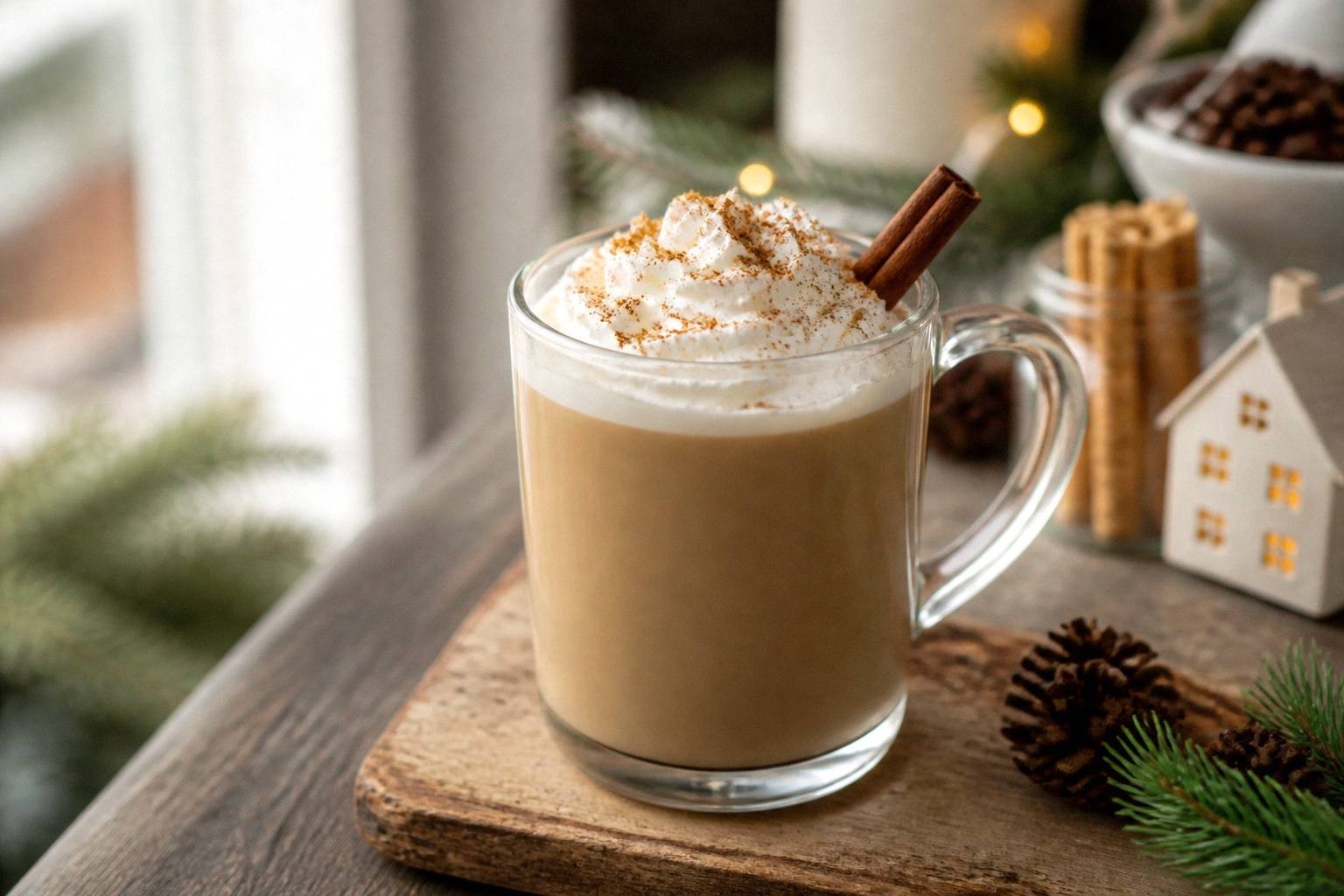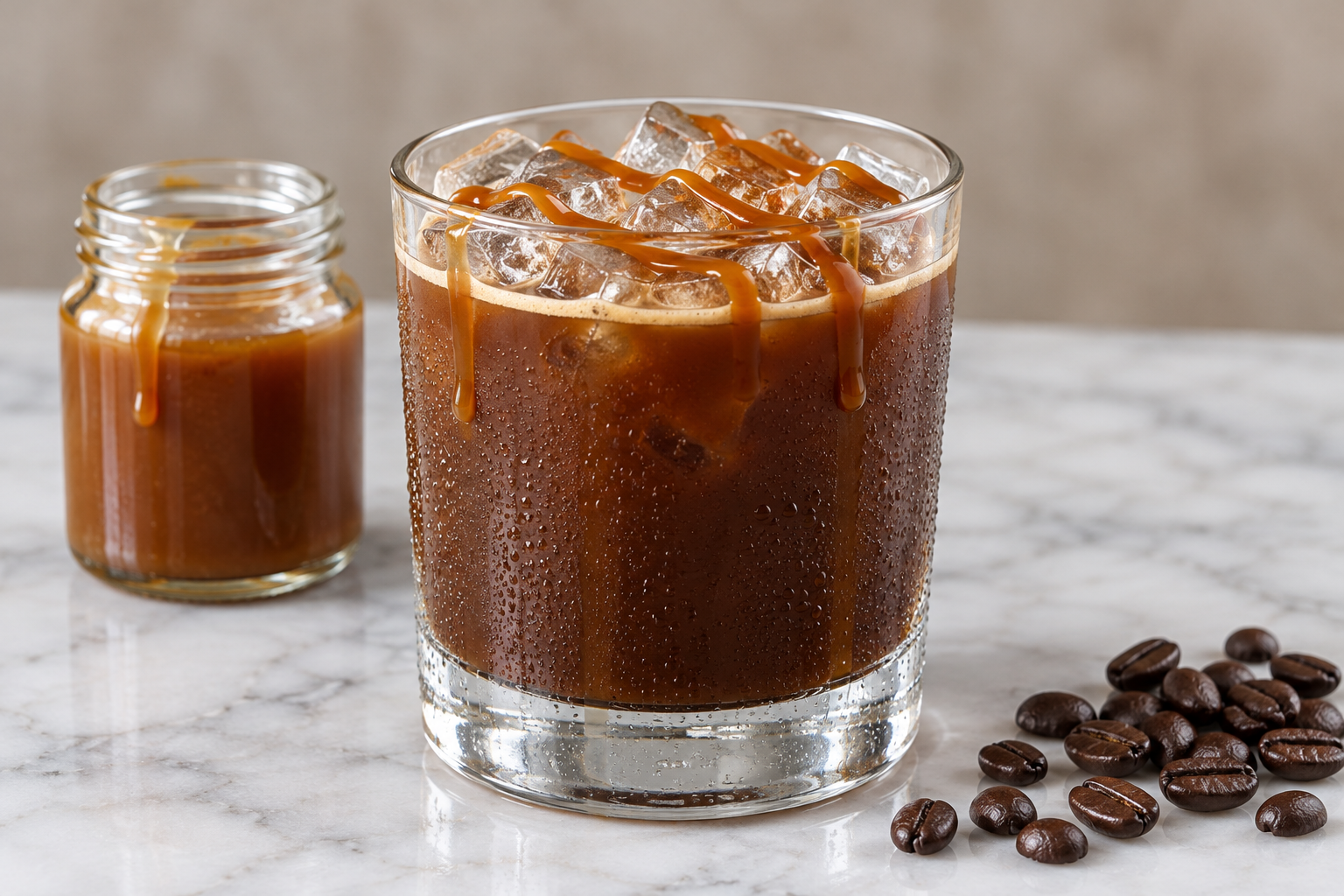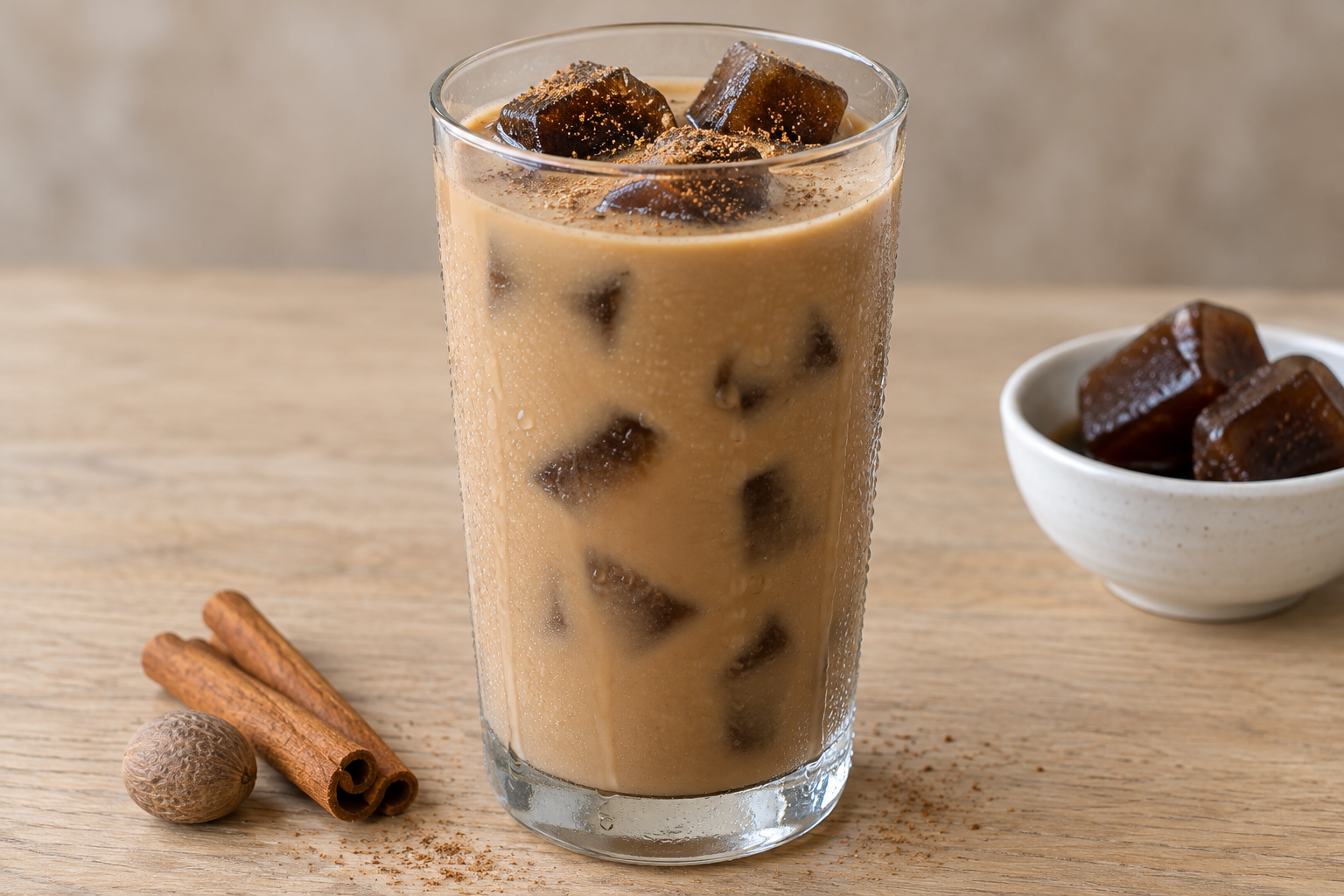

A carajillo is a Spanish coffee cocktail that shakes hot espresso with Licor 43 over ice until the drink turns frothy and cold. The vanilla and citrus notes in the liqueur soften the espresso’s bitterness, and the hard shake creates a layer of foam that clings to the glass. You end up with a drink that tastes like dessert but still carries the caffeine kick of a double shot.
What Makes a Carajillo Work

The drink relies on the contrast between hot espresso and cold ice. When you shake hot liquid hard over ice, the temperature drop happens fast enough that the espresso’s oils emulsify into a foam instead of separating. That foam is what gives the drink its texture.
Licor 43 is a Spanish liqueur with a vanilla base and citrus undertones. It’s sweet enough to balance espresso’s bitterness without turning the drink into a syrup bomb. The liqueur sits at 31% alcohol, so a two-ounce pour gives you a drink that’s strong but not punishing.
The orange peel garnish isn’t decoration. When you express the oils over the surface, they land on the foam and amplify the citrus notes already in the Licor 43. Skip it if you want, but the drink tastes more complete with it.
Ingredients

- 2 oz Licor 43
- 2 oz Hot Espresso
- Garnish: Orange twist (optional)
Instructions

- Pour the hot espresso and Licor 43 into a shaker with ice and shake hard until it gets frothy
- Strain into a rocks glass over fresh ice
- If you like, express an orange peel over the top
What to Buy and What to Skip
| Ingredient | Recommended | Why It Matters | Substitutes |
|---|---|---|---|
| Licor 43 | Yes, use the real thing | Vanilla flavor is more complex than vanilla vodka or simple syrup, citrus notes are built in. $25 for 750 ml makes about 12 drinks | Tuaca works (more orange-forward). Avoid Kahlúa or coffee liqueurs |
| Espresso | Double shot from espresso machine or moka pot | Crema creates the foam texture when shaken. Drip coffee and French press don’t produce crema | Cold brew concentrate: 1 1/2 oz concentrate + 1/2 oz water. Smoother, less bright, thinner foam |
| Ice | Cubed ice | Crushed ice melts too fast and waters down the drink | None |
Common Problems and How to Fix Them
- The drink tastes watery: You shook it too long or used crushed ice. Shake for 15 seconds with cubed ice, not longer.
- There’s no foam on top: The espresso was too cool when you shook it, or you didn’t shake hard enough. The espresso should still be hot to the touch, and you need to shake with enough force that the ice breaks into smaller pieces.
- The drink is too bitter: Your espresso was over-extracted or you used a dark roast. Try a medium roast or add an extra half-ounce of Licor 43.
- The shaker lid popped off: The espresso was too hot and created steam pressure. Let the shot cool for a full minute before adding it to the shaker, and don’t seal the shaker until the espresso is in.
- The foam disappears in 30 seconds: Your espresso was stale or the beans were pre-ground. Fresh beans ground right before pulling the shot produce more stable crema. Espresso older than 10 minutes loses the oils that create lasting foam.
Shaken vs Layered
| Method | How to Make It | Texture | Flavor | Best For |
|---|---|---|---|---|
| Shaken | Shake espresso and Licor 43 with ice for 15 seconds, strain over fresh ice | Cold, frothy, thick foam on top | Fully mixed, balanced throughout | Most bars serve this version. Easier to drink, better texture |
| Layered (carajillo puesto) | Pour Licor 43 over ice first, then slowly pour hot espresso over the back of a spoon so it floats | No foam, espresso cools fast on ice | Separated layers, taste espresso first then liqueur | Looks impressive in a clear glass but harder to drink |
Variations Worth Trying
For a stronger drink, swap half the Licor 43 for bourbon or dark rum. The vanilla in the liqueur still softens the espresso, but the base spirit adds weight. Use 1 oz Licor 43 and 1 oz bourbon, then follow the same method.
If you want less sweetness, cut the Licor 43 to 1 1/2 oz and add 1/2 oz of orange liqueur like Cointreau. The drink stays balanced but tastes more citrus-forward.
For a batch version, multiply the ingredients by the number of servings and mix everything except the ice in a pitcher. Store it in the fridge for up to 4 hours. When you’re ready to serve, shake individual portions with ice rather than trying to shake the whole batch at once.
A Mexican carajillo uses Licor 43 but adds a pinch of cinnamon to the shaker before you strain. The spice cuts through the vanilla and makes the drink taste warmer even though it’s served cold. Some bars in Mexico City rim the glass with cinnamon sugar, but that makes it too sweet unless you cut the Licor 43 back to 1 1/2 oz.
Frequently Asked Questions
Does it have to be Licor 43?
Licor 43 is the traditional choice because its vanilla and citrus profile balances espresso without covering it up. Tuaca works as a substitute, but Kahlúa and other coffee liqueurs make the drink taste one-note.
Can I use cold brew instead of espresso?
Cold brew concentrate works, but use 1 1/2 oz concentrate mixed with 1/2 oz water to match espresso strength. The foam won’t be as thick because cold brew doesn’t produce crema.
Should I use hot or cold espresso?
Use hot espresso that’s cooled for 1 minute. The heat is what creates the foam when you shake it over ice. If the espresso is cold, you’ll get a mixed drink but no froth.
What’s the difference between a carajillo and an espresso martini?
An espresso martini uses vodka and coffee liqueur, so it tastes sweeter and less coffee-forward. A carajillo uses Licor 43, which has vanilla and citrus instead of more coffee flavor. The carajillo is served over ice instead of up.
Can I make it without alcohol?
Replace the Licor 43 with 2 oz of vanilla syrup mixed with a squeeze of orange juice. Shake it with the espresso and ice the same way. It won’t taste identical, but you’ll get the vanilla and citrus notes.
What glass should I use?
A rocks glass is standard. The wide opening shows off the foam, and the glass holds enough ice to keep the drink cold without diluting it too fast.
Why the Hard Shake Matters
The shake is what separates a carajillo from pouring liqueur into coffee. When you shake hot espresso hard over ice, three things happen at once. The temperature drops fast enough that the espresso’s oils emulsify instead of separating. The ice breaks into smaller pieces that chill the drink without watering it down in the first few sips.
The agitation creates air bubbles that turn into the foam layer on top. If you stir instead of shake, you’ll get a cold drink but no foam. The oils stay separated, and the texture is flat.
The foam isn’t just for looks. It carries the aromatic oils from the espresso and the orange peel, so you smell the drink before you taste it. That’s why the orange peel garnish matters more than it seems.
The shaking technique matters too. Hold the shaker with both hands and shake in a straight line from chest to shoulder height, not in circles. The linear motion breaks the ice more efficiently and creates smaller shards that chill faster.
When to Serve It
A carajillo works as an after-dinner drink when you want dessert and coffee in one glass. It’s also strong enough to replace a cocktail at the start of an evening. In Spain, people drink it in the afternoon as a pick-me-up that’s more interesting than plain espresso.
The drink stays cold for about 15 minutes before the ice melts enough to water it down. Make it right before you serve it, not in advance.