
Explore chamomile's proven health benefits for sleep, anxiety, and digestion, and learn how to use this ancient herb in delicious botanical drinks. Get the recipes.
The gentle daisy-like flowers of chamomile have graced herbal medicine cabinets for thousands of years. This beloved botanical offers far more than a soothing bedtime tea. From ancient Egyptian temples to modern wellness practices, chamomile continues to prove its worth as a versatile healing herb that supports multiple body systems.
Whether you are seeking better sleep, digestive comfort, or daily stress relief, chamomile delivers therapeutic benefits backed by both traditional wisdom and contemporary research. Here is everything you need to know about working with this remarkable plant, and the drinks that let you bring its benefits into everyday life.
What Is Chamomile?
Chamomile refers to two primary species used in herbal medicine: German chamomile (Matricaria chamomilla) and Roman chamomile (Chamaemelum nobile). Both varieties feature cheerful white petals surrounding golden centers, resembling miniature daisies that release a distinctive apple-like fragrance when crushed.
German chamomile grows as an annual plant reaching heights of 15 to 24 inches, with feathery leaves and hollow flower stems. Roman chamomile spreads as a low-growing perennial. While both species contain similar therapeutic compounds, German chamomile is most commonly used for internal consumption and medicinal preparations.
The dried flower heads contain the highest concentration of beneficial compounds, including essential oils, flavonoids, and bioactive constituents that give chamomile its renowned healing properties.
The Healing History of Chamomile
Ancient civilizations recognized chamomile’s therapeutic potential long before modern science validated their observations. Egyptian priests dedicated chamomile to the sun god Ra, considering it sacred above all other herbs. Egyptian nobles used chamomile preparations to treat fevers and as a cosmetic ingredient in beauty rituals.
Greek physicians including Hippocrates, Galen, and Dioscorides documented chamomile’s medicinal applications for digestive complaints, women’s health concerns, and inflammatory conditions. The name “chamomile” derives from Greek words meaning “ground apple,” referencing the plant’s low growth habit and apple-scented flowers.
Romans scattered chamomile across floors as a strewing herb, releasing its pleasant fragrance when walked upon. Roman soldiers carried chamomile into battle, applying it to wounds to prevent infection and promote healing.
Throughout medieval Europe, chamomile remained one of the most valued herbs in monastery gardens. Herbalists prescribed it for nervous disorders, skin conditions, and digestive complaints. This extensive cross-cultural use across thousands of years speaks to the plant’s genuine therapeutic value.
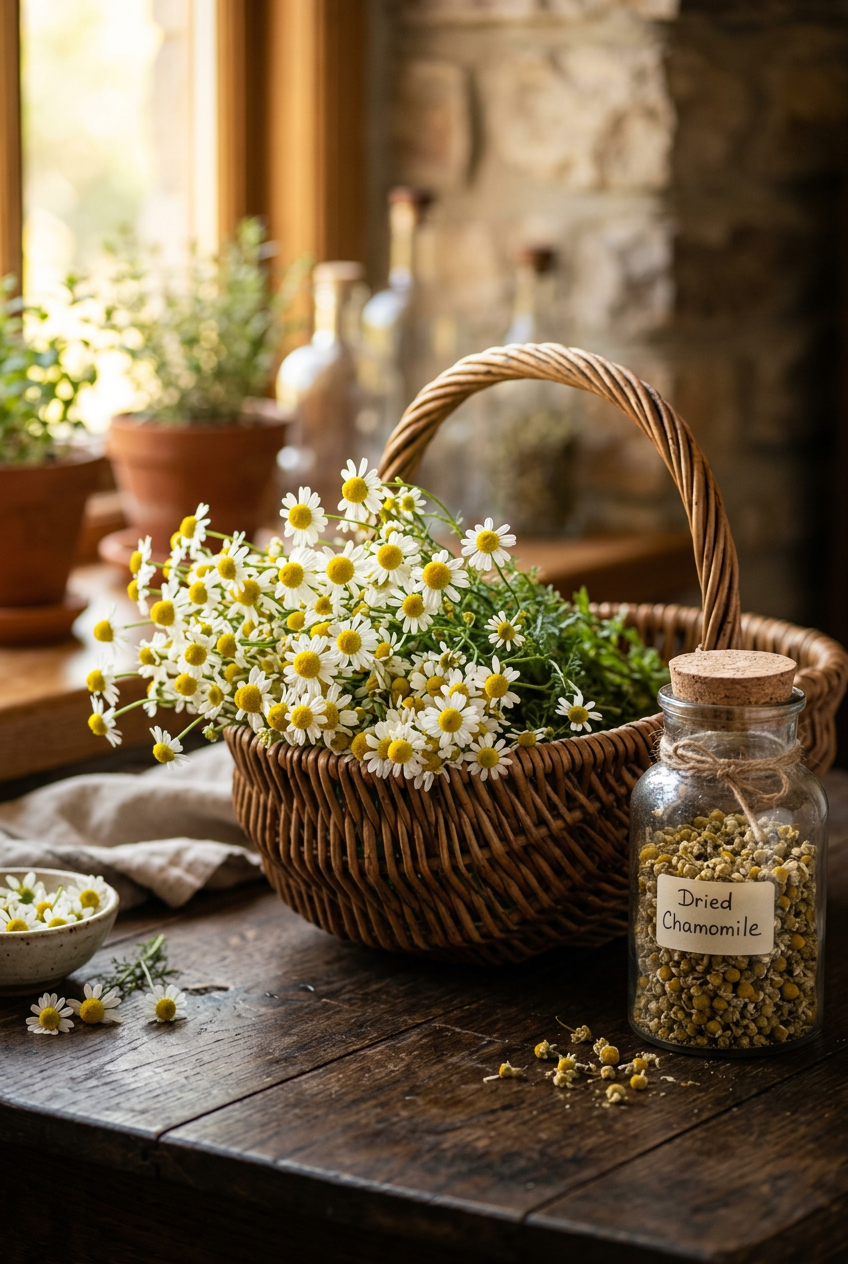
German chamomile produces the most potent preparations for drinking and healing
Key Health Benefits of Chamomile
Promotes Restful Sleep
Chamomile’s reputation as a natural sleep aid has earned clinical validation. The flavonoid apigenin binds to GABA receptors in the brain, producing mild sedative effects without the dependency risks or morning grogginess of pharmaceutical sleep medications.
A study published in the Journal of Advanced Nursing found that women who drank chamomile tea for two weeks experienced significantly improved sleep quality compared to the control group. Research involving elderly participants showed that chamomile extract helped them fall asleep faster and experience fewer nighttime awakenings.
For those experiencing occasional sleeplessness due to stress or schedule changes, chamomile offers a gentle, non-habit-forming option. The ritual of preparing and slowly sipping a warm cup before bed also creates a calming routine that signals your body to prepare for rest.
Supports Digestive Health
Traditional herbalists have long recommended chamomile for digestive complaints, and modern research confirms its beneficial effects on the gastrointestinal system. Chamomile’s antispasmodic properties relax smooth muscle tissue in the digestive tract, easing cramping, bloating, and discomfort.
The herb demonstrates carminative effects, meaning it helps prevent and relieve gas. Studies show chamomile can help protect the stomach lining and may support healing of gastric ulcers. Its anti-inflammatory compounds reduce irritation in the digestive tract while its mild antimicrobial properties help maintain healthy gut flora balance.
For occasional indigestion, nausea, or stomach upset, a cup of chamomile tea provides real soothing relief. The warm liquid itself offers comfort while the herbal compounds address underlying digestive distress.
Reduces Anxiety and Stress
Beyond promoting sleep, chamomile demonstrates genuine anxiolytic properties. A randomized, double-blind, placebo-controlled study published in the Journal of Clinical Psychopharmacology found that participants with generalized anxiety disorder who took chamomile extract experienced significantly greater reduction in anxiety symptoms compared to the placebo group.
Long-term chamomile use appears safe and may help prevent anxiety relapse. Unlike some pharmaceutical anti-anxiety medications, chamomile does not create dependency or require increasing doses over time.
The gentle nature of chamomile’s calming effects makes it suitable for daytime use without causing drowsiness or impaired functioning. A cup during a stressful workday provides a useful, natural pause.
Supports Skin Health
Chamomile’s anti-inflammatory, antimicrobial, and antioxidant properties make it valuable for various skin concerns. A comparative study found that chamomile cream showed slightly superior effectiveness to 0.5% hydrocortisone cream for treating eczema, without the potential side effects of long-term steroid use.
The herb’s wound-healing properties have been documented in multiple studies. Chamomile promotes faster tissue regeneration, reduces inflammation, and demonstrates antibacterial effects against common wound pathogens. For minor burns and sunburn, chamomile compresses provide soothing relief while supporting the healing process.
Chamomile also benefits general skin health when used in facial steams or as an ingredient in natural skincare. Its antioxidant compounds help protect skin from environmental damage while its gentle nature suits even sensitive skin types.
Anti-Inflammatory Effects
Chamomile contains multiple compounds with demonstrated anti-inflammatory properties, including chamazulene, alpha-bisabolol, and various flavonoids. These constituents inhibit pro-inflammatory enzymes and cytokines while supporting the body’s natural anti-inflammatory pathways.
Research participants who applied chamomile oil topically to arthritic joints experienced reduced pain and stiffness. The anti-inflammatory effects extend to internal tissues as well, contributing to chamomile’s effectiveness for gastrointestinal complaints and menstrual discomfort.
Supports Blood Sugar Balance
Emerging research suggests chamomile may offer benefits for blood sugar regulation. A study involving participants with type 2 diabetes found that those who consumed chamomile tea three times daily after meals for eight weeks experienced significant reductions in HbA1c levels compared to the control group.
People with diabetes should never replace prescribed medications with herbal remedies without medical supervision. Chamomile may serve as a complementary approach, but blood sugar should be monitored carefully.

Covering chamomile as it steeps preserves the volatile oils that carry its calming compounds
How to Use Chamomile in Drinks
The classic chamomile tea requires only dried flowers and hot water, but the technique matters. Use 1 to 2 tablespoons of dried chamomile flowers per 8 ounces of hot water, steep covered for 10 to 15 minutes, then strain. The covering is critical: it traps the volatile oils that contain chamomile’s most beneficial compounds. Sweeten with honey if you like.
Chamomile simple syrup opens up a world of botanical drinks. Simmer 1 cup water, 1 cup sugar, and 3 tablespoons dried chamomile for 5 minutes, then steep covered for 30 minutes before straining. Use this syrup in sparkling water tonics, iced chamomile lemonade, or herbal cocktails.
For a soothing night drink, chamomile moon milk combines beautifully with warm oat milk, a pinch of cinnamon, and a spoonful of honey. Steep a strong chamomile infusion and stir it into the warmed milk. The result is creamy, gently sweet, and deeply calming.
Chamomile also pairs well with lavender for a sleep-focused blend, with lemon balm for anxiety relief, and with peppermint for digestive support. In botanical cocktails, it adds a soft floral note that complements gin, dry vermouth, and honey liqueur.
Chamomile Honey Tonic Recipe
This simple daily tonic makes chamomile’s benefits easy to incorporate into your routine.
Ingredients:
- 2 tablespoons dried chamomile flowers
- 8 ounces filtered water, just below boiling
- 1 tablespoon raw honey
- 1/2 lemon, juiced
- Small pinch of ground ginger
Instructions:
Place the chamomile flowers in a mug or teapot. Pour the hot water over them and cover immediately with a lid or small plate.
Steep for 10 to 12 minutes. The longer steep time extracts more of the therapeutic compounds. Do not rush this step.
Strain out the flowers, pressing gently to capture all the liquid.
Stir in the honey while the tea is still warm, allowing it to dissolve completely. Add the fresh lemon juice and a pinch of ginger.
Drink slowly. This tonic works best when sipped mindfully rather than gulped. Enjoy it in the morning to set a calm tone, or in the afternoon when stress peaks.
Makes 1 serving. Scale up easily for a day’s supply, store in the refrigerator, and reheat or drink over ice.

The chamomile honey tonic is a simple daily ritual that supports sleep, digestion, and calm
Sourcing and Precautions
Chamomile is among the safest herbs for general use, but a few notes are worth keeping in mind. People with allergies to plants in the Asteraceae family (ragweed, chrysanthemums, marigolds) may also react to chamomile. If you are sensitive to this family of plants, start with a very small amount and observe your response.
Chamomile may interact mildly with blood-thinning medications due to its mild anticoagulant properties. If you take warfarin or similar medications, check with your healthcare provider before using chamomile therapeutically. Pregnant women should use chamomile in culinary rather than medicinal amounts, as large doses may theoretically stimulate the uterus.
Source dried chamomile from reputable herbal suppliers or certified organic farms. Look for whole flower heads rather than powdered chamomile, which can include stems and leaves that dilute potency. Stored in an airtight container away from light and heat, dried chamomile retains its quality for up to a year.
Chamomile connects the oldest traditions of plant healing with the most contemporary approaches to wellness. When you cup a warm mug of chamomile tea in your hands, you are participating in a practice that spans millennia and cultures. That is the kind of depth worth savoring slowly.