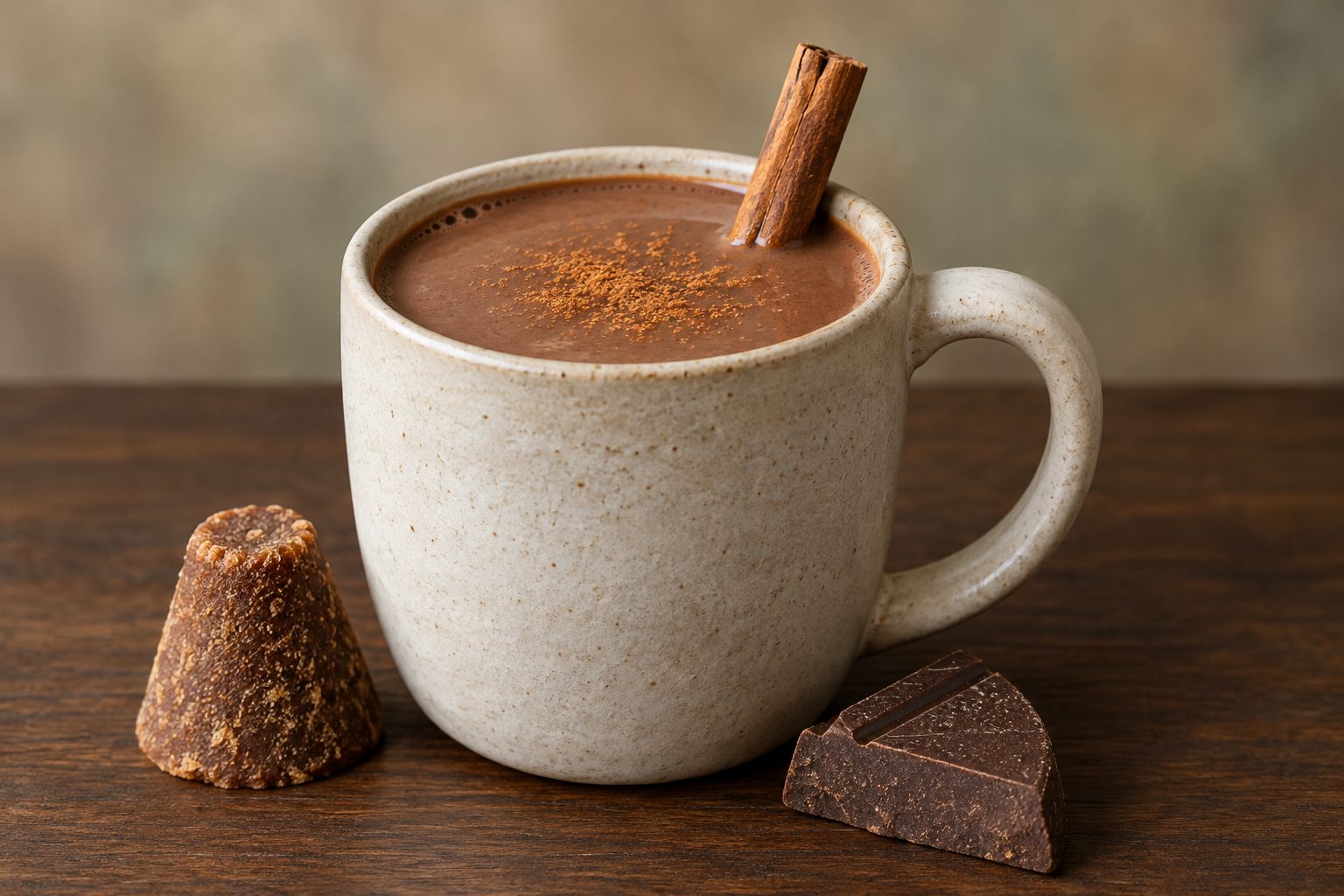
Champurrado is a thick, warming Mexican drink made from masa harina, Mexican chocolate, and warming spices like cinnamon. Unlike regular hot chocolate, it carries a distinctive corn flavor and a pudding-like body that coats the spoon. Traditionally served alongside tamales during Christmas and cold mornings , it’s both a breakfast drink and a holiday tradition across Mexico and Mexican-American communities.
What Makes Champurrado Different From Hot Chocolate
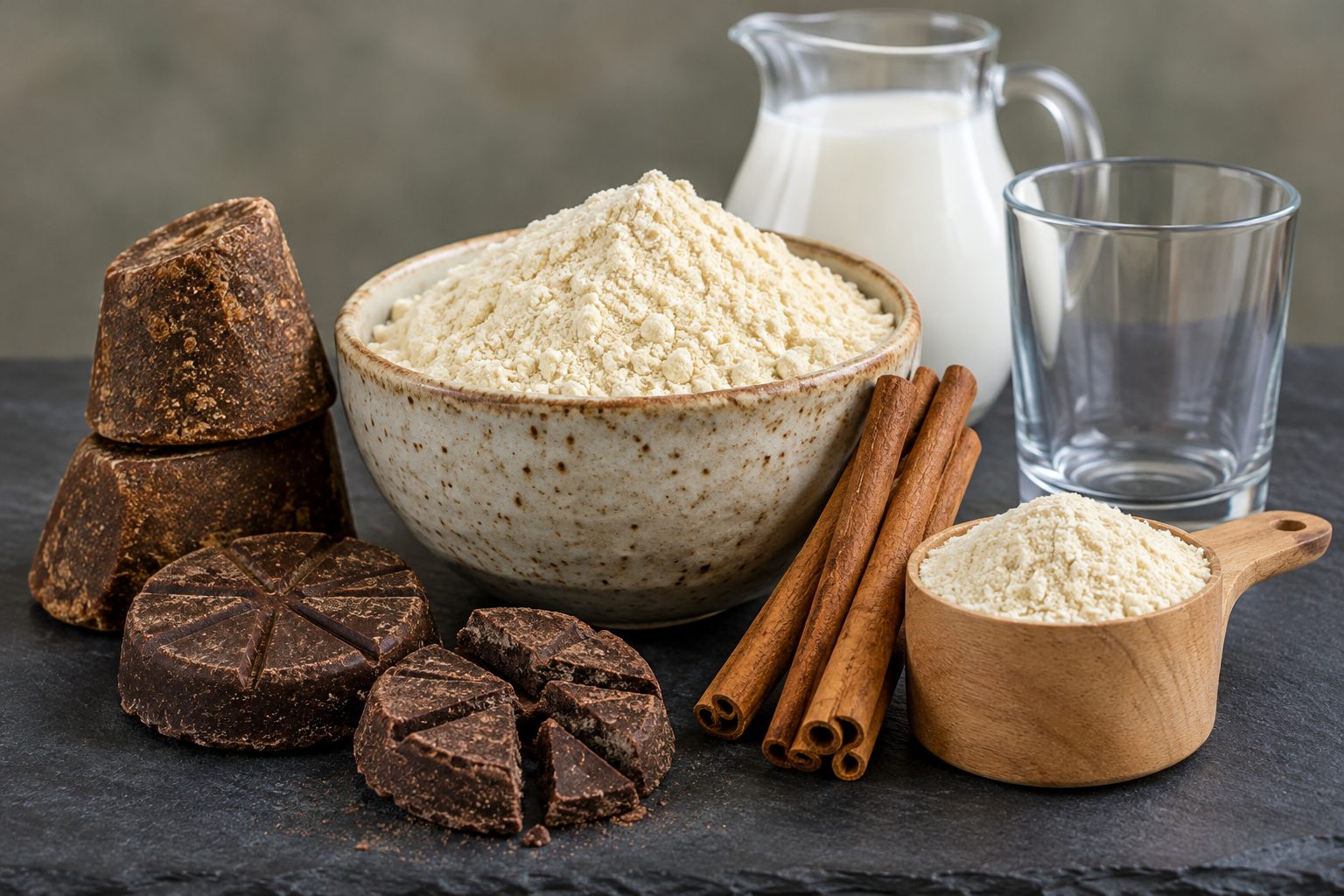
The defining ingredient is masa harina, the same corn flour used to make tortillas and tamales. When dissolved in liquid and heated, masa harina releases starches that thicken the drink into something closer to a drinkable porridge than a beverage. Regular hot chocolate stays thin and relies on cocoa or melted chocolate for body, but champurrado gets its texture from corn.
Mexican chocolate adds a second layer of difference. Brands like Ibarra and Abuelita come pressed into discs with sugar and cinnamon already mixed in, giving champurrado a grainy, slightly gritty texture and a spiced sweetness that European-style chocolate bars don’t deliver. The drink is also less sweet than American hot cocoa , with the corn’s earthy flavor balancing the sugar.
Champurrado belongs to a broader family of drinks called atole, which are all masa-based and thickened the same way. Plain atole contains no chocolate and is often flavored with fruit, vanilla, or nuts. Champurrado is simply atole with chocolate added, making it the richest and most popular version of the category.
Core Ingredients and What They Do
Masa harina is not the same as cornmeal or polenta. It’s made from corn treated with lime in a process called nixtamalization, which changes the starch structure and creates the smooth, stretchy texture that holds tortillas together. In champurrado, those same starches thicken the liquid without turning gritty. Look for masa harina labeled for tortillas, not tamales, which is ground coarser.
Mexican chocolate discs are the traditional choice because they’re already spiced and formulated to dissolve into hot liquid. If you can’t find them, dark chocolate works, but you’ll need to add sugar and cinnamon separately to approximate the flavor. Milk chocolate is too sweet and lacks the slight bitterness that balances the corn.
Piloncillo is unrefined cane sugar sold in hard cones or blocks, with a molasses-like flavor that tastes deeper than white sugar. Dark brown sugar is the closest substitute and works without changing the drink noticeably. Granulated white sugar makes champurrado taste flat and one-dimensional.
Whole milk is standard, though some cooks use a mix of milk and water to keep the drink from feeling too heavy. Water alone makes champurrado thin and bland. Cinnamon sticks infuse the liquid as it heats, and vanilla extract rounds out the flavor at the end.
Ingredients
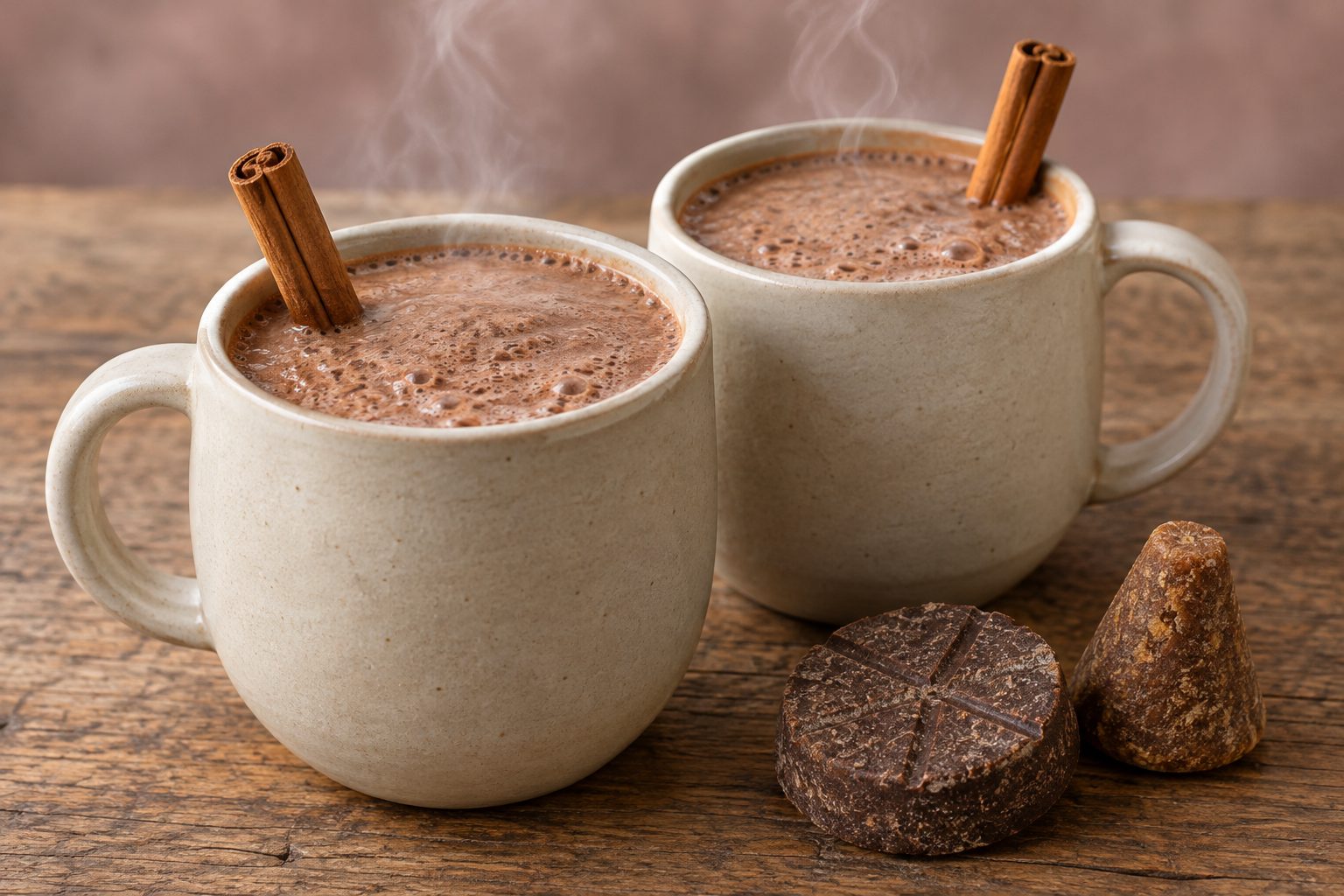
This follows NYT Cooking’s champurrado, which makes about 8 servings. You will also need about 3 1/2 cups of water, split between the masa and the pot.
- ¾ cup masa harina
- 2 to 4 ounces piloncillo, grated (about ¼ to ½ cup packed), or an equal amount brown sugar
- 2 (3-ounce) tablets Mexican chocolate
- 2 (3-inch) cinnamon sticks, plus extra for serving (optional)
- 4 cups milk, dairy or non-dairy
Instructions
- Toast the masa harina in a large pot over medium heat, stirring the whole time, until it smells toasty and turns lightly golden, about 3 minutes. Take the pot off the heat and let the masa cool for about 2 minutes.
- Blend the masa with 1 1/2 cups of warm water until smooth. A bowl and a whisk work too.
- Wipe out the pot. Add 2 cups of water, the piloncillo, the chocolate and the cinnamon sticks. Bring it to a boil, then lower the heat to medium-low and simmer, stirring often, until the sugar dissolves and the chocolate melts, 3 to 5 minutes.
- Add the masa mixture and the milk. Turn the heat to medium-high and bring it to a boil, stirring often.
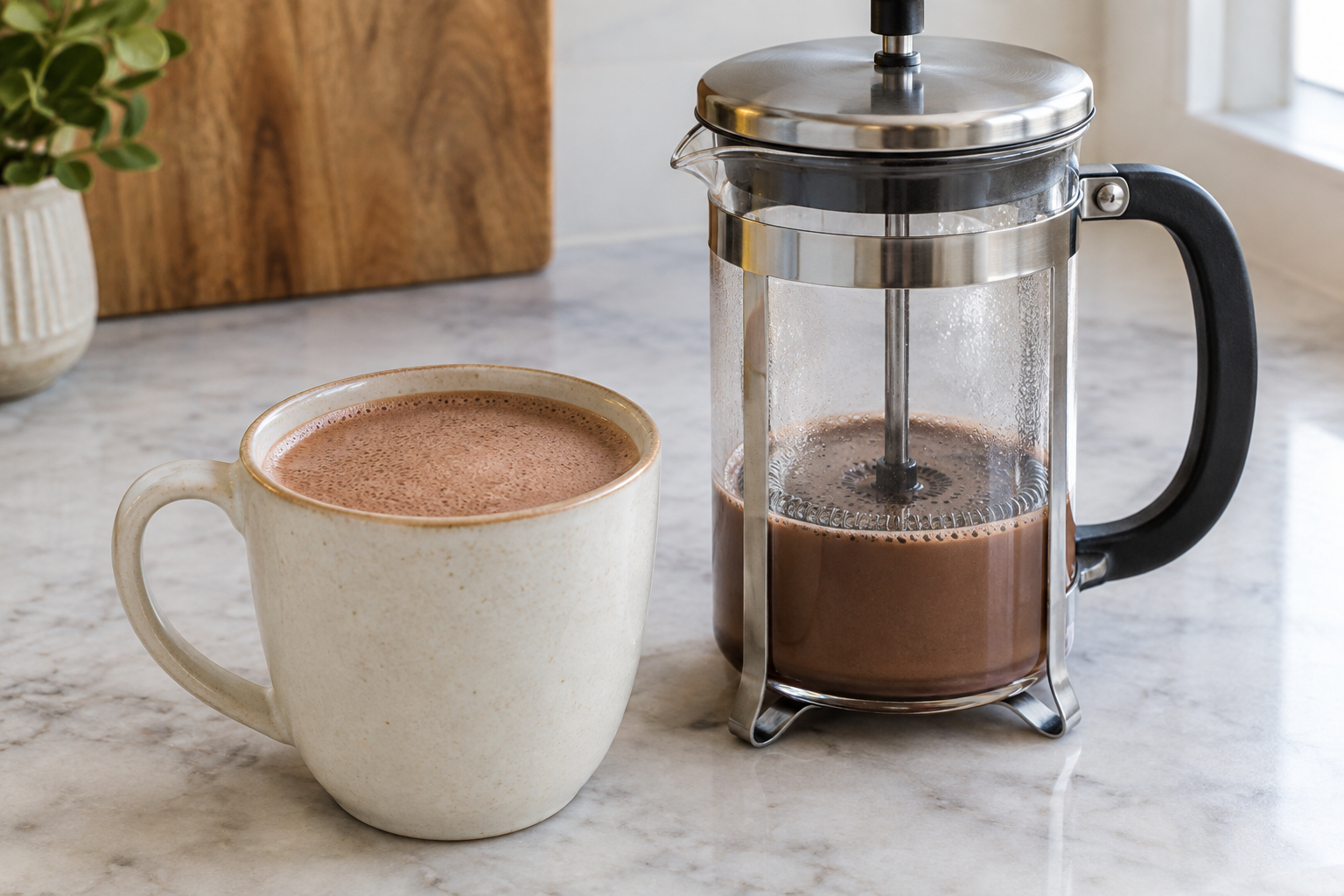
- Lower the heat and simmer, whisking often (or using a molinillo) so it turns frothy and never lumps, until it thickens slightly, 5 to 8 minutes.
- Take out the cinnamon sticks. For more froth, run an immersion blender through it. Serve it hot with a fresh cinnamon stick in each mug. It thickens as it sits; add a little water when you reheat it.
How to Dissolve Masa Harina Without Lumps
Masa harina clumps instantly in hot liquid, so it must be dissolved in cold water first. Whisk the masa into cold water until completely smooth, breaking up any pockets of dry flour. The mixture will look like thin pancake batter and should pour easily without chunks.
Once the milk, chocolate, and sugar are hot and the chocolate has melted, pour the masa mixture into the pot in a slow, steady stream while whisking constantly. The starches activate as they hit the heat, and the drink will start to thicken within a minute or two. Keep whisking to prevent the masa from settling on the bottom and scorching.
If lumps form despite whisking, push the champurrado through a fine-mesh strainer into a clean pot. This catches any undissolved masa and gives you a smooth drink, though it’s easier to prevent lumps than to fix them after the fact.
Cooking Technique and Texture Cues
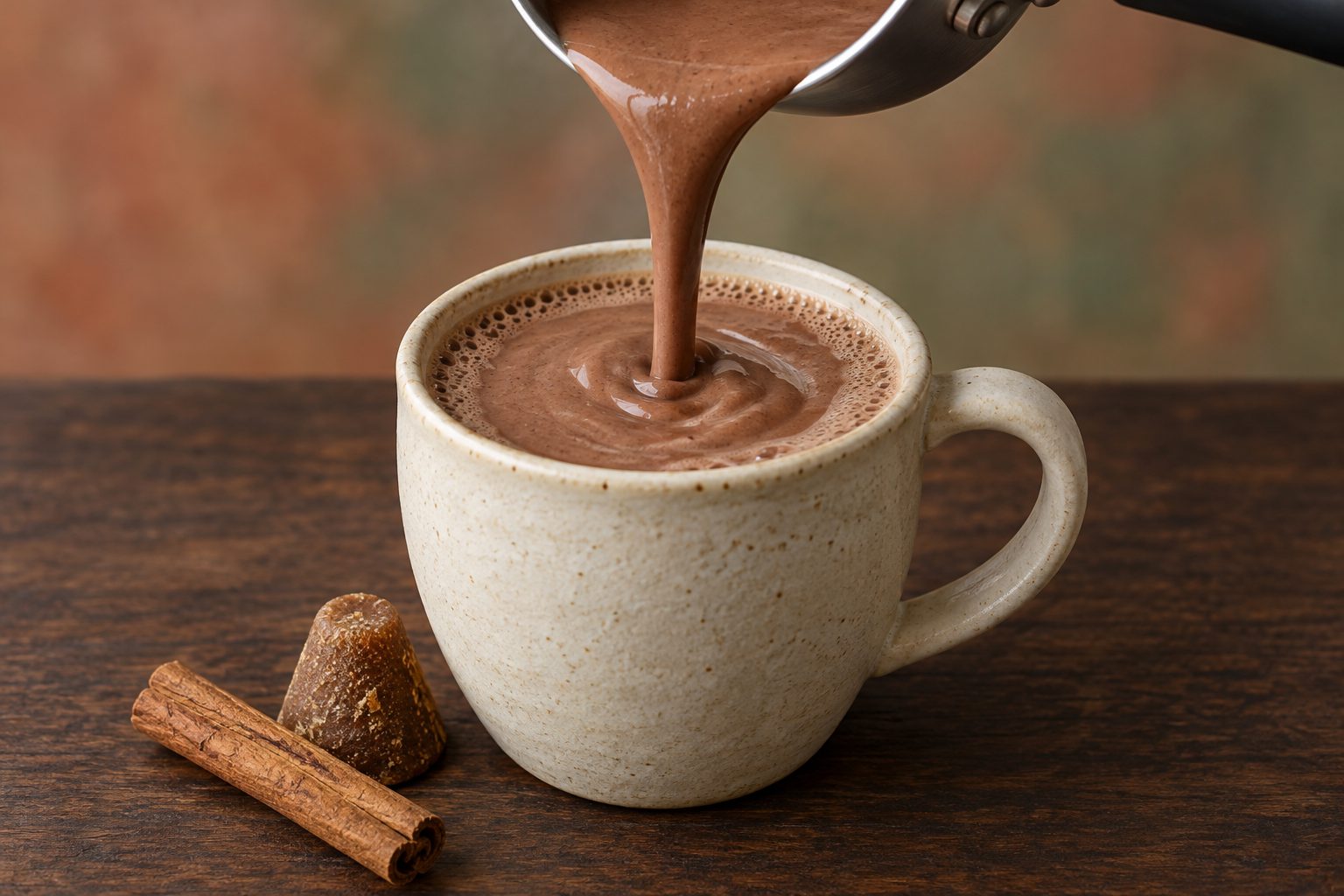
Champurrado thickens as it cooks, but it also thickens further as it cools. The right consistency at serving temperature is thick enough to coat the back of a spoon but still pourable. If you cook it until it’s thick in the pot, it will turn into pudding by the time it reaches the table.
Medium heat is correct. High heat scorches the masa on the bottom of the pot before the drink thickens evenly, leaving burnt spots that taste bitter. Stir frequently, scraping the bottom and corners where masa tends to settle. The drink is ready when it visibly thickens and you can draw a line through it on the spoon that holds for a second before closing.
If champurrado is too thin after the full cooking time, whisk together a small amount of additional masa harina with cold water and stir it in, then cook for another few minutes. If it’s too thick, thin it with warm milk or water, adding a few tablespoons at a time until it reaches the consistency you want.
Serving Temperature and Traditional Pairings
Champurrado is served hot but not boiling. The ideal temperature is just cool enough to sip comfortably, around the same heat as coffee. Serve it in mugs or traditional clay cups, which hold heat well and add a rustic presentation.
The classic pairing is tamales, especially during Christmas and Día de los Reyes. The corn flavor in champurrado echoes the masa in the tamales, and the thick, sweet drink balances the savory or mildly sweet filling. It’s also served at breakfast with pan dulce, the sweet Mexican pastries that soak up the drink when dunked.
Champurrado is not a dessert drink in the way American hot chocolate is. It’s substantial enough to serve as part of a meal, and the corn adds a savory undertone that makes it feel more like food than a treat.
Storage and Reheating
Champurrado thickens significantly as it cools and will set into a firm gel in the refrigerator. Store it in an airtight container for up to three days. When you’re ready to serve it again, reheat it gently on the stove over low heat, whisking constantly and adding milk or water to loosen it back to a drinkable consistency.
Do not microwave champurrado without stirring it every 30 seconds. The masa settles and scorches easily, and microwaving in one go leaves you with hot spots and a burnt smell. Stovetop reheating gives you more control and a smoother result.
Champurrado does not freeze well. The starches break down when thawed, leaving a grainy, separated texture that whisking won’t fix. Make only as much as you’ll drink within a few days.
Scaling for a Crowd
Champurrado is easy to scale up for holiday gatherings or posadas, the traditional Mexican Christmas parties . Double or triple the ingredient amounts and use a large, heavy-bottomed pot to prevent scorching. A wider pot gives you more surface area to stir and helps the drink thicken evenly.
When making a large batch, dissolve the masa harina in cold water in a separate bowl before adding it to the pot. This keeps you from having to whisk a large volume of hot liquid while trying to prevent lumps. Pour the masa mixture in slowly and have a second person stir if possible.
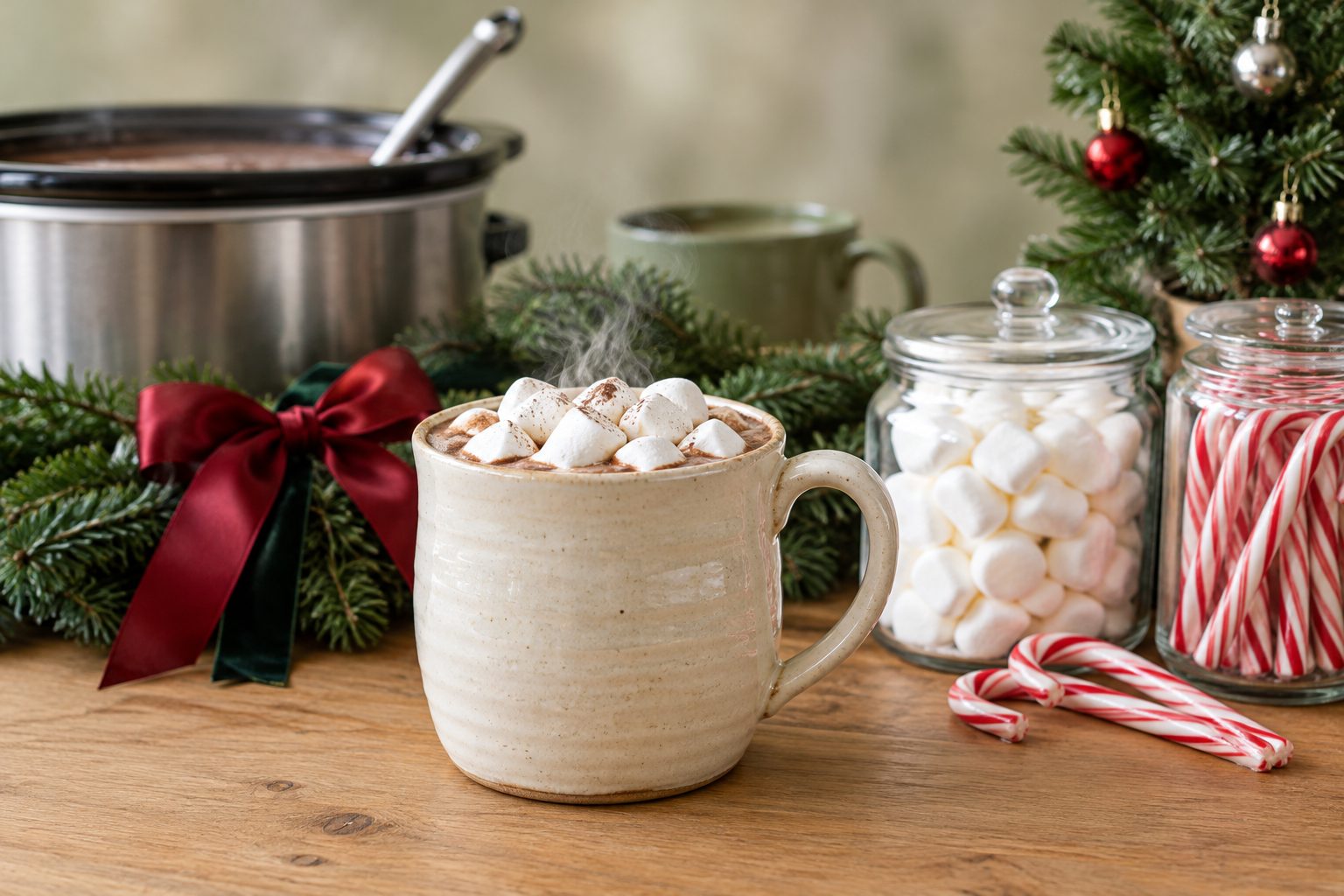
For serving a crowd, keep champurrado warm in a slow cooker set to low, stirring it every 20 minutes to prevent a skin from forming on top. Add a splash of milk if it thickens too much while holding. A thermal carafe also works for smaller gatherings and keeps the drink hot without continued cooking.
Champurrado Questions
What is masa harina and where do I buy it?
Masa harina is corn flour made from nixtamalized corn, the same ingredient used for tortillas and tamales. It’s sold in the Latin foods aisle of most grocery stores, often in bags labeled Maseca or Bob’s Red Mill. Do not substitute cornmeal, corn flour, or polenta, which are not treated with lime and won’t thicken the drink correctly.
Can I use regular chocolate instead of Mexican chocolate?
Yes, but you’ll need to adjust the recipe. Use dark chocolate with at least 60% cacao and add sugar and ground cinnamon separately to approximate the flavor of Mexican chocolate discs. Milk chocolate is too sweet and doesn’t have the slight bitterness that balances the corn.
Why is my champurrado lumpy?
Lumps form when masa harina hits hot liquid before it’s fully dissolved. Always whisk the masa into cold water until completely smooth before adding it to the pot, and pour it in slowly while whisking constantly. If lumps form anyway, strain the drink through a fine-mesh sieve into a clean pot.
How thick should champurrado be?
Champurrado should be thick enough to coat the back of a spoon but still pourable, similar to a thin pudding or a very thick milkshake. It will thicken further as it cools, so stop cooking when it’s slightly thinner than your target consistency.
Can I make champurrado ahead of time?
Yes, but it will thicken into a gel as it cools. Store it in the refrigerator for up to three days and reheat it gently on the stove, whisking constantly and adding milk or water to return it to a drinkable consistency. Do not freeze champurrado, as the texture breaks down when thawed.
What do you serve with champurrado?
Champurrado is traditionally served with tamales, especially during Christmas and other celebrations. It’s also a popular breakfast drink alongside pan dulce, the sweet Mexican pastries that pair well with the thick, spiced chocolate. The corn flavor in champurrado complements the masa in tamales and makes it feel like part of the meal rather than just a beverage.