
A mimosa bar turns Christmas morning brunch into an event guests remember, giving everyone control over their own drink while you stay out of the kitchen. The setup is simple: sparkling wine, a few juices, fresh fruit, and a table arrangement that lets people pour their own. This guide covers what to buy, how much you need, and how to set it up so the bar runs itself while you open presents. For more measured sparkling-wine and juice combinations, see these holiday mimosa recipes .
What Makes a Mimosa Bar Work

A successful mimosa bar needs three components: chilled sparkling wine, cold juice in at least three flavors, and garnishes that add color and flavor. The self-serve format works because mimosas follow a simple ratio anyone can pour, and the variety lets guests customize their drink without asking you to play bartender.
The bar stays functional when everything is cold, clearly labeled, and within reach. Sparkling wine loses carbonation once opened, so small bottles or a steady rotation of fresh ones keeps drinks lively. Juices need their own containers with pour spouts, and garnishes go in small bowls with tongs or spoons so guests can grab what they want without slowing down the line.
Plan for two to three drinks per guest over a two-hour brunch. That math drives how many bottles you open at once and how much juice you set out initially, with backups chilling nearby.
Sparkling Wine Selection

Prosecco and Cava are the best choices for a mimosa bar because they cost less than Champagne and their fruit-forward flavor complements juice without fighting it. Prosecco from Italy has a slightly sweeter profile with apple and pear notes, while Spanish Cava is drier and more neutral. Both work, and most guests can’t tell the difference once juice is added.
Buy brut or extra dry bottles, not sweet styles. Brut is the driest option and balances fruit juice without making the drink cloying. Extra dry is slightly sweeter despite the name, but still works if that’s what your store stocks. Avoid anything labeled demi-sec or dolce, which are dessert wines and turn mimosas into syrup.
Budget bottles between $10 and $15 deliver the carbonation and acidity you need. Kirkland Signature Prosecco, La Marca, and Freixenet Cava all perform well in mimosas, and the juice masks any rough edges a $40 Champagne would smooth out. Save the expensive bottles for drinking straight.
Juice Selection and Flavor Combinations
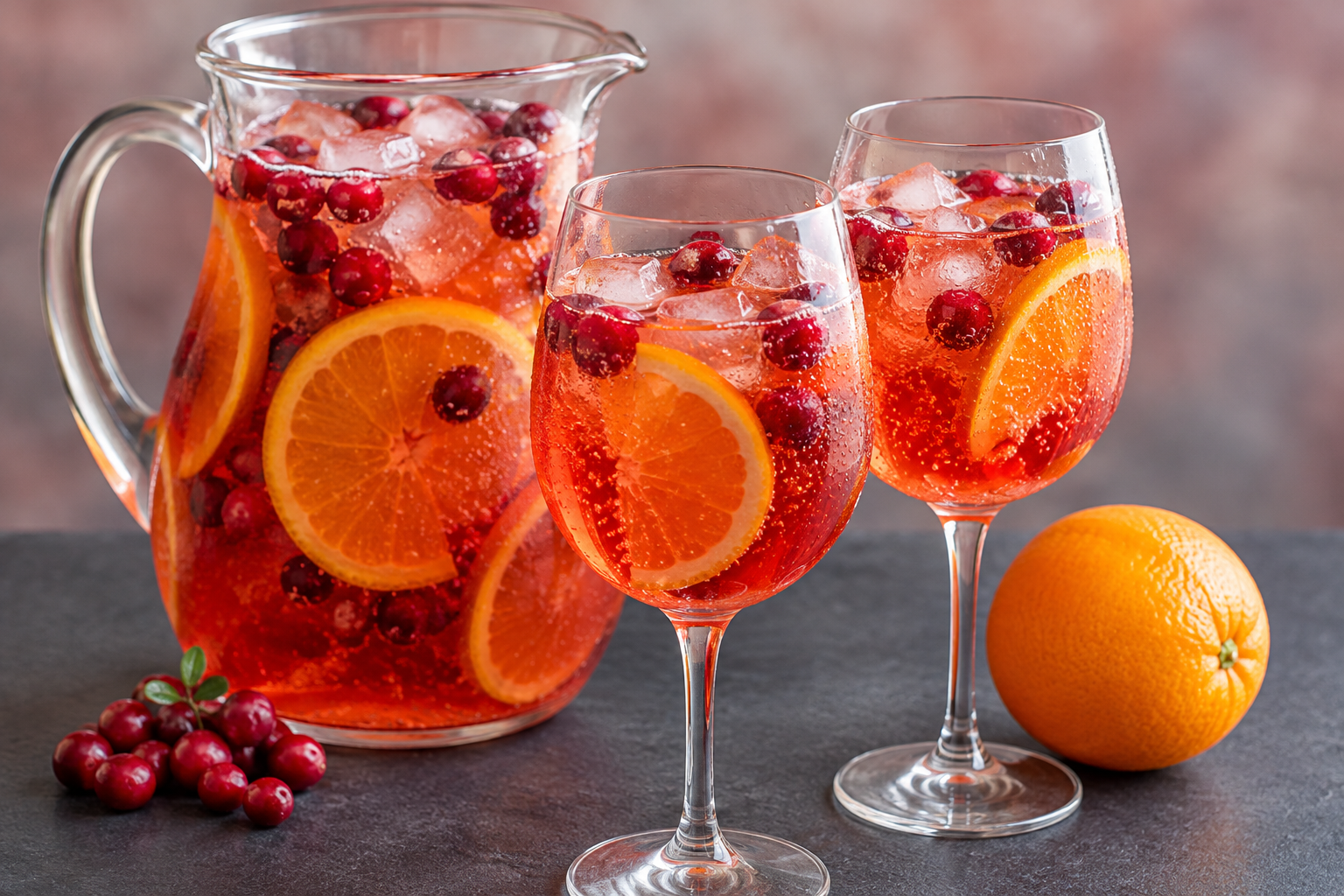
Orange juice is the default, but a mimosa bar needs at least two other options to justify the setup. Cranberry, grapefruit, pineapple, and peach juices all pair well with sparkling wine, and each one changes the drink’s character. Cranberry adds tartness and a deep red color, grapefruit brings bitterness that cuts sweetness, pineapple makes a tropical version, and peach tastes like a Bellini.
Fresh-squeezed orange juice tastes brighter than carton juice, but the difference shrinks once sparkling wine is added. If you’re serving more than ten people, carton juice saves time and money without ruining the drink. For smaller groups, squeezing oranges the morning of adds a fresh citrus smell to the kitchen that bottled juice can’t match.
Offer three to five juices total. More than five creates decision paralysis and wastes juice, since guests rarely try more than two combinations. A solid lineup is orange, cranberry, and grapefruit, with pineapple or peach as a fourth if you want a sweeter option. Skip thick juices like mango nectar, which don’t mix evenly and sink to the bottom of the glass.
Seasonal Juice Ideas for Christmas Morning
Pomegranate juice fits the holiday color scheme and adds a tart, jewel-toned option that looks festive in a clear glass. Apple cider works if you warm it with cinnamon sticks first, then chill it overnight, though it makes a heavier drink than citrus juices. Blood orange juice is in season in December and January and tastes like regular orange juice with a berry undertone and a dark red hue.
Garnishes and Mix-Ins

Garnishes serve two purposes: they add flavor as the fruit soaks in the drink, and they make the glass look finished. Citrus wheels, berries, and fresh herbs are the most practical choices because they fit on a glass rim or drop into the drink without crowding it.
Orange slices, lemon wheels, and grapefruit wedges are the easiest garnishes to prep and the most versatile across different juices. Strawberries, raspberries, and blackberries add color and a slight sweetness as they sit in the drink. Fresh mint, rosemary , and thyme sprigs look elegant and add an herbal note, though not everyone likes the flavor, so put herbs in their own bowl rather than adding them to every glass.
Frozen fruit works as both garnish and ice, keeping the drink cold without watering it down as it melts. Frozen cranberries, blueberries, and raspberries are small enough to fit in a champagne flute and hold their shape longer than fresh berries. Freeze them on a sheet tray the night before, then transfer them to a bowl the morning of.
Quantity Planning
One 750 ml bottle of sparkling wine with 2 to 3 cups of juice makes about 6 mimosas. To serve more guests, multiply that ratio: 10 guests need 2 bottles, 20 guests need 3 to 4 bottles, 50 guests need 8 to 9 bottles.
Garnishes need less volume than you think. One orange, one lemon, and one grapefruit, each sliced into eight wheels, garnishes 24 drinks. A pint of berries serves 12 to 15 people if you put three to four berries in each bowl. Fresh herbs only need two or three sprigs per bunch, since one sprig per drink is plenty.
Setup and Display
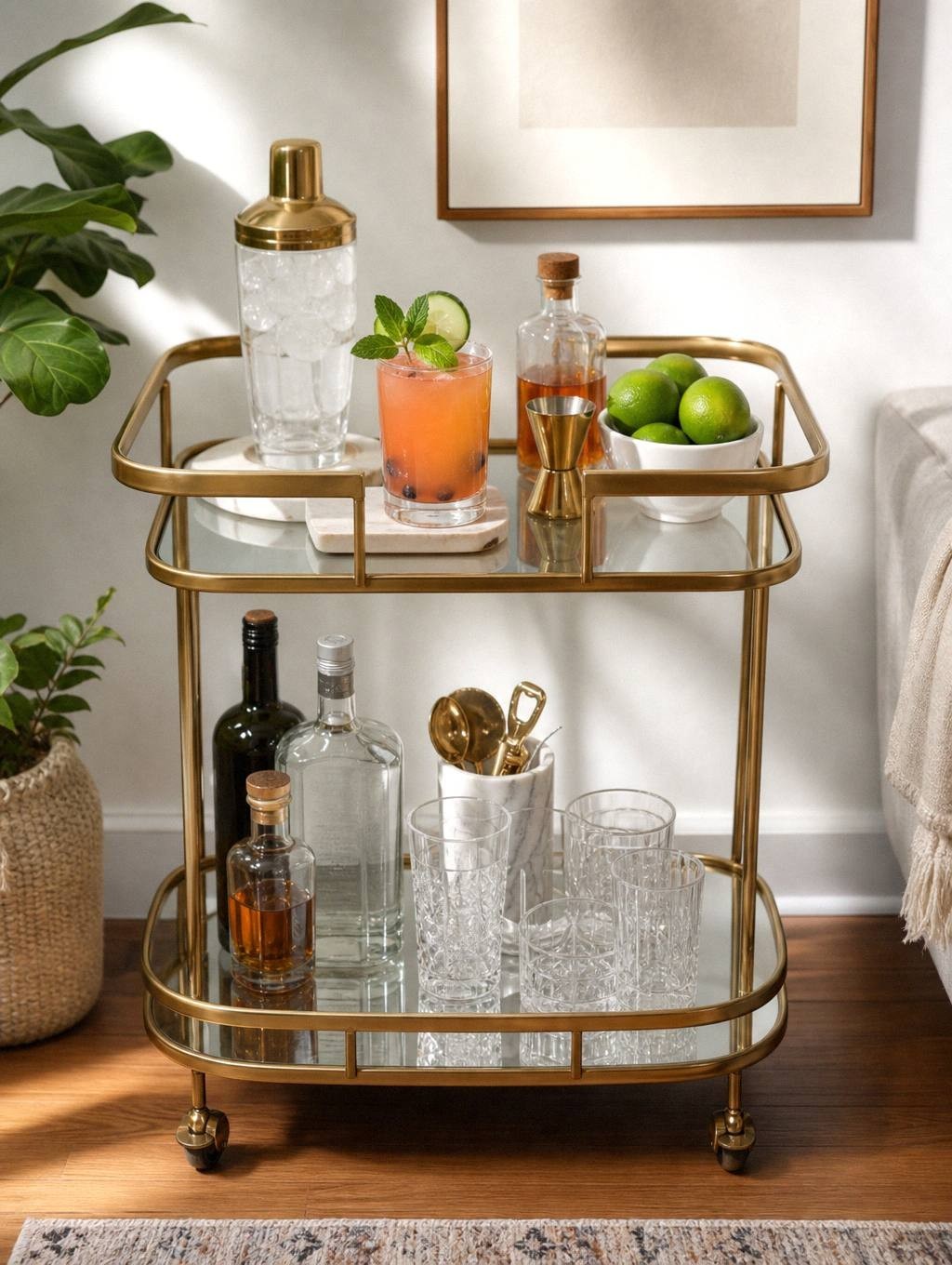
Set up the mimosa bar on a table or counter near the kitchen so you can refill bottles and juices without crossing the room. Arrange items in the order guests will use them: glasses first, then sparkling wine, then juices, then garnishes. This flow prevents bottlenecks and keeps people from reaching across each other.
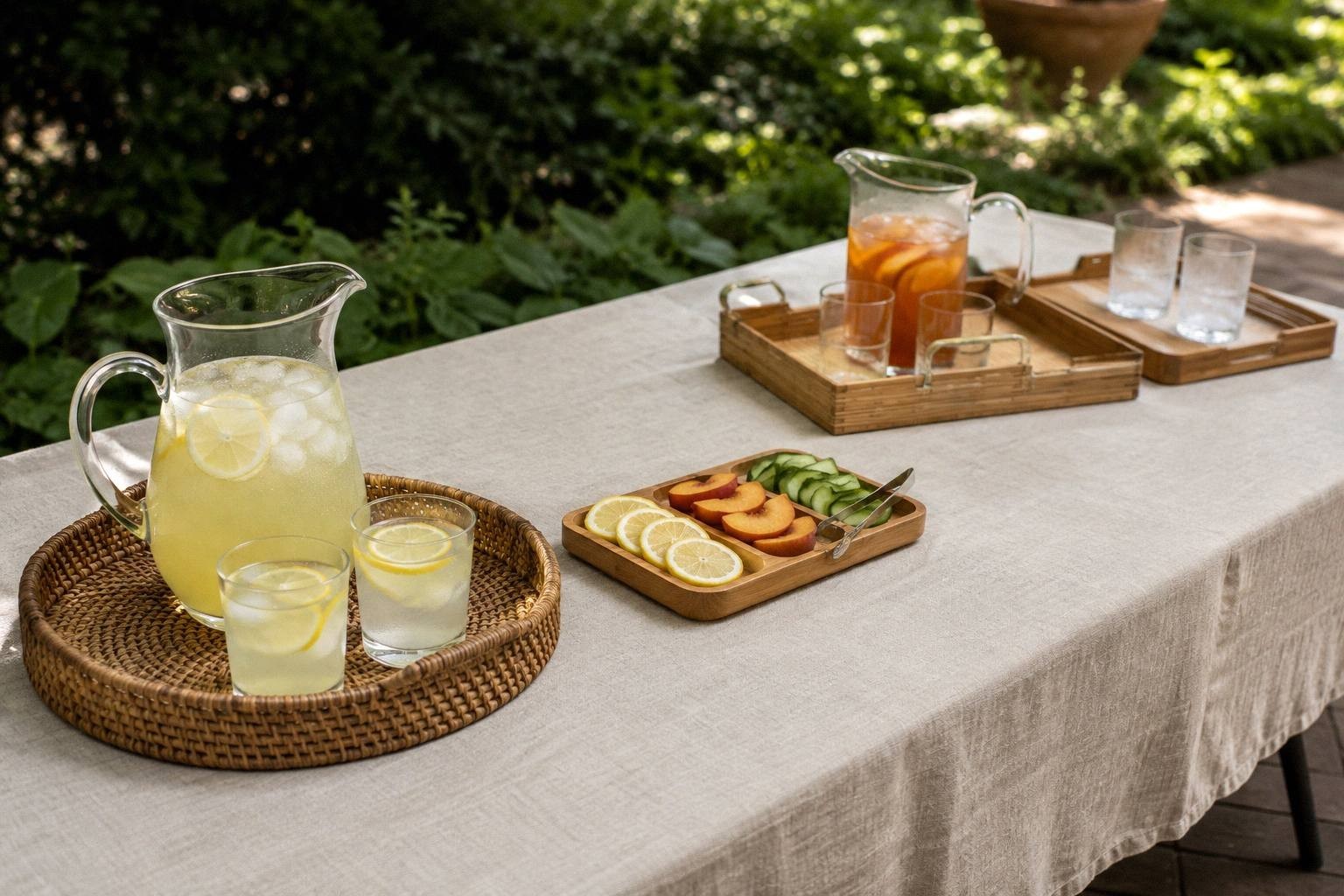
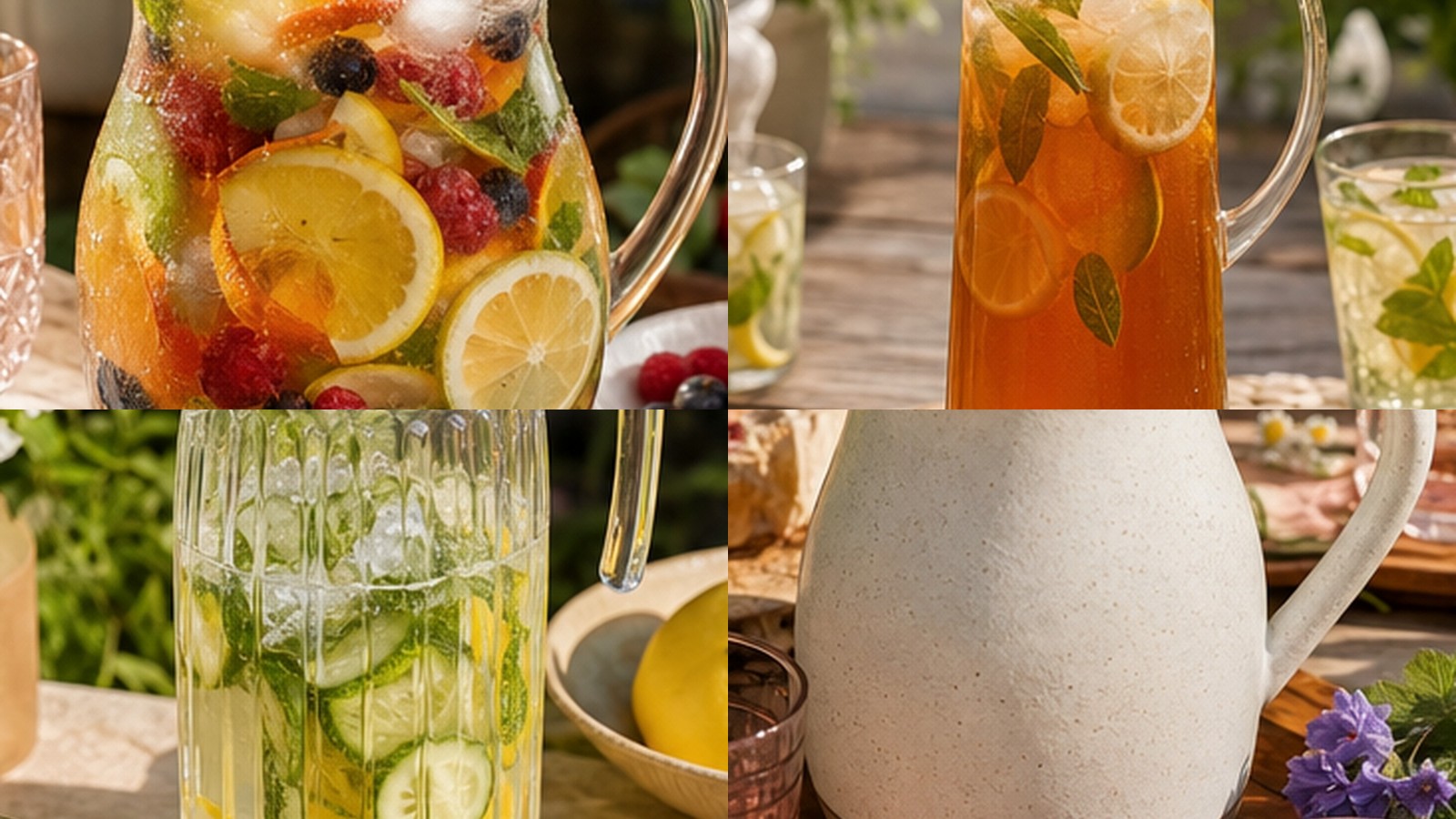
Use clear glass pitchers or carafes for juices so guests can see the color and identify the flavor at a glance. Label each one with a small card or chalkboard tag, especially if you’re serving less common juices like grapefruit or pomegranate. Pour spouts or small ladles make it easier to control portions and avoid spills.
Keep sparkling wine in an ice bucket or a large bowl filled with ice and water. Bottles chill faster in ice water than in ice alone, and they stay cold longer. Open two or three bottles at a time for a group of 20, and open more as needed rather than letting half-full bottles sit and go flat.
Put garnishes in small bowls with serving spoons or tongs. Arrange them near the end of the table so guests add them last, after they’ve poured their drink. If you’re using frozen fruit, keep it in a bowl over a larger bowl of ice to slow melting.
Non-Alcoholic Options
Sparkling water or club soda replaces sparkling wine for guests who don’t drink alcohol. Set out a separate bottle or two with a label so it’s clear which option is non-alcoholic. The same juices and garnishes work, and the drink still looks festive in a champagne flute.
Sparkling cider is another option, though it’s sweeter than sparkling wine and can make the drink taste more like soda. If you use cider, offer it alongside sparkling water so guests can choose their preferred level of sweetness.
Prep Timeline
Two days before, buy sparkling wine, juices, and garnishes. Chill the wine and juices in the refrigerator so they’re cold the morning of. If you’re using frozen fruit, wash and freeze it on a sheet tray, then transfer it to a freezer bag once solid.
The night before, slice citrus into wheels and store them in an airtight container in the fridge. Wash berries and herbs, then pat them dry and store them separately. Set out serving bowls, pitchers, labels, and any decorations so the table is ready to load in the morning.
Christmas morning, set up the bar 30 minutes before guests arrive. Fill the ice bucket, pour juices into pitchers, arrange garnishes in bowls, and open the first two or three bottles of sparkling wine. Guests can start pouring as soon as they walk in, and you can refill as needed without leaving the room for long.
Serves 6.
Ingredients
- 1 bottle of chilled dry sparkling wine (I recommend Prosecco or Cava)
- 2-3 Cups chilled fresh juice (see recommendations below in notes)
- Optional garnishes: watermelon wedge, orange wedge, lemon wedge, strawberries, berries, fresh herbs
Instructions
- Pour sparkling wine into a champagne flute until it’s halfway full. Add juice to taste, a 3:1 ratio of bubbly to juice works well, but adjust it however you like.
- Drop in fresh fruit or herbs.
Troubleshooting Common Mimosa Bar Problems
- Drinks go flat quickly: Open only two or three bottles at a time and keep unopened bottles chilled. Smaller batches stay lively longer.
- Juices warm up: Pour juices into pitchers set over bowls of ice, or refill pitchers from backup cartons kept in the fridge. Warm juice makes a flat-tasting mimosa even if the wine is cold.
- Garnishes brown or wilt: Slice citrus the night before and store it in an airtight container with a damp paper towel. Berries and herbs should stay whole until the morning of, then go into bowls just before guests arrive.
- Guests don’t know the ratio: Put a small sign near the sparkling wine that says “half wine, half juice” or “fill halfway, then top with juice.” Most people will follow a visual cue if you give them one.
- The table gets messy: Set out a small towel or stack of napkins near the bottles for drips, and put a tray under the ice bucket to catch condensation. A cluttered table makes the bar look chaotic even if the drinks are good.
- Leftover juice and opened bottles: Opened sparkling wine goes flat within a few hours and isn’t worth saving. Leftover juice keeps in the fridge for three to five days and works in smoothies or cocktails later in the week.
Frequently Asked Questions
What sparkling wine is best for mimosas?
Prosecco and Cava are the best choices because they cost less than Champagne and their fruit-forward flavor complements juice without overwhelming it. Buy brut or extra dry bottles, which are dry enough to balance sweet juice without making the drink taste flat.
How many bottles of champagne do I need for a mimosa bar?
One 750 ml bottle of sparkling wine with 2 to 3 cups of juice makes about 6 mimosas. Multiply that for your guest count: 10 guests need 2 bottles, 20 guests need 3 to 4 bottles, 50 guests need 8 to 9 bottles.
What juices should I include besides orange juice?
Cranberry, grapefruit, pineapple, and peach juices all pair well with sparkling wine and give guests variety. Offer three to five juices total, with orange as the anchor and two or three others that cover tart, sweet, and tropical flavors.
How do I keep mimosas cold without watering them down?
Use frozen fruit as both garnish and ice. Frozen cranberries, blueberries, and raspberries keep the drink cold as they thaw without diluting it the way regular ice does. Keep sparkling wine and juices chilled in ice buckets or the fridge, and only open a few bottles at a time.
How far in advance can I prep a mimosa bar?
Slice citrus and freeze fruit the night before, and chill all liquids two days ahead. Set up the table 30 minutes before guests arrive so juices and wine stay cold. Don’t pour drinks in advance, since sparkling wine goes flat once opened.
What ratio of champagne to juice makes the best mimosa?
Half sparkling wine and half juice is the standard ratio and gives you a balanced drink that isn’t too strong or too sweet. Some guests prefer more wine for a drier drink, while others like more juice for a fruitier version, so let them adjust the ratio themselves at the bar.
Conclusion
A mimosa bar works because it gives guests control and keeps you out of the kitchen. Chill everything ahead, set out three to five juices with garnishes, and let people pour their own drinks while you enjoy Christmas morning. The setup takes 30 minutes, and the bar runs itself once the first bottle is open.