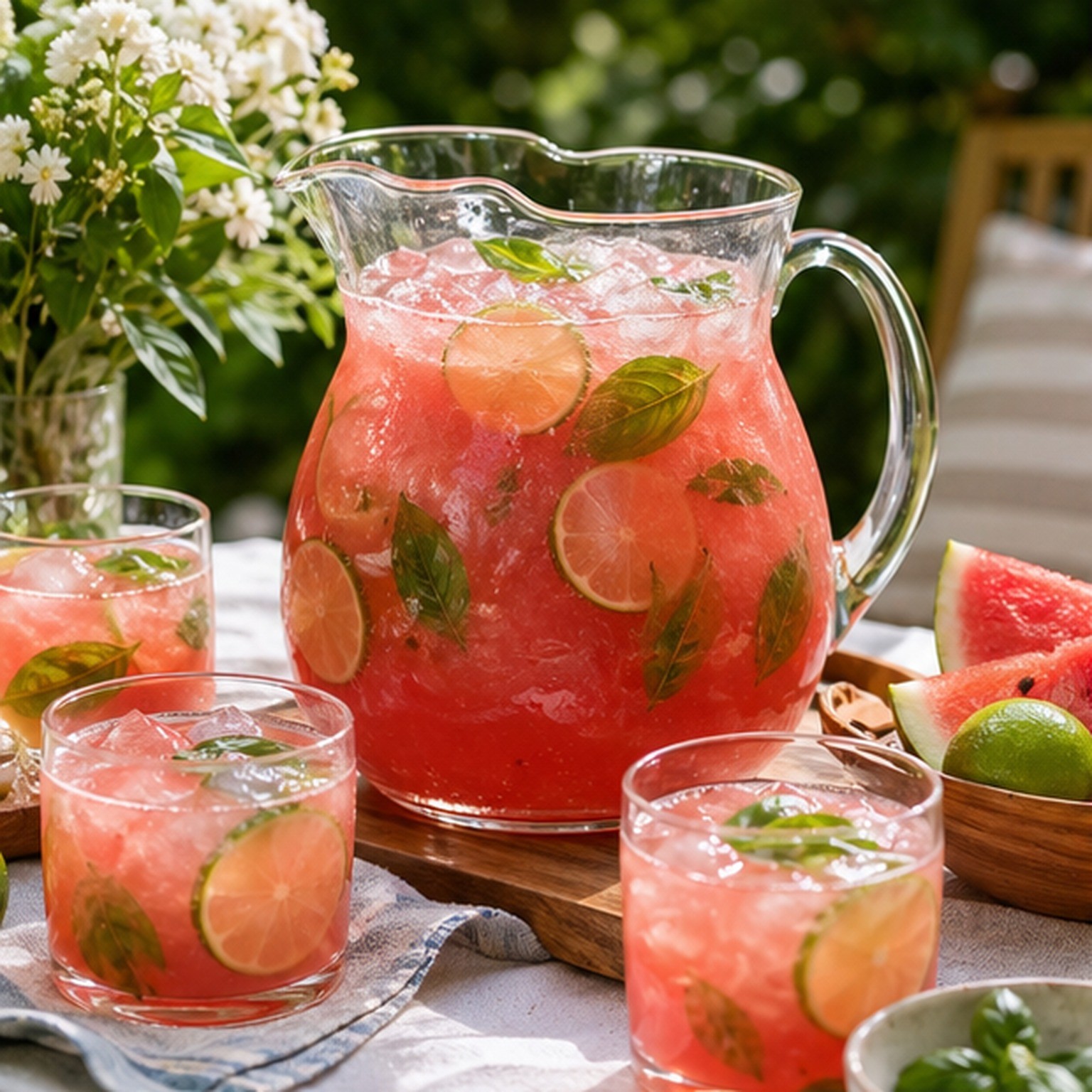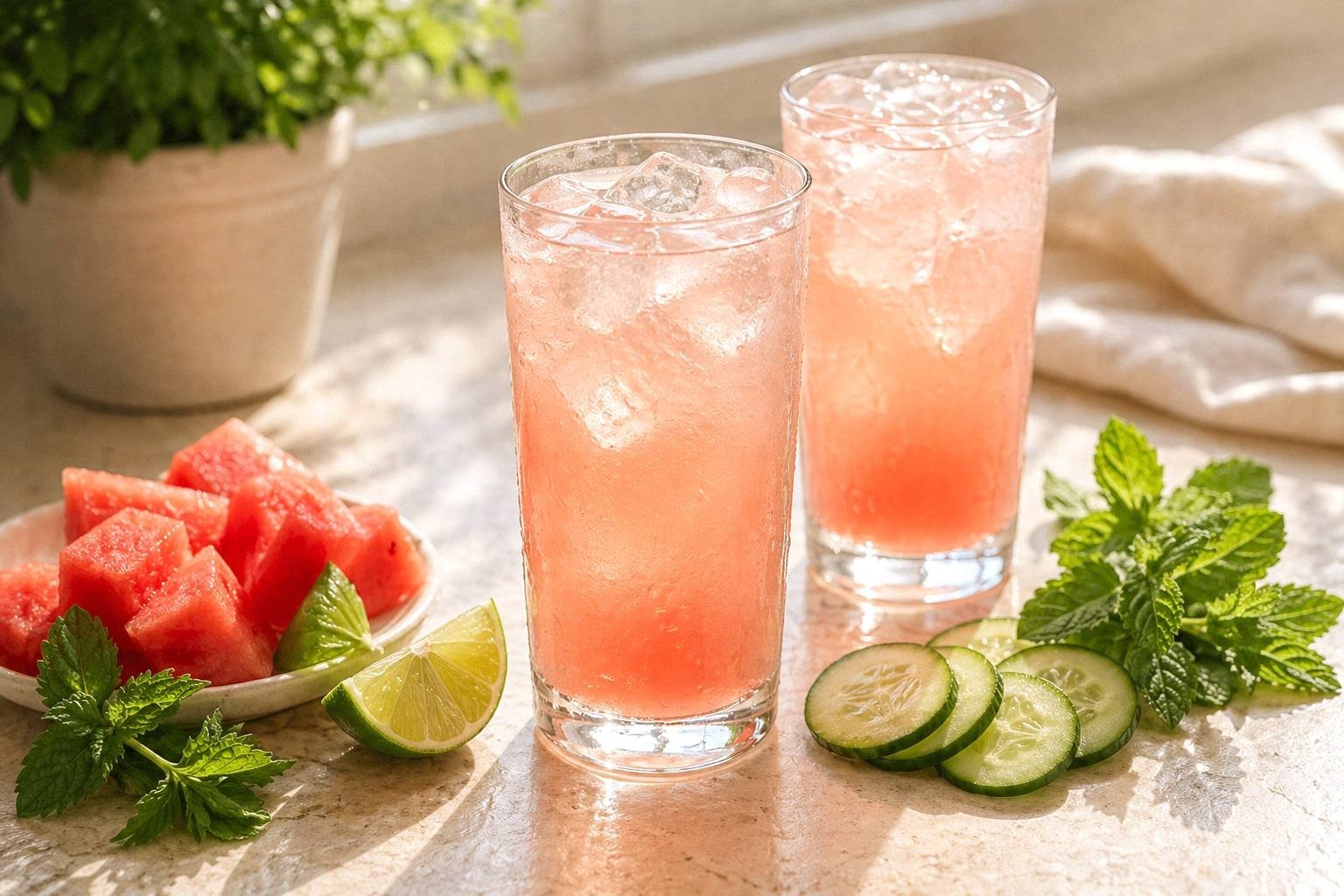
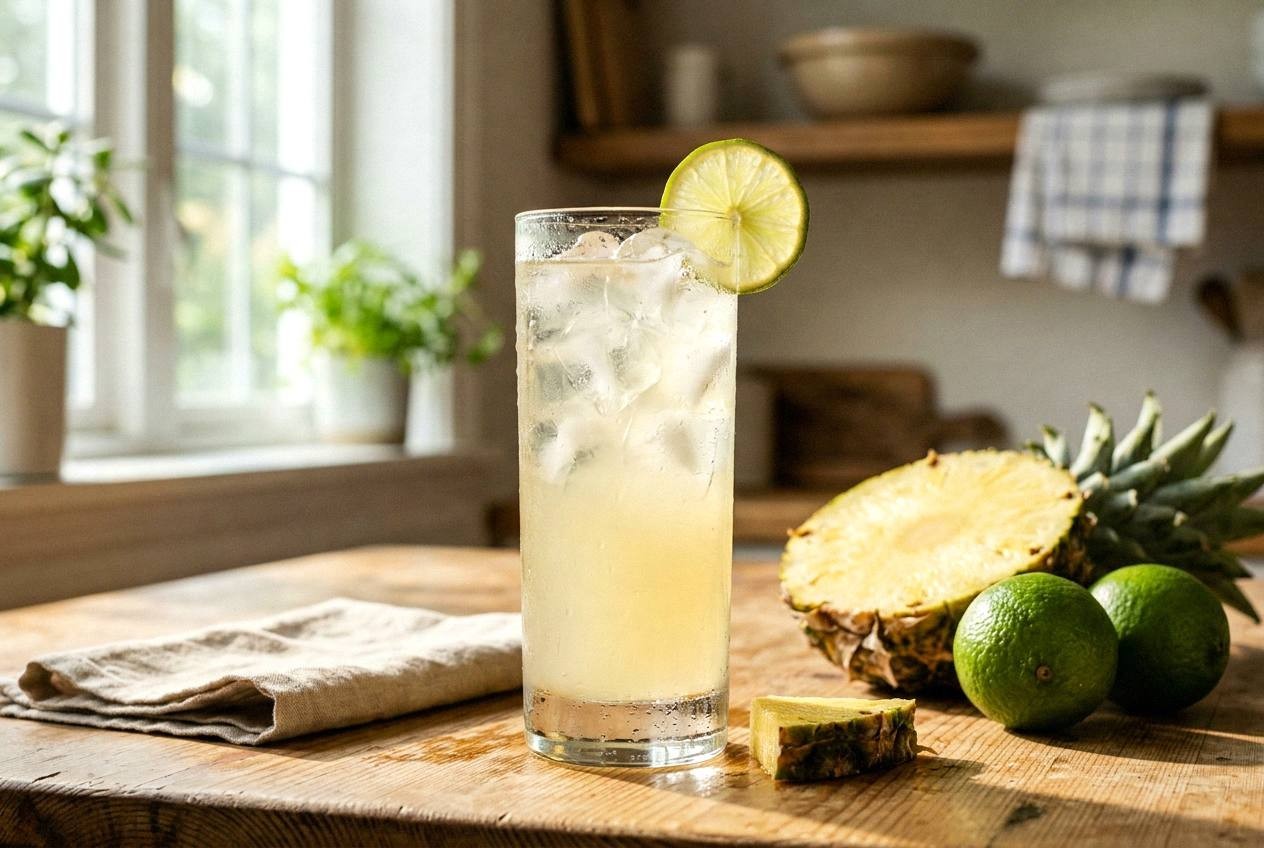
The first hot afternoon of the year is when coconut water earns its shelf space. Cold from the fridge, slightly sweet, faintly salty, it tastes like a drink that already knows what your body is asking for. Pour it over ice with lime and pineapple and you have a mocktail that solves a real problem in about three minutes.
This is a hydration drink, not a sports drink replacement. Coconut water is naturally higher in potassium and lower in sodium than commercial sports drinks, which is why it works well after a hot walk or a long afternoon outside but not after two hours of hard running.
The three recipes here cover the rotation you actually need in summer. An everyday pineapple lime cooler. A watermelon basil pitcher for parties. A citrus and sea salt version when you want something closer to an electrolyte drink without the dye.
At a Glance
| Detail | Info |
|---|---|
| Prep time | 10 minutes |
| Total time | 10 minutes |
| Yield | 4 servings per recipe |
| Glassware | Highball, rocks glass, or stemless wine glass |
| Flavor profile | Tropical, herbal, bright, lightly salty |
| Occasion | Pool days, BBQs, brunch, after-yard-work |
| Hydration notes | Naturally high in potassium, low in sodium |
| Sweetness | Adjustable, fruit-led |
| Make ahead | Yes, fruit base up to 24 hours |
| Equipment | Pitcher, muddler or wooden spoon, citrus juicer |
Why Coconut Water Works as a Mocktail Base
Coconut water has a soft, slightly mineral flavor that does a job juice cannot. It dilutes a sweet ingredient like pineapple or watermelon without flattening it. It adds salinity in trace amounts. It gives the drink a long, clean finish.
A cup of plain coconut water is naturally higher in potassium than sodium, with small amounts of magnesium and calcium. The exact figures vary by brand, so read the carton. That makes it a useful everyday drink for heat, hot walks, gardening, and light workouts. For longer or more intense efforts, most sports nutritionists still recommend a higher-sodium option, so think of these mocktails as the everyday glass, not the post-marathon glass.
Buy 100 percent coconut water with no added sugar. The label should read coconut water and maybe a touch of vitamin C for preservation. Anything described as “coconut water beverage” or “coconut water drink” is usually cut with juice and added sugar.
Ingredients You’ll Need
- Plain coconut water, chilled. Bigger jugs work best for pitcher math.
- Fresh limes. Bottled lime juice tastes flat against coconut water.
- Fresh pineapple juice if you can find it, otherwise 100 percent pineapple juice with no added sugar.
- A small watermelon for the pitcher recipe.
- Fresh basil. A few leaves, not a fistful.
- Fresh lemons or oranges for the electrolyte version.
- Fine sea salt. A small pinch, not a savory amount.
- Raw honey or maple syrup as an optional sweetener.
- Plenty of ice. Big cubes melt slower and keep the drink crisp.
How to Make Each Mocktail
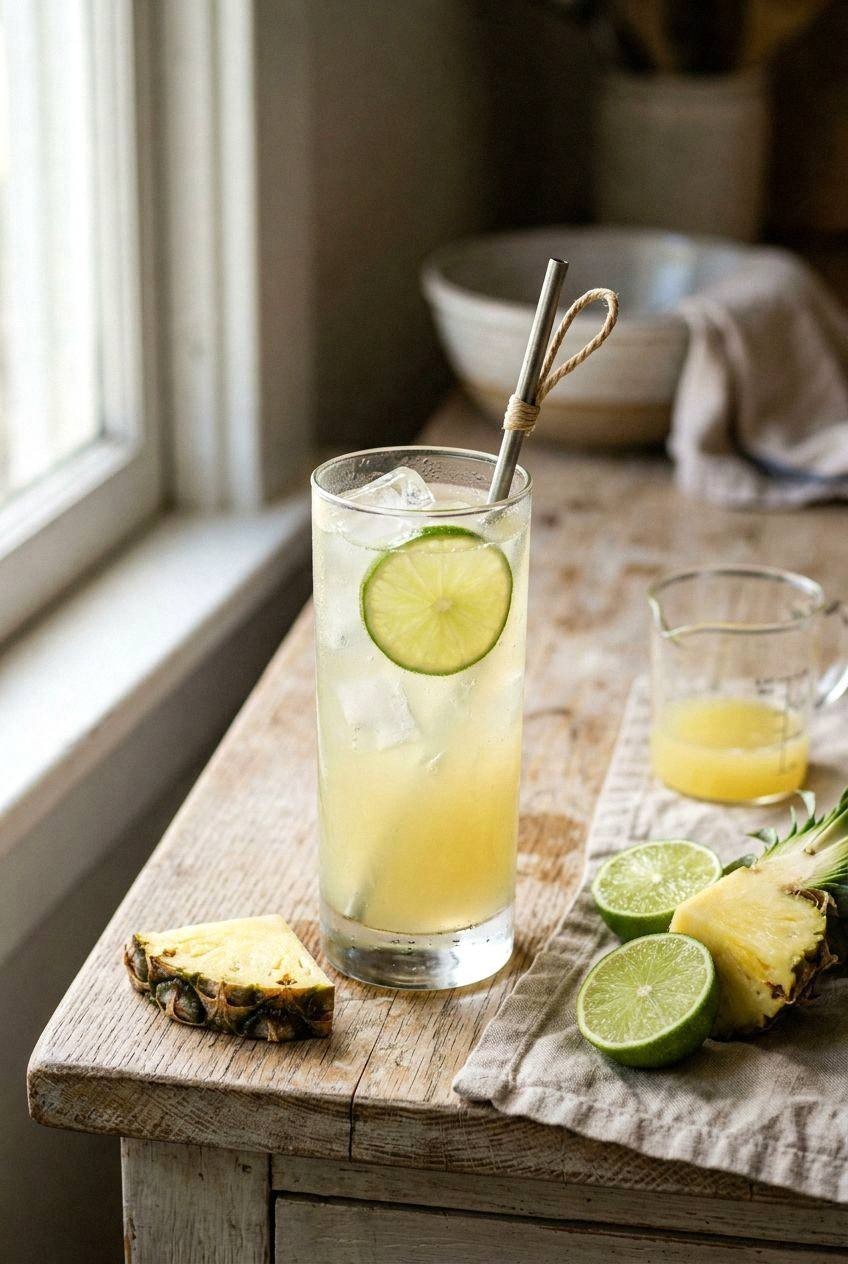
Pineapple Lime Coconut Cooler
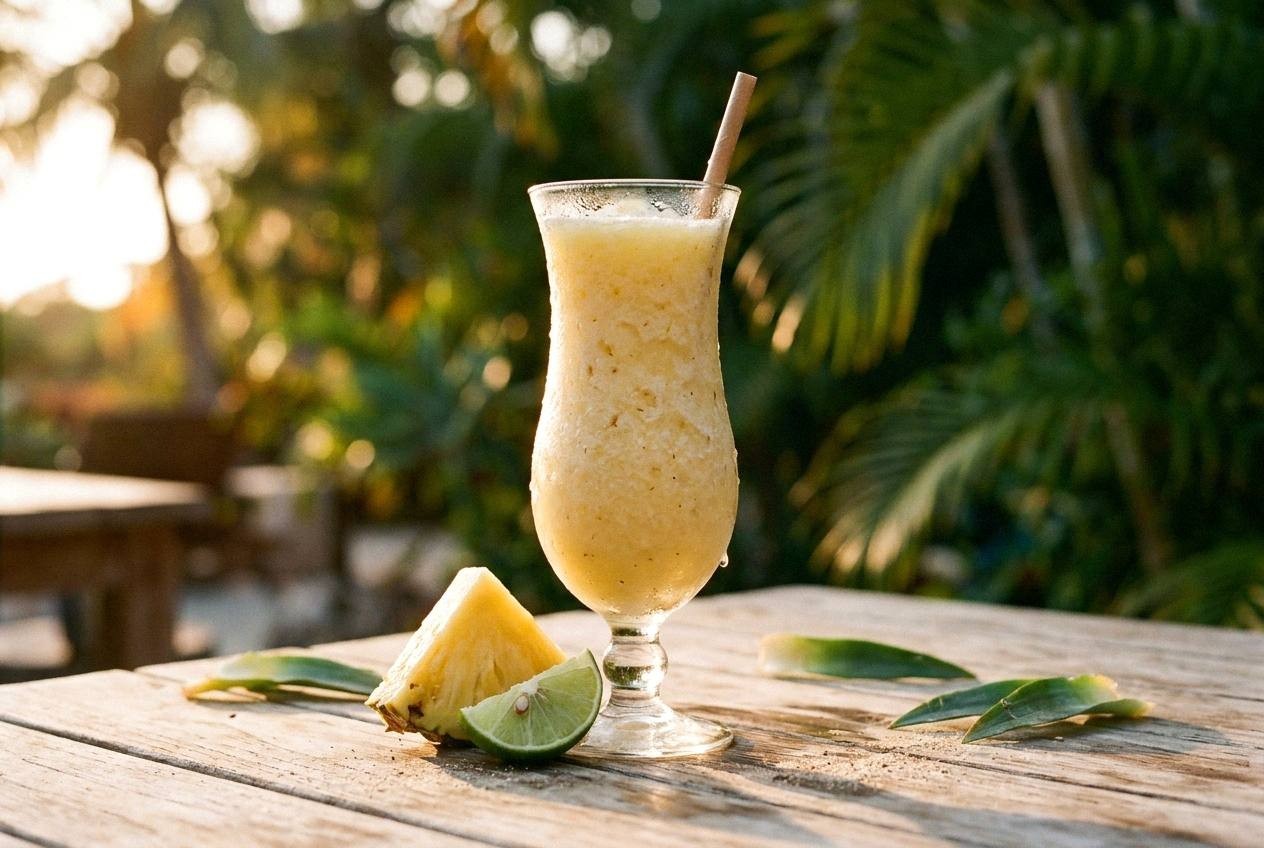
The everyday version. Bright, tropical, and ready in three minutes.
Ingredients for 1 serving:
- 3/4 cup chilled coconut water
- 1/4 cup fresh pineapple juice
- 1 tablespoon fresh lime juice
- 1/2 teaspoon honey or agave, optional
- Pineapple wedge and lime wheel, for garnish
- Ice
Steps:
- Fill a highball glass with ice.
- Pour coconut water, pineapple juice, and lime juice over the ice.
- Stir for a few seconds.
- Taste. Add a tiny drizzle of honey only if the pineapple is on the tart side.
- Garnish with a pineapple wedge and a lime wheel.
Use a highball or stemless wine glass. The pale yellow looks best in clear glass.
Watermelon Basil Coconut Pitcher
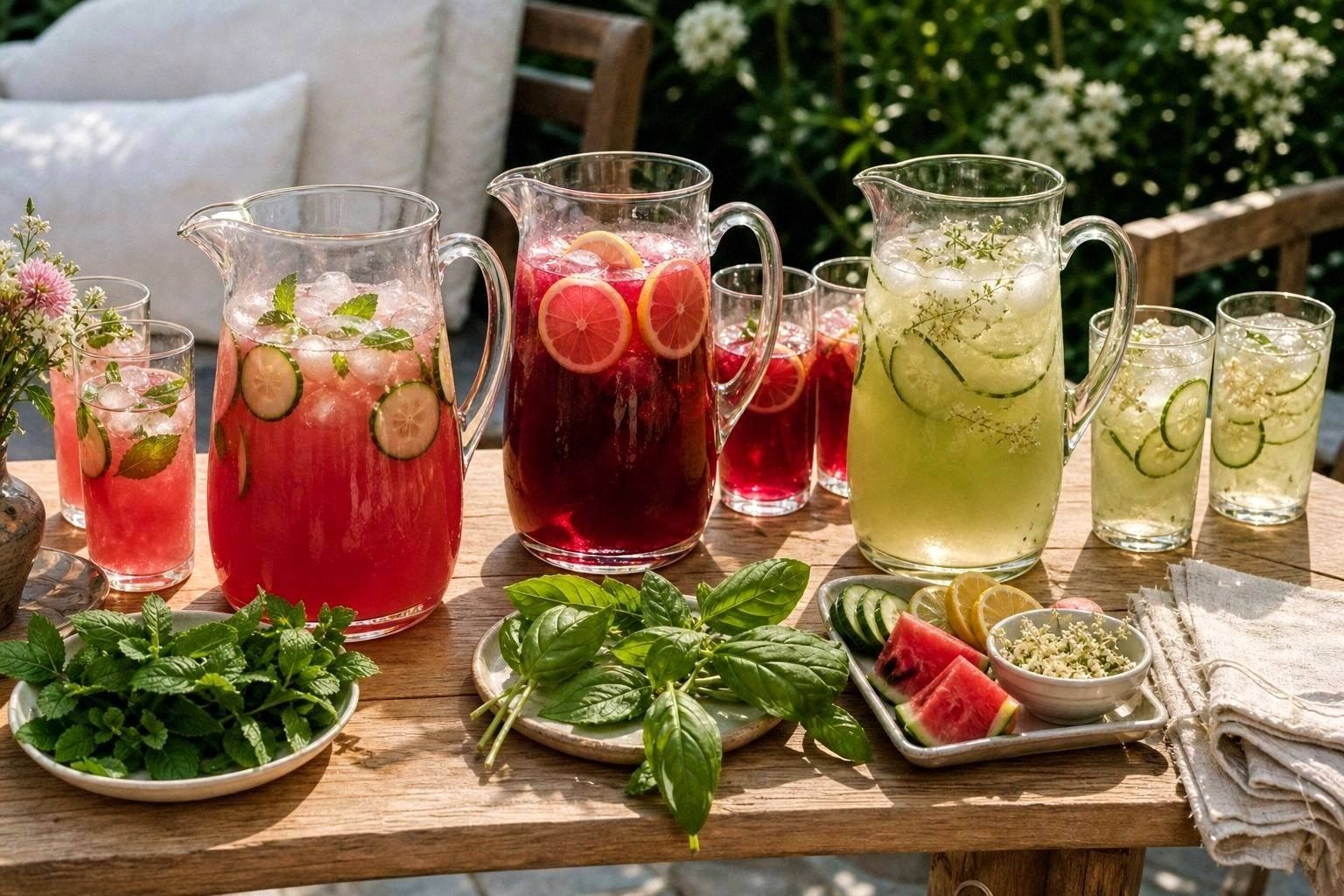
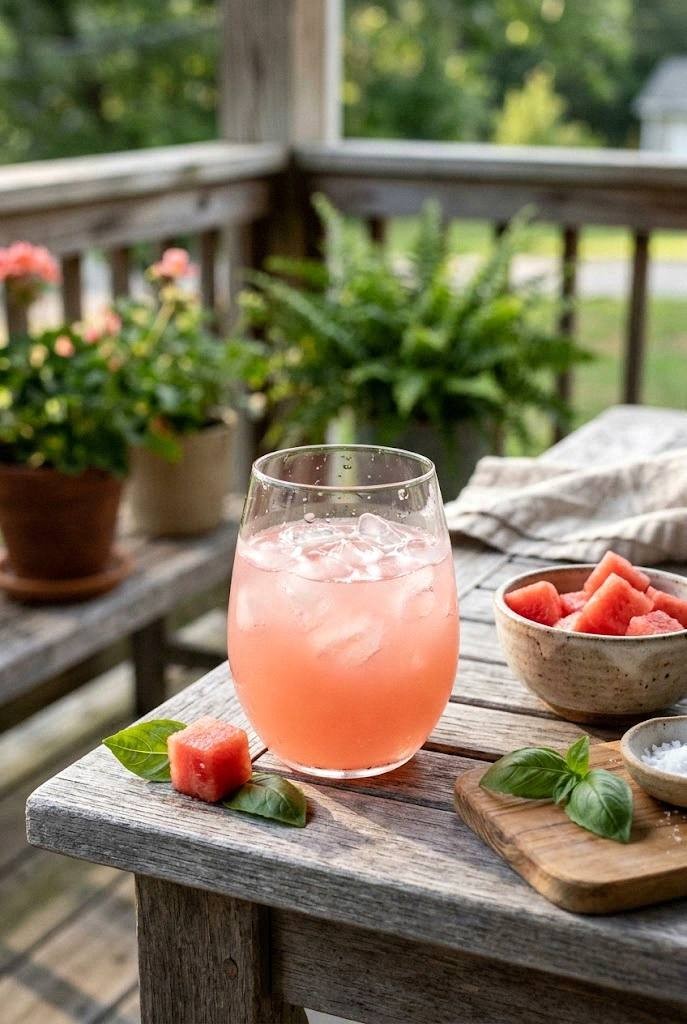
The party version. Soft pink, faintly herbal, and made for a tray of glasses on a hot porch.
Ingredients for 1 serving:
- 3/4 cup chilled coconut water
- 1/2 cup fresh watermelon juice (about 1 cup cubed seedless watermelon, blended and strained)
- 2 fresh basil leaves
- 1 tablespoon fresh lime juice
- Watermelon cube and basil leaf, for garnish
- Ice
Steps:
- Blend the watermelon until smooth, then strain through a fine mesh strainer to keep the drink clean.
- Add the basil leaves to the bottom of the glass and bruise them gently with a wooden spoon. You want the oil, not torn shreds.
- Add ice on top of the basil.
- Pour in the watermelon juice, coconut water, and lime juice.
- Stir twice and garnish with a small watermelon cube and one fresh basil leaf perched on the rim.
A stemless wine glass shows the pink color well. Avoid filling the glass with extra basil leaves. One garnish leaf is the right ratio.
Citrus Sea Salt Electrolyte Mocktail
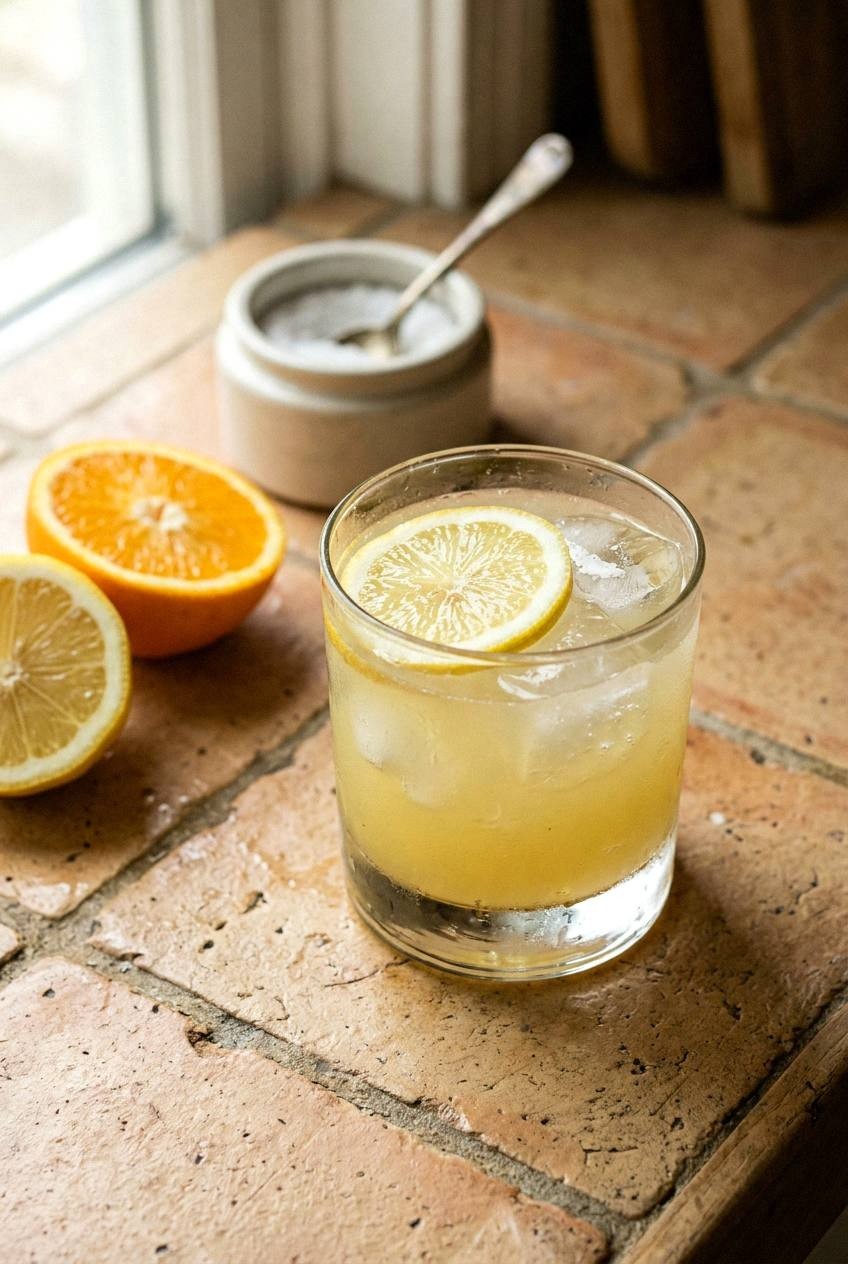
The hydration version. Tart, faintly salty, and the one to make after you have been outside in the sun for a few hours.
Ingredients for 1 serving:
- 3/4 cup chilled coconut water
- 2 tablespoons fresh lemon juice
- 2 tablespoons fresh orange juice
- 1 teaspoon raw honey or maple syrup
- 1 small pinch fine sea salt (about 1/16 teaspoon)
- Lemon wheel, for garnish
- Ice
Steps:
- In a small jar or shaker, whisk the lemon juice, orange juice, honey, and sea salt until the honey dissolves. Doing this before adding coconut water keeps the sweetener from sinking to the bottom.
- Fill a rocks glass with ice.
- Pour the citrus mixture over the ice.
- Top with coconut water and stir gently.
- Garnish with a lemon wheel.
Use a short rocks glass or a small tumbler. This one is the closest you can get to a homemade sports drink with real ingredients, and food writers at outlets like Wellness Mama and Salt and Wind use a similar coconut water plus citrus plus salt formula for the same reason.
Pitcher Math for a Crowd
All three mocktails scale cleanly to a pitcher. Build the base in the pitcher, keep it cold, and pour over fresh ice in each glass so you do not water down the whole batch.
Per recipe, for 4 to 6 servings:
| Recipe | Coconut water | Fruit juice | Citrus | Other |
|---|---|---|---|---|
| Pineapple Lime | 4.5 cups | 1.5 cups pineapple | 6 tbsp lime | 1 to 2 tsp honey , optional |
| Watermelon Basil | 4.5 cups | 3 cups watermelon | 6 tbsp lime | 8 to 10 basil leaves, bruised |
| Citrus Sea Salt | 4.5 cups | 3/4 cup orange | 3/4 cup lemon | 2 tbsp honey, 1/4 tsp sea salt |
Pitcher tips:
- Keep ice out of the pitcher. Use a bowl of ice on the side and let people scoop their own.
- For the watermelon basil version, do not let bruised basil sit in the pitcher more than 30 minutes or the leaves turn black and the flavor goes bitter. Add the basil to individual glasses for longer parties.
- For the citrus salt version, dissolve the salt and honey in the citrus juice first, then stir in the coconut water. Salt will not dissolve well in cold liquid alone.
- Garnish at the glass, not in the pitcher. Fruit floating in coconut water for hours gets mealy.
Variations
- Add 1 inch of fresh peeled ginger to the pineapple lime version. Muddle it before building the drink, then strain into the glass.
- Swap pineapple for fresh mango juice in the pineapple lime cooler for a softer, rounder finish.
- Replace basil with fresh mint in the watermelon pitcher for a more familiar flavor profile.
- Use blood orange in the citrus sea salt version when blood oranges are in season for a deep coral color.
- Add a splash of sparkling water to any of the three at the end if you want a lightly fizzy version. Add it in the glass, not the pitcher.
Common Questions
Can you make these in advance?
Yes, but treat the base and the garnish separately. The pineapple lime and citrus sea salt mocktails can be mixed up to 24 hours ahead and stored covered in the fridge. Stir before serving. The watermelon basil version is best within a few hours because both watermelon and bruised basil break down quickly.
Does coconut water actually hydrate better than water?
For light to moderate sweating, it is a useful upgrade because it adds back potassium that plain water does not. For heavier sweat or hot, long efforts, coconut water alone is low in sodium, which is why the citrus sea salt version above adds a pinch of salt. Plain water with food still works fine for most everyday situations.
What if I do not like the taste of coconut water on its own?
The pineapple lime and watermelon basil recipes are the ones to start with. Fruit and acid cover most of the soft mineral flavor of coconut water that some people find odd at first. The citrus sea salt version tastes the most like plain coconut water and is better for people who already like it.
Can I use canned coconut water?
Yes. Buy a brand with one ingredient, coconut water. Some canned versions get a little fizz from natural fermentation, which is fine. Skip anything with added sugar, fruit juice blends, or “coconut water beverage” on the label.
Can I add alcohol if I want a cocktail version?
Each recipe takes a clean spirit well. A half ounce of white rum in the pineapple lime cooler, gin in the watermelon basil, or vodka in the citrus sea salt all work without redesigning the recipe.
A glass of cold coconut water mocktail is the kind of drink that earns a place in the rotation because it is honest about what it is. Not magic, not a cure for anything. Just a fast, bright, naturally electrolyte-leaning drink that tastes better than the bottle of pale blue sports drink in the back of the gas station fridge. Make one pitcher this week and you will end up making another one next week.