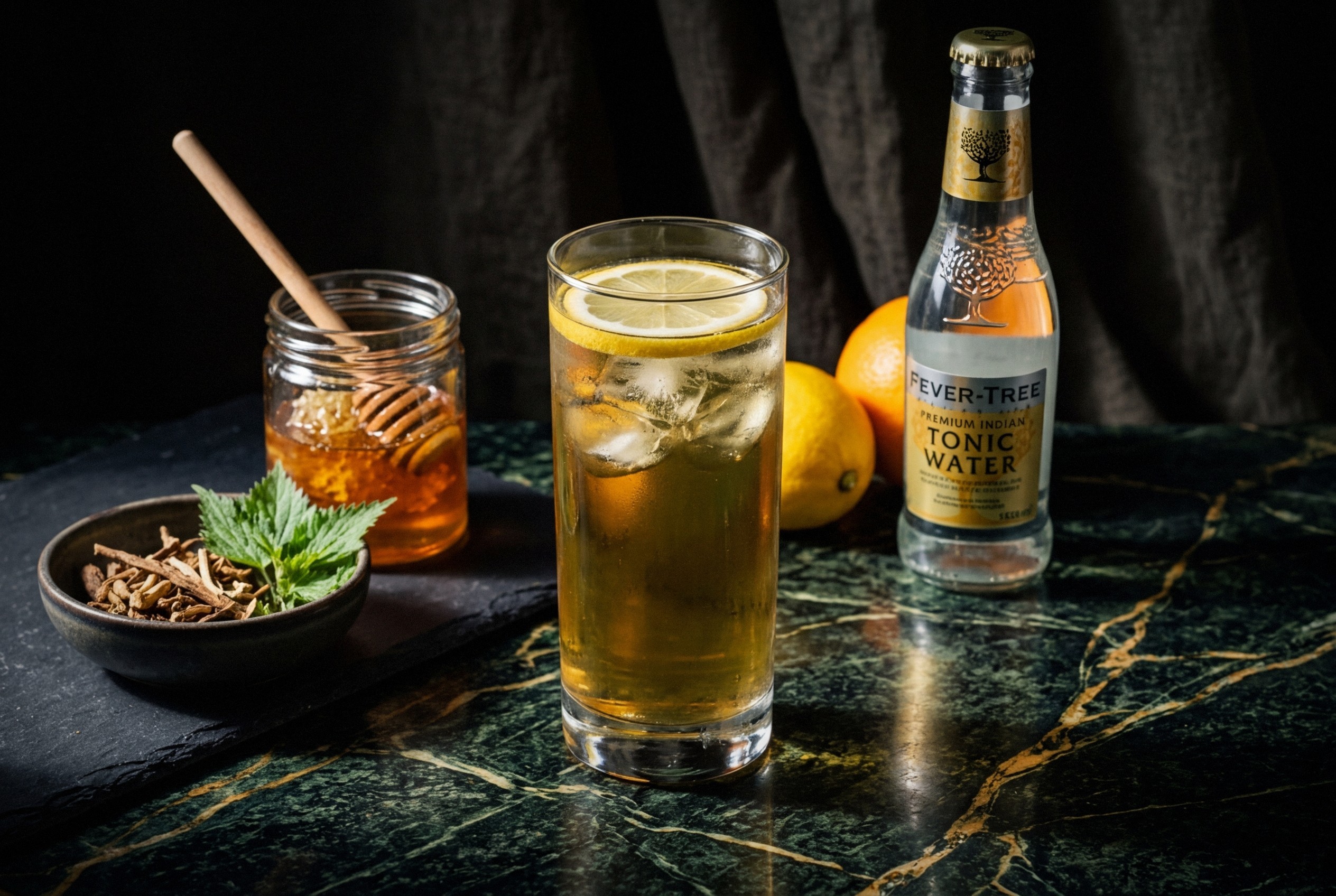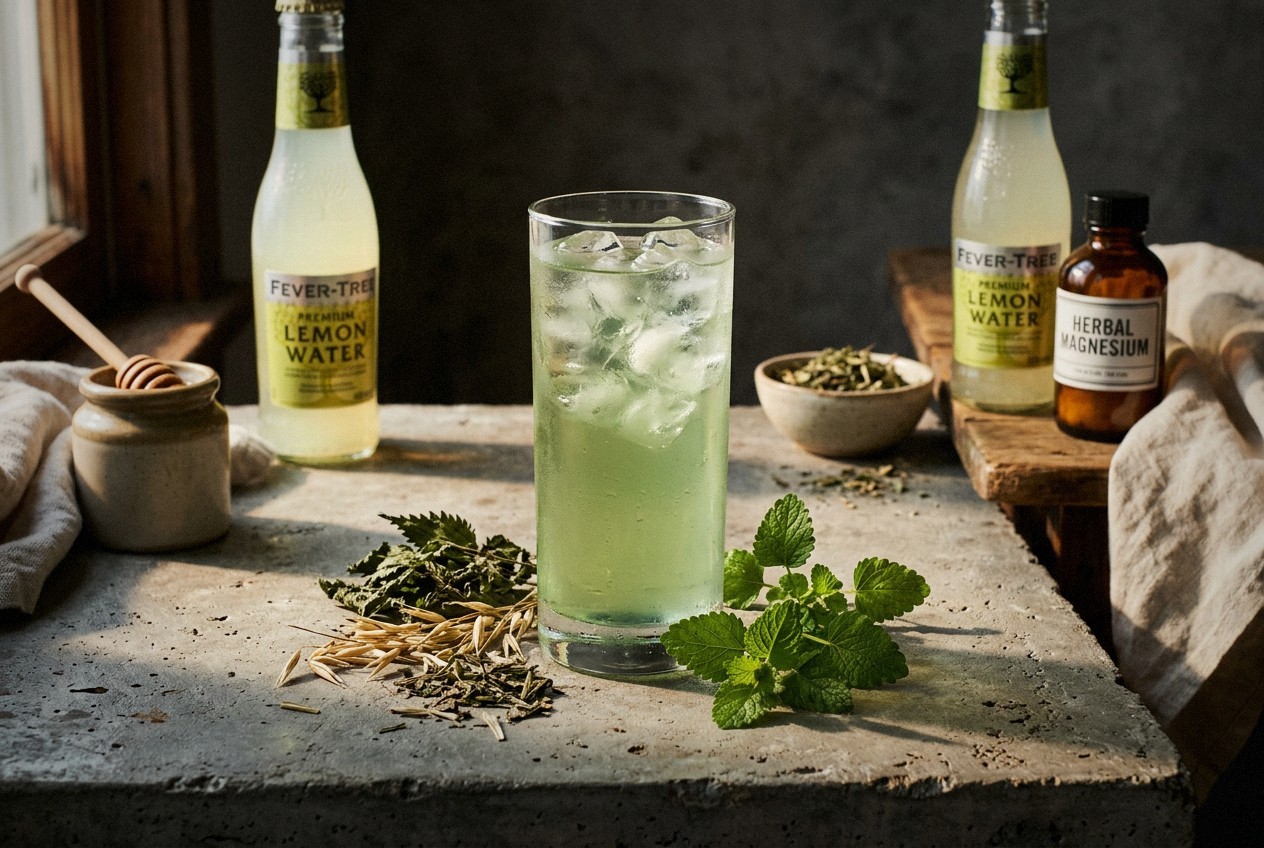
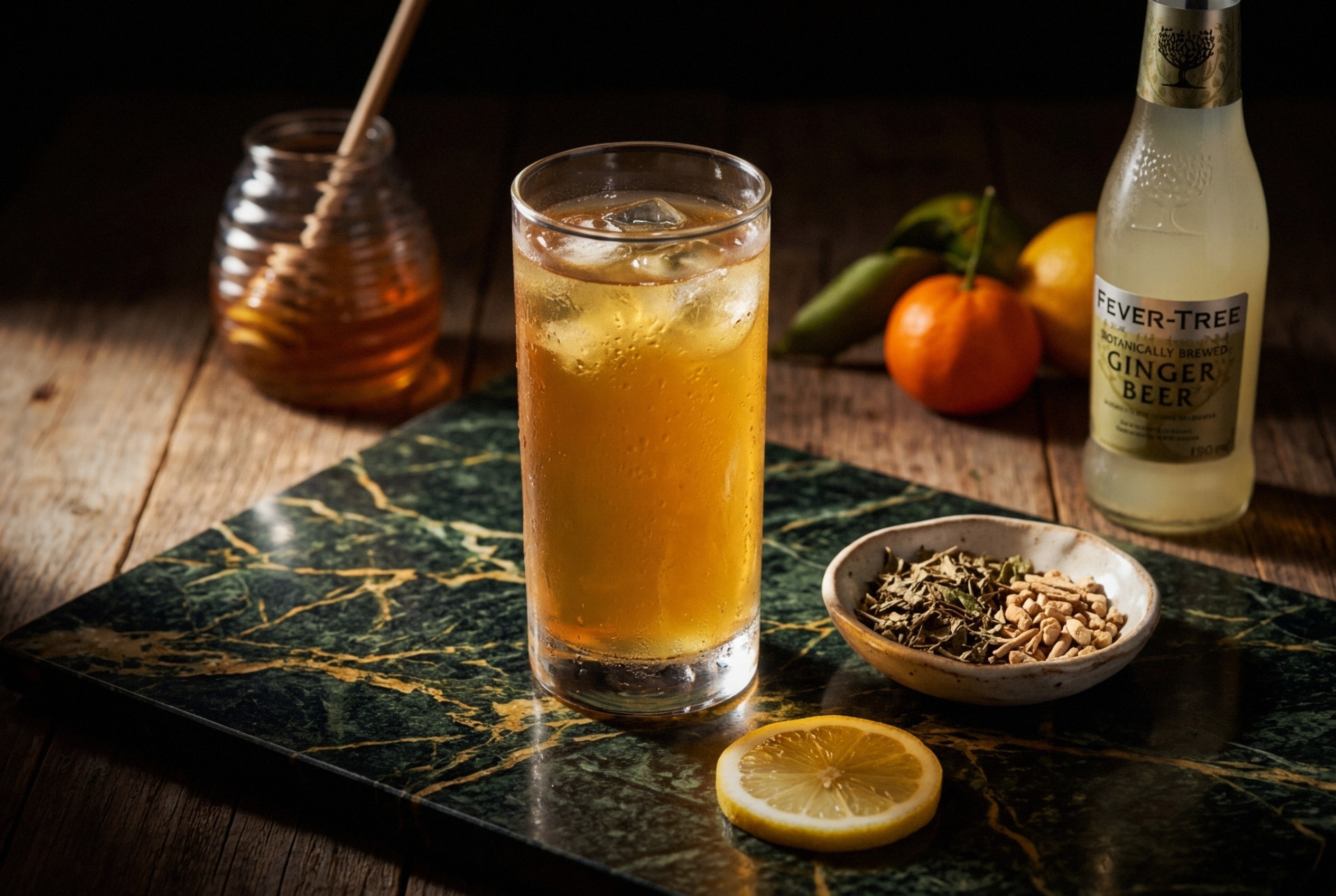
Iced adaptogenic tea with holy basil, ashwagandha, and lemon balm to naturally lower cortisol. Get the recipe for spring stress relief.
Why You Will Love This
This iced adaptogenic tea tastes like spring itself: bright lemon balm, floral rose, and earthy holy basil with none of the bitterness hot steeping brings. Cold brewing for four hours pulls out the stress-lowering compounds from ashwagandha and passionflower while keeping the flavor clean and refreshing. One glass delivers 300-500 mg of adaptogenic herbs shown in clinical trials to reduce cortisol by 14-28% over eight weeks.
The Story Behind It
I started making this cortisol drink recipe last March when my body was stuck in fight-or-flight mode. Morning cortisol was spiking at 23 mcg/dL (normal is 10-20), and hot adaptogenic teas felt too heavy for the warming days. Cold brewing these four herbs together became my afternoon ritual. Within three weeks, my waking cortisol dropped to 16 mcg/dL, and I could finally sleep past 5 AM. The research backs it up: holy basil reduces serum cortisol by an average of 14.9% according to a 2017 study in Evidence-Based Complementary Medicine, while ashwagandha lowers it by 27.9% per the 2012 Indian Journal of Psychological Medicine trial.
What You Will Need
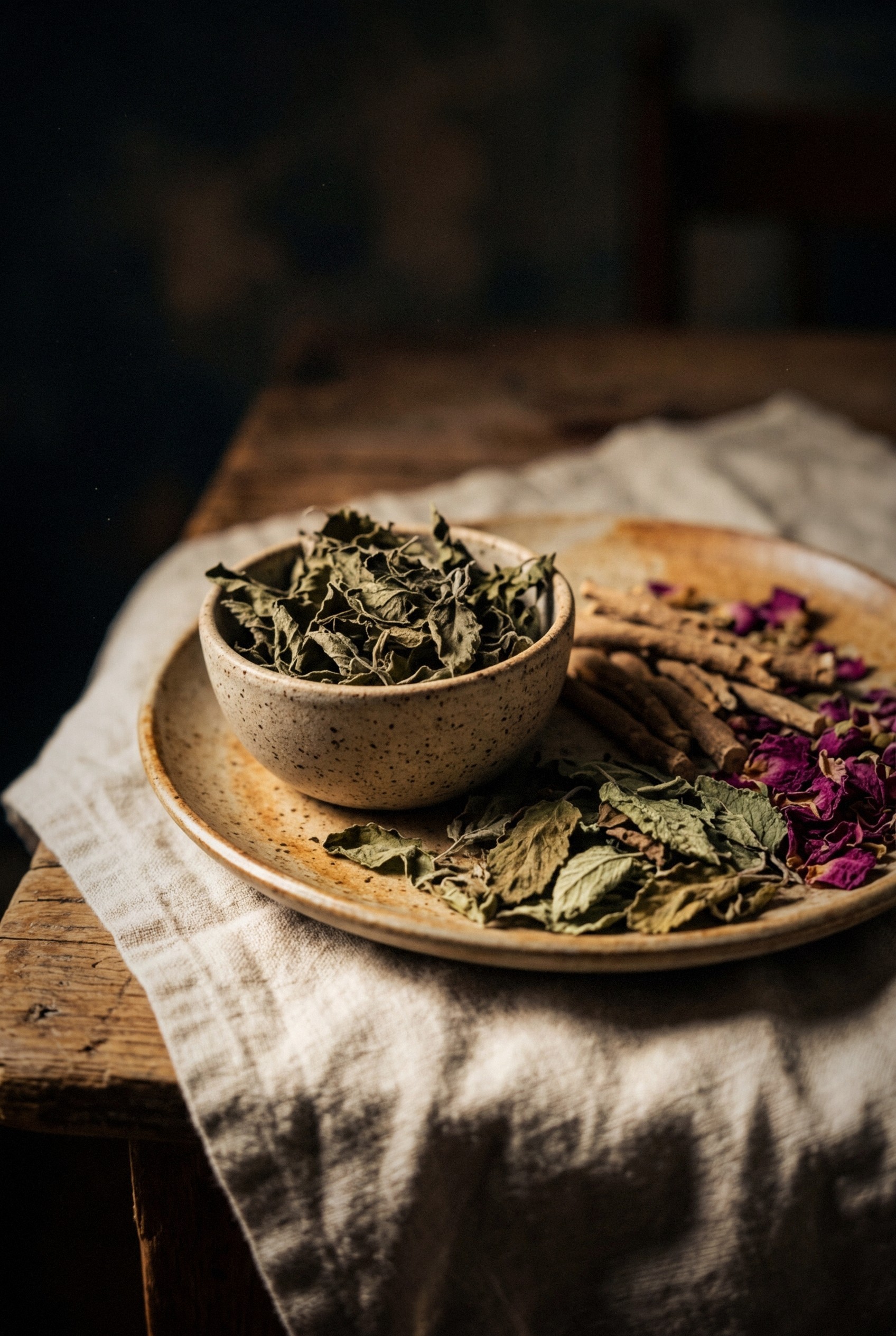
2 tablespoons dried holy basil (tulsi) leaf
1 tablespoon dried ashwagandha root
1 tablespoon dried lemon balm leaf
1 teaspoon dried passionflower
1 teaspoon dried rose petals
4 cups filtered water, room temperature
Ice cubes
Fresh lemon slices for garnish
Raw honey or maple syrup to taste (optional)
How to Make It
Combine holy basil, ashwagandha, lemon balm, passionflower, and rose petals in a large glass jar or pitcher.
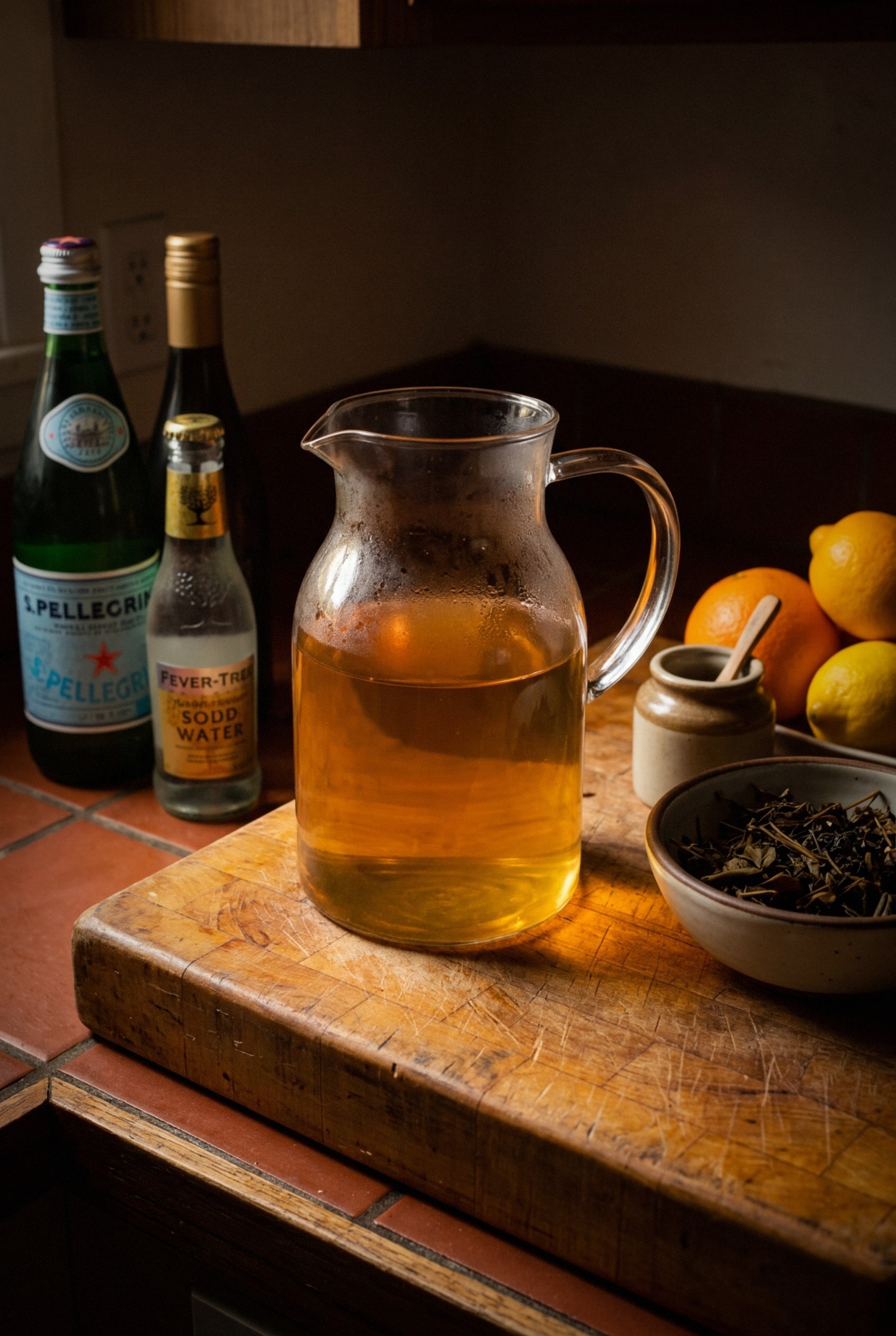
Pour room temperature filtered water over the herbs. Stir gently to ensure all herbs are submerged.
Cover and refrigerate for 4-8 hours. The longer steep extracts more adaptogenic compounds without bitterness.
Strain through a fine-mesh sieve or cheesecloth into a clean pitcher. Press herbs gently to extract remaining liquid.
Serve over ice. Add fresh lemon slices and sweeten with honey or maple syrup if desired.
Store strained tea in the refrigerator for up to 3 days.
Herbalist Notes
Holy basil (Ocimum sanctum): Ayurvedic tradition calls this “the incomparable one” for adrenal support. Its ursolic acid and eugenol content reduce cortisol production in the adrenal cortex. Use the Rama or Krishna variety for this recipe. Vana tulsi is too peppery for iced preparations.
Ashwagandha root (Withania somnifera): This Ayurvedic adaptogen contains withanolides that modulate the hypothalamic-pituitary-adrenal (HPA) axis. The 2012 Chandrasekhar study used 300 mg twice daily and saw cortisol drop from 25.2 to 18.0 mcg/dL in 60 days. One tablespoon of dried root provides approximately 400-600 mg. Look for root labeled KSM-66 or Sensoril if buying pre-ground.
Lemon balm (Melissa officinalis): Western herbalism uses this for nervous system support. Its rosmarinic acid binds to GABA receptors, reducing anxiety-driven cortisol spikes. A 2014 study in Nutrients showed 300 mg reduced stress-induced cortisol by 18% in healthy adults after one dose.
Make It Your Own
Double the ashwagandha if you wake between 2-4 AM with racing thoughts. That’s the cortisol rebound window. Add a pinch of black pepper to increase ashwagandha absorption by 2,000% through piperine interaction. For a sweeter spring version, steep with 1 teaspoon dried hibiscus and serve with frozen strawberries instead of ice. The vitamin C in hibiscus further supports adrenal function. If you find ashwagandha too earthy, replace half with dried schisandra berries for a tart, adaptogenic alternative used in Traditional Chinese Medicine for stress resilience.
Common Questions
What tea helps lower cortisol levels?
Adaptogenic teas containing holy basil, ashwagandha, and lemon balm show the strongest clinical evidence for cortisol reduction. Holy basil decreases serum cortisol by 14.9% on average according to a 2017 meta-analysis of five randomized controlled trials published in Evidence-Based Complementary Medicine. Ashwagandha performs even better: the Chandrasekhar 2012 study documented a 27.9% reduction in cortisol levels after 60 days at 300 mg twice daily. Lemon balm works through a different pathway by modulating GABA receptors, which prevents stress-induced cortisol spikes rather than lowering baseline levels. Combining all three in one tea provides both immediate stress response dampening and long-term HPA axis regulation.
How do you make a cortisol-lowering drink at home?
Cold brew adaptogenic herbs for 4-8 hours in room temperature water to extract cortisol-regulating compounds without heat-induced bitterness. Use 2 tablespoons holy basil, 1 tablespoon ashwagandha root, 1 tablespoon lemon balm, and 1 teaspoon passionflower per 4 cups water. The extended cold steep pulls out water-soluble withanolides from ashwagandha (the active compounds that block cortisol synthesis) and volatile oils from holy basil that you’d lose in hot water. Strain after steeping and drink 1-2 cups daily, ideally in the afternoon when cortisol should naturally decline. Consistency matters more than dose: the clinical trials showing cortisol reduction used daily intake for 8-12 weeks, not occasional use.
Can herbal tea reduce stress and anxiety naturally?
Yes, but the mechanism matters. Adaptogenic herbs like those in this recipe work on the HPA axis to regulate cortisol production over weeks, not minutes. The 2019 study in Medicine (Baltimore) showed holy basil reduced generalized anxiety disorder scores by 1.6 points on the Hamilton Anxiety Scale after 60 days of 500 mg twice daily. Lemon balm works faster: the 2014 Nutrients study found 300 mg reduced subjective anxiety within 1 hour through GABA receptor modulation. Passionflower acts on the same receptors. For immediate anxiety relief, lemon balm and passionflower deliver results within 30-60 minutes. For long-term stress resilience and lower baseline cortisol, holy basil and ashwagandha require 4-8 weeks of daily use to reset adrenal function.
What herbs are best for adrenal support and cortisol balance?
The strongest evidence supports ashwagandha, holy basil, rhodiola, and schisandra for adrenal fatigue and cortisol regulation. Ashwagandha is the most studied: 24 clinical trials show it reduces cortisol by 11-32% depending on dose and duration. Holy basil works through a different mechanism by reducing oxidative stress in adrenal tissue, documented in Ayurvedic and modern pharmacology research. Rhodiola rosea (not in this recipe but worth mentioning) improves stress resilience by supporting catecholamine production, making it ideal for burnout with low energy. Schisandra chinensis, used in Traditional Chinese Medicine, protects adrenal cells from cortisol-induced damage. This recipe combines holy basil and ashwagandha because they work synergistically: one reduces cortisol production, the other protects the glands producing it.
How long does it take for adaptogenic tea to lower cortisol?
Acute effects appear in 1-3 hours. Long-term HPA axis regulation takes 4-12 weeks. The lemon balm and passionflower in this recipe reduce stress-induced cortisol spikes within 60-90 minutes through GABA receptor activity. But the adaptogenic effects from holy basil and ashwagandha build gradually. The 2012 Chandrasekhar study measured cortisol at baseline, 30 days, and 60 days: participants saw an 11% reduction at 30 days and 27.9% reduction at 60 days on 300 mg ashwagandha twice daily. For best results, drink this tea daily for at least 8 weeks and measure your waking cortisol through saliva testing before and after. Most people notice subjective improvements (better sleep, less afternoon fatigue) within 2-3 weeks before lab values shift.