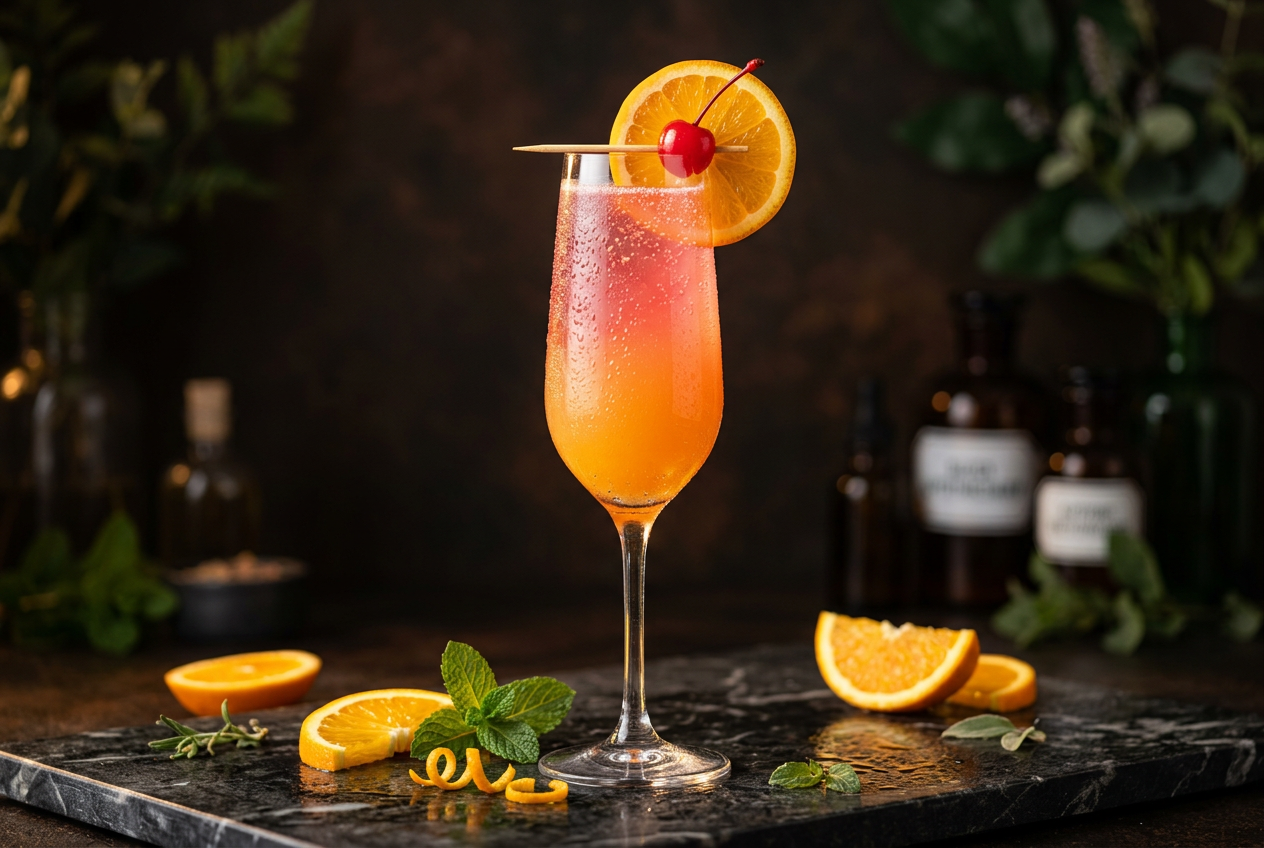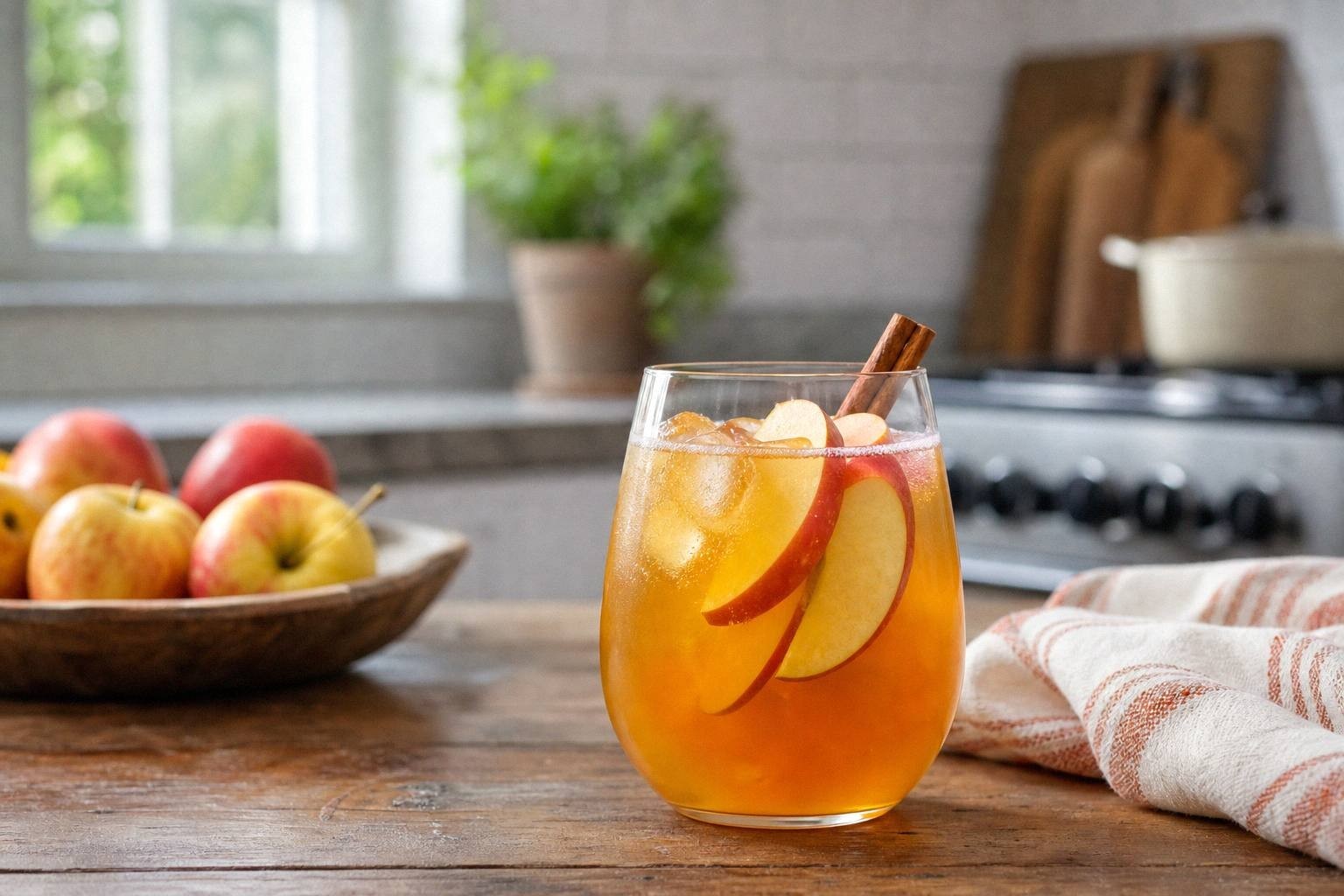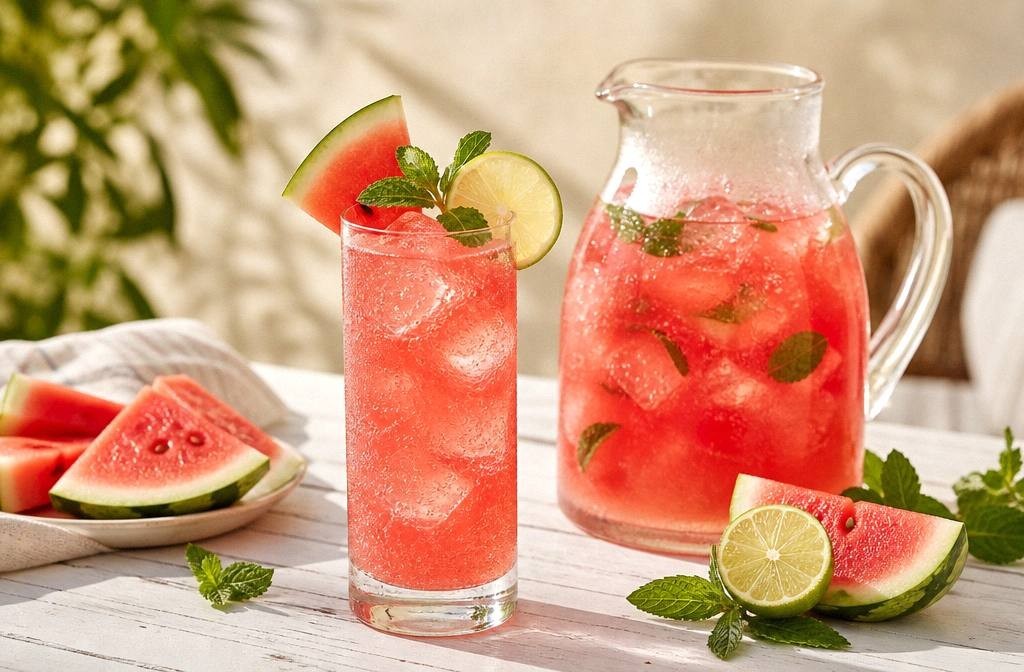
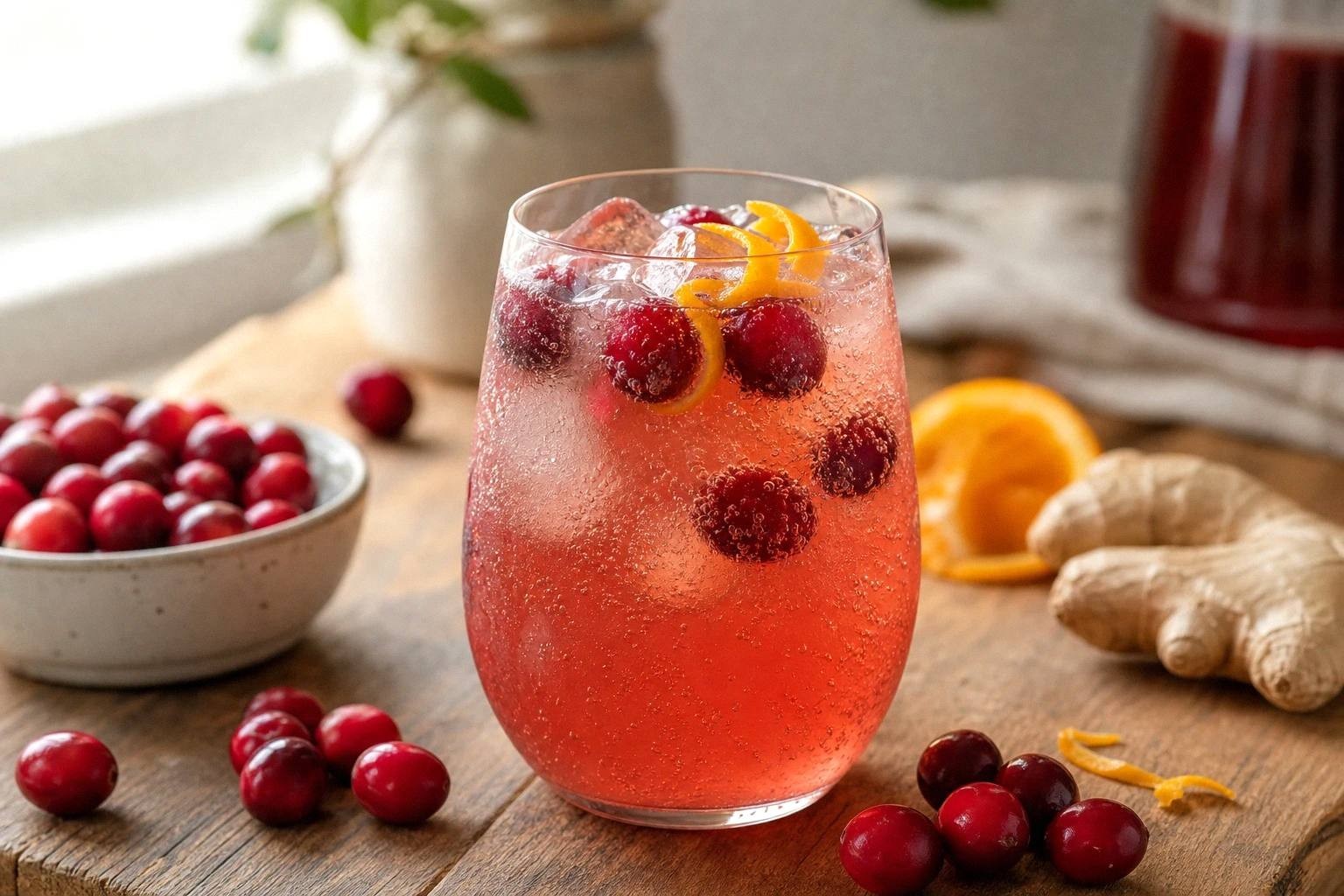
A cranberry mocktail delivers tart-sweet refreshment without the alcohol, making it perfect for holiday gatherings, celebrations, or any time you want something more interesting than plain juice. The best versions balance unsweetened cranberry juice with a fizzy element like ginger beer or sparkling water, then brighten the whole thing with citrus. You can mix one in under five minutes, scale it to a pitcher for a crowd, and adjust the sweetness to match your taste.
Why This Mocktail Works
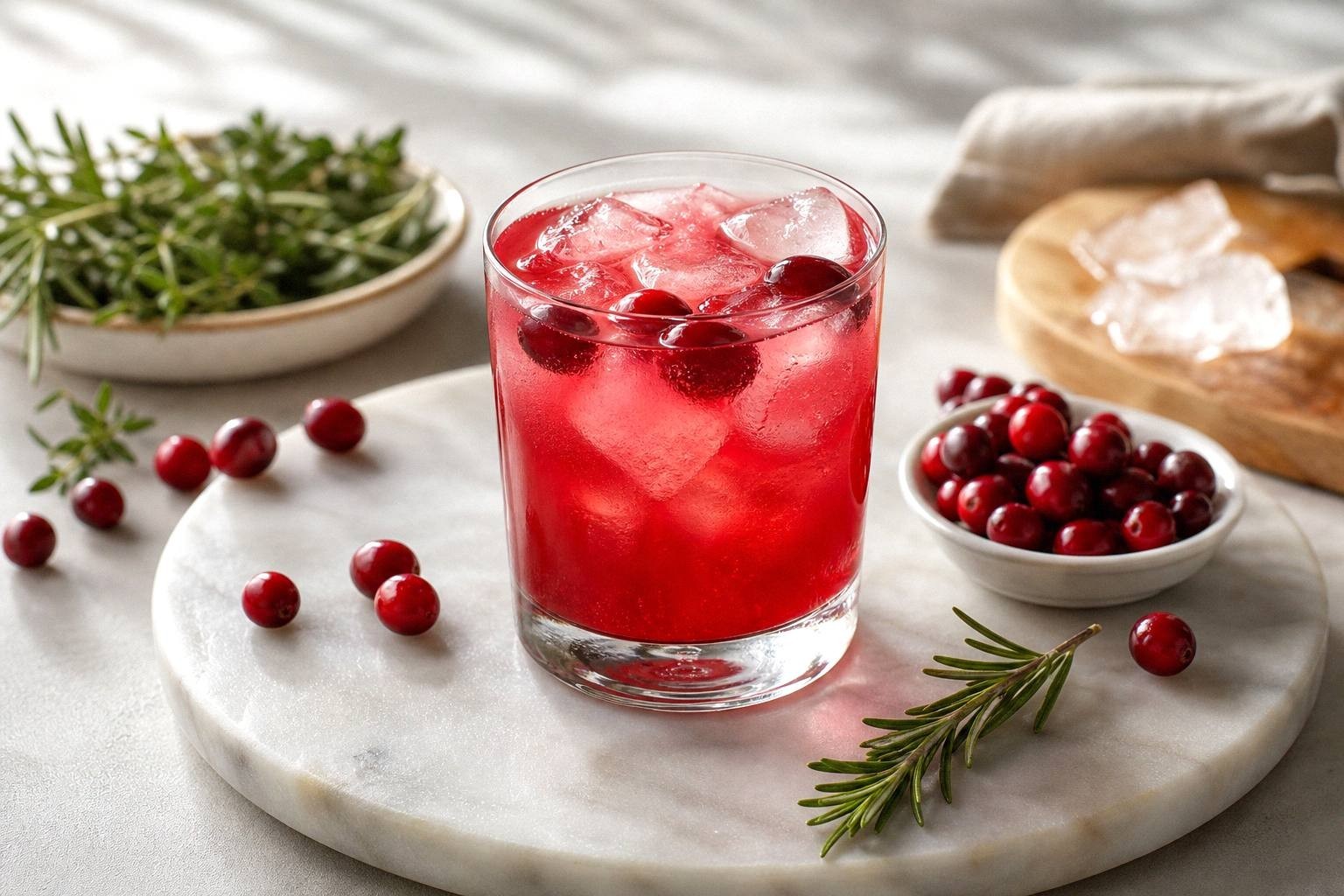
Cranberry juice on its own is mouth-puckeringly tart, which is exactly why it needs a partner. Ginger beer brings sweetness and spice that tames the cranberry’s sharpness without turning the drink into candy. The carbonation lifts the flavors and makes each sip feel lively rather than flat.
Optional orange juice adds a second layer of sweetness and rounds out the tartness with fruity depth. Fresh citrus also contributes acidity that keeps the drink from tasting one-dimensional. When using that optional addition, the ginger beer’s spice, the cranberry’s bite, and the orange’s brightness create a balanced drink that tastes deliberate, not like you dumped juice into soda.
Crushed ice chills the drink faster and dilutes it slightly as it melts, which softens the intensity of unsweetened cranberry juice. If you prefer a stronger flavor, use regular cubes. Either way, serve the mocktail immediately after mixing so the carbonation stays lively.
Check whether the juice is unsweetened pure cranberry, a 100% juice blend, or a sweetened cranberry cocktail. These differ in sweetness and acidity; “100% juice” does not necessarily mean pure cranberry. The base uses unsweetened cranberry juice. Read the actual nutrition label rather than relying on generic sugar-per-cup claims. Cranberry cocktail or a blend changes the flavor balance and is a separate substitution.
Ingredients
- 2 US fluid ounces chilled unsweetened cranberry juice
- 4 US fluid ounces chilled ginger beer labeled 0.0% alcohol if required
- Washed fresh cranberries for garnish
- 2 tablespoons granulated sugar and 1 teaspoon orange zest (rim mixture for about four glasses)
- 1 washed orange wedge to dampen the rim
Instructions
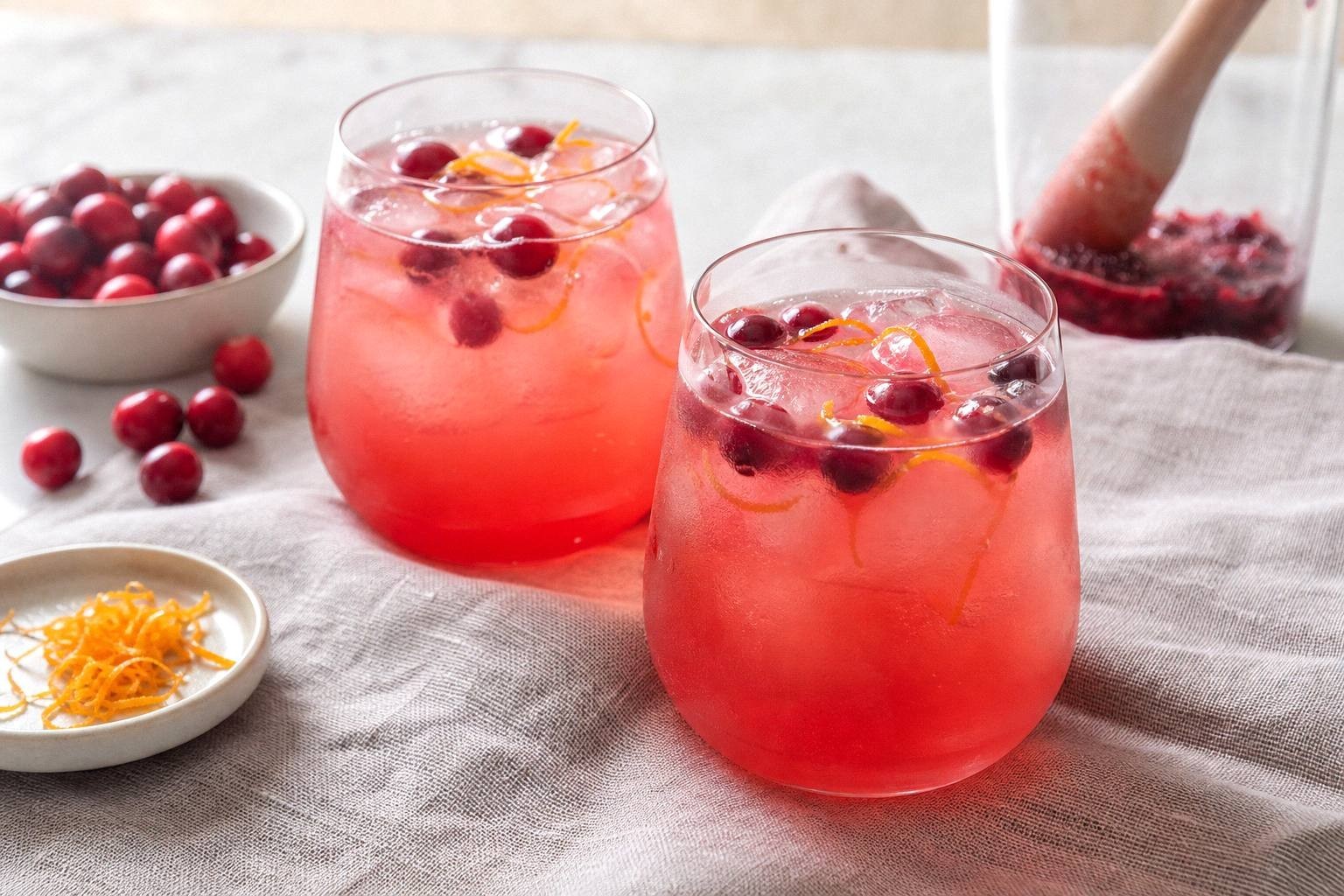
- Combine sugar and orange zest on a plate; this rim mixture covers about four glasses.
- Dampen one glass rim with the orange wedge and dip it in the mixture.
- Pour in 2 US fluid ounces chilled cranberry juice.
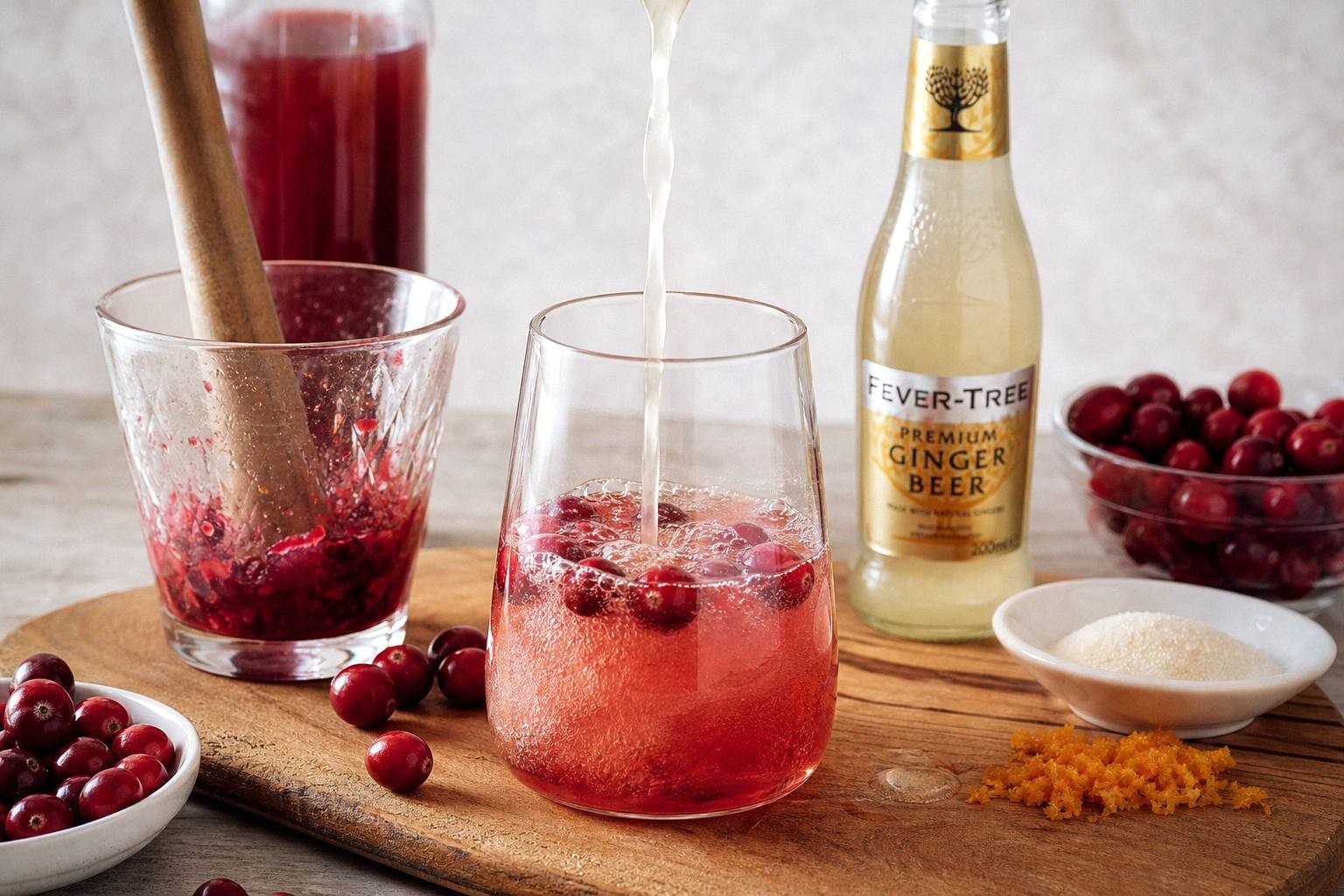
- Add 4 US fluid ounces chilled ginger beer, stir gently and garnish with washed cranberries. Serve promptly.
A Welcome Drink for a Holiday Table
This is an easy first pour while a holiday meal comes together: cranberry keeps the ginger beer tart, and the orange-sugar rim makes a single glass feel considered. Rim each glass before you pour, then add cold ginger beer when the guest is ready.
Use an 8 to 10 ounce rocks glass, or a short tumbler of similar size, for the 6 ounce drink and cranberry garnish. The recipe does not need ice if the juice and ginger beer are chilled; skipping it also keeps the sugar rim from dripping as cubes shift in the glass.
Sparkling Element Options
- Ginger beer: The most popular choice because its spicy sweetness complements cranberry’s tartness without fighting it. Look for brands labeled non-alcoholic, since traditional ginger beer can contain trace alcohol from fermentation. The spice level varies by brand: some are mild and sweet, others have a sharp ginger bite. If you’re serving kids or prefer a gentler flavor, choose a milder ginger beer.
- Sparkling water or club soda: Keeps the drink lighter and less sweet. Use lime-flavored sparkling water to add citrus without extra sugar, or plain sparkling water if you’re adding fresh lime juice separately. This option works best when you’re using cranberry juice cocktail instead of unsweetened, since the juice itself provides the sweetness.
- Sparkling white grape juice: Adds sweetness and fizz without any ginger spice. It makes the drink taste fruitier and more approachable for people who don’t like ginger. This is a good choice for kids or anyone who wants a milder mocktail. Expect the final drink to be noticeably sweeter than the ginger beer version.
How to Scale for Eight Glasses
Use 2 cups (16 US fluid ounces) cranberry juice and 4 cups (32 US fluid ounces) ginger beer for eight six-fluid-ounce drinks. Chill the cranberry juice separately; add freshly opened cold ginger beer just before serving, or add 4 fluid ounces to each glass containing 2 fluid ounces cranberry juice. For eight rims, double the rim mixture to 4 tablespoons sugar and 2 teaspoons zest. Unused rim mixture is not part of each drink’s yield.
Orange juice is an optional variant, not part of that scaled base: an extra 1 fluid ounce per glass needs 1 cup for eight glasses and makes seven-fluid-ounce drinks before ice. Use larger glasses if adding ice.
Common Problems and How to Fix Them
- Too tart: Start with 1/4 US fluid ounce of simple syrup or switch to a sweeter ginger beer. Optional orange juice is an addition, not an ingredient to “increase” in the base. Start with the measured one-ounce orange addition above and adjust the flavor to taste; it increases the liquid volume.
- Too sweet: Use unsweetened cranberry juice instead of cranberry cocktail, or replace half the ginger beer with plain sparkling water. A squeeze of fresh lime juice also cuts sweetness.
- Flat and lifeless: Make sure your ginger beer or sparkling water is cold and freshly opened. Add it last, right before serving, and stir gently so you don’t knock out the carbonation.
- Watery after ten minutes: Crushed ice melts fast. Switch to regular cubes, or serve the drink immediately after mixing. If you’re making a pitcher, keep the juice blend chilled and add ice only to individual glasses at serving time.
- Garnishes sink or look wilted: Add washed fruit garnishes just before serving. A precise garnish life or universal fresh-versus-frozen flotation advantage is not established here.
Variations Worth Trying
A sugar rim adds a festive touch and extra sweetness with each sip. Mix two tablespoons of granulated sugar with one teaspoon of orange zest on a small plate. Run an orange wedge around the rim of your glass to dampen it, then dip the rim into the sugar mixture until it’s evenly coated. Fill the glass with ice and proceed with the recipe.
For a cranberry-lime variation, add 1/4 US fluid ounce fresh lime juice to the base drink after the cranberry juice, then add ginger beer and stir gently. This is an original culinary flavor adjustment, not a replacement for orange juice that is absent from the base. It makes one drink with 6 1/4 fluid ounces before garnish or ice; use a glass with extra room. The Speckled Palate suggests lime as a flavor option but does not supply this particular measured variation. No kitchen testing or extra storage life is claimed.
A rosemary garnish adds an herbal note that works especially well during the holidays. Tuck a small sprig of fresh rosemary into the glass alongside the cranberries and orange slice. The rosemary releases a subtle piney aroma as you drink, but it doesn’t overpower the fruit flavors.
Frequently Asked Questions
Can you make cranberry mocktail ahead of time?
Chill the cranberry juice for the base separately in the refrigerator. Orange juice is optional; it is not part of the base pitcher quantities. Add the ginger beer or sparkling water right before serving so the drink stays fizzy. If you add carbonation too early, it will go flat.
What can I substitute for ginger beer?
Sparkling water, club soda, or sparkling white grape juice all work. Sparkling water keeps the drink lighter and less sweet, while grape juice makes it fruitier. Ginger ale is another sweetened option, usually with milder ginger flavor; it is not a sugar-free substitute.
How do you make simple syrup for mocktails?
Combine equal parts granulated sugar and water in a small saucepan. Heat over medium heat, stirring occasionally, until the sugar dissolves completely. Cool promptly and refrigerate in a clean closed container. This page does not establish a two-week syrup life. Equal parts here means equal measured volumes; no exact batch size, cooling time or yield is supplied. For this mocktail, start with a quarter-ounce and add more if needed.
Can you turn cranberry mocktail into a cocktail?
Add 1 to 2 ounces of vodka to the glass before you pour in the juices and ginger beer. The vodka won’t change the flavor much, but it will add alcohol content. You can also use spiced rum, which complements the ginger and orange.
What type of ice is best for mocktails?
Regular ice cubes melt slowly and keep the drink cold without diluting it too fast. Crushed ice chills the drink faster and creates a slushy texture as it melts, which some people prefer. Use crushed ice if you’re serving the drink immediately, or cubes if it might sit for a few minutes.
What garnishes work for cranberry mocktails?
Fresh cranberries float on top and add a pop of color. Orange or lime slices hook onto the rim or float in the drink. A sprig of rosemary or a few mint leaves add an herbal note. Avoid garnishes that wilt quickly, like delicate herbs, unless you’re serving the drink right away.
Conclusion
A cranberry mocktail is one of the simplest non-alcoholic drinks you can make, and it’s easy to adjust to your taste. Start with cranberry juice and ginger beer, adding orange juice only as an optional variant, then tweak the sweetness or try a different sparkling element. The drink works for one glass or a party pitcher, and a chilled glass takes about five minutes to assemble.
Source and Handling Notes
The base and four-glass orange-sugar rim correspond to The Speckled Palate recipe . Allrecipes Holiday Mule is a related cranberry-shrub drink, not this juice formula. Source comparison is not kitchen testing.
Wash fruit before zesting or cutting, following FDA produce guidance . Choose pasteurized juice where needed; a mocktail label alone does not make a drink suitable for pregnancy or every guest. Check ginger beer and spirit-alternative labels for actual alcohol content. Serve the mixed drink promptly; no prepared-drink shelf life is established. Alcohol-added options are cocktails.