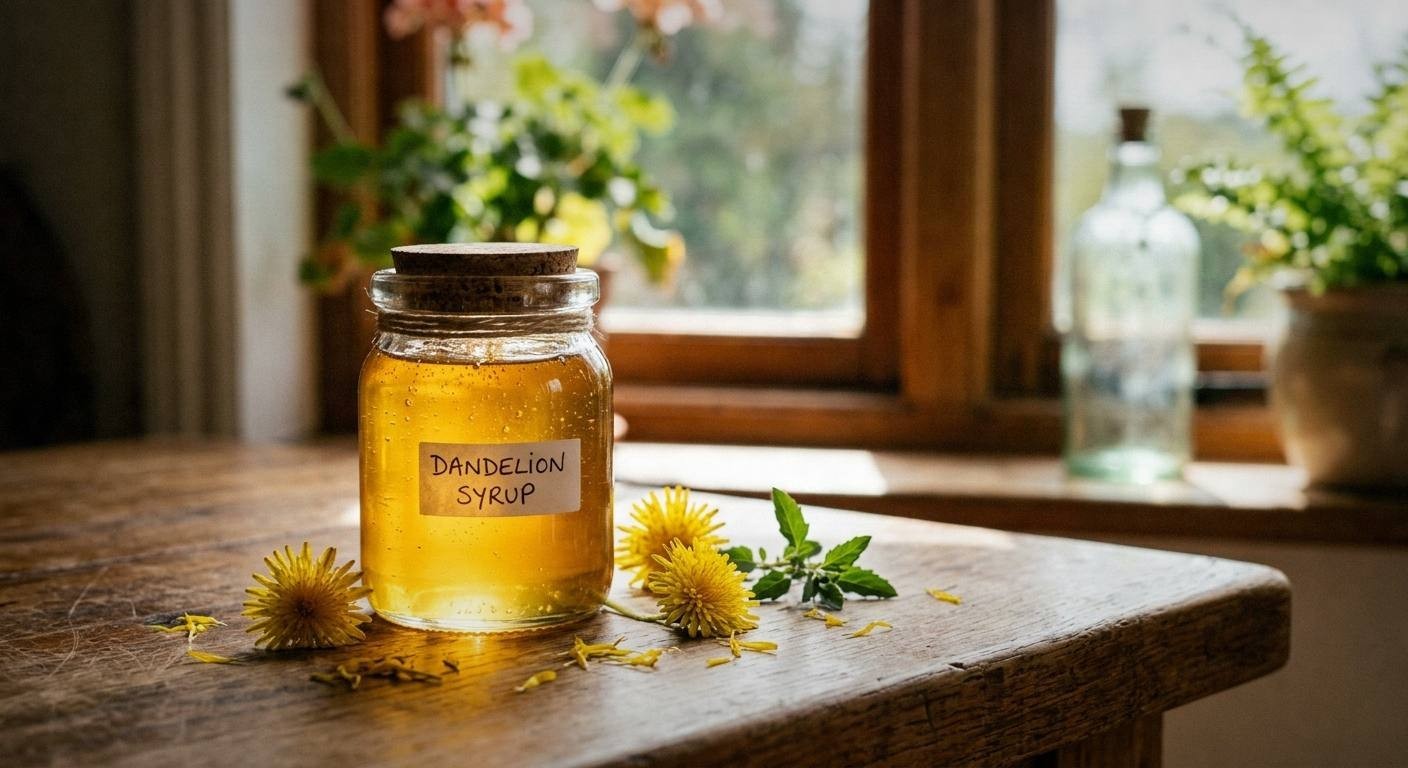
Dandelion syrup from fresh foraged flower petals, sugar, lemon, and water. Tastes like honey but completely vegan, and it grows free in your backyard.
Every spring, people spray dandelions off their lawns like they’re pests. Meanwhile, foragers are out picking them before the neighbors wake up because four cups of dandelion petals simmered into a syrup produce something that tastes remarkably like honey. Golden, thick, floral sweetness with a faint bitterness underneath. No bees involved.
At a Glance
| Detail | Info |
|---|---|
| Prep time | 30 minutes (mostly petal separation) |
| Total time | 24 hours (includes overnight steep) |
| Yield | About 2 cups |
| Difficulty | Easy but time-consuming |
| Key ingredient | Fresh dandelion flower petals |
| Best for | Vegan honey substitute, drink syrup, pancakes |
| Flavor profile | Floral, honeyed, lightly bitter, citrus |
| Season | Spring (April-May in most climates) |
Foraging Your Dandelions
The first rule is sourcing. You need dandelions that have not been exposed to pesticides, herbicides, or road runoff. That eliminates most suburban lawns, golf courses, parks maintained by landscaping companies, and roadsides. Good sources: your own untreated yard, a friend’s untreated property, organic farms, rural meadows, community gardens that do not spray.
When to pick: Morning, after the dew has dried but before the flowers start closing in the afternoon heat. Dandelions open fully in direct sunlight and close when the light fades. Fully open flowers give you the most petals and the most flavor.
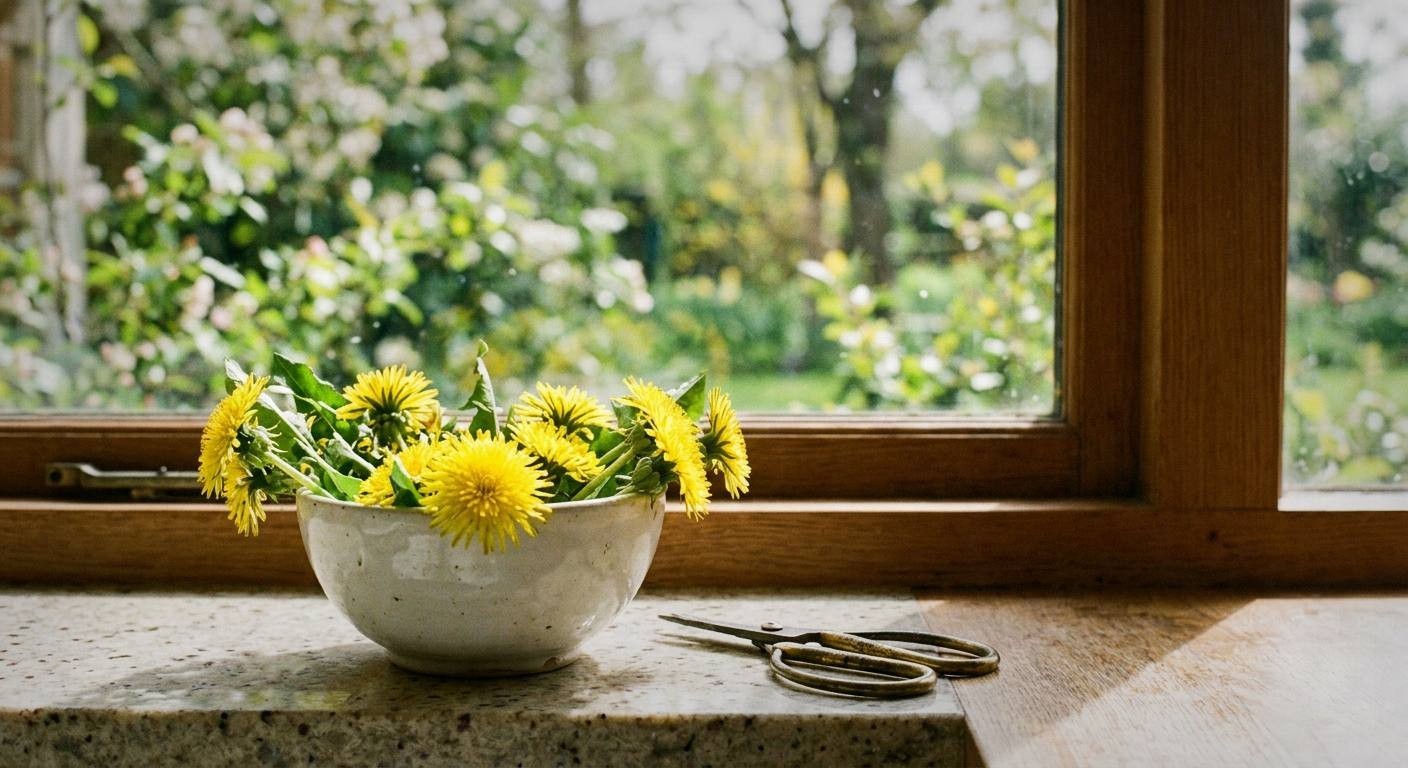
How many: You need roughly 200 to 250 flower heads to get 4 cups of petals. That sounds like a lot, but a healthy patch of dandelions can yield this in 15 minutes. Bring a paper bag or basket. Do not use plastic bags, which cause the flowers to sweat and wilt.
Which flowers: Pick fully open, bright yellow flowers. Skip any that have started going to seed (the white puffball stage) or that look wilted. The younger and more vibrant the flower, the better the flavor.
Why This Works as a Honey Substitute
Dandelion petals contain natural sugars and volatile aromatic compounds that, when concentrated through simmering, produce a syrup with a viscosity and flavor profile strikingly close to honey. The lemon juice adds pectin interaction and acid balance that helps the syrup set properly. Traditional European herbalists called it “dandelion honey” or miel de pissenlit in French, and it has been made this way for generations in rural France, Germany, and Eastern Europe. Adamant Kitchen documents the traditional method, and North Wild Kitchen covers the Norwegian variation (lovetannsirup) that has been a spring tradition in Scandinavia for centuries.
Dandelions have been used in traditional herbalism for centuries, primarily as a digestive bitter and mild diuretic. The botanical name Taraxacum officinale literally means “official remedy for disorders.” The roots are more commonly used medicinally, but the flowers have their own history as food. Fried dandelion blossoms, dandelion wine, and dandelion syrup are all traditional spring preparations across Europe.
What You Will Need
- 4 cups fresh dandelion petals (about 200-250 flower heads)
- 4 cups water
- 4 cups granulated sugar
- 1 lemon, juiced
On the petal separation: This is the tedious part. You need to remove the yellow petals from the green calyx (the cup-shaped base that holds the flower together). The green parts contain bitter compounds that will make the syrup taste medicinal instead of honeyed. Hold the base with one hand and pull the petals free with the other. Or use scissors to snip the petals off at the base. Some recipes say a little green is fine. It is not. The bitterness is disproportionate to the amount of green.
On the sugar: White granulated sugar produces the clearest, most honey-like result. You can substitute coconut sugar for a darker, more molasses-like syrup, but the color and flavor will shift significantly.
On the lemon: Fresh lemon juice provides citric acid, which helps the syrup set to the right consistency and prevents crystallization. It also brightens the flavor.
How to Make It
Pick your dandelions and separate the petals. This is the most time-intensive step. Put on a podcast.
Place the petals in a saucepan with 4 cups of water. Bring to a boil, then immediately remove from heat.
Cover the pot and let the petals steep overnight at room temperature. Eight to twelve hours. The water will turn a deep golden yellow. This is your dandelion infusion.
The next morning, strain the infusion through a fine mesh sieve or cheesecloth into a clean pot. Squeeze the petals to extract every drop. Discard the spent petals.
Add 4 cups of sugar and the juice of 1 lemon to the dandelion infusion. Stir over medium heat until the sugar dissolves completely.
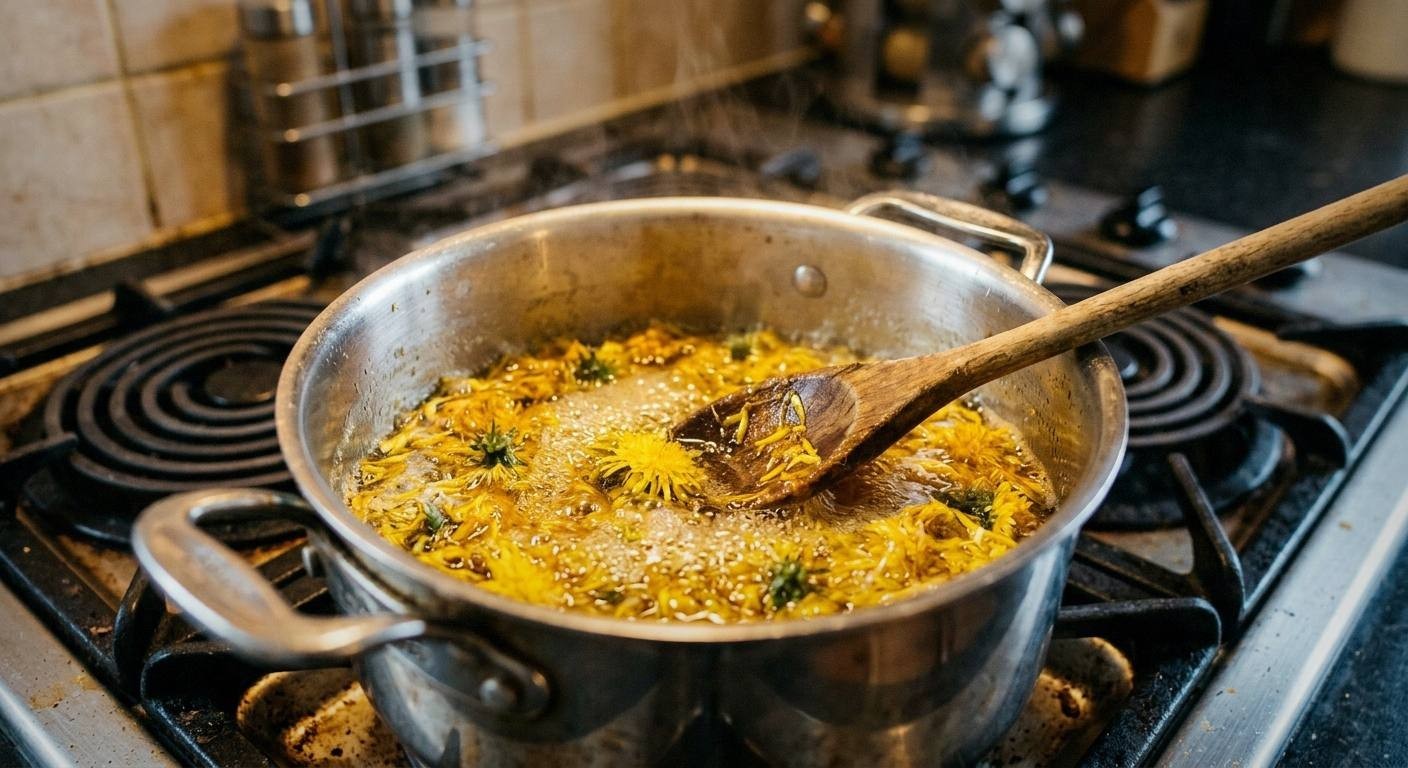
Bring to a boil, then reduce to a low simmer. Simmer uncovered for 1 to 2 hours, stirring every 15 minutes or so. The syrup will slowly darken and thicken. It is done when it coats the back of a spoon and drips slowly.
Be careful not to over-reduce. The syrup thickens significantly as it cools. If you cook it down to a honey consistency while hot, it will be too thick once cold. Pull it from the heat when it is slightly thinner than you want the final product to be.
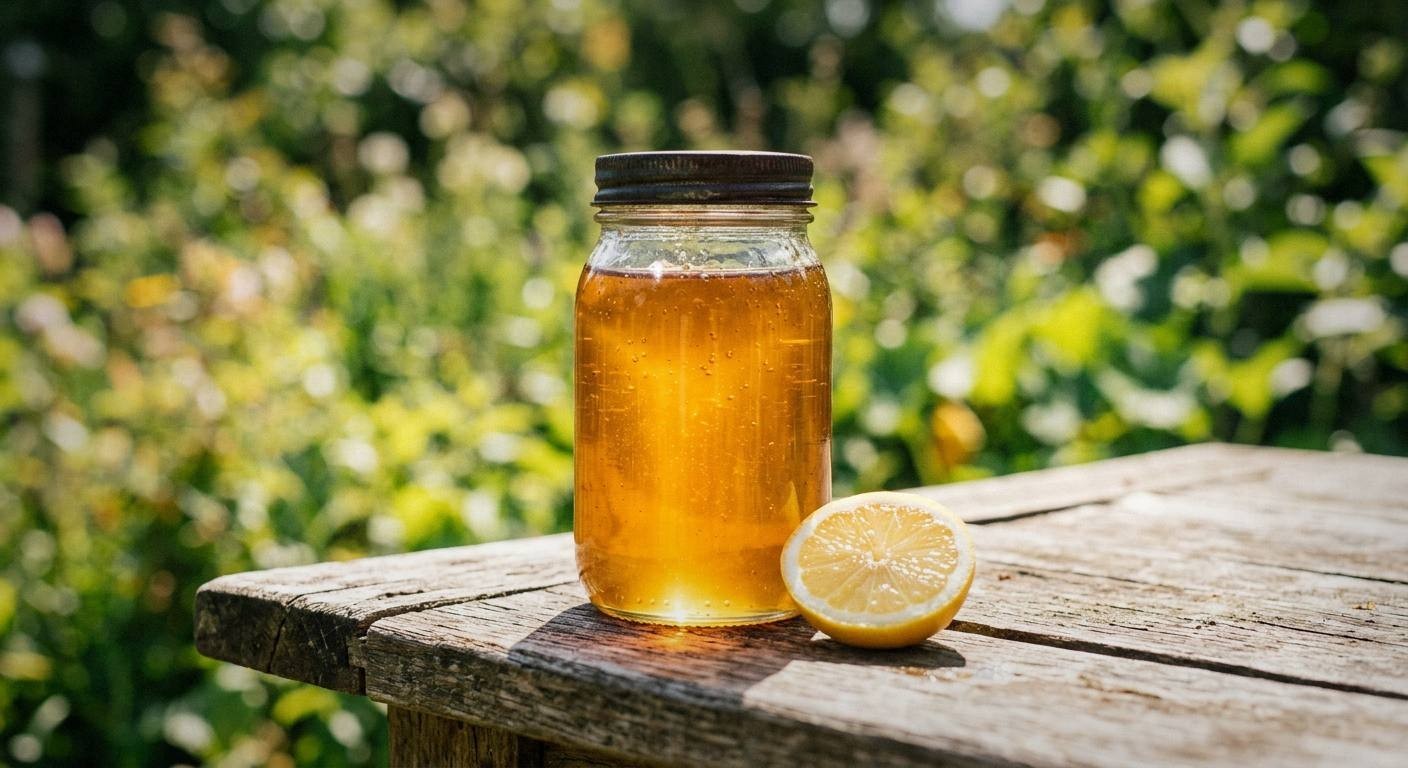
Pour into clean glass jars while warm. Let cool to room temperature, then seal and refrigerate.
How to Use Dandelion Syrup
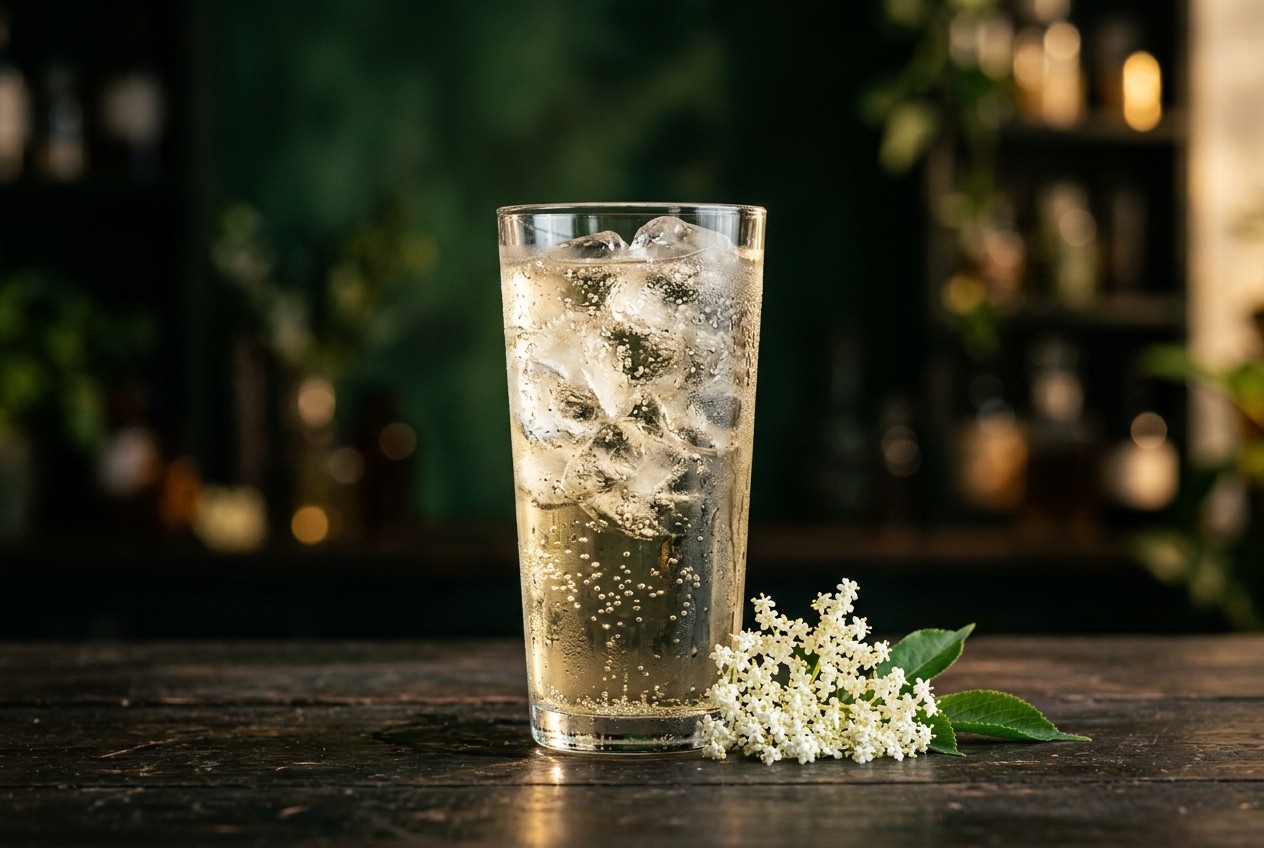
In drinks: Stir 1 tablespoon into sparkling water with a squeeze of lemon for a dandelion soda. Add it to homemade lemonade in place of simple syrup for a floral twist. Use it to sweeten iced herbal tea, particularly cold brew dandelion and nettle tea for a full-circle dandelion drink.
As a sweetener: Drizzle over pancakes, waffles, or yogurt. Stir into oatmeal. Use it anywhere you would use honey. The flavor is similar enough that most people cannot tell the difference in a blind taste test.
In cocktails: Replace simple syrup in any spring cocktail recipe. It works particularly well in gin-based drinks where the floral notes complement the botanicals. A tablespoon in a basil gin smash or a grapefruit thyme fizz adds a layer of complexity.
In the apothecary: Mix with equal parts apple cider vinegar for a dandelion oxymel, a traditional preparation for digestive support. Our botanical simple syrups guide covers the broader category of herbal syrups and how to use them.
Storage
Refrigerated in a clean glass jar, dandelion syrup keeps for 6 to 12 months. The high sugar content acts as a preservative. Signs it has turned: mold on the surface, fermented smell, or off taste. Always use a clean spoon.
For long-term storage, process in a water bath canner (15 minutes for half-pint jars). This gives you shelf-stable dandelion syrup that lasts a year or more at room temperature.
Before You Start
Never forage from treated areas. This cannot be overstated. Herbicides and pesticides persist on the plant and concentrate in the syrup. If you are not 100% certain the area is chemical-free, do not pick there.
Separate the petals thoroughly. The green calyx is the difference between a syrup that tastes like honey and one that tastes like lawn clippings. Take the time to do it properly.
Watch the simmer. The difference between a pourable syrup and a solid candy is about 15 minutes of additional cooking. Check the consistency frequently in the last 30 minutes by dripping syrup off a spoon onto a cold plate. If it holds its shape, it is done.
This is a spring-only recipe. Dandelions bloom in April and May in most temperate climates. You can sometimes find a fall bloom, but spring flowers have the best flavor and the highest concentration of aromatic compounds.
Common Questions
How many dandelion flowers do I need?
About 200 to 250 fully open flower heads to get 4 cups of separated petals. This varies by flower size. Some sources say as few as 100 large flowers. Count on about 15 to 20 minutes of picking from a healthy dandelion patch.
Can I use the whole flower instead of separating petals?
You can, and some recipes do, but the syrup will be noticeably more bitter. The green calyx and stem base contain sesquiterpene lactones (the compounds responsible for dandelion’s medicinal bitterness). For a honey-like syrup, petal separation is worth the effort.
Is dandelion syrup actually nutritious?
The syrup retains some of the dandelion’s mineral content (potassium, iron, calcium) and trace amounts of the plant’s bitter compounds. But it is primarily a sugar syrup. The nutritional value is modest. The appeal is the flavor, the vegan honey angle, and the connection to a foraging tradition.
Can I reduce the sugar?
The sugar is the preservative and the body of the syrup. Reducing it below 3 cups per 4 cups of infusion gives you a thinner product that spoils faster. If you want less sugar per serving, use less syrup per drink rather than reducing the recipe ratio.

Camille writes about botanical drinks, herbal cocktails, and the old plant wisdom that makes them work. Most days you'll find her in the garden or the kitchen, turning herbs into something worth sipping.