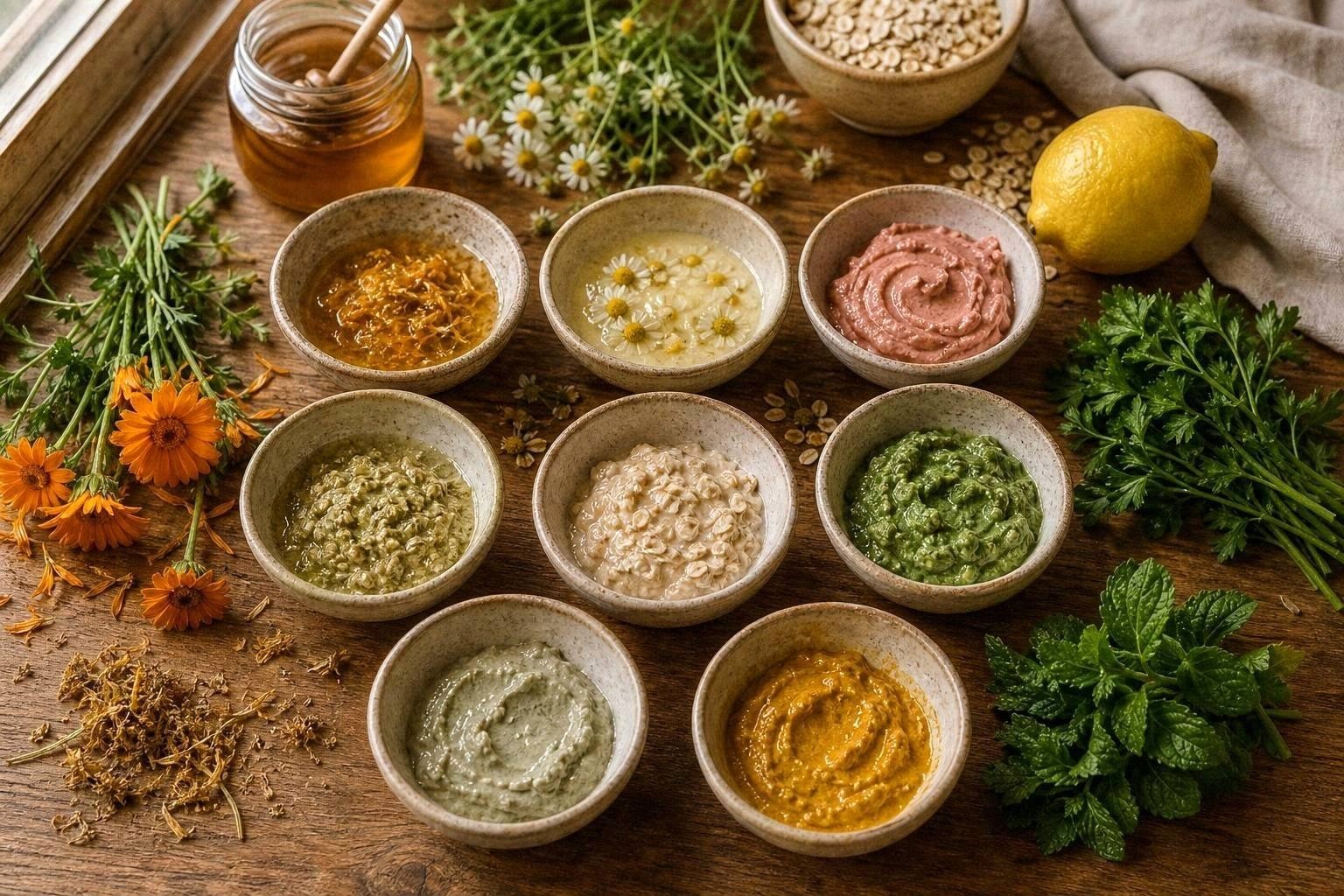
A kitchen ingredient’s reputation does not establish a face-mask result. This guide supplies one attributed oatmeal-and-water preparation and compares eight familiar herbal ingredient ideas by texture and handling. It does not promise eight tested recipes or assign masks to eczema, rosacea, acne or dark spots. No homemade mixture below is represented as a tested skin treatment.
One published oatmeal-and-water mask
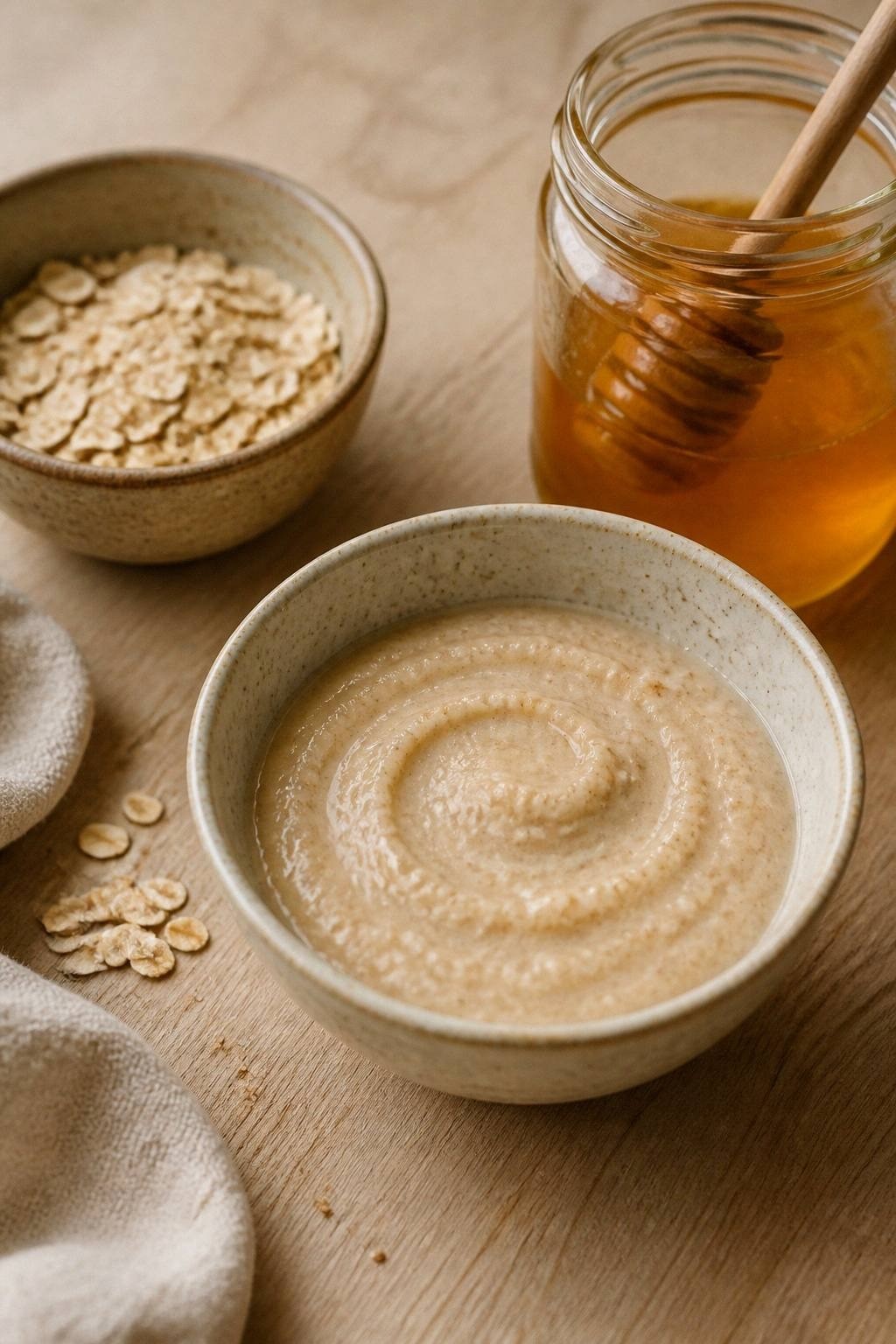
Pharmacist Jill Barat’s Strut Health recipe uses 2 tbsp rolled oats and 1-2 tbsp water. Stir them together in a clean bowl to form a paste and let stand for a few minutes until softened. Apply gently to facial skin with clean fingertips, avoiding the eyes. The published wear time is 10-15 minutes; rinse with cool to lukewarm water. Wash off sooner if it irritates. Make a fresh mixture for each use and discard leftovers rather than storing a wet batch.
This uses the source’s plain base. Its optional food add-ins and daily-use suggestion are not adopted. Kitchen oats are not automatically equivalent to a formulated colloidal-oatmeal skin product, and this preparation has not been shown here to treat rosacea, acne or eczema. Avoid it with a known oat allergy or on injured or irritated skin. This is one measured preparation; the eight ideas below are comparisons, not additional formulas.
Apply a labeled mask according to its own instructions
The American Academy of Dermatology’s mask guidance advises choosing ingredients for your skin concern, testing a new product on a small area and following its label’s amount, wear time and frequency. Gently apply with fingertips. Avoid doubling up on exfoliating products in the same routine. Rinse off a mask that causes burning, itching or stinging; persistent or severe reactions need care. Masks do not replace disease treatment. These instructions for formulated products do not certify a homemade botanical mixture.
Compare eight ingredient ideas
| Idea | Preparation and decision |
|---|---|
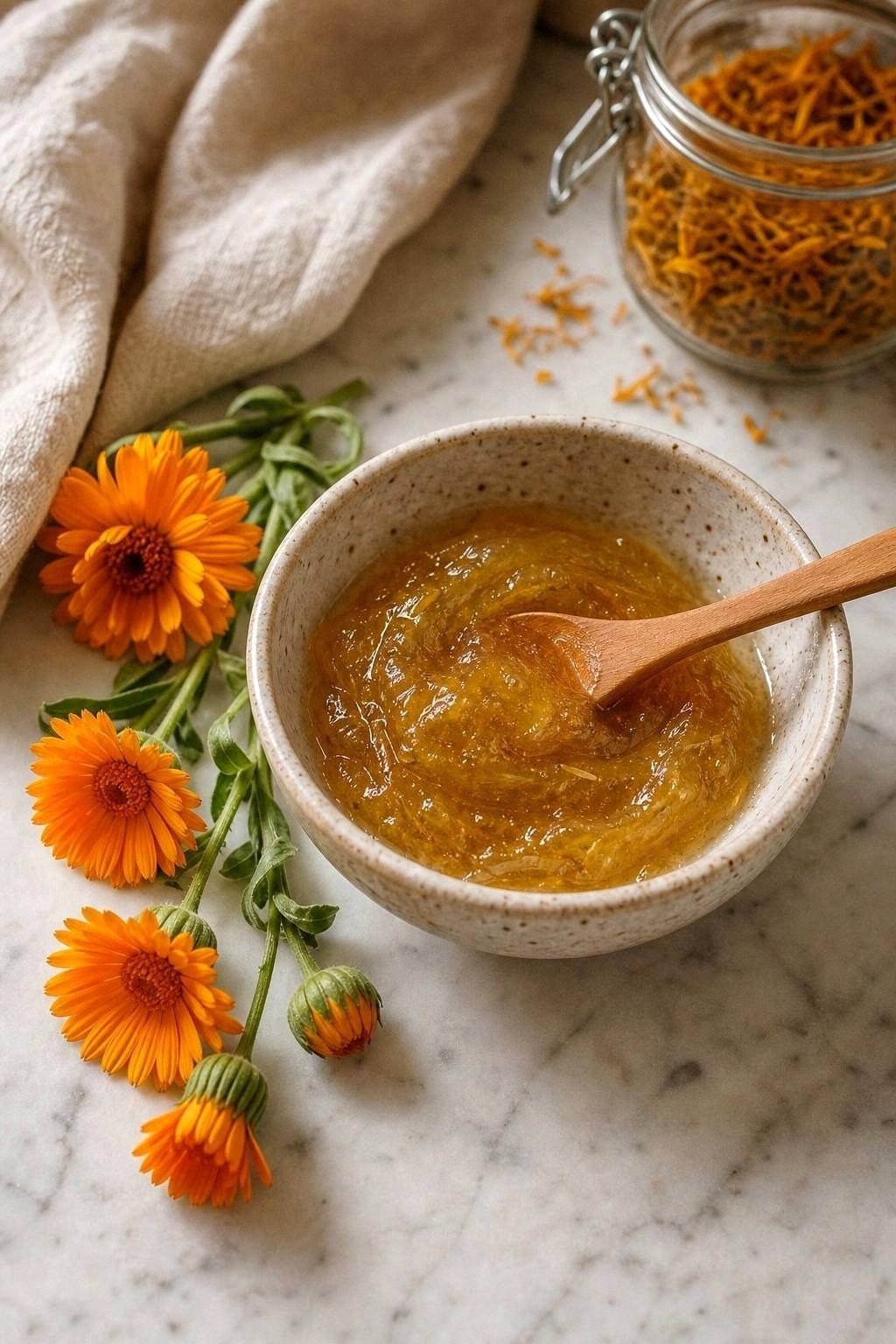
| Calendula and honey | Flower powder in sticky base. Botanical allergy and particles matter; barrier repair is not demonstrated here. |
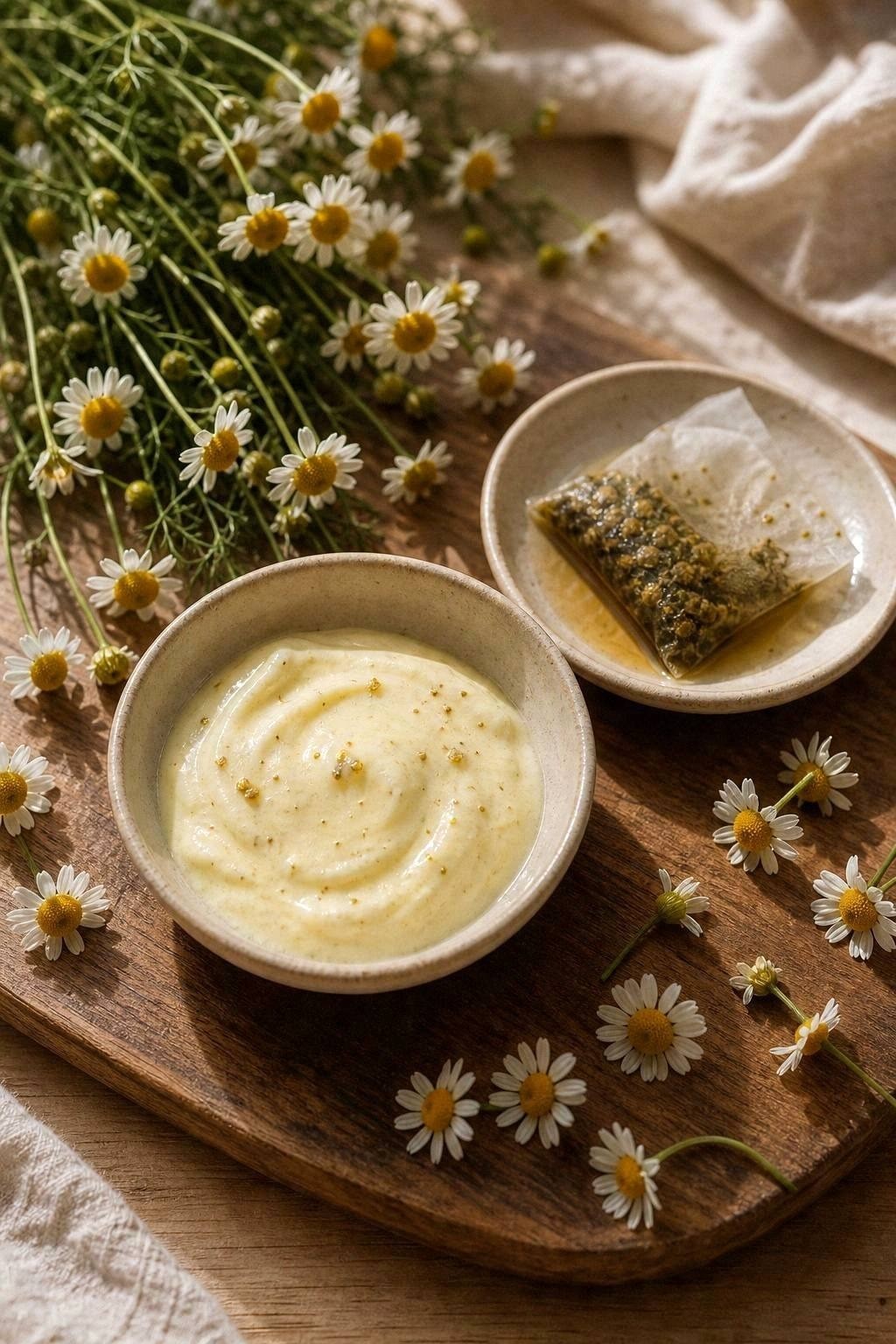
| Chamomile and yogurt | Water-rich dairy mixture. A food mixture is not a rosacea treatment. |
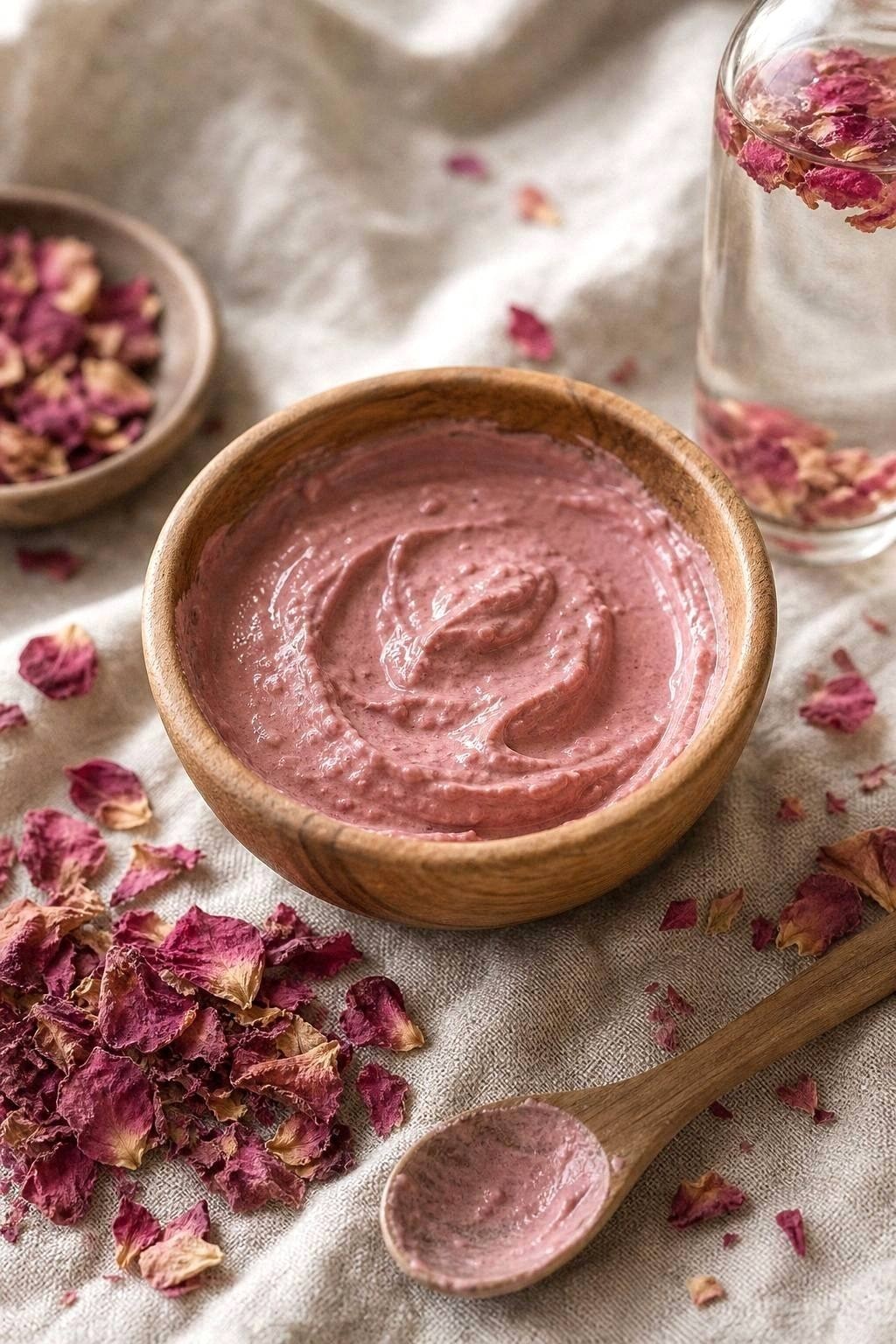
| Rose and clay | Powder/liquid paste. Use cosmetic-grade ingredients; no guaranteed tone correction. |
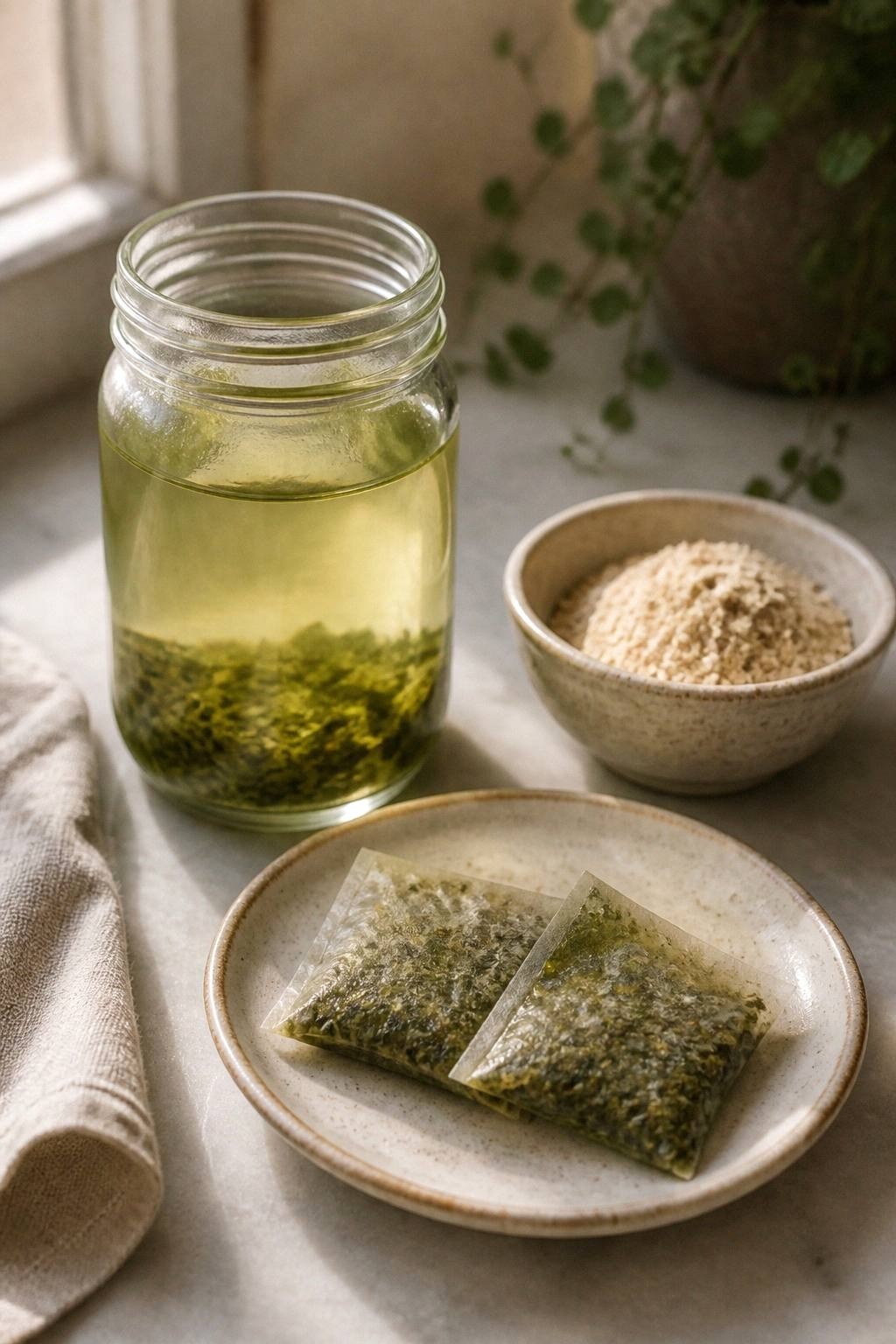
| Green tea and oats | Tea-based paste. No eye application or ten-minute de-puffing promise. |
| Oat and honey | Particle-containing paste. Home-ground oats are not automatically equivalent to a formulated colloidal-oatmeal product. |
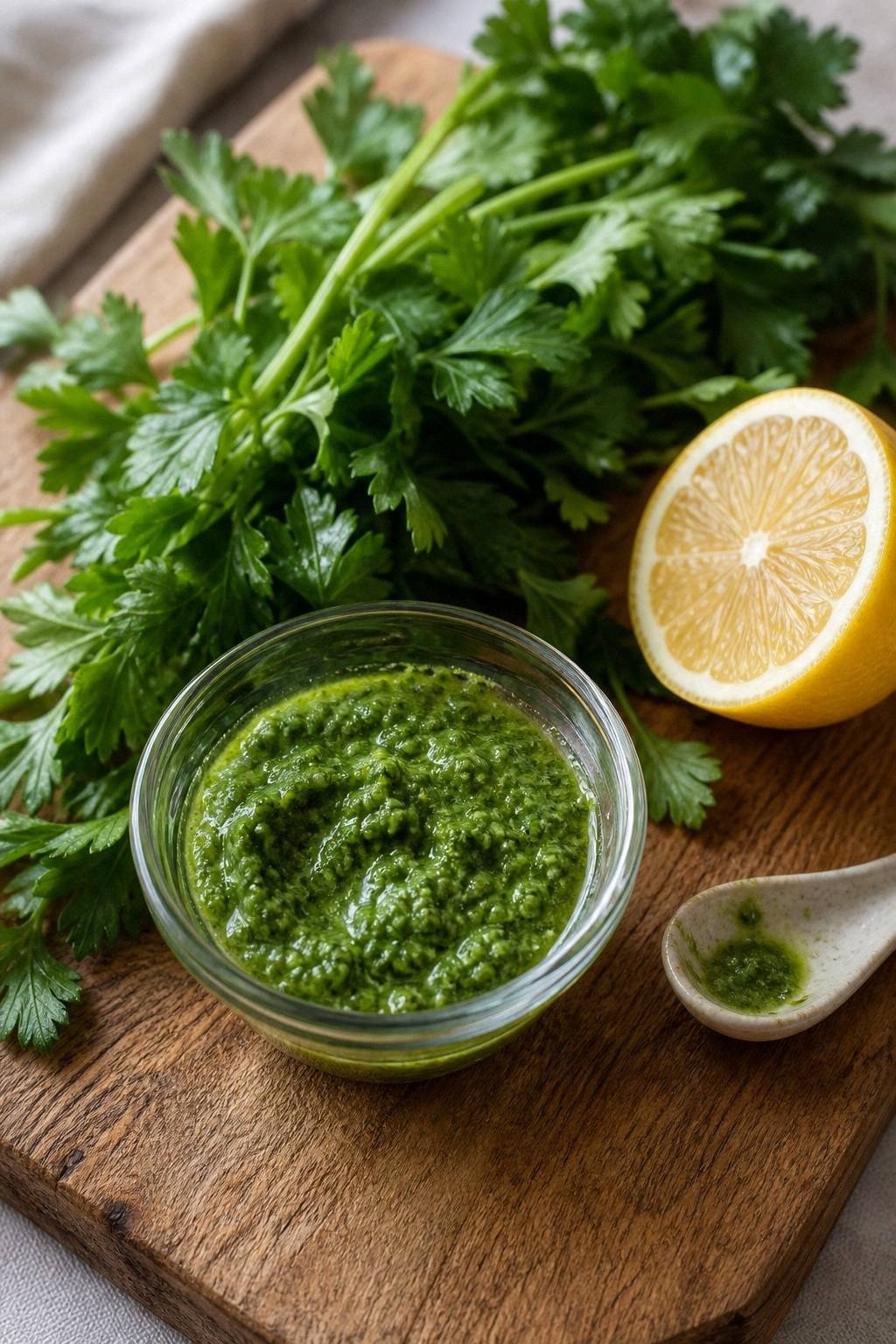
| Parsley | Fresh plant mixture. No dark-spot treatment; the former lemon-juice formula is omitted. |
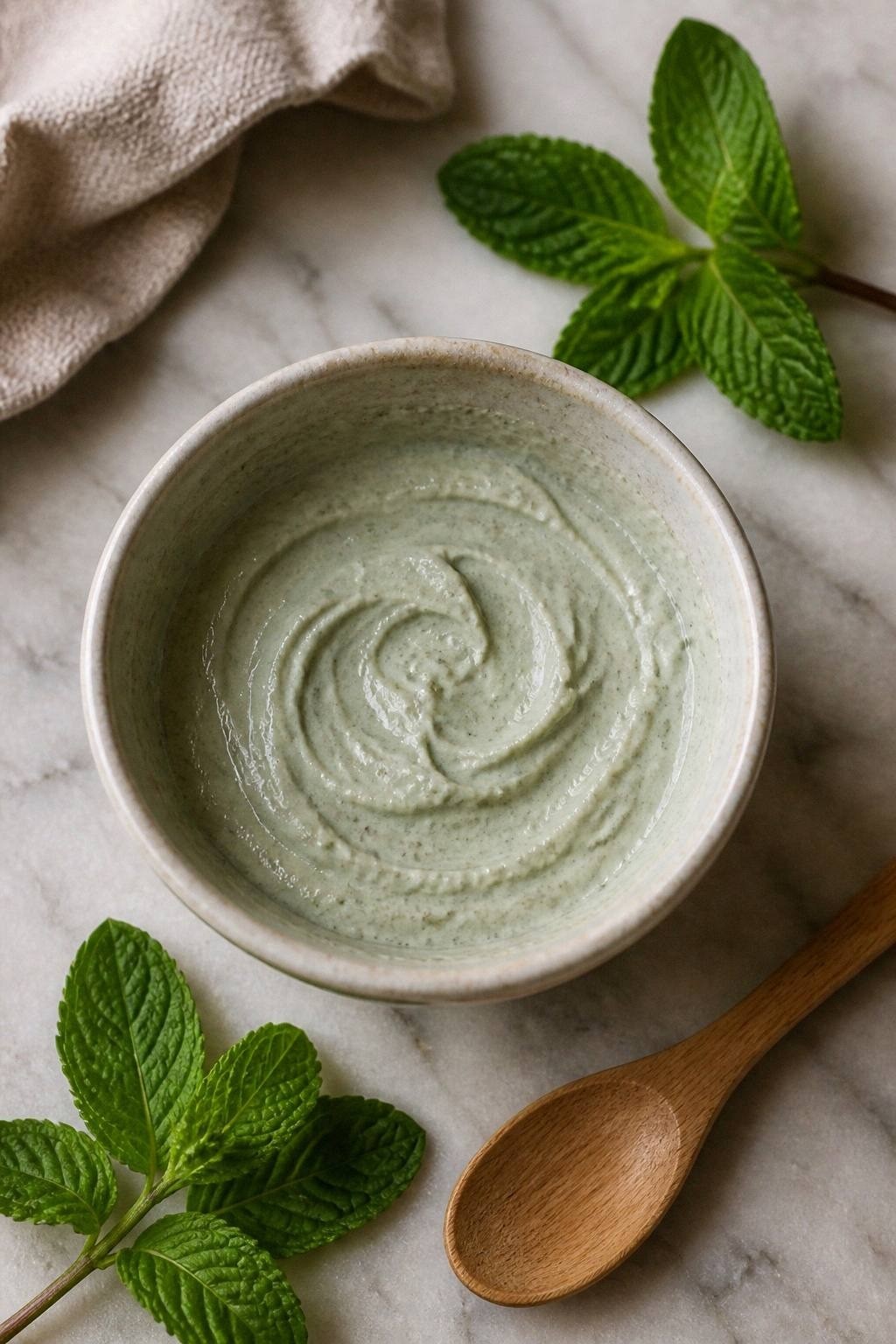
| Mint and clay | Fragranced paste. A cooling sensation is not evidence that pores tighten or acne improves. |
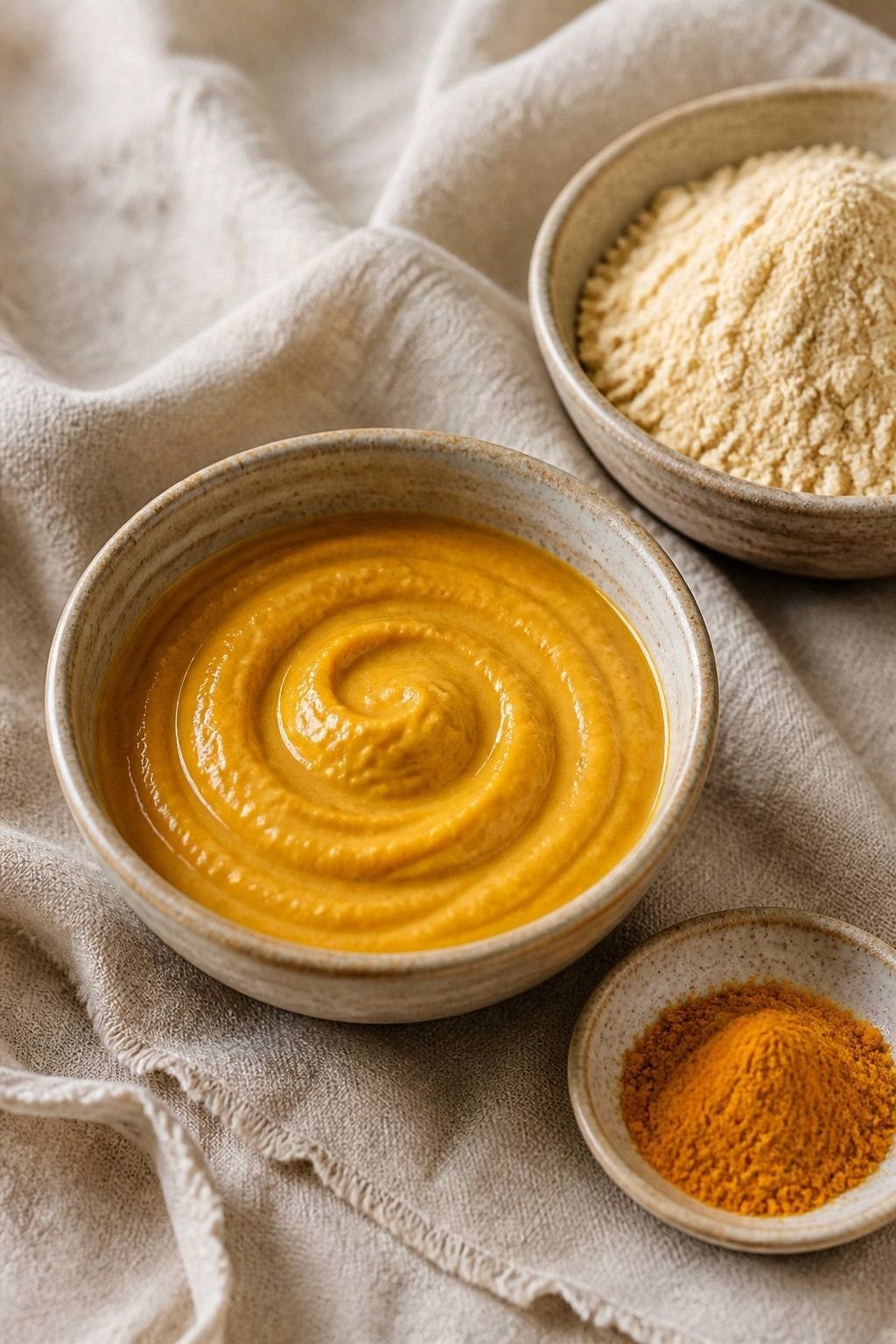
| Turmeric | Pigmented paste. Staining is possible; no guaranteed glow or timeline. |
What source evidence can and cannot show
Studies of skin pH, a plant compound or epidermal turnover don’t test a mixture of kitchen ingredients. They cannot establish its wear time, weekly frequency, effect on a skin condition or preservation. The former same-day/two-week results schedule is removed because it was not established for these masks.
The AAD new-product testing guide describes a small test area twice a day for seven to ten days, using the normal amount and the appropriate rinse-off time. It does not certify a DIY formula. A clear test patch cannot validate microbial safety, every allergy risk or a medical-treatment claim.
Keep DIY mixtures away from the eyes
The earlier green-tea instructions put bags and paste on or around the eyes. Those instructions are omitted. FDA eye-cosmetic guidance says to use products intended for the eye area and take contamination seriously. Kitchen tea and food paste are not eye cosmetics.
Remove the lemon shortcut
The earlier parsley recipe combined lemon with yogurt, but that combination was not shown to eliminate irritation or phototoxic risk. Poison Control’s citrus-and-sun guidance explains that lime juice on skin followed by ultraviolet exposure can cause a rash, blisters and dark pigmentation. Lemon and yogurt have not been established as a safe facial preparation here. This draft supplies no lemon face-mask formula and makes no claim that yogurt buffers it into safety.
Hygiene is part of the decision
FDA cosmetic microbiological guidance identifies water, ingredients, inadequate preservation and handling as contamination routes. Clean utensils reduce one route; they don’t create a preservation system. No refrigerator shelf life is established here for a wet homemade mask. Don’t keep a used mixture or share it, and don’t use a product that causes irritation.
Choose skin care by the concern
For eczema, rosacea, persistent acne or changing pigmentation, obtain appropriate advice rather than choosing a mask by a photo or a promise of glow. Avoid DIY application on injured or irritated skin. A commercial product formulated for a particular use offers directions that a substituted kitchen mixture lacks; botanicals can still cause reactions.
For garden planning rather than skin-treatment advice, see the botanical garden guide . For oil/wax handling, see botanical salves ; a balm is a different preparation and is not an eczema treatment.