Drink station ideas for any party: what to put out, how to lay it out, and how many drinks to plan per guest so guests serve themselves all night.
A well-organized drink station transforms any gathering from a hosting marathon into an event you can actually enjoy. Instead of playing bartender all night, you set up a self-serve bar that lets guests mix their own drinks while you focus on conversation. The setup takes about thirty minutes, and the payoff is a party that runs itself.
Why a Drink Station Works Better Than Hosting the Bar Yourself
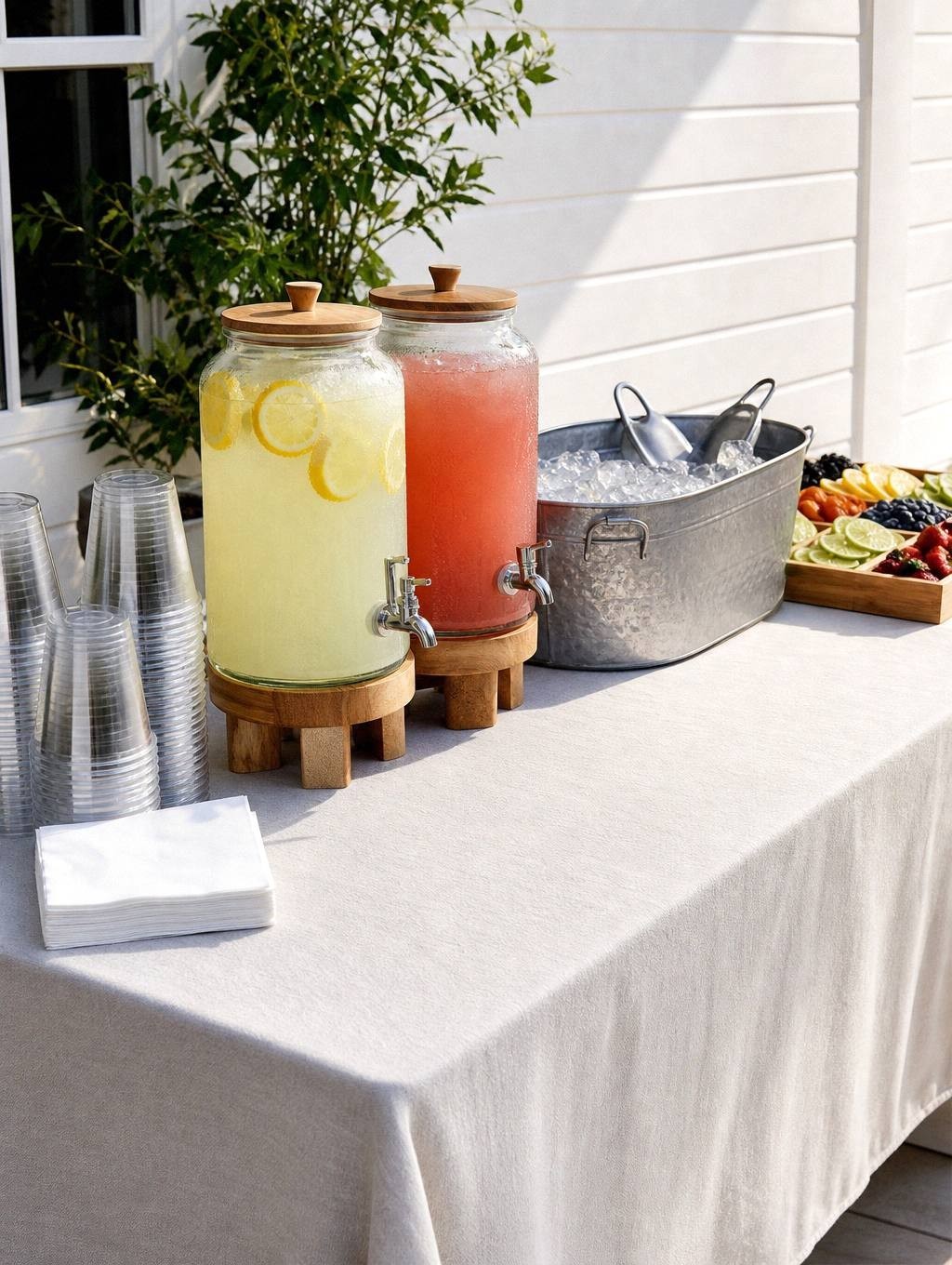
When you stand behind a makeshift bar taking orders, you miss the party. A self-serve station flips that dynamic by putting everything guests need within arm’s reach, arranged in the order they’ll use it. They grab a glass, add ice, pour their drink, and finish with garnishes, all without waiting in line.
The setup also scales better than you do. One station handles twelve guests as easily as it handles six, and you’re not stuck refilling individual glasses. Guests pace themselves, try combinations they wouldn’t have asked for, and generally drink less because they’re not racing to catch you before you disappear into the kitchen.
Core Setup Steps That Work for Any Station Type
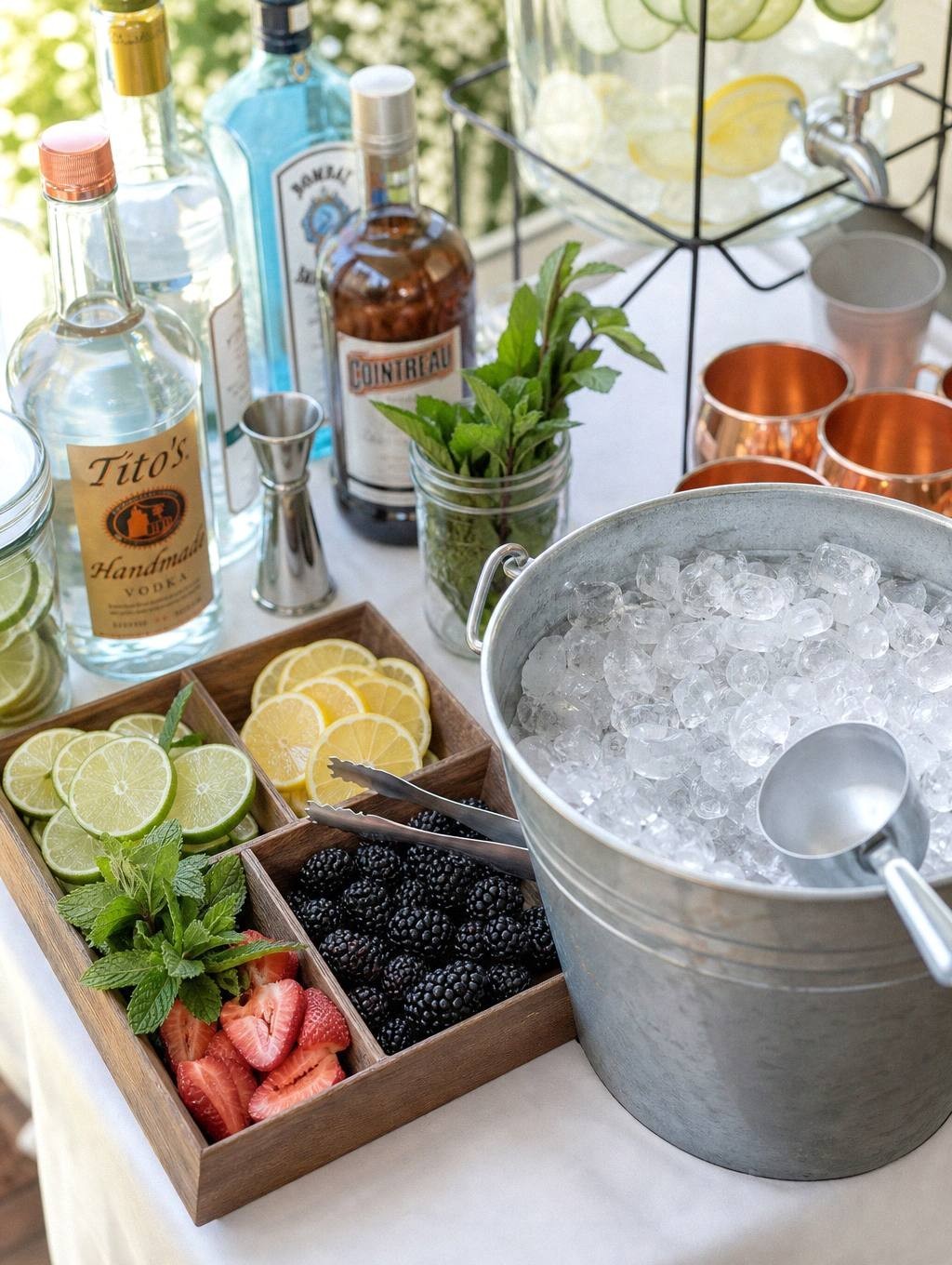
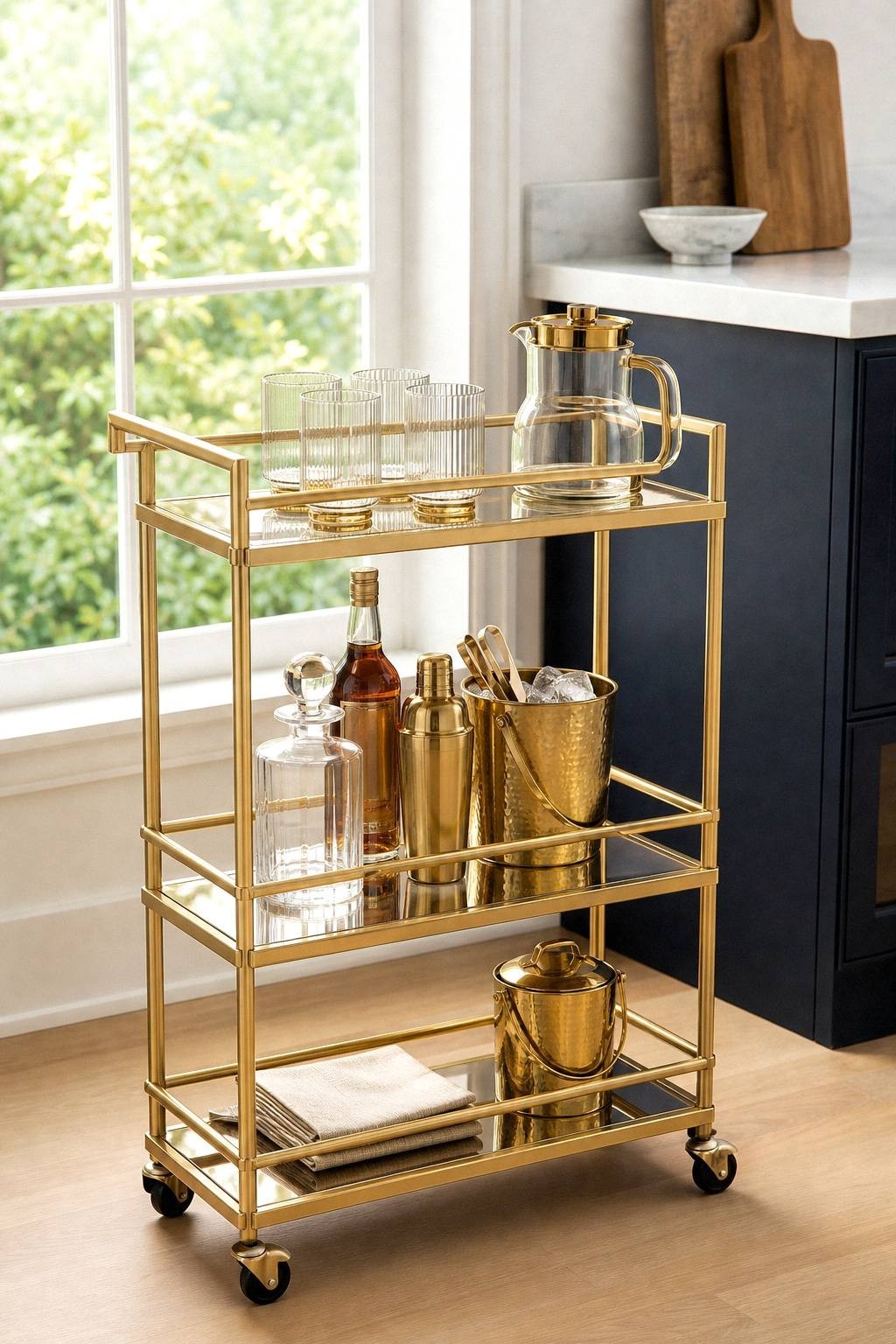
Start by choosing a location with enough table space for bottles, glassware, and garnishes to spread out in a single line. A six-foot folding table works for most parties, though a bar cart or kitchen island does the job if you’re tight on space. Position the station away from the main food table so traffic doesn’t bottleneck.
Arrange everything in the order people will use it: glasses first, then ice, then liquor or mixers, then garnishes and tools at the end. This left-to-right flow keeps guests from reaching across each other.
Cover the table with a wipeable cloth or butcher paper, because spills are inevitable. Set out a small trash bin for spent citrus peels and cocktail picks. Add a handwritten sign or small chalkboard listing what’s available, especially if you’re offering a signature drink that needs a specific ratio.
Essential Supplies and Equipment Checklist
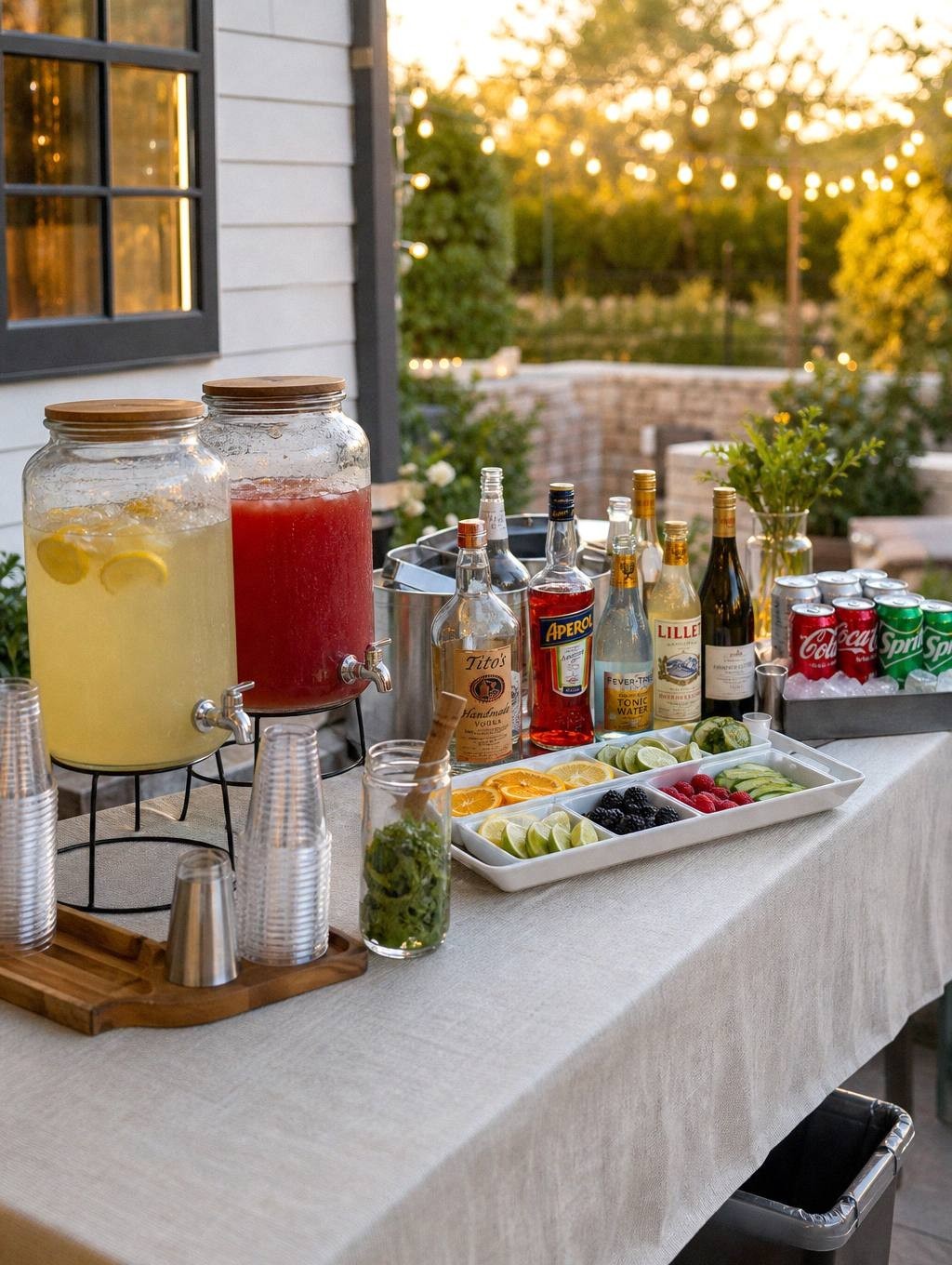
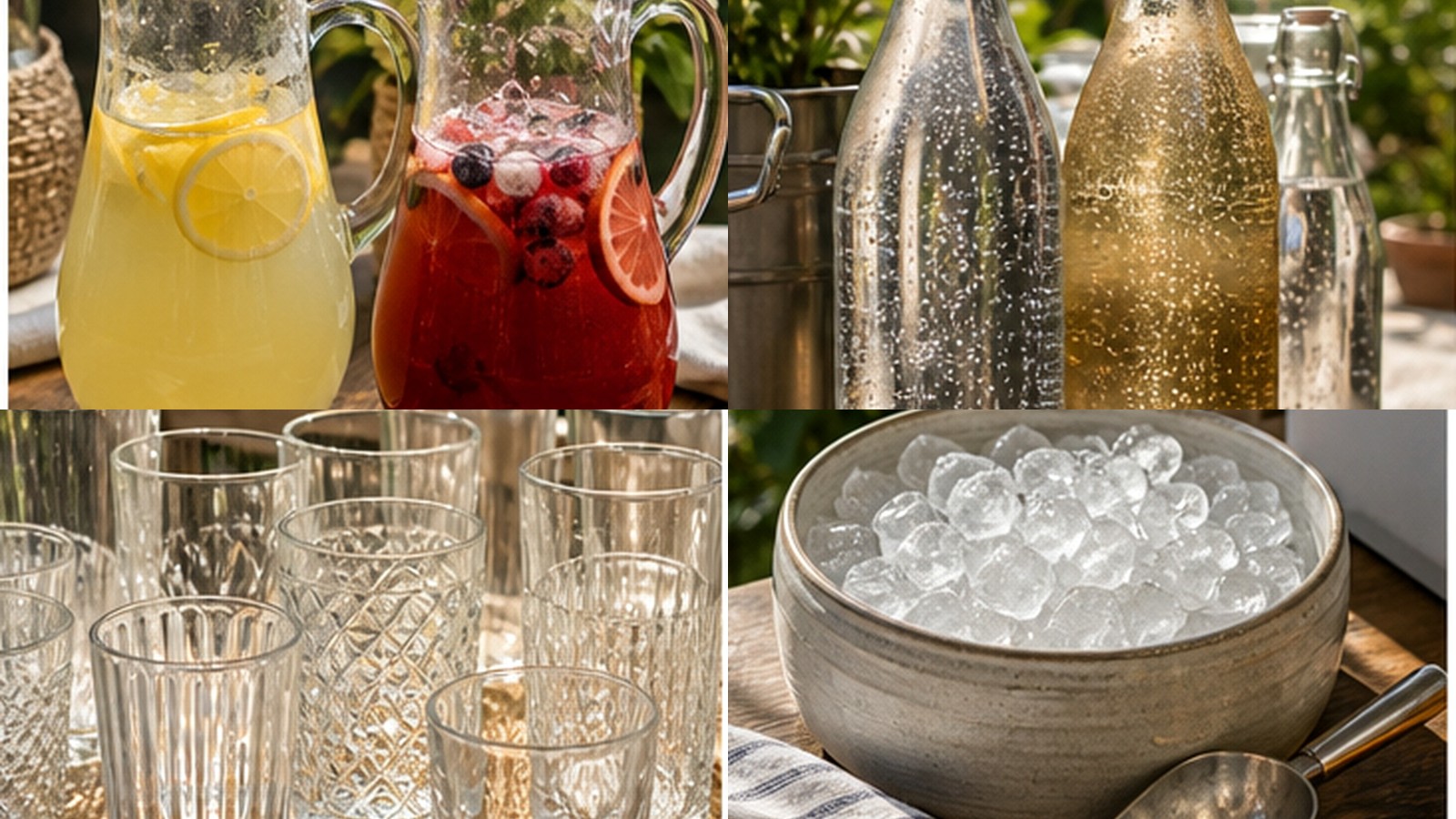
You’ll need glassware first. Plan on two glasses per person for a three-hour party, because guests set drinks down and forget where they left them. Rocks glasses work for spirits and short cocktails, pint glasses handle beer and tall mixed drinks, and stemless wine glasses cover everything else.
Ice is the thing that runs out first. Figure one pound per person for a three-hour event, and double that if it’s hot outside. A large insulated cooler or beverage tub keeps ice frozen longer than a bowl, and metal tongs or a scoop prevent the bare-hand dip that melts everything faster.
For tools, you need a bottle opener, a corkscrew if you’re serving wine, a small cutting board, a paring knife for citrus, and a jigger if you want to suggest measurements. Napkins go at the end of the line, and you’ll want twice as many as you think.
Themed Station Ideas and What Makes Each One Work
A mimosa bar is the easiest station to set up because it requires almost no mixing. Set out chilled champagne or prosecco, three or four fruit juices in pitchers, and fresh fruit for garnish. Guests pour juice first, top with bubbly, and add a berry or citrus slice.
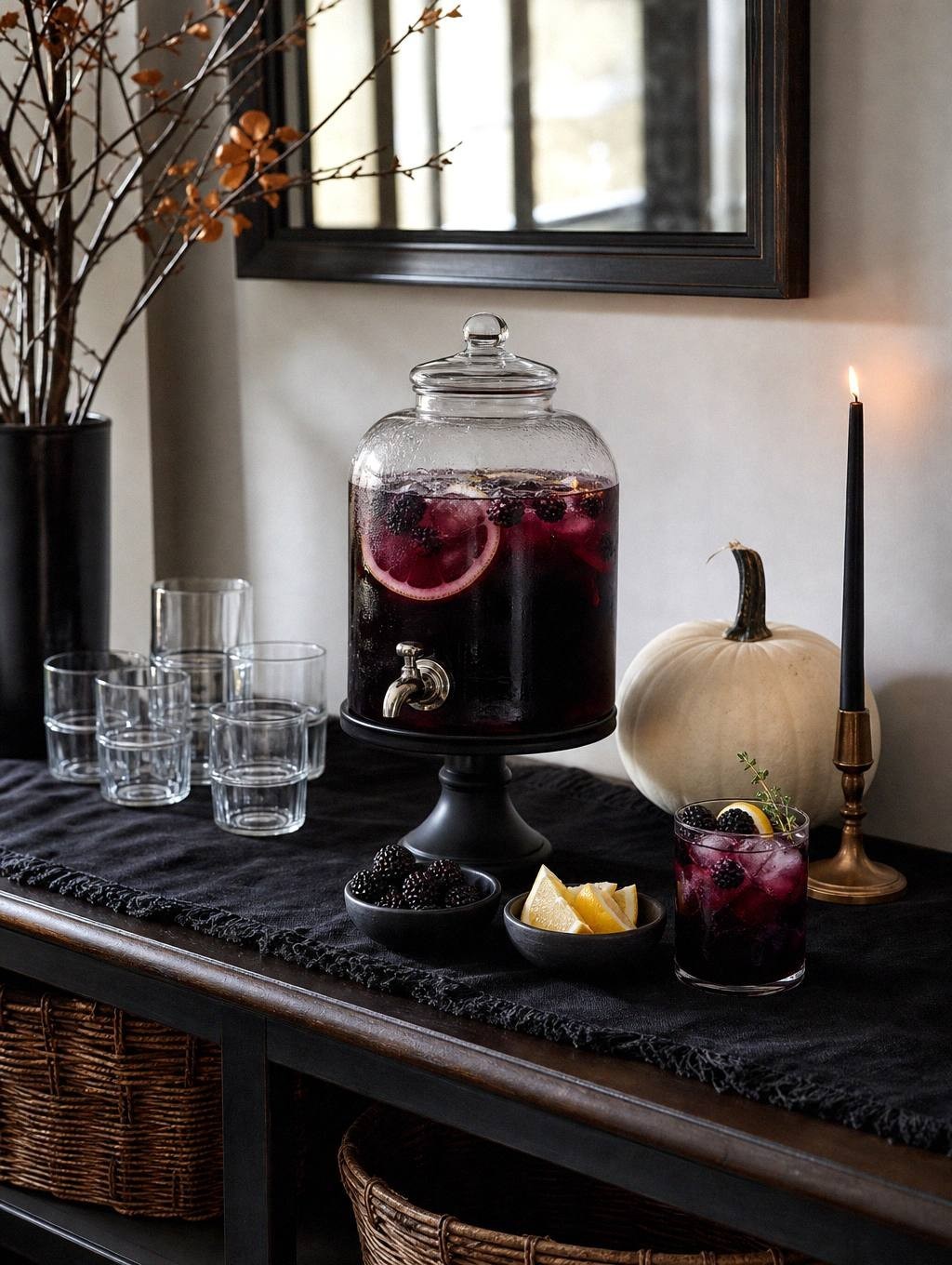
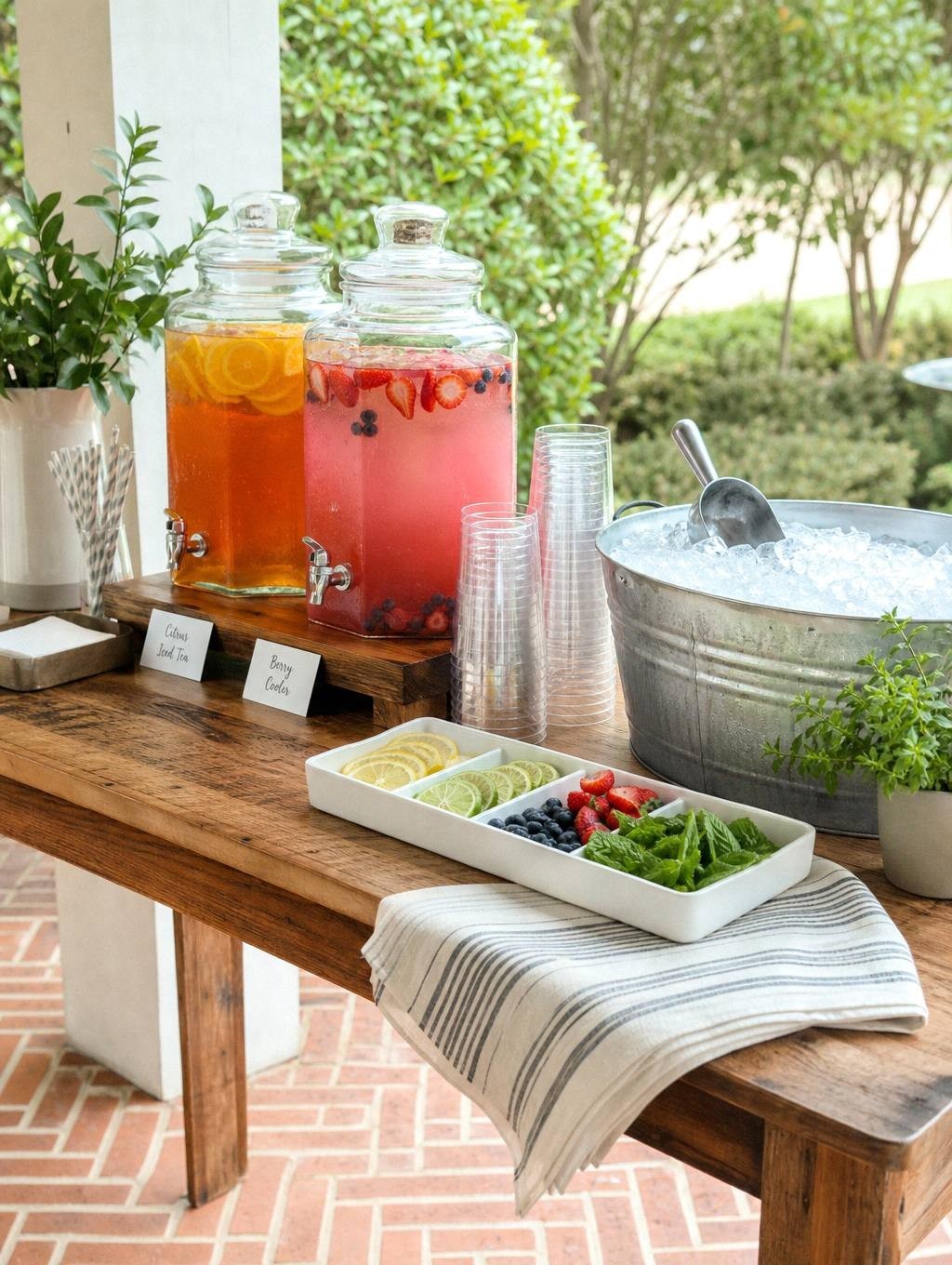
A sangria station works when you want one signature drink that looks impressive but doesn’t require bartending skills. Mix a large batch in a drink dispenser, set out wine glasses, and offer extra fruit slices and fresh herbs like mint or basil for guests to add. The dispenser spigot eliminates the need for a ladle.
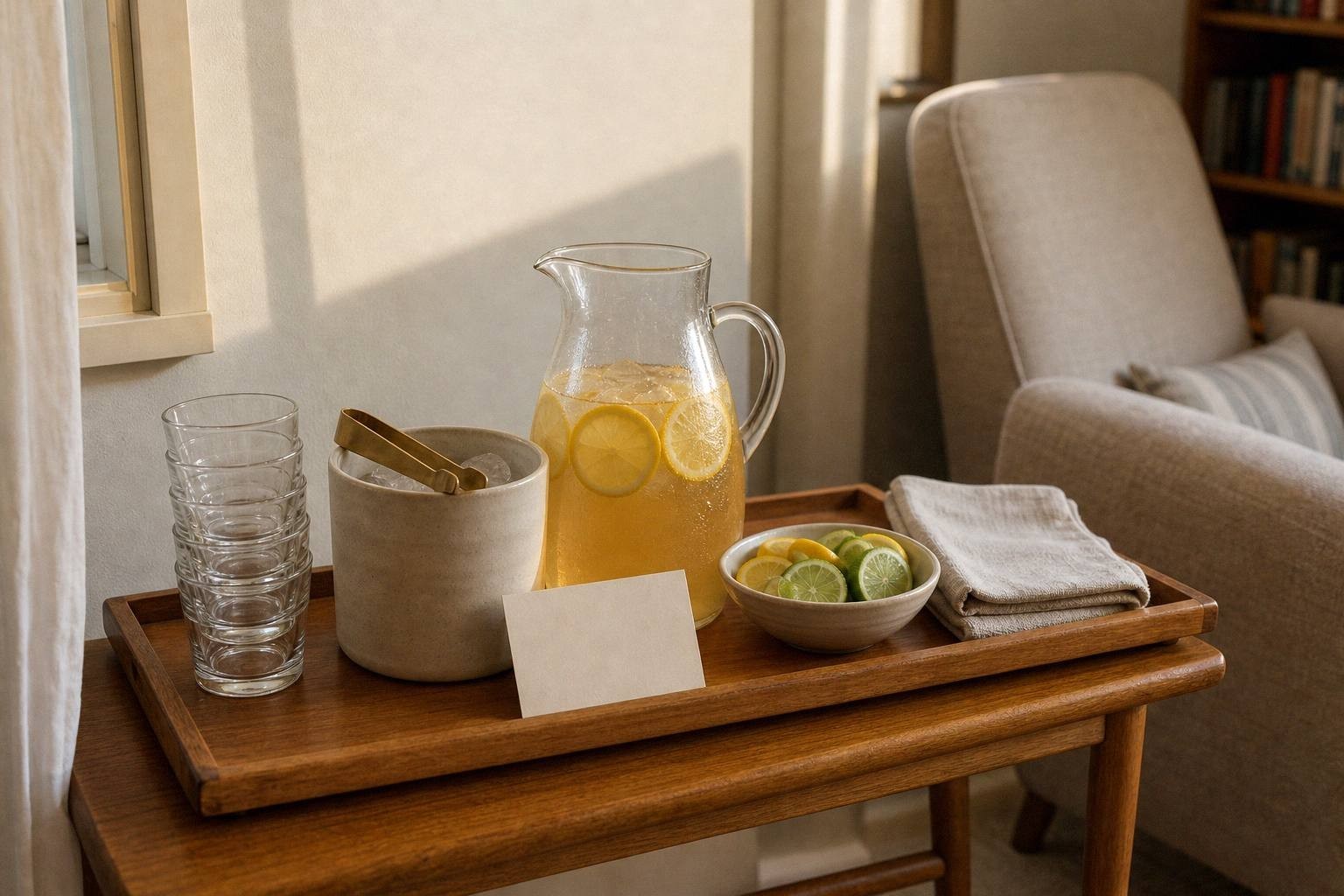
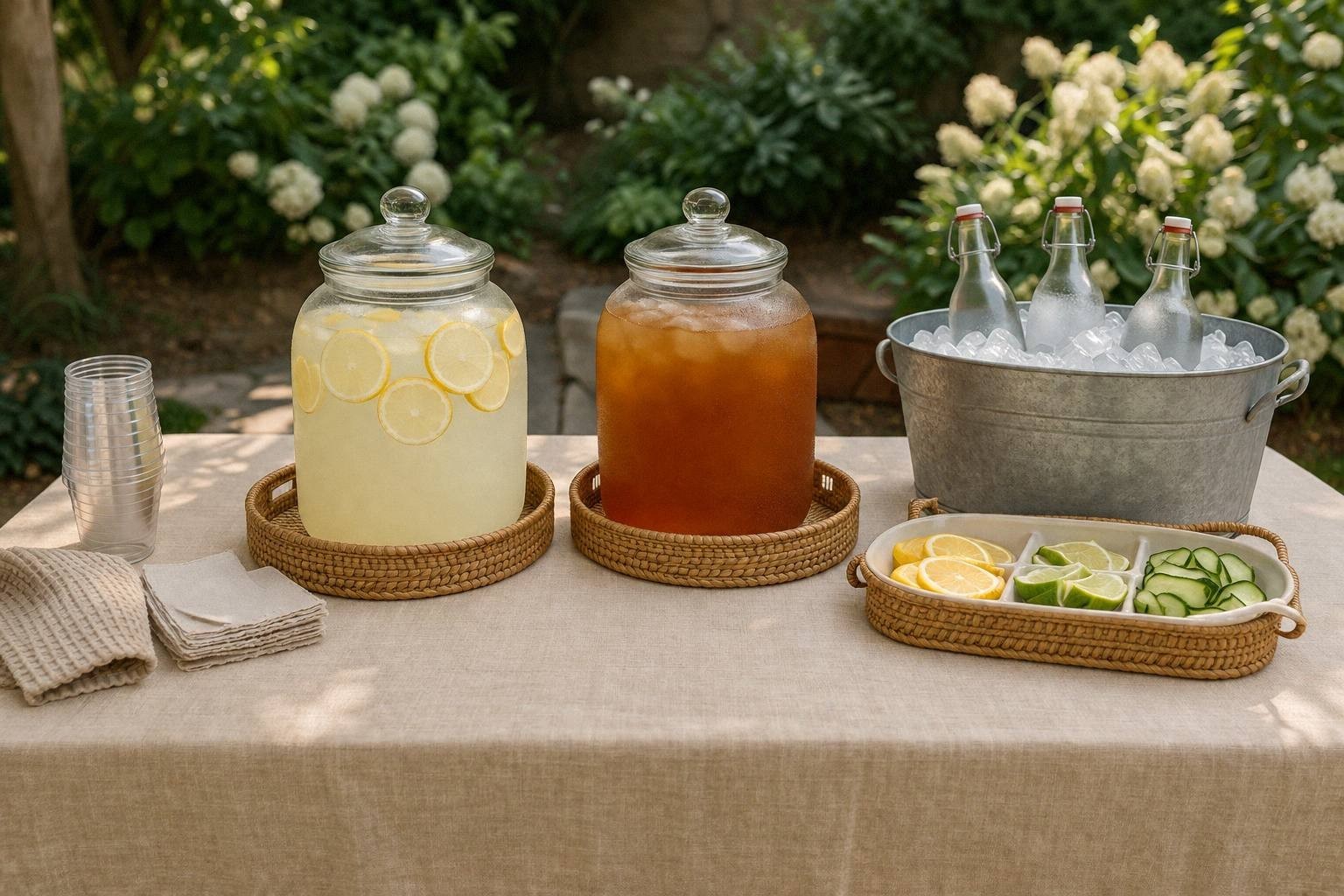
A lemonade bar appeals to all ages and takes the pressure off if you’re hosting a mixed crowd. Set out a large dispenser of fresh lemonade, smaller pitchers of flavored add-ins like strawberry puree or lavender syrup, and a bucket of citrus wheels and herb sprigs. Adults can spike their glass with vodka or gin from a separate bottle.
A build-your-own cocktail station gives guests the most control but requires more setup. Offer two or three base spirits, a selection of mixers like tonic, soda, ginger beer, and cranberry juice, and a tray of garnishes. Label each bottle clearly, and consider printing simple recipe cards for classic drinks.
How to Plan Quantities for Different Party Sizes
For a three-hour party, estimate that each guest will have two to three drinks if you’re serving alcohol, or three to four drinks if it’s a non-alcoholic station. A standard 750ml bottle of liquor yields about sixteen 1.5-ounce pours, so one bottle serves five to six guests. A bottle of wine pours five glasses, and a case of beer holds twenty-four bottles or cans.
Mixers disappear faster than you expect. A liter of tonic or soda serves four to five drinks, and a gallon of juice or lemonade covers about sixteen servings. If you’re offering a signature punch or sangria, figure one gallon serves ten to twelve guests.
Garnishes are where you can relax the math. Two lemons, two limes, and a handful of fresh herbs or berries will garnish thirty drinks easily. Slice citrus into wheels rather than wedges because they look better and guests use them more consistently.
Display and Styling Principles That Make the Station Look Intentional
Height variation makes a drink station look curated instead of cluttered. Set bottles on a small riser or a stack of books wrapped in kraft paper, and use a tiered stand for garnishes or glassware. This creates visual interest and makes it easier for guests to see what’s available.
Group like items together. All the glassware goes in one spot, all the mixers in another, and garnishes on a single tray or cutting board. This clustering prevents the scattered look that happens when bottles and tools are spread randomly.
Add one or two decorative touches that match your party’s vibe. A small vase of flowers, a string of bistro lights overhead, or a vintage crate to hold bottles adds personality without cluttering the functional space.
Outdoor Station Considerations and How to Adapt
Heat is the enemy of ice and chilled drinks, so plan for faster melt times and more frequent refills. Use two ice buckets and rotate them, keeping one in a cooler with a lid while the other sits on the table. Freeze water in large blocks or use reusable ice packs at the bottom of the bucket to slow the melt.
Wind will knock over lightweight items and blow napkins across the yard. Anchor your tablecloth with clips or weights, use heavier glassware instead of plastic cups if the setting allows, and store napkins in a weighted basket or dispenser.
Bugs are drawn to sweet mixers and fruit garnishes, so cover pitchers with a cloth or lid when they’re not actively being poured. Set out a small dish of sliced citrus away from the drink station to distract insects.
Non-Alcoholic Station Options That Feel Just as Special
- Coffee and tea bar: Set out insulated carafes of hot coffee and water for tea, along with tea bags, milk, cream, sugar, honey, and flavored syrups. Add biscotti or shortbread cookies at the end of the line.
- Sparkling water station: Offer several flavors of sparkling water, fresh fruit slices, herb sprigs, and nice glassware. Building a drink with a lime wheel and rosemary makes plain water feel like an event.
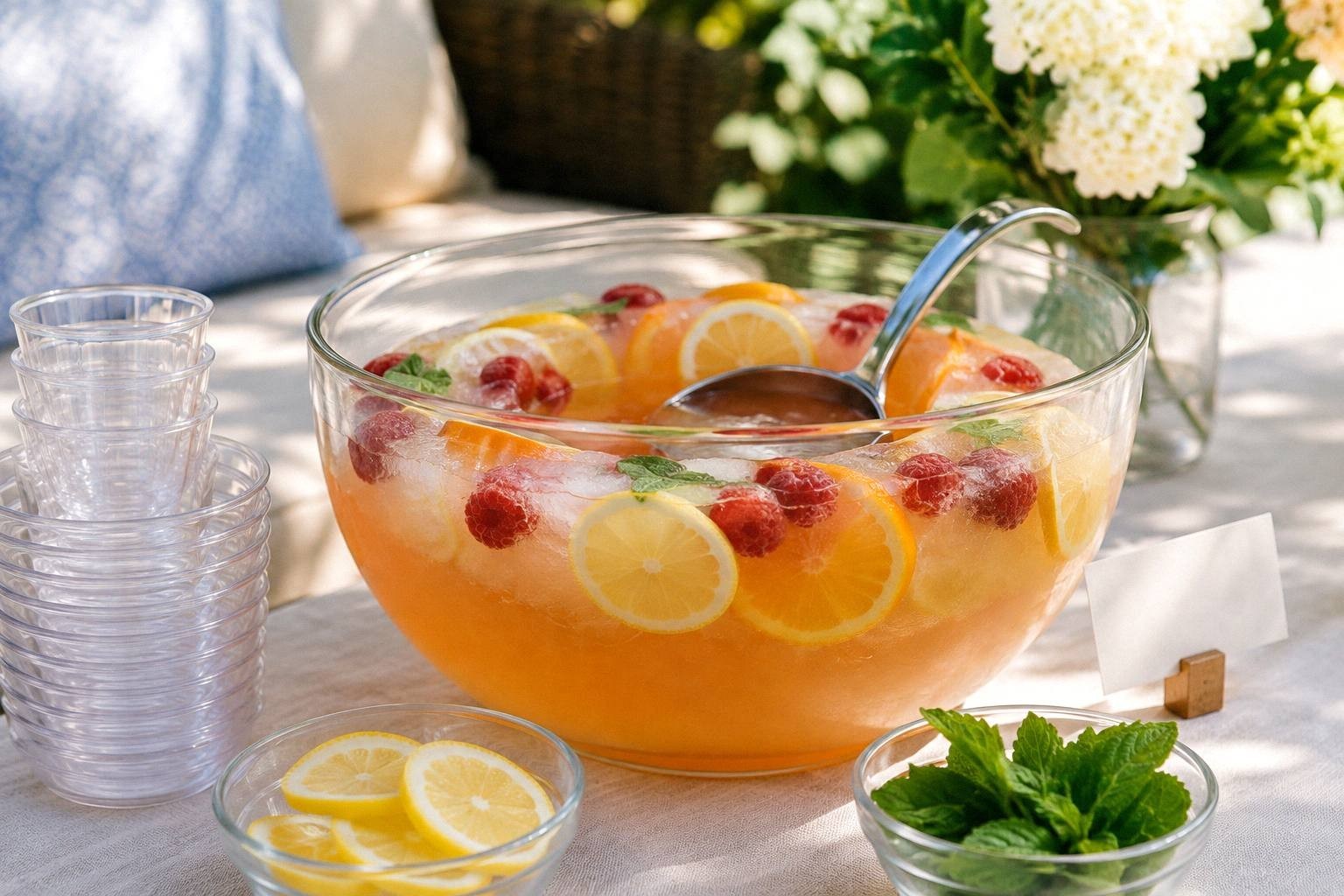
- Fruit punch station: Mix a large batch using fruit juices, ginger ale, and fresh fruit slices. Serve from a drink dispenser and freeze some punch in ice cube trays so drinks stay cold without getting watered down.
Common Problems and How to Fix Them
- Ice melts too fast: Use a larger insulated cooler instead of a bowl, freeze water in big blocks to slow the melt, and keep backup ice in a separate cooler with a lid.
- Drinks run out unevenly: Check levels halfway through the party and move popular items to the front. Guests gravitate toward what’s easiest to reach, so rotating bottles balances consumption.
- Guests congregate at the station and block access: Move the station away from seating areas and make sure people can approach from two sides. If crowding persists, set up a second smaller station with just ice and mixers.
- Garnishes turn brown or wilt: Slice citrus no more than two hours before the party and keep it covered in the fridge until you set up. Herbs stay fresh longer if you trim the stems and stand them in a small glass of water.
- Spills make the table sticky: Cover the table with butcher paper or a vinyl tablecloth you can wipe down, and set out a roll of paper towels within reach. Guests will clean up their own spills if the tools are visible.
- No one knows what to make: Print simple recipe cards for two or three classic drinks and prop them up near the bottles. A card that says “Vodka Soda: 2 oz vodka, 4 oz soda, lime wedge” gives guests a starting point.
Frequently Asked Questions
How far in advance can I set up a drink station?
Set up the table, arrange glassware, and position bottles the night before if you want, but wait until an hour before guests arrive to add ice and any chilled mixers. Citrus slices and fresh herbs can be prepped the morning of the party and kept covered in the fridge until you’re ready to set them out.
What’s the minimum table size I need for a drink station?
A four-foot folding table works for a basic station serving up to twelve guests, but a six-foot table gives you enough room to spread things out and avoid crowding. If you’re tight on space, a bar cart or a kitchen counter can work as long as you keep the setup streamlined.
Should I offer both alcoholic and non-alcoholic options at the same station?
Yes, and it’s easier than setting up two separate stations. Group the non-alcoholic mixers and garnishes on one end of the table and the liquor on the other, with shared ice and glassware in the middle. Guests will naturally gravitate toward what they want without feeling like they’re making a statement.
How do I keep a drink station from looking messy as the party goes on?
Do a quick reset halfway through the party: wipe up spills, consolidate half-empty bottles, refill ice, and restock garnishes. Assign yourself a five-minute check-in at the one-hour and two-hour marks, and the station will look intentional instead of abandoned.
Conclusion
A drink station shifts the work from the middle of the party to the hour before it starts, and that trade is worth making every time. You’ll spend thirty minutes arranging bottles and slicing citrus, and in return you get three hours to talk to your guests instead of playing bartender.
Keep browsing
Turn this into the next thing you make
Camille writes about botanical drinks, herbal cocktails, and the old plant wisdom that makes them work. Most days you'll find her in the garden or the kitchen, turning herbs into something worth sipping.