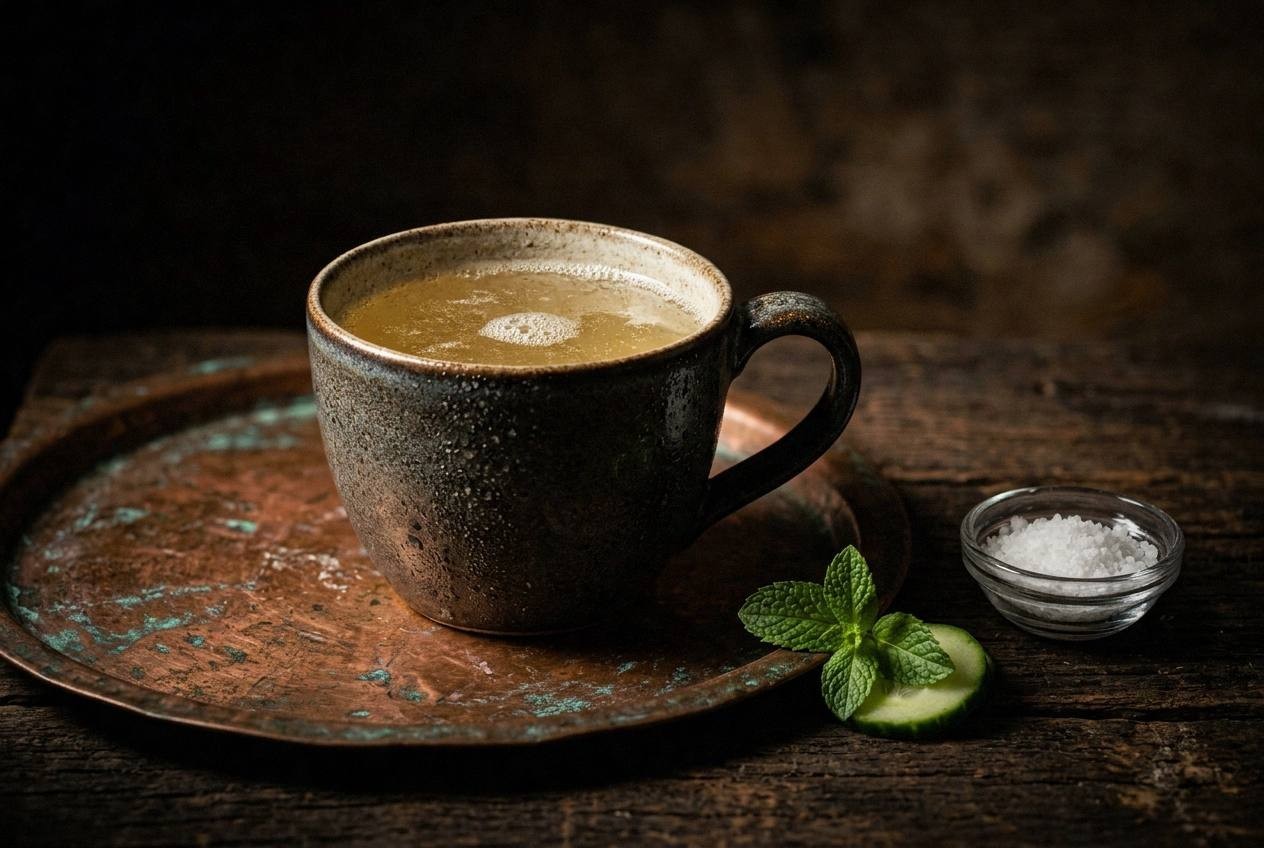
Sophisticated Easter mocktails with elderflower, cucumber, and citrus. Get 3 botanical brunch recipes adults will love.
Why You Will Love This
Three botanical mocktails that taste like you hired a bartender for Easter brunch. The elderflower cucumber fizz is bright and garden-fresh. The blood orange rosemary spritz balances bitter citrus with pine-scented sweetness. The basil grape cooler drinks like a sophisticated white wine spritzer minus the alcohol. Each recipe takes under 5 minutes and uses ingredients you can find at any grocery store in late March.
The Story Behind It
Easter brunch in 2026 means half your guests are drinking zero-proof by choice. The generic fruit punch bowl does not cut it anymore. These recipes came from testing what makes adults reach for a second glass when alcohol is not the draw: layered botanical flavors, herbal complexity, and the kind of visual appeal that photographs well on a spring table. Elderflower cordial became the secret weapon. It adds floral depth that most mocktails lack, and it pairs with nearly every spring herb and citrus in season right now.
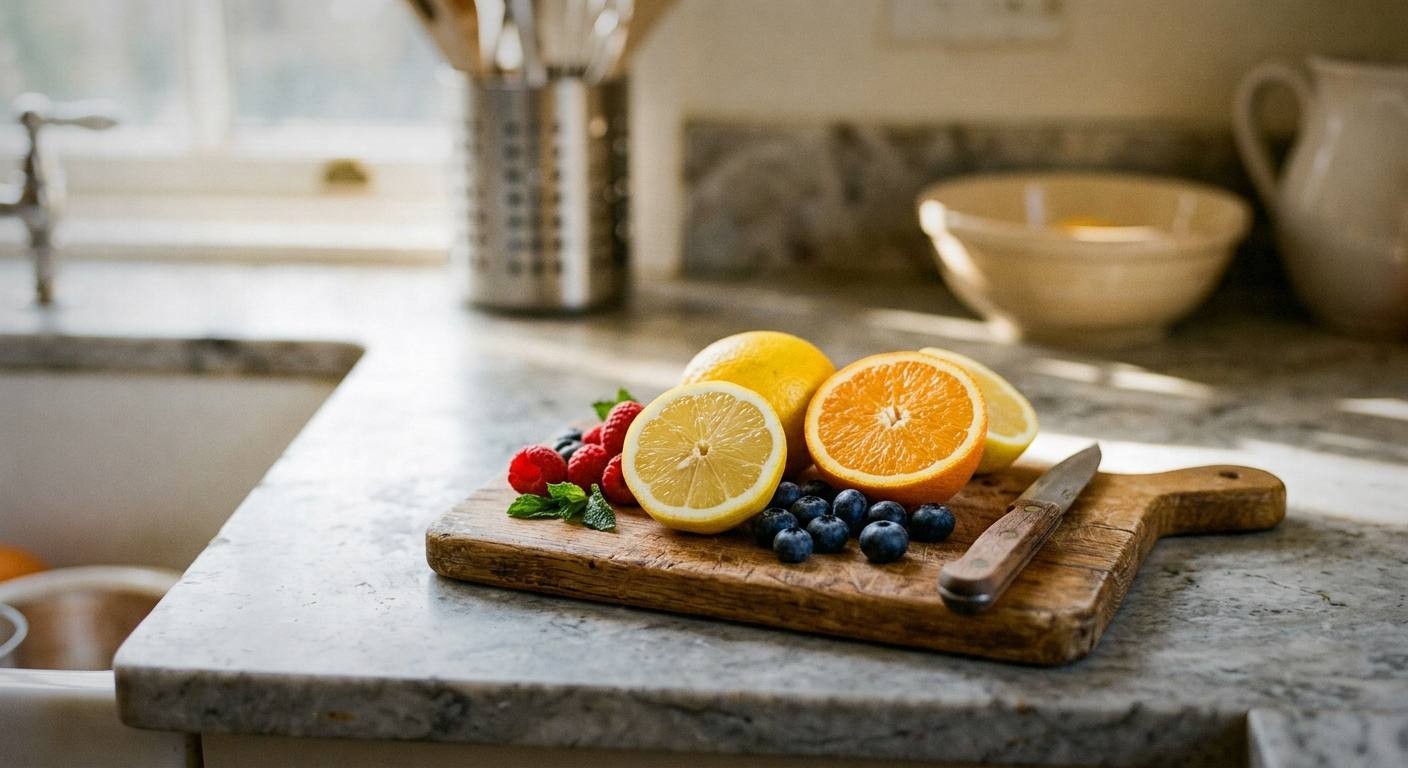
What You Will Need
Elderflower Cucumber Fizz:
- 2 oz elderflower cordial
- 1 oz fresh lemon juice
- 4 oz sparkling water (chilled)
- 3 thin cucumber slices
- 2 sprigs fresh mint
- Ice cubes
Blood Orange Rosemary Spritz:
- 1.5 oz fresh blood orange juice (about half a blood orange)
- 0.5 oz rosemary simple syrup (1:1 ratio sugar to water, steeped with rosemary for 10 minutes)
- 3 oz tonic water (Fever-Tree recommended for less sweetness)
- 1 sprig fresh rosemary
- Ice cubes
Basil Grape Cooler:
- 2 oz white grape juice (100% juice, no added sugar)
- 1 oz fresh lime juice
- 0.25 oz elderflower cordial
- 3 oz club soda
- 5 fresh basil leaves
- Ice cubes
How to Make It
Elderflower Cucumber Fizz:
Place 2 cucumber slices and 1 mint sprig in a cocktail shaker. Muddle gently for 10 seconds to release oils without shredding the herbs.
Add elderflower cordial, lemon juice, and a handful of ice. Shake vigorously for 15 seconds until the shaker frosts.
Double-strain into a highball glass filled with fresh ice to remove cucumber and mint bits.
Top with sparkling water. Garnish with remaining cucumber slice and mint sprig.
Blood Orange Rosemary Spritz:
Fill a large wine glass with ice cubes to the rim.
Pour blood orange juice and rosemary simple syrup over ice. Stir with a bar spoon for 5 seconds.
Top with tonic water, pouring slowly to preserve carbonation.
Gently clap the rosemary sprig between your palms to release aromatics, then place in glass.
Basil Grape Cooler:
Take 4 basil leaves and slap them firmly between your palms once. This releases essential oils without bruising the leaves dark.
Drop basil into a Collins glass filled with ice. Add white grape juice, lime juice, and elderflower cordial.
Top with club soda and stir gently with a straw or bar spoon twice.
Garnish with remaining basil leaf.
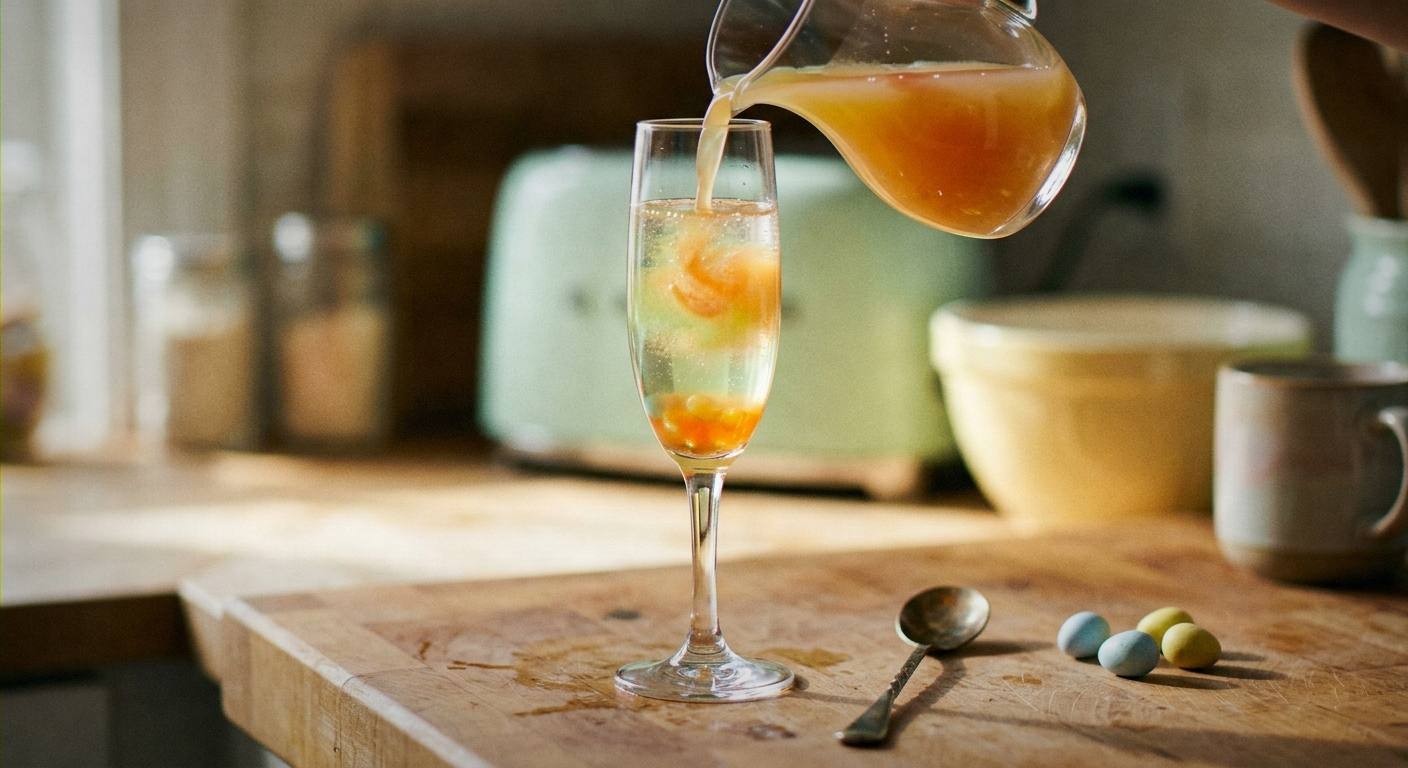
Herbalist Notes
Elderflower (Sambucus nigra): European herbalists have used elderflower cordial since the 1800s as a spring tonic. The flowers contain flavonoids that give the distinctive muscatel-honey aroma. Quality matters here. St. Germain-style cordials use 1,000 elderflower blossoms per bottle. Cheaper versions add artificial flavoring. Look for cordials listing elderflower extract in the first three ingredients.
Rosemary (Rosmarinus officinalis): The volatile oil 1,8-cineole gives rosemary its pine-camphor scent. Steeping fresh rosemary in simple syrup for 10 minutes at 180°F extracts enough oil for flavor without the medicinal bitterness you get from boiling. Western herbalism associates rosemary with mental clarity. One study from Northumbria University (2012) found that rosemary aroma improved memory test scores by 15% compared to control groups.
Basil (Ocimum basilicum): Fresh basil contains linalool, the same terpene found in lavender. That is why basil adds floral sweetness to savory drinks. Slapping the leaves instead of muddling them releases oils from the glands on the leaf surface without tearing cell walls that release bitter chlorophyll. Thai and Italian basil work equally well here, though Thai basil adds a slight anise note.
Make It Your Own
Swap blood oranges for cara cara or regular navel oranges if blood oranges are past season in your region. The spritz loses the dramatic red color but gains sweetness. For a drier elderflower fizz, replace half the cordial with 1 oz of dry vermouth substitute like Lyre’s Dry London Spirit. The basil cooler becomes more sophisticated with green grape juice instead of white, which adds tannin structure similar to a Sauvignon Blanc. Batch any of these recipes by multiplying ingredients by guest count and mixing everything except carbonated elements in a pitcher. Add sparkling water, tonic, or club soda per glass as you serve.
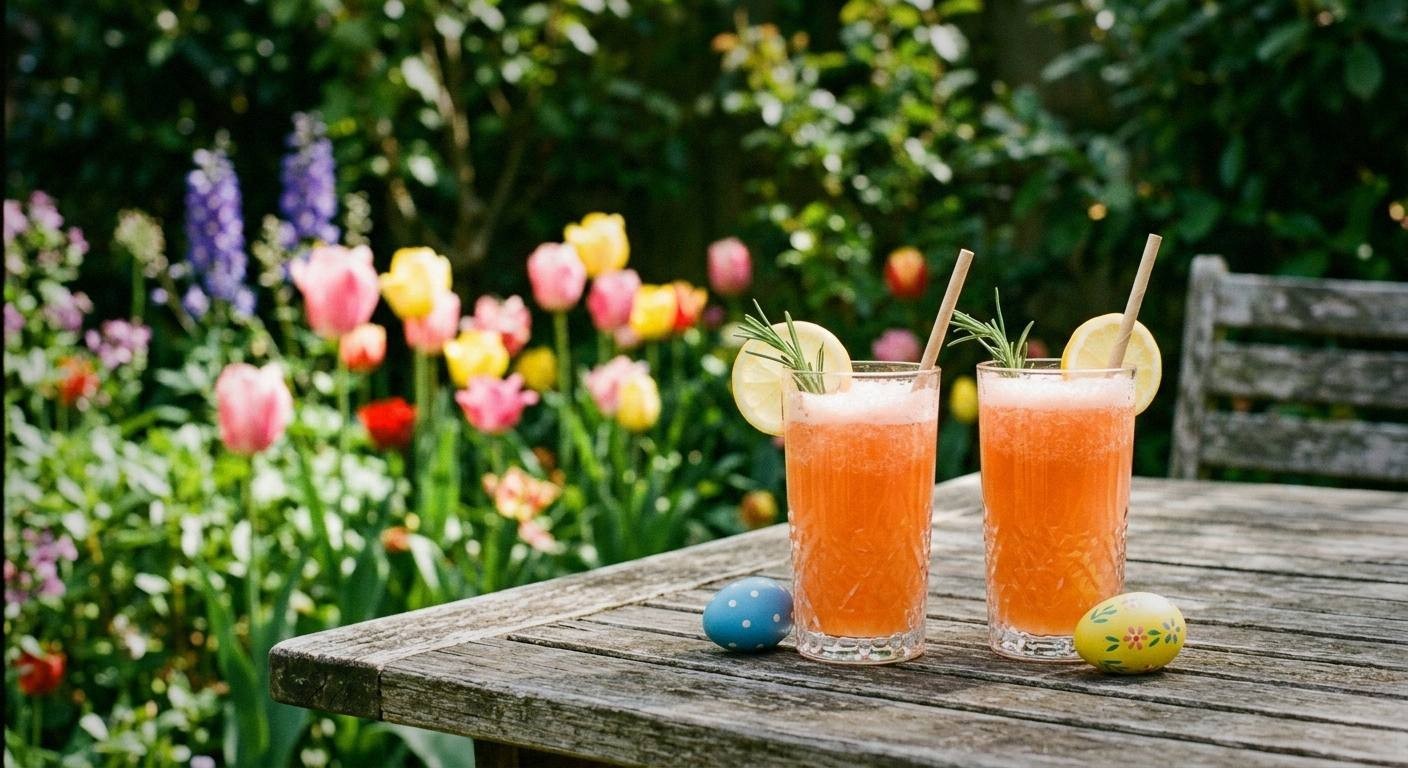
Common Questions
What are good mocktails for Easter brunch?
Easter brunch mocktails need to balance three things: bright citrus to cut through rich foods, herbal complexity so adults do not feel like they are drinking juice, and visual appeal for table photos. The elderflower cucumber fizz works because cucumber adds savory depth that pairs with quiche and salmon. Blood orange rosemary spritz mimics an Aperol spritz’s bittersweet profile without alcohol. Basil grape cooler reads as a white wine alternative with enough acidity to cleanse the palate between courses. All three use carbonation, which research from the Journal of Texture Studies (2019) shows creates perceived freshness that still beverages lack.
How do you make botanical mocktails at home?
Start with one botanical base: elderflower cordial, rose water, lavender syrup, or herb-infused simple syrups. These add aromatic complexity that plain fruit juice cannot match. Layer with fresh citrus juice for acidity (always fresh, never bottled). Add a carbonated element for texture. Finish with fresh herbs as garnish, but activate their oils first by slapping or gently muddling. The ratio that works for most botanical mocktails is 1.5 oz botanical base, 1 oz citrus, 3-4 oz carbonated mixer. This creates enough flavor concentration that the drink tastes intentional, not diluted. Quality tonic water or sparkling water matters. Fever-Tree and Q Drinks use quinine from cinchona bark and less sugar than Schweppes, which lets botanical flavors show through.
What are the best non-alcoholic drinks for Easter?
The best non-alcoholic drinks for Easter match the meal’s flavor profile and the season. For egg-heavy brunch dishes, citrus-forward drinks like the blood orange spritz cut through richness. For ham or lamb dinners, herb-driven mocktails with rosemary or thyme complement savory proteins. Spring 2026 means peak season for blood oranges (through mid-April), Meyer lemons, and the first greenhouse cucumbers. Using what is actually in season makes drinks taste brighter. Avoid tropical fruits like mango or pineapple for Easter unless your menu skews Caribbean. They clash with traditional European-American Easter foods. Stick to Mediterranean botanicals: elderflower, citrus, stone fruits, and soft herbs like basil and mint.
What ingredients make mocktails taste sophisticated?
Five ingredients separate sophisticated mocktails from kiddie drinks: quality bitters (Fee Brothers or Angostura make non-alcoholic versions with 0.5% ABV), botanical cordials with real flower extracts, fresh citrus juice squeezed within 4 hours of serving, artisan tonic waters with real quinine, and activated fresh herbs. Activated means you slapped basil, clapped rosemary, or gently muddled mint to release essential oils. The mistake most home mocktail makers make is under-acidifying. Without alcohol’s burn, drinks need more citrus to create palate interest. A good rule: if it tastes flat, add 0.25 oz more lemon or lime juice. Texture also matters. Shaking with ice creates micro-dilution and aeration that stirred drinks lack. The elderflower fizz tastes more complex than the grape cooler partly because shaking emulsifies the cucumber water into the drink structure.
Can you make these Easter mocktails ahead for a crowd?
Batch the non-carbonated components up to 4 hours ahead. For the elderflower fizz, muddle cucumber and mint in a large pitcher, add elderflower cordial and lemon juice multiplied by guest count, then refrigerate. Strain out solids before serving and top each glass with sparkling water. For the blood orange spritz, juice oranges and mix with rosemary syrup in a pitcher. Add tonic water per glass as you serve to preserve carbonation. The basil cooler is trickiest because basil oxidizes and turns black within 2 hours. Slap and add basil leaves to individual glasses right before serving. Pre-measure the grape juice, lime juice, and elderflower cordial in a pitcher, then pour 3.25 oz per glass and top with club soda and fresh basil. For parties over 12 people, set up a mocktail station with labeled pitchers of pre-mixed bases, bottles of carbonated mixers, ice, and garnishes so guests can assemble their own drinks. This reduces your workload and becomes a conversation piece.

Camille writes about botanical drinks, herbal cocktails, and the old plant wisdom that makes them work. Most days you'll find her in the garden or the kitchen, turning herbs into something worth sipping.