
12 edible flowers and herbs that elevate herbal cocktails: specific pairings, botanical tips, and garden-to-glass recipes for every spirit.
Somewhere between the citrus squeeze and the ice clink, a cocktail can become something beautiful. Not just to look at, but to taste, to smell, to hold in your hand before the first sip. That shift happens when you start thinking about what’s growing in your garden or at the farmers market as seriously as what’s on your bar shelf.
Edible flowers and fresh herbs have a long history in drinks that long predates the craft cocktail revival. Herbalists steeped them. Apothecaries tinctured them. Home cooks muddled them. The difference now is that we understand more precisely which botanicals want to be paired with which spirits, and why. Some are built to take the heat of whiskey; others need the clean neutrality of vodka to let their flavor speak. Some you muddle, some you infuse, some you just float on top as a garnish that actually does something.
Here are twelve botanicals worth knowing: what they taste like, what they love, and how to use them well.
1. Lavender
Lavender tastes like it smells: floral, slightly resinous, with a cool herbal undertone. The mistake most people make is using too much. One or two fresh flower buds is a garnish. Four is an air freshener.
It pairs beautifully with gin, especially London dry styles that carry their own floral notes, and with honey-sweetened vodka drinks. A lavender lemon gin fizz is one of the easiest and most satisfying warm-weather builds: gin, fresh lemon juice, lavender simple syrup, topped with soda over ice.
Tip: Make lavender syrup by steeping dried buds (not fresh) in hot simple syrup for 10 minutes, then straining immediately. Fresh lavender goes bitter fast in heat.
2. Rosemary
Rosemary is the most assertive herb on this list, and that’s exactly what makes it useful. It has pine, camphor, and a dry woody edge that holds up against spirits with serious backbone: mezcal, aged rum, rye whiskey.
A smoked rosemary sprig torched and dropped into a mezcal sour changes the whole trajectory of the drink. The smoke and resin hit your nose before the first taste, which is half the experience.
Tip: For a quicker extraction, express the oils by clapping the sprig firmly between your palms before adding it to the glass. You’ll smell the difference immediately.
3. Basil
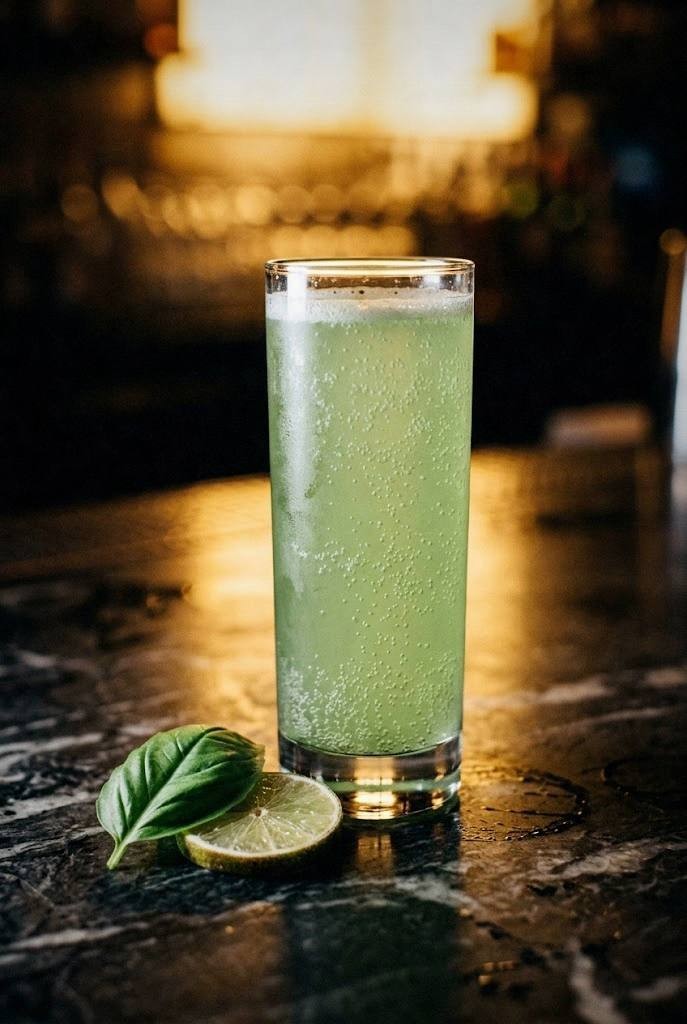
Sweet basil has a softer, more complex flavor than people expect: peppery and slightly anise-like underneath the green. It muddled into a drink adds depth without dominating, which is why it works so well with bright, acidic cocktails.
The basil gin smash is a classic for a reason: 5-6 fresh basil leaves muddled with lemon juice and simple syrup, shaken hard with gin, strained over ice. The Italians have been pairing basil with citrus for centuries. This is just the bartender’s version.
Tip: Muddle basil gently. Over-working it shreds the leaves and releases chlorophyll, which turns the drink murky and bitter.

4. Mint
Mint is so common in cocktails that it’s easy to take for granted. But the variety matters more than most people know. Spearmint (the classic mojito mint) is sweet and clean. Peppermint is sharper and more medicinal, better in syrups than muddled. Apple mint is milder, almost fruity, and excellent with light rum or cucumber vodka.
For summer drinks, mint is irreplaceable. Its cooling sensation is a physical effect: the menthol compound activates cold receptors on your tongue even at room temperature.
Tip: Never muddle mint aggressively. Press it once or twice to bruise the leaves, then let the liquid do the work.
5. Thyme
Thyme is underused in cocktails, which is a real gap. It’s earthy, slightly savory, with a quiet floral back note that makes it one of the more versatile herbs in the garden.
It works particularly well in gin and tonic variations. A sprig of fresh thyme steeped in the tonic for a minute before adding gin adds complexity without sweetness. It also pairs well with honey spirits and any cocktail that includes grapefruit.
Tip: Lemon thyme is worth seeking out specifically for drinks. The citrus note is genuine, not added, and it plays perfectly with tequila blanco.
6. Sage
Sage in a cocktail is a bold choice. It’s intense: slightly camphorous, warming, with a dry herbal finish. Done right, it’s one of the most distinctive botanical elements you can add to a drink.
It pairs best with brown spirits: bourbon, dark rum, aged tequila. A sage and honey old fashioned (bourbon, honey syrup, a few drops of orange bitters, and a fresh sage leaf expressed and dropped in) is a particularly good cold-weather variation. For summer, try a sage lemonade vodka: fresh sage muddled with lemon juice, honey syrup, vodka, shaken and strained over ice.
Tip: Express sage by pressing it between your fingers rather than muddling. A little goes a long way.
7. Elderflower
Elderflower is the botanical most people encounter first as a liqueur (St-Germain), but the fresh flowers are worth knowing separately. They taste like spring: light, floral, faintly musky, almost lychee-like. Delicate in a way that most flowers are not.
Fresh elderflower cordial stirred into sparkling water with gin and a squeeze of lemon is one of the best garden-to-glass drinks possible. If you can’t find fresh blossoms, elderflower tonic water gets you close.
Tip: Fresh elderflower heads should be used within 24 hours of cutting. They ferment fast and the flavor shifts from floral to slightly funky quickly.

8. Nasturtium
Nasturtium is the most surprising entry on this list. The flowers are peppery, with a real radish-like heat that finishes clean. The flavor profile is closer to a green herb than a flower, which makes it the right choice when you want a botanical element with some edge.
It pairs well with tequila and mezcal, which share that same earthy heat. A nasturtium margarita (blanco tequila, lime juice, agave, and one or two nasturtium petals muddled in) is a beautiful and unexpected variation. The color ranges from yellow to deep orange, which adds visual punch.
Tip: Both the flowers and the leaves are edible. The leaves are more peppery than the blooms. Use petals for garnish; leaves for muddling.
9. Violets
Violets have a soft, slightly powdery floral flavor, the same quality that makes violet candy so distinctive. In cocktails, they work best as a visual element paired with a complementary flavored syrup, since their flavor is subtle enough to disappear against stronger spirits.
Crème de violette is the liqueur version, famously used in the Aviation cocktail. Fresh violet petals floated on a gin lemonade or frozen into ice cubes for a sparkling water garnish look stunning and carry just enough flavor to register.
Tip: Crystallized violet petals (fresh petals brushed with egg white and dusted with sugar) make an elegant rimming garnish or drink stirrer decoration.
10. Hibiscus
Hibiscus is not subtle. Tart, berry-forward, with a cranberry-raspberry depth and deep crimson color, it transforms any drink it enters. The dried calyces are the working part. Steep them in hot water, then chill, and you have a hibiscus tea that doubles as a cocktail mixer.
A hibiscus margarita (blanco tequila, lime juice, hibiscus syrup, salted rim) is a standard for a reason. But hibiscus also works in vodka sodas, gin cocktails, and as the base of a non-alcoholic agua fresca that holds its own at any table.
Tip: Hibiscus color changes with pH. Add citrus and it shifts brighter. Add baking soda (not in a cocktail, but in a science demo) and it turns blue. Useful to know when balancing flavors.
11. Chamomile
Chamomile tastes like apple, honey, and dried hay in the best possible way. It’s gentle and warm, which makes it an unusual but effective cocktail ingredient. It wants heat to release its flavor, so infusing it into syrup or spirits works better than muddling.
A chamomile-infused vodka is simple: steep one chamomile tea bag per 4 ounces of vodka for 30 minutes, remove, and use within a week. Mixed with lemon juice, honey syrup, and soda over ice, it’s a Bee’s Knees variation that leans floral and soft.
Tip: Don’t over-steep chamomile in spirits. Past 45 minutes it goes bitter. Taste as you go.
12. Borage
Borage is the herb most bartenders haven’t heard of yet, which means there’s still time to look clever using it. The star-shaped blue flowers have a clean, cooling flavor that tastes remarkably like cucumber, without any of the vegetable’s texture or bitterness.
It’s a natural in gin cocktails, particularly with cucumber vodka as a base for non-alcoholic builds. A borage and elderflower gin tonic (gin, elderflower tonic, a cucumber slice, and three borage blossoms) is a complete botanical showcase in one glass.
Tip: Borage leaves are also edible but have a rough texture from fine hairs. Stick to the flowers for cocktails.
Storing and Sourcing Botanicals
Fresh flowers and herbs are delicate. Treat them like produce, not garnish.
Store fresh herbs upright in a small glass of water in the fridge, covered loosely with a plastic bag. Most will keep 3-5 days this way. Flowers are more fragile. Use within 24-48 hours of cutting, stored in a sealed container with a damp paper towel.
Source from your own garden or certified food-grade suppliers. Florist flowers and decorative nursery plants are typically treated with pesticides that are not safe to consume. If you’re buying from a farmers market, ask directly whether the flowers are food-grade.
For dried botanicals (lavender, chamomile, hibiscus), buy from herb suppliers rather than grocery store tea brands. The flavor concentration is higher, and the products are grown specifically for culinary use.
One last note on quantity: botanical cocktails work because of restraint. A garnish is meant to perfume the drink, not perform. A muddled herb should suggest itself, not announce itself. Start with less than you think you need, taste, and add from there. The best botanical cocktail you’ll ever make will be the one where someone asks, “What is that?” without being able to name it.
That’s the whole point.

Camille writes about botanical drinks, herbal cocktails, and the old plant wisdom that makes them work. Most days you'll find her in the garden or the kitchen, turning herbs into something worth sipping.