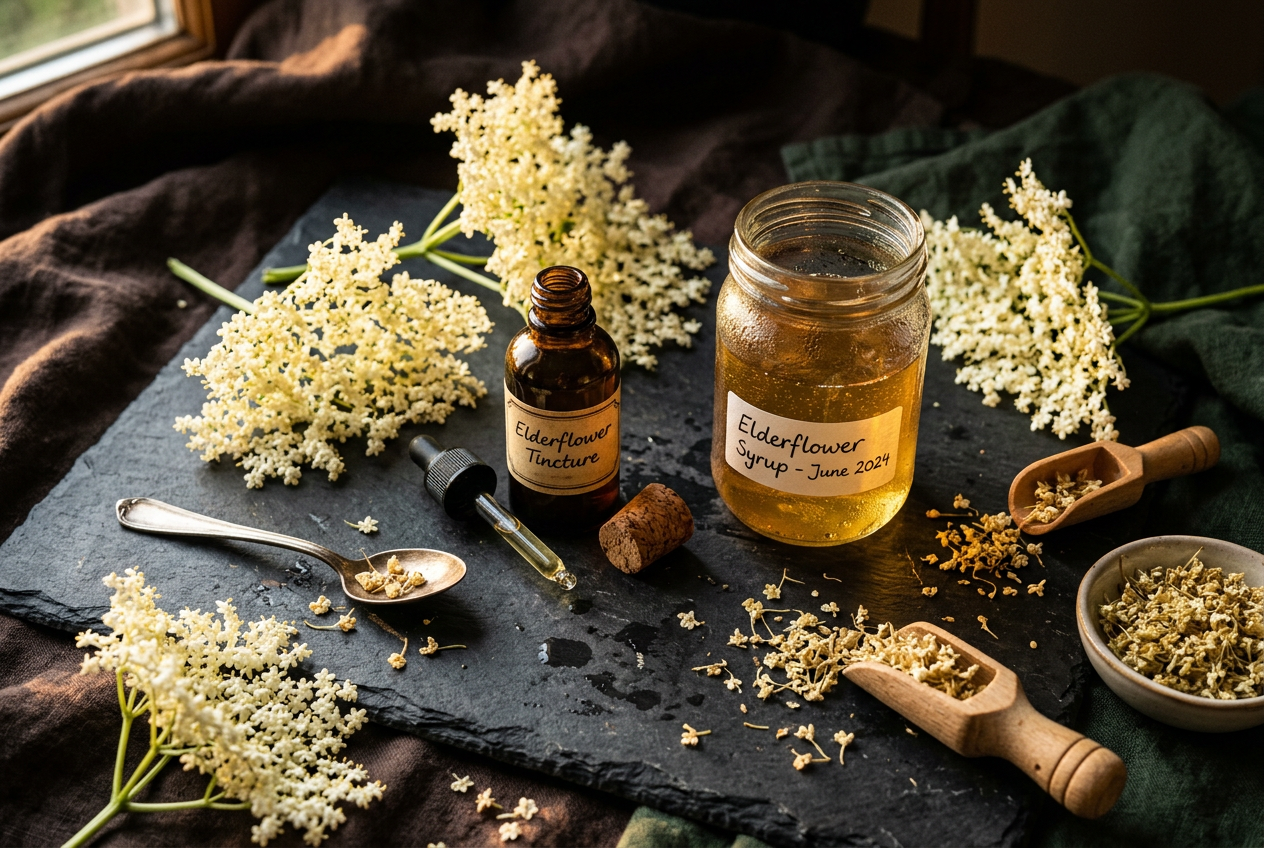
Traditional UK elderflower cordial using fresh lemon juice instead of citric acid. Get the recipe for this spring foraging classic.
Why You Will Love This
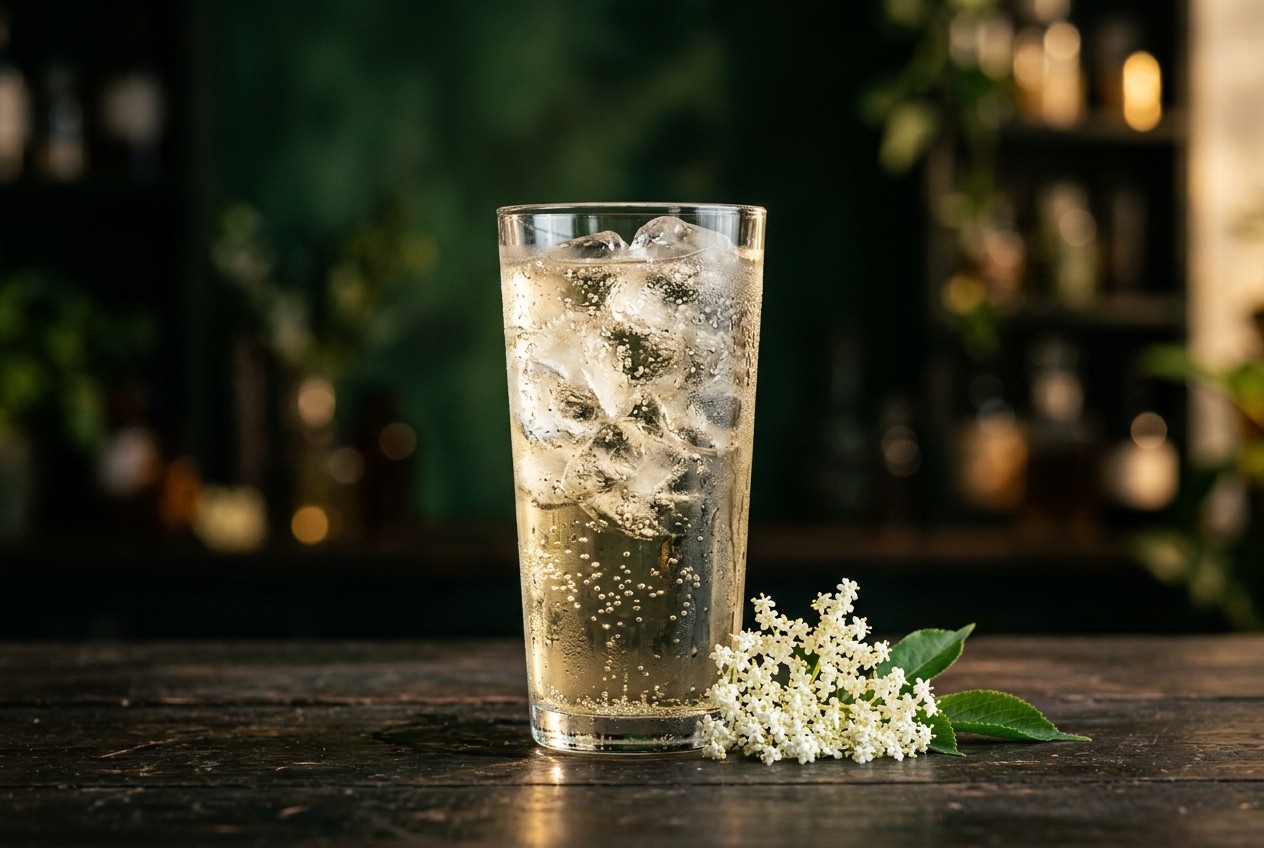
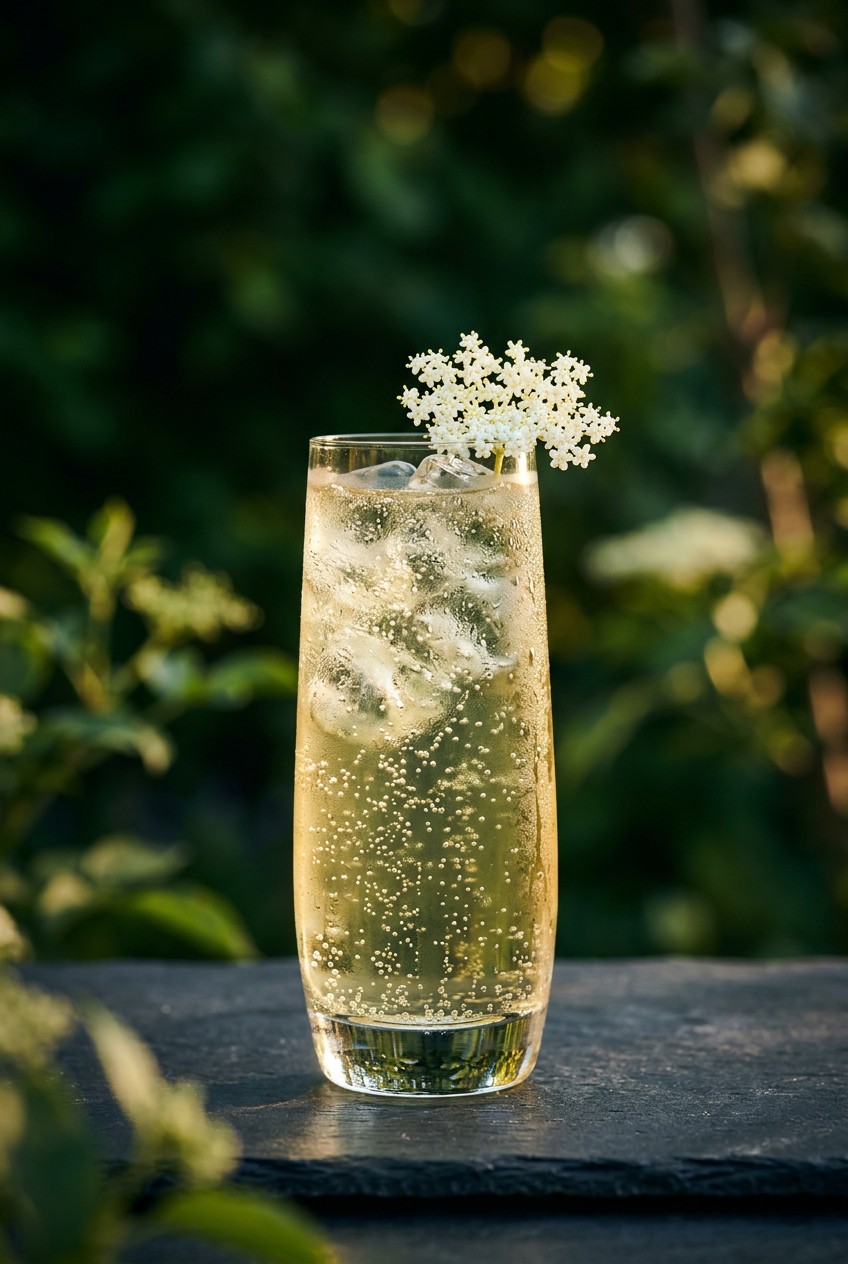
The scent hits you first. Honey-sweet, with a green edge that tastes like late spring air. This elderflower cordial recipe skips citric acid entirely, relying instead on fresh lemon juice and a 48-hour steep to develop the preservative acidity British hedgerow foragers have used for generations. Dilute it 1:4 with sparkling water over ice and you have the drink that defines UK summer.
The Story Behind It
Elderflower cordial became a British staple during the 1950s when home preserving surged and wild foraging offered free ingredients. The original recipes used fresh lemon juice for acidity, not the citric acid powder that appeared later as a commercial shortcut. This version returns to that method. Peak foraging time runs from late May through mid-June when the creamy white flower heads bloom across hedgerows, reaching maximum pollen content in the first week of flowering.
What You Will Need
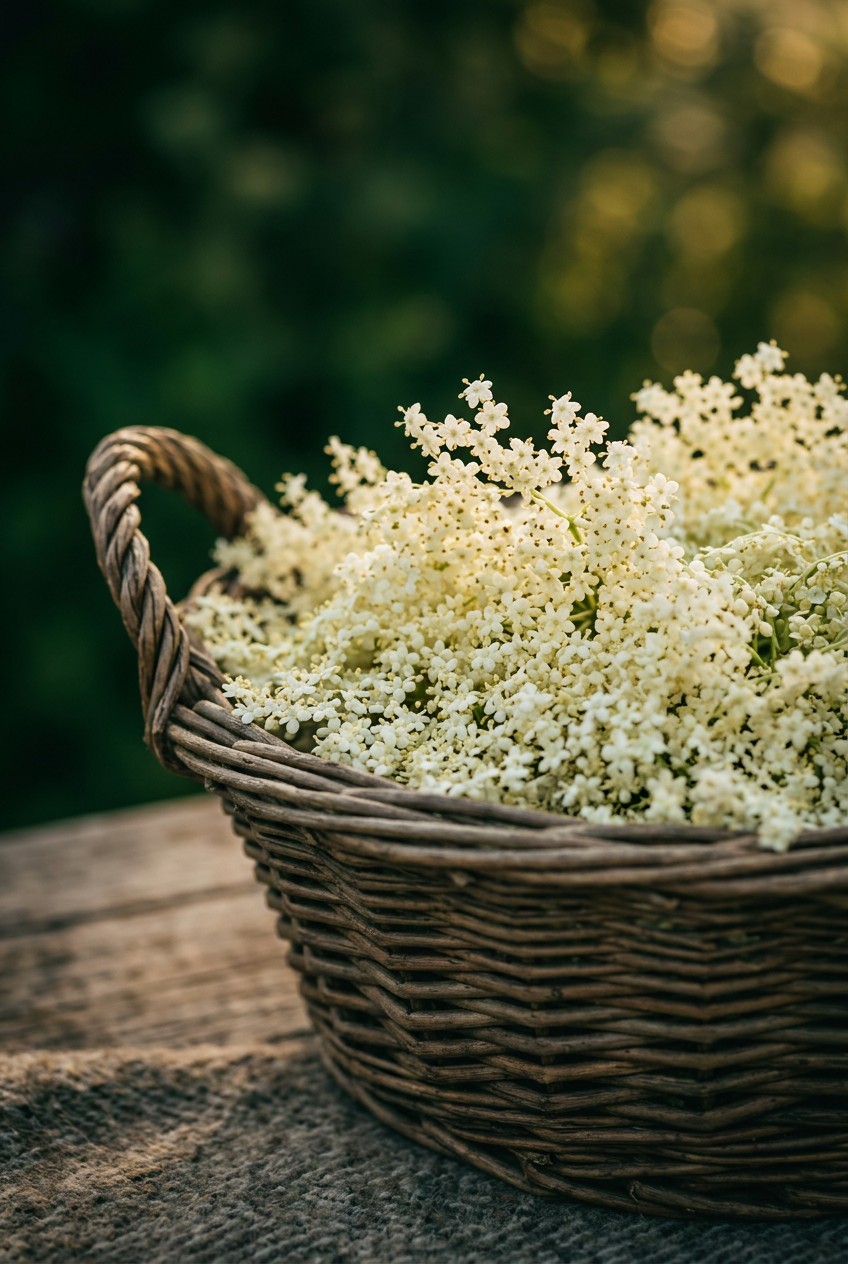
- 20 fresh elderflower heads
- 1.8 kg (4 lbs) granulated sugar
- 1.5 litres (6 cups) boiling water
- 2 unwaxed lemons, sliced
- 1 unwaxed lemon, zest and juice only
How to Make It
Shake elderflower heads gently to remove insects. Do not wash, as this removes the pollen that carries the flavour.
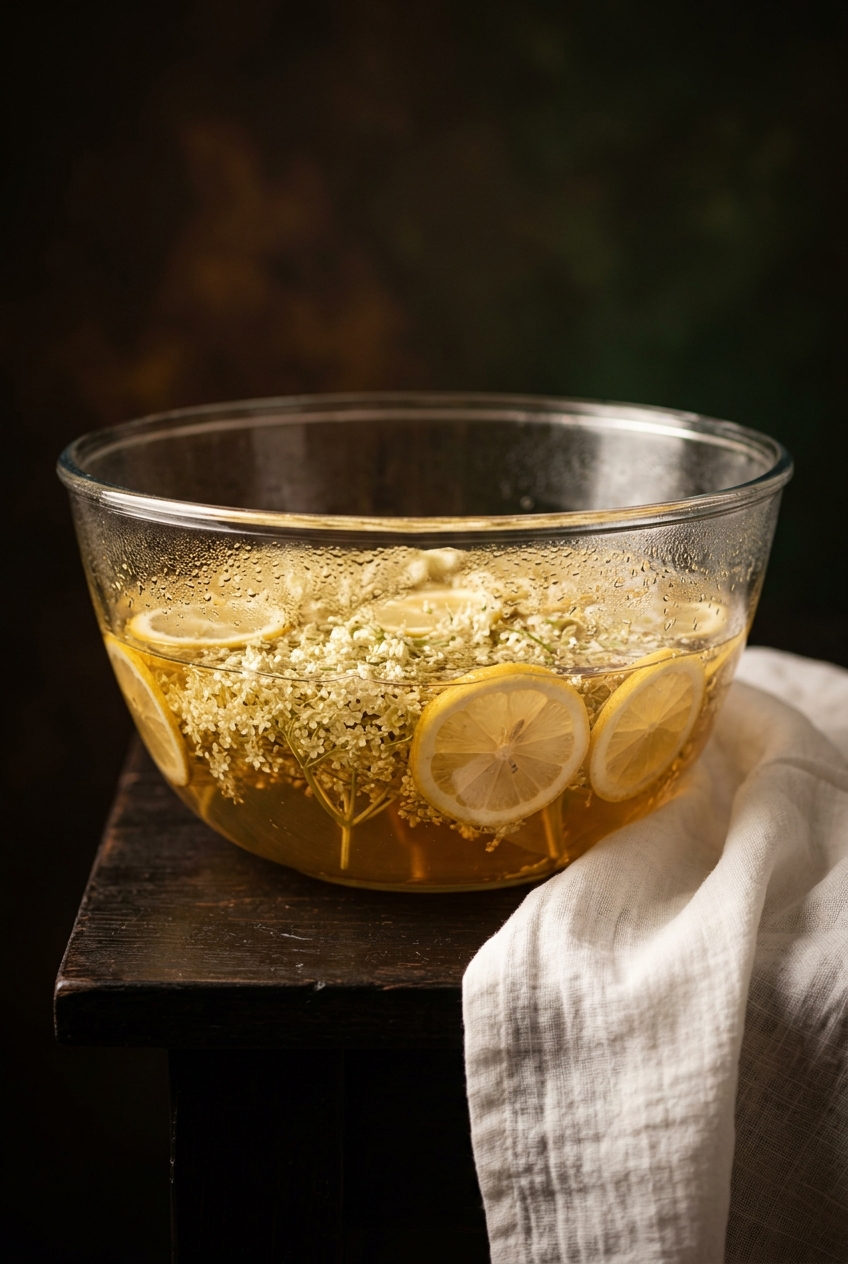
Place elderflowers in a large sterilized bowl or food-grade bucket.
Pour boiling water over sugar in a separate pan, stirring until completely dissolved.
Pour hot sugar syrup over elderflowers. Add sliced lemons, lemon zest, and juice.
Cover with a clean tea towel and leave at room temperature for 24-48 hours, stirring once or twice.
Strain through muslin or a very fine sieve, pressing gently to extract all liquid.
Pour into sterilized bottles. Refrigerate immediately.
Herbalist Notes
Elderflowers contain quercetin and rutin, flavonoids studied in European phytotherapy for their mild diuretic and anti-inflammatory effects. A 2014 study in the Journal of Functional Foods measured 42 mg quercetin per 100g dried flowers.
Fresh lemon juice provides approximately 5-6% citric acid by weight, enough to drop the cordial’s pH to 3.2-3.5, the range that inhibits bacterial growth. The pith and zest contribute additional pectin and limonene oils that act as natural preservatives.
Traditional British herbalists recommended elderflower water for complexion care and as a spring tonic. The flowers were picked before the berries formed, as the unripe berries contain cyanogenic glycosides that are absent in the blooms.
Make It Your Own
For a sharper cordial closer to commercial versions, add 25g tartaric acid (available at homebrew shops) along with the lemon juice. This increases acidity without altering the flavour profile. Some foragers add 2-3 sprigs of fresh mint during the steep for a garden-fresh note. Store in the freezer for up to 12 months if you foraged a large batch. The cordial dilutes beautifully at 1:4 with prosecco for an instant spring cocktail, or mix 1:5 with chilled still water and a cucumber ribbon for a non-alcoholic garden drink.
Common Questions
What can I use instead of citric acid in elderflower cordial?
Fresh lemon juice is the traditional substitute. Use 2-3 unwaxed lemons per 1.5 litres of cordial, including both juice and sliced fruit. The lemon provides 5-6% citric acid naturally, plus pectin from the pith that aids preservation. Some recipes add 25g tartaric acid (from winemaking suppliers) for extra shelf stability, though this is optional if you refrigerate the cordial and use it within 3 months.
How long does homemade elderflower cordial last?
Refrigerated in sterilized bottles, this cordial keeps for 3 months due to the high sugar content (54% by weight) and lemon acidity. Freeze in plastic bottles with 2cm headspace for up to 12 months. Once opened, use within 4 weeks. The cordial may develop sediment or slight cloudiness over time, which is harmless but can be strained out.
Can you make elderflower cordial without lemon?
Lemon is essential for preservation in recipes without citric acid. Without sufficient acidity (pH below 3.5), the cordial will ferment or spoil within days. You could substitute lime juice at the same ratio, but avoid orange or grapefruit as their lower acidity (pH 3.5-4.0) does not provide enough preservative effect for safe room-temperature steeping.
What is the best time to pick elderflowers for cordial?
Late May through mid-June in the UK, when flowers are fully open but still creamy white. Pick on a dry morning between 10am-12pm after dew evaporates but before afternoon heat diminishes the pollen. Flowers should smell intensely fragrant and show no browning. Avoid roadside hedges due to exhaust residue. Each flower head should have 20-30 individual florets fully opened.
How is elderflower cordial different from elderflower syrup?
Cordial contains more water and is designed to be diluted before drinking, typically at a 1:4 or 1:5 ratio. Syrup is more concentrated (2:1 sugar to water) and used in smaller amounts for cocktails or drizzling over desserts. This recipe makes cordial, which has a thinner consistency and lighter flavour when bottled, meant for mixing rather than using straight.