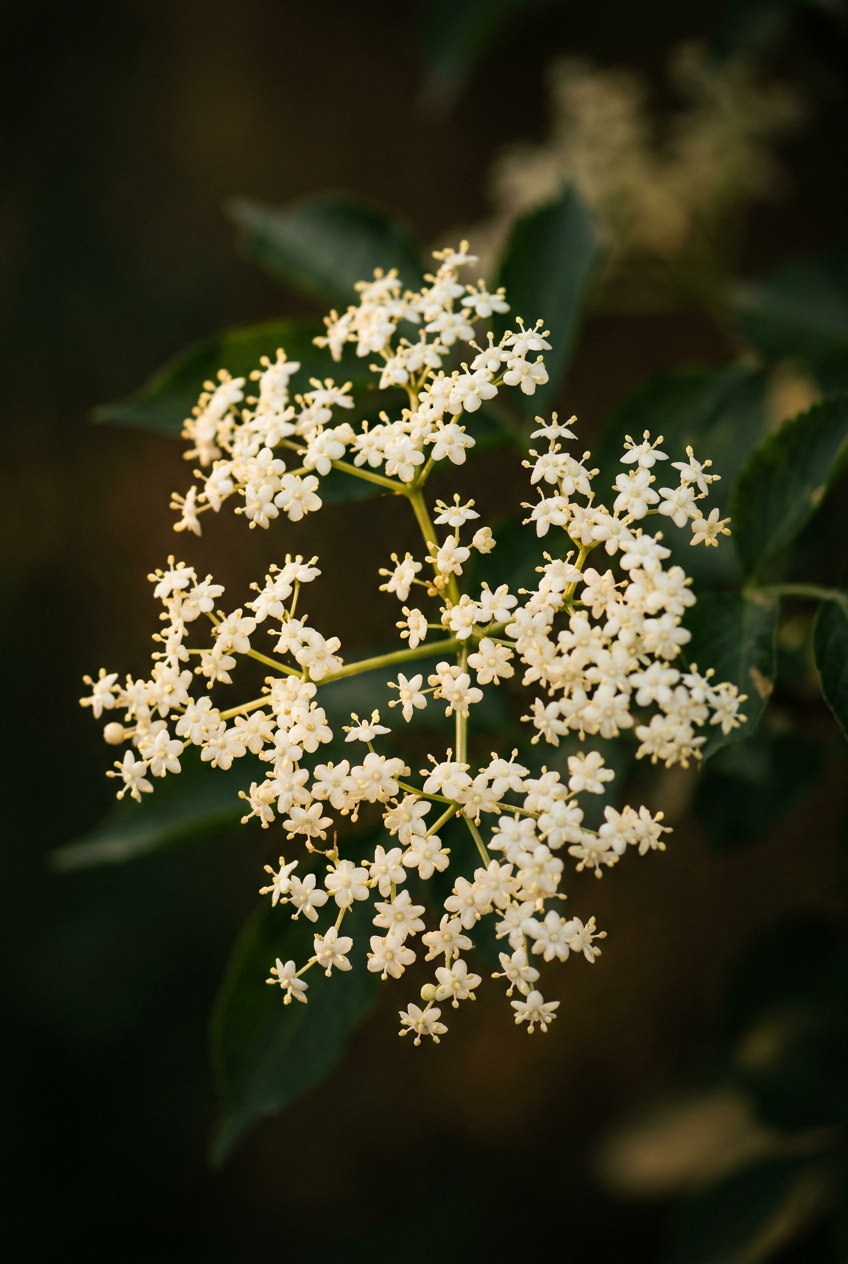
Elderflower’s flavonoids, especially rutin and quercetin, act as anti-inflammatories in the respiratory tract and work as a gentle diaphoretic, meaning the herb promotes sweating to help break fevers. Pour boiling water over 1 to 2 tablespoons of dried elderflowers, steep covered for 10 to 15 minutes, and drink hot. European herbalists have reached for this preparation at the first sign of a cold for centuries, often pairing it with yarrow and peppermint. Modern herbalists still do the same, and the flavonoid research gives it a mechanistic explanation.

The elder tree’s flowers smell like honey and pear, and they turn into one of the most useful ingredients in a home apothecary. This article covers the benefits, the preparation methods, and a syrup recipe that stores for weeks.

The Healing History

The elder tree (Sambucus nigra) holds a revered place in European herbal medicine, with written records of its use dating back to ancient Greece. Hippocrates himself referred to the elder as his “medicine chest,” recognizing the tree’s remarkable range of healing applications. Every part of the elder tree has been used medicinally, but the flowers have always held special significance.

In medieval Europe, elder trees were planted near homes and monasteries, believed to offer protection while providing essential medicine. Monks cultivated elderflowers in their physic gardens, creating cordials and remedies that would be prescribed for everything from fevers to skin complaints. The flowers were so valued that many rural communities had strict customs about when and how to harvest them, often involving specific prayers or rituals to honor the tree’s spirit.

Traditional European medicine recognized elderflower as a powerful diaphoretic, meaning it promotes sweating to break fevers. Elderflower tea was the go-to remedy for colds, flu, and respiratory infections throughout Britain, Germany, and Scandinavia. Herbalists would combine elderflower with yarrow and peppermint to create what they called “influenza tea,” a blend still used by modern herbalists during cold and flu season.

Fresh elderflower blossoms in a woven basket on a wooden table
Freshly harvested elderflowers retain their healing properties best when used within hours of picking

Native American tribes also discovered the healing properties of their indigenous elder species independently, using elderflower infusions for fevers, inflammation, and skin conditions. The same plant, found independently on two continents, used for the same purposes. That kind of convergence is hard to dismiss.

The Victorian era saw elderflower reach new heights of popularity in Britain. Elderflower water became a fashionable cosmetic, used to lighten freckles and soothe sunburned skin. The flowers were also transformed into champagne, cordials, and vinegars that graced the tables of both wealthy estates and humble cottages.

Key Healing Benefits

Elderflowers contain flavonoids, phenolic acids, and triterpenes that drive most of their therapeutic activity. Here is what the research actually shows.

Immune Support and Cold Relief

Elderflower’s most celebrated benefit lies in its ability to support the immune system and ease cold and flu symptoms. The flowers contain compounds that may help reduce the duration and severity of upper respiratory infections. When consumed as a hot tea, elderflower acts as a gentle diaphoretic, encouraging the body to sweat and potentially helping to break fevers naturally.

The flavonoids in elderflower, particularly rutin and quercetin, exhibit anti-inflammatory and antioxidant properties. These compounds may help reduce inflammation in the respiratory tract, making breathing easier during congestion. Many herbalists recommend drinking elderflower tea at the first sign of a cold, often combined with other immune-supporting herbs like echinacea or ginger.

Elderflower supports the body’s fever-breaking process rather than suppressing it, which is why traditional herbalists preferred it to harsher remedies. It is gentle enough for children at culinary doses, though always check with a doctor for young children and serious illness.

Skin Health and Anti-Inflammatory Properties

Elderflower has been used topically for centuries to improve skin health and appearance. The flowers contain ursolic acid and oleanolic acid, compounds with demonstrated anti-inflammatory effects. When applied to the skin as a wash, compress, or ingredient in skincare products, elderflower can help soothe irritation, reduce redness, and calm inflammatory skin conditions.

Traditional uses include elderflower water for sunburn relief, compresses for minor wounds, and facial steams for complexion improvement. The gentle astringent properties of elderflower help tone the skin without over-drying, making it suitable for most skin types.

The antioxidants in elderflower may also help protect skin from environmental damage and premature aging. Some research suggests that elderflower extracts can help inhibit enzymes that break down collagen and elastin, the proteins that keep skin firm and youthful.

Elderflower tea in a clear glass teacup with fresh blossoms beside it
Elderflower tea offers gentle immune support with a delicate, naturally sweet flavor

Respiratory and Sinus Support

Beyond common colds, elderflower has traditionally been used to address various respiratory complaints. The flowers have a mild expectorant action, helping to loosen mucus and make coughs more productive. This makes elderflower particularly useful for bronchial congestion and chest colds.

For sinus issues, elderflower’s anti-inflammatory and mild decongestant properties can provide relief. The flowers help reduce swelling in the nasal passages and may help thin mucus secretions, making drainage easier. Some herbalists recommend elderflower for seasonal allergies, though more research is needed to fully understand this application.

Elderflower is also valued for its gentle nature. Unlike some stronger respiratory herbs, it rarely causes irritation and is generally well-tolerated, even by those with sensitive systems. This makes it an excellent choice for long-term use during allergy season or for individuals prone to respiratory infections.

How to Use Elderflower in Drinks

Elderflower is one of the easier botanical ingredients to work with. The flowers carry notes of honey, pear, and lychee that work as well in craft cocktails as in medicinal preparations. The flavor is delicate but distinct.

The most traditional preparation is elderflower tea. Simply pour boiling water over 1-2 tablespoons of dried elderflowers (or 3-4 tablespoons of fresh flowers) and steep for 10-15 minutes, covered. The covering is important as it traps the volatile oils that contain many of the flowers’ beneficial compounds. Strain and drink hot, sweetened with honey if desired. For cold and flu support, drink 3-4 cups daily.

Elderflower cordial or syrup represents a more concentrated preparation that can be diluted with still or sparkling water for a refreshing drink. This method preserves the flowers’ essence while creating a versatile ingredient for both wellness drinks and creative cocktails. The syrup can be stored in the refrigerator for several weeks, making it convenient to have on hand.

For a traditional British refreshment, elderflower champagne offers a naturally fermented, lightly alcoholic beverage. This requires more time and attention but rewards you with a sparkling drink that captures the essence of early summer. The fermentation process also creates beneficial probiotics, adding another dimension to elderflower’s health benefits.

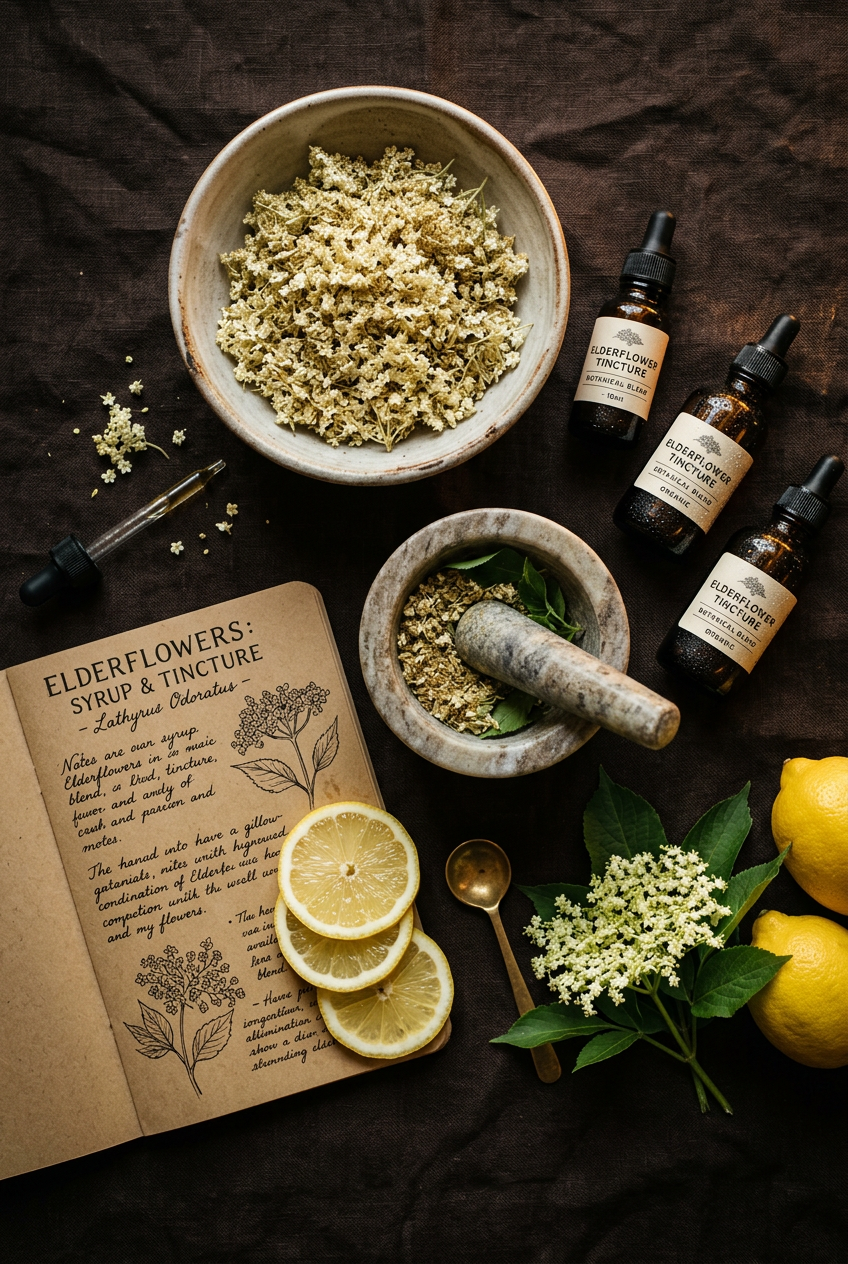
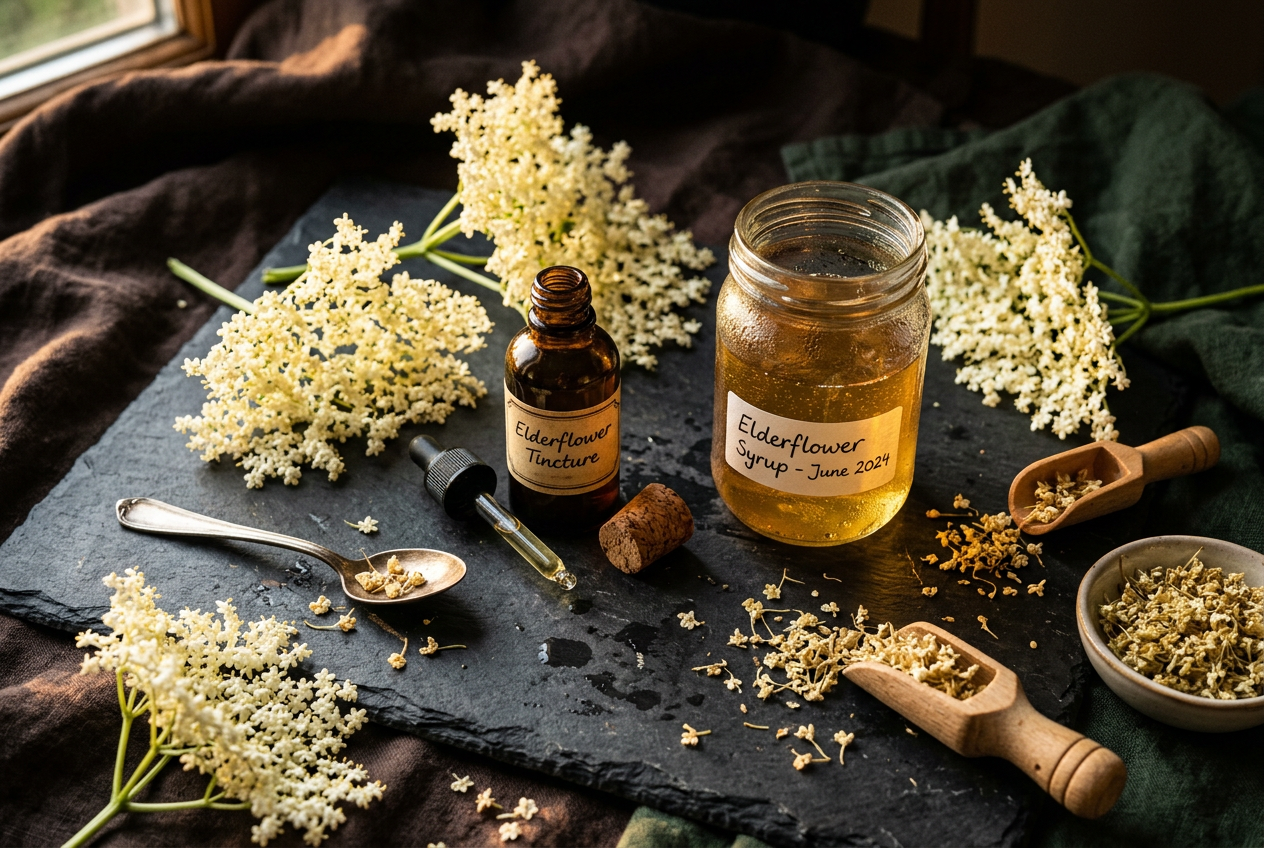
Bottle of homemade elderflower syrup with fresh flowers and lemon slices
Homemade elderflower syrup brings healing botanical benefits to cocktails and wellness drinks

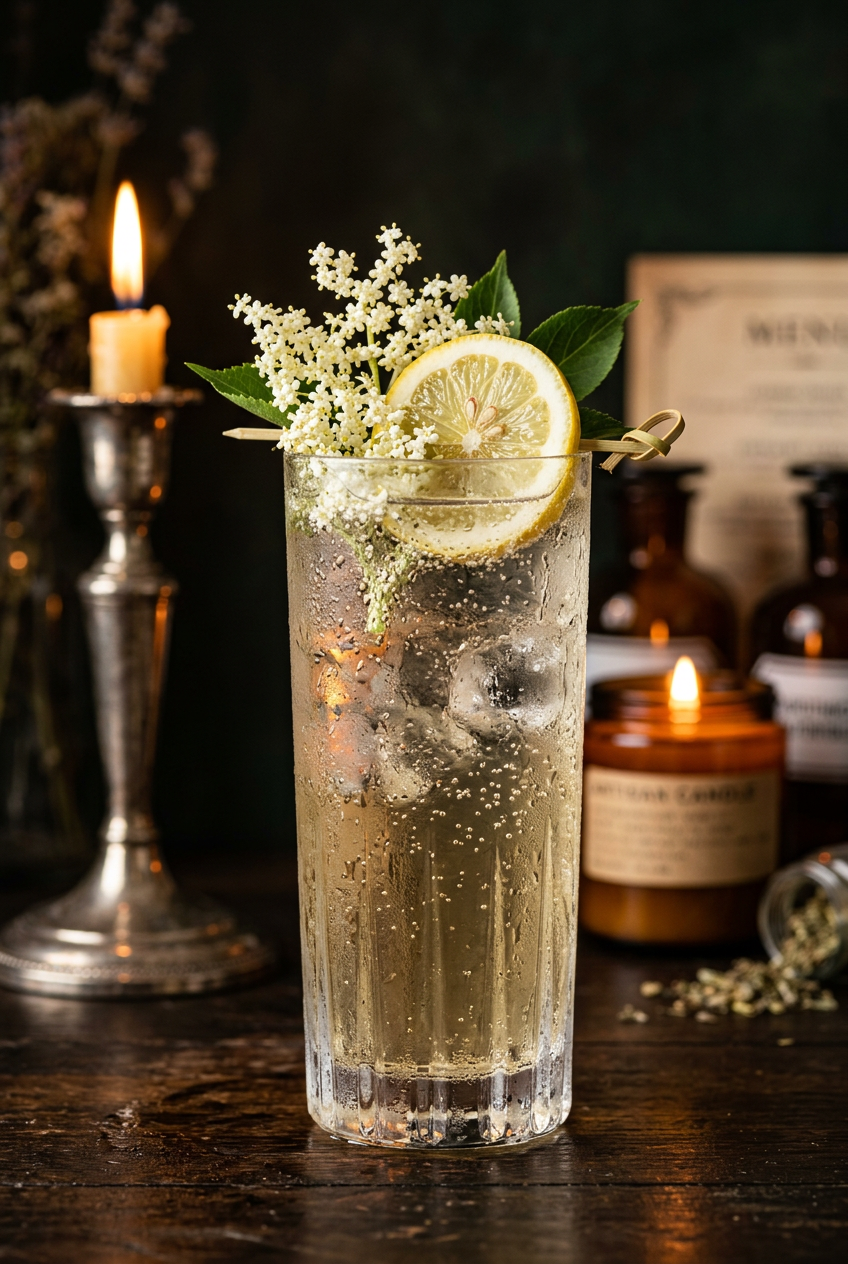
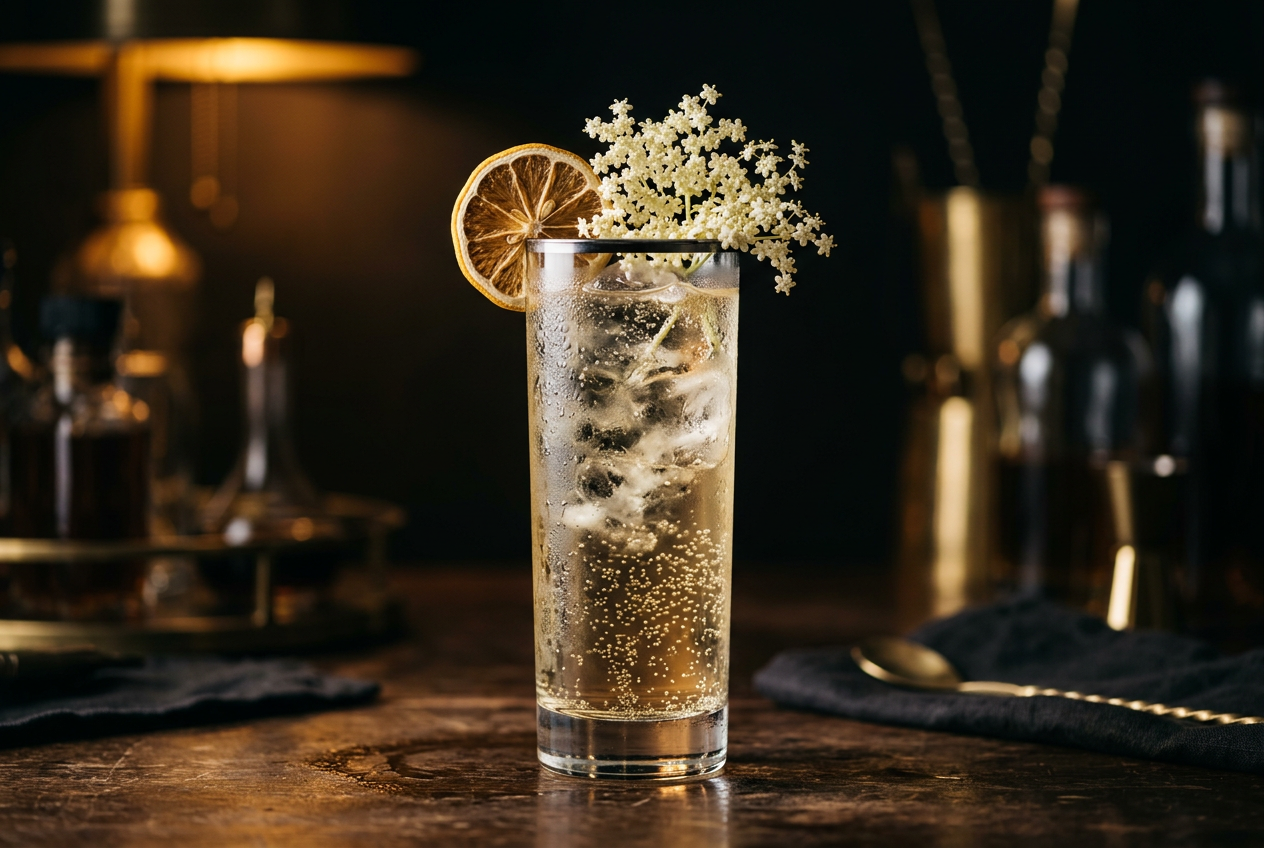
In the modern craft cocktail world, elderflower has found new expression. Elderflower liqueurs like St. Germain have popularized the flavor, but homemade elderflower syrup offers more control over sweetness and quality. Use it in gin cocktails, prosecco-based drinks, or non-alcoholic spritzers. The floral notes pair beautifully with citrus, cucumber, mint, and berries.

For a healing wellness shot, combine elderflower tea or syrup with fresh lemon juice, ginger, and a pinch of cayenne. This combination delivers immune support with anti-inflammatory and antimicrobial benefits from multiple botanicals.

Elderflower also works well in herbal tea blends. Pair it with chamomile and lavender for an evening tea, or with peppermint and lemon balm for digestive support. It blends easily because the flavor is floral rather than assertive.

Elderflower Syrup Recipe

This simple syrup captures elderflower’s delicate essence and healing properties in a versatile preparation you can use in teas, cocktails, and wellness drinks.

Ingredients:

  • 20-25 fresh elderflower heads (or 1/2 cup dried elderflowers)
  • 4 cups water
  • 3 cups organic cane sugar
  • 2 lemons, sliced
  • 1 ounce citric acid (optional, for preservation)

Instructions:

Gently shake the elderflower heads to remove any insects, but do not wash them as this removes the pollen that contributes to the flavor. Remove as much of the thick stems as possible, keeping the flowers and small stems.

In a large pot, bring water to a boil and stir in the sugar until completely dissolved. Remove from heat and add the lemon slices and elderflowers. Stir gently, cover, and let steep for 24-48 hours at room temperature. The longer steep time creates a more intense flavor.

Strain the mixture through a fine-mesh sieve or cheesecloth, pressing gently on the flowers to extract all the liquid. If using citric acid, stir it in now.

Pour the syrup into steril