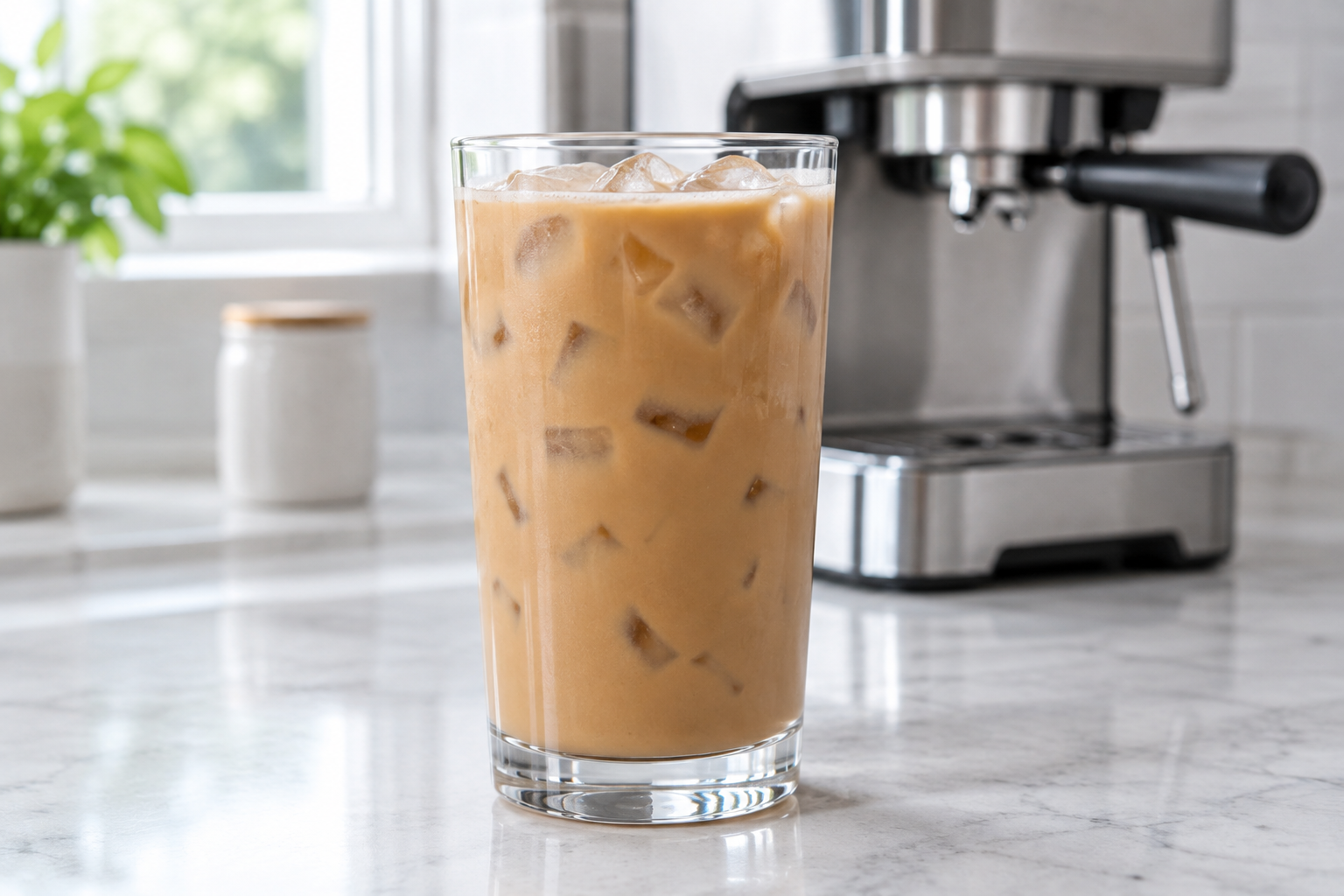
An espresso tonic is exactly what it sounds like: a shot of espresso poured over ice and tonic water. That’s the whole drink. It’s been a warm-weather standard in Scandinavian coffee bars for years, it’s all over cafe menus in Australia and Korea, and it still gets blank stares at most American counters.
A Reddit thread asking why espresso tonics aren’t popular in the US pulled in over 600 upvotes, and nobody landed on a satisfying answer. The closest thing to a consensus: people hear “coffee plus tonic water” and assume it tastes like a mistake. Then they finally try one and order it all summer.
You don’t have to wait for a shop near you to catch up. A specialty cafe charges $6 or more for this. At home it costs a shot of espresso and half a bottle of tonic, which works out to about a dollar fifty.
Quick answer
Espresso tonic tastes best when the tonic is cold, the glass has plenty of ice, and the espresso is added slowly. It is a coffee shop drink you can make at home without turning it into a bitter mess.
Espresso tonic checklist
- Cold tonic
- Plenty of ice
- Fresh espresso
- Citrus peel
- Optional syrup
- Slow pour
- Tall glass
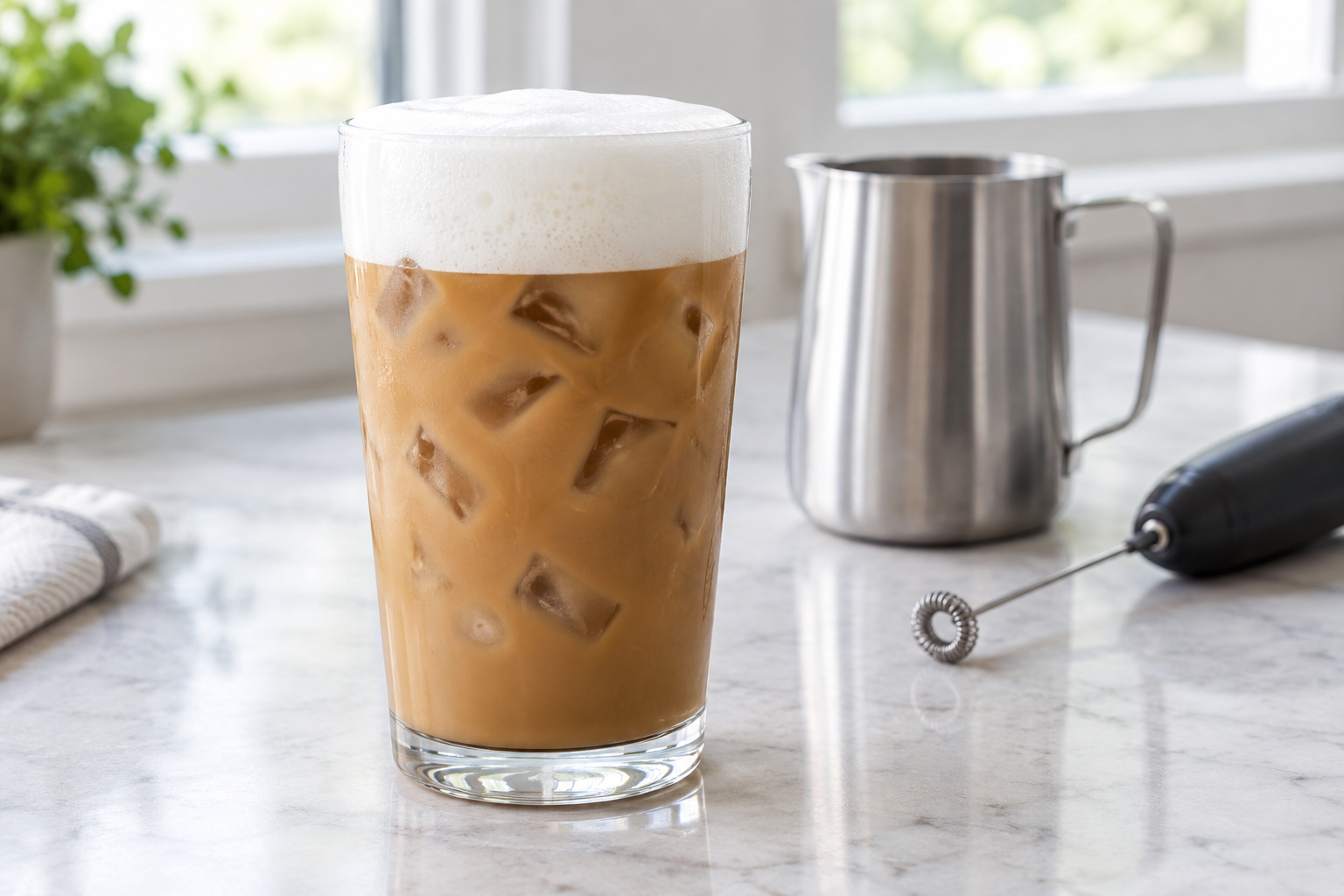
If you need tall glasses for serving, the JoyJolt Faye highball glassesPaid Amazon links: we may earn a commission if you buy through links in this article. Disclosure details. are a 13-ounce option in our bar cart guide. A sturdy glass you already own works just as well; choose one with room for the ice, tonic, and espresso.
Related helpful guides
- Coffee Ice Cubes for Watery Iced Lattes
- How to Stop Iced Coffee From Getting Watery
- Coffee Syrups You Can Make With Herbs
- Plant-Filled Coffee Bar Ideas
What to save from this guide
- The checklist above for the next time you shop, prep, host, or make the recipe
- The practical problem this guide solves before you spend money or set the table
What It Actually Tastes Like
Bitter on top of bitter sounds like a bad idea. It isn’t. The quinine in tonic water reads as bright and citrusy next to espresso, and the small amount of sugar in the tonic rounds off the espresso’s sharp edge. Carbonation lifts the heavy roasted notes that can make iced coffee taste flat.
The result lands somewhere between an iced Americano and a grapefruit soda. Dry, lightly sweet, very bubbly. I’ve handed this to people who swore they’d hate it, and the usual reaction is a suspicious first sip followed by a long second one.
The Master Ratio
The build is 3 parts tonic to 1 part espresso, poured over a glass packed with ice. That ratio keeps the espresso present without letting it bully the tonic.
| Glass size | Ice | Tonic water | Espresso |
|---|---|---|---|
| 10 oz rocks glass | Fill it | 4.5 oz | 1.5 oz (single shot) |
| 12 oz collins glass | Fill it | 6 oz | 2 oz (double shot) |
| 16 oz pint or tumbler | Fill it | 8 oz | 2.5 to 3 oz |
If your shots run long or your tonic runs sweet, nudge toward 2.5:1. Taste it before you adjust, though. The drink changes as the espresso settles through the bubbles, and the third sip tastes different from the first.
Which Tonic to Buy
The tonic matters more than the beans here. Espresso can handle a lot, but a flat, syrupy tonic turns the whole glass into coffee-flavored soda. Here’s how the common options stack up.
| Tonic | How it behaves | Verdict |
|---|---|---|
| Fever-Tree Indian | Clean quinine bite, fine steady bubbles, moderate sugar | The benchmark. Start here. |
| Q Tonic | Drier, less sweet, sharp carbonation | Best if you like the espresso forward |
| Fever-Tree Mediterranean | Softer, floral, less bitter | Great with the citrus variation below |
| Schweppes or Canada Dry | Sweeter, bigger bubbles that fade fast | Fine on a budget, drink it quickly |
| Diet or zero-sugar tonics | Artificial sweetener lingers under the crema | Skip these |
One 500 ml bottle of the good stuff makes three drinks, so the premium tonic still costs less per glass than a vending machine soda.
How to Build It (The Order Matters)
- Chill the glass and the tonic. Room-temperature tonic dumps its carbonation the second espresso hits it.
- Fill the glass completely with ice. More ice melts slower, not faster.
- Pour the tonic first, down the side of a tilted glass.
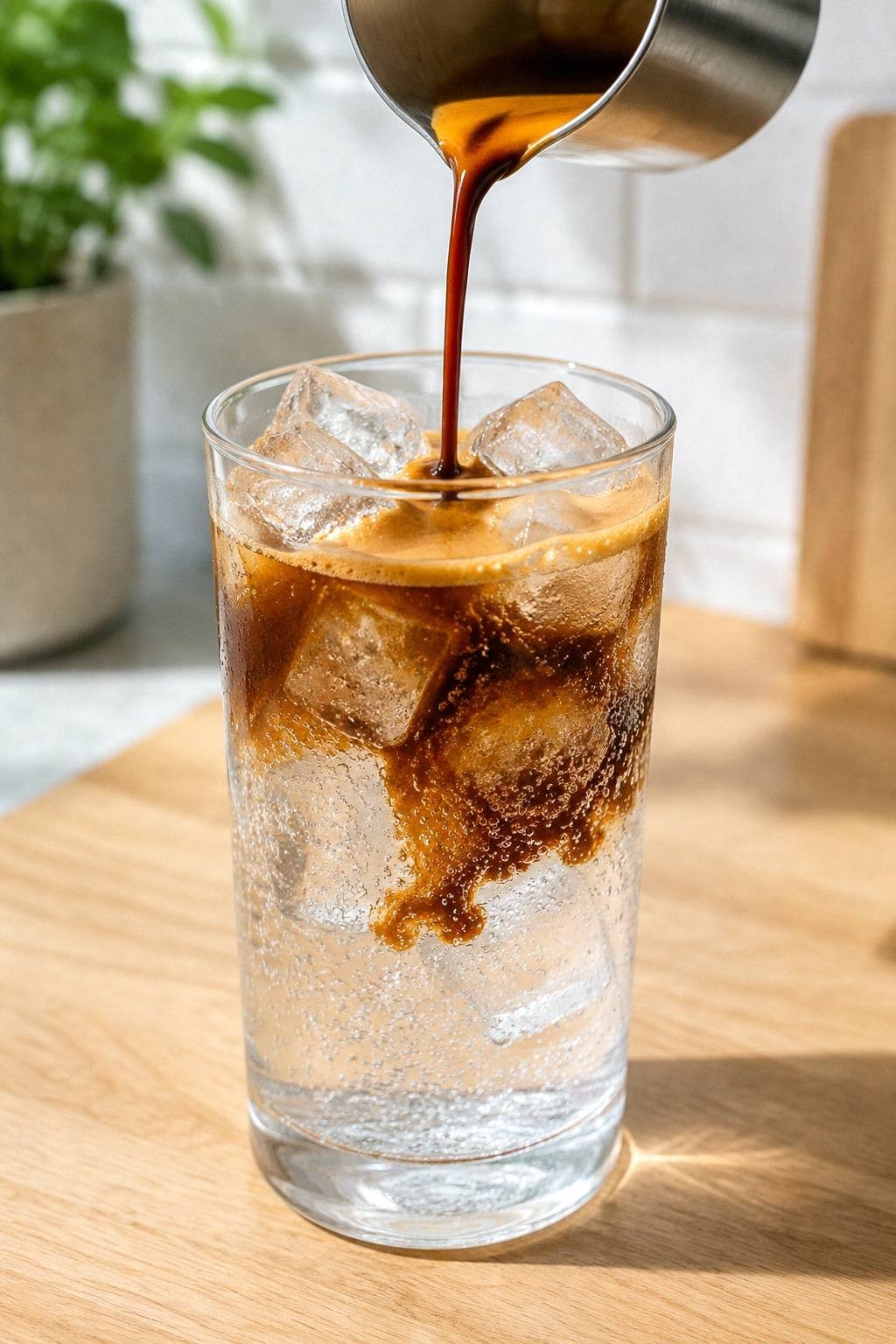
- Pull the espresso last, then pour it slowly over the back of a spoon held just above the surface.
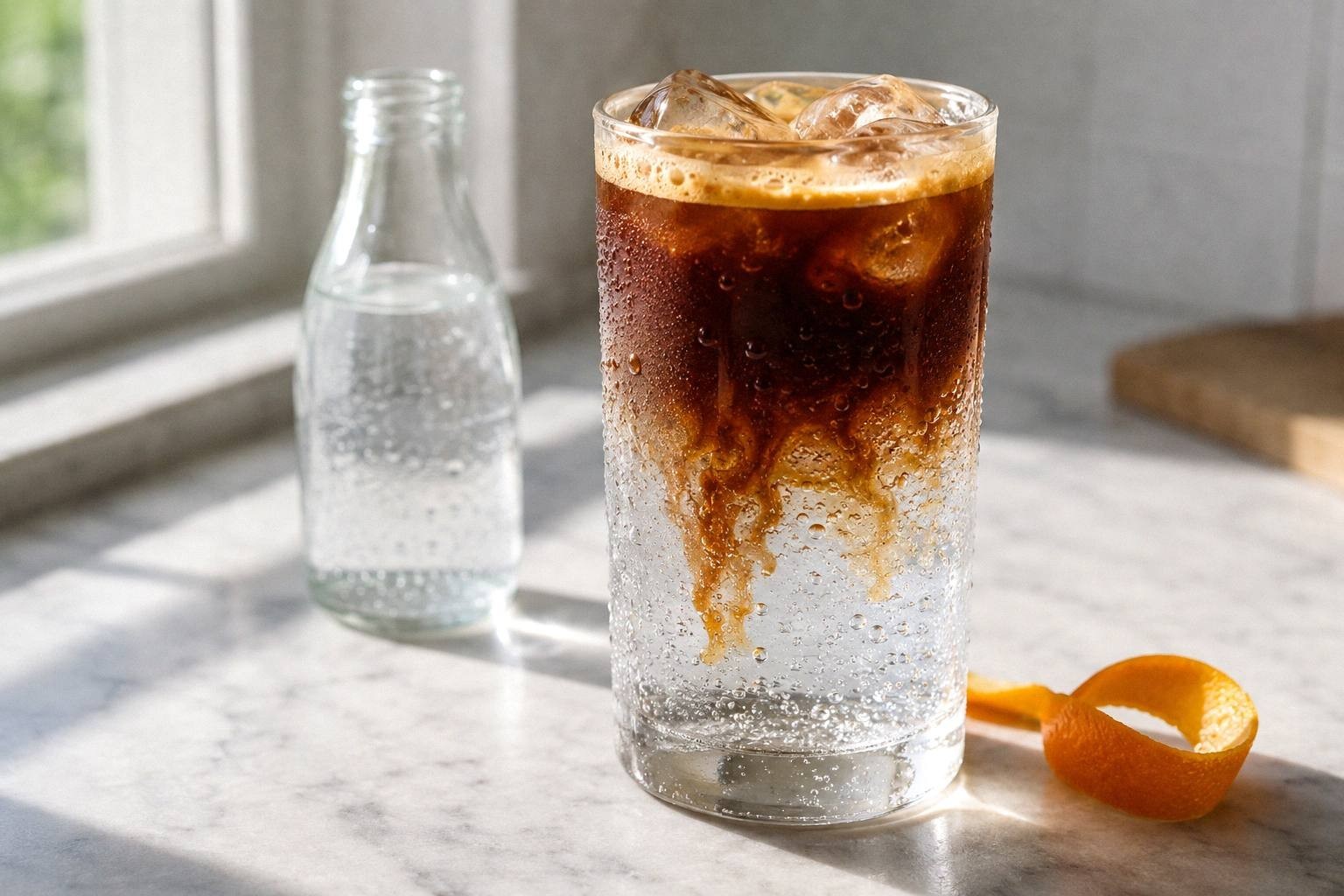
- Don’t stir. The espresso sits on top, then bleeds down through the bubbles in streaks.
That pour order is the entire trick. Espresso first and tonic second gives you a foam volcano and a sticky counter. I learned that one the messy way.
No Espresso Machine? Still Easy
You need concentrated coffee, not necessarily espresso. Three substitutes that hold up against the tonic:
- Moka pot: Use 2 oz straight off the stove, cooled for a minute so it doesn’t melt your ice instantly.
- Aeropress: Brew with a double dose of grounds and half the water for a 2 oz concentrate.
- Cold brew concentrate: Use 2 oz of true concentrate, not ready-to-drink cold brew. Diluted cold brew gets lost in the tonic.
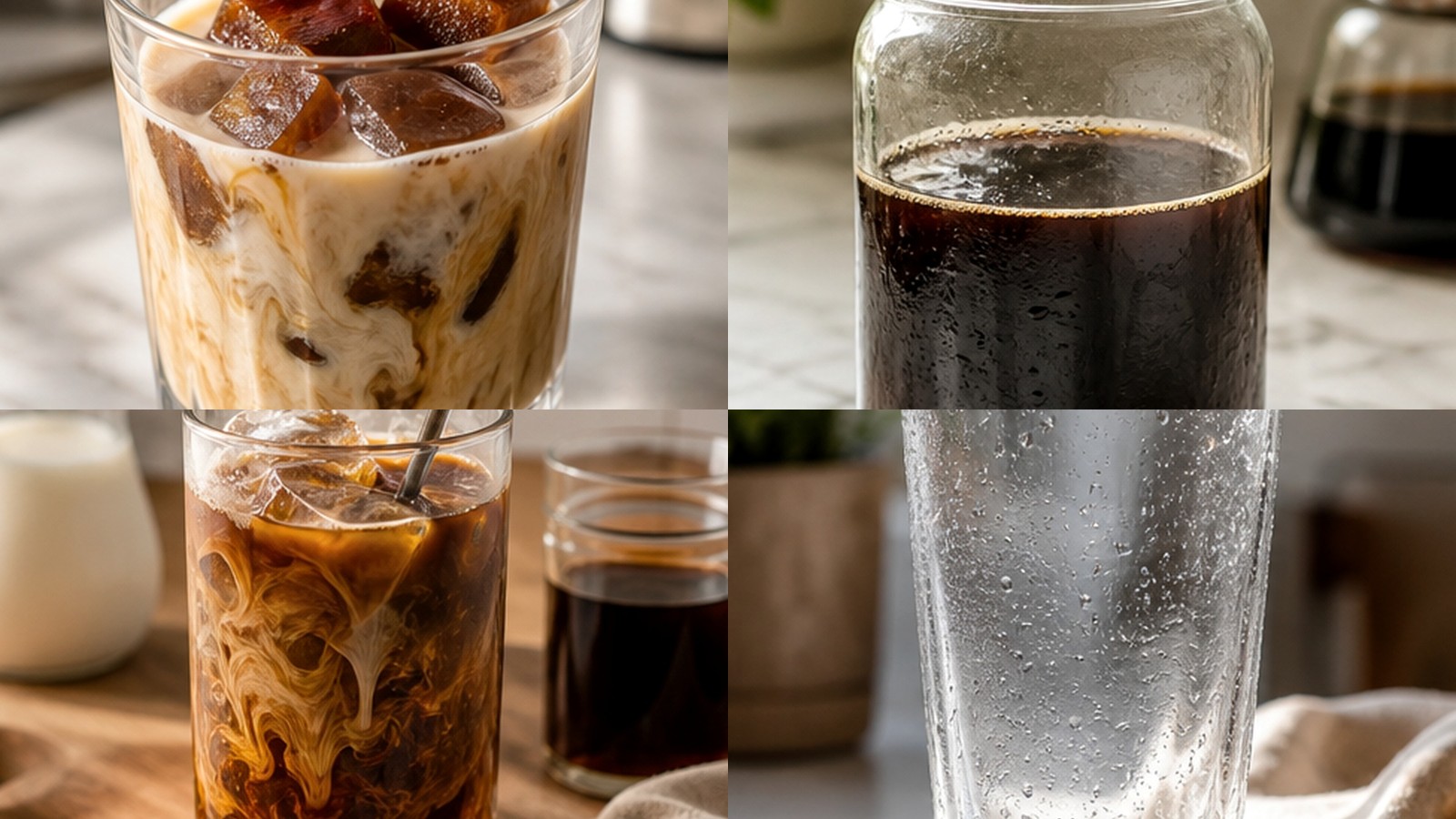
Regular drip coffee is the one thing that doesn’t work. At normal strength it just makes the tonic taste dusty. If you’ve got leftover drip, freeze it into coffee ice cubes for iced lattes instead, where it actually earns its place.
3 Variations Worth Making
Citrus Espresso Tonic
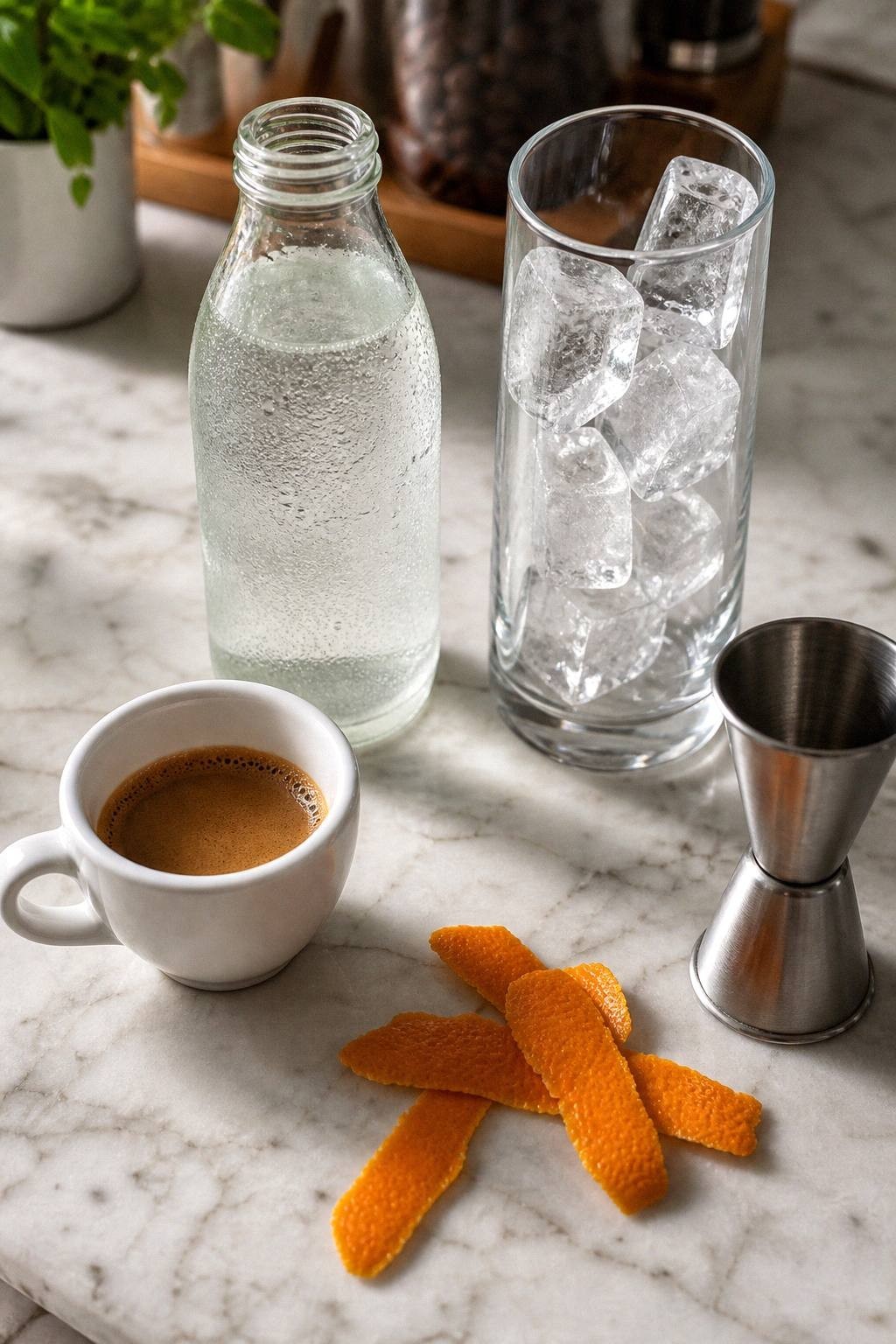
Add 1/4 oz of fresh orange juice to the tonic before the espresso goes in, then twist a wide strip of orange peel over the finished drink. The oils sit on the surface and hit your nose before every sip. This is the variation I’d hand to someone trying the drink for the first time.
Rosemary Espresso Tonic
Stir 1/2 oz of rosemary simple syrup into the tonic, then build as usual. Piney rosemary next to dark roast sounds odd and tastes like a cocktail bar invented it. If you don’t keep herb syrups around, the method in my herbal coffee syrups guide takes about 15 minutes. Rest the sprig on the rim, not in the glass.
Elderflower Espresso Tonic
Swap in 1/2 oz of elderflower cordial, or use an elderflower tonic water and skip the addition entirely. Floral, honeyed, and the gentlest of the three. It drinks like something you’d get charged $9 for at a hotel bar.
Mistakes That Flatten the Drink
- Stirring it. You knock out the carbonation and lose the layers. Sip through the gradient instead.
- Warm anything. Warm tonic, warm glass, or a shot poured from a foot above all kill the bubbles.
- Small or wet ice. Crushed ice melts fast and waters the drink down by the third sip. Big solid cubes only.
- Sweetened espresso. The tonic already carries sugar. Syrup in the shot turns it into soda.
- Letting it sit. This drink has about a 10 minute window. Build it when you’re ready to drink it.
Common Questions
Can I use cold brew instead of espresso?
Yes, if it’s concentrate. Use 2 oz at full strength. The texture is a little softer since there’s no crema, but the flavor balance holds. For more glasses built on the same base, my roundup of summer iced coffee drinks leans on cold brew concentrate for most of them.
Does it have to be tonic water?
For this drink, yes. Plain sparkling water makes an espresso soda, which is fine but thinner and noticeably more bitter. The quinine and sugar in tonic are what make the combination click.
Why does mine separate into layers?
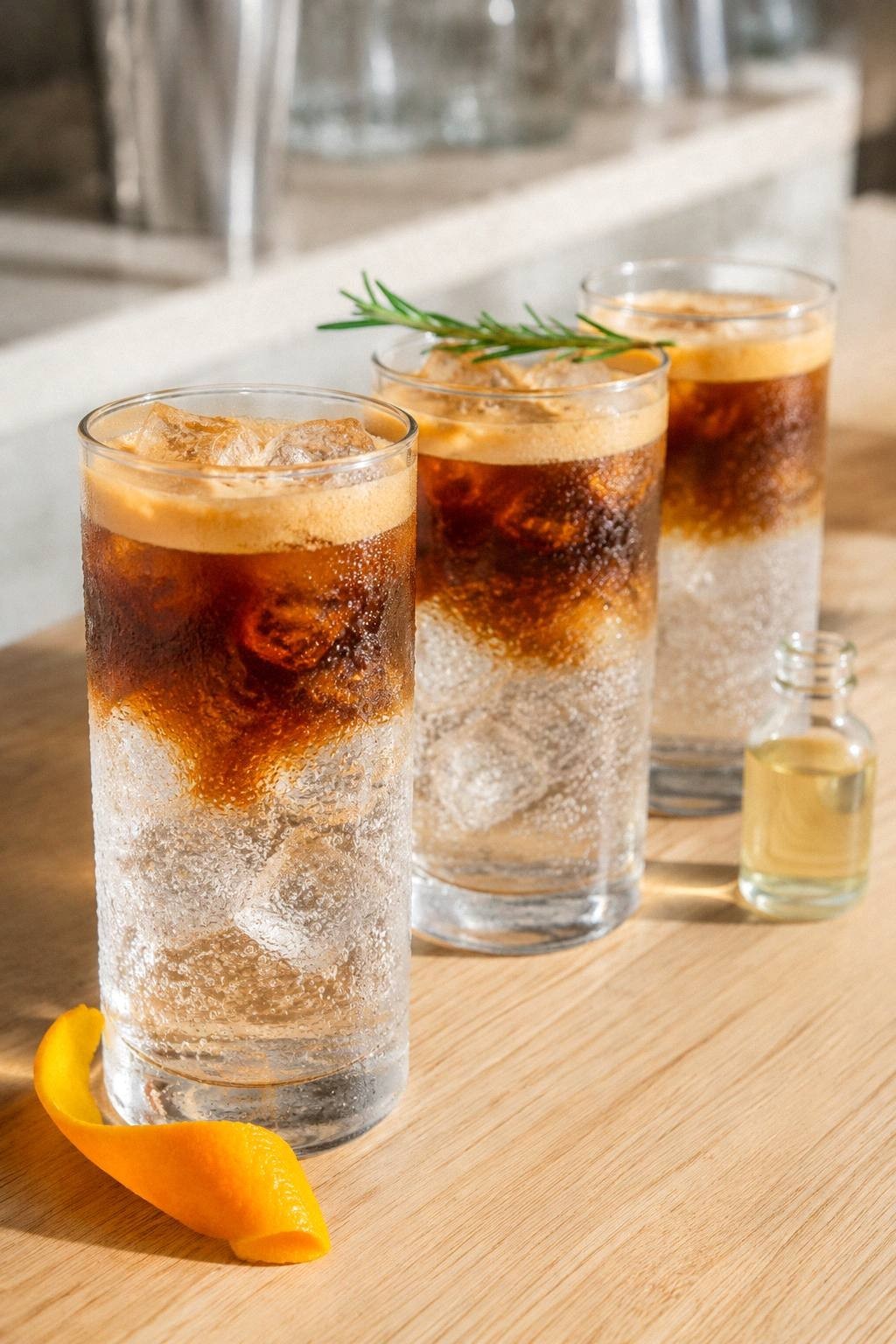
It’s supposed to. Espresso is denser than carbonated tonic, so it streaks downward slowly instead of mixing. The look is half the reason cafes can charge $6 for it.
Is there an evening version?
The espresso tonic is my daytime pick, and the virgin espresso martini covers the after-dinner slot. Same coffee, completely different mood, neither needs alcohol.