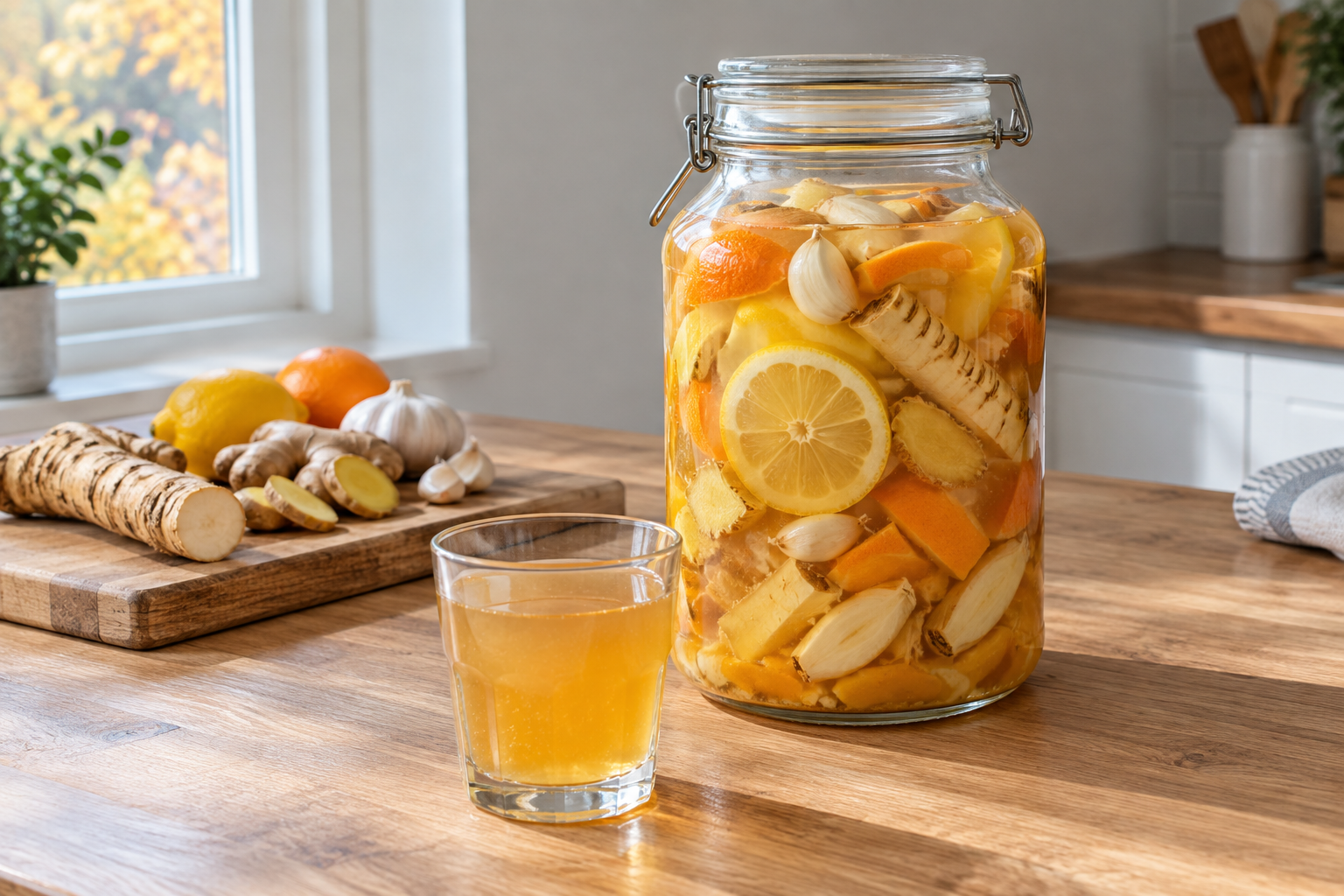
Fire cider is apple cider vinegar steeped for about a month with fresh horseradish, ginger, garlic, onion, hot peppers, lemon, rosemary and turmeric. You pack everything into a jar, cover it with vinegar, shake it daily in a dark cupboard, then strain it, stir in honey and keep the bottle in the fridge. Hands-on time is about 15 minutes.

What Is Fire Cider?
It’s a folk kitchen tonic: a sharp, hot, garlicky vinegar that people sip warm on cold evenings and splash into food the rest of the time. The name is usually credited to herbalist Rosemary Gladstar, who taught her version in the late 1970s, and home cooks have been passing their own jars around ever since.
The name had a fight over it, too. A company trademarked “fire cider” in the 2010s and sued herbalists who used it. A federal court later ruled it a generic term, so anyone can call their jar fire cider.
There’s no single correct recipe. This one follows a traditional mix and keeps it simple: one jar, ingredients you can find in a regular grocery store, and a month of waiting.
What Each Ingredient Brings
| Ingredient | Prep | What it adds | Swap note |
|---|---|---|---|
| Horseradish | Peeled and grated fresh | Sinus-clearing heat, the signature bite | Grate it near an open window |
| Ginger | Peeled and grated | Warm, rounded heat | |
| Garlic | Chopped | Savory depth that grows the longer it steeps | |
| Onion | Chopped | Sweetness and body | |
| Jalapenos | Chopped | Fresh chili heat | Other fresh chilies work; heat varies by pepper |
| Lemon | Zest and juice | Brightness and citrus aroma | |
| Rosemary | Leaves | Piney, herbal note | |
| Turmeric | Ground, or grated fresh | Earthy flavor and deep amber color | The recipe gives both: 1 tablespoon ground or 2 tablespoons grated fresh |
| Cayenne | Ground | Lingering heat on the tongue | Leave it out for a milder jar |
| Apple cider vinegar | Poured over to cover | The base that carries everything | Any apple cider vinegar works |
| Honey | Stirred in after straining | Rounds off the acid and heat | Maple or agave, or none: see fire cider without honey |
Which Apple Cider Vinegar to Use
Regular apple cider vinegar from the grocery store works fine. Raw, unfiltered vinegar, the cloudy kind with “the mother” floating in it, is the traditional pick, and some people like its fuller apple flavor. Either way, buy plain apple cider vinegar, not a flavored or diluted product.
You’ll need enough to cover the solids completely. The recipe calls for 32 ounces, and you can add a splash more if anything pokes above the surface.
Jar Size
A quart jar is tight for this much produce plus 32 ounces of vinegar. A 2-quart jar, or two smaller jars, gives you room to shake. Vinegar corrodes bare metal, so use a plastic lid or put a square of parchment between the jar and a metal lid.
Ingredients
- 1/2 cup peeled and grated fresh ginger
- 1/2 cup grated fresh horseradish
- 1 medium onion, chopped
- 10 garlic cloves, chopped
- 2 jalapeno peppers, chopped
- Zest and juice of 1 lemon
- 2 tablespoons rosemary leaves
- 1 tablespoon ground turmeric (or 2 tablespoons grated fresh turmeric)
- 1/4 teaspoon ground cayenne
- 32 ounces apple cider vinegar, or enough to cover the solids
- 1/4 cup honey, or to taste, added after straining
How to Make Fire Cider
- Add ginger, horseradish, onion, garlic, jalapenos, lemon zest and juice, rosemary, turmeric, and cayenne to a clean glass jar large enough to leave room for the vinegar.
- Pour in apple cider vinegar until all solids are covered. Divide between two jars if necessary.
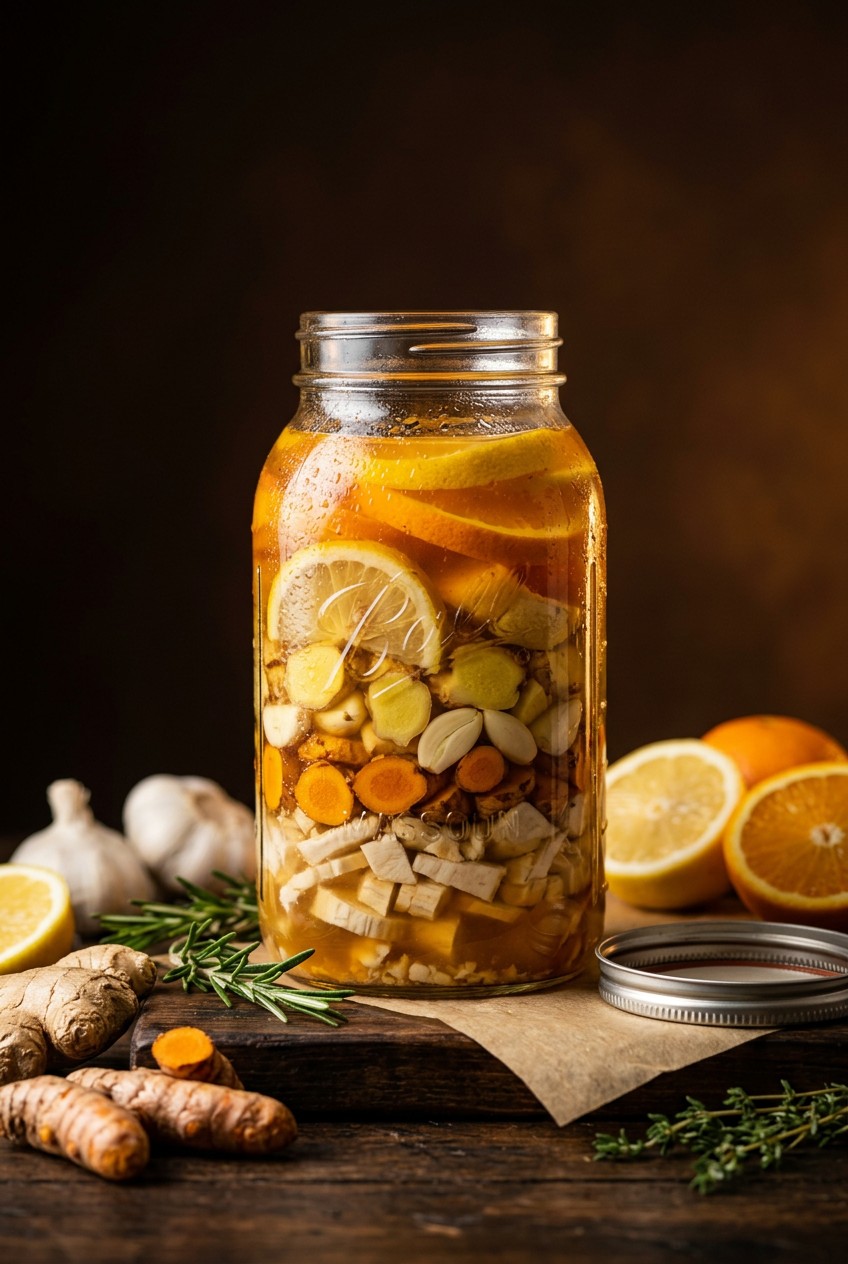
- Use a plastic lid, or put parchment between the vinegar and a metal lid, so the vinegar never touches the metal. Shake to combine, then store in a cool, dark place for 4 to 6 weeks, shaking daily and keeping the solids under the vinegar.
- After about a month, strain through a mesh strainer or cheesecloth into a clean bottle. Squeeze out as much liquid as you can and discard the solids.
- Stir in honey to taste and refrigerate.
Write the start date on the jar. If anything floats up while it steeps, push it back under or top up with vinegar. Throw the batch out if you see mold.
When to Strain It
About four weeks in is the usual straining day, and six weeks is the long end. A longer steep gives you a hotter, more garlicky vinegar. If you want to know how to tell it’s ready, what to do if you missed the date, and how to taste vinegar without wincing, the fire cider straining guide covers it.
Ways to Use Fire Cider
Most people don’t drink it straight from the bottle. It’s sharp. A few ways to use it:
- Stirred into a mug of hot water with a little extra honey on a cold evening
- Poured into a small shot glass and knocked back, for anyone who likes the jolt
- Added to ginger lemon honey tea or a pot of herbal tea
- Whisked with olive oil into a vinaigrette for a hearty winter salad
- Splashed over roasted vegetables or braised greens just before serving
- Stirred into a pot of beans or lentils at the end of cooking
- Used as the acid in a marinade for chicken or pork
- Mixed into a bloody mary, where the horseradish already belongs
If it came out hotter than you like, the too spicy guide has fixes for the bottle and the glass.
Storing the Strained Bottle
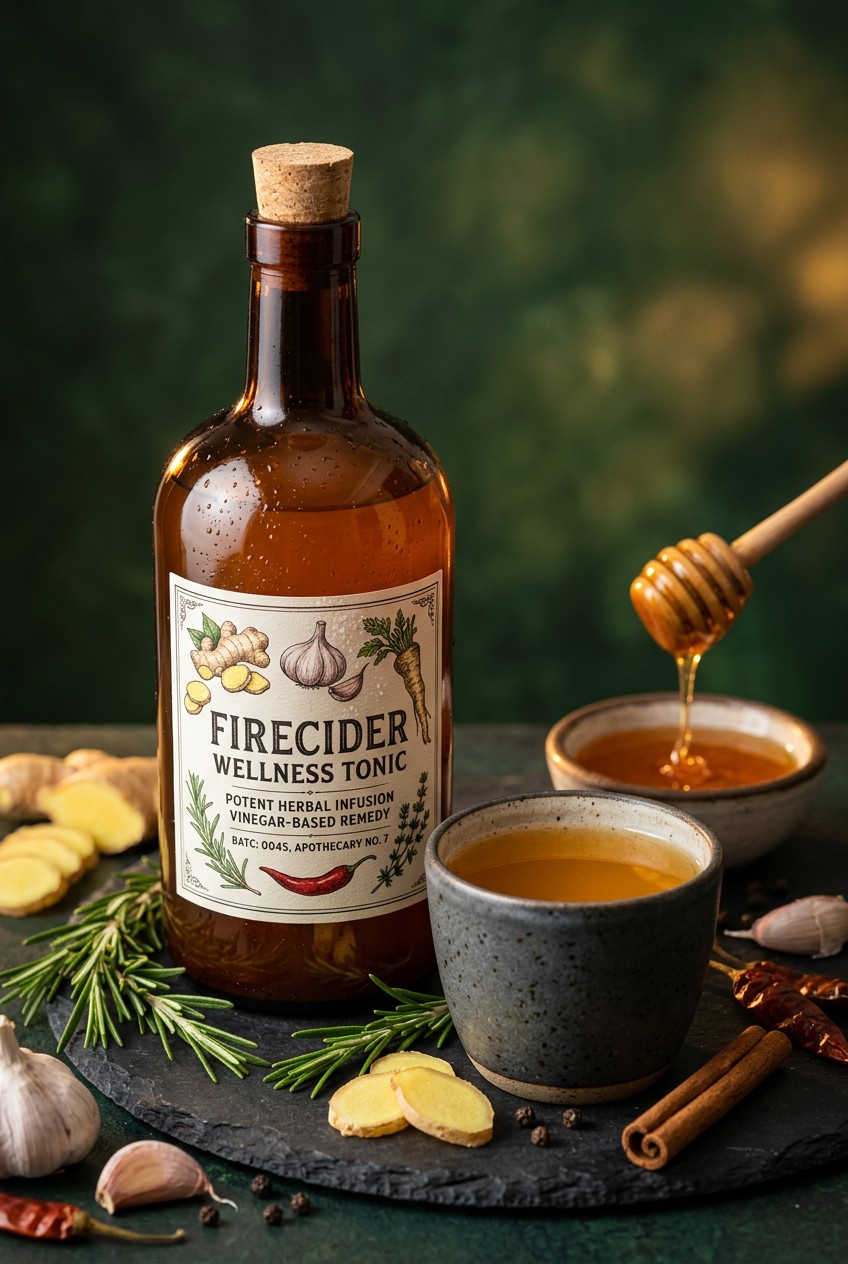
Keep the strained, sweetened fire cider in a sealed bottle in the refrigerator, with the strain date on the label. A cold, dark spot also works, but the fridge is the simpler choice, and University of Minnesota Extension says homemade fire cider must be refrigerated once it’s opened. Throw it out if you see mold, bubbling or new cloudiness. More detail is in how long fire cider lasts .
If You Like Fire Cider, Try These
- Oxymel, a gentler honey and vinegar tonic with ginger and orange peel
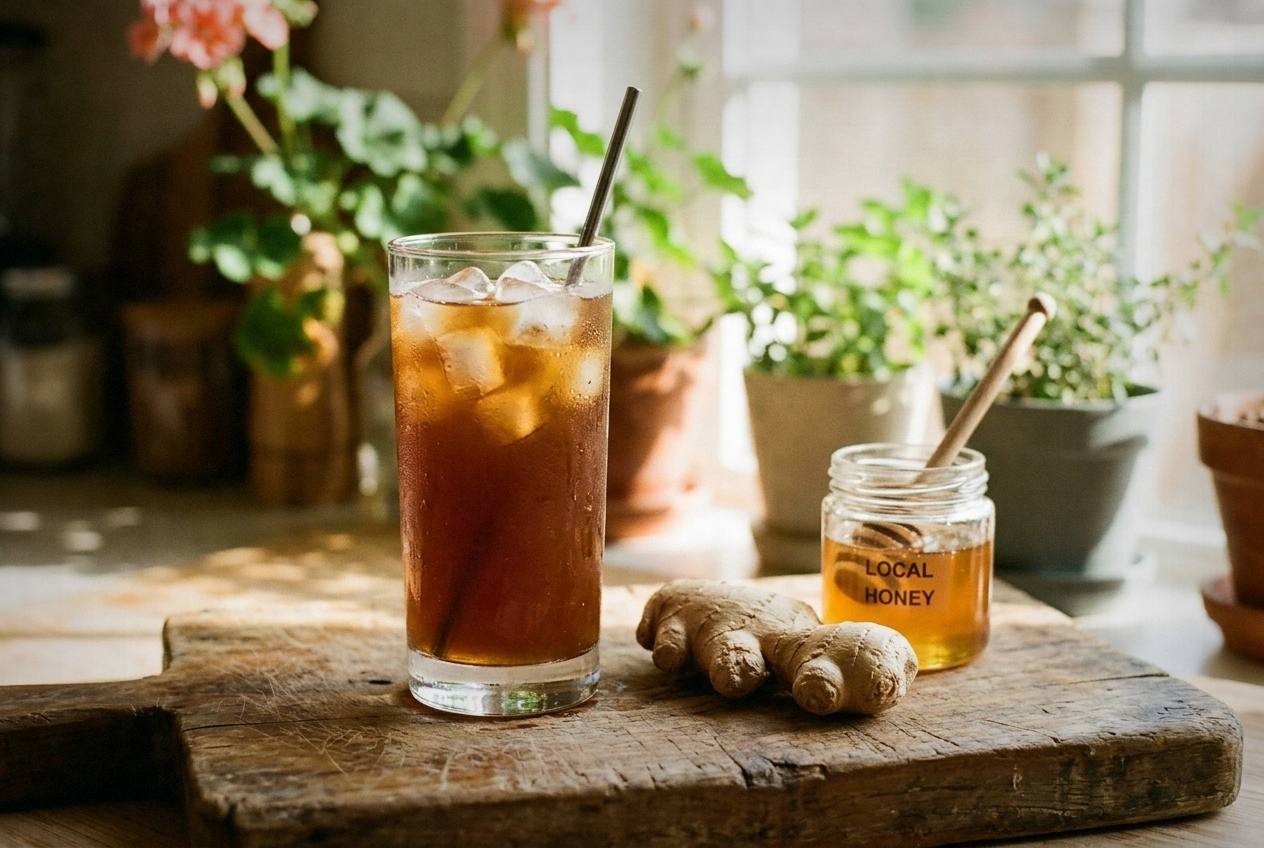
- Switchel , apple cider vinegar with maple and ginger, ready the same day
- Fruit shrubs , sweet drinking vinegars for sparkling water
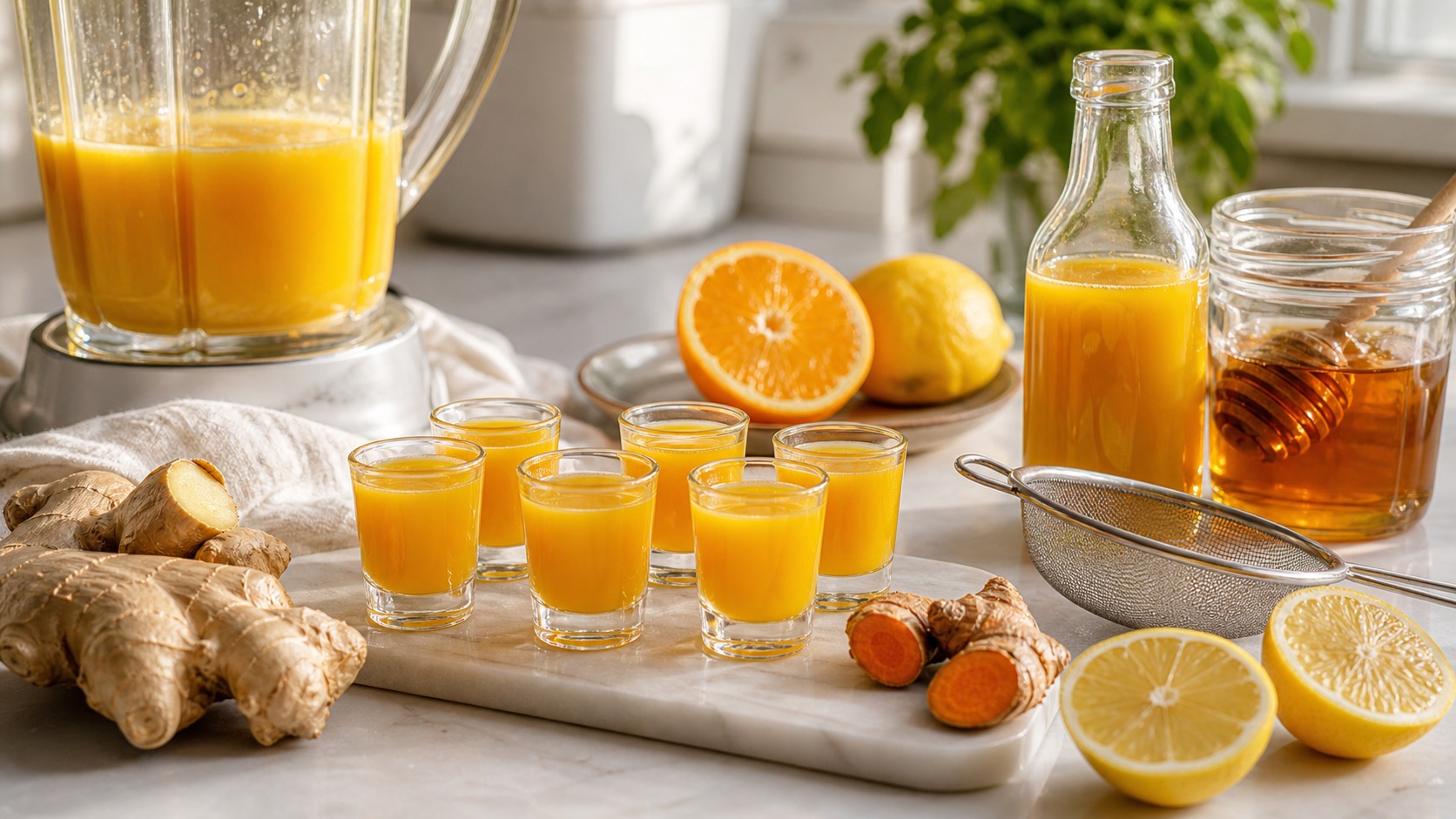
- Ginger shots in a blender , when you want the ginger hit without the wait
- Homemade elderberry syrup , the other jar people make every fall
- Wellness tonic recipes for more vinegar, ginger and herbal drinks
If you’re setting up a cupboard for projects like this, start with a beginner apothecary shelf , or browse every apothecary recipe on the site.
Common Questions
Can I use regular apple cider vinegar?
Yes. Any plain apple cider vinegar works. Raw, unfiltered vinegar is the traditional choice, but regular grocery store vinegar makes good fire cider.
Can I use prepared horseradish instead of fresh?
The recipe is written for fresh root. Jarred prepared horseradish is already mixed with vinegar and often salt or other ingredients, so check the label. It gives a milder, different result, and we don’t have a tested amount for it.
Do I have to strain fire cider?
Straining gives you a clean bottle that’s easy to pour and store, and it stops the flavor from getting more garlicky over time. The straining guide covers timing and method.
Is fire cider supposed to be this spicy?
It’s meant to have real heat, mostly from fresh horseradish. If yours is too fierce, the too spicy guide explains where the heat comes from and how to soften it.
Can I make fire cider without honey?
Yes. Skip the honey, use maple syrup or agave instead, or leave the bottle unsweetened and sweeten each glass. The fire cider without honey guide compares the options.
Is fire cider fermented?
No. It’s an infusion. The vinegar draws flavor out of the roots and aromatics, and nothing is meant to bubble or ferment. Bubbling in the jar is a reason to throw it out.