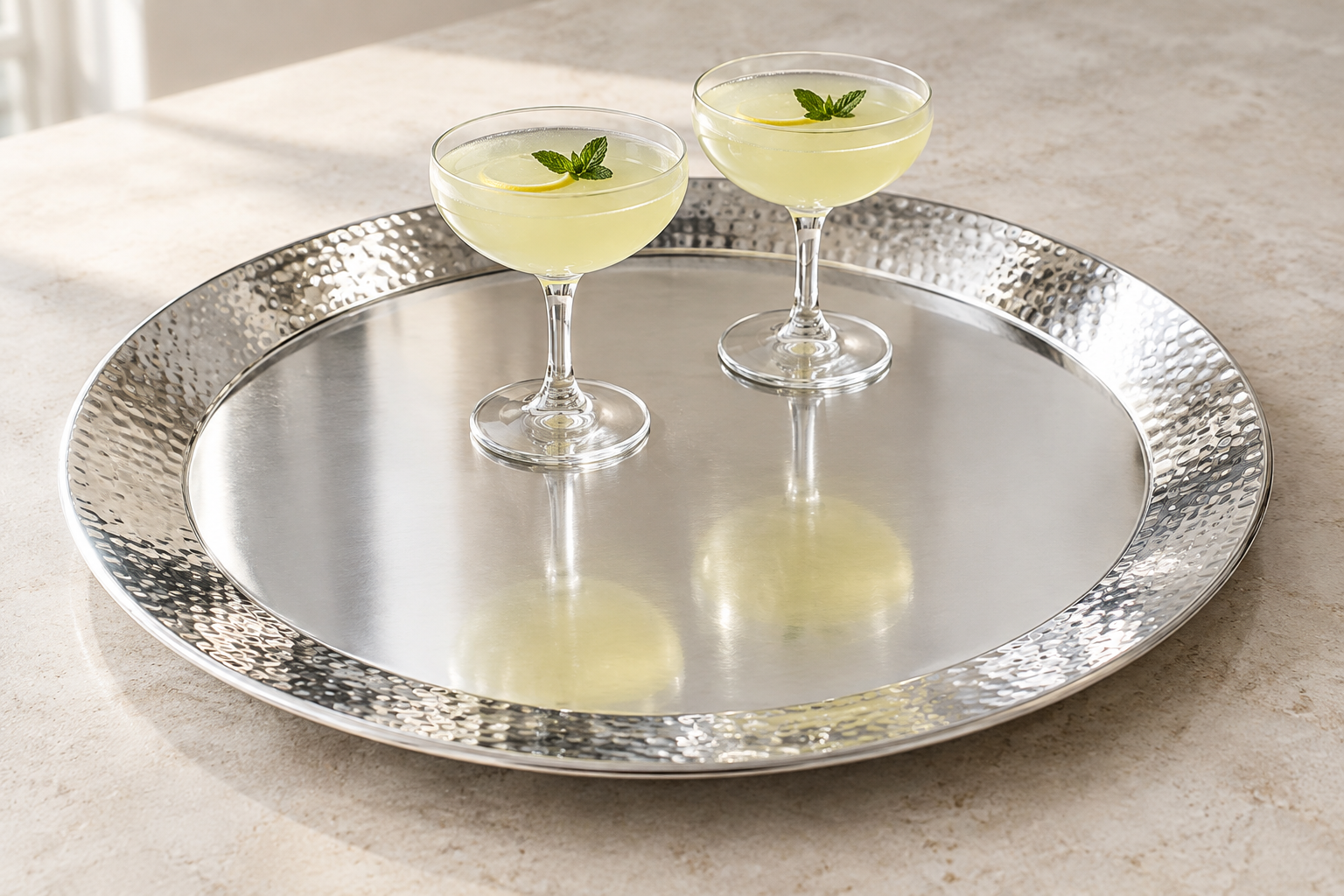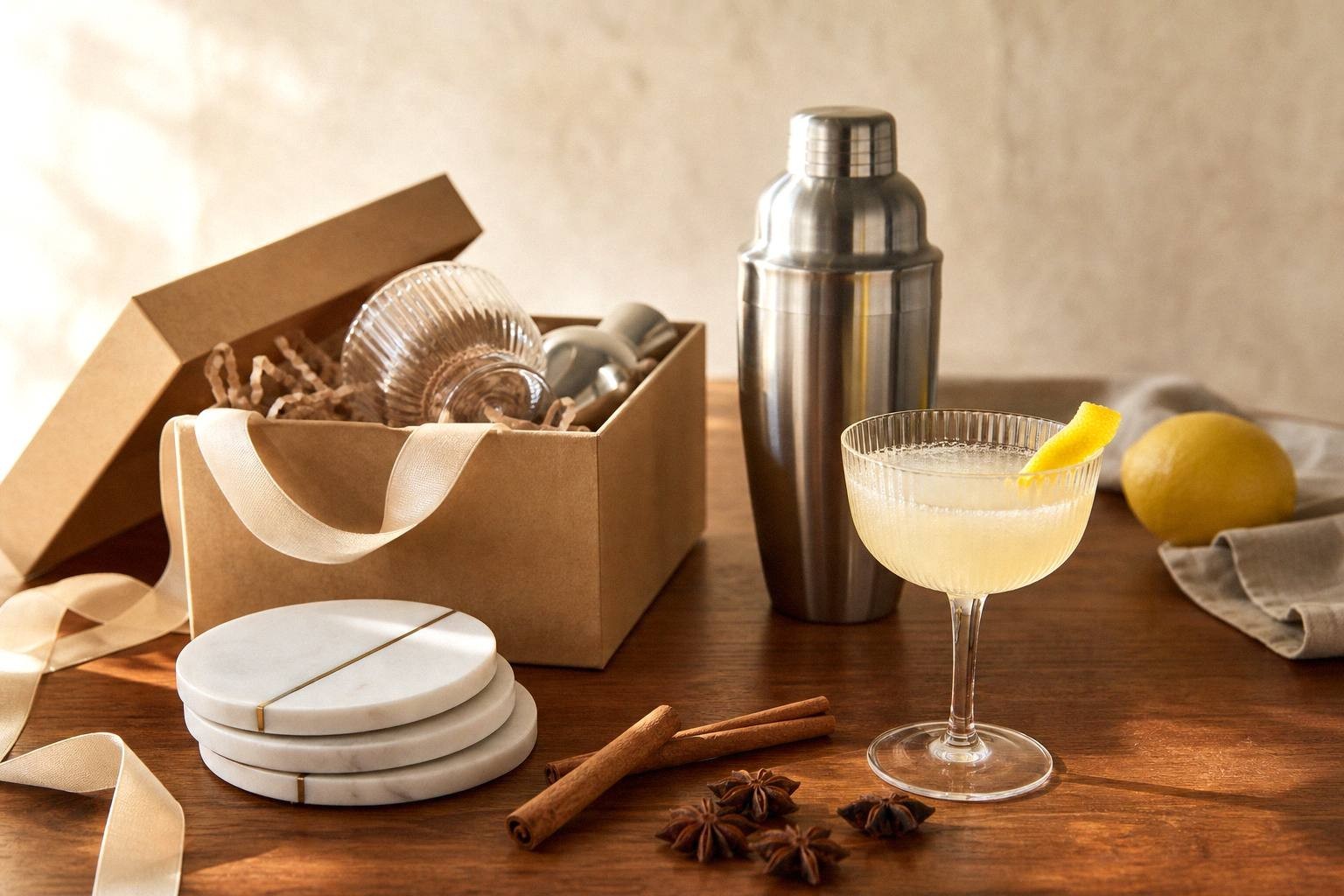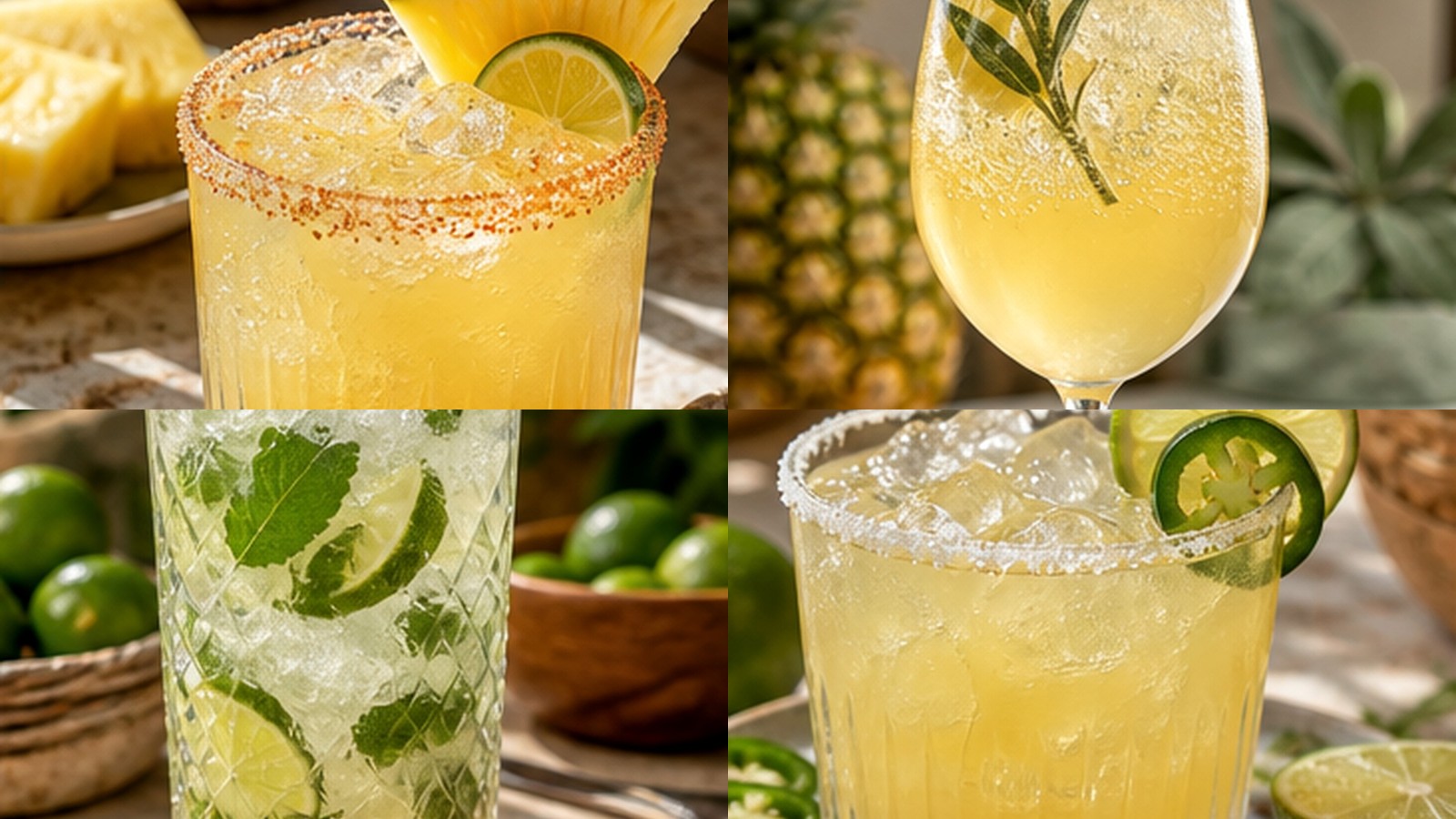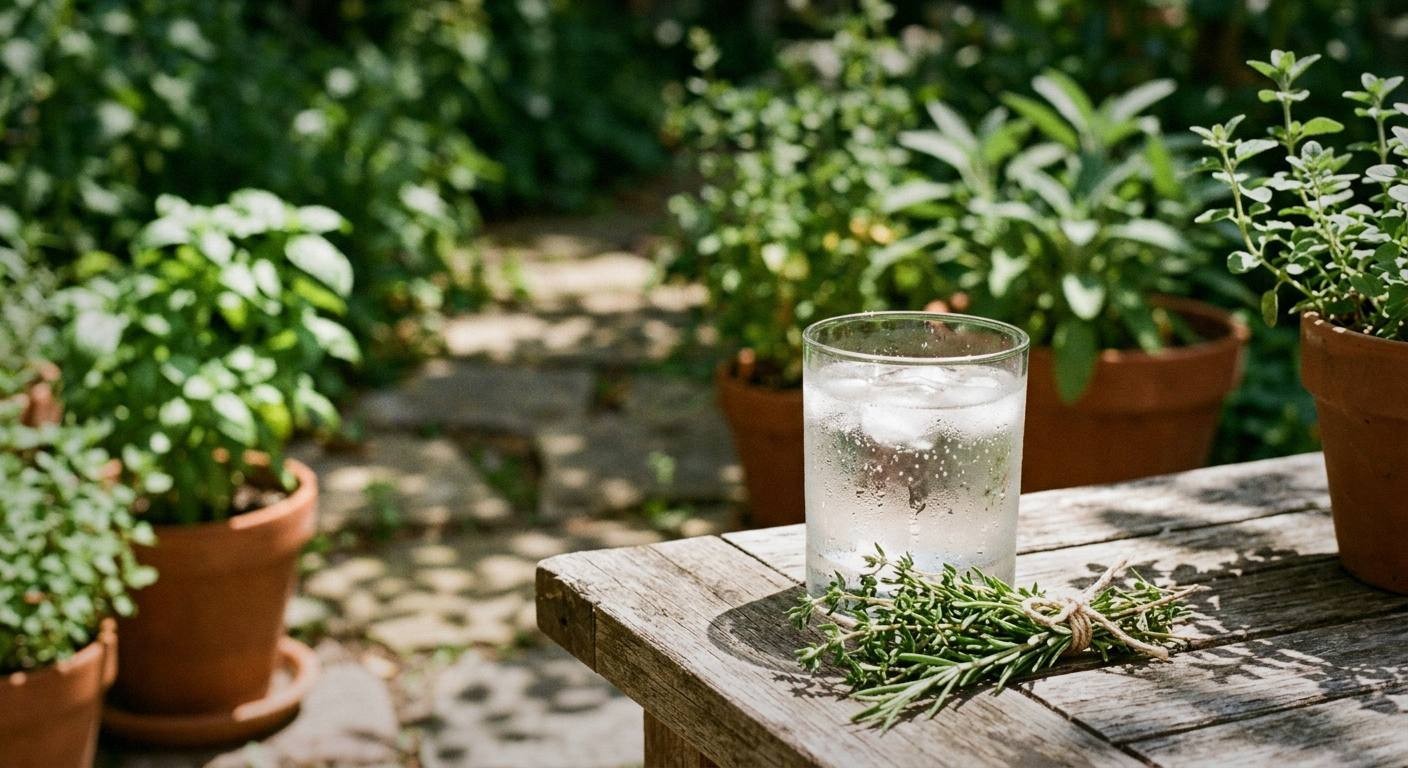
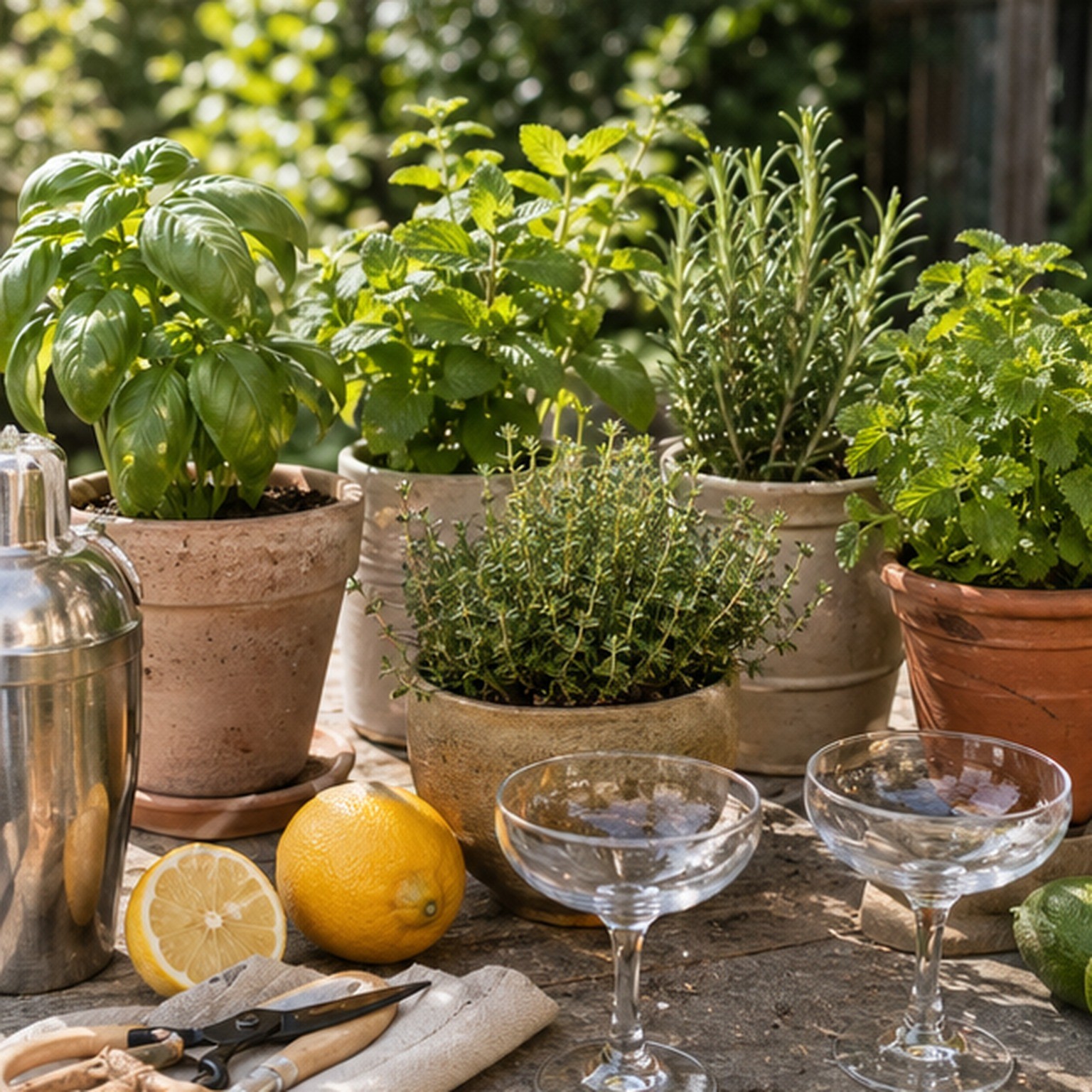
Garden cocktails with herbs you can grow are drinks built around basil, mint, thyme, rosemary and lemon balm picked right outside your kitchen door. The easiest place to start is a pitcher of basil lemonade, which you can serve as is or turn into a cocktail with a little gin, vodka or bourbon. Even as the weather cools, the last of the fall herbs are worth using before the first frost.
The best garden cocktails start before you open a bottle, with the herbs growing closest to the kitchen door.
Basil, mint, thyme, rosemary, and lemon balm each change a drink fast. You don’t need a bar cart full of syrups if you have a few healthy plants and a plan. If rosemary is one of your plants, start with the deeper guide to rosemary as a medicinal herb .
At a Glance
| Detail | Info |
|---|---|
| Prep time | 15 minutes |
| Total time | 1 hour 50 minutes with cooling and chilling |
| Servings | 4 |
| Difficulty | Easy |
| Key ingredient | Fresh herbs |
| Best for | Garden parties, summer cocktails, patio mocktails |
| Flavor profile | Botanical, bright, seasonal |
Why You Will Love This
This is a practical way to use what you grow. One basil plant can turn tomatoes into a savory spritz, strawberries into a smash, or lemonade into something that tastes like summer.
Don’t throw herbs into every glass. Pick the right herb for the drink, then use enough that the drink smells alive.
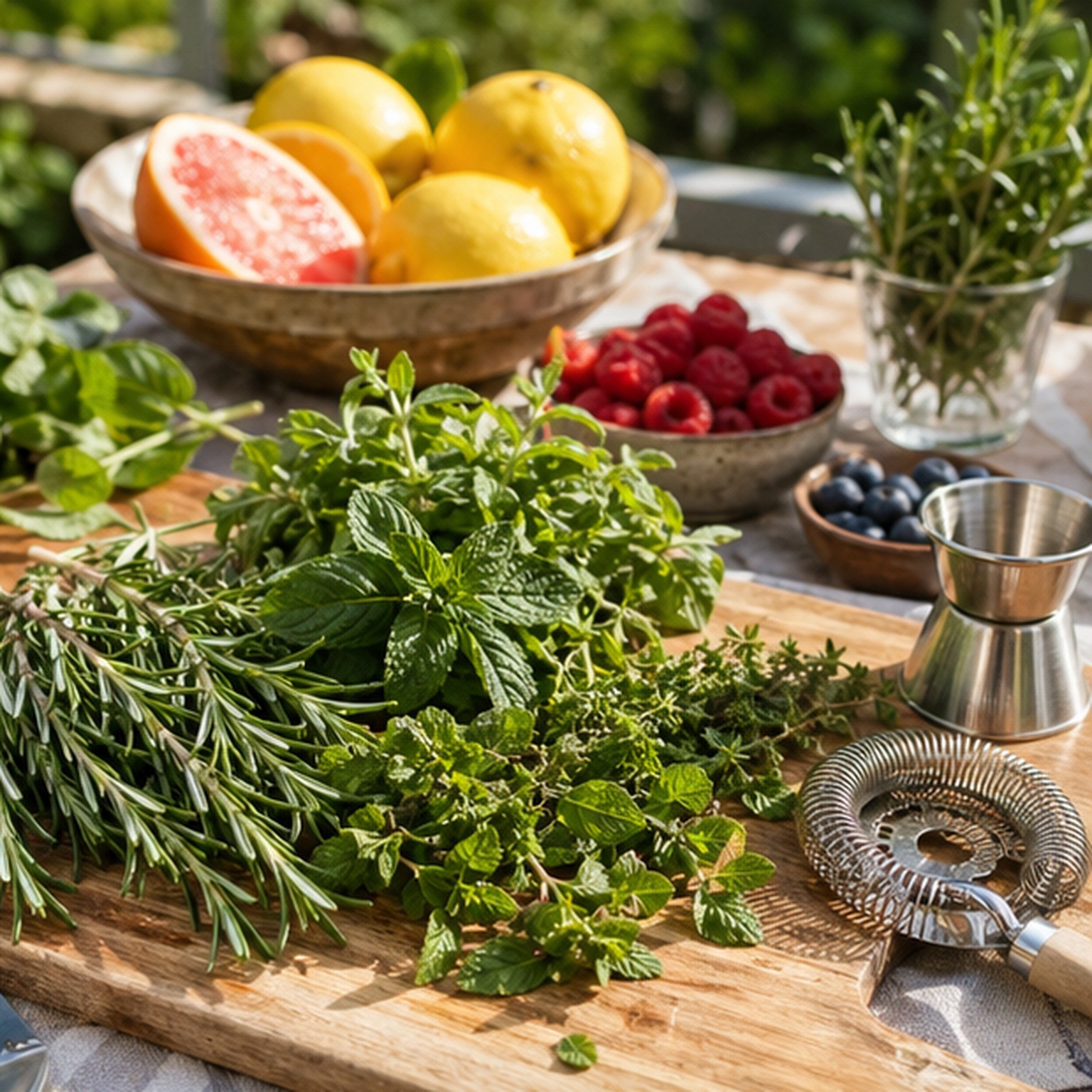
The Best Herbs To Grow For Drinks
Basil
Basil loves berries, tomatoes, peach, watermelon, lemon, lime, gin, vodka, and tequila. Use it gently, or steep it in syrup and strain it out like the lemonade below. It’s especially good in the tomato basil spritz .
Mint
Mint is easy, loud, and almost too successful in the garden. Grow it in a pot unless you want it everywhere. It works with watermelon, cucumber, lime, rum, tea, and berries.
Thyme
Thyme is small but intense. It’s excellent with peach, grapefruit, honey, bourbon, gin, and black tea.
Rosemary
Rosemary is resinous and strong. Use it in syrup, smoke, or as a garnish. It pairs well with grapefruit, lemon, apple, cranberry, gin, tequila, and whiskey. For more drink ideas, see rosemary infused cocktails .
Lemon Balm
Lemon balm is soft and citrusy, and it’s very good in alcohol-free drinks. Use it with iced tea, honey, berries, cucumber, and sparkling water.
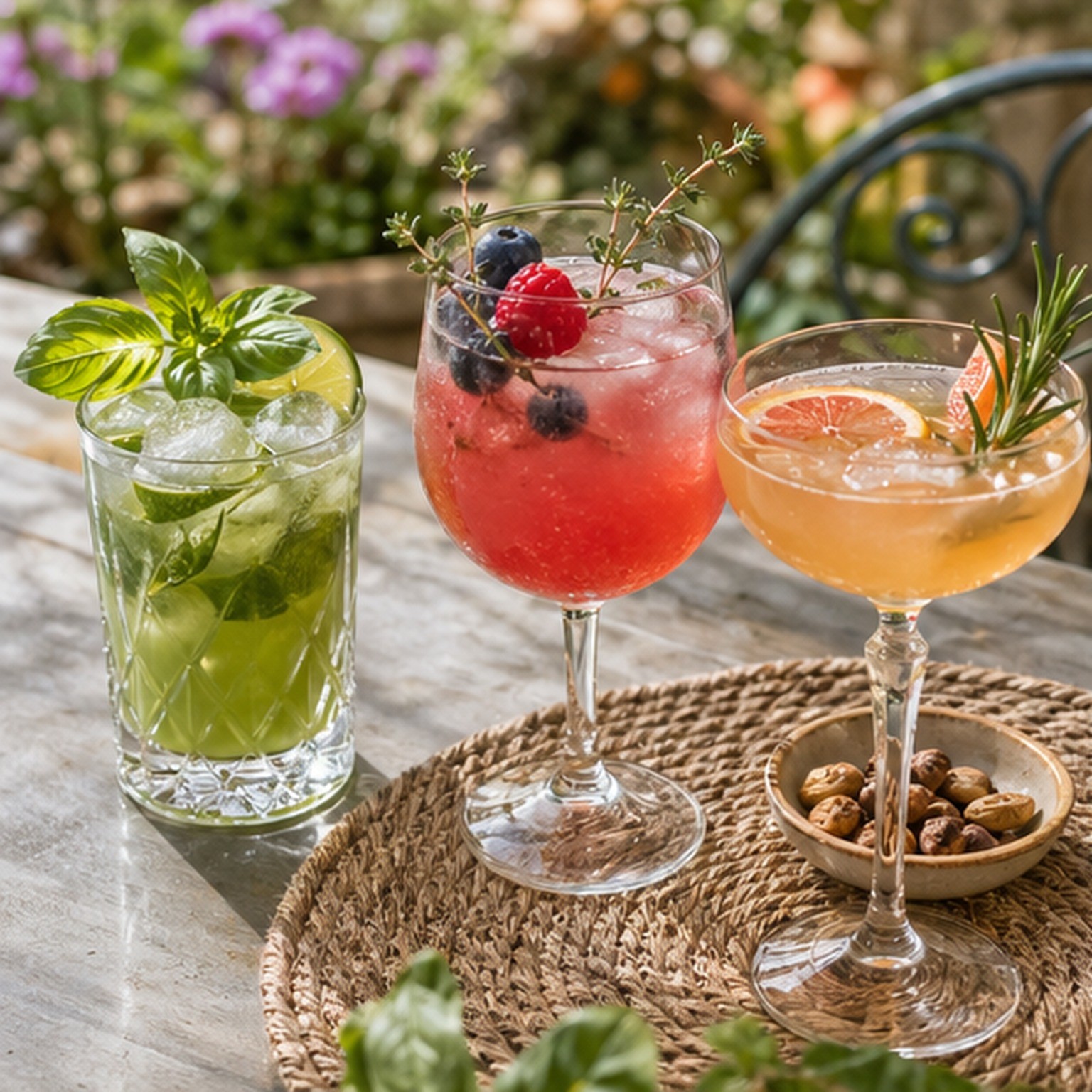
Four Garden Drink Ideas
Basil Tomato Spritz
Use salted cherry tomato water, lemon, basil, and soda. Add dry vermouth for a light cocktail. The full method is in the tomato basil spritz .
Peach Thyme Smash
Use ripe peach, lemon, honey, thyme, and crushed ice. Add bourbon, or keep it zero-proof with black tea. That’s the base of the peach thyme smash .
Watermelon Mint Limeade
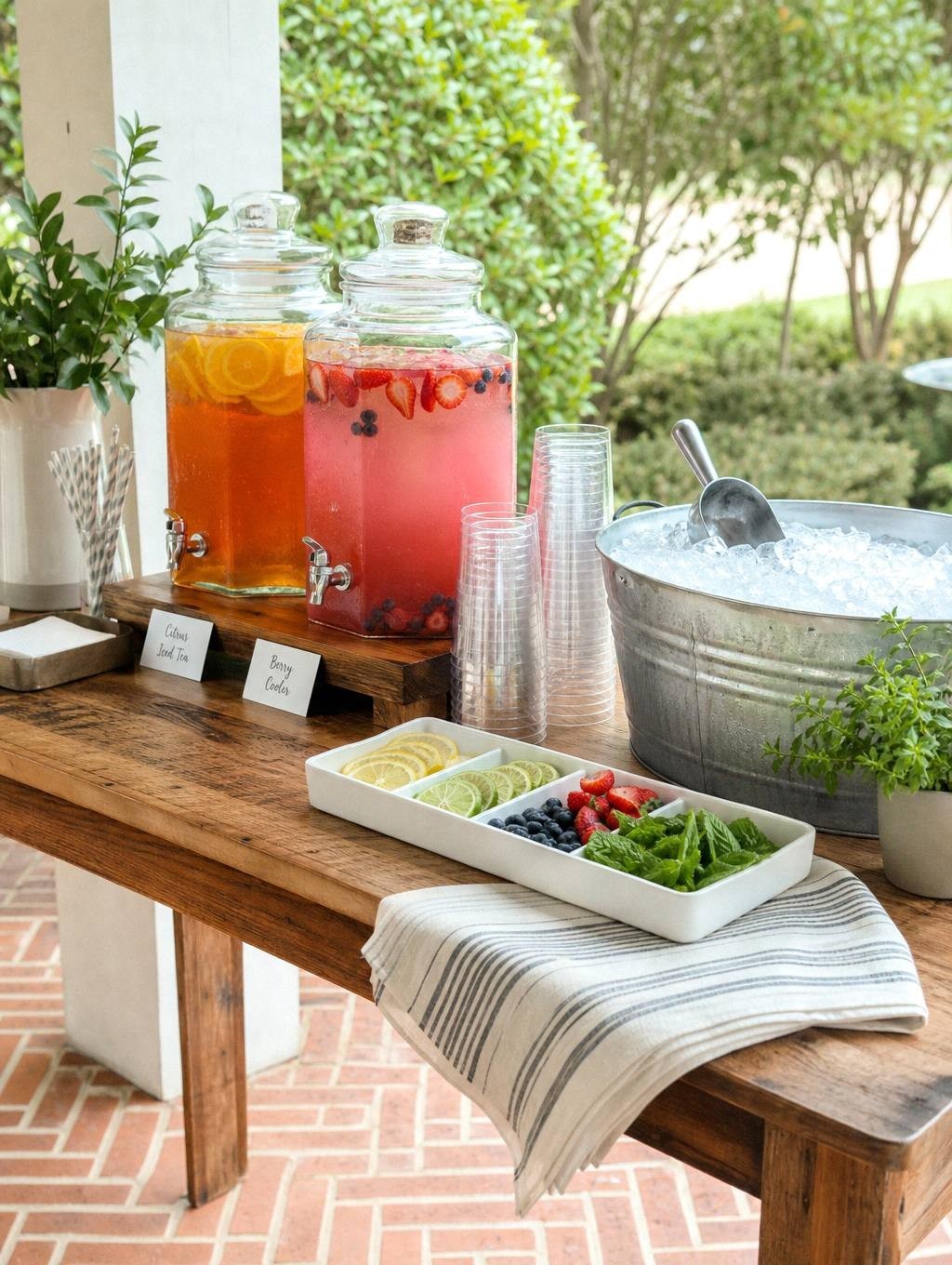
Use strained watermelon, lime, mint, and sparkling water. It’s the easiest hot-day pitcher, and the watermelon mint spritzer has the full method.
Rosemary Grapefruit Highball
Use grapefruit, lemon, rosemary syrup, and soda. Add gin or tequila for the cocktail version. The rosemary grapefruit spritz has the full recipe.
Basil Lemonade Pitcher (Mocktail or Cocktail)
Prep 15 minutes, plus cooling and chilling. Makes 4 servings.
Ingredients
- 1 cup water, for the syrup
- 1 cup granulated sugar
- 1 cup basil leaves (about 20 to 25 leaves)
- 1 cup fresh lemon juice (from 5 to 6 large lemons)
- 3 to 4 cups cold water
- Ice
- Lemon slices and fresh basil leaves, for garnish
- 6 oz gin, vodka, or bourbon, optional (about 1 1/2 oz per glass)
Instructions
- Combine 1 cup water, the sugar, and the basil leaves in a small saucepan. Heat over medium heat, stirring now and then, until the sugar dissolves.
- Take the pan off the heat and let the syrup cool completely, at least 30 minutes. Strain out and discard the basil.
- Pour the cooled basil syrup and the lemon juice into a large pitcher and stir.
- Add 3 cups cold water, taste, and add up to 1 more cup if it’s too strong. If it goes too thin, add a few more tablespoons of lemon juice.
- For cocktails, stir in the gin, vodka, or bourbon.
- Chill at least 1 hour, then serve over ice with lemon slices and basil leaves.
How To Use Herbs Without Bitterness
Don’t pulverize soft herbs. Basil and mint turn bitter when bruised too hard, which is why the lemonade steeps the basil in syrup and strains it out. Woody herbs like rosemary and thyme can be steeped in syrup too, but go easy.
When in doubt, put the herb beside the glass and let the aroma do part of the work.
Before You Start
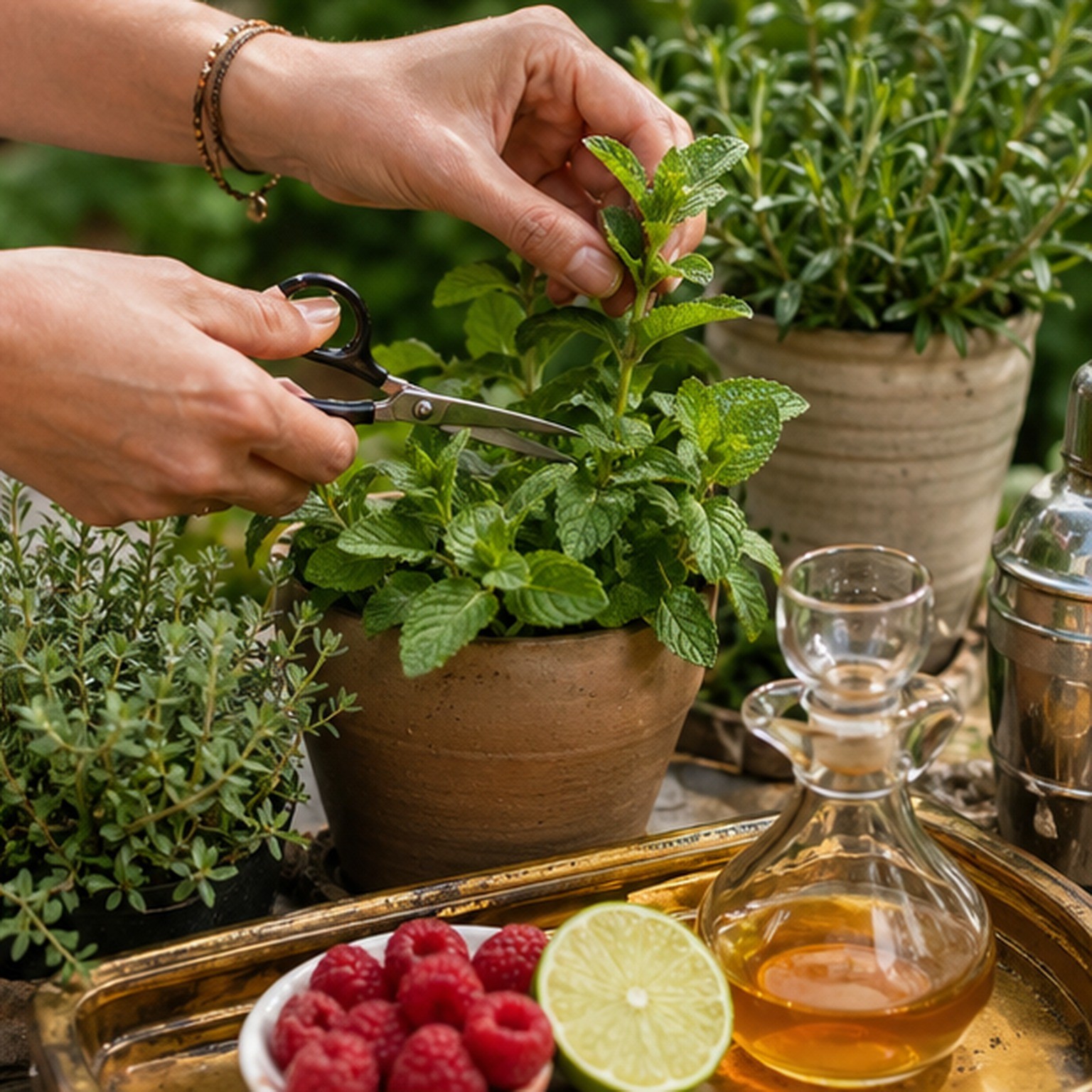
Harvest herbs in the morning if you can. Rinse and dry them well, because wet herbs dilute drinks and look tired fast.
For parties, make herb syrups or drink bases ahead and save the fresh herbs for garnish. In fall, cut tender herbs like basil before the first frost, since cold nights finish them off.
Common Questions
Which herb should beginners grow first?
Mint is easiest, but basil is more versatile for summer drinks. Grow mint in a pot.
Can I use dried herbs?
Usually no for fresh cocktails and mocktails. Dried herbs are better for teas and syrups.
Are these cocktails or mocktails?
Both. Most garden drinks can be built alcohol-free first, then finished with gin, tequila, rum, bourbon, or a zero-proof aperitif.