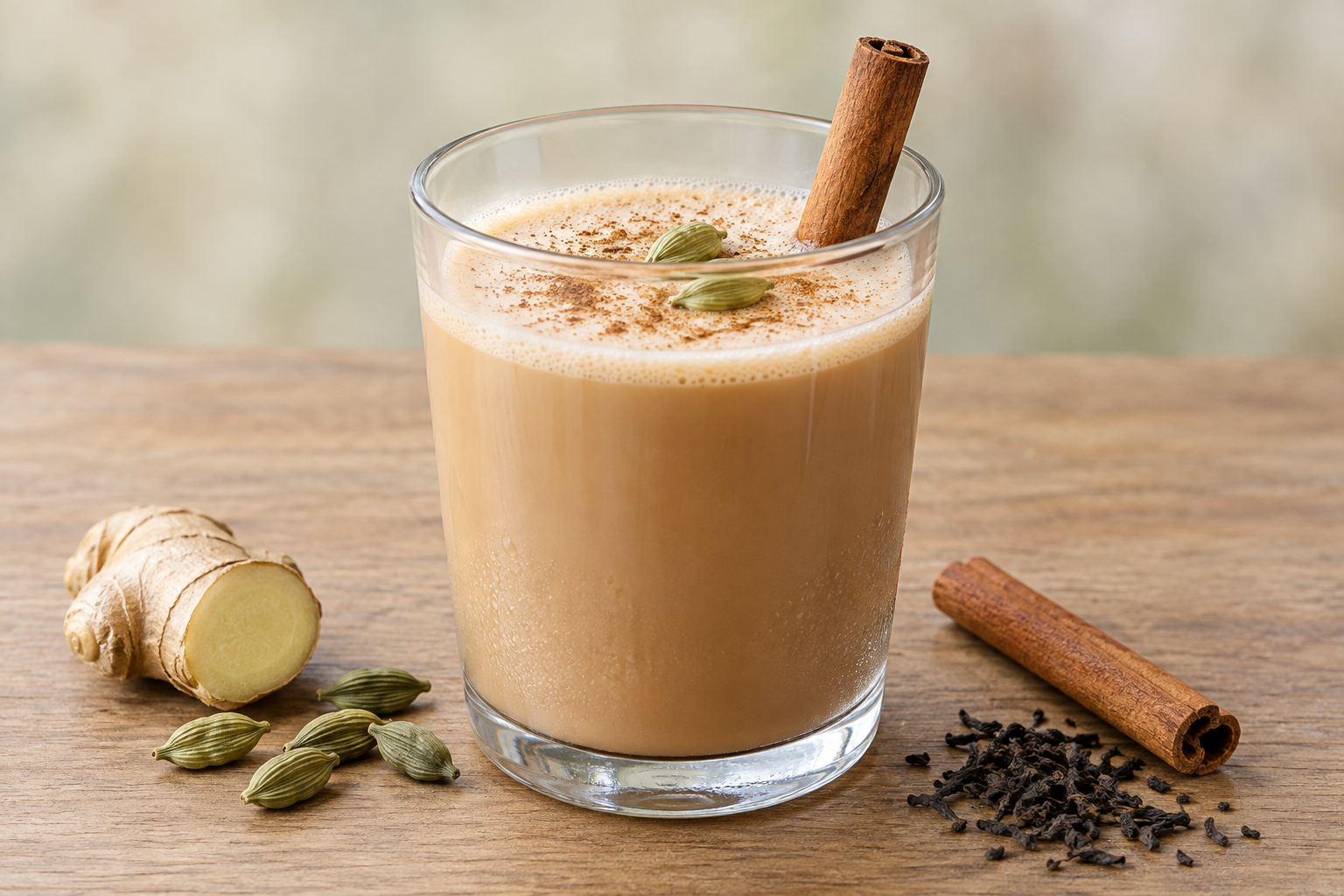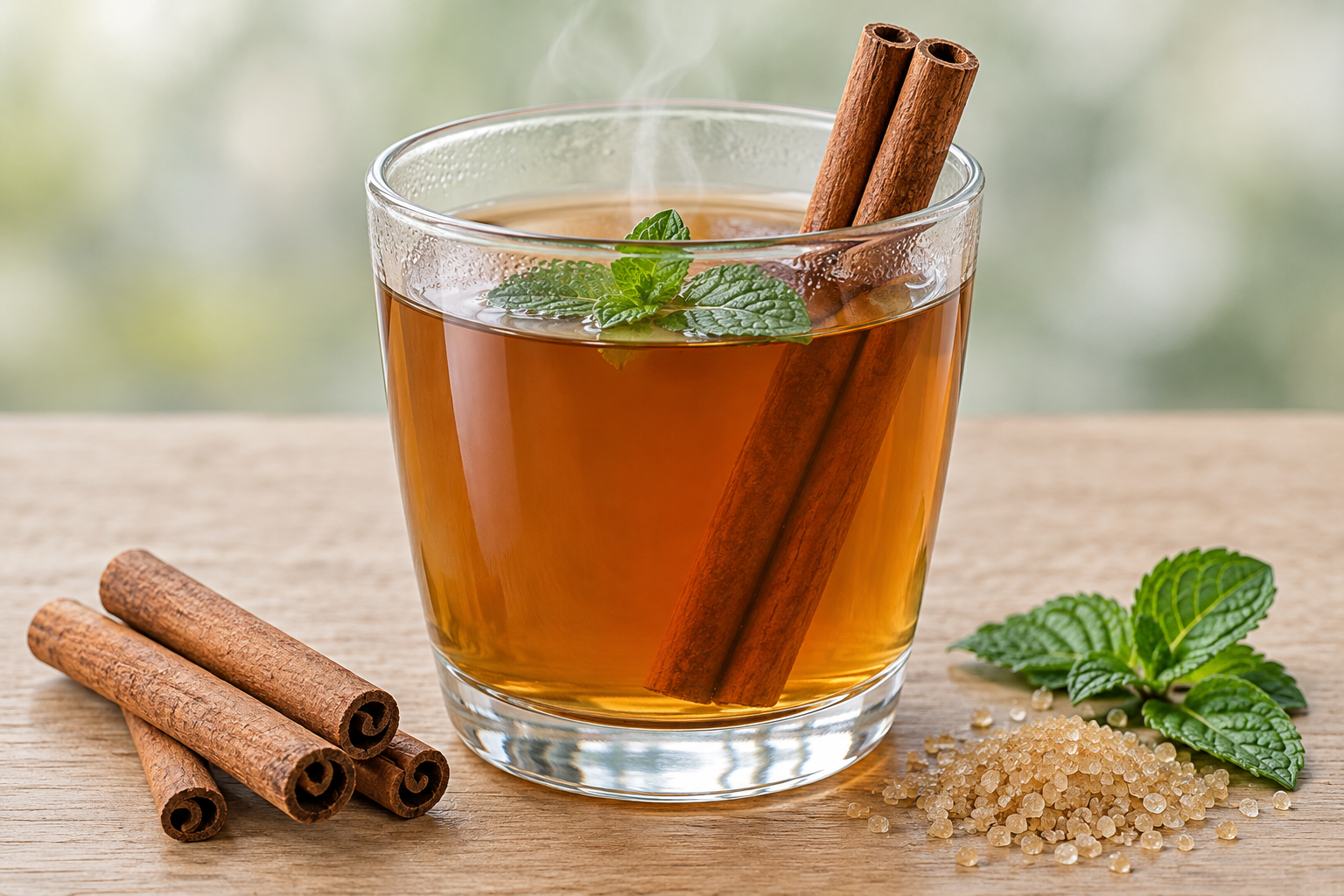
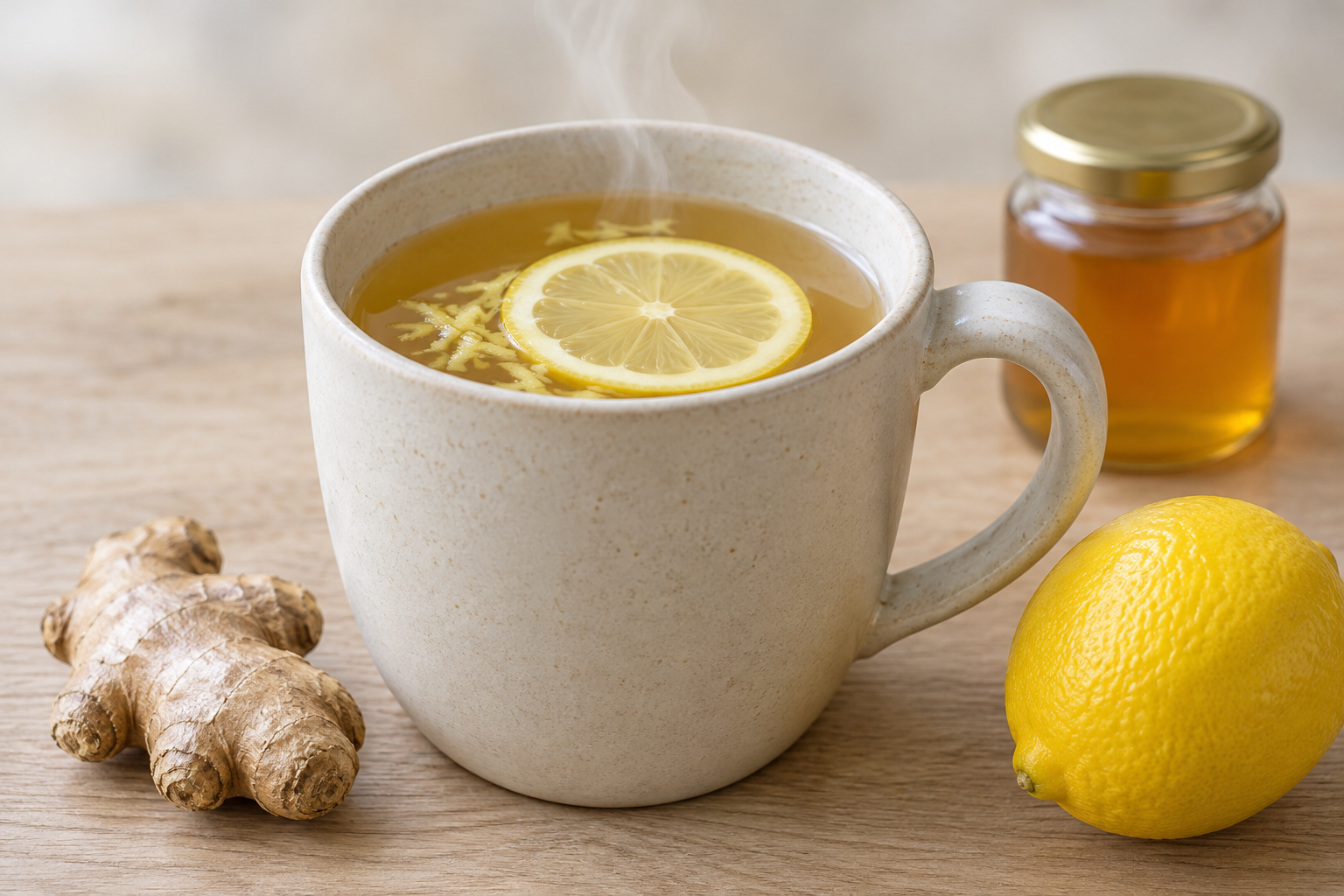
A mug of ginger lemon honey tea is what you reach for when your throat feels raw, the evening air turns sharp, or you just want something warm that tastes like comfort. Fresh ginger root simmered until the water turns golden, bright lemon juice to cut the heat, and honey stirred in at the end to round it all out. This is the tea that clears your head, settles your stomach, and makes you feel like someone is taking care of you, even when you are the one making it.
Why This Tea Works
Ginger brings the heat. When you simmer fresh ginger root in water, the gingerol compounds break down and infuse the liquid with a sharp, warming spice that opens up your sinuses and settles nausea. The longer you simmer it, the stronger the bite, which is why this recipe calls for a full simmer rather than a quick steep.
Lemon juice adds brightness and cuts through the ginger’s intensity. The acidity balances the sweetness of the honey and keeps the tea from tasting one-note. Fresh lemon juice tastes cleaner and more vibrant than bottled, and the difference is obvious in a simple three-ingredient drink like this.
Honey dissolves into the hot tea and adds a floral sweetness that softens the ginger without masking it. Stirring honey in after you remove the tea from the heat preserves its flavor better than adding it during the simmer. Any honey works, but a mild variety like clover or wildflower lets the ginger and lemon come through clearly.
What to Buy
Fresh ginger root is sold in the produce section, usually near the garlic and shallots. Look for firm, smooth roots with tight skin and no soft spots or mold. Older ginger gets fibrous and loses potency, so choose pieces that feel heavy for their size and snap cleanly when you bend them.
You will need about a quarter cup of grated ginger for a batch that serves six, which is roughly a 2-inch piece of root. Buy a little extra if you are new to grating ginger, since the fibrous core does not always cooperate with the grater.
Lemons should feel heavy and have thin, smooth skin. Thick-skinned lemons yield less juice. Two medium lemons give you the half cup of juice this recipe needs, but buy three if they feel light or look dry.
For honey, choose a variety you would eat on toast. Clover, wildflower, and orange blossom are mild and let the ginger shine. Buckwheat and chestnut honey are too strong and will overpower the tea. Skip the honey bear bottles with added corn syrup; they taste flat and do not dissolve as cleanly.
Ingredients
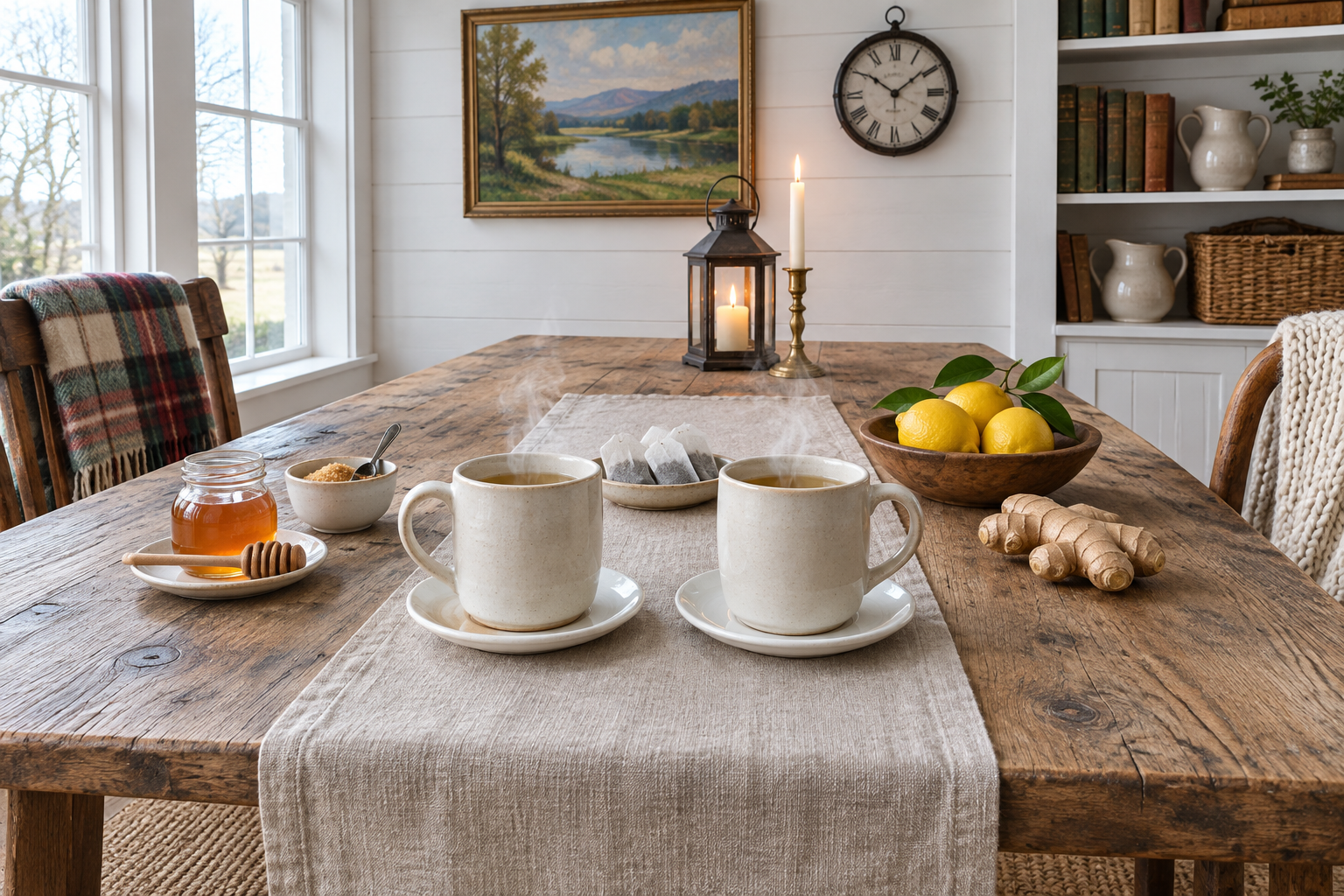
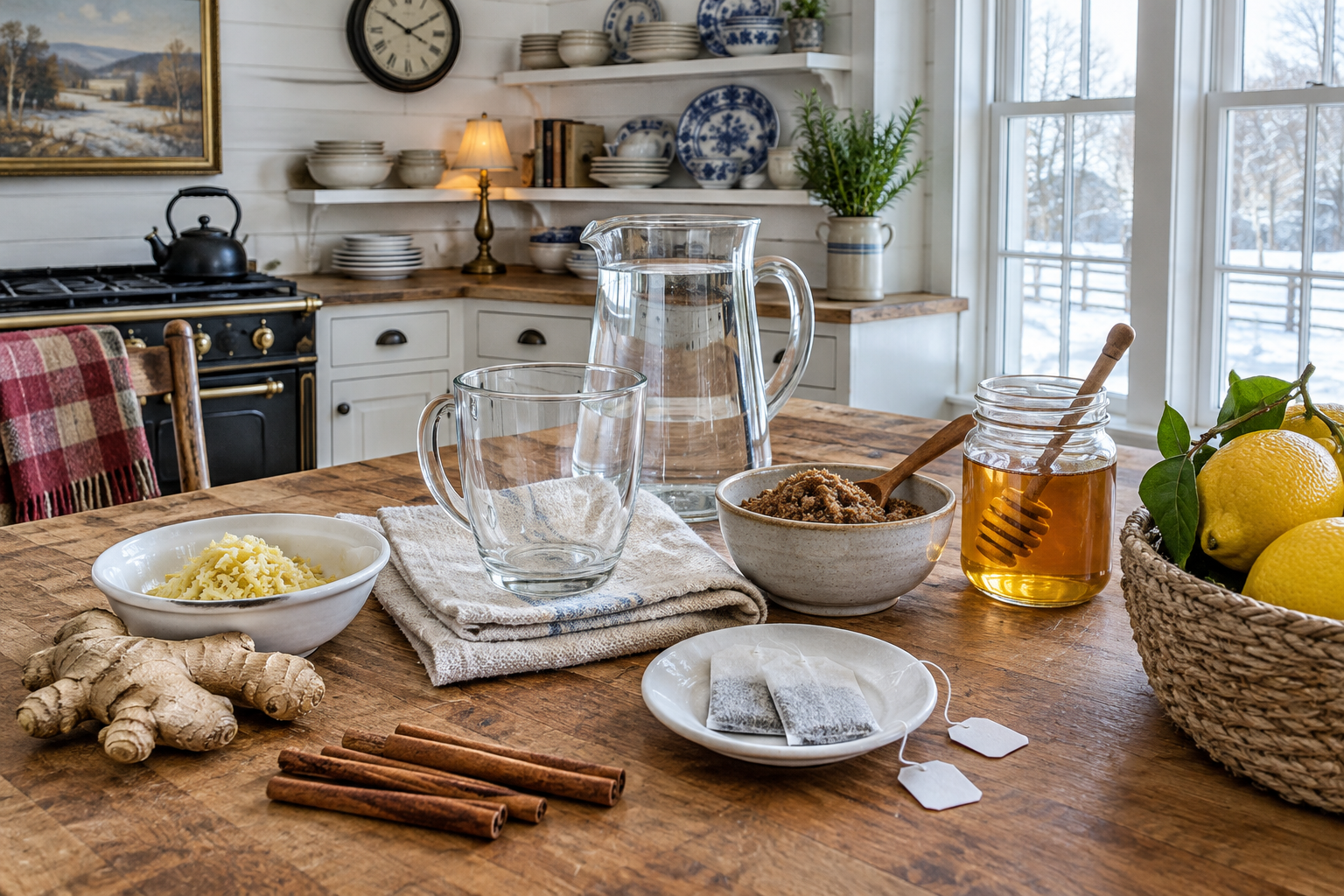
- 4 cups water
- 3/4 cup brown sugar
- 1/4 cup grated ginger root
- 3 tea bags
- 2 lemons, juiced
- 3 tablespoons honey
Instructions
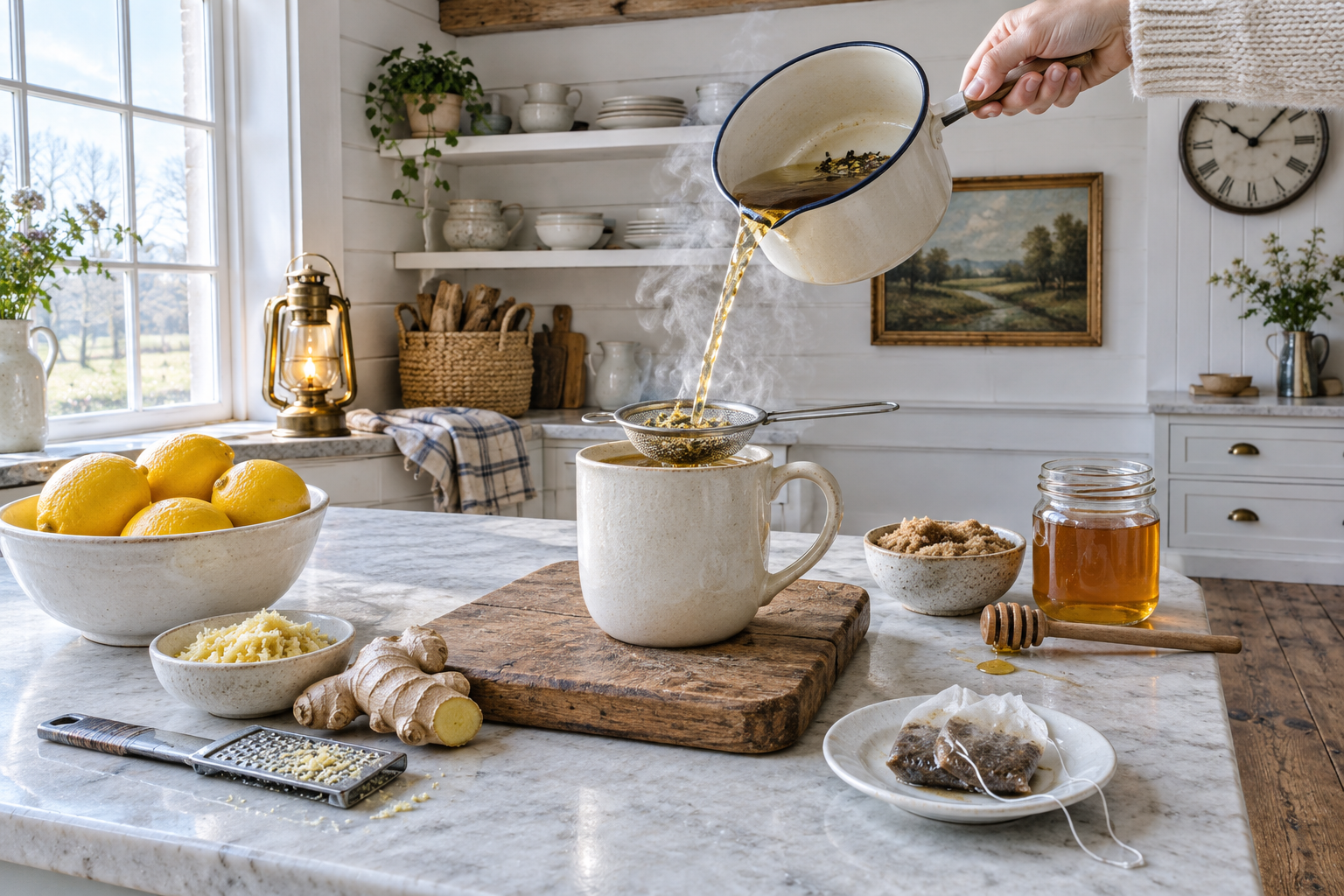
- Pour the water into a saucepan, add the brown sugar and grated ginger, and stir everything together. Bring it to a boil, then turn the heat down to medium-low and let it simmer for 20 minutes.
- Take the pan off the heat and drop in the tea bags. Let the tea steep until it’s as strong as you like, anywhere from 3 to 5 minutes, then pull out the tea bags and toss them.
- Stir the lemon juice and honey into the tea, then strain everything into a pitcher.
How to Prepare the Ginger
You do not need to peel fresh ginger if the skin is thin and smooth. Just scrub it under running water with a vegetable brush to remove any dirt. If the skin is thick or papery, scrape it off with the edge of a spoon, which wastes less flesh than a peeler.
Grate the ginger on the small holes of a box grater, working over a bowl to catch the juice that drips out. The fibrous strands will clog the grater after a few strokes, so scrape them off with a knife and keep going. If you do not have a grater, slice the ginger into thin coins with a sharp knife. Sliced ginger takes longer to infuse but strains out more easily.
Chopped ginger works too, but it floats in the tea and can be unpleasant to drink around. Grating or slicing gives you more surface area and a cleaner final cup.
Common Problems and How to Fix Them
- The tea tastes too spicy. You simmered the ginger too long or used too much. Next time, reduce the ginger to 2 tablespoons or simmer for only 10 minutes. Add more honey or lemon juice to balance the heat in the current batch.
- The tea tastes weak. You did not simmer the ginger long enough, or the ginger root was old and dried out. Simmer for the full 20 minutes and make sure the water turns a deep golden color. Fresh ginger with tight skin has more potency than shriveled roots.
- The honey clumps or does not dissolve. You added it to tea that was too cool. Stir honey into the tea while it is still hot, right after you remove it from the heat. If it has already cooled, reheat the tea gently on the stove and stir again.
- The tea tastes bitter. You steeped the tea bags too long or used water that was too hot. Black and green tea turn bitter after 5 minutes. Pull the bags out at 3 minutes if you want a milder flavor, or skip the tea bags entirely and let the ginger carry the drink.
- The lemon juice tastes flat. You used bottled lemon juice, which loses its brightness during processing. Fresh-squeezed lemon juice tastes sharper and more vibrant. Squeeze the lemons right before you add the juice to the tea.
Variations Worth Trying
Add a cinnamon stick to the saucepan when you simmer the ginger. The cinnamon adds a warm, sweet spice that pairs well with the honey and makes the tea taste more complex. Pull the stick out before you strain the tea.
Stir in a pinch of cayenne pepper with the lemon juice if you want extra heat. The cayenne amplifies the ginger’s warmth and can help clear congestion. Start with a small pinch and taste before adding more.
Swap half the water for orange juice if you want a sweeter, fruitier tea. Add the orange juice after you strain out the ginger, not during the simmer, so the citrus flavor stays bright. This version tastes more like a hot punch than a medicinal tea.
Skip the tea bags if you want a caffeine-free version. The ginger, lemon, and honey stand on their own without the black or green tea base. The flavor will be lighter and more focused on the ginger.
Make-Ahead and Storage
This tea keeps in the refrigerator for up to three days in a sealed pitcher or jar. The ginger flavor gets stronger as it sits, so you may want to add more honey or lemon juice when you reheat it. Pour a mug’s worth into a small saucepan and warm it gently over low heat, or microwave it in 30-second intervals until it is hot but not boiling.
You can double or triple the recipe if you are making it for a crowd. Use a large stockpot and simmer the ginger for the full 20 minutes, even if you are making a bigger batch. The ginger needs that time to infuse properly, and cutting the simmer short will leave you with weak tea.
Do not freeze this tea. The honey and lemon juice separate when frozen and the texture turns grainy when thawed. Make only as much as you will drink within three days.
Frequently Asked Questions
Can I use dried ginger powder instead of fresh ginger root? You can, but the flavor will be sharper and less complex. Use 1 tablespoon of dried ginger powder for every quarter cup of fresh grated ginger. Add it to the water at the start of the simmer and strain it out carefully, since the powder can make the tea cloudy.
What type of tea bags should I use? Black tea gives you a stronger, more astringent base that stands up to the ginger. Green tea is lighter and lets the ginger and lemon come through more clearly. Either works, so choose based on whether you want a bolder or more delicate tea. Herbal tea bags do not add much and can muddy the flavor.
Do I have to use brown sugar? No. The brown sugar adds a molasses note that deepens the flavor, but you can use white sugar or skip the sugar entirely and rely on the honey for sweetness. If you skip the sugar, increase the honey to a quarter cup or more, depending on your taste.
Can I add the lemon slices to the tea instead of just the juice? Yes. Slice one lemon into thin rounds and drop them into the pitcher after you strain out the ginger. The slices look nice and add a little extra citrus oil from the peel. Do not simmer the lemon slices with the ginger, or they will turn bitter.
How much ginger is safe to drink in one day? Most sources suggest limiting ginger to 3 or 4 grams per day, which is roughly a tablespoon of fresh grated ginger. This recipe uses a quarter cup for six servings, so each mug contains less than a gram. If you are pregnant, taking blood thinners, or have a bleeding disorder, check with a doctor before drinking ginger tea regularly.
Can I make this tea without the tea bags? Yes. The tea bags are optional. The ginger, lemon, and honey make a complete drink on their own. Skipping the tea bags gives you a lighter, caffeine-free version that tastes more like a ginger infusion than a traditional tea.
Conclusion
Ginger lemon honey tea is the drink you make when you want something warm, soothing, and simple. The ginger simmers until the water turns golden, the lemon juice brightens it, and the honey smooths it all out. Make a pitcher on Sunday and reheat a mug every evening, or simmer a fresh batch when your throat feels scratchy and you need something that tastes like care.