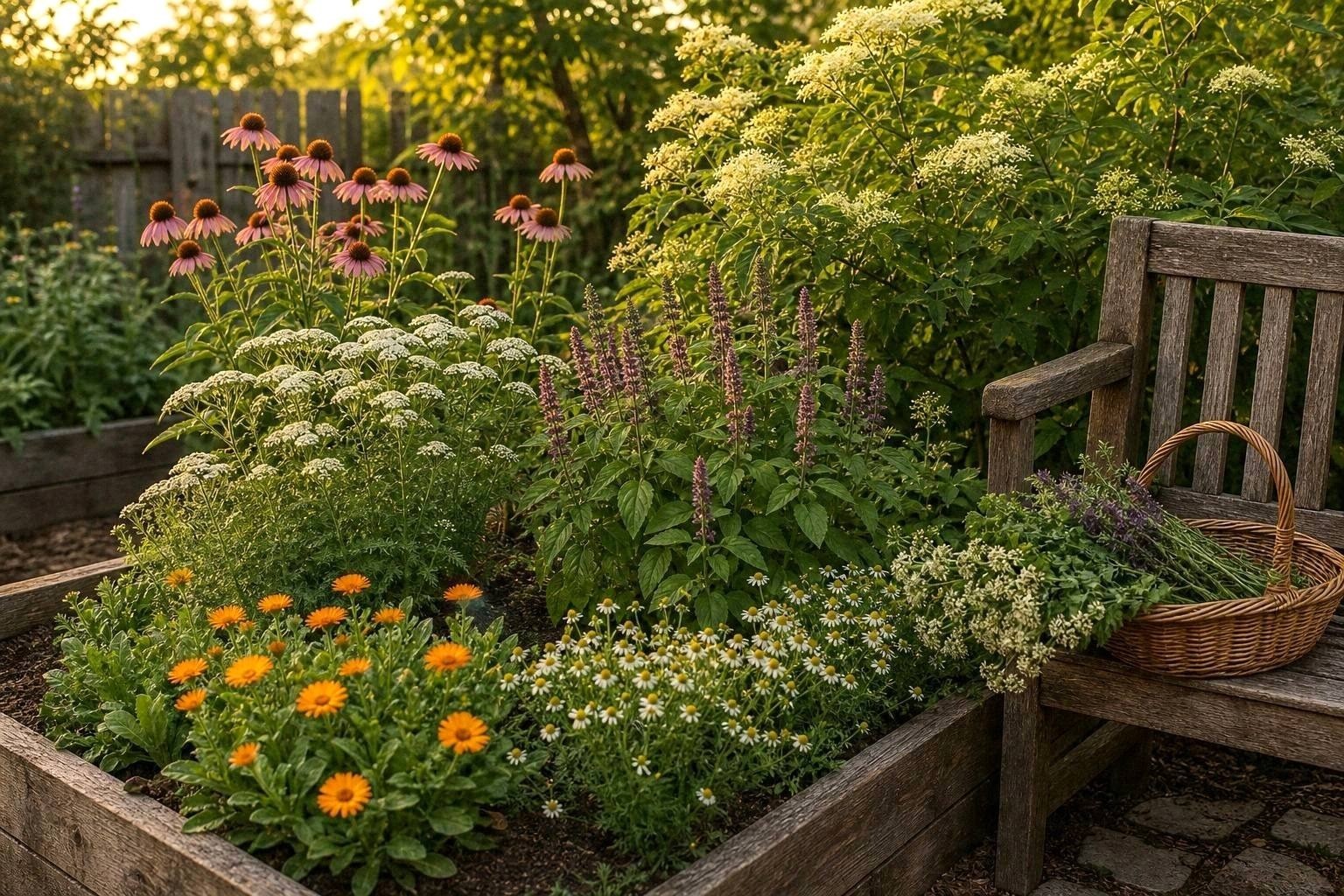

A practical herb list for small patios, mocktails, tea, bath soaks, and beginner home apothecary projects with mint, basil, rosemary, lavender, lemon balm, chamomile, calendula, and thyme.
The best herbs to grow are the ones you already know how to use. If a plant can go into a mocktail, iced tea, garnish tray, or bath soak, it has a better chance of earning its space.
You do not need a huge herb garden. A few useful pots can support summer drinks, small home apothecary projects, and simple bath soaks without turning your patio into another chore.
Quick answer
Grow herbs by use, not fantasy garden goals. Mint, basil, rosemary, lavender, lemon balm, chamomile, calendula, and thyme can move between drinks, tea, garnish trays, bath soaks, and simple home projects.
Herbs worth giving a pot
- Mint
- Basil
- Rosemary
- Lavender
- Lemon balm
- Chamomile
- Calendula
- Thyme
Related helpful guides
- Grow a Cocktail Herb Garden in Pots
- One Herb Syrup, Five Summer Drinks
- Calendula Hand Salve Recipe
- Lavender Bath Salts Recipe
What to save from this guide
- The checklist above for your next shopping or setup pass
- The problem this guide solves before you set the table, buy pieces, or make the drinks
At a Glance
| Detail | Info |
|---|---|
| Best for | Patios, balconies, kitchen gardens, and small raised beds |
| Start with | Mint, basil, rosemary, lavender, lemon balm |
| Add later | Chamomile, calendula, thyme |
| Main idea | Grow herbs with more than one use |
| Save reason | Plan the plants before buying them |
Start With Herbs You Will Reach For
Herbs are easy to impulse-buy. They look good at the garden center, then sit outside until you forget why you bought them.
Start with the plants you will use in normal life:
- Mint for mocktails, iced tea, lemonade, and garnish
- Basil for lemonade, berry drinks, and summer spritzes
- Rosemary for citrus drinks, pitcher water, and table styling
- Lavender for tea blends and bath salts
- Lemon balm for iced tea and gentle evening drinks
That small group gives you drinks, garnish, scent, and apothecary projects without needing a full garden.
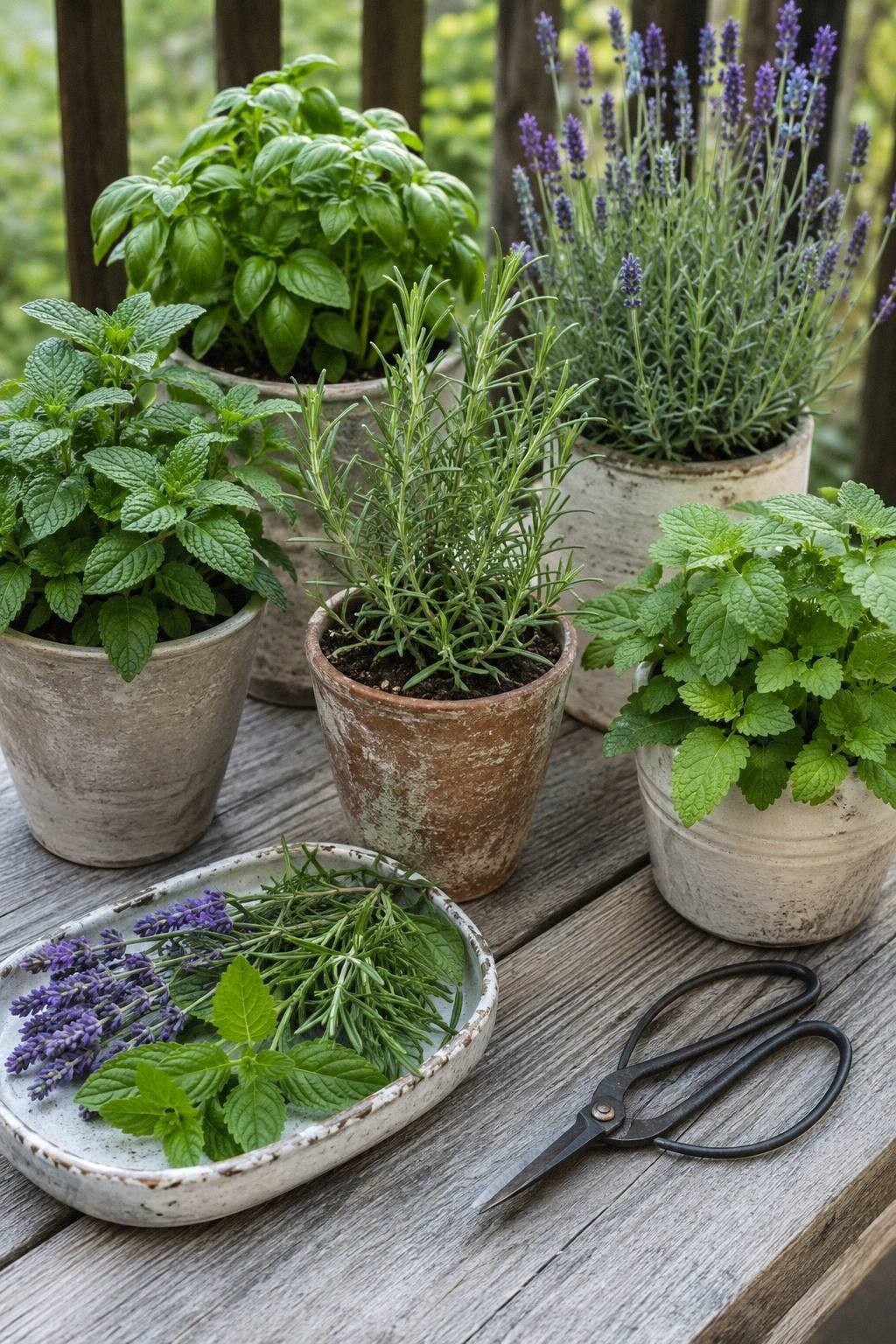
Mint
Mint is the easiest herb to use and one of the easiest to regret planting in the ground. Keep it in a pot.
Use mint in lemonade, iced tea, cucumber water, mojito-style mocktails, fruit spritzes, and garnish trays. If you have too much, steep a quick mint syrup or dry a small bundle for tea.
Mint wants regular water and light, but it does not need pampering. Pinch it often so it grows fuller instead of tall and leggy.
Basil
Basil makes summer drinks taste more grown up. It works with strawberries, peaches, blueberries, lemon, lime, and watermelon.
Use whole leaves for garnish or tear them gently before stirring into a pitcher. For a stronger flavor, make a basil syrup and keep it in the fridge for lemonade, iced tea, and sparkling water.
Basil likes warmth. If it starts flowering, pinch off the flowers so the leaves stay better for drinks.
Rosemary
Rosemary is strong, so use it with a lighter hand. It pairs well with grapefruit, lemon, orange, cranberry, honey, and black tea.
For drinks, add a small sprig as garnish or steep rosemary into syrup and strain it out. For a table setup, a few rosemary sprigs on a garnish tray make the drink station look more finished.
Rosemary likes good drainage. Do not drown it.
Lavender
Lavender is useful, but it can get soapy fast in drinks. Use culinary lavender and keep the amount small.
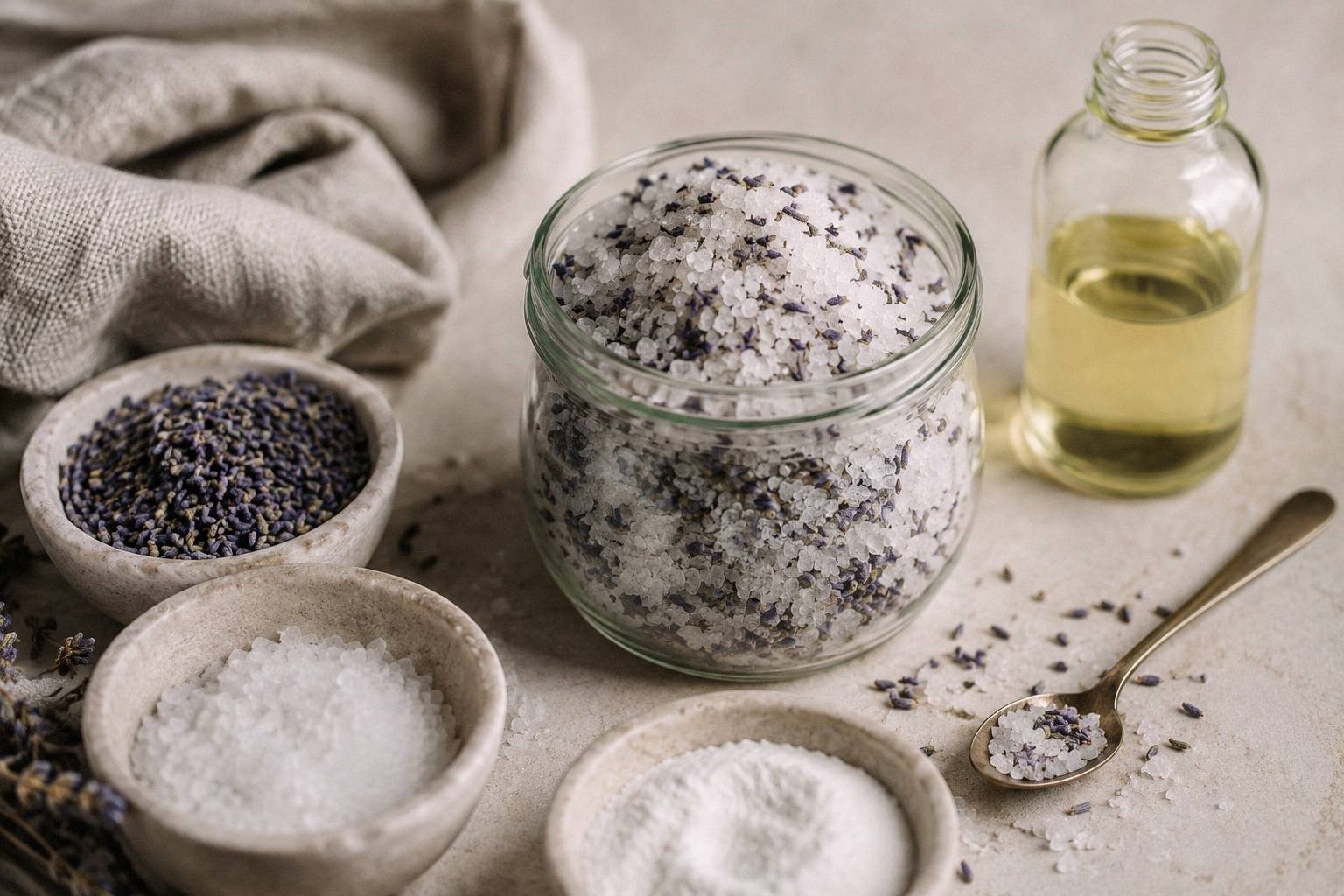
Steep it briefly for lavender lemonade, tea blends, simple syrup, or bath salts. If you grow it for bath soaks, dry the buds fully before storing them so the jar does not pick up moisture.
Lavender likes sun and drainage. It does not want soggy soil.
Lemon Balm
Lemon balm smells like lemon without the sharpness of citrus peel. It is nice in iced tea, pitcher water, and simple evening drinks.
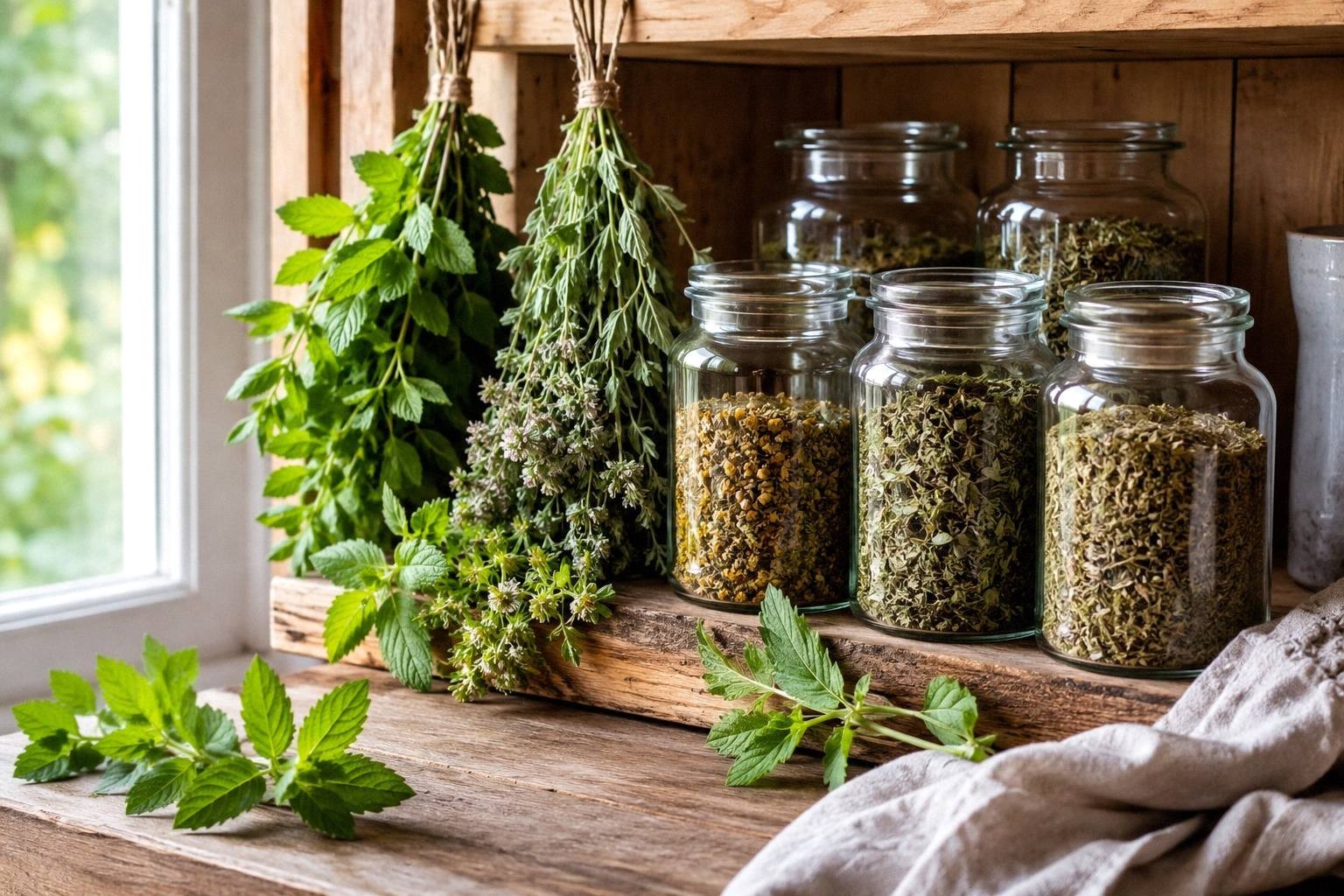
Use it fresh in cold drinks or dry a few leaves for tea. Like mint, lemon balm can spread, so a pot is usually easiest.
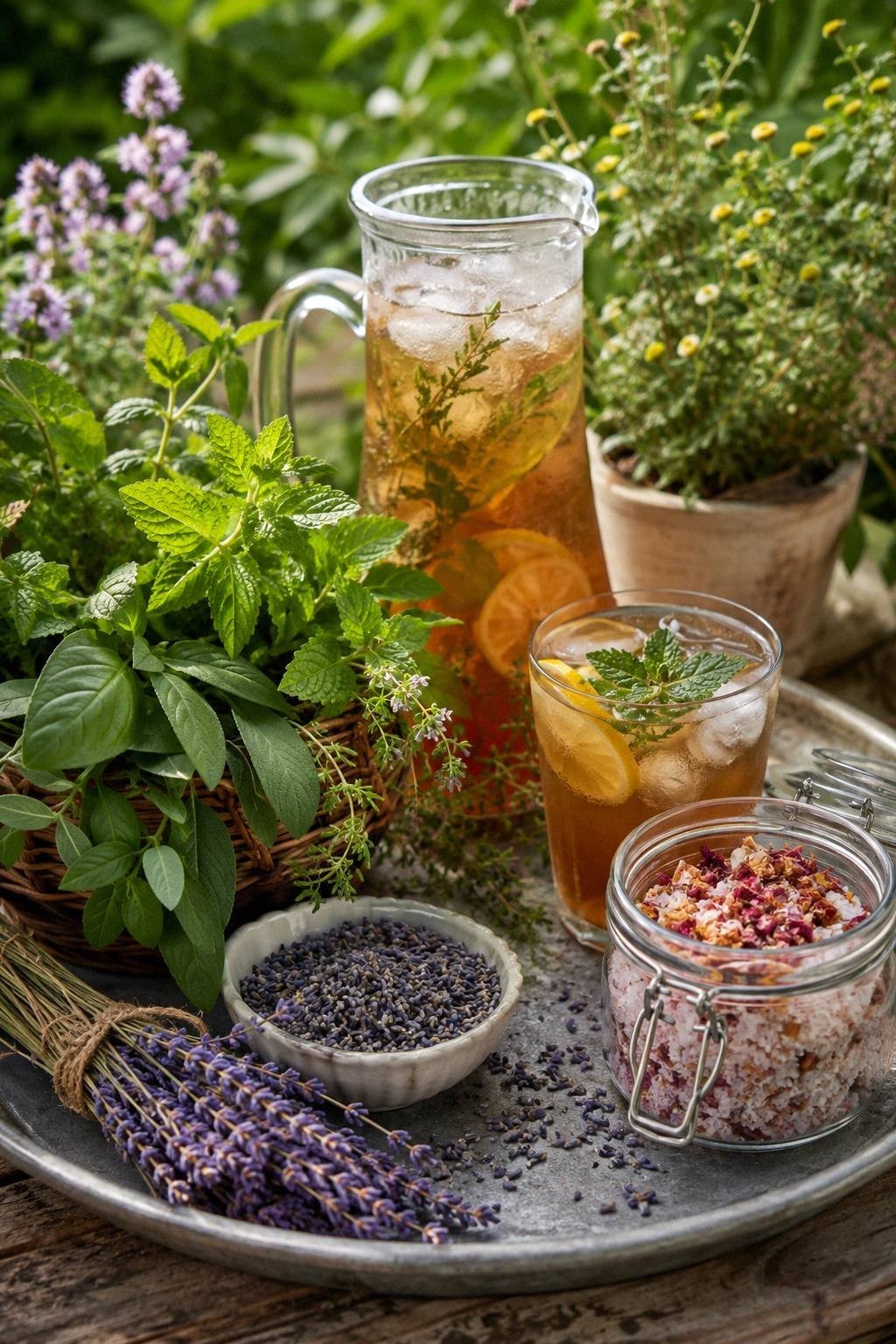
Chamomile
Chamomile is lovely for tea, but it takes more patience than mint or basil. If you want to grow it, plan to harvest the flowers when they are open and dry them fully.
Use dried chamomile in evening tea blends or a bath soak mix. Keep it simple with lavender, oats, or Epsom salt.
Calendula
Calendula is more of an apothecary herb than a mocktail herb. The petals can be dried for bath soaks, infused oils, and simple home projects.
It also looks pretty in the garden. Grow it if you want the home apothecary side of TFA to show up more in your real life.
Thyme
Thyme is small but useful. It works with lemon, honey, berries, tea, and simple syrups. Use a tiny sprig for garnish or steep it briefly.
It also handles pots well if it gets enough light and drainage.
How to Keep the Herb Garden Useful
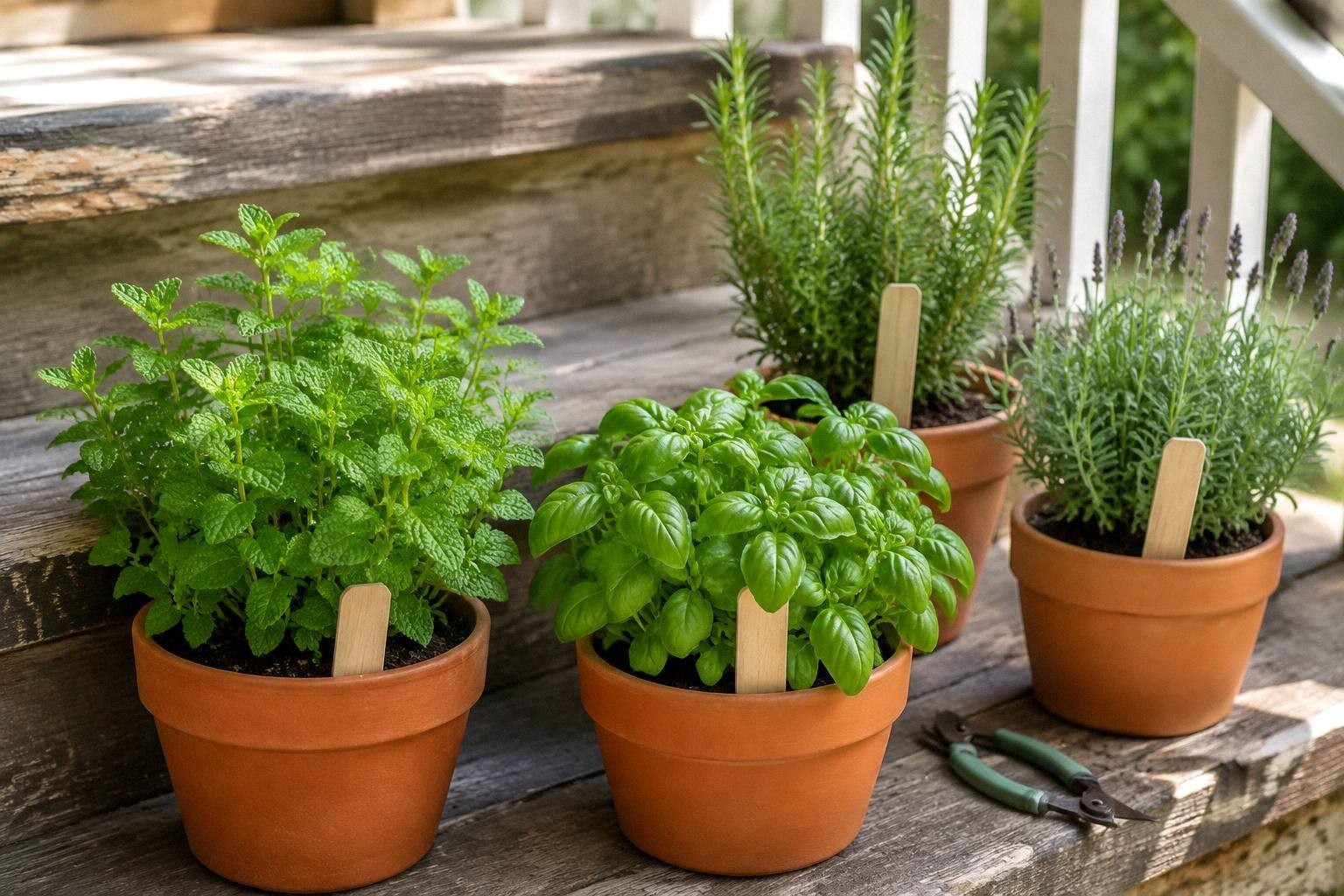
Put the herbs near the place you use them. A patio pot by the door will get used more than a perfect bed at the far end of the yard.
Keep scissors nearby. Label the pots. Harvest a little at a time. If the plant gets ahead of you, turn the extra into syrup, tea, dried bundles, or a bath soak jar before it turns sad.
Common Questions
What herbs are best for mocktails?
Mint, basil, rosemary, thyme, lavender, and lemon balm are the most useful for mocktails. Start with mint and basil if you only want two.
Can I use the same herbs for tea and bath soaks?
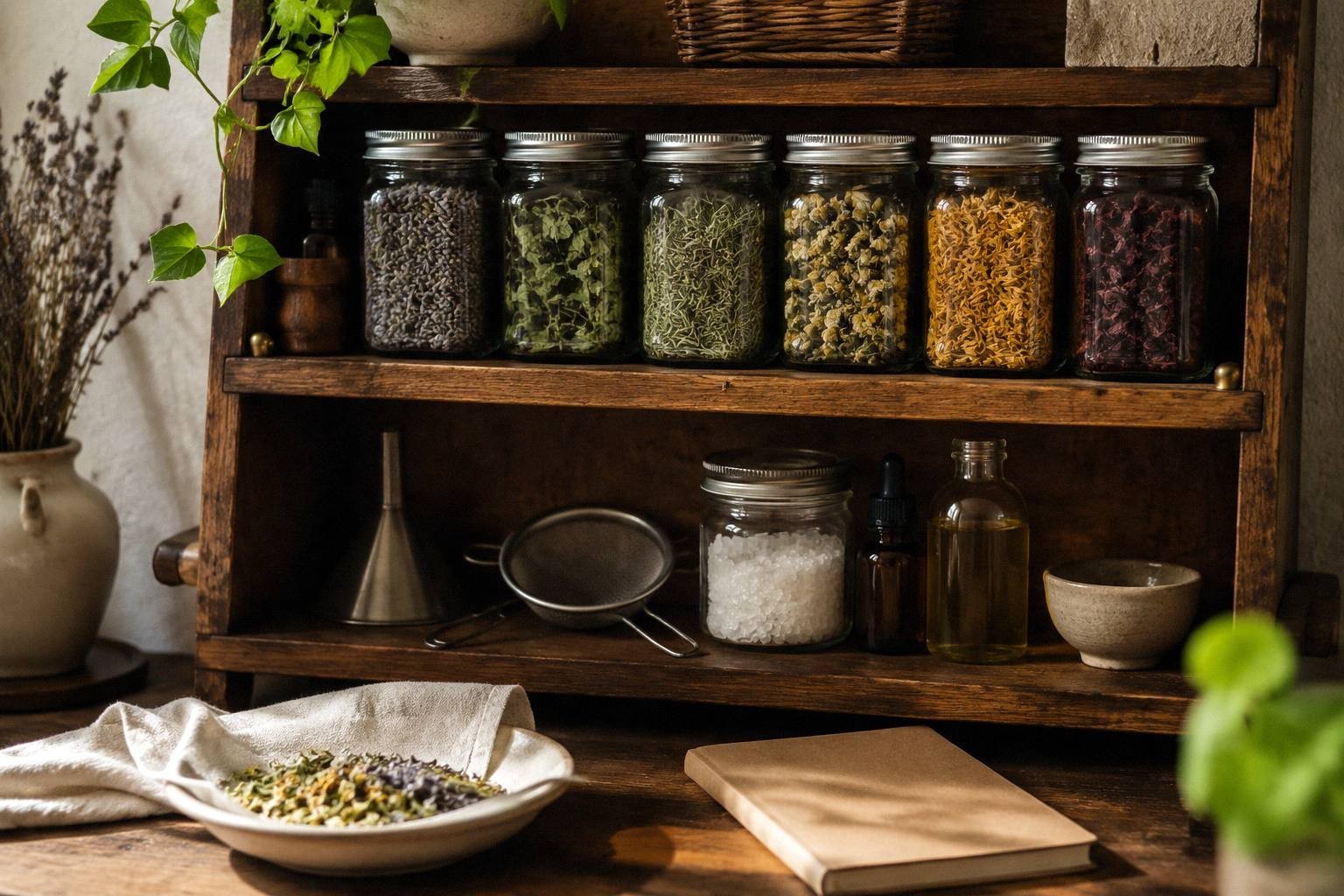
Some herbs can move between tea and bath soaks, especially lavender, chamomile, mint, lemon balm, and calendula. Use clean, properly dried herbs and avoid anything you cannot identify confidently.
Should I grow mint in the ground?
Mint spreads fast. A pot is usually easier to control.
What herb should a beginner grow first?
Mint is the easiest to use, but basil may be better if you make a lot of summer drinks. Rosemary is useful if you want a sturdy plant that does not need constant attention.
Keep browsing
Turn this into the next thing you make
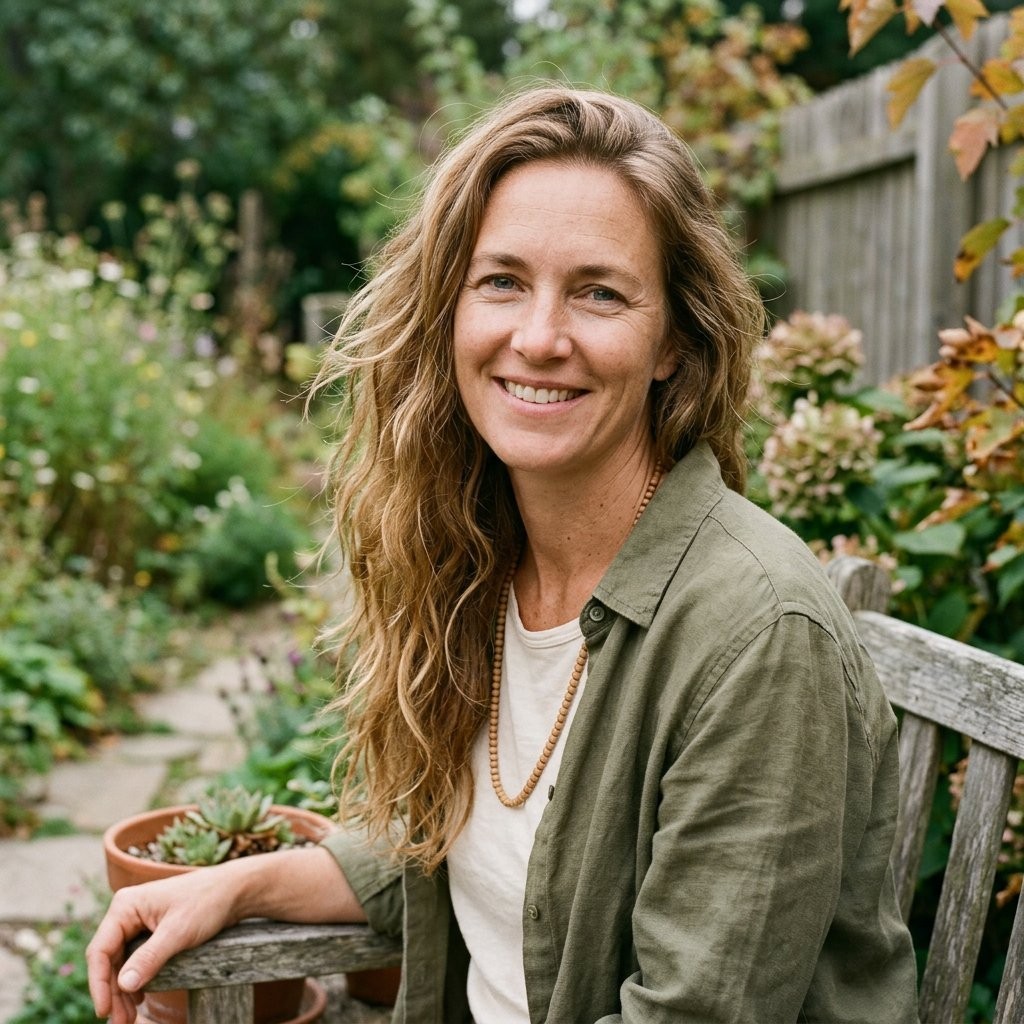
Camille writes about botanical drinks, herbal cocktails, and the old plant wisdom that makes them work. Most days you'll find her in the garden or the kitchen, turning herbs into something worth sipping.