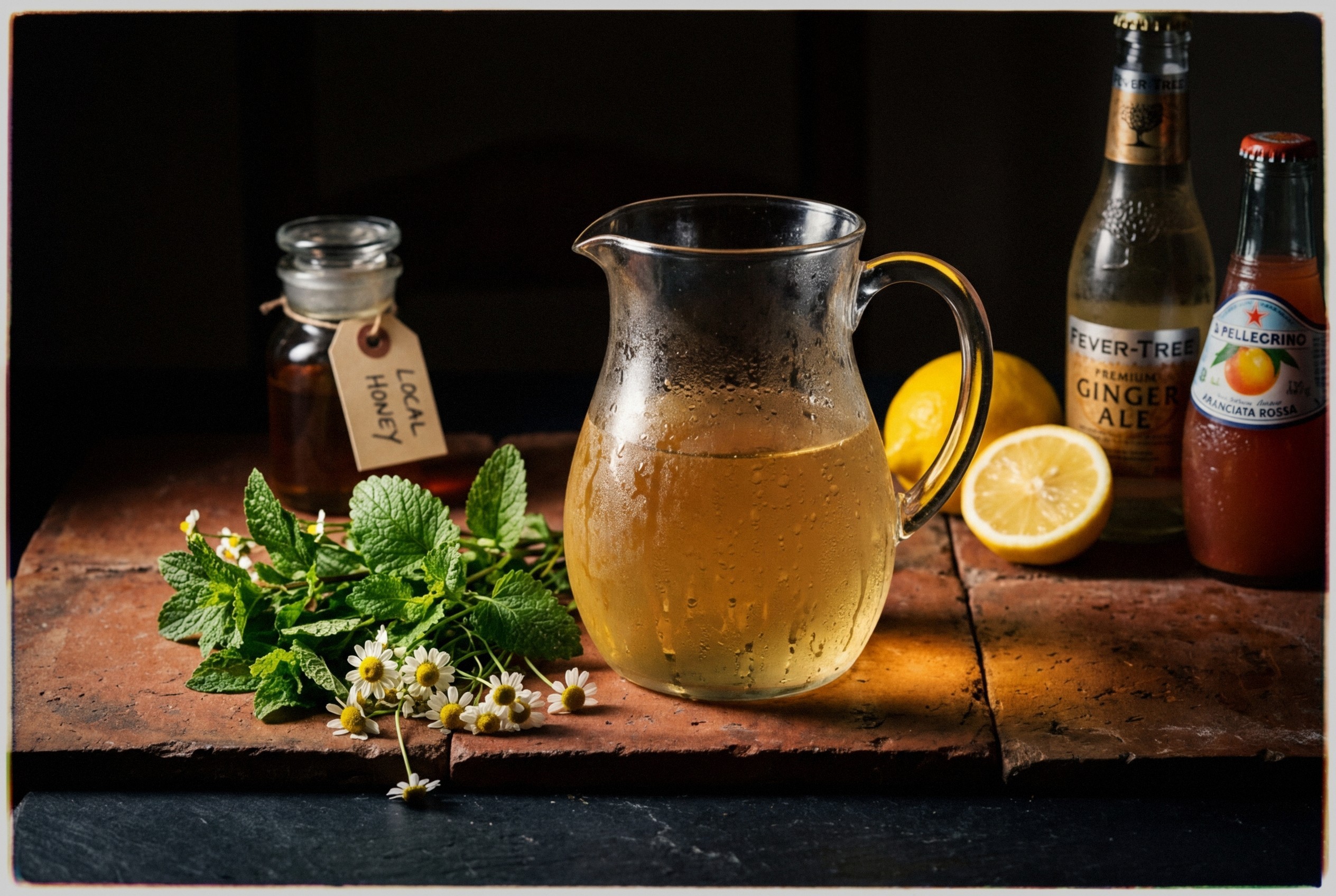
Start your tea garden this spring. Grow mint, lemon balm, chamomile, and more for fresh herbal blends. Get the complete guide.
Why You Will Love This
March is when you plant the herbs that will fill your glass all summer. Mint spreads like it owns the place. Chamomile self-seeds if you let it. Lemon balm grows so fast you will harvest every two weeks from May through September. These eight herbs give you everything you need to make fresh, iced herbal tea without buying another box of dried teabags.
The Story Behind It
I started my tea garden in a 4x8 raised bed five springs ago. The first year, I planted too much mint and it choked out the chamomile. Now I keep mint in its own pot and let lemon balm take over the back corner. By June, I am harvesting handfuls of fresh leaves every morning for cold-brew tea. The plants come back stronger each year, and I spend maybe $40 on seeds and starts that give me 6-8 months of fresh tea material.
What You Will Need
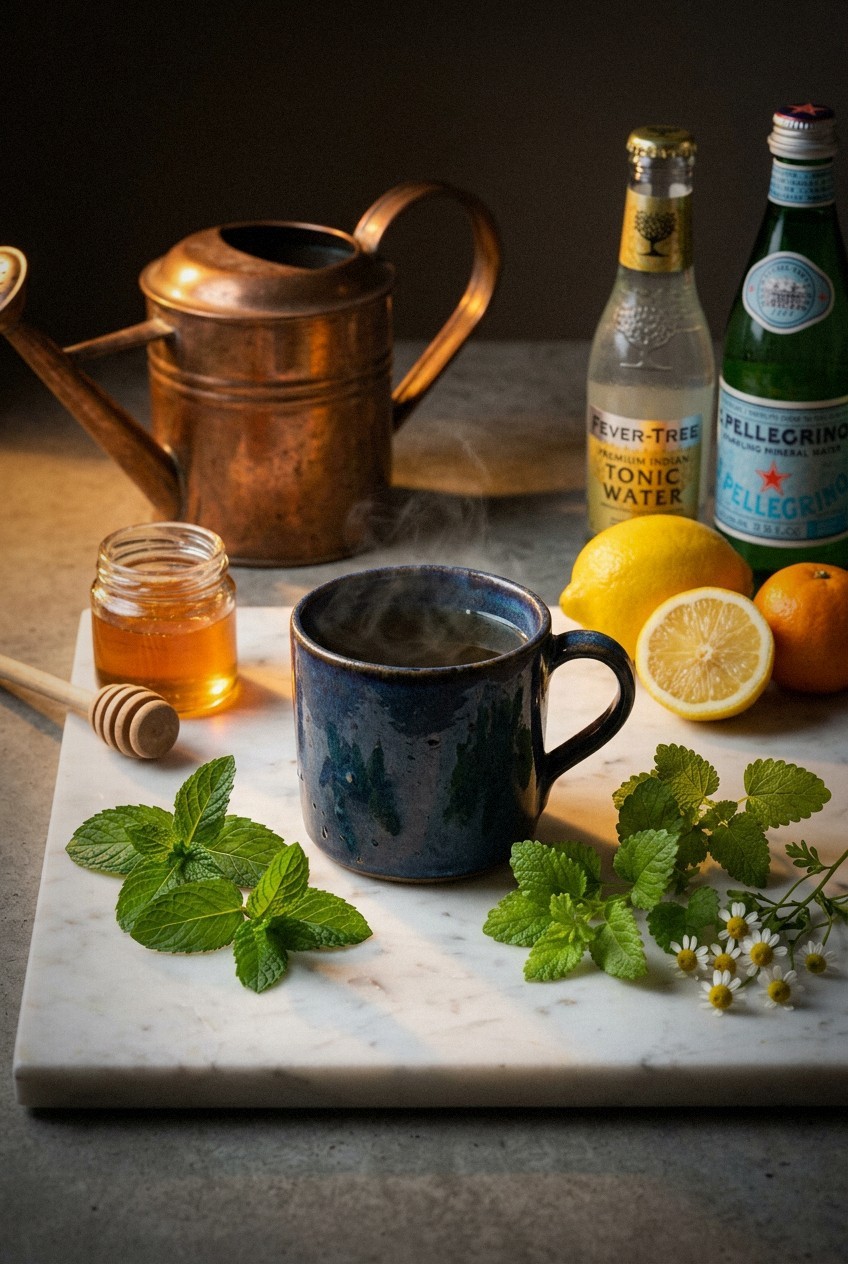
The Essential Eight Tea Herbs:
- Peppermint (Mentha × piperita): 1-2 plants, full sun to part shade, USDA zones 3-9
- Spearmint (Mentha spicata): 1-2 plants, full sun to part shade, zones 4-9
- Lemon balm (Melissa officinalis): 2-3 plants, full sun to part shade, zones 4-9
- Chamomile (Matricaria chamomilla): German variety, seeds or starts, full sun, zones 2-8
- Holy basil/Tulsi (Ocimum tenuiflorum): 2-3 plants, full sun, zones 10-11 (annual elsewhere)
- Lavender (Lavandula angustifolia): 1-2 plants, full sun, zones 5-9
- Rose (Rosa rugosa or Rosa damascena): 1 plant for petals, full sun, zones 2-9
- Lemon verbena (Aloysia citrodora): 1-2 plants, full sun, zones 8-10 (container elsewhere)
Growing Supplies:
- Potting soil or garden bed with good drainage
- Containers (12-16 inches deep for mint, 18-24 inches for lemon verbena)
- Organic fertilizer (fish emulsion or compost tea, diluted to half strength)
- Mulch (2-3 inches of straw or wood chips)
- Pruning shears
- Drying racks or dehydrator (optional, for preserving excess harvest)
How to Grow Them
Site Selection (Late March): Choose a spot with 6-8 hours of direct sunlight. Most tea herbs tolerate part shade but produce more essential oils in full sun. Chamomile and lemon balm handle afternoon shade well. Mint thrives anywhere but will take over a garden bed, so plant it in a pot sunk into the ground or keep it fully containerized.
Soil Preparation: Mix native soil with 2-3 inches of compost. Tea herbs prefer well-draining soil with a pH of 6.0-7.0. Lavender needs especially good drainage and will rot in heavy clay. Add perlite or sand if your soil holds water.
Planting (Early April): Space perennials 12-18 inches apart. Chamomile can be direct-seeded once soil temps hit 55°F (13°C), or start indoors 4 weeks before last frost. Holy basil and lemon verbena are frost-sensitive, so wait until nighttime temps stay above 50°F (10°C). Water deeply after planting, then let the top inch of soil dry between waterings.
First Harvest (4-8 Weeks): Mint, lemon balm, and holy basil can be harvested when plants reach 6-8 inches tall. Cut stems 2-3 inches above the soil line, leaving at least 4-6 leaves for regrowth. Chamomile flowers are ready when petals are fully open but before they start to droop. Lavender blooms in late May to June, cut when buds show color but before fully open. Rose petals are best picked in the morning after dew dries.
Maintenance: Pinch growing tips every 2 weeks to encourage bushiness. Fertilize monthly with diluted fish emulsion (1 tablespoon per gallon). Mint and lemon balm will try to flower by July, cut them back by one-third to keep leaf production high. Deadhead chamomile to extend bloom period or let it self-seed for next year’s crop.
Overwintering: Perennials (mint, lemon balm, lavender, rose) die back in fall and return in spring. Mulch roots with 3-4 inches of straw after first hard frost. Lemon verbena is tender, bring containers indoors before frost or take cuttings to overwinter on a sunny windowsill. Holy basil is annual, it will die with frost but self-seeds readily in zones 7+.
Herbalist Notes
On Mint Varieties: Peppermint contains 30-50% menthol by essential oil weight, spearmint only 0.5%. Peppermint cools and settles digestion through menthol’s action on smooth muscle. Spearmint is gentler, better for children or those sensitive to menthol’s intensity. Both are carminatives in Western herbalism, used for gas and bloating since at least the 1st century CE in Dioscorides’ writings.
On Lemon Balm’s Calm: Melissa officinalis has been studied for mild anxiety and sleep in over a dozen clinical trials. A 2011 study in Mediterranean Journal of Nutrition and Metabolism found 300mg of lemon balm extract reduced stress markers by 18% after 15 days. Fresh leaf tea provides roughly 50-100mg of active rosmarinic acid per cup. It is a nervine in Western herbalism, traditionally combined with chamomile for restlessness.
On Chamomile’s Apigenin: German chamomile flowers contain 0.3-1.2% apigenin, a flavonoid that binds to GABA receptors. A 2016 study in Phytomedicine tracked 93 people with generalized anxiety disorder for 8 weeks. Those taking 1,500mg chamomile extract daily saw a 50% greater reduction in symptoms versus placebo. Fresh flowers make a milder tea than dried, steep 3-4 flower heads per cup for a light, apple-scented infusion.
Make It Your Own
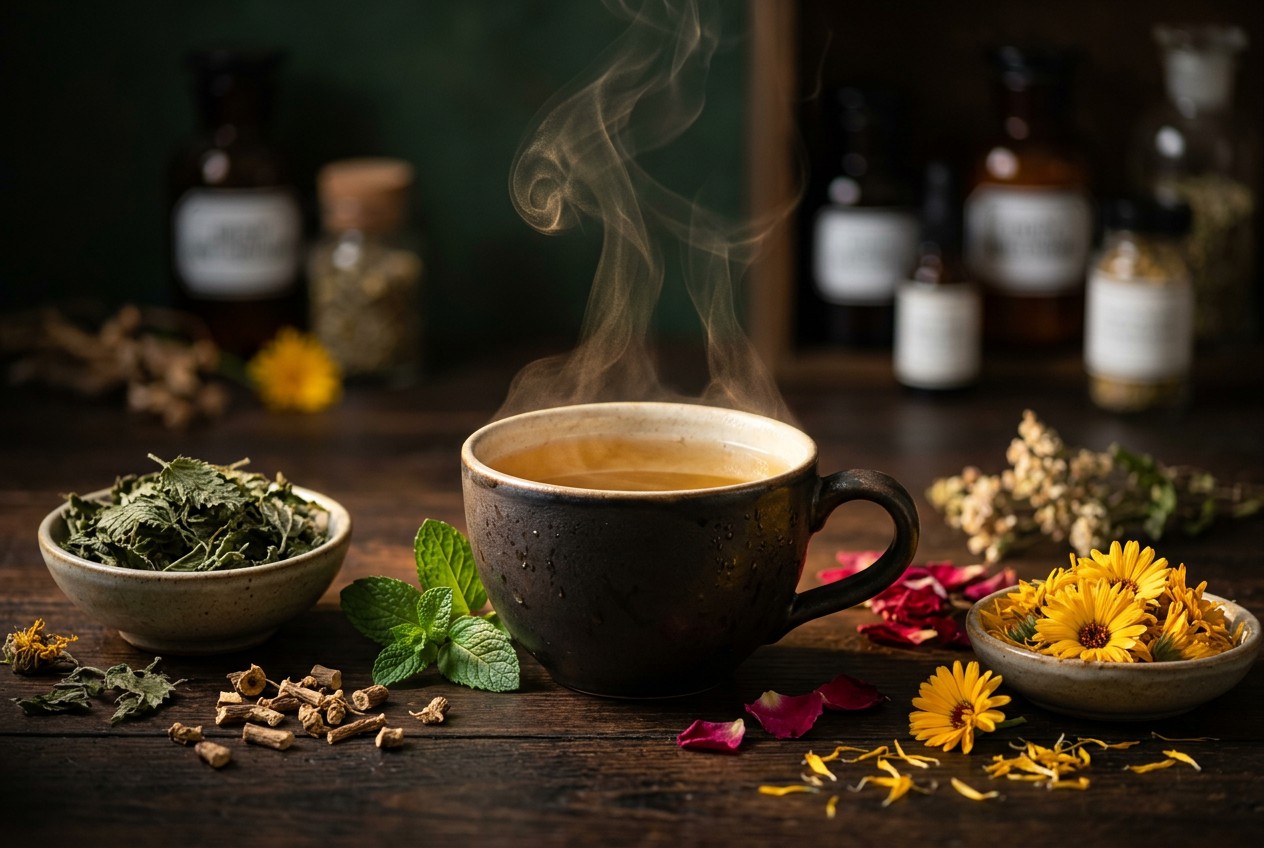
Blend fresh herbs in ratios that match your taste. A basic cooling blend: 2 parts peppermint, 1 part lemon balm, 1 part chamomile flowers. For a caffeine-free morning tea, try 2 parts holy basil, 1 part spearmint, a pinch of rose petals. Lemon verbena is potent, use it sparingly (1-2 leaves per cup) or it will dominate. Lavender is even stronger, 3-4 buds per pot is enough.
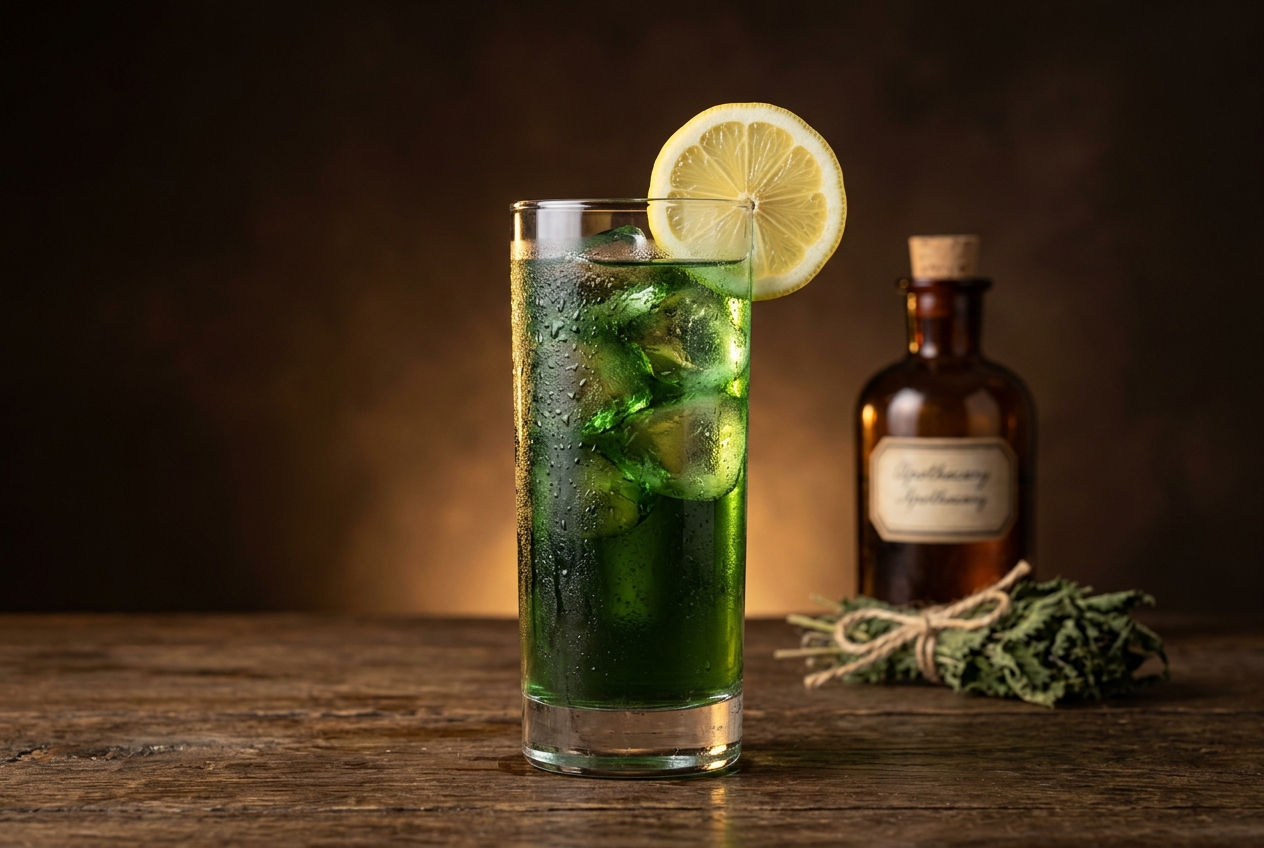
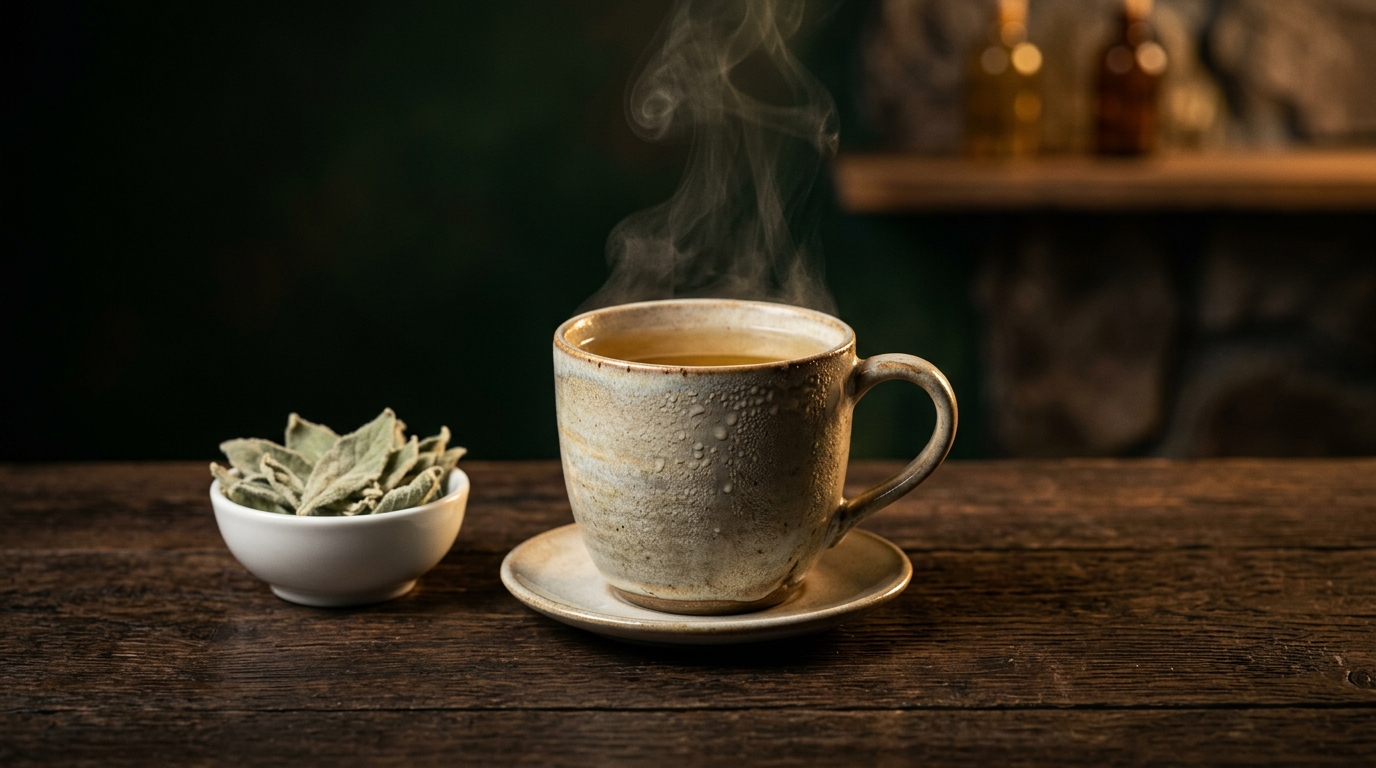
Cold-brew overnight in the fridge for the smoothest flavor. Fill a quart jar with fresh herbs (loosely packed to the halfway mark), add cold filtered water, cap it, and refrigerate 8-12 hours. Strain and serve over ice. Hot tea works too, pour 200°F (93°C) water over herbs and steep 5-7 minutes covered. Fresh herbs need longer steep times than dried because their cell walls are intact.
Dry excess harvest on screens in a dark, well-ventilated room. Leaves are ready when they crumble easily, usually 5-7 days. Store in airtight jars away from light. Dried herbs keep 6-12 months but lose potency after that. Label jars with harvest date.
Common Questions
How much space do I need to grow enough herbs for regular tea drinking?
A 4x4 foot raised bed or 4-5 large containers (14-18 inches diameter) will grow enough for 2-3 cups of fresh tea daily from May through September. Mint and lemon balm are the workhorses, each plant yields 1-2 cups of fresh leaves per week once established. Chamomile needs more space for flowers, plan on 6-8 plants for consistent blooms. If you drink tea daily, double these numbers or plan to dry your harvest for winter use.
Can I grow these herbs indoors during winter?
Mint, lemon balm, and holy basil grow reasonably well on a south-facing windowsill or under grow lights (14-16 hours daily). They will not produce as vigorously as outdoor plants but will give you enough for occasional fresh tea. Chamomile struggles indoors, it needs cool nights to set buds. Lavender and rose are impractical indoors due to light and space requirements. Lemon verbena goes dormant in winter even indoors, it needs a rest period of 8-10 weeks with minimal water and no fertilizer.
Which herbs should I start with if I have never grown anything before?
Mint and lemon balm. Both are nearly indestructible, they tolerate neglect, irregular watering, and poor soil. Buy plants instead of seeds for faster results. Put them in separate pots to control spread. You will harvest your first tea leaves within 3 weeks of planting. Once you see how easy these are, add chamomile (from seed, it germinates in 7-10 days) and holy basil (buy a start, it is sensitive to cold). These four herbs cover 80% of your tea-making needs and require almost no gardening experience.