A complete beginner's guide to brewing kombucha at home, with botanical tea blends, second fermentation flavor ideas, and tips for perfect fizz every time.
Why Brew Your Own Kombucha?
Store-bought kombucha has become familiar, but there is something deeply satisfying — and considerably more economical — about brewing your own. A single SCOBY (Symbiotic Culture Of Bacteria and Yeast) and a few pounds of tea can yield gallons of living tonic for months, even years. Better still, home brewing gives you full control: the tea blend, the acidity, the sweetness, and the botanical flavors you layer in during second fermentation.
The process takes longer than water kefir — a first ferment runs 7–14 days — but the depth of flavor is unmatched. Once you learn the rhythm, kombucha brewing becomes a meditative weekly ritual that produces something genuinely alive and complex.
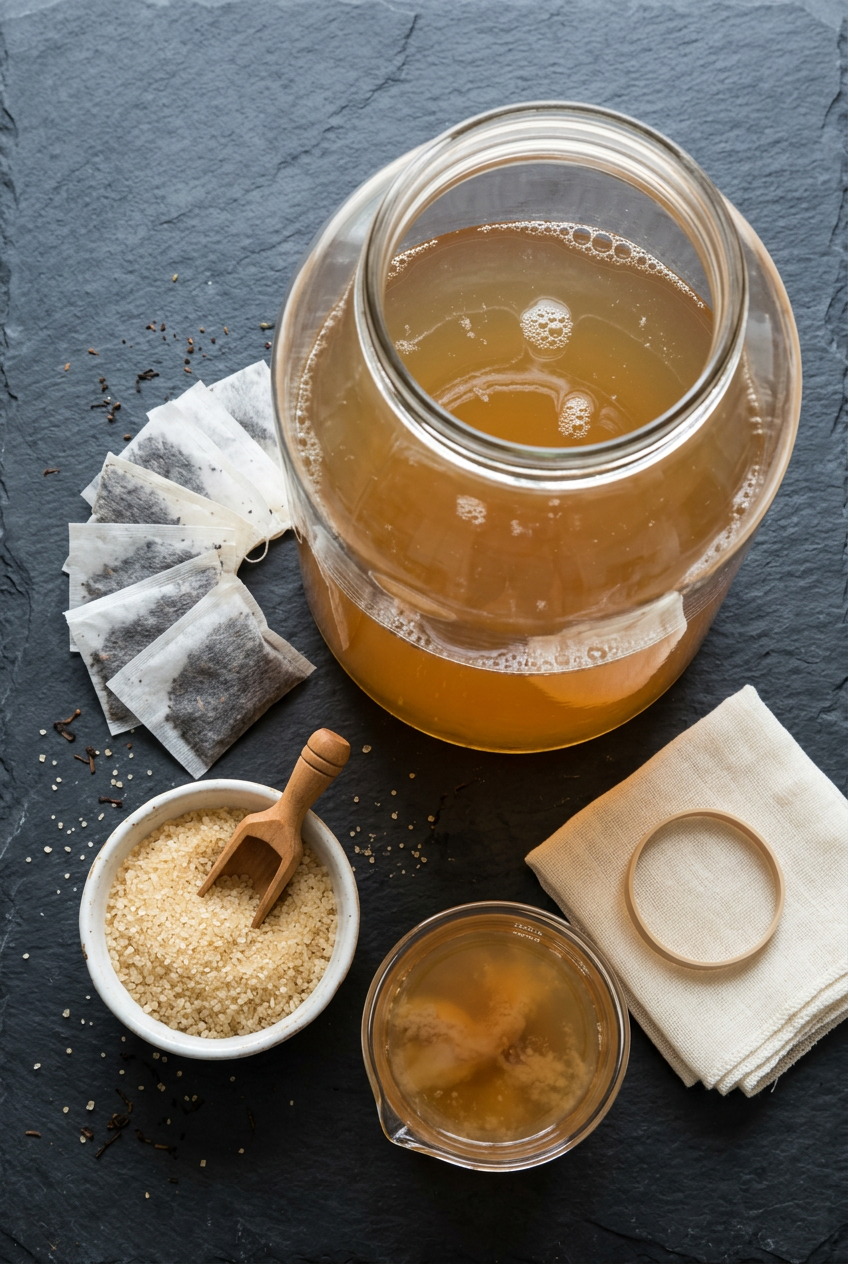
A healthy first ferment: the SCOBY floats or sinks — both are fine. The liquid transforms from sweet tea into a complex, living tonic over 7–14 days.
What You Will Need
The culture:
- 1 SCOBY (sourced from a brewing friend, a brew shop, or online)
- 1 cup starter liquid (raw unflavored kombucha from a previous batch, or store-bought raw kombucha)
First fermentation:
- 1 gallon filtered water
- 6–8 organic black tea bags (or 2 Tbsp loose-leaf; green or white tea also works)
- 1 cup organic cane sugar
Equipment:
- 1-gallon wide-mouth glass jar
- Cheesecloth or tightly woven breathable cloth + rubber band
- Thermometer
- Swing-top or pressure-safe glass bottles for second fermentation
How to Brew It
First Fermentation — 7 to 14 Days
- Bring 4 cups of water to a boil and steep the tea for 10 minutes. Remove the bags or strain.
- Stir in the sugar until fully dissolved. Add remaining cool water to bring the brew below 85°F — the SCOBY must never touch hot liquid.
- Pour into your gallon jar, add the starter liquid, then gently lay the SCOBY on top.
- Cover with cheesecloth secured with a rubber band. Place in a warm spot out of direct sunlight — ideal temperature is 75–85°F.
- Leave undisturbed for 7–14 days. A new baby SCOBY will form on top with each batch. Taste from day 7: it should be tart and lightly sweet. By day 14 it will be more vinegary.
- When it reaches your preferred balance — tart but not sharp, still lightly sweet — remove the SCOBY, reserve 1 cup as starter for the next batch, and bottle.
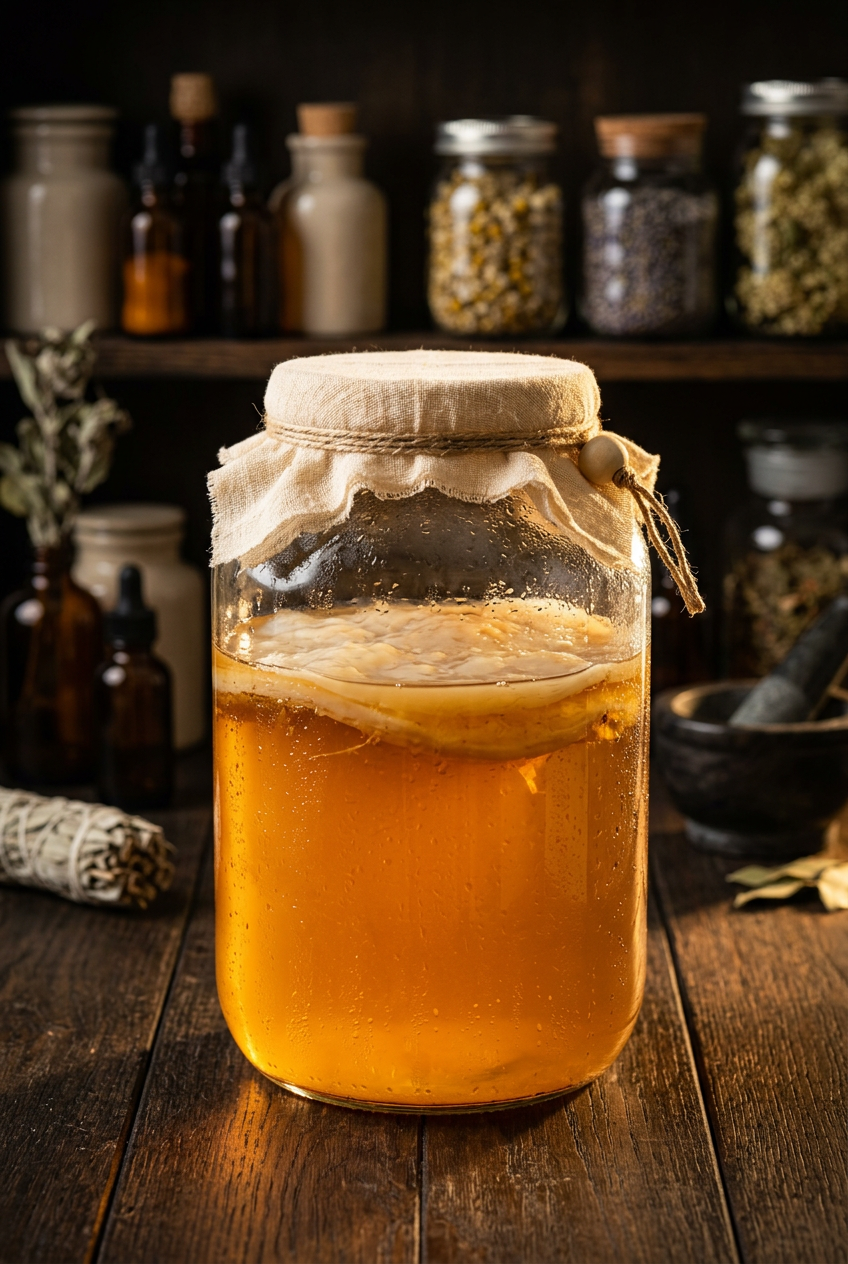
The SCOBY grows a new layer with every batch. After several brews, peel the layers apart and share with fellow brewers to spread the culture.
Second Fermentation — Botanical Flavoring (2 to 3 Days)
Second fermentation is sealed and builds carbonation while the botanicals infuse fully into every bubble.
- Add your botanical flavoring to each bottle (see guide below).
- Pour kombucha into the bottles, leaving 1–1.5 inches of headspace. Seal tightly.
- Leave at room temperature for 2–3 days. Burp once daily if using high-sugar fruit to release pressure.
- Refrigerate when carbonated to your liking. Serve cold directly from the bottle.
Botanical Tea Blends for First Fermentation
The tea you use sets the foundational character of the entire brew. Experiment with these blends:
| Tea Blend | Character |
|---|---|
| Classic organic black tea | Full-bodied, traditional, slightly tannic |
| Jasmine green tea | Delicate, floral, lighter in colour |
| Roasted oolong | Toasty, earthy, complex |
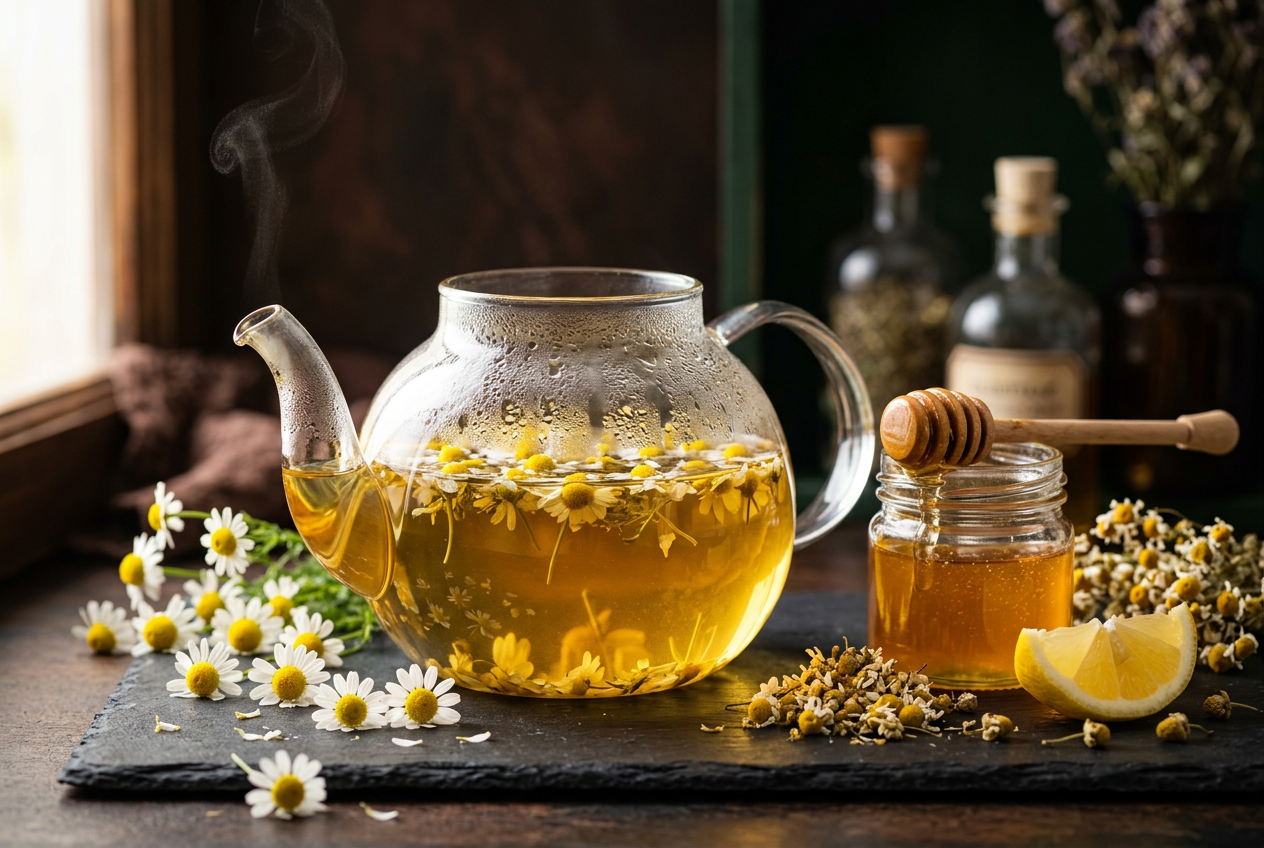
| Chamomile + black tea (50/50) | Honey-floral with a soft, rounded body |
| Earl Grey | Bergamot-forward and citrusy |
Second Fermentation Flavor Guide
| Botanical | Per quart bottle | Character |
|---|---|---|
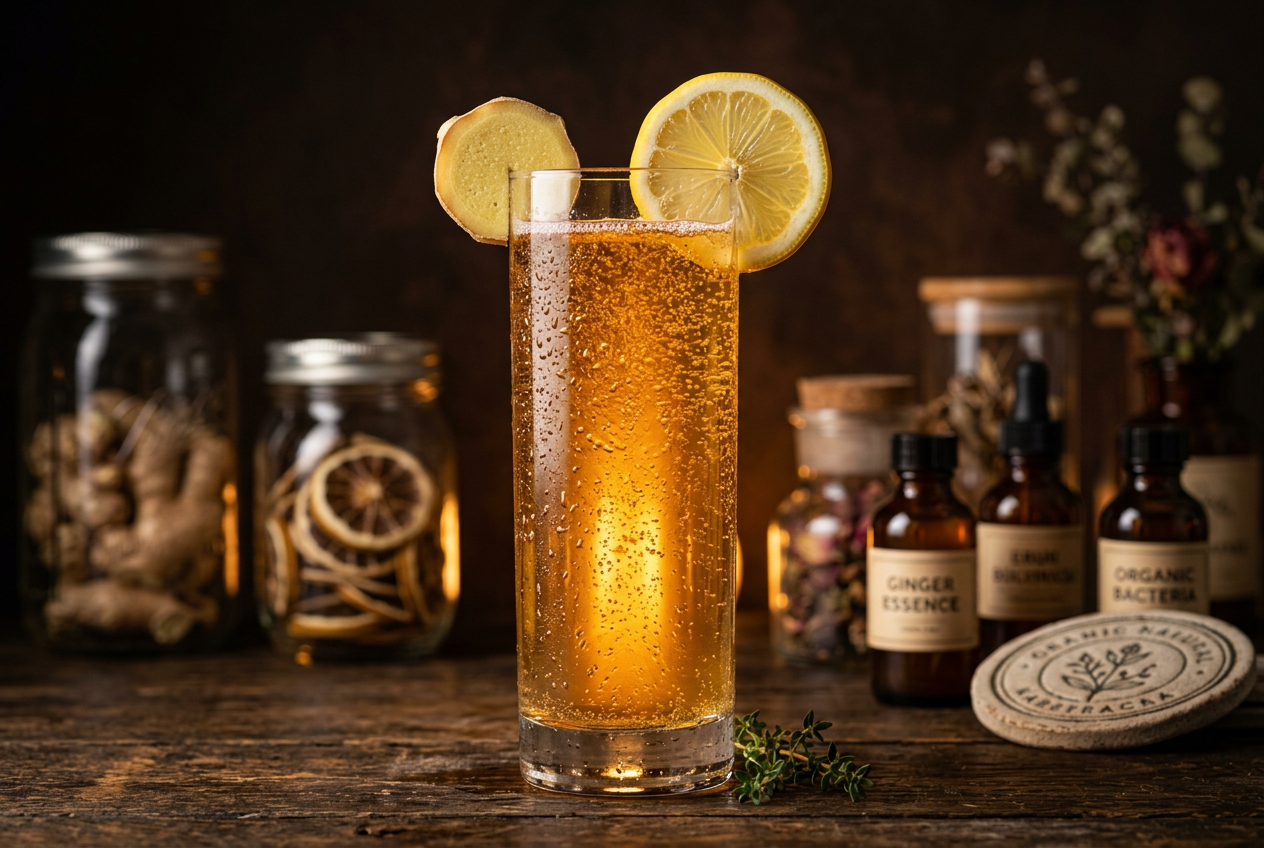
| Ginger + lemon | 1 tsp grated ginger + 1 Tbsp lemon juice | Classic, zingy, digestive |
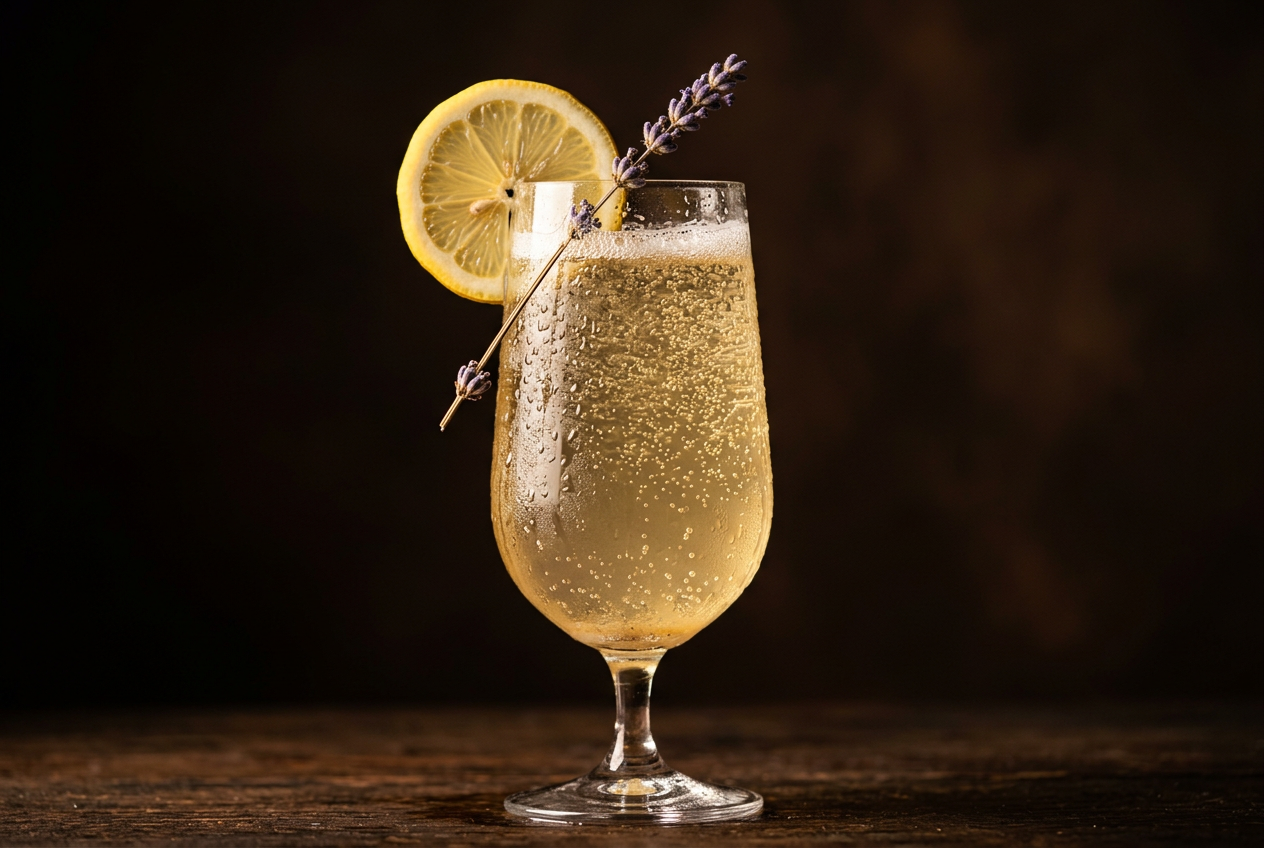
| Blueberry + lavender | 2 Tbsp blueberries + 1/4 tsp dried lavender | Floral, summer, deep blue |
| Hibiscus + orange | 1 Tbsp dried hibiscus + 1 orange slice | Ruby-red, bright, vitamin C |
| Raspberry + rose | 2 Tbsp raspberries + 1 tsp dried rose petals | Fragrant, tart, jewel-toned |
| Ginger + turmeric | 1 tsp ginger + 1/4 tsp turmeric + pinch black pepper | Anti-inflammatory tonic |
| Apple + cinnamon | 2 Tbsp apple juice + 1 cinnamon stick | Cozy, warming, autumnal |
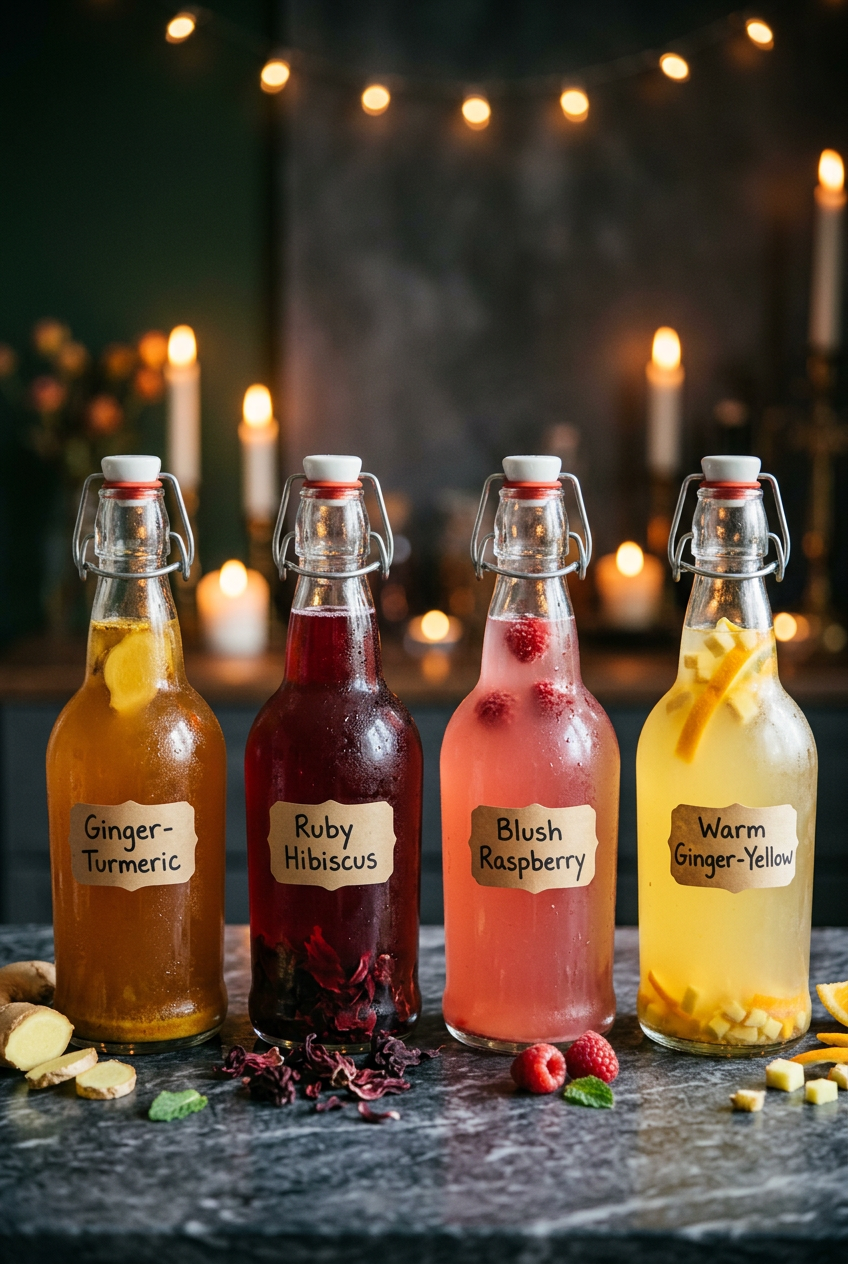
Second ferment deepens the botanical flavors and builds natural carbonation. The jewel tones develop from hibiscus, berries, and botanicals infusing into each bottle.
Troubleshooting
Too sweet — Ferment longer, up to 14 days, or move to a slightly warmer spot.
Too vinegary — Reduce fermentation time or lower the ambient temperature. Too much starter liquid also accelerates acidification.
Weak carbonation in second ferment — Add a tiny pinch of sugar (1/4 tsp per 16 oz bottle) or a splash of fruit juice to provide fermentable sugar. Ensure bottles are fully sealed and room temperature is warm enough.
Brown stringy bits in the brew — Normal. These are yeast strands that form naturally. They are harmless and indicate active fermentation.
Fuzzy mold (blue-green or black) — The one issue to take seriously. Discard the entire batch, SCOBY included, and start fresh with a new culture. True kombucha mold is rare when starter liquid acidity is maintained and equipment is kept clean.
Herbalist Notes
Kombucha’s characteristic tartness comes from acetic acid and lactic acid produced by the bacterial component of the SCOBY. This mild acidity is what makes the brew inhospitable to harmful bacteria and also supports digestive function. The yeast component contributes B vitamins and naturally produced enzymes.
The botanical additions you choose in second fermentation extend beyond flavor — ginger and turmeric support inflammation response, hibiscus contributes vitamin C and polyphenols, lavender brings linalool’s calming quality into every sip. Your finished kombucha becomes a layered, functional tonic rather than simply a fizzy drink.
If you are new to fermented foods, start with 4–6 oz per day and give your gut microbiome 1–2 weeks to adjust before increasing to larger servings.
Craft. Infuse. Transform.