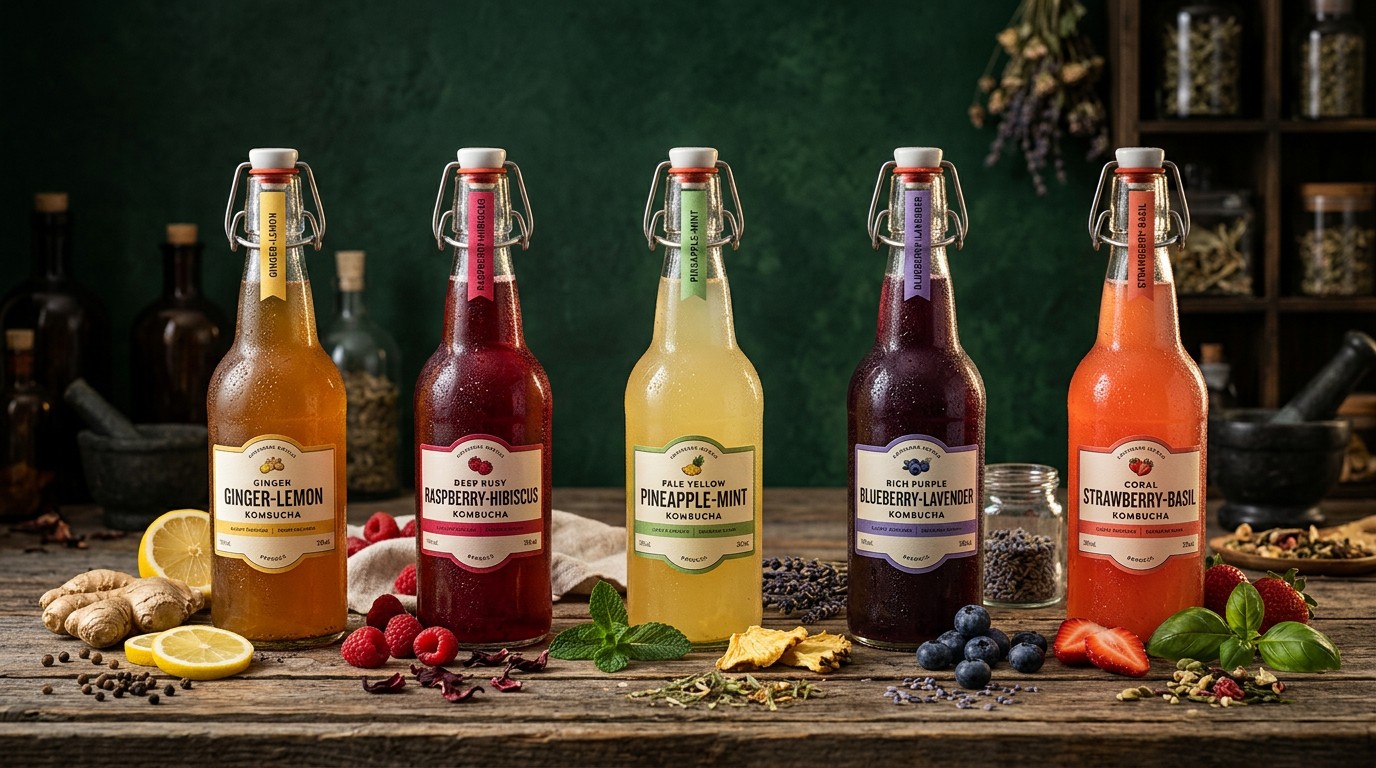
Transform plain kombucha with fruit, herbs, and spices. Get 8 tested flavoring recipes for second fermentation that deliver fizz and flavor.
Why You Will Love This
Second fermentation is where kombucha transforms from pleasant to extraordinary. You add fruit, herbs, or spices to plain kombucha, let it ferment for a few more days, and emerge with a fizzy, complex drink that tastes nothing like vinegar. The flavors bloom. The carbonation builds. You get a probiotic-rich beverage that rivals anything in the health food aisle.
The Story Behind It
I started flavoring kombucha after my fifth batch of plain brew sat untouched in the fridge. It was perfectly good, just boring. A handful of frozen raspberries changed everything. The second fermentation unlocked layers I had not tasted before: tart fruit balanced by earthy tea, natural sweetness without added sugar, bubbles that made each sip feel celebratory. Now I keep a rotation of flavored bottles going, each one a small experiment in what works together.
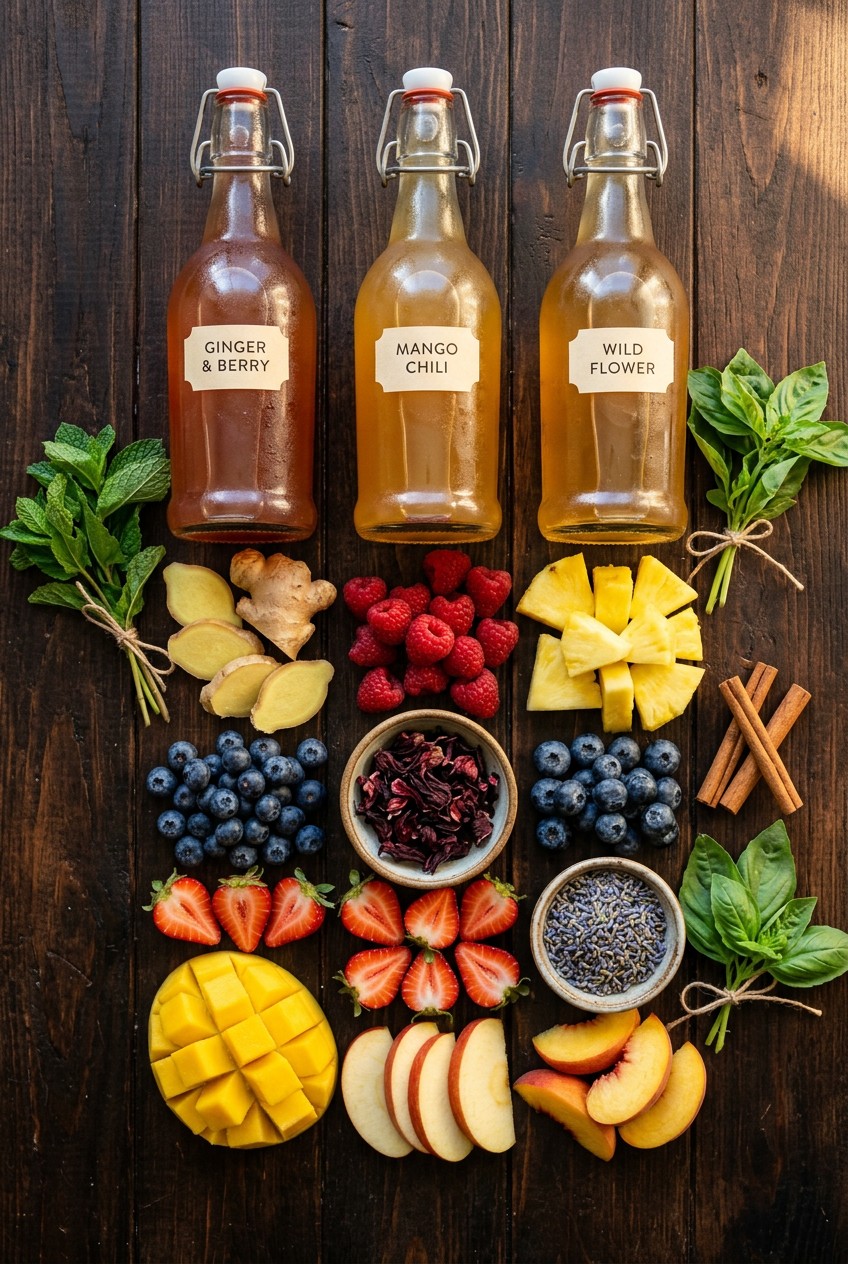
What You Will Need
Base Ingredients
- 1 gallon plain kombucha (finished first fermentation)
- Swing-top bottles or flip-top bottles with tight seals
Flavor Combinations (choose one or try several)
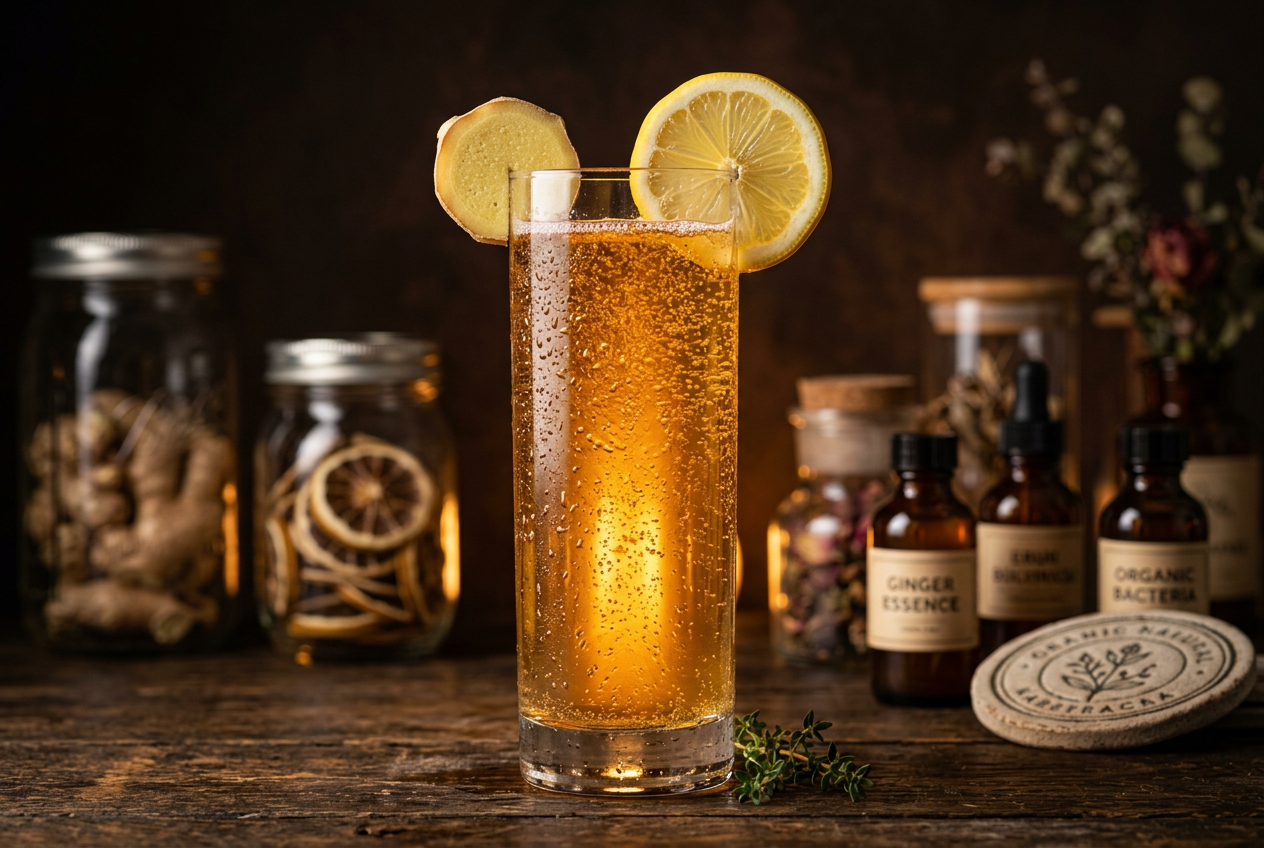
Ginger Lemon Zing
- 2 tablespoons fresh grated ginger
- Juice of 1 lemon
- 1 teaspoon honey (optional, for extra carbonation)
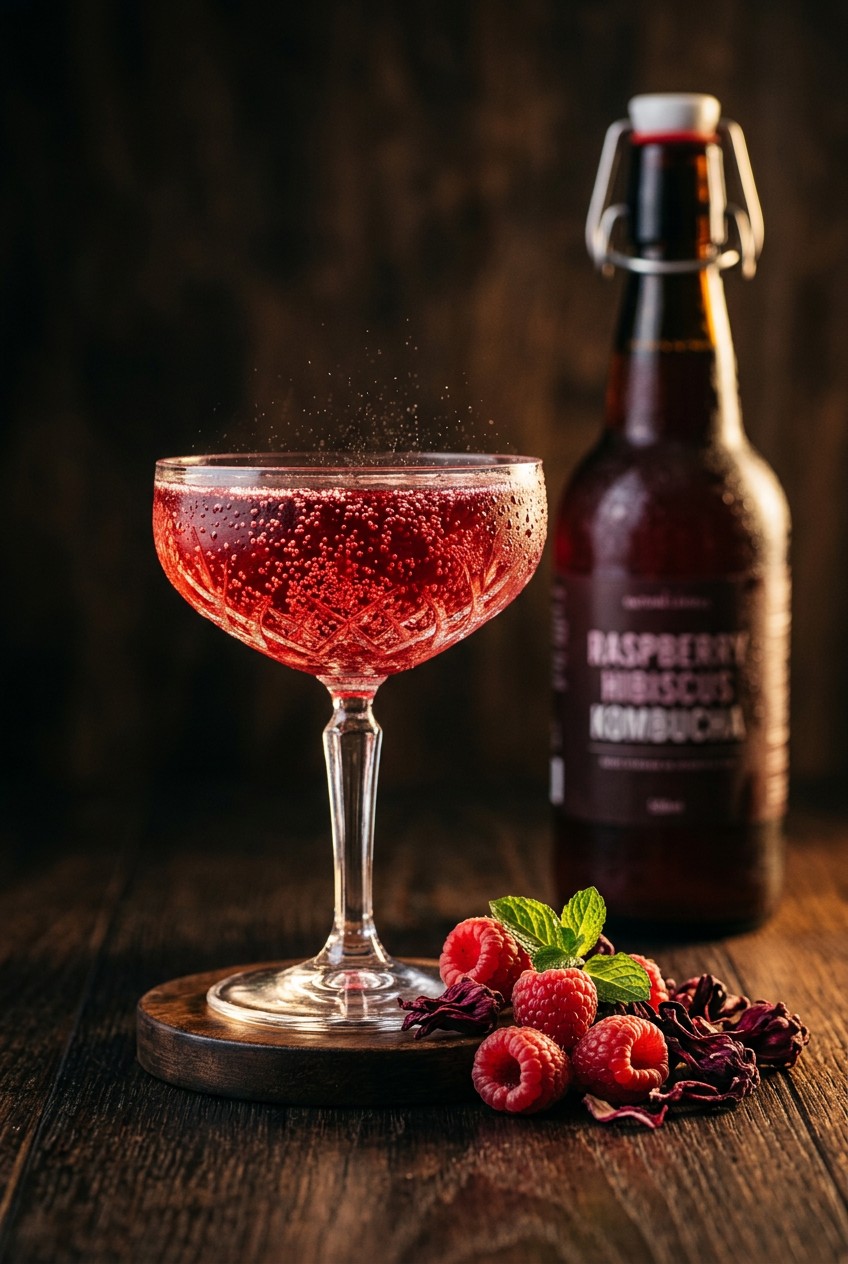
Raspberry Hibiscus
- 1 cup fresh or frozen raspberries
- 2 tablespoons dried hibiscus flowers
Pineapple Mint
- 1 cup fresh pineapple chunks
- 6-8 fresh mint leaves
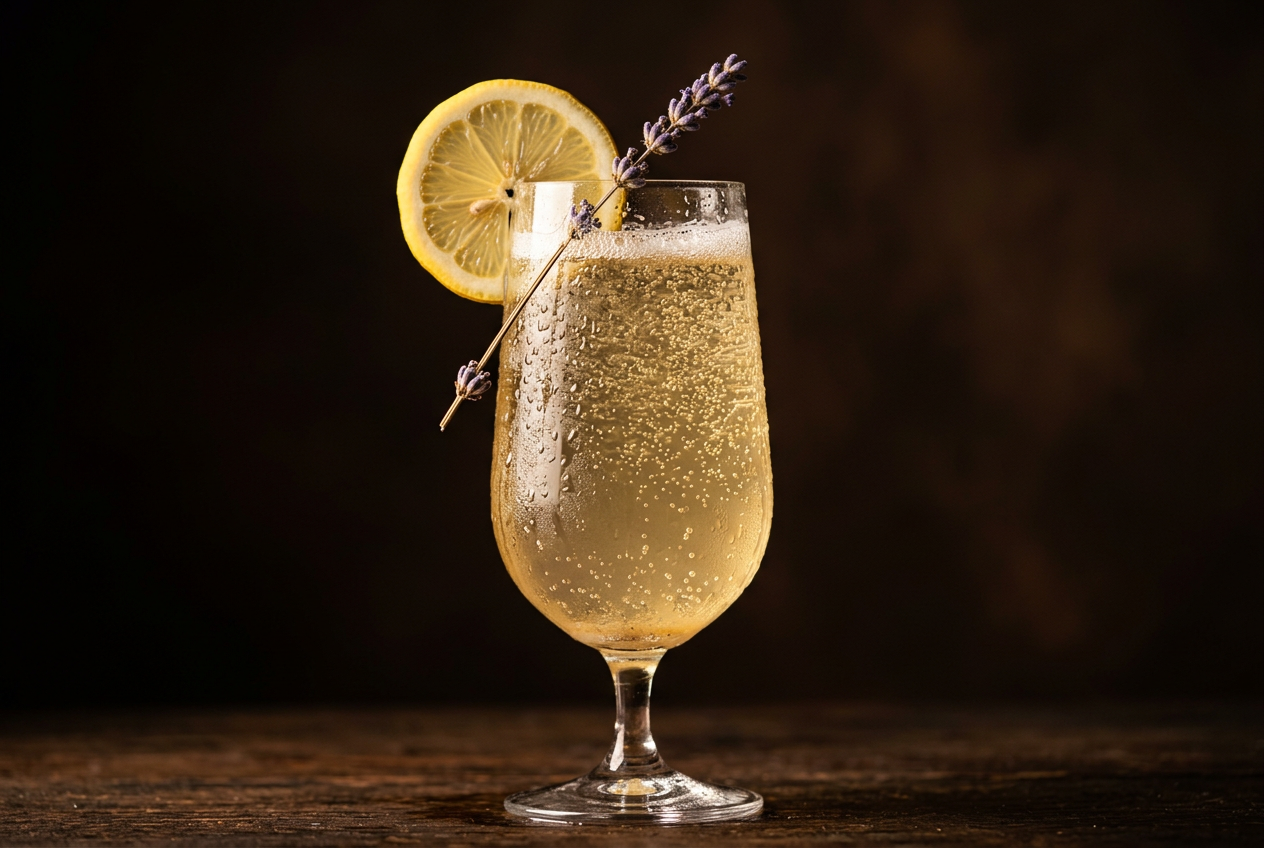
Blueberry Lavender
- 1 cup fresh or frozen blueberries
- 1 teaspoon dried culinary lavender
Strawberry Basil
- 1 cup sliced strawberries
- 4-5 fresh basil leaves
Mango Turmeric
- 1 cup fresh mango chunks
- 1 teaspoon fresh grated turmeric
- Pinch of black pepper (helps turmeric absorption)
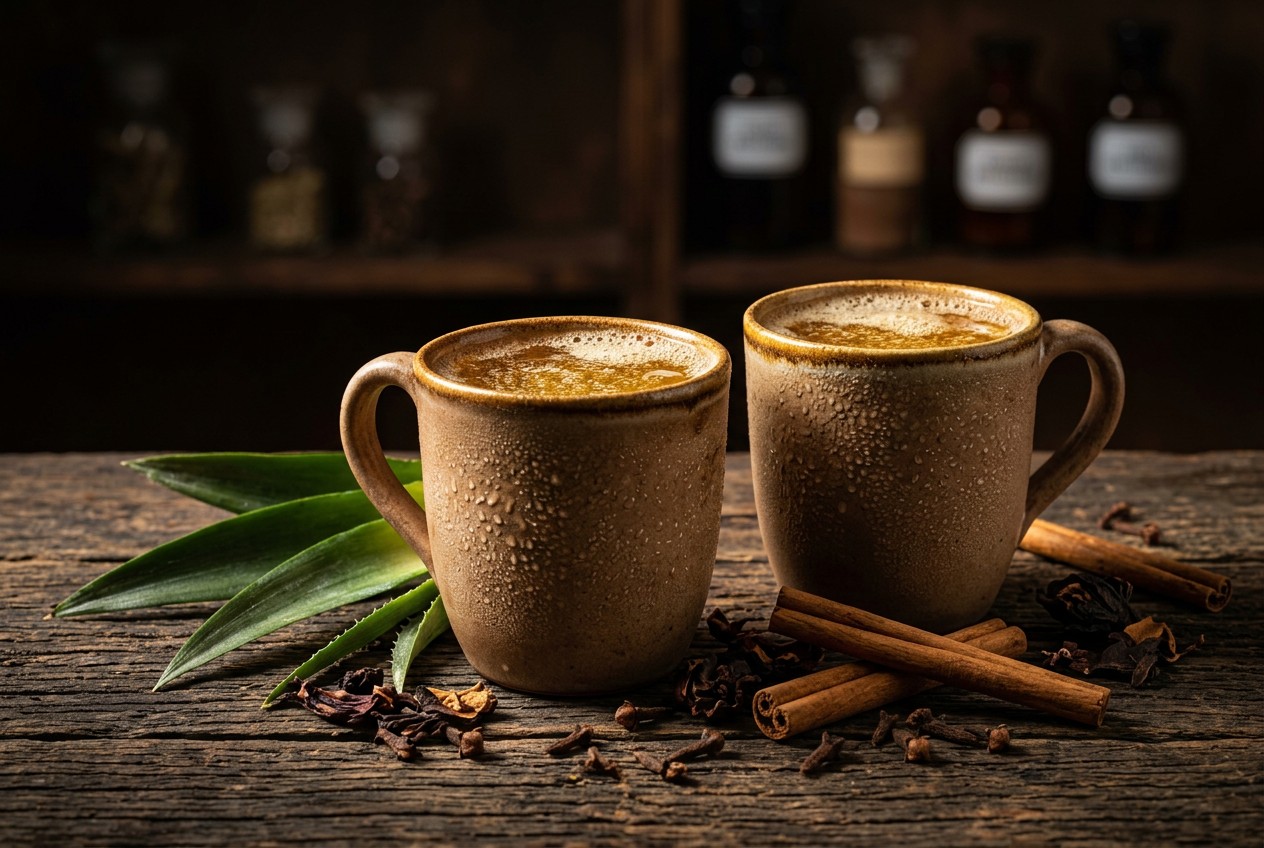
Apple Cinnamon
- 1 cup chopped apple
- 1 cinnamon stick
- 2-3 whole cloves
Peach Ginger
- 1 cup fresh or frozen peach slices
- 1 tablespoon fresh grated ginger
How to Make It
Prepare your bottles. Clean swing-top bottles thoroughly. You want a tight seal for carbonation to build properly.
Add flavorings directly to bottles. Divide your chosen fruit, herbs, and spices among 4-5 16-ounce bottles. For most combinations, use about 1/4 cup fruit per bottle, plus herbs or spices to taste.
Pour kombucha over flavorings. Leave about 1 inch of headspace at the top. The kombucha needs room to carbonate without exploding the bottle.
Seal and ferment at room temperature. Place bottles in a dark spot (or cover with a towel) for 2-4 days. Warmer rooms ferment faster. Cooler rooms take longer. You are looking for fizz and flavor development, not just one or the other.
Burp daily to check carbonation. Open each bottle once a day to release excess pressure. You will hear a hiss when carbonation is building. Taste a small sip. When it reaches your preferred level of fizz and flavor intensity, move on to the next step.
Strain and refrigerate. Pour kombucha through a fine-mesh strainer into a pitcher or back into clean bottles. Refrigeration stops fermentation and locks in carbonation. The flavored kombucha will keep for 2-3 weeks, though it rarely lasts that long.
Herbalist Notes
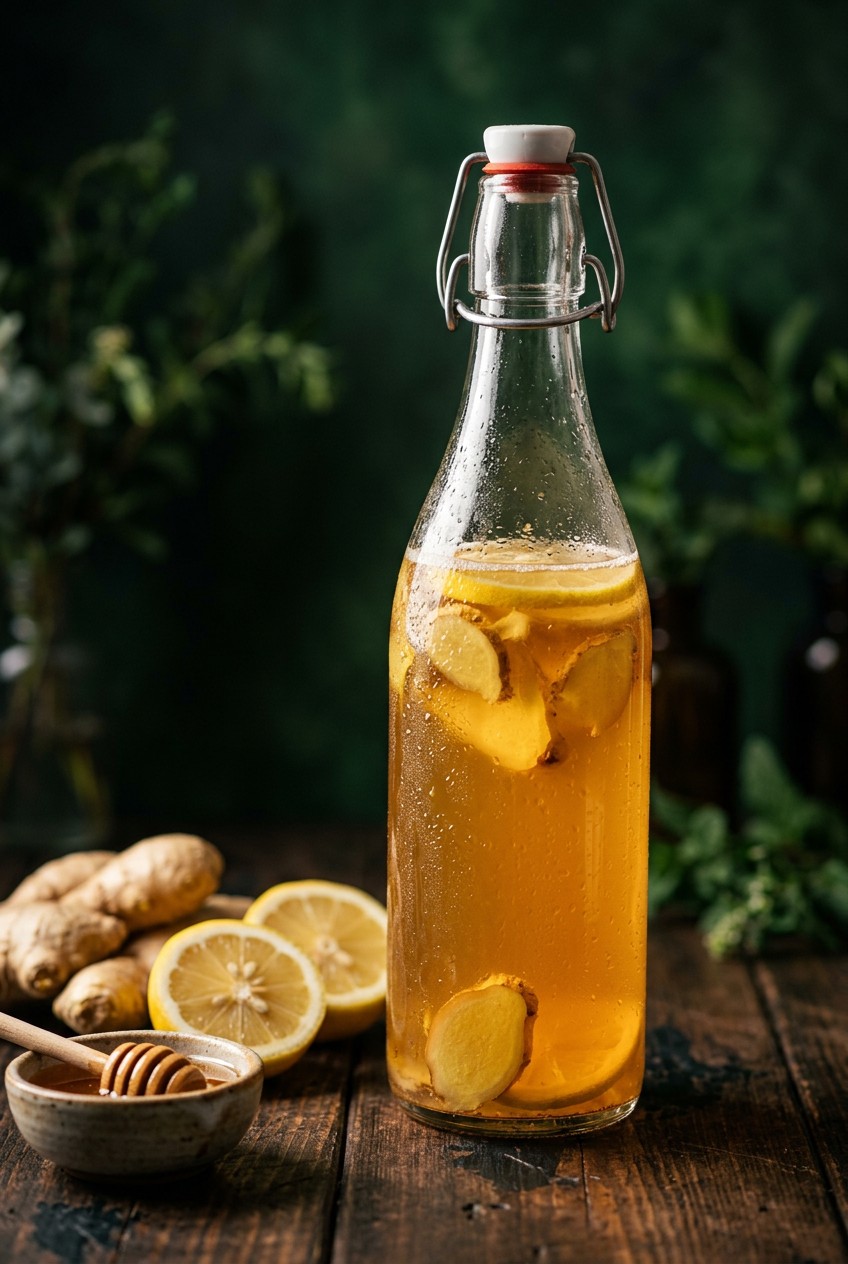
On ginger: Fresh ginger root is the workhorse of kombucha flavoring. It adds heat, aids digestion, and creates aggressive carbonation thanks to its natural sugars. A ginger kombucha recipe always ferments faster than fruit-only versions. Start with 1 tablespoon per 16 ounces and adjust to taste.
On fruit choices: The best fruits to flavor kombucha are those with natural sweetness and acidity. Berries, stone fruits, and tropical fruits work beautifully because they provide sugars for the yeast to consume (which creates carbonation) and bright flavors that stand up to kombucha’s tang. Avoid citrus peels in large quantities, as they can turn bitter during fermentation.
On timing: How long should you second ferment kombucha for flavor? Most combinations reach peak flavor and carbonation between 2-4 days at room temperature (68-78°F). Warmer environments speed this up. Colder rooms slow it down. Taste daily. When the fruit flavor is pronounced and the fizz makes you smile, it is ready.
On herbs: Fresh herbs like mint, basil, and rosemary add complexity without sweetness. Dried herbs like hibiscus and lavender are more concentrated. Use them sparingly. A little goes a long way, and over-herbing can make your kombucha taste medicinal rather than refreshing.
Make It Your Own
How do you add flavor to homemade kombucha? The method stays the same regardless of ingredients: add flavorings to bottles, pour kombucha over them, seal, ferment, strain, chill. The fun is in mixing and matching. Try ginger with any fruit for extra carbonation. Combine herbs with complementary fruits (basil with strawberry, mint with watermelon, rosemary with grapefruit). Use spices like cardamom, star anise, or fresh turmeric for warming, earthy notes.
For a less fizzy result, reduce fermentation time to 1-2 days or refrigerate sooner. For maximum bubbles, add 1/2 teaspoon of honey or a small piece of fresh fruit to each bottle along with your main flavorings. The extra sugar feeds the yeast and creates serious carbonation. Just burp daily to avoid bottle bombs.
If you prefer clear kombucha without fruit bits, steep your flavorings in a small amount of hot water first (like making tea), let cool, then add the infused liquid to bottles before pouring in kombucha. You lose some visual appeal but gain a cleaner pour.