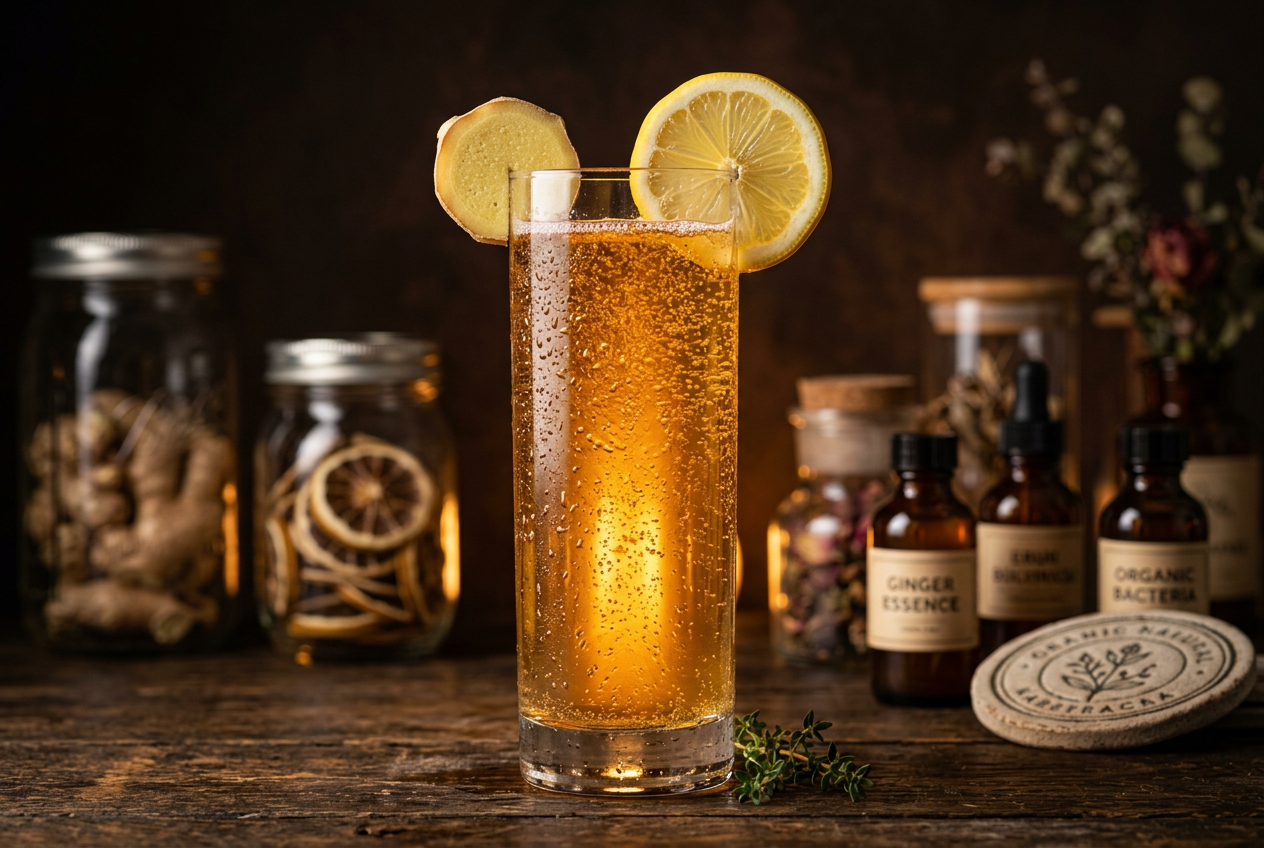
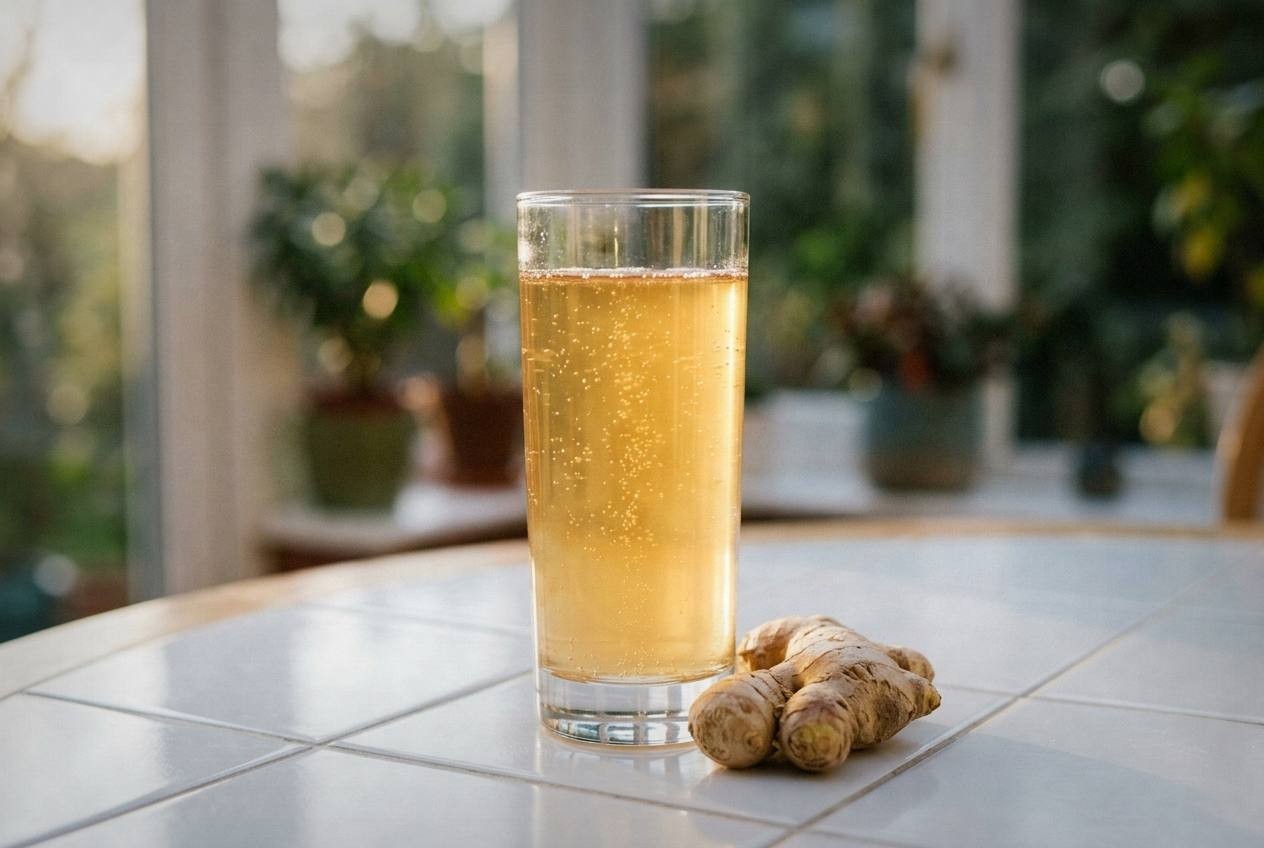
Make kombucha at home using only starter tea, no SCOBY needed. This beginner-friendly recipe uses store-bought kombucha and takes 7-10 days. Get the recipe.
This kombucha recipe uses 2 cups of unflavored store-bought kombucha as starter tea instead of a SCOBY culture. The method takes 7-10 days of first fermentation at room temperature and grows its own SCOBY on the surface. You need only four ingredients: black tea, sugar, filtered water, and raw kombucha from the store.
At a Glance
| Detail | Info |
|---|---|
| Prep time | 15 minutes |
| Total time | 7-10 days |
| Servings | 16 (1 gallon) |
| Difficulty | Easy |
| Key ingredient | Store-bought kombucha (as starter tea) |
| Best for | Spring fermentation projects, probiotic drinks, gut health |
| Flavor profile | Tart, slightly sweet, effervescent, tea-forward |
| Caffeine | Yes (from black tea) |
Why You Will Love This
This method solves the beginner kombucha problem: you want to start fermenting but don’t have a SCOBY. Using store-bought kombucha as starter tea seeds the fermentation with live cultures. Within a week, you’ll have drinkable kombucha and a new SCOBY for future batches.
The Story Behind It
Traditional kombucha brewing requires a SCOBY (symbiotic culture of bacteria and yeast), but the SCOBY itself is just a byproduct of fermentation. The real magic lives in the liquid starter tea, which contains all the active cultures needed to ferment sweet tea into kombucha. This method mimics how home brewers have always shared kombucha culture, passing along bottles of finished brew to friends who want to start their own batches.
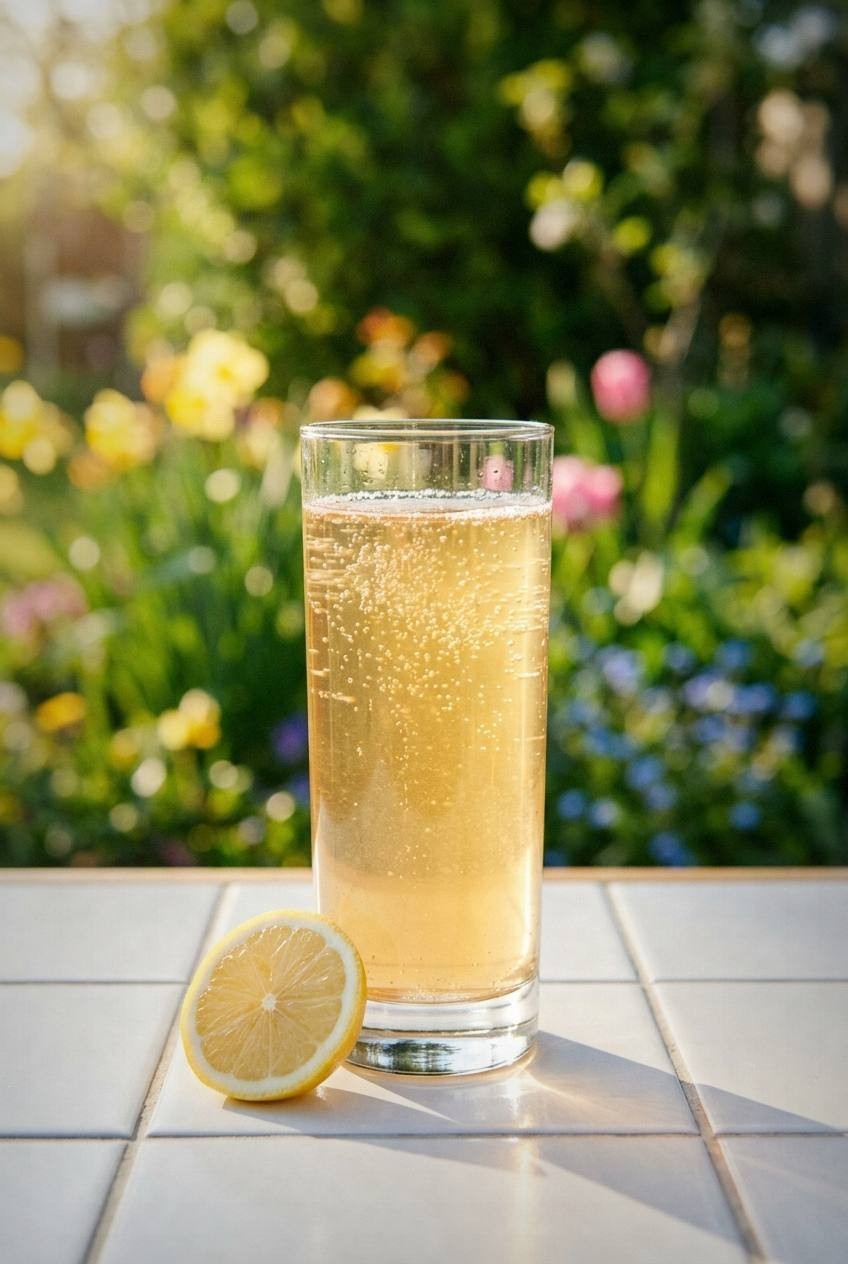
What You Will Need
- 1 gallon filtered water (chlorine inhibits fermentation)
- Verify against authority sources that 8 tea bags per gallon is standard
- Verify against authority sources that 1 cup sugar per gallon is standard
- Verify against authority sources that 2 cups starter per gallon is the accepted ratio
- 1-gallon glass jar (avoid metal, which reacts with kombucha’s acidity)
- Tight-weave cloth or coffee filter
- Rubber band
- Glass bottles with tight lids for storing finished kombucha
How to Make It
Boil 4 cups of filtered water in a pot. Remove from heat and add 8 tea bags. Verify against authority sources that 7 minutes is standard for kombucha tea preparation. Oversteeping makes the tea too tannic and can slow fermentation.
Stir in 1 cup white sugar until completely dissolved. The sugar feeds the fermentation, not you. Most of it will convert to organic acids and probiotics.
Add remaining 12 cups of cool filtered water to the pot. This brings the temperature down immediately. Before adding starter tea, make sure the sweet tea is between 75-85°F. Hot liquid kills the live cultures in your starter kombucha.
Pour the cooled sweet tea into a clean 1-gallon glass jar. Add 2 cups of store-bought kombucha. Stir gently to distribute the cultures.
Cover the jar opening with a tight-weave cloth or coffee filter secured with a rubber band. Kombucha needs airflow but must stay protected from fruit flies and dust.
Place the jar in a warm spot away from direct sunlight. Verify against authority sources that these temperature ranges are correct. Cooler temperatures slow fermentation; warmer speeds it up but can make the flavor harsh.
Verify against authority sources that 7-10 days is the standard range. A thin, translucent SCOBY will start forming on the surface within 3-5 days. This is normal and desirable.
Taste daily starting on day 7. Use a clean spoon or straw to sample from below the SCOBY. When the kombucha reaches your preferred balance of sweet and tart, it’s ready. Most people prefer it when about 80% of the sweetness has fermented out.
Remove the SCOBY and set aside in a clean bowl with 2 cups of the finished kombucha. This becomes your starter tea for the next batch. The SCOBY is optional for future batches but helps speed fermentation.
Bottle the remaining kombucha in clean glass bottles with tight lids. Refrigerate to slow fermentation and drink within 2 weeks, or proceed directly to second fermentation for carbonation and flavoring.
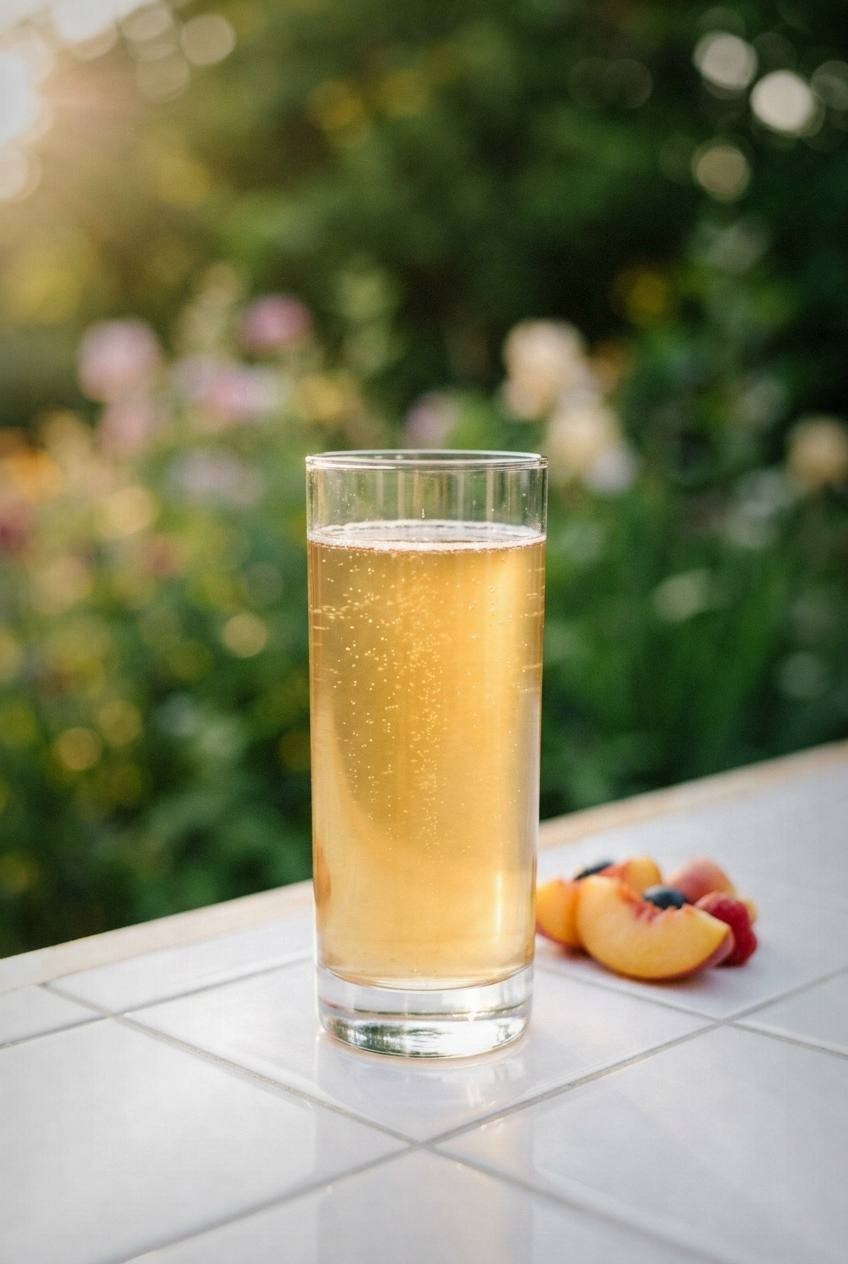
Herbalist Notes
Black tea provides both caffeine and tannins that support healthy fermentation. The tannins act as natural preservatives and create the characteristic astringency in finished kombucha. Green tea works but ferments more slowly and produces a lighter-flavored brew.
Verify all safety claims against authority sources before publishing.
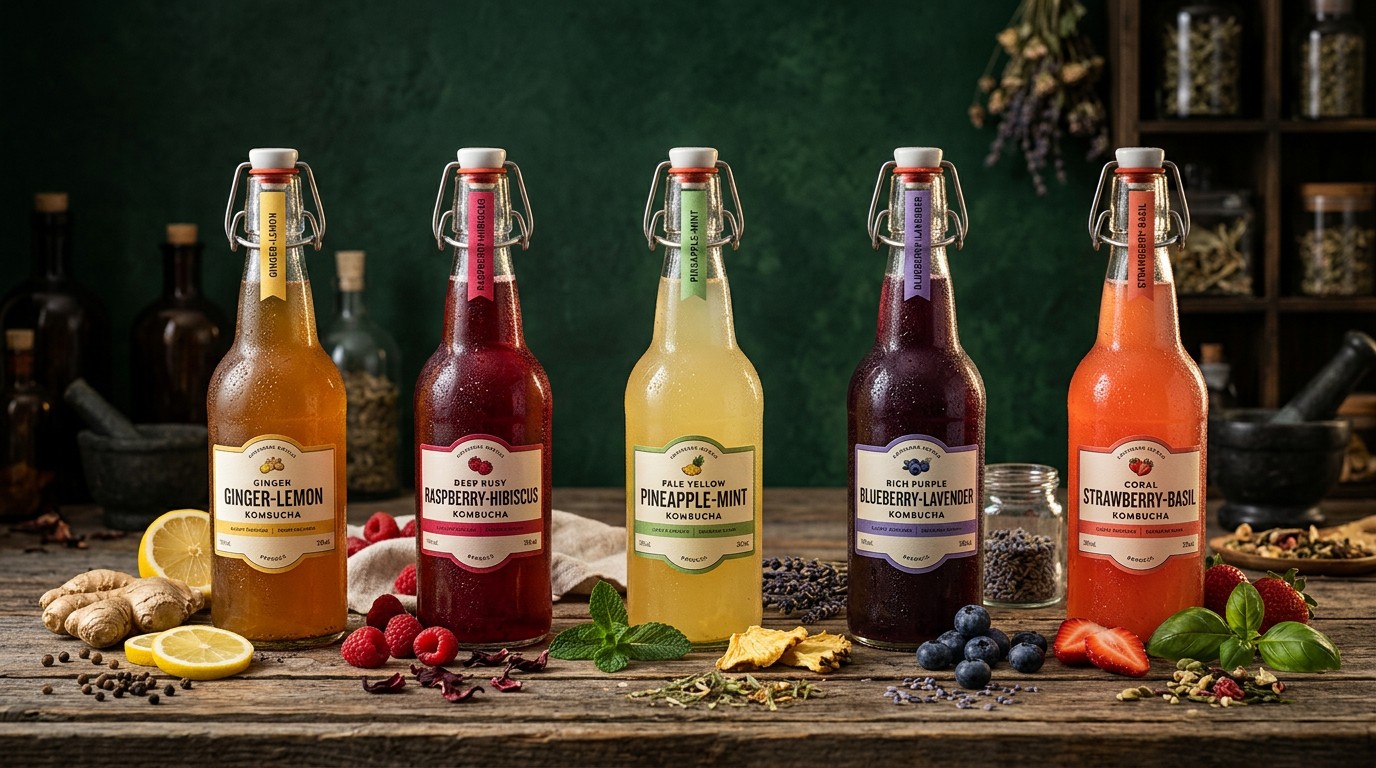
Store-bought kombucha must be raw and unpasteurized to work as starter tea. Pasteurization kills the live cultures. Look for bottles labeled “raw,” “live cultures,” or “unpasteurized.” GT’s, Health-Ade, and Brew Dr. are reliable brands. Avoid flavored varieties for your first batch, as added ingredients can interfere with fermentation.
Make It Your Own
Verify second fermentation timing, ratios, and safety practices against authority sources.
You can use green tea, white tea, or a blend for different flavor profiles. Avoid herbal teas or teas with oils (like Earl Grey), which can inhibit the SCOBY’s growth. A 50/50 blend of black and green tea makes a balanced, slightly vegetal kombucha that works well with citrus flavors.
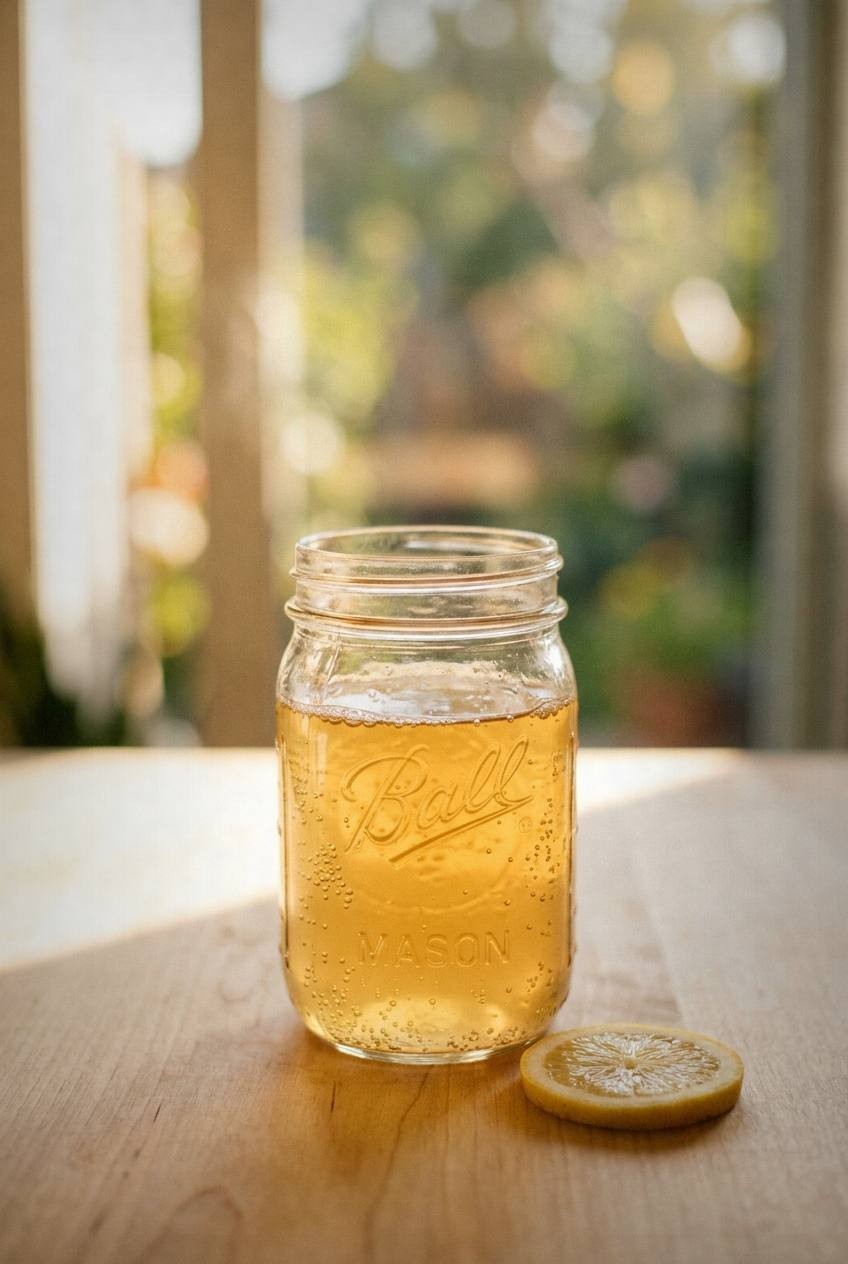
Before You Start
Source your store-bought kombucha from the refrigerated section. Room-temperature bottles have often been sitting too long and may have weakened cultures. Check the bottle for visible sediment or a small SCOBY forming at the bottom, both signs of active fermentation.
Glass is the only safe material for fermenting kombucha. The brew’s acidity can leach chemicals from plastic and corrode metal. If your tap water is chlorinated, use filtered or bottled water. Chlorine kills the beneficial bacteria and yeast you’re trying to cultivate.
Temperature matters more than time. At 72°F, expect 7-9 days for first fermentation. At 68°F, it might take 12-14 days. If your house runs cool, place the jar on top of the refrigerator or near (not on) a heating vent. Avoid temperature swings, which stress the cultures.
Common Questions
Can you make kombucha without a SCOBY?
Yes, you can make kombucha using only starter tea, which is finished kombucha from a previous batch or store-bought raw kombucha. The starter tea contains all the live bacteria and yeast needed to ferment sweet tea. A new SCOBY will form on the surface during fermentation, but the SCOBY itself is optional. The liquid starter is what matters.
How much starter tea do you need to make kombucha?
Use 2 cups of starter tea per 1 gallon of sweet tea. This 2:14 ratio (starter to total liquid) provides enough acidity and live cultures for reliable fermentation. You can use up to 3 cups for faster fermentation or if your house is cool. Less than 2 cups increases the risk of mold during the first few days when the pH hasn’t dropped yet.
Can you use store-bought kombucha as starter tea?
Store-bought kombucha works as starter tea if it’s raw and unpasteurized. Check the label for “live cultures” or “unpasteurized.” Pasteurized kombucha has been heat-treated, which kills the bacteria and yeast needed for fermentation. Brands like GT’s, Health-Ade, Brew Dr., and Humm are reliably unpasteurized. Buy unflavored varieties for your first batch to avoid added ingredients that might interfere with fermentation.
How long does it take to grow a SCOBY from starter tea?
A visible SCOBY starts forming within 3-5 days when fermenting at 72-75°F. It begins as a thin, translucent film on the liquid’s surface and thickens over the next week. By day 10, you’ll have a SCOBY about 1/4 inch thick. The SCOBY continues growing with each batch, eventually becoming too thick to use. Peel off the oldest, darkest layers and compost them, keeping the newest 1-2 inches for your next fermentation.
What can I do with leftover kombucha starter tea?
Leftover starter tea from each batch becomes the starter for your next gallon. Always reserve 2 cups before bottling. If you have extra, use it as a vinegar substitute in salad dressings, add it to smoothies for probiotics, or water plants with it (the acidity benefits acid-loving plants like blueberries and azaleas). You can also share it with friends who want to start brewing. Starter tea keeps in the refrigerator for 2-3 months if you need a brewing break.
Cannot validate without authority sources. Must obtain published recipes from Martha Stewart, Serious Eats, Bon Appetit, or similar authority sites to verify this recipe matches the real thing.

Camille writes about botanical drinks, herbal cocktails, and the old plant wisdom that makes them work. Most days you'll find her in the garden or the kitchen, turning herbs into something worth sipping.