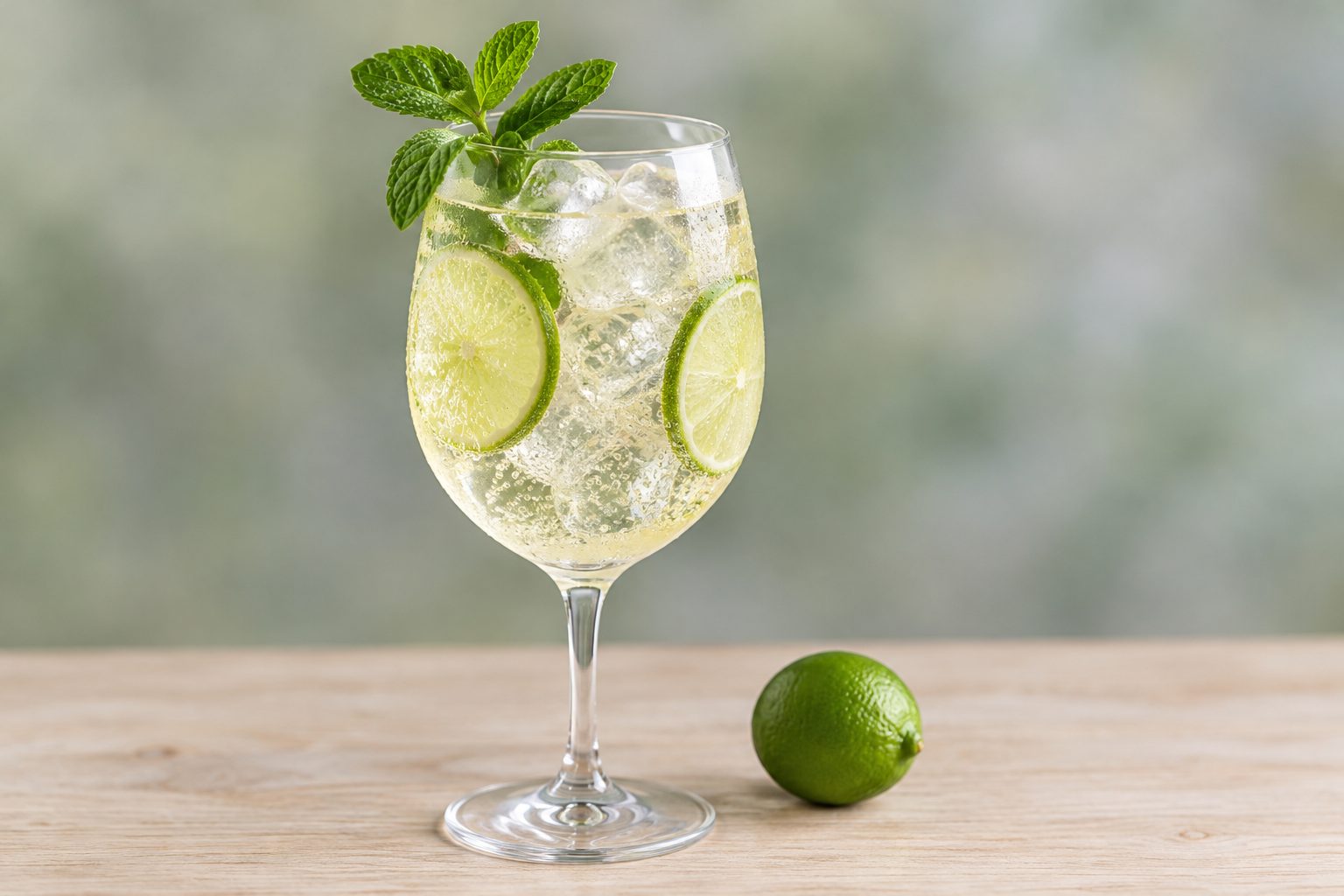
The Hugo spritz is the lighter, more floral cousin of the Aperol spritz, and it’s exactly what you want when you’re hosting a crowd that’s tired of the same old champagne toast. It’s built on prosecco, elderflower liqueur, and soda water, with fresh mint and citrus that make it feel celebratory without the cloying sweetness of most party punches . The drink takes two minutes to build in the glass and scales beautifully to a pitcher, so you can prep the base ahead and top each glass with bubbles as guests arrive.
Hugo Spritz vs Aperol Spritz
The Hugo spritz originated in northern Italy’s South Tyrol region in the early 2000s as a lighter alternative to the Aperol spritz. Where Aperol brings bitter orange and a deep red color, elderflower liqueur is pale, floral, and gently sweet, with a honeyed finish that doesn’t coat your mouth. The mint and lime keep it bright, and the higher proportion of soda water to prosecco means you can drink two without feeling heavy.
The ratio matters more here than in most spritzes because elderflower liqueur is sweeter than Aperol. Too much St-Germain and the drink tastes like perfume; too little and you lose the floral note that defines it. The classic build uses 2 ounces elderflower liqueur to 3 ounces prosecco, then tops the glass with soda. That balance gives you the elderflower without turning the drink into a syrup delivery system.
The mint is not muddled. You slap the leaves between your palms to release the oils, then drop them into the glass whole. Muddling bruises the mint and pulls out bitter chlorophyll; slapping gives you the aroma without the vegetal bitterness. The leaves float on top and perfume every sip, but they don’t break down into the drink.
Elderflower Liqueur, Prosecco and the Rest
St-Germain is the standard elderflower liqueur for a reason: it’s widely available, consistently floral without being soapy, and sweet enough to carry the drink without needing simple syrup. Other elderflower liqueurs exist, but St-Germain is the one every recipe calls for by name, and it’s the benchmark flavor. A 750 ml bottle makes about 12 drinks at the 2-ounce pour.
For prosecco, buy a dry bottle labeled “brut” or “extra dry,” not the sweet “demi-sec” style. You want the bubbles and the acidity, not more sugar. An inexpensive bottle works fine here; the elderflower and soda dilute the wine enough that you don’t need to spend on a complex prosecco. Chill the bottle fully before you start building drinks, because adding ice to a warm spritz melts it too fast and flattens the bubbles.
Use plain soda water or seltzer, not tonic or flavored sparkling water . Tonic adds quinine bitterness that fights the elderflower, and flavored seltzers bring their own sweetness or fruit notes that muddy the drink. Club soda and seltzer are interchangeable here; both are just carbonated water with no added flavor.
Ingredients
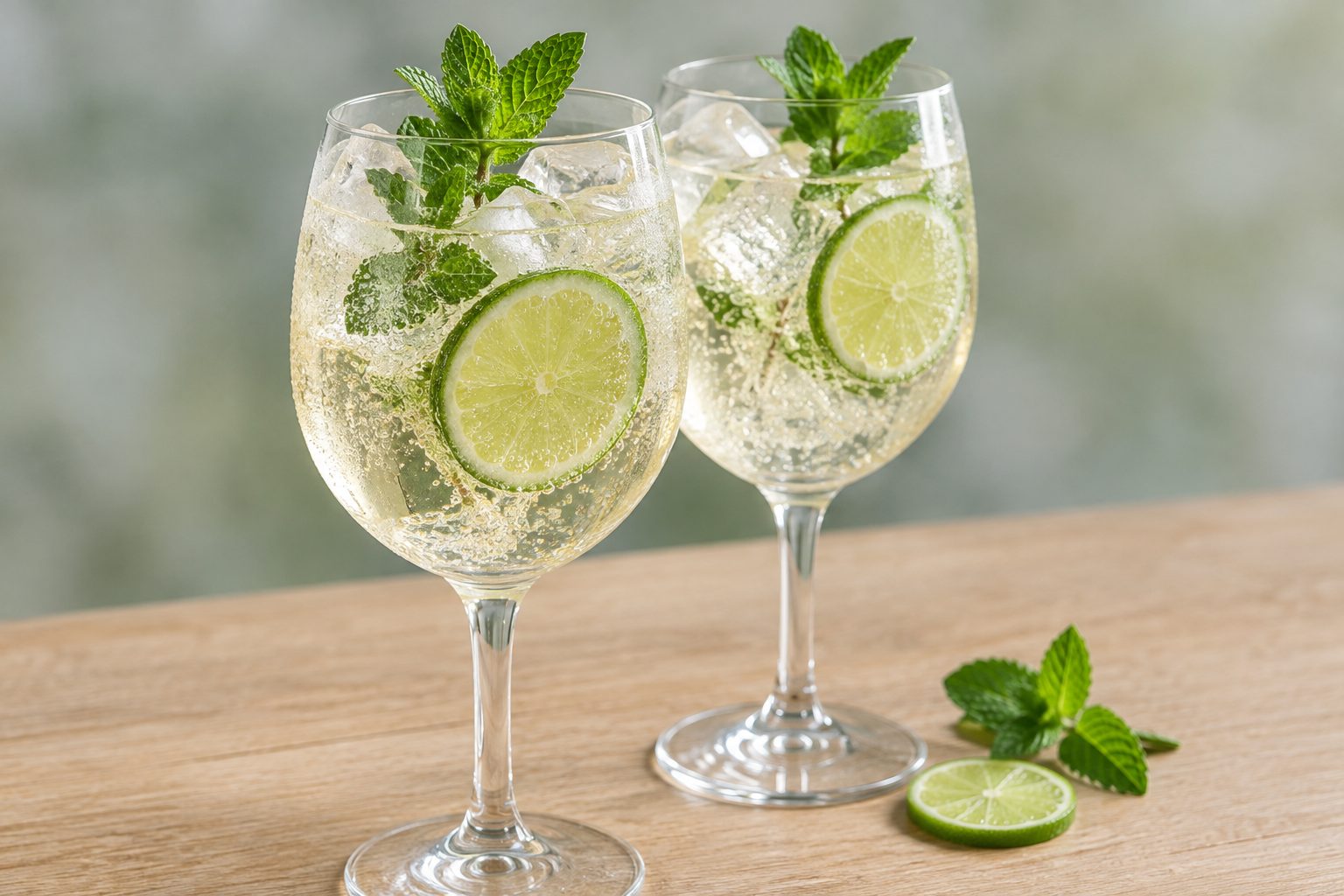
- Ice
- 3 ounces chilled Prosecco
- 2 ounces elderflower liqueur
- Soda water, to finish
- Mint sprigs and lime slices, for garnish
Instructions
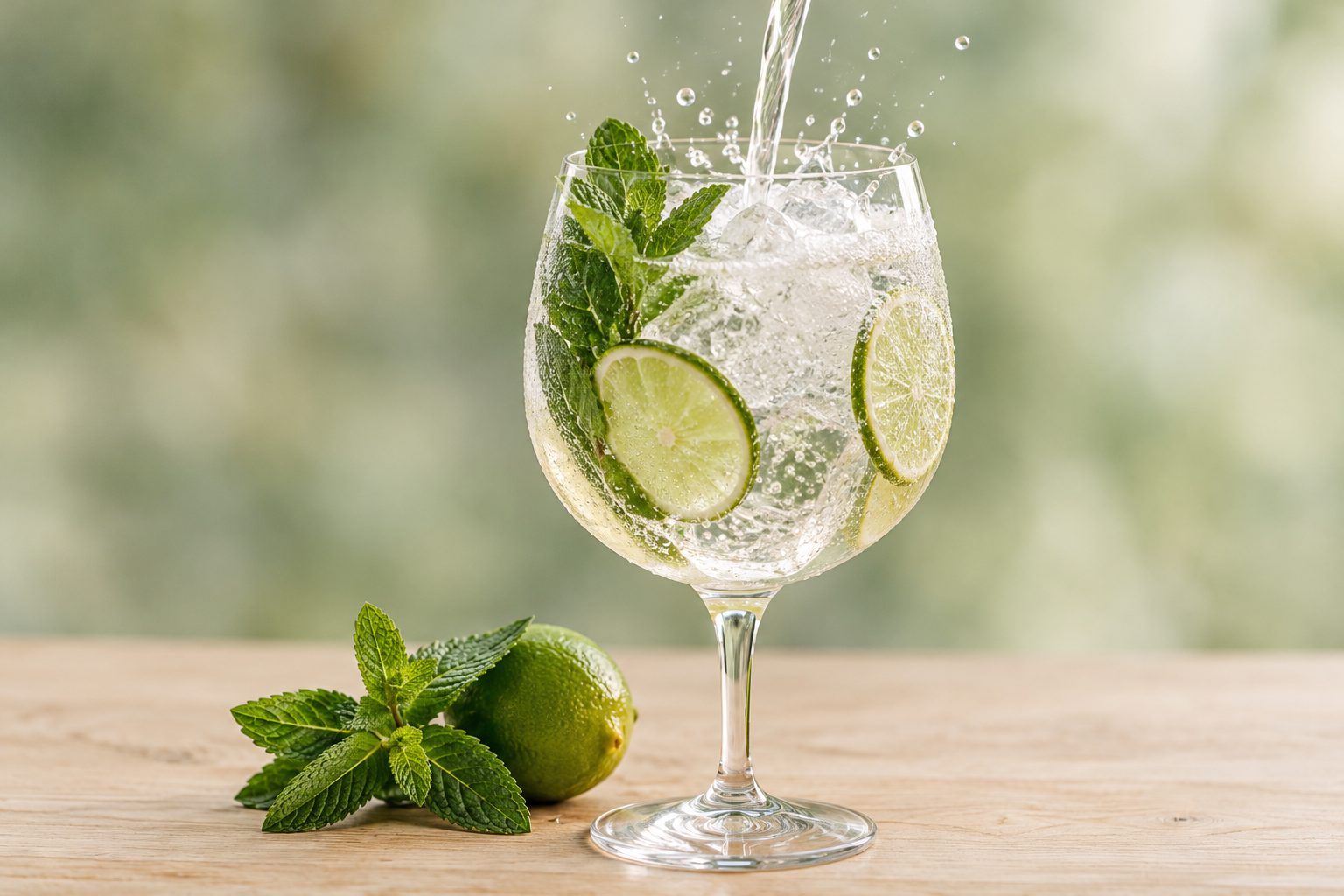
- Fill a large wine glass or spritz glass with ice. Pour in the Prosecco and elderflower liqueur. Top up with soda and tuck in a few sprigs of mint and a slice or two of lime.
How to Scale It for a Pitcher
Multiply the prosecco and elderflower liqueur by the number of drinks you need, combine them in a pitcher, and chill the mixture for up to two hours before guests arrive. Do not add the soda water to the pitcher; carbonation dies in a large batch, and you’ll end up with flat, sweet wine instead of a spritz. Keep the pitcher and a bottle of chilled soda water next to the glasses, then build each drink to order: ice in the glass, 5 ounces of the prosecco-elderflower base, top with soda, garnish with mint and lime.
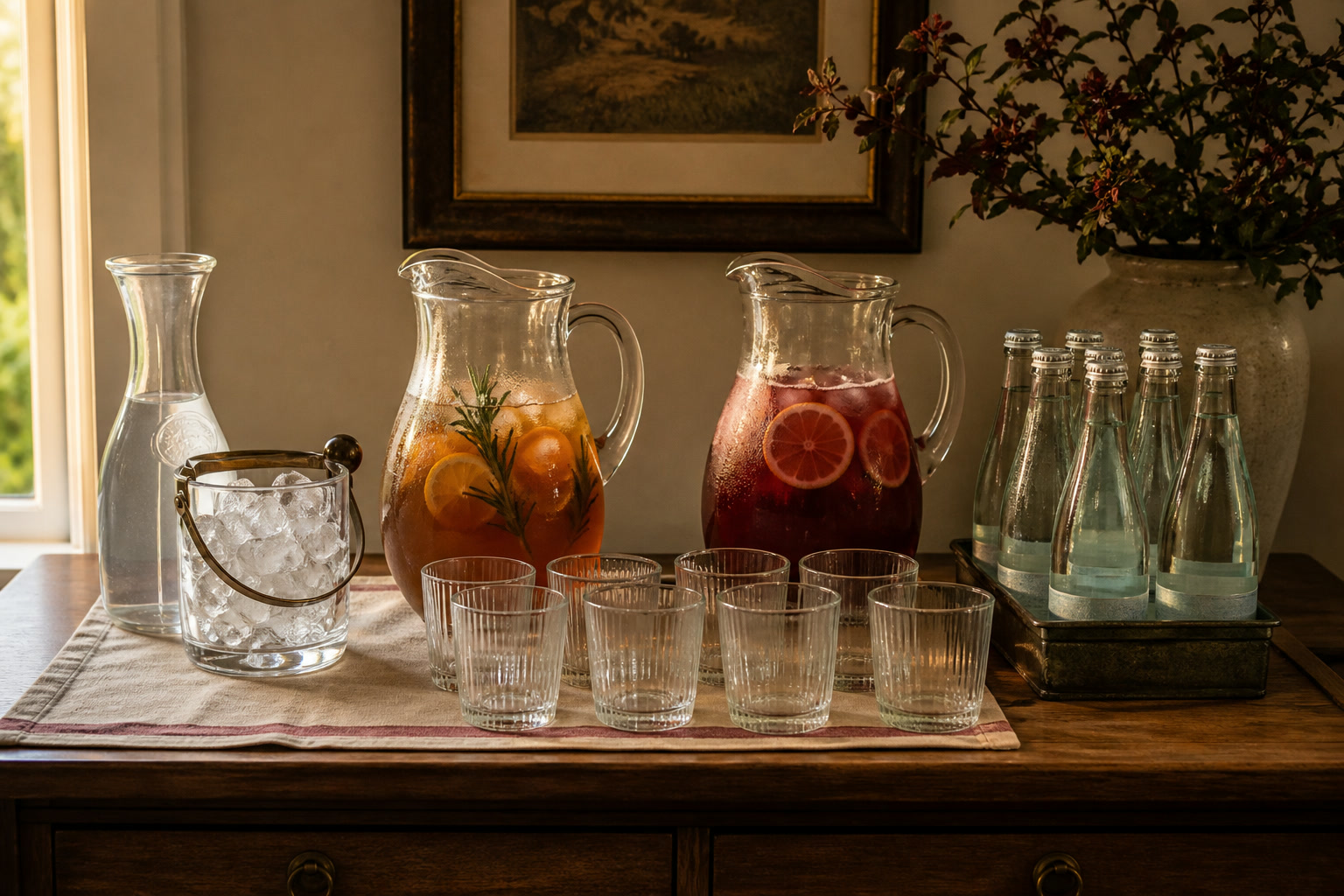
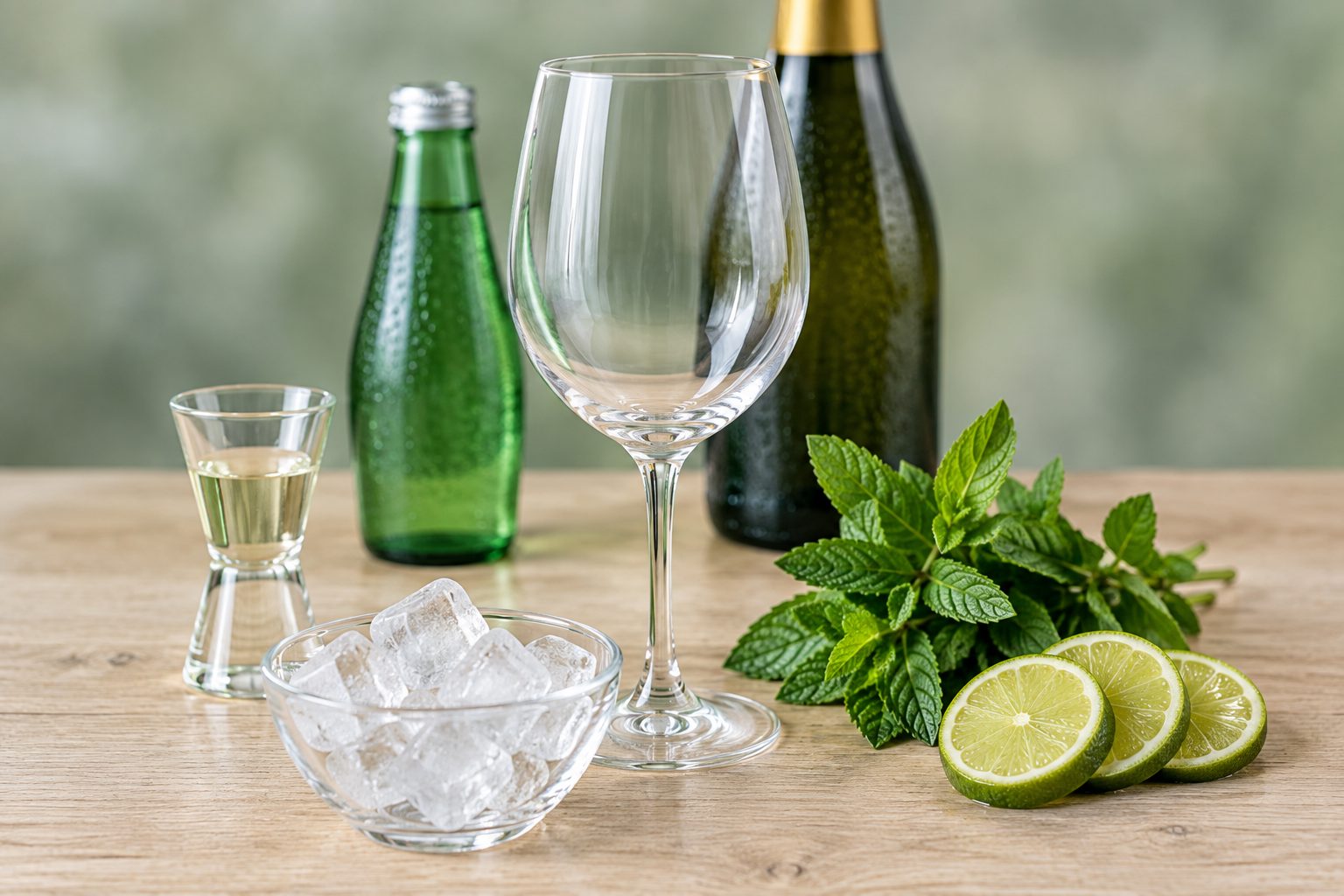
For a party of twelve, combine one 750 ml bottle of prosecco with 16 ounces of elderflower liqueur in the pitcher. That gives you twelve 5-ounce pours of the base, and each guest tops their own glass with soda. Set out a bowl of ice, a stack of wine glasses, the pitcher, the soda, and a plate of mint sprigs and lime slices. People can build their own drinks, and you’re not stuck at the bar all night.
If you’re making more than twelve drinks, prep a second pitcher rather than doubling the first one. A gallon pitcher is hard to pour from when it’s full, and the base at the bottom sits longer and warms up while you’re serving the top half.
Too Sweet, Too Flat or Too Strong
- The drink tastes too sweet. You added too much elderflower liqueur or not enough soda water. Stick to the 2-ounce pour of St-Germain and top the glass generously with soda. If it’s still too sweet, your prosecco might be a demi-sec instead of a brut; check the label and buy a drier bottle next time.
- The drink is flat. The prosecco or soda water wasn’t cold enough, or you stirred the drink after adding the bubbles. Chill both bottles fully before you start, and don’t stir once the soda goes in. Stirring knocks out the carbonation.
- The mint tastes bitter. You muddled the leaves instead of slapping them, or you used old mint that was already turning dark. Slap the leaves gently to release the oils without bruising them, and use bright green mint with no brown spots.
- The drink is too strong. You didn’t add enough soda water. The soda should fill the glass to about an inch below the rim, which dilutes the alcohol and keeps the drink light. If you’re pouring from a pitcher, make sure each guest knows to top their glass with soda, not just pour the base and stop.
Make-Ahead Party Prep
The prosecco-elderflower base holds in the fridge for up to two hours without losing quality. Beyond that, the prosecco starts to go flat even in a sealed pitcher, and the elderflower flavor gets cloying as it warms up. If you’re prepping more than two hours ahead, chill the prosecco and elderflower liqueur separately, then combine them in the pitcher thirty minutes before guests arrive.
Wash and dry the mint sprigs and slice the limes up to four hours ahead. Store the mint wrapped in a damp paper towel in the fridge, and keep the lime slices in a covered container so they don’t dry out. Set up the drink station with glasses, ice, soda water, and garnishes right before the party starts, so everything is within reach and you’re not running back to the kitchen every time someone wants a refill.
If you’re serving the Hugo spritz as a welcome drink, pour the first round yourself so guests see how much soda to add. After that, most people can build their own drinks from the pitcher setup, and you can focus on the food and the room instead of bartending all night.
What to Serve With It
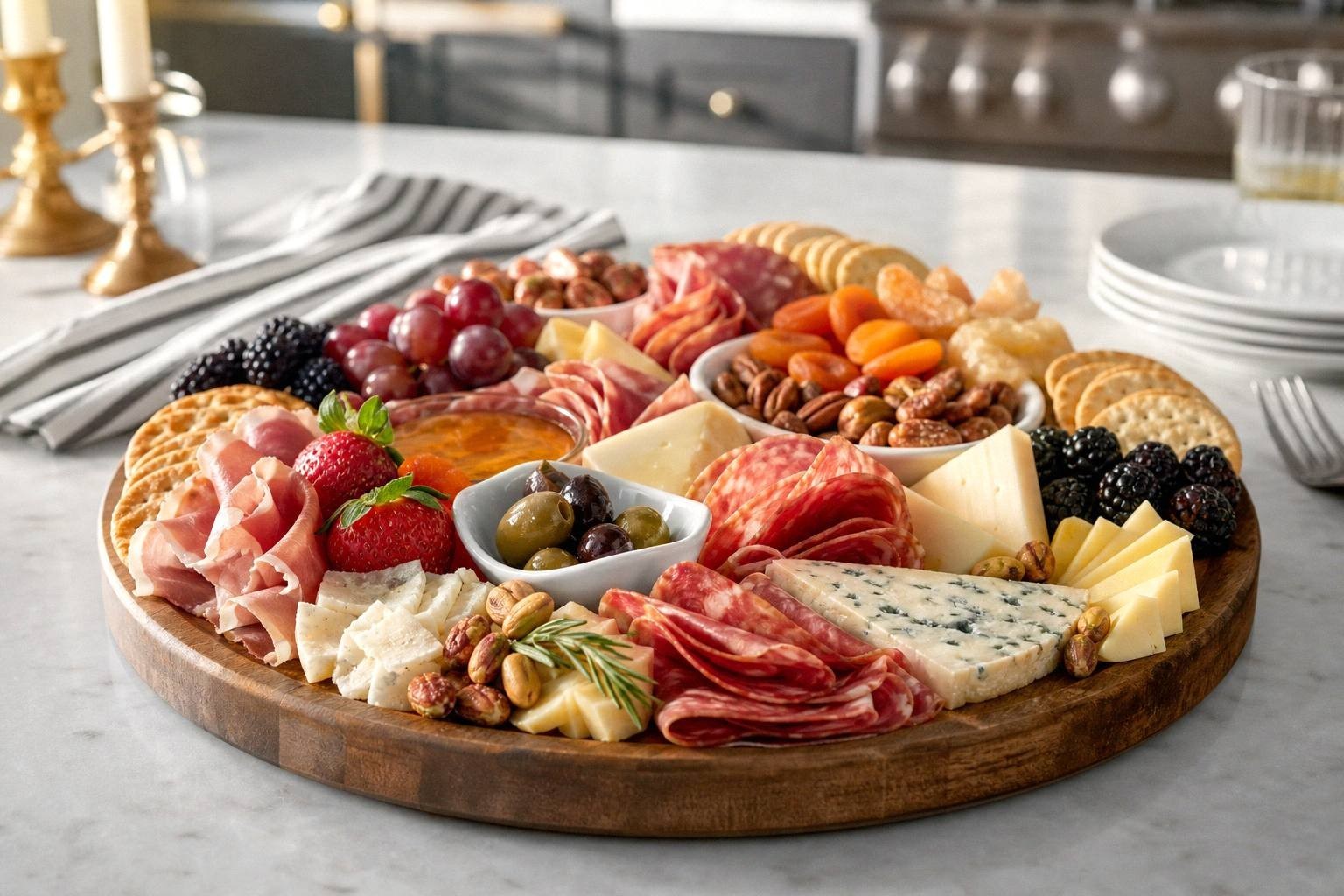
The Hugo spritz is floral and citrusy, so it pairs well with salty, fatty, or mildly spiced foods that don’t compete with the elderflower. Serve it with prosciutto-wrapped melon, marinated olives, aged cheese, smoked salmon on crackers, or fried arancini. The drink is light enough that it won’t fill people up before dinner, but it’s more interesting than plain prosecco, so it works as both a welcome drink and a dinner pairing.
Avoid pairing it with desserts or anything very sweet. The elderflower liqueur already brings sugar to the drink, and adding a sweet course on top makes the whole thing taste like candy. If you’re serving the Hugo spritz after dinner, pair it with a cheese plate or salted nuts instead of cake.
Frequently Asked Questions
Can you substitute a different elderflower liqueur for St-Germain?
You can, but St-Germain is the standard for a reason. Other elderflower liqueurs vary in sweetness and intensity, and some taste soapy or artificial. If you’re using a different brand, start with 1 ounce instead of 2, taste the drink, and add more if it needs it. St-Germain is consistent and widely available, so it’s the safer choice for a party where you’re making a dozen drinks at once.
What glass should you use for a Hugo spritz?
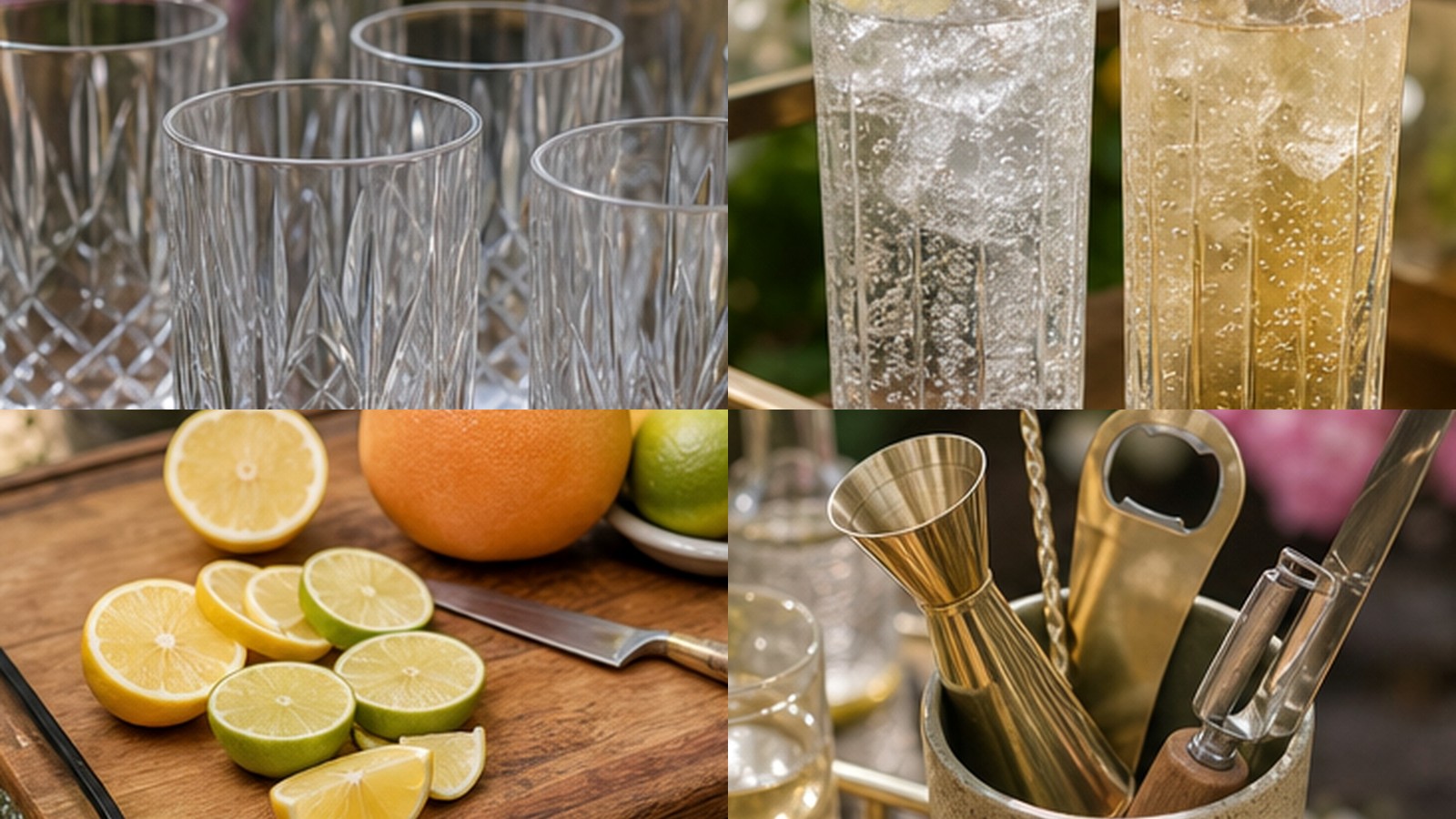
A large wine glass is traditional, but any glass that holds at least 12 ounces works. The drink needs room for ice, 3 ounces of prosecco, 2 ounces of elderflower liqueur, and a generous pour of soda water, plus the garnish. A rocks glass is too small, and a highball glass works but looks less festive. If you’re serving a crowd, use whatever large glasses you have on hand; the drink tastes the same regardless of the shape.
Do you stir a Hugo spritz?
No. Stirring knocks out the carbonation and turns the drink flat. Pour the prosecco and elderflower liqueur into the glass, top with soda water, add the garnish, and hand it to the guest. The soda water mixes everything as it rises through the glass, and the first sip finishes the job.
How far ahead can you make a pitcher of Hugo spritz?
Combine the prosecco and elderflower liqueur up to two hours before the party and keep the pitcher in the fridge. Do not add the soda water to the pitcher; it will go flat. Pour the base into each glass as guests arrive, then top with soda water and garnish. If you need to prep further ahead, chill the bottles separately and combine them in the pitcher thirty minutes before serving.
Can you make a Hugo spritz without prosecco?
Not really. The prosecco is the base of the drink, and substituting a different sparkling wine changes the flavor and the balance. You could use cava or another dry sparkling wine, but the drink won’t taste like a Hugo spritz anymore. If you don’t have prosecco, make a different cocktail instead of trying to fake it.
What’s the difference between a Hugo spritz and an Aperol spritz?
A Hugo spritz uses elderflower liqueur, mint, and lime, while an Aperol spritz uses Aperol, orange, and no mint. The Hugo is lighter, more floral, and less bitter. The Aperol spritz is deeper in color, more bitter, and has a stronger orange flavor. Both are built on prosecco and soda water, but they taste completely different.