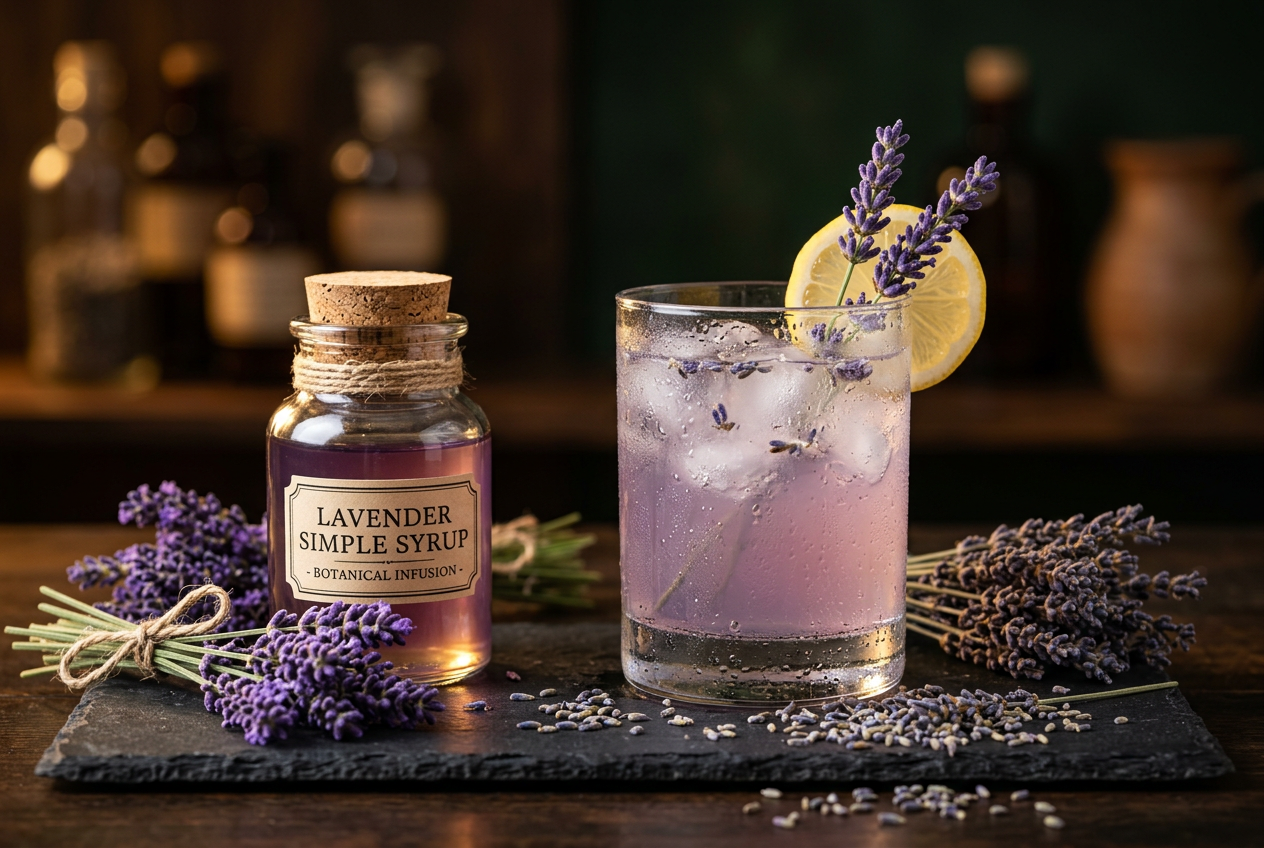
Discover lavender's science-backed healing benefits and learn how to use this calming herb in teas, syrups, and botanical drinks. Get the recipes.
Lavender has graced gardens and apothecaries for thousands of years, earning its place as one of the most beloved healing herbs in traditional medicine. This fragrant purple flower offers far more than a pleasant aroma. From calming anxious minds to soothing digestive troubles, lavender brings powerful therapeutic properties to your wellness routine.
The beauty of lavender lies in its versatility. You can incorporate this gentle yet effective herb into botanical drinks that support your health while delighting your senses. Whether you are seeking better sleep, stress relief, or simply a moment of calm, lavender-infused beverages offer a delicious path to wellness.
The Ancient History of Lavender as Medicine
Lavender (Lavandula angustifolia) has been treasured across cultures for over 2,500 years. Ancient Egyptians used lavender in their mummification process and as a luxurious perfume. The Romans bathed in lavender-scented water, giving the plant its name from the Latin word “lavare,” meaning “to wash.”
Throughout medieval Europe, lavender was considered an essential herb for healing. Monasteries grew vast lavender gardens, using the flowers to create remedies for headaches, nervous complaints, and infections. During the plague years, people wore lavender sachets believing the herb offered protection from disease.
Traditional herbalists recognized lavender as a nervine, a plant that supports and calms the nervous system. This classification has stood the test of time, with modern research confirming what healers knew centuries ago.
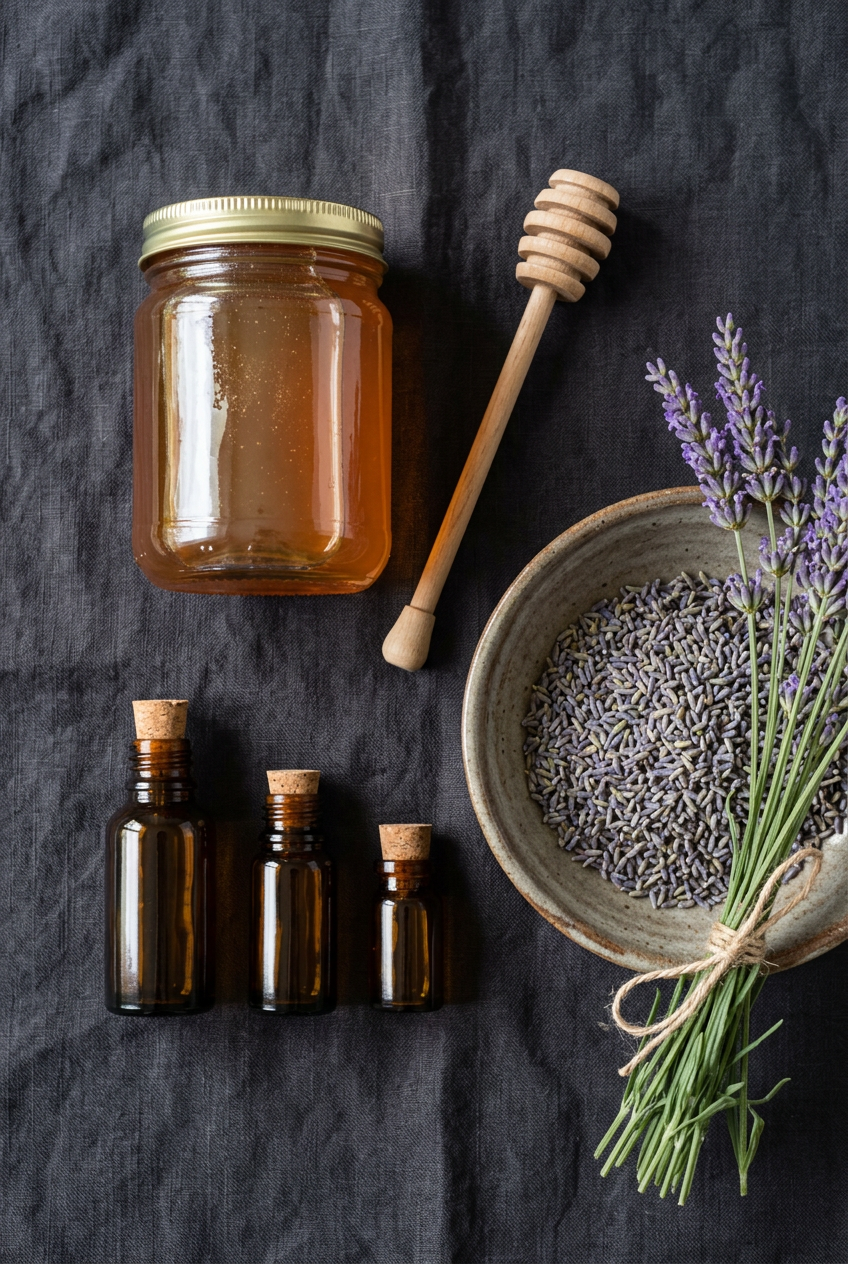
Culinary-grade dried lavender is the foundation of every healing preparation
Science-Backed Healing Benefits of Lavender
Modern research has validated many traditional uses of lavender, revealing the scientific mechanisms behind its therapeutic effects.
Anxiety and Stress Reduction
Multiple clinical studies demonstrate lavender’s ability to reduce anxiety levels. The aromatic compounds in lavender, particularly linalool and linalyl acetate, interact with neurotransmitter systems in the brain to produce calming effects. One study found that lavender oil capsules were as effective as common anti-anxiety medications for treating generalized anxiety disorder, without the side effects.
When you drink lavender tea or botanical beverages, these compounds are absorbed through your digestive system and also inhaled through the steam, providing dual pathways for relaxation.
Sleep Quality Improvement
Lavender has earned its reputation as a sleep aid through solid scientific evidence. Research shows that lavender aromatherapy increases slow-wave sleep, the deep restorative sleep stage crucial for physical recovery. Drinking lavender tea before bed can help you fall asleep faster and wake feeling more refreshed.
The herb works by reducing heart rate and blood pressure while shifting your nervous system into a parasympathetic state, the “rest and digest” mode that prepares your body for quality sleep.
Digestive Support
Lavender offers gentle relief for various digestive complaints. The herb has carminative properties, meaning it helps expel gas and reduce bloating. Lavender also relaxes smooth muscle tissue in the digestive tract, easing cramping and discomfort.
Traditional herbalists have long recommended lavender for nausea, indigestion, and nervous stomach. The calming effect on the nervous system extends to the gut, where stress and anxiety often manifest as digestive troubles.
Anti-Inflammatory and Antioxidant Properties
Lavender contains powerful plant compounds that fight inflammation and oxidative stress. These antioxidants protect your cells from damage caused by free radicals, supporting overall health and potentially reducing the risk of chronic disease.
The anti-inflammatory effects make lavender helpful for headaches and minor pain. Some people find that drinking lavender tea helps ease tension headaches and migraines, particularly those triggered by stress.
Choosing Quality Lavender for Drinking
Not all lavender is equal when it comes to botanical beverages. The quality and type you choose significantly impacts both safety and effectiveness.
Always use culinary-grade lavender for drinks. Culinary lavender is grown without pesticides or chemicals unsafe for consumption. Ornamental lavender from garden centers may have been treated with substances you should not ingest.
English lavender (Lavandula angustifolia) is the preferred variety for drinking. It has a sweeter, more delicate flavor compared to other species. French lavender contains higher levels of camphor and tastes more medicinal, making it less pleasant in beverages.
When using fresh lavender, you will need approximately three times the amount called for in recipes that use dried flowers. Dried lavender concentrates the essential oils, creating a more intense flavor and stronger therapeutic effects.
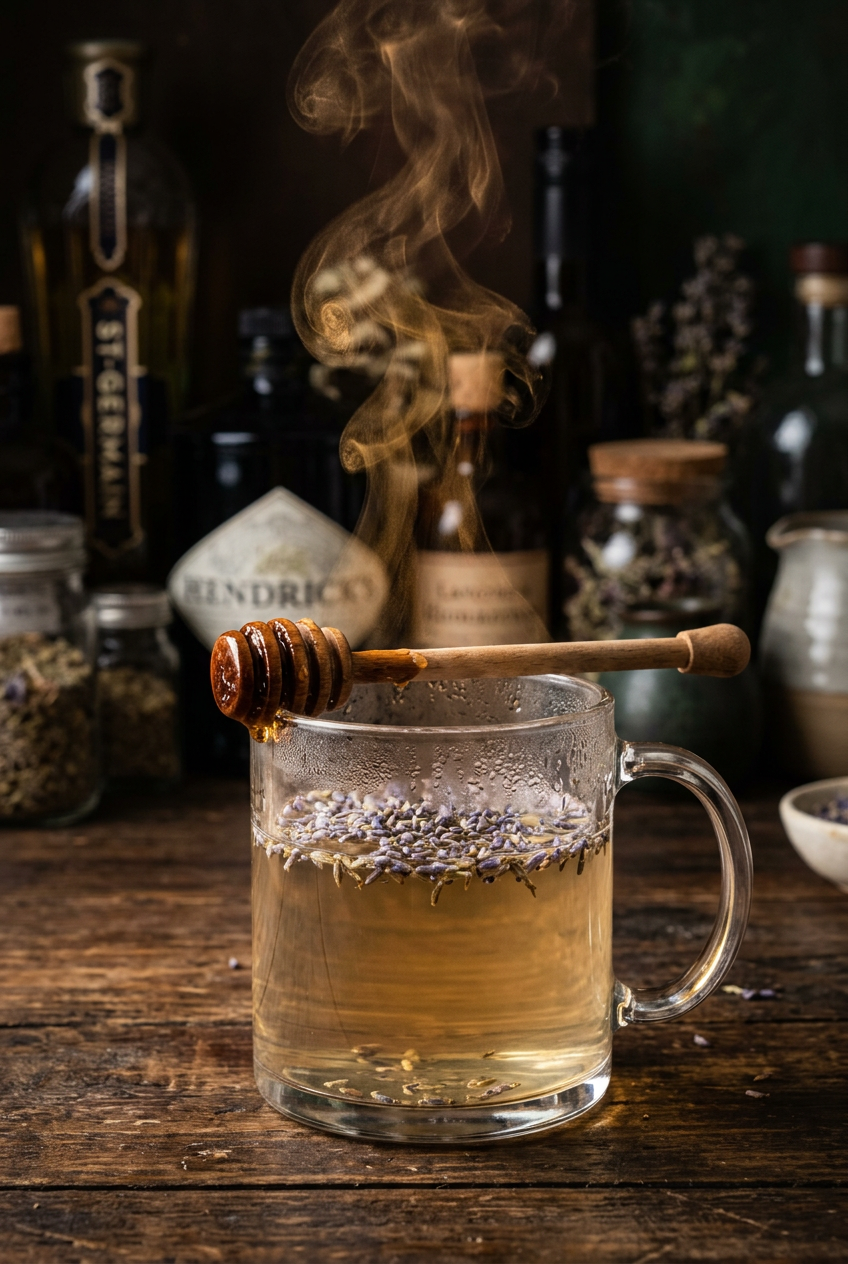
A properly steeped lavender infusion is floral and gentle, never soapy or harsh
How to Use Lavender in Botanical Drinks
The most traditional preparation is lavender tea. Use 1 teaspoon of dried lavender buds per 8 ounces of hot water, steep covered for 5 to 7 minutes, then strain. Covering the cup is important, as it traps the volatile oils that carry many of the beneficial compounds. A touch of honey rounds out the flavor beautifully.
For lavender simple syrup, simmer 1 cup water, 1 cup sugar, and 2 tablespoons dried lavender for 5 minutes. Let cool completely and strain. This syrup keeps in the refrigerator for up to two weeks and transforms sparkling water, lemonade, or cocktails into something special.
Lavender pairs naturally with chamomile for a deeply calming sleep blend, with lemon balm for a bright anxiety-relief tonic, and with peppermint for a refreshing digestive tea. In cocktails, it brings complexity to gin-based drinks and lifts a simple prosecco sparkler into something memorable.
For an easy everyday tonic, steep lavender with rose hips and hibiscus for a vibrant, vitamin-rich immune-support drink. The tart berry flavors balance lavender’s sweetness, creating a beautiful deep pink infusion that tastes as good as it looks.
Lavender Lemonade Syrup Recipe
This syrup captures lavender’s essence in a versatile preparation you can use across teas, cocktails, and sparkling water.
Ingredients:
- 1 cup water
- 1 cup organic cane sugar
- 3 tablespoons dried culinary lavender
- 1/4 teaspoon vanilla extract (optional)
Instructions:
Combine water and sugar in a small saucepan over medium heat. Stir until the sugar dissolves completely.
Add the dried lavender to the saucepan. Reduce heat to low and simmer gently for 5 minutes. Do not boil vigorously, as this can make the syrup bitter.
Remove from heat and let the lavender steep in the syrup for an additional 20 minutes as it cools. The longer it steeps, the more intense the lavender flavor.
Strain through a fine-mesh sieve or cheesecloth, pressing gently on the flowers to extract all the liquid. Stir in vanilla extract if using.
Pour into a clean glass jar or bottle and store in the refrigerator for up to 2 weeks.
To make lavender lemonade, combine 1/4 cup syrup with 1 cup fresh lemon juice and 3 cups cold water. Serve over ice with a few fresh lavender sprigs.
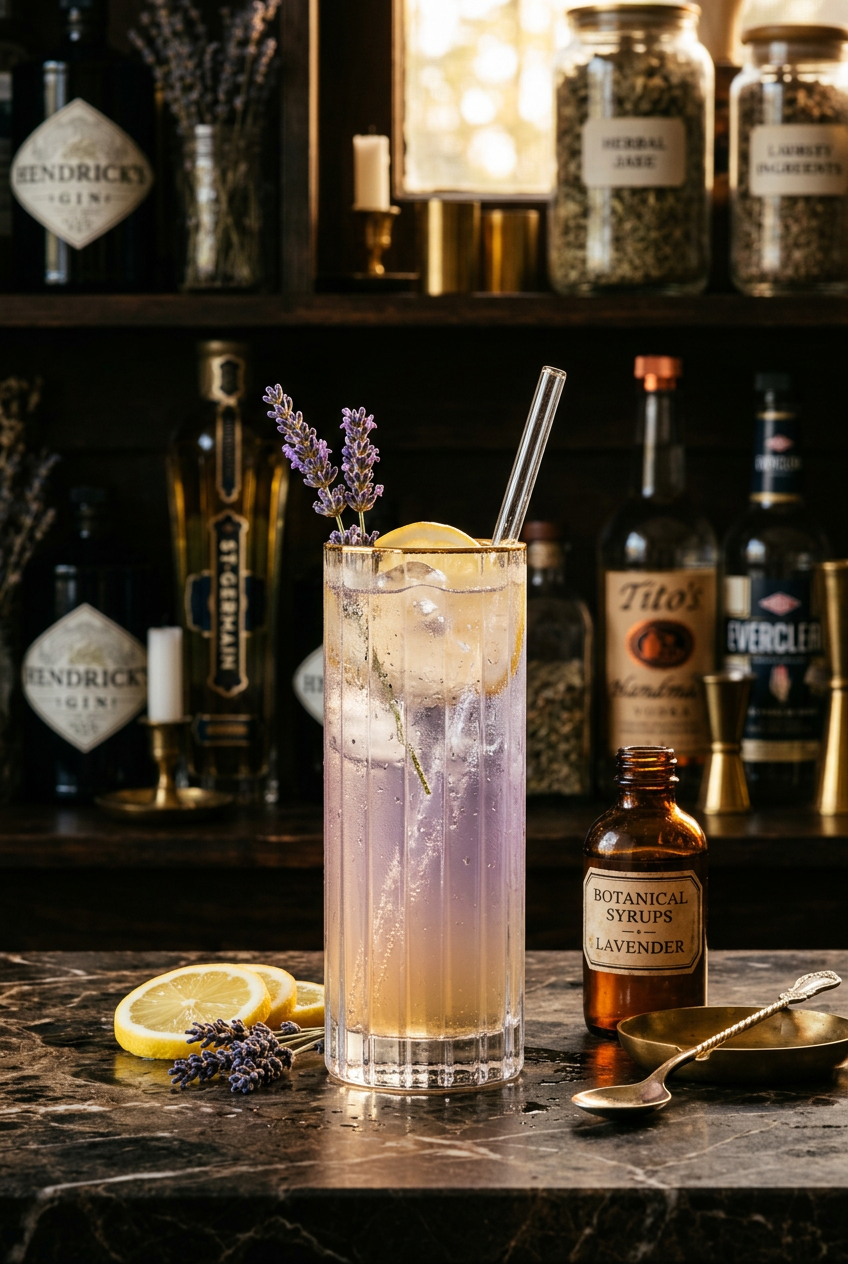
Lavender lemonade makes a stunning and calming alternative to sugary drinks
Precautions and Sourcing
Lavender is generally well-tolerated by most people when used in culinary amounts. However, a few precautions are worth noting. Some individuals are sensitive to lavender and may experience skin irritation when applying it topically. When drinking lavender, very large amounts may cause drowsiness, so use it mindfully if you need to drive or operate machinery.
People taking sedative medications or certain blood pressure medications should check with their healthcare provider before using lavender therapeutically. Pregnant women should limit lavender to culinary amounts rather than therapeutic doses.
Source your lavender from reputable herbal suppliers, health food stores, or certified organic farms. Store dried lavender in an airtight container away from light and heat. Properly stored, it retains its potency for up to one year.
At The Fabled Alchemist, lavender represents everything we love about botanical wellness: a plant with deep historical roots, genuine therapeutic value, and the ability to transform an ordinary drink into something that nurtures both body and spirit. Start with a simple cup of lavender tea tonight and see where the herb takes you.