Lemon balm calms anxiety, supports sleep, and aids digestion. Learn how this medicinal herb works, plus a calming iced tea recipe.
Crush a fresh lemon balm leaf between your fingers and you get this: clean lemon with a faint herbal edge, bright and cool, nothing sweet about it. It smells like calm before you even drink it. That sounds like marketing. It isn’t. There is actual chemistry behind why this particular herb has been settling frayed nerves for two thousand years.
What Is Lemon Balm
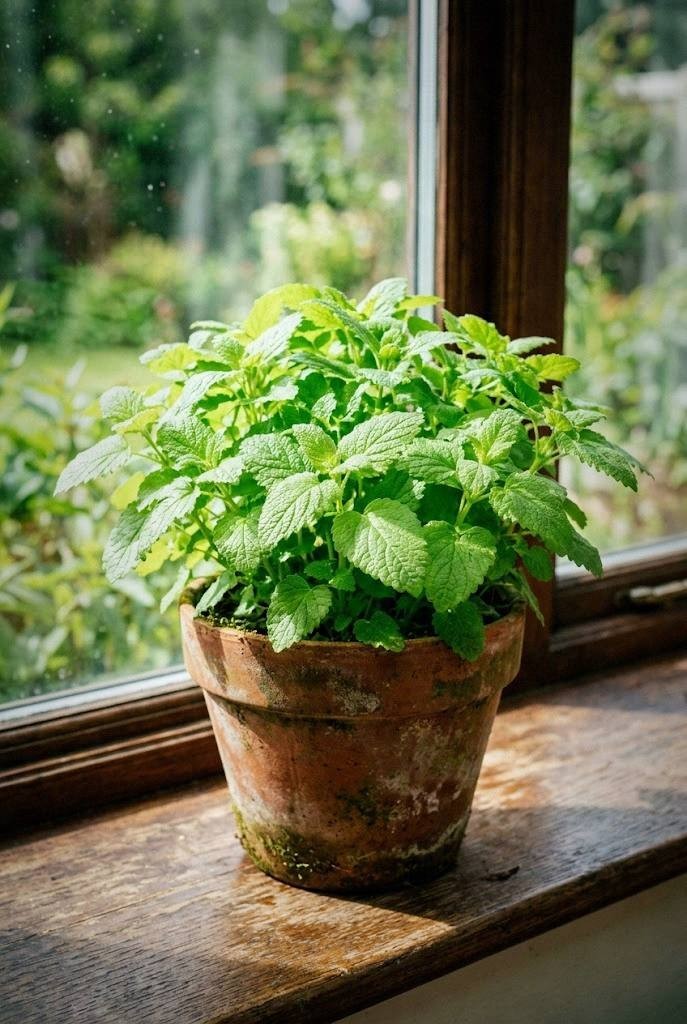
Lemon balm (Melissa officinalis) is a perennial herb in the mint family (Lamiaceae). It grows fast, spreads aggressively, and reaches two to three feet tall in one season. The leaves are bright green, slightly wrinkled, heart-shaped, and produce that characteristic lemon-mint scent when rubbed. The flowers are small and white, beloved by bees. The genus name Melissa comes from the Greek word for honeybee.
It thrives in full sun or partial shade, tolerates poor soil, and comes back reliably each spring. If you give it good soil and water, it will take over a garden bed. Most herb gardeners grow it in containers for that reason alone. Hardy to USDA zone 4.
The medicinal parts are the leaves, harvested before or during flowering when volatile oil content peaks.
History and Traditional Uses
Greek physicians used lemon balm as far back as the 1st century CE. Dioscorides prescribed it for scorpion stings and spider bites. Pliny the Elder noted it stopped bleeding when applied to wounds. Medieval herbalists valued it more for the mind than the body: Paracelsus called it the “elixir of life” and believed it could completely revivify a person.
The Arab physician Avicenna, writing in the 11th century, described Melissa as gladdening the heart and driving away sadness. European monastery gardens kept it as a standard medicinal. Monks at Carmelite convents in Paris distilled it into what became known as Eau de Mélisse des Carmes (Carmelite Water) in 1611, a preparation containing lemon balm, lemon peel, nutmeg, cloves, and coriander in alcohol. It was sold as a remedy for headaches, nervous disorders, and digestive complaints. The recipe is still made today.
John Gerard, the 16th-century English herbalist, wrote that lemon balm “driveth away all troublesome care and thought out of the mind.” Thomas Jefferson grew it at Monticello. The herb appears in virtually every Western botanical tradition as a nervine, a plant that specifically supports and calms the nervous system.
What the Research Shows
Lemon balm contains several active compounds: rosmarinic acid, flavonoids (including apigenin and luteolin), triterpenoids, and a volatile oil with citral and citronellal as dominant components. These don’t all do the same thing.
Anxiety and stress. The most cited mechanism is rosmarinic acid’s inhibition of GABA transaminase, the enzyme that breaks down gamma-aminobutyric acid in the brain. More GABA means less neural excitation. It’s a gentler version of what benzodiazepine drugs do, through a completely different pathway. A 2004 double-blind crossover study by Kennedy et al. published in Psychosomatic Medicine found that a standardized lemon balm extract (Cyracos) significantly reduced anxiety and improved mood in healthy volunteers within 30 minutes of a single dose.
Sleep quality. Combined preparations of lemon balm and valerian have shown consistent results in improving sleep latency and quality in multiple trials. A 2014 study in Mediterranean Journal of Nutrition and Metabolism found that a lemon balm and valerian combination reduced sleep disorder symptoms in 81% of participants. The herb alone has a mild sedative effect; the combination compounds it.
Cognitive function. This one surprises people. Lemon balm doesn’t just calm. Kennedy’s research group also found improvements in memory and attention in participants given lemon balm extract, even while reporting reduced anxiety. The theory is that low-level anxiety itself impairs cognition, and reducing that baseline improves performance.
Digestion. Traditional use here is well supported. Lemon balm relaxes smooth muscle, including in the gastrointestinal tract. It’s a component of Iberogast, a well-studied German herbal preparation used for functional dyspepsia and irritable bowel syndrome. If your stomach tightens when you’re stressed, lemon balm often addresses both root cause and symptom simultaneously.
Cold sores. This is the one application with genuinely strong clinical evidence. Lemon balm extract applied topically to cold sores (caused by herpes simplex virus) significantly reduces healing time and symptom severity. The mechanism appears to involve direct antiviral activity from polyphenolic compounds. Several German studies in the 1990s and 2000s established this so firmly that standardized topical preparations are sold in German pharmacies.
Recipe: Calming Iced Lemon Balm Tea
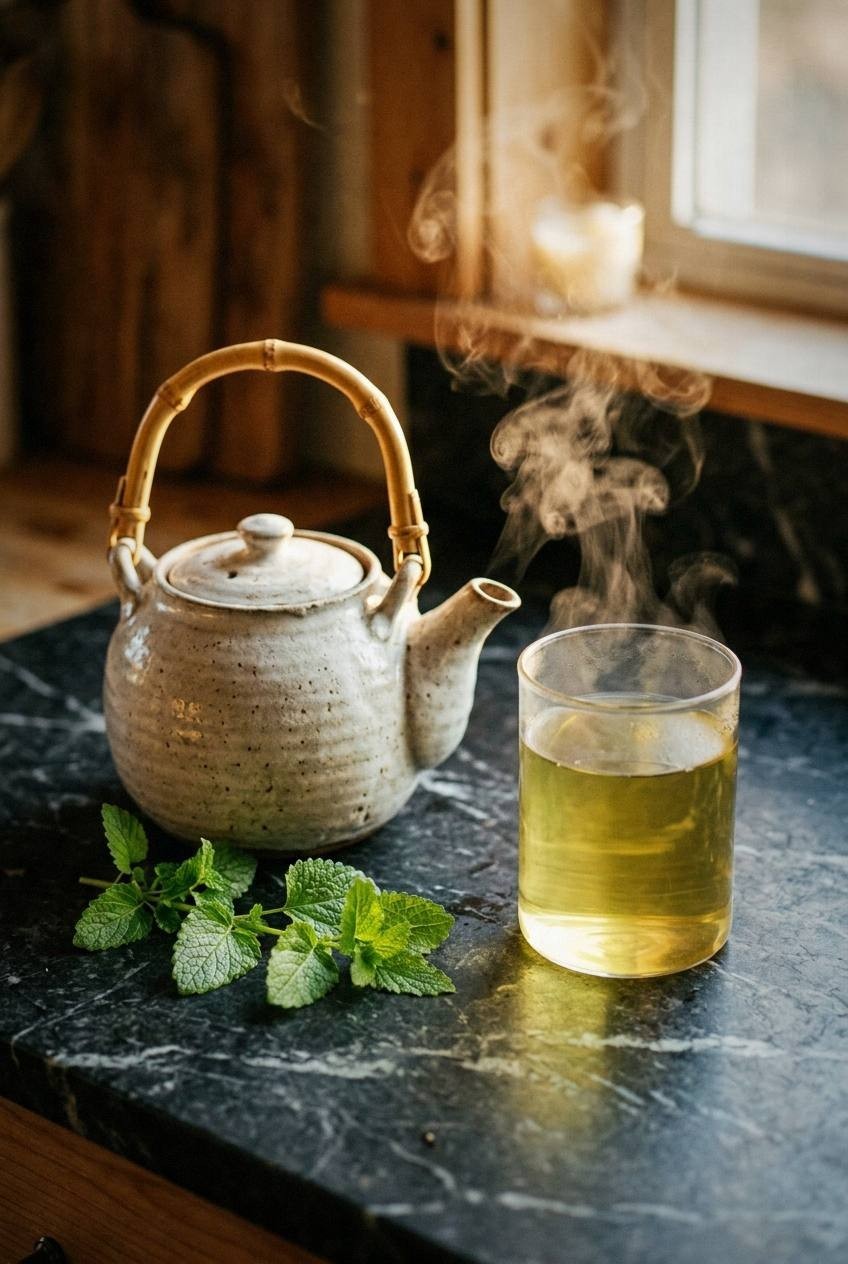
This is the easiest possible preparation and also one of the most effective. Fresh leaves work best because the volatile oils are at peak concentration before drying drives off some of the aromatics. If you only have dried, use half the volume and look for pale green, fragrant dried leaf, not brown or dusty material.
The iced version is perfect for warm weather. The cold extraction keeps the flavor bright and the aroma sharp, where hot tea can sometimes taste slightly grassy if steeped too long.
Ingredients (1 serving)
- 2 tablespoons fresh lemon balm leaves (or 1 tablespoon dried)
- 8 ounces filtered water
- 1 teaspoon raw honey
- Squeeze of fresh lemon juice
- Ice
Instructions
Bring water to just below boiling: 200°F / 93°C. Boiling water can extract bitter tannins. A temperature-controlled kettle helps, or remove the kettle from heat 30 seconds after boiling.
Bruise the fresh leaves gently before steeping. Press them firmly between your palms or use the back of a spoon. This ruptures cell walls and releases the essential oils you’re after.
Pour hot water over the leaves. Cover the vessel. Steeping uncovered lets volatile aromatics escape with the steam. Steep for 5 to 7 minutes.
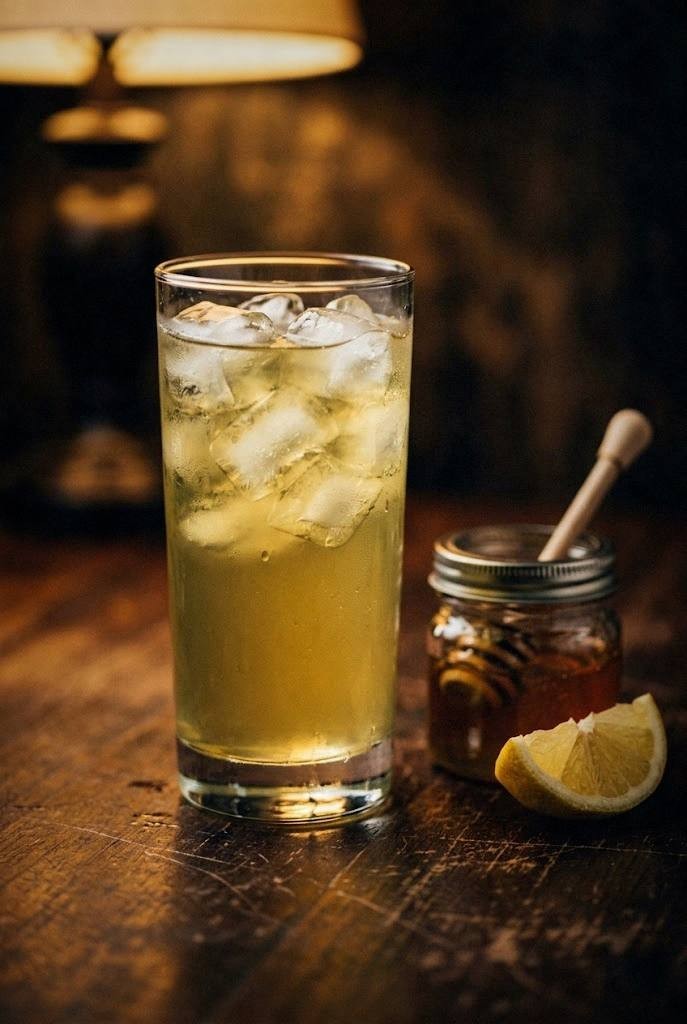
Strain into a glass filled with ice. The sudden cooling locks in the delicate volatile oils. Add honey while the tea is still warm enough to dissolve it. Squeeze in a small amount of fresh lemon.
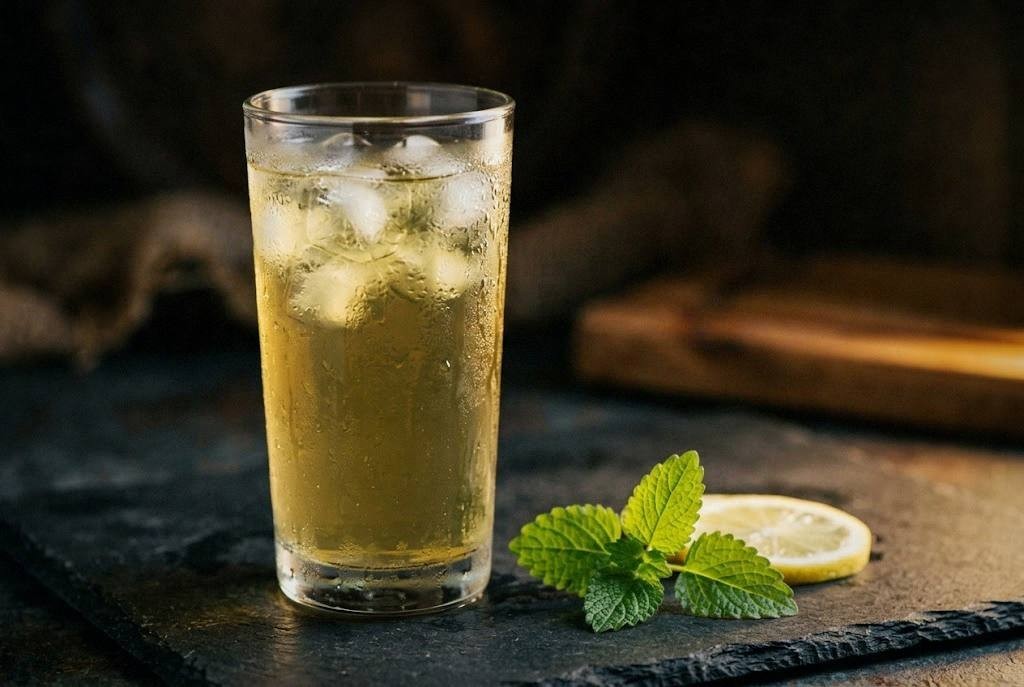
The result is pale green-gold, lightly sweet, clean, and distinctly lemony without any bitterness.
Notes
For a stronger effect, double the fresh leaf amount and steep for 8 minutes. The flavor gets more assertive but not unpleasant.
A cold brew version: combine 4 tablespoons fresh leaves with 16 ounces of cold filtered water, refrigerate overnight (8-12 hours), strain in the morning. The flavor is lighter and the color paler, but many people prefer the smoother taste.
Other Preparations
Tincture. Lemon balm tinctures are made with fresh leaves in alcohol (60% ethanol works well for this herb), or dried leaf in 40-50% alcohol. Typical dose is 2-4ml, up to three times daily. The advantage of a tincture is shelf stability. Fresh plant preparations degrade quickly; a tincture keeps for years. Some herbalists prefer the fresh plant tincture for nervous system applications, arguing that the volatile components are better preserved in the alcohol than through drying.
Oxymel. Combine lemon balm leaves with apple cider vinegar and raw honey, macerate for 4-6 weeks, strain. The acid-honey combination extracts water-soluble constituents that alcohol sometimes misses, and the resulting preparation is sweet-tart and easy to take by the spoonful. Good option for people avoiding alcohol.
Glycerite. Vegetable glycerin extraction works for lemon balm and preserves the herb’s constituents without alcohol. Shelf life is shorter (1-2 years) but the sweet, syrupy result is useful for children’s preparations or those avoiding alcohol and vinegar.
In cocktails and mocktails. Lemon balm’s flavor profile pairs well with cucumber, elderflower, gin, and sparkling water. Muddle 6-8 fresh leaves in a shaker, add 2 ounces of gin (or non-alcoholic spirit), 0.5 ounce elderflower cordial, 0.75 ounce fresh lemon juice, shake with ice, strain into a coupe, top with a splash of tonic. The herb disappears into the drink aromatically but the flavor is distinctive if you know what to look for.
For a mocktail: muddle lemon balm with cucumber slices, add still water and elderflower cordial, pour over ice, top with Fever-Tree tonic water. Clean, botanical, more layered than it looks.
Growing and Harvesting
Lemon balm is one of the easier herbs to establish from seed, though germination is slow (10-14 days at 70°F). Starts from a nursery or division from a friend’s plant are faster. It grows in almost any condition but performs best in well-drained soil with morning sun and afternoon shade in hot climates.
Harvest timing. Cut stems before the plant flowers, when leaf growth is dense and the scent is strongest. Flowering shifts the plant’s energy and changes the volatile oil profile slightly. That said, lemon balm flowers are edible and the plant is still useful after flowering.
Harvest method. Cut stems back by about half, leaving several sets of leaves on each stem. The plant will regrow vigorously and can be harvested 2-3 times per season. Don’t strip all the leaves at once.
Fresh use. Use leaves the same day or store loosely wrapped in damp paper towels in the refrigerator for up to three days. The volatile oils degrade noticeably after that.
Drying. Dry at low temperatures (95-105°F) in a dehydrator or bundle and hang in a warm, dark, well-ventilated space. High heat destroys the volatile oils. Properly dried lemon balm is pale green and still distinctly lemony. Store in an airtight glass jar away from light. Use within one year.
Propagation. Division in spring or fall. Lemon balm self-seeds prolifically; seedlings can be transplanted. Root cuttings root easily in water or moist potting mix.
Cautions
Thyroid conditions. Lemon balm inhibits TSH (thyroid-stimulating hormone) binding and can reduce thyroid activity. This is actually used therapeutically in Graves’ disease and hyperthyroidism. If you have hypothyroidism or take thyroid medication, use lemon balm cautiously and discuss with your healthcare provider before using it regularly.
Pregnancy. There is insufficient evidence on safety during pregnancy. Traditional use was sometimes to stimulate menstruation, which raises concerns about regular use in early pregnancy. Occasional culinary use (a leaf in a salad, a cup of tea now and then) is generally considered low-risk, but daily therapeutic doses are not recommended.
Sedative interactions. Lemon balm’s GABAergic activity can compound the effects of sedative medications, including benzodiazepines, barbiturates, and some antihistamines. If you take any of these, treat lemon balm as you would any CNS depressant.
Glaucoma. There is limited but noted concern about lemon balm affecting intraocular pressure. Anyone with glaucoma should use caution and consult a practitioner.
For most healthy adults, lemon balm is extremely well-tolerated. It has a long history of safe use and a good research safety record. The cautious notes above apply to regular, therapeutic-dose consumption, not occasional use.
Lemon balm is one of those herbs that rewards actually growing it. The difference between fresh leaves steeped immediately and dried herb from a bulk bin is significant, both in flavor and in aromatic volatile content. If you have a windowsill or a garden corner, a pot of lemon balm is worth the minimal effort. It will be ready to harvest all season, and you’ll have more than enough to dry for winter.
The research holds up. This isn’t one of those herbs where traditional claims outrun the science. The GABAergic mechanism is understood, the clinical evidence on anxiety is real, and the combination with valerian for sleep has been tested repeatedly. It won’t replace medication if that’s what you need. But as a daily nervine tea, a calming iced drink on a hot afternoon, or a preparation for the edge of anxiety that doesn’t require a pharmacist, it’s one of the most practical herbs in the category.

Camille writes about botanical drinks, herbal cocktails, and the old plant wisdom that makes them work. Most days you'll find her in the garden or the kitchen, turning herbs into something worth sipping.