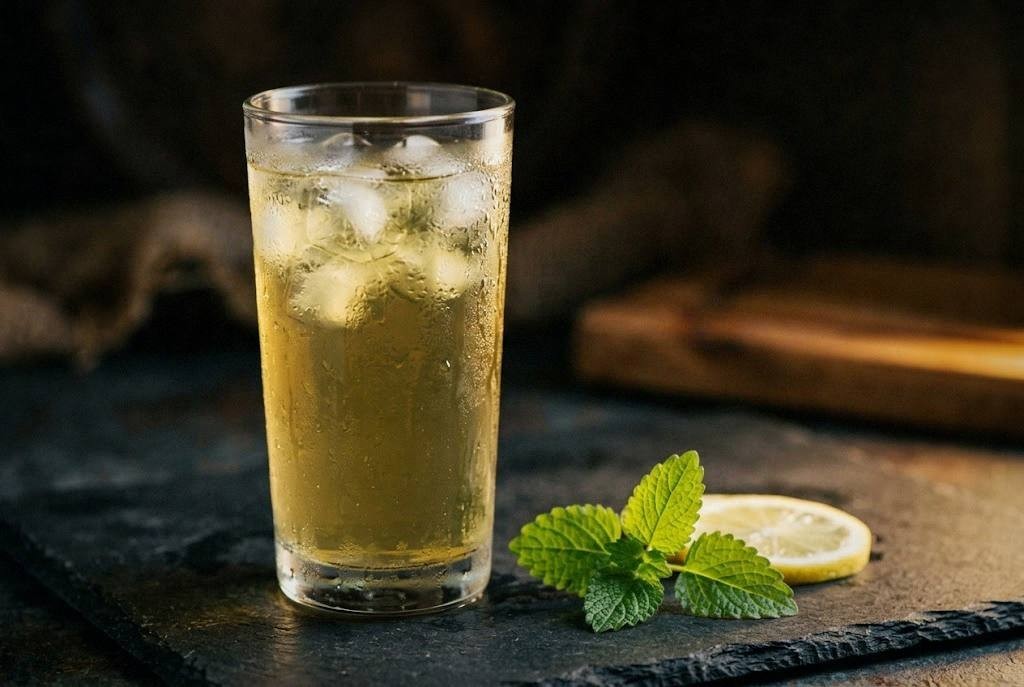
Crush a fresh lemon balm leaf between your fingers and you get this: clean lemon with a faint herbal edge, bright and cool, nothing sweet about it. Its lemon scent is a sensory feature, not proof that a cup treats stress or anxiety.
What Is Lemon Balm
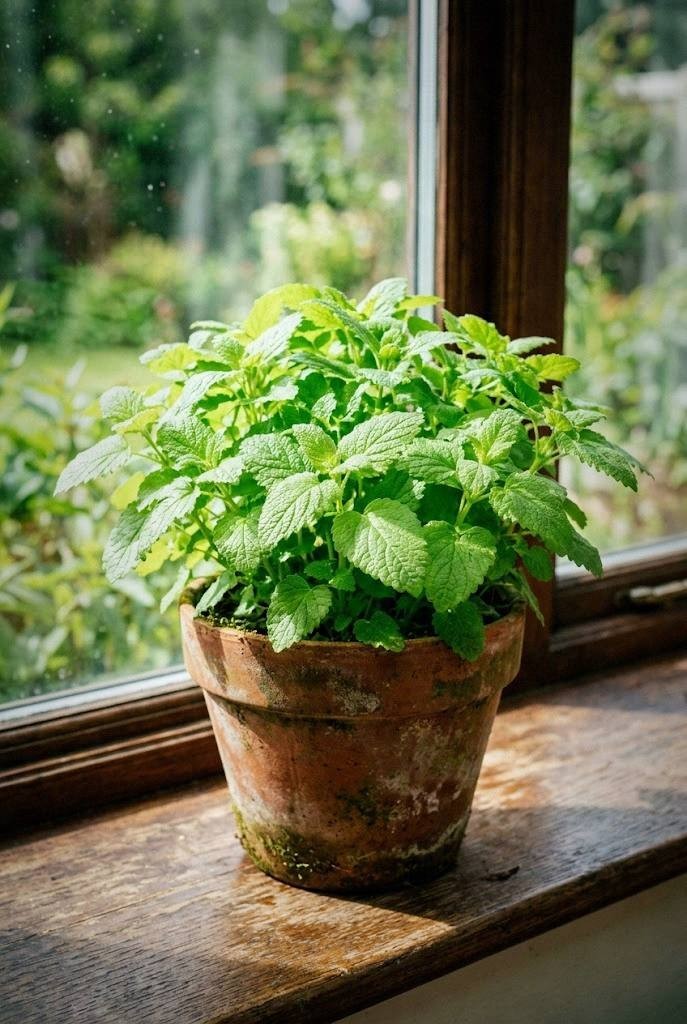
Lemon balm (Melissa officinalis) is a perennial herb in the mint family (Lamiaceae). It grows fast, spreads aggressively, and reaches two to three feet tall in one season. The leaves are bright green, slightly wrinkled, heart-shaped, and produce that characteristic lemon-mint scent when rubbed. The flowers are small and white, beloved by bees. The genus name Melissa comes from the Greek word for honeybee.
It thrives in full sun or partial shade, tolerates poor soil, and comes back reliably each spring. If you give it good soil and water, it will take over a garden bed. Most herb gardeners grow it in containers for that reason alone. Hardy to USDA zone 4.
The medicinal parts are the leaves, harvested before or during flowering when volatile oil content peaks.
History and Traditional Uses
Lemon balm has a long history in European herbal practice. The term “nervine” describes a traditional herbal category; it does not demonstrate an effect on the nervous system from this tea. Historical remedies and aromatic preparations such as Carmelite water are cultural context, not medical recommendations or recipes supplied here.
Traditional Use and Evidence
The EMA melissa-leaf assessment recognizes specified medicinal uses on the basis of long-standing use. This is not proof that the tea below treats anxiety, insomnia or digestive disease. A spoon measure of garden leaves is not an established medicinal dose. The indexed EMA summary was accessible; direct access returned a rate-limit error.
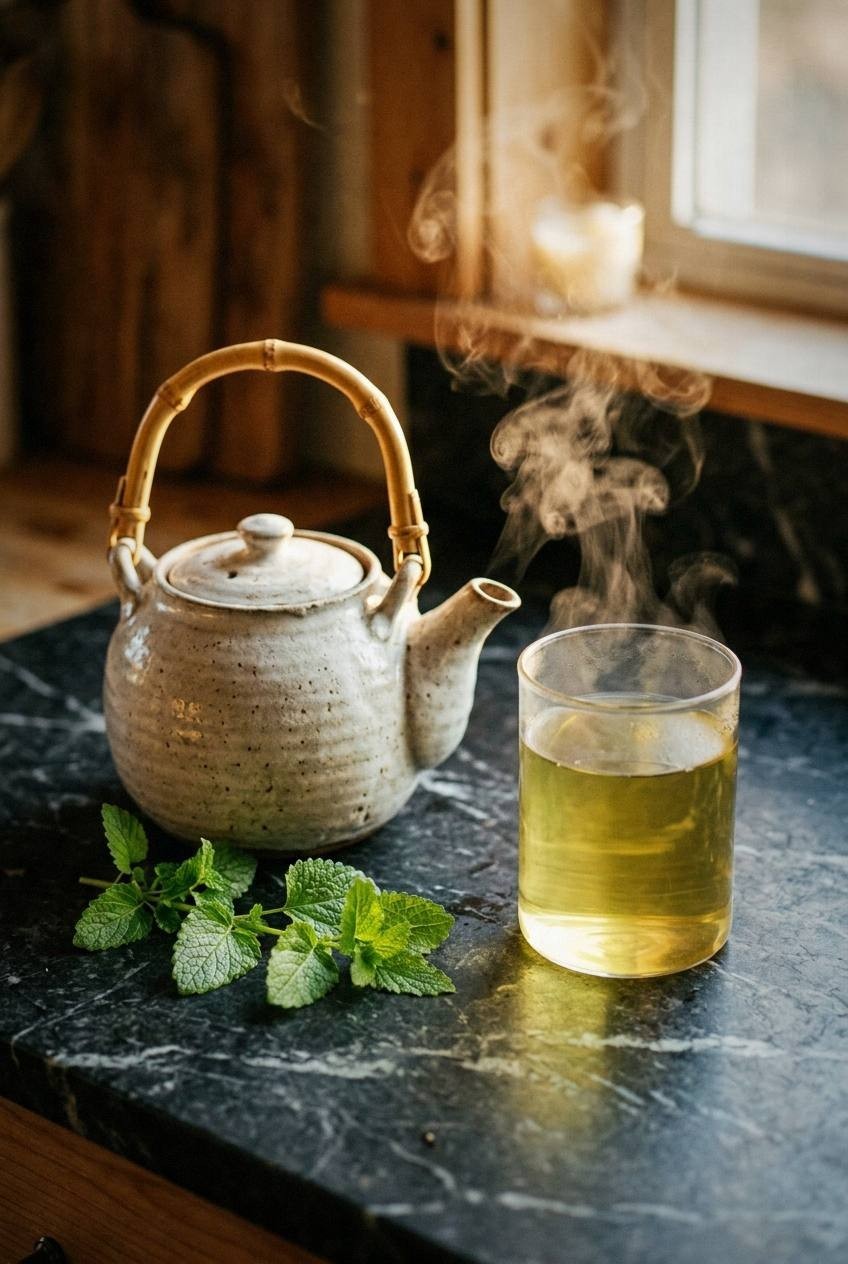
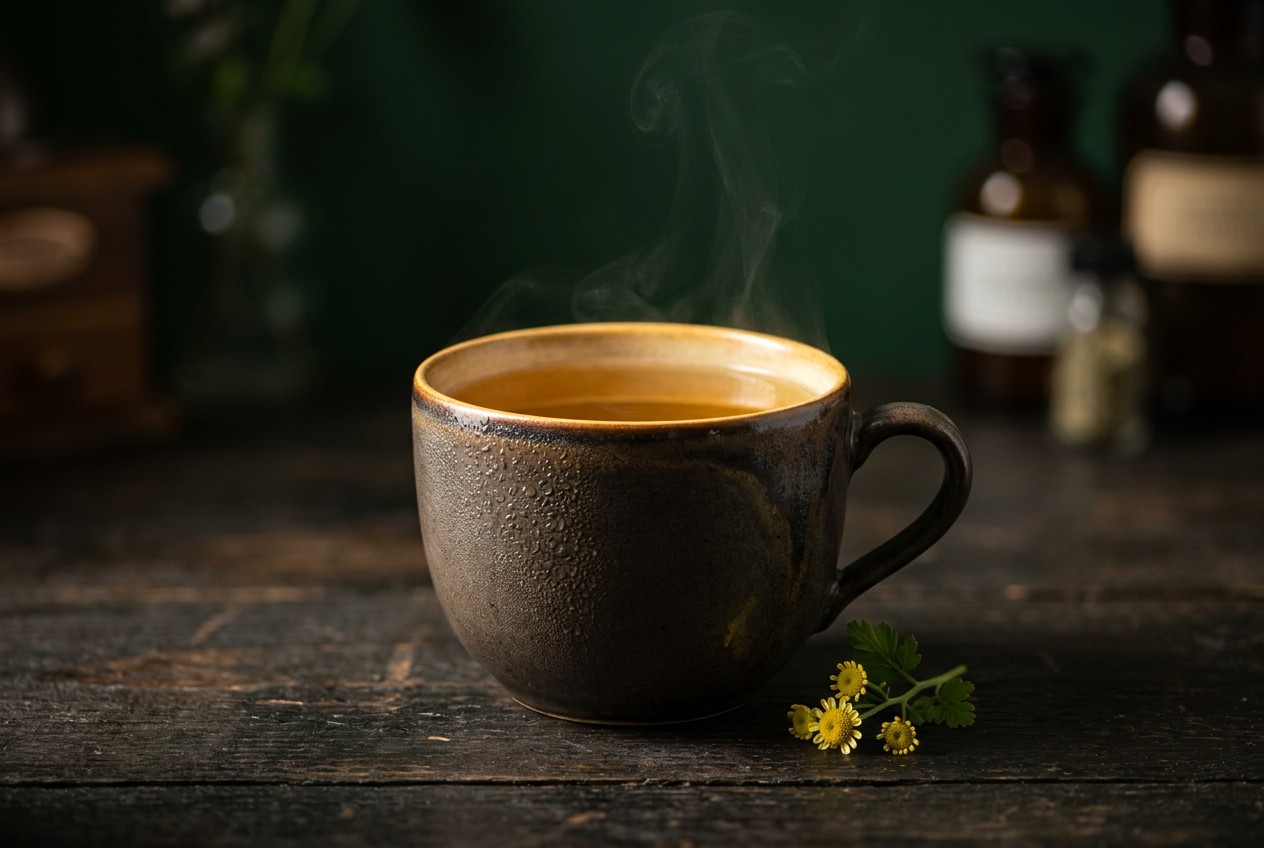
Lemon Balm Tea for Flavor
Use food-grade, correctly identified leaves. Wash fresh leaves under running water. The fresh and dried quantities below are house flavor choices, not proven potency equivalents. No therapeutic benefit or daily regimen is claimed.
Ingredients (one cup before ice)
- 2 tablespoons fresh lemon balm leaves, or 1 tablespoon dried
- 8 US fluid ounces water
- 1 teaspoon honey
- Squeeze of lemon juice
- Ice, optional
Instructions
- Place the fresh or dried leaves in a heat-safe cup or pot.
- Bring the water to a rolling boil and immediately pour it over the leaves. Cover and steep for 5 to 7 minutes.
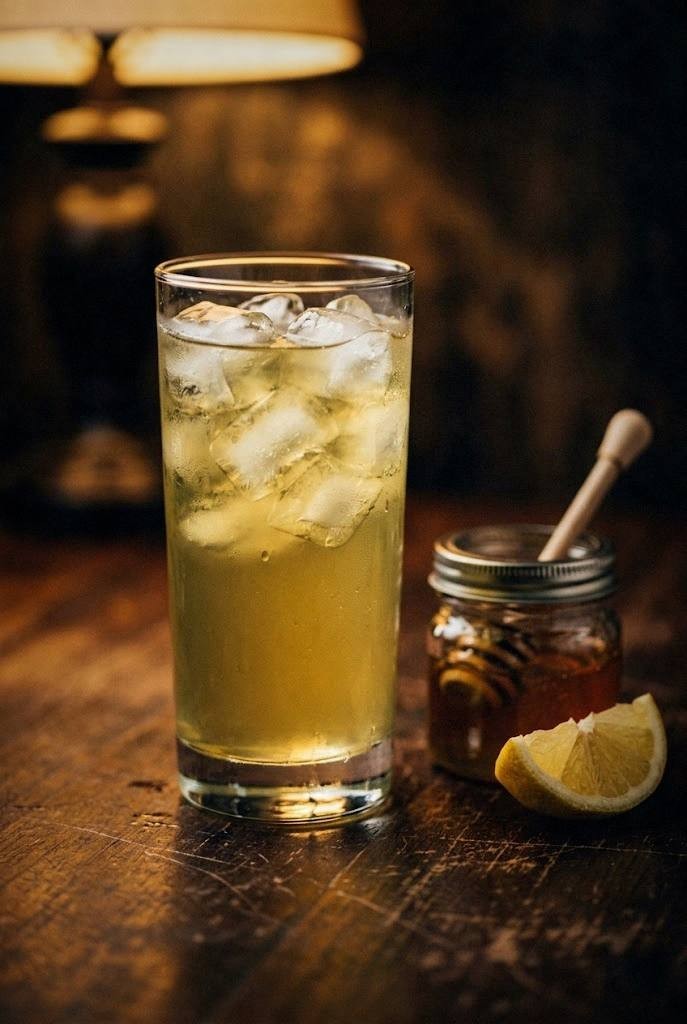
- Strain, stir in honey and lemon, and serve warm. For iced tea, pour into a heat-safe glass with ice; dilution and finished volume vary.
Allow about five minutes to prepare plus five to seven minutes to steep. Boiling water follows BfR herbal-tea hygiene guidance ; do not replace it with an overnight cold steep. Strained yield will be less than the starting cup before honey, lemon and any melting ice. Use heat-safe glassware for the iced option. No stored-tea life is established; serve promptly, and do not give honey to infants under one year.
Other Preparations: Limits
The stronger “effect” dose, overnight cold brew, tincture, oxymel and glycerite procedures and multi-year shelf-life promises are withdrawn. Their botanical extraction ratios, actual products and preservation controls were incomplete or unresolved. No spoonful-use or therapeutic regimen is supplied.
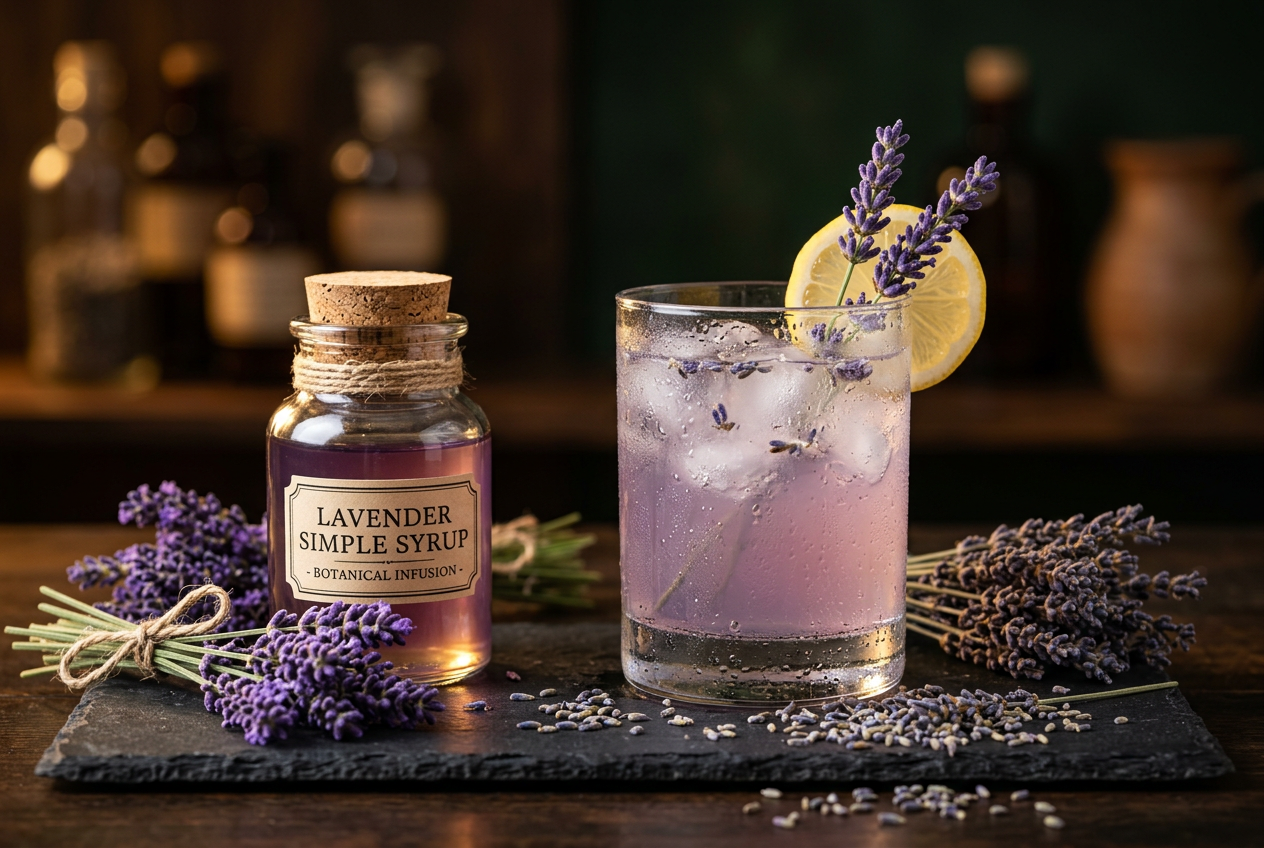
The cocktail sketch remains an original flavor build: gently press 6 to 8 washed fresh lemon balm leaves, add 2 US fluid ounces gin, 1/2 US fluid ounce commercially prepared elderflower cordial and 3/4 US fluid ounce lemon juice, shake with ice, strain into a glass with enough room and add tonic to taste. It makes one drink, at least 3 1/4 fluid ounces before dilution and tonic. Preparation takes about five minutes; serve promptly. This is not a validated house cordial recipe. Use a 0.0% labeled spirit alternative if required and verify all ingredient labels. The earlier cucumber /water/cordial mocktail is an incomplete idea without measured quantities; it is not presented as a recipe.
Growing and Harvesting
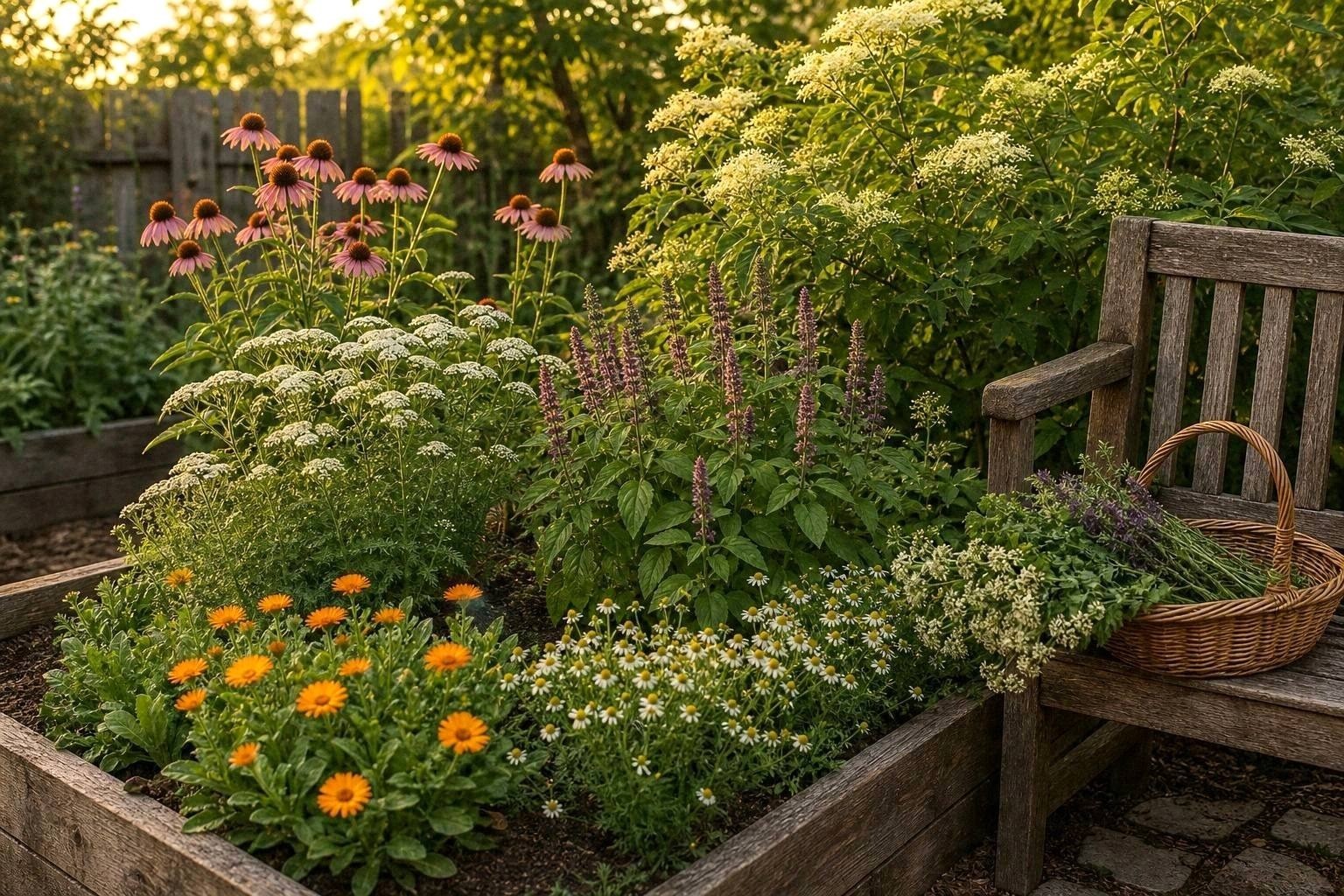
Lemon balm is one of the easier herbs to establish from seed, though germination is slow (10-14 days at 70°F). Starts from a nursery or division from a friend’s plant are faster. It grows in almost any condition but performs best in well-drained soil with morning sun and afternoon shade in hot climates.
Harvest timing. Cut stems before the plant flowers, when leaf growth is dense and the scent is strongest. Flowering shifts the plant’s energy and changes the volatile oil profile slightly. That said, lemon balm flowers are edible and the plant is still useful after flowering.
Harvest method. Cut stems back by about half, leaving several sets of leaves on each stem. The plant will regrow vigorously and can be harvested 2-3 times per season. Don’t strip all the leaves at once.
Fresh use. Wash fresh leaves before food use and keep them refrigerated. No exact three-day safety or oil-retention threshold is established here.
Drying. Dry at low temperatures (95-105°F) in a dehydrator or bundle and hang in a warm, dark, well-ventilated space. High heat destroys the volatile oils. Properly dried lemon balm is pale green and still distinctly lemony. Keep thoroughly dried herbs dry and closed, and follow the actual supplier storage directions. No one-year safety guarantee is established here.
Propagation. Division in spring or fall. Lemon balm self-seeds prolifically; seedlings can be transplanted. Root cuttings root easily in water or moist potting mix.
Cautions
This page establishes no daily dose or medical benefit. Pregnancy, breastfeeding, medicines and medical conditions need product-specific advice from a clinician or pharmacist. The former assertion that pregnancy cautions were specifically explained by menstrual stimulation, and the reassurance that cautions matter only for heavy daily use, were not substantiated and are withdrawn.
Lemon balm can be appreciated as a garden plant and a lemon-scented culinary ingredient without using this page to manage a thyroid condition, stress, anxiety or sleep problems.
For growing and harvesting context, see Utah State University lemon balm guidance . Garden drying guidance does not certify that dried leaves are free of microbes or replace boiling-water brewing.