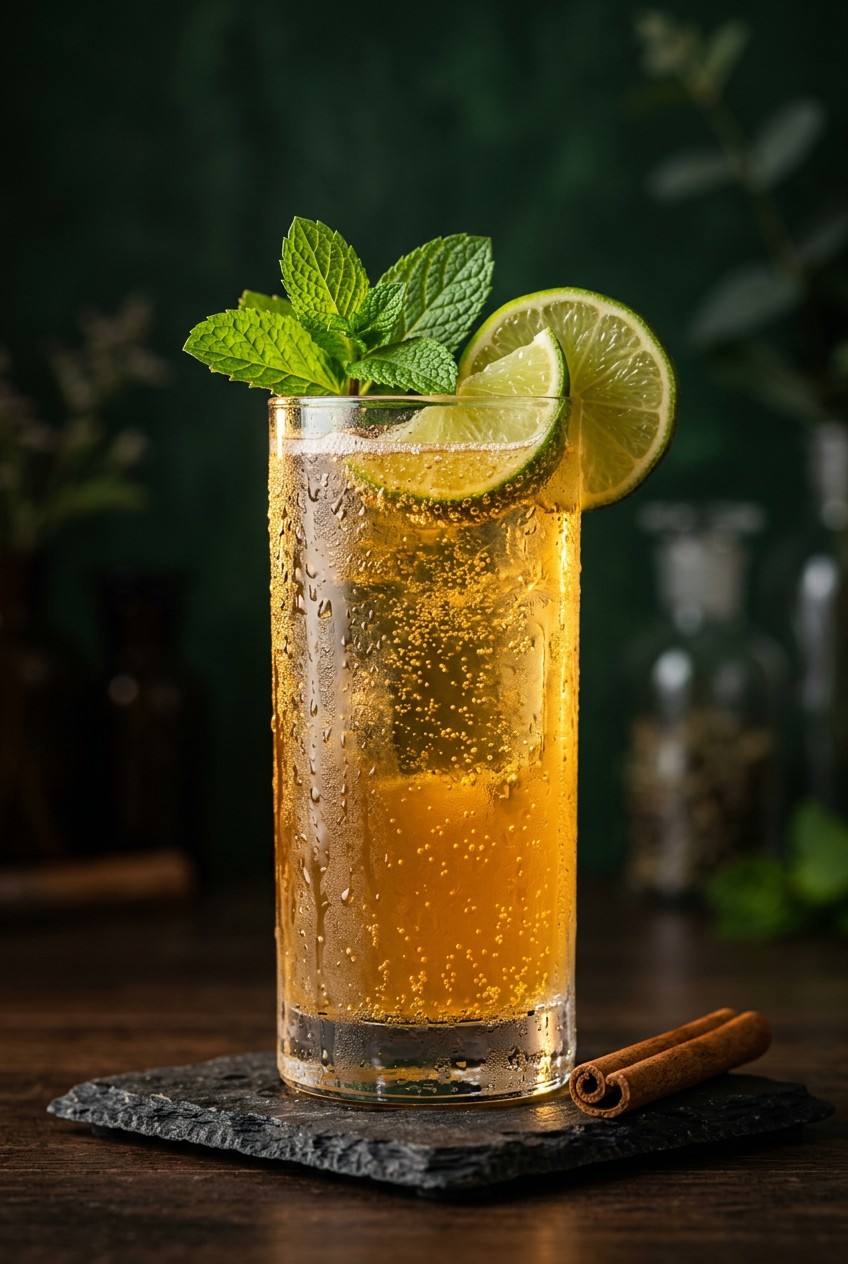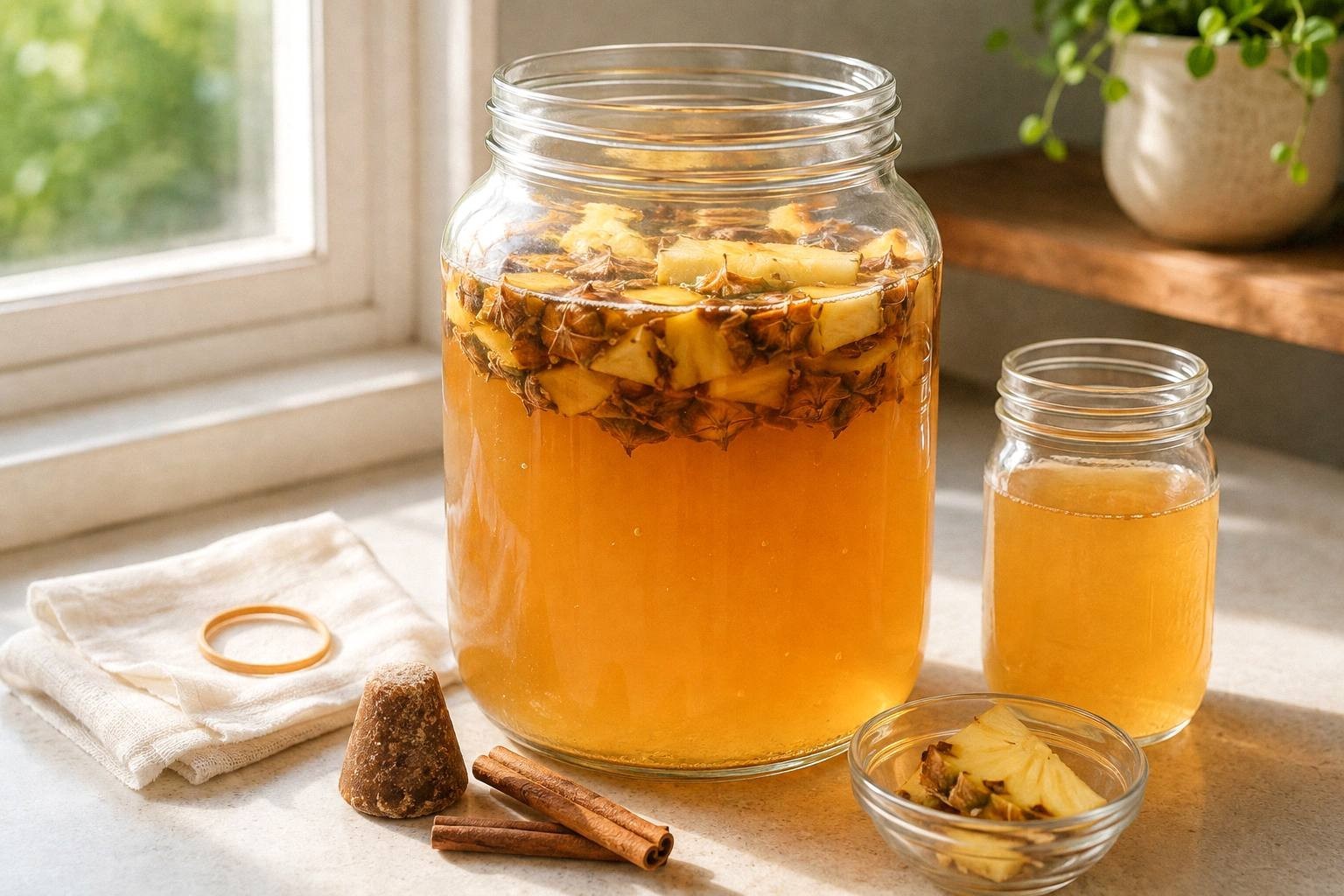
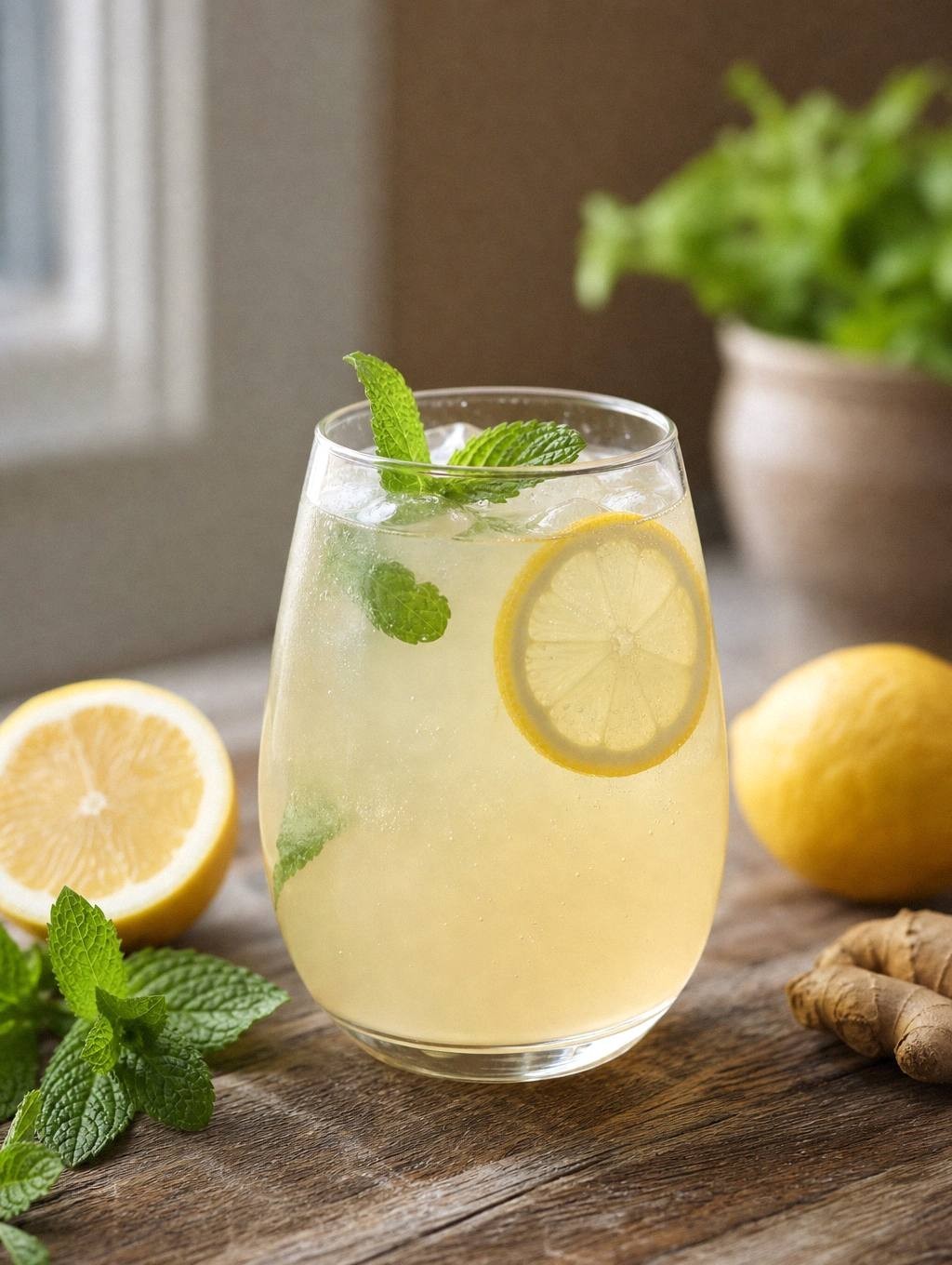
Living probiotic sodas are fermented soft drinks with active bacterial cultures. They’re similar to kombucha but taste closer to regular soda. Unlike prebiotic sodas, which add fiber, or sodas with probiotic powder stirred in, they rely on natural fermentation to make live microorganisms that stay active in the bottle. That means the label, the fridge case and the “keep refrigerated” line all matter: a living soda still has live cultures when you open it. If you’d rather brew your own fizz, start with our water kefir recipe or homemade prebiotic ginger soda . A chilled can is also nice to have around for fall get-togethers.
What Makes a Soda “Living”
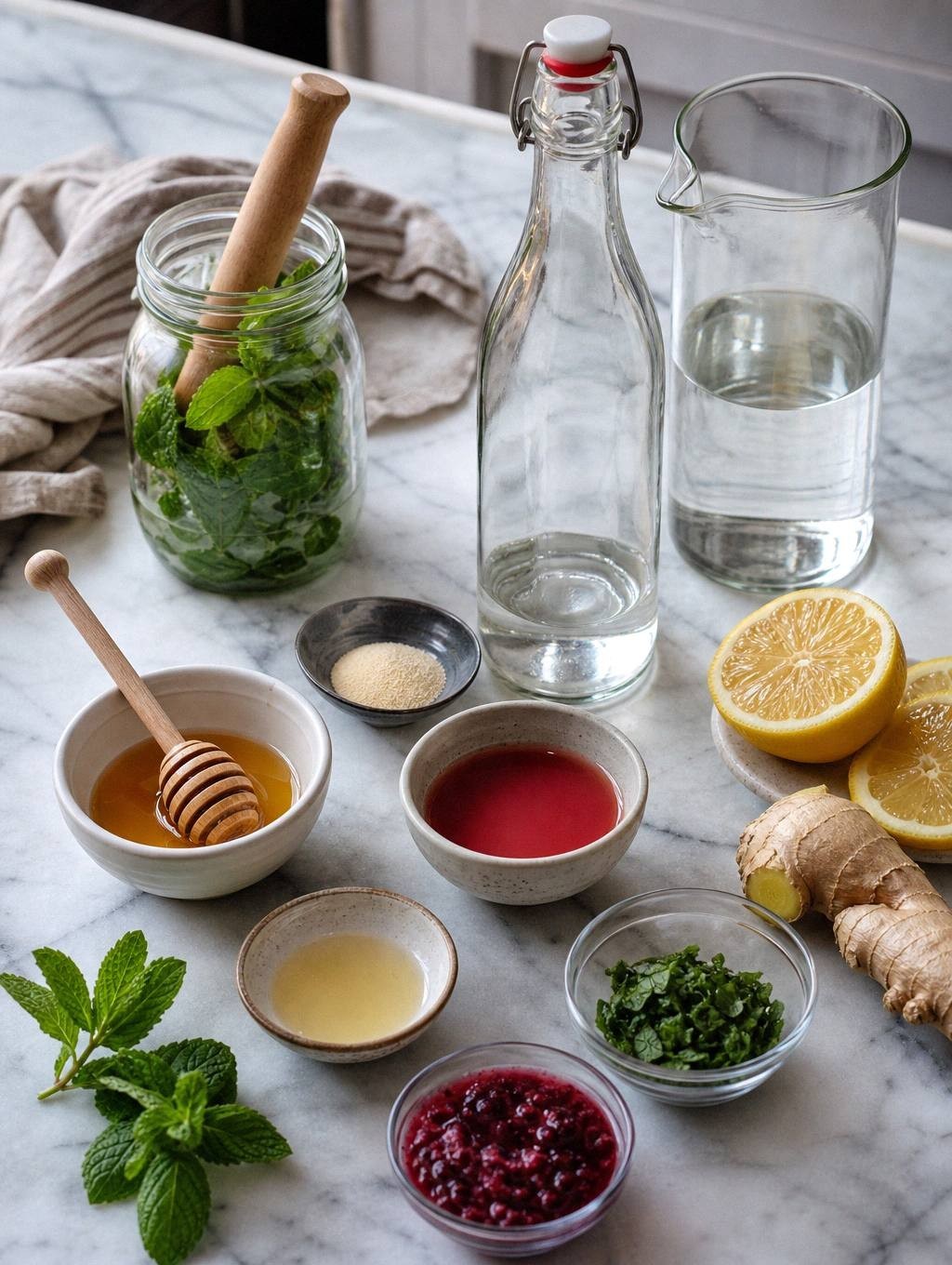
A living probiotic soda starts with fermentation, the same process behind yogurt, kimchi, and kombucha . Makers add specific bacterial strains to a sweetened liquid, and the microbes eat the sugar and make organic acids, carbon dioxide, and flavor compounds. You get a fizzy drink with active cultures still in it when you crack the can.
That’s different from stirring probiotic powder into finished soda. Fermentation builds an acidic environment that protects the bacteria and develops flavor naturally. A powder-added product skips that step and relies on encapsulation to keep freeze-dried bacteria viable until you drink it.
Fermentation also cuts the sugar without artificial sweeteners. The bacteria eat glucose and fructose, so the finished soda has fewer grams of sugar than the recipe started with, though most brands add some sweetener back for taste.
Probiotic vs Prebiotic Sodas
| Type | What It Contains | How It Works | Storage |
|---|---|---|---|
| Living Probiotic | Active bacterial cultures from fermentation | Introduces live microbes to your gut | Refrigeration required for most brands |
| Prebiotic | Fiber such as inulin, chicory root, or apple cider vinegar | Feeds bacteria already in your gut | Shelf-stable at room temperature |
| Added Probiotic | Freeze-dried bacterial strains mixed into finished soda | Delivers encapsulated bacteria that activate in your stomach | Varies by encapsulation method |
For a homemade fiber-and-ginger version, try our prebiotic ginger soda .
Prebiotic sodas dominate grocery shelves because they’re easier to make and ship. Fiber doesn’t need refrigeration, doesn’t keep fermenting in the bottle, and won’t burst if the temperature slips in transit. Living probiotic sodas have all three problems, which is why you find them in the refrigerated section or shipped with ice packs.
Refrigeration and Shelf Life
Most living probiotic sodas need constant refrigeration because the bacteria inside are still active. If the bottle warms up, fermentation speeds up, pressure builds, and the flavor shifts as more sugar gets used. Some brands pasteurize after fermentation to kill the cultures and stabilize the drink, but then it isn’t a living soda anymore.
A few makers say their sodas are shelf-stable thanks to their own strain selection or pH control. These use bacteria that tolerate wider temperature swings and stop fermenting at a certain acidity. The trade-off is often a tangier, more vinegary flavor that some drinkers find harder to like than the refrigerated kind.
Check the label for storage instructions. “Keep refrigerated” isn’t a suggestion. A warm bottle can taste off, over-carbonate, or lose viable bacteria by the time you drink it.
What They Taste Like
Living probiotic sodas taste less sweet than conventional sodas, with a light tang from the organic acids made during fermentation. The carbonation is gentler and creamier than the sharp bite of force-carbonated drinks. Fruit flavors come through clearly because fermentation builds up aromatic compounds instead of covering them with high fructose corn syrup.
The mouthfeel is lighter and less syrupy. You won’t get the sticky coating regular soda leaves on your teeth, and the finish is cleaner. Some brands lean into the funk with flavors like ginger turmeric or hibiscus lime. Others go for cola or root beer, with just enough acidity to tell you it’s something different.
If kombucha was too vinegary for you, probiotic sodas are milder. If prebiotic sodas with added fiber felt thick, probiotic versions are lighter and skip the chalky aftertaste inulin sometimes leaves.
Reading the Label
Look for the phrase “live and active cultures” or a list of specific bacterial strains such as Lactobacillus plantarum or Bacillus coagulans. If the label only mentions prebiotics, fiber, or apple cider vinegar, you aren’t getting live bacteria. Some brands list CFU counts (colony-forming units per serving), but there’s no industry standard for an effective dose in soda.
Sugar varies widely. Some living sodas have zero added sugar and rely on the natural sweetness left after fermentation, around two to five grams per can. Others add cane sugar, fruit juice, or stevia to reach eight to twelve grams, still well below the forty grams in a regular Coke but enough to matter if you’re watching carbs.
Check the ingredient list for organic certification, non-GMO verification, and whether the base is fruit juice, tea, or water. Organic juice costs more but avoids pesticide residues that could interfere with fermentation. Real spices and herbs show up as sediment in the bottle, a sign of minimal processing.
Gut-Friendly, Honestly
A living soda gives you live cultures, and a prebiotic soda gives you fiber for the bacteria you already have. Neither replaces a plate of fermented vegetables, yogurt or kefir , which carry more bacteria per serving. To know what’s in your can, read the label for named strains and a CFU count if the brand lists one.
If fermented drinks are new to you, start with half a can. Live cultures and added fiber can make a new drinker a little gassy at first, so ease in.
Frequently Asked Questions
Do living probiotic sodas need to be refrigerated?
Most do. The live bacteria keep fermenting at room temperature, which can over-carbonate the bottle, change the flavor, and reduce the live culture count. A few brands use strains that tolerate shelf storage, but follow the label.
How many probiotic sodas can I drink per day?
One can a day is a reasonable start. More adds sugar and can upset your stomach while your gut adjusts. There’s no established upper limit, but it makes sense to treat it like a supplement rather than an everyday drink.
Are probiotic sodas better than kombucha?
They’re different. Kombucha uses a SCOBY that produces a wider range of bacteria and yeast, so it’s more acidic and funky. Probiotic sodas use targeted strains and taste closer to conventional soda. Neither is better. It comes down to flavor preference and how your gut feels.
Can kids drink probiotic sodas?
The sugar is lower than regular soda, but these are still fermented drinks, so keep them an occasional treat and check the label for caffeine and added sugar.
Do probiotic sodas contain alcohol?
Fermentation makes trace amounts of alcohol, typically less than 0.5 percent, which is below the line for labeling a drink as alcoholic. It won’t intoxicate you, but if you avoid alcohol entirely, check the label.
Where can I buy living probiotic sodas?
Look in the refrigerated section of natural food stores, Whole Foods, or specialty grocers. Some brands ship directly with cold packs. You’ll rarely find them in gas stations or regular supermarkets, because the cold chain is too hard to keep up.
Choosing What Works for You
- If you want live bacteria and can keep the product cold, choose a refrigerated probiotic soda with a clear strain list and minimal added sugar.
- If convenience and shelf stability matter more, a prebiotic soda with fiber skips the storage hassle.
- If you’re skeptical of health claims but want a lower-sugar fizzy drink, either type works as a soda replacement.
Taste a few brands before you buy a case. The flavors differ a lot, and what one person finds refreshing another finds too sour or too sweet. Living probiotic sodas won’t fix your gut, but they beat pouring another can of Sprite.