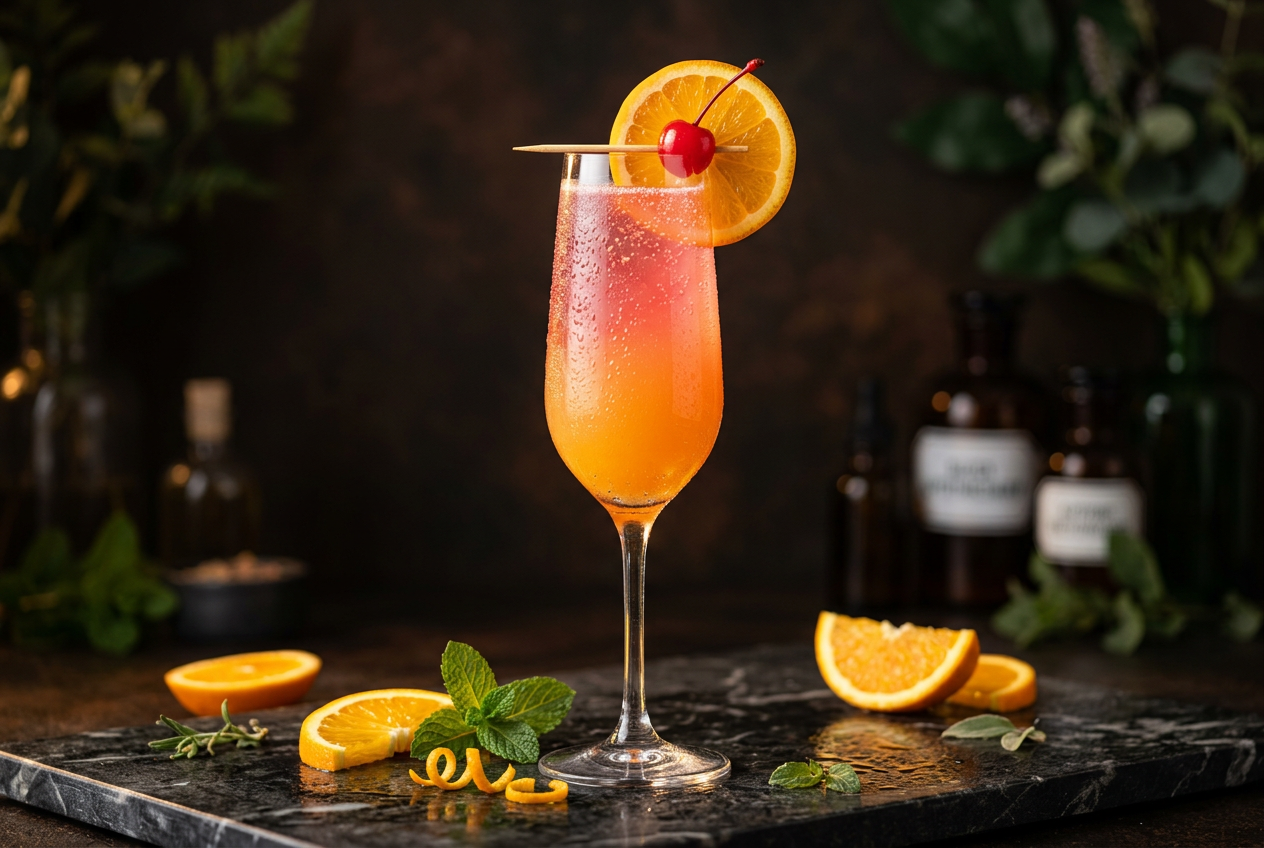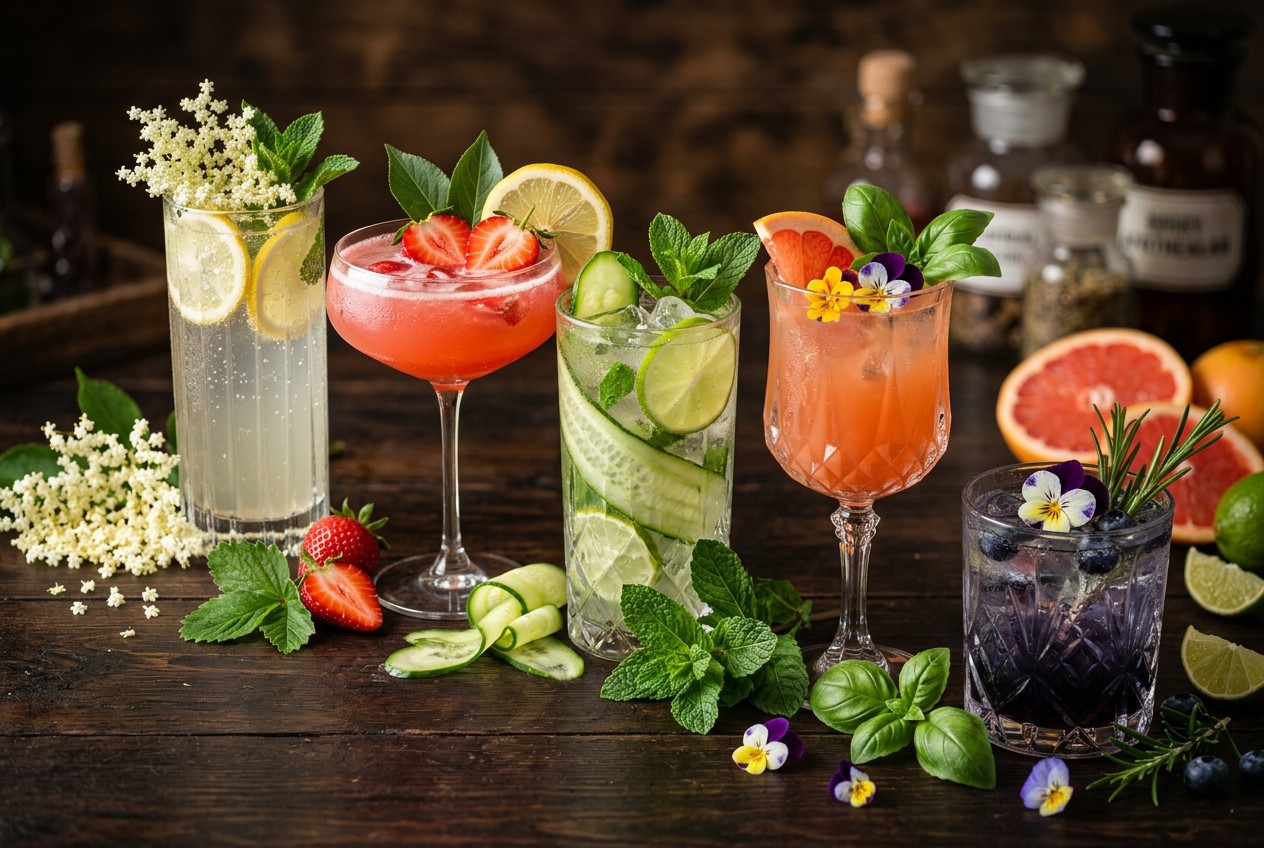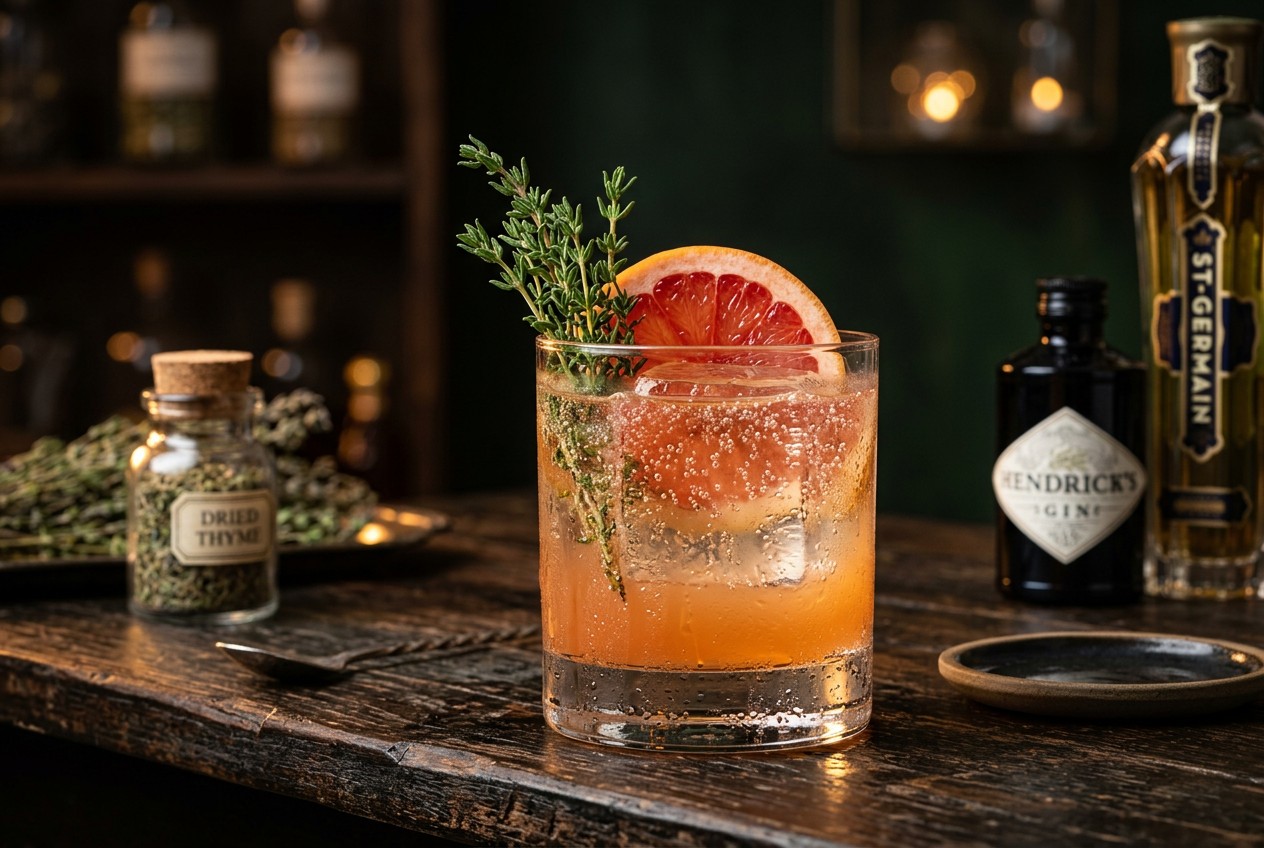
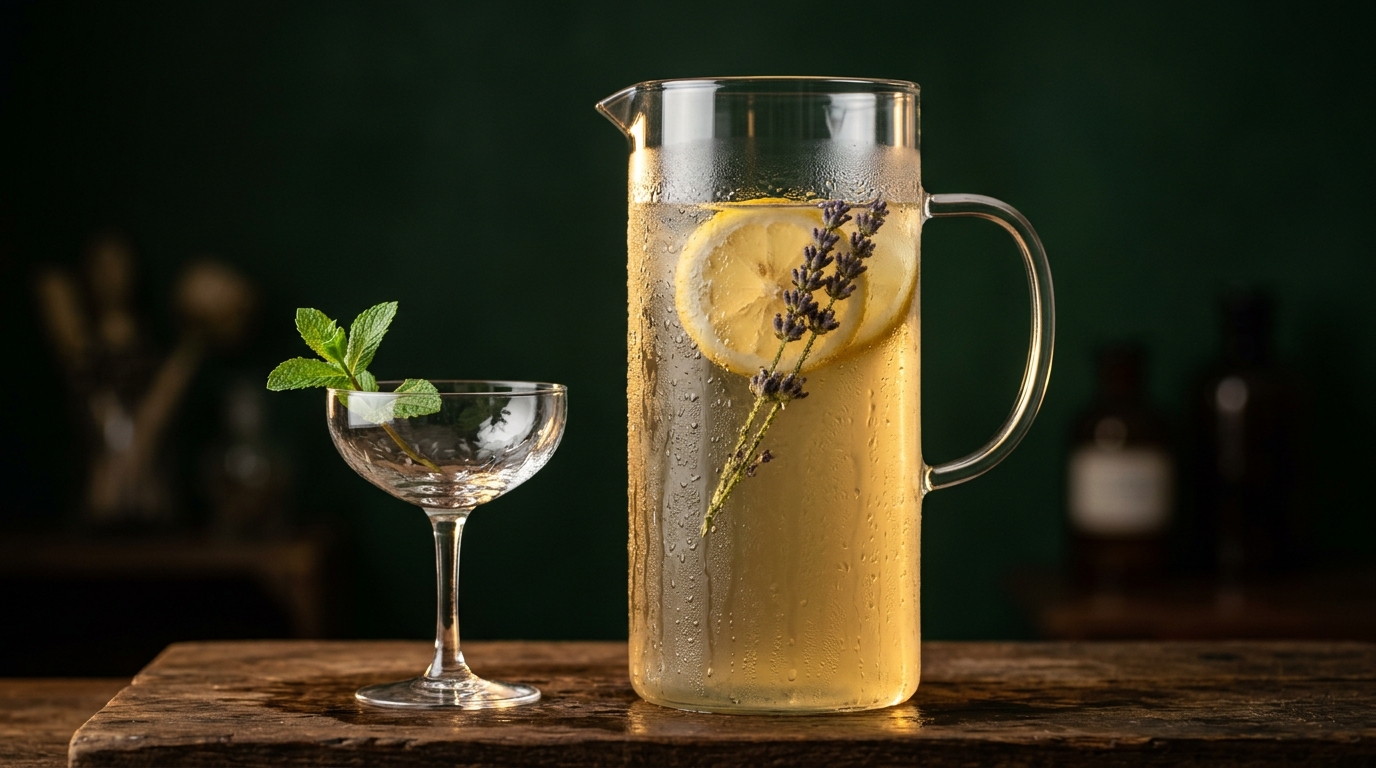
Fresh botanical lemonade with lavender, mint, and elderflower. Simple spring mocktail recipe with herbal twists. Get the recipe.
Why You Will Love This
The 1:1:8 ratio is the foundation of perfect lemonade. One cup lemon juice, one cup sweetener, eight cups water. This botanical version layers culinary lavender and fresh mint into that classic formula, turning a simple refresher into a spring mocktail with depth. The lavender steeps for exactly 4 minutes, long enough to release floral oils without turning soapy.
The Story Behind It
Lemonade showed up in medieval Egypt as qatarmizat, a drink of lemon juice and sugar sold in Cairo’s markets. European herbalists added botanicals by the 17th century, steeping lavender, rose petals, and lemon balm into their syrups. This recipe follows that tradition, using culinary lavender from Provence and spearmint, both grown for centuries alongside citrus in Mediterranean kitchen gardens.
What You Will Need
For the base:
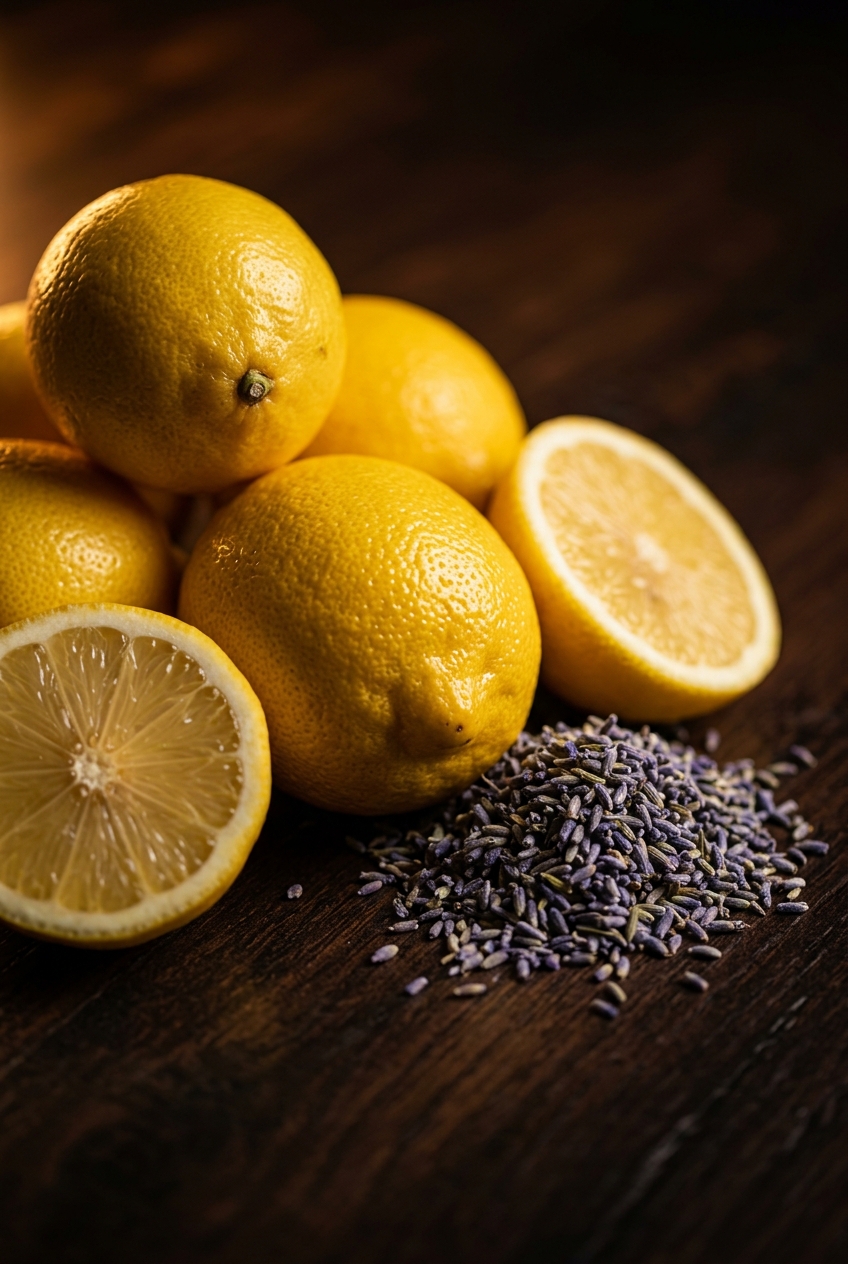
- 1 cup fresh lemon juice (about 6-8 lemons)
- 1 cup raw honey or cane sugar
- 8 cups cold filtered water
Botanical additions:
- 2 tablespoons dried culinary lavender buds
- 1/4 cup fresh mint leaves
- Ice cubes
- Lemon wheels and herb sprigs for garnish
How to Make It
Juice the lemons until you have exactly 1 cup of fresh juice. Strain out seeds.
In a small saucepan, combine honey (or sugar) with 1 cup of water. Heat gently until dissolved, about 2 minutes. Remove from heat.
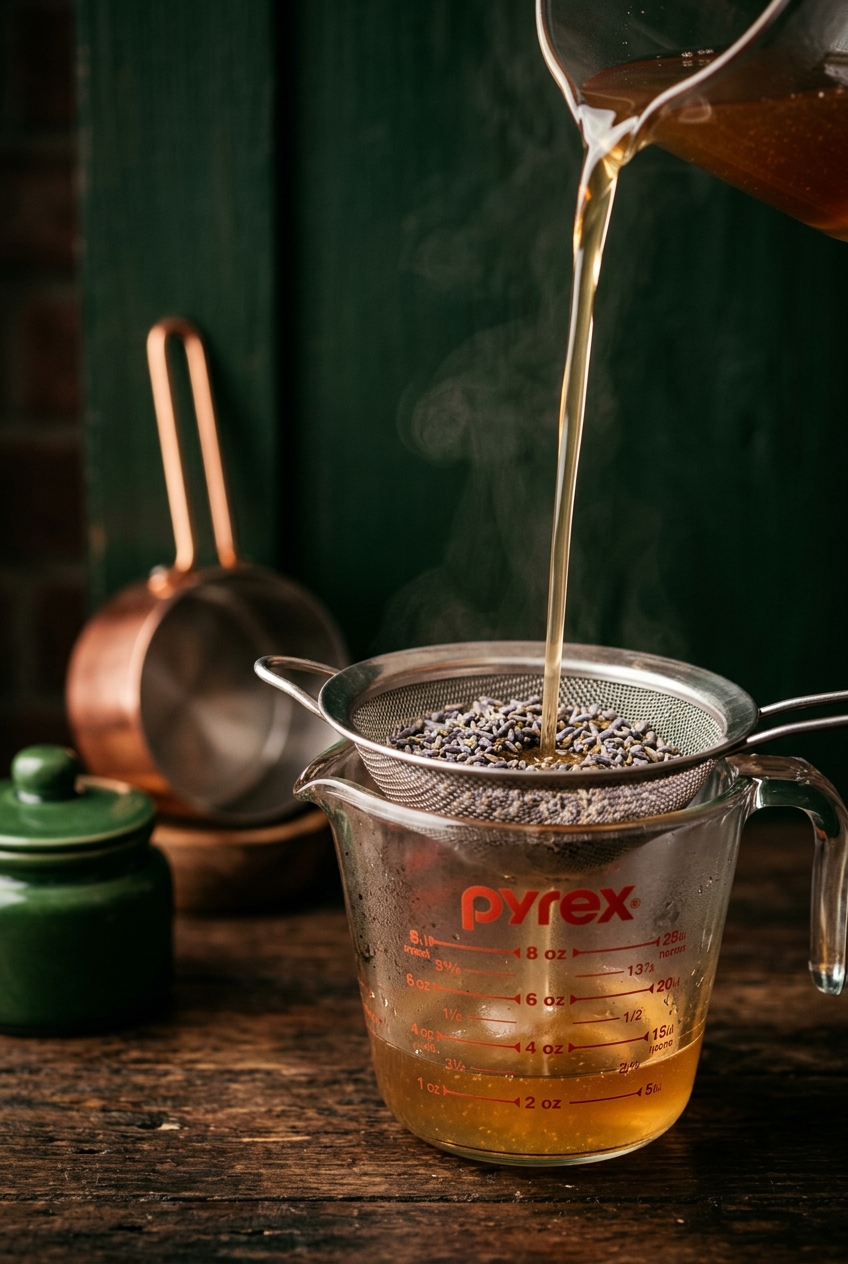
Add lavender buds to the warm simple syrup. Steep for 4 minutes, then strain out the buds. Longer steep times turn the lavender bitter and soapy.
In a large pitcher, combine lemon juice, lavender simple syrup, and remaining 7 cups cold water. Stir well.
Bruise mint leaves gently between your palms and add to the pitcher. This releases menthol oils without tearing the leaves. Chill for at least 15 minutes.
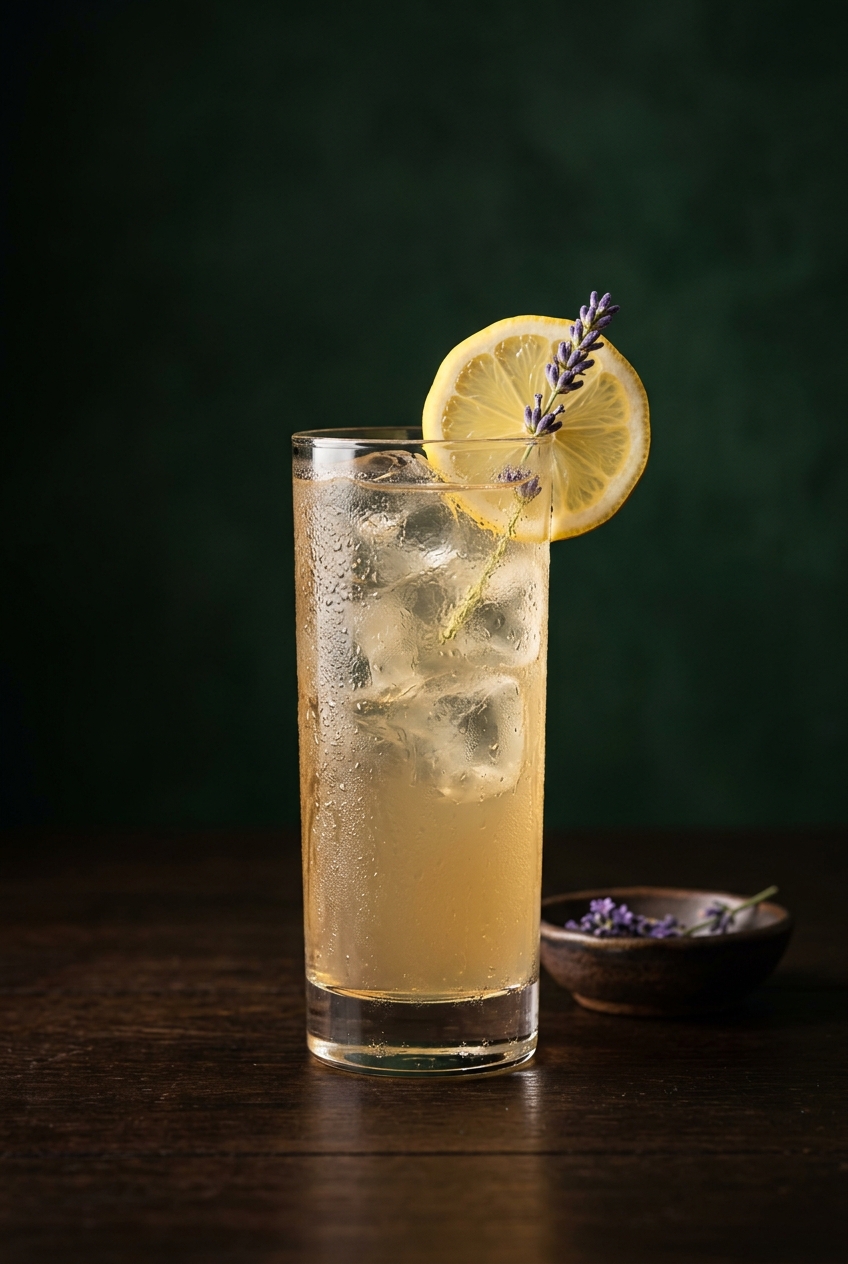
Serve over ice with lemon wheels and fresh herb sprigs.
Herbalist Notes
Lavender (Lavandula angustifolia): Use culinary lavender, not ornamental varieties. The buds contain linalool and linalyl acetate, volatile oils that calm the nervous system. French herbalists dose lavender tea at 1-2 teaspoons per cup. This recipe uses half that concentration for subtle floral notes.
Mint (Mentha spicata): Spearmint contains 50-60% carvone, the compound responsible for its cooling sensation. Unlike peppermint’s menthol punch, spearmint stays gentle. Western herbalists use it as a digestive carminative at 1-2 grams dried leaf per cup. Fresh mint in cold drinks releases oils slowly without overwhelming the palate.
Lemon juice pH: Fresh lemon juice sits at pH 2.0-2.6. The acidity preserves the drink naturally and extracts more antioxidants from the herbs. Bottled lemon juice loses 30-50% of its vitamin C and volatile citrus oils within weeks of processing.
Make It Your Own
Swap lavender for 2 tablespoons dried elderflowers for a more delicate floral note. Elderflower pairs especially well with cucumber, add 6-8 thin slices to the pitcher. For a basil lemonade, muddle 1/2 cup fresh Thai basil leaves with the sugar before adding water. The eugenol in basil (the same compound in cloves) adds a warm, slightly spicy finish. Store the base lemonade for 3 days in the refrigerator, but add fresh herbs just before serving to keep them bright green.
Common Questions
What is the best ratio for homemade lemonade?
The 1:1:8 ratio is standard across professional kitchens and home recipes. One part fresh lemon juice, one part sweetener (by volume), eight parts water. This creates a balanced drink at roughly 12-14 Brix (sugar content), similar to commercial lemonades. If your lemons are especially tart (Meyer lemons run sweeter than Eureka), taste after mixing and adjust by adding 2 tablespoons of sweetener or water at a time.
What herbs can you add to lemonade?
Lavender, mint, basil, elderflower, lemon verbena, rosemary, and thyme all work. Use 1-2 tablespoons dried herbs or 1/4-1/2 cup fresh herbs per batch. Steep woody herbs like rosemary and thyme in warm syrup for 5-7 minutes. Steep delicate herbs like mint and basil in cold liquid to preserve their bright flavor. Avoid oregano, sage, and marjoram, they turn medicinal in cold drinks.
How do you make lemonade from scratch?
Juice fresh lemons to get 1 cup of juice. Make a simple syrup by dissolving 1 cup sugar in 1 cup warm water. Combine the lemon juice, simple syrup, and 7 cups cold water in a pitcher. Stir well and chill. The key is using fresh-squeezed juice, bottled juice lacks the aromatic oils found in the lemon peel and pulp that give real lemonade its depth.
Can you add botanical ingredients to lemonade?
Yes. Steep dried botanicals in warm simple syrup before mixing with lemon juice and water. This extracts essential oils and flavor compounds without diluting the drink. Add fresh herbs directly to cold lemonade and let them infuse for 15-30 minutes. Flowers like lavender and elderflower need heat to release their oils. Leafy herbs like mint and basil release flavor in cold liquid.
How long does homemade botanical lemonade last?
The base lemonade (without fresh herbs) keeps for 5 days refrigerated in a sealed glass container. The citric acid acts as a natural preservative. Once you add fresh herbs, drink within 24 hours. The herbs oxidize and turn brown, affecting both appearance and flavor. For longer storage, freeze the base lemonade in ice cube trays and add fresh herbs when serving.