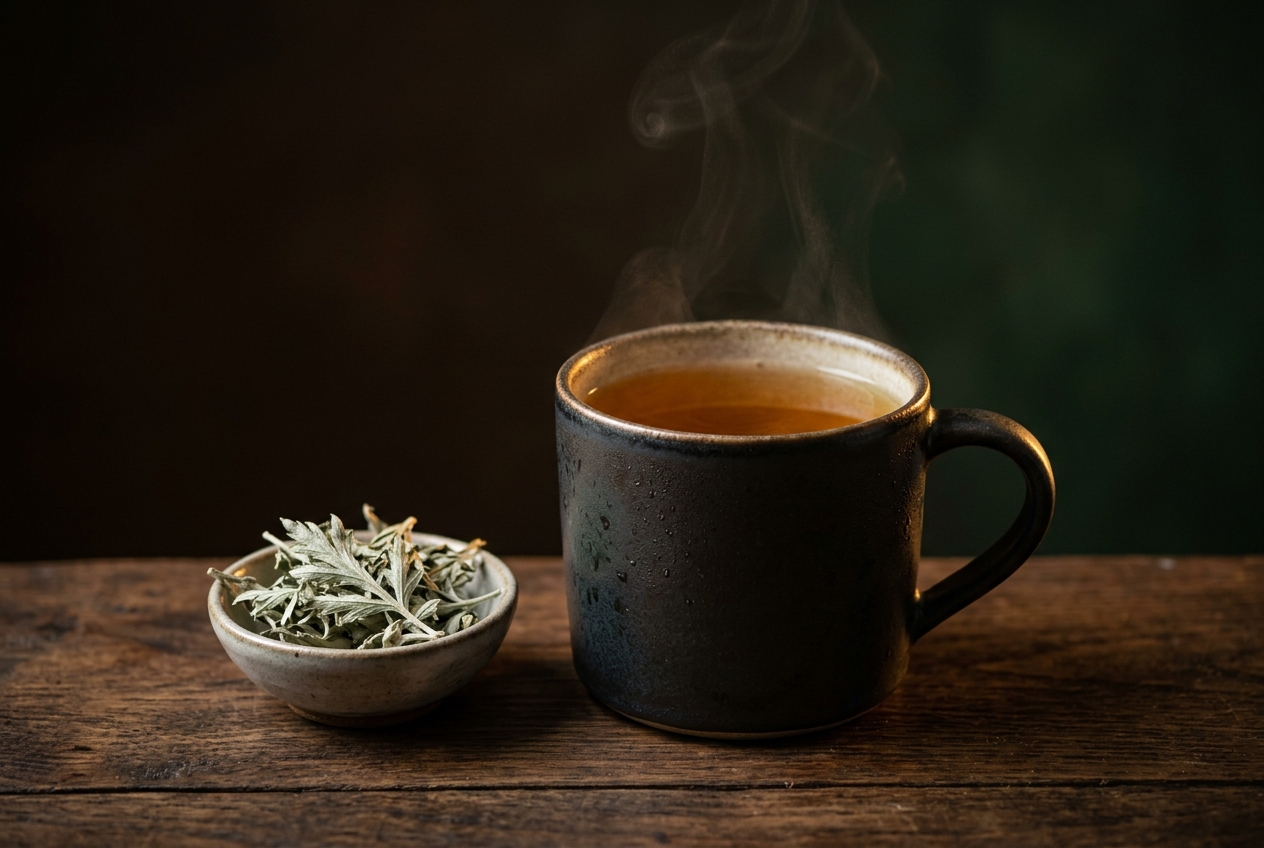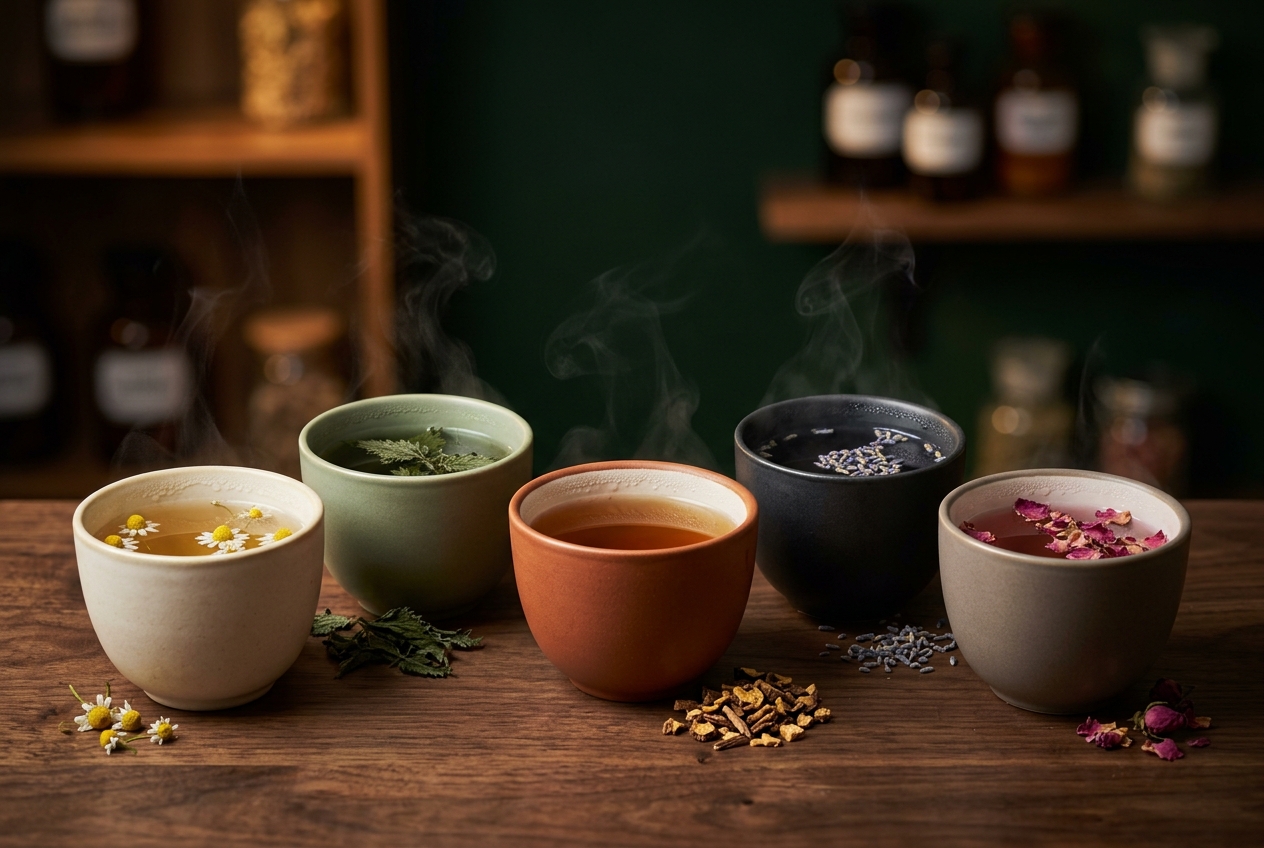
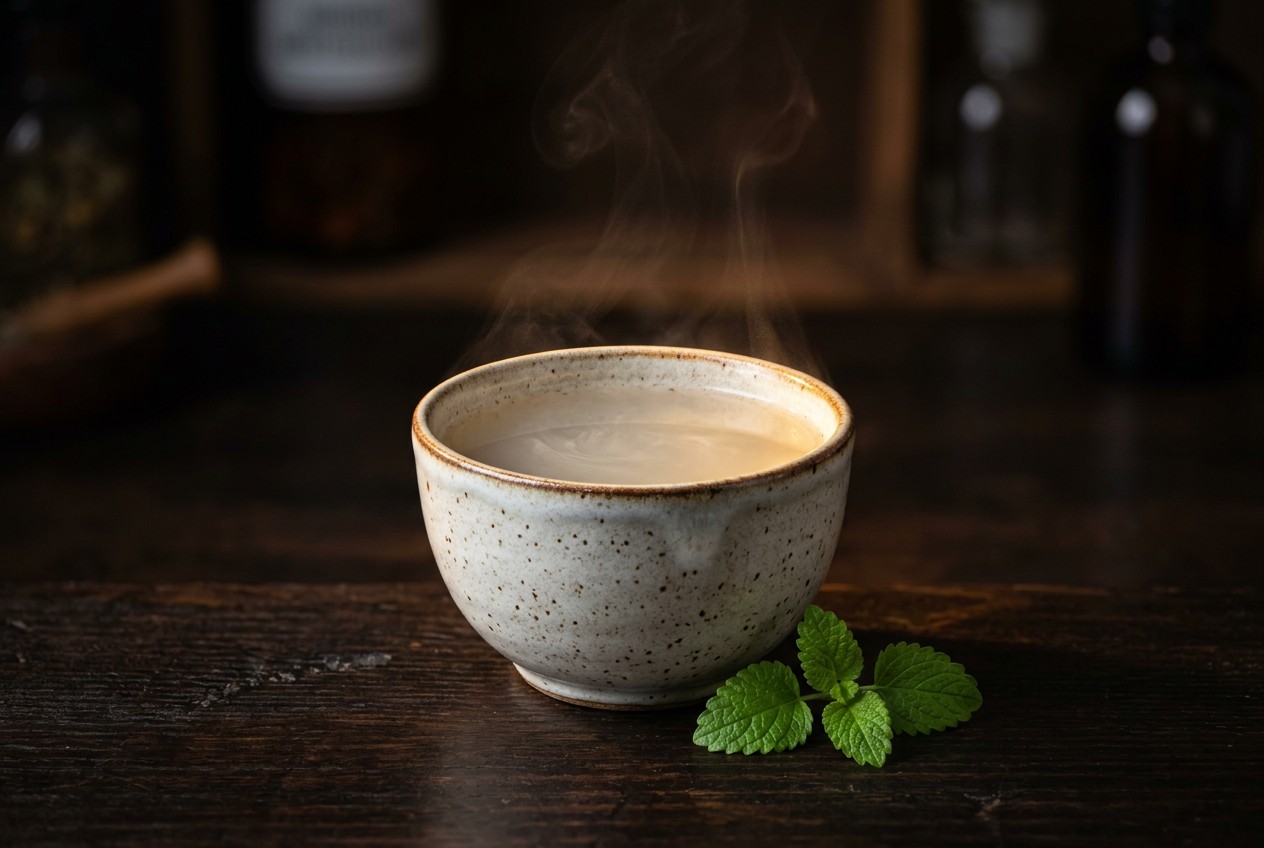
Make mallow tea with marshmallow root and spring herbs. Gentle, mucilaginous digestive support. Get the recipe.
Why You Will Love This
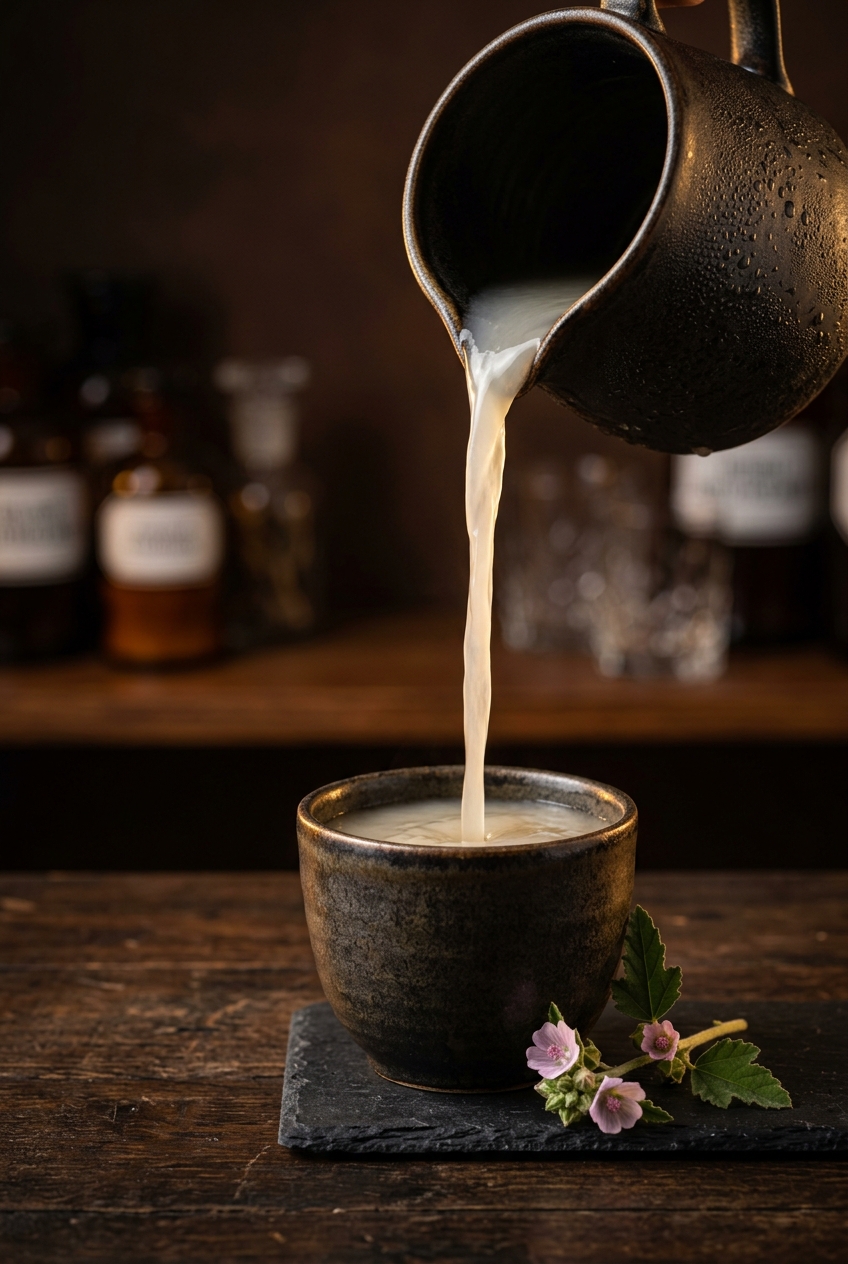
This mallow tea pulls its silky texture from marshmallow root steeped cold overnight. The result is a pale, slightly sweet infusion that coats your throat and stomach with plant mucilage, the same compound that gives okra its slip. Chamomile and fennel round out the blend with mild floral notes and a whisper of anise. It tastes gentle, almost neutral, with a viscosity you can feel.
The Story Behind It
Marshmallow root (Althaea officinalis) has been used in Western herbalism since ancient Greece, where physicians like Hippocrates recorded its use for wound poultices and respiratory complaints around 400 BCE. The cold-water extraction method preserves the plant’s mucilage polysaccharides, which break down above 104°F. This technique appears in European folk medicine traditions and modern clinical herbalism alike. Spring is the traditional harvest time for mallow roots, making this a seasonally aligned digestive tonic.
What You Will Need
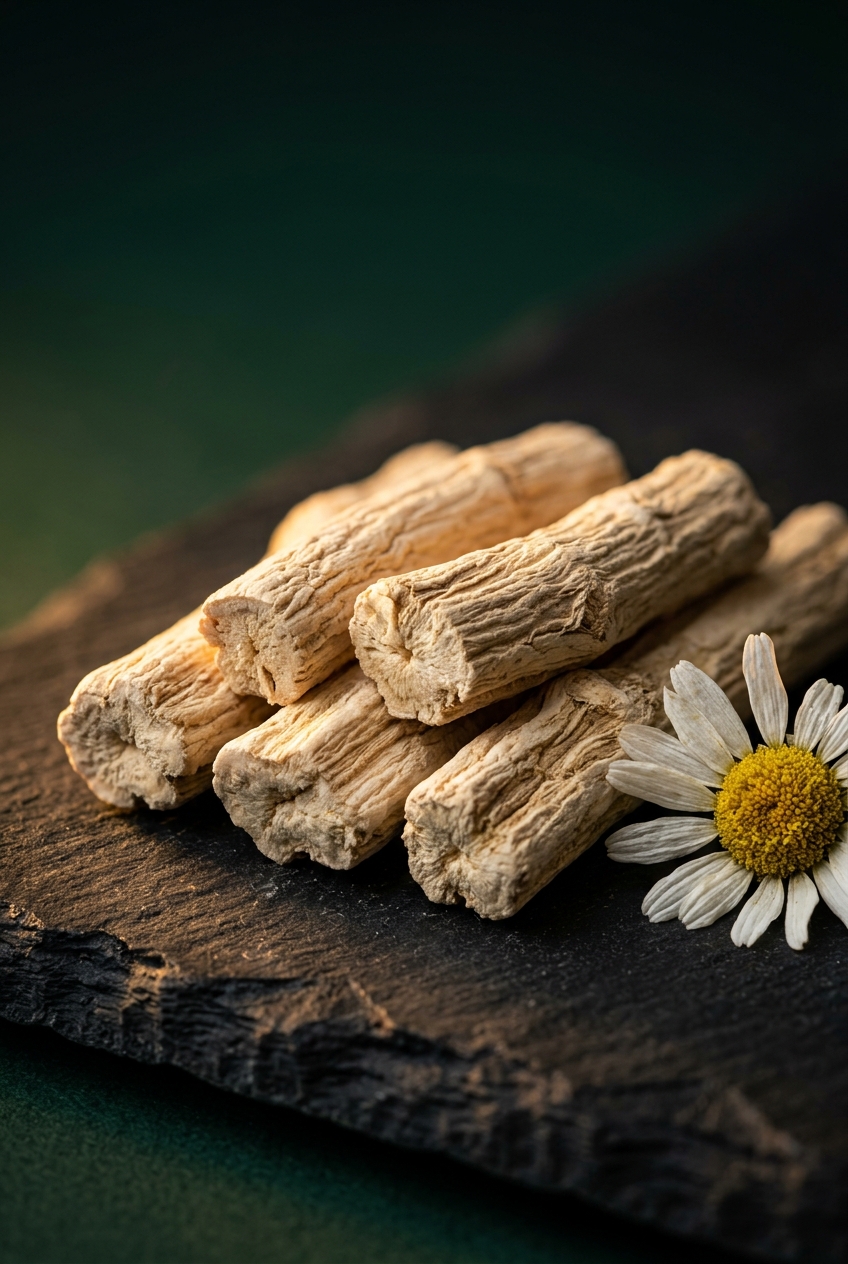
- 2 tablespoons dried marshmallow root
- 1 tablespoon dried chamomile flowers
- 1 teaspoon fennel seeds, lightly crushed
- 4 cups cold filtered water
- Raw honey, to taste (optional)
- Fresh lemon balm leaves for garnish (optional)
How to Make It
- Place marshmallow root in a quart-sized glass jar or pitcher.
- Add chamomile flowers and crushed fennel seeds to the jar.
- Pour 4 cups cold filtered water over the herbs.
- Stir gently, cover, and refrigerate for 4-8 hours or overnight.
- Strain through a fine-mesh sieve or cheesecloth, pressing herbs gently to extract all liquid.
- Serve cold or gently warm to body temperature (not above 100°F to preserve mucilage).
- Sweeten with raw honey if desired and garnish with fresh lemon balm.
Herbalist Notes
Marshmallow root contains 11-35% mucilage polysaccharides by dry weight, according to European Pharmacopoeia standards. These long-chain sugars form a protective layer on mucous membranes, which is why Western herbalists use this plant for gastritis, ulcers, and inflammatory bowel conditions. The cold infusion method extracts mucilage without pulling tannins or other heat-sensitive compounds.
Fennel seeds contain 2-6% volatile oils, primarily anethole, which has documented antispasmodic effects on smooth muscle tissue in the digestive tract. A 2003 study in Alternative Therapies in Health and Medicine found fennel reduced infant colic symptoms by 65% compared to placebo.
Chamomile’s apigenin content (up to 1.2% in German chamomile) binds to GABA receptors, producing mild sedative and antispasmodic effects. This makes the blend useful for stress-related digestive upset, not just mechanical irritation.
Make It Your Own
If you cannot source marshmallow root, slippery elm bark works similarly but has a stronger, more earthy flavor. Use 1 tablespoon per 4 cups water. For a warming version, add 2-3 slices of fresh ginger during the cold steep, then gently heat to 95-100°F before serving. The ginger will not interfere with mucilage extraction if added cold.
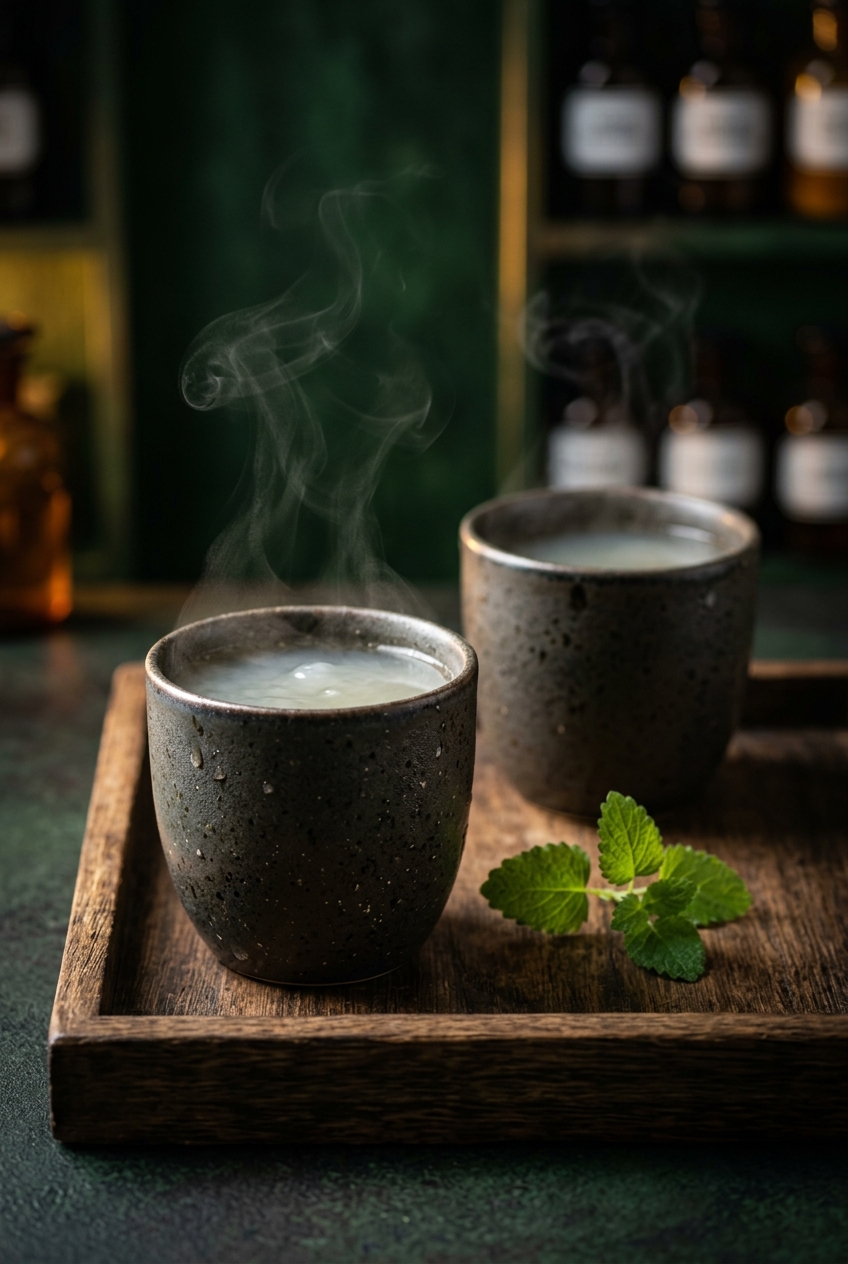
Serve this over ice with a sprig of mint for a summer digestive cooler, or warm it slightly and add a cinnamon stick for a cozy evening cup. The tea keeps refrigerated for 48 hours but loses some viscosity after day two.
Common Questions
What is mallow tea good for?
Mallow tea, specifically marshmallow root tea, is used in Western herbalism to soothe inflamed mucous membranes in the digestive tract. The mucilage polysaccharides coat the stomach and intestinal lining, providing mechanical protection against acid and irritation. Clinical herbalists recommend it for gastritis, peptic ulcers, IBS with inflammation, and dry cough. A 2015 study in the Journal of Evidence-Based Complementary Medicine found marshmallow root extract reduced gastric ulcer size by 41% in animal models compared to control groups.
How do you make marshmallow root tea at home?
Use a cold infusion method to preserve mucilage. Place 2 tablespoons dried marshmallow root in 4 cups cold filtered water and refrigerate for 4-8 hours. Strain and drink cold or warm to body temperature (not above 100°F). Hot water extraction destroys up to 60% of the mucilage polysaccharides according to pharmacognosy research. Cold steeping takes longer but yields a more viscous, therapeutically active tea. You can reuse the same roots for a second 4-hour steep, though the second batch will be less concentrated.
Can mallow tea help with digestive issues?
Yes, but specifically for inflammatory or irritated conditions rather than motility issues. The mucilage in marshmallow root forms a protective film over the stomach and intestinal lining, reducing direct contact with gastric acid and food particles. This makes it useful for gastritis, ulcers, esophageal reflux, and inflammatory bowel conditions. It will not speed up or slow down digestion directly. For cramping or spasms, the fennel and chamomile in this blend provide antispasmodic support. Drink 1-2 cups daily, 30 minutes before meals for best coating effect.
What does mallow tea taste like?
Mallow tea tastes mild, slightly sweet, and almost neutral with a silky, viscous texture. The marshmallow root itself has a faint earthy sweetness, similar to cooked parsnip but much lighter. Chamomile adds a gentle floral note, and fennel contributes a subtle anise-like finish. The texture is the defining characteristic: it feels thick and coating on your tongue, like a very diluted okra water. Some people find it soothing, others find it strange. Honey or lemon balm can brighten the flavor if the neutrality feels too flat.
How long does mallow tea stay fresh?
Store strained mallow tea in a sealed glass jar in the refrigerator for up to 48 hours. The mucilage begins to break down after two days, and the tea loses its characteristic viscosity. You will notice it becomes thinner and less coating. The dried herb blend keeps for 12-18 months in an airtight container away from light and heat. Marshmallow root loses about 20% of its mucilage content per year in storage, so buy from suppliers with high turnover and use within one year of harvest for best results.