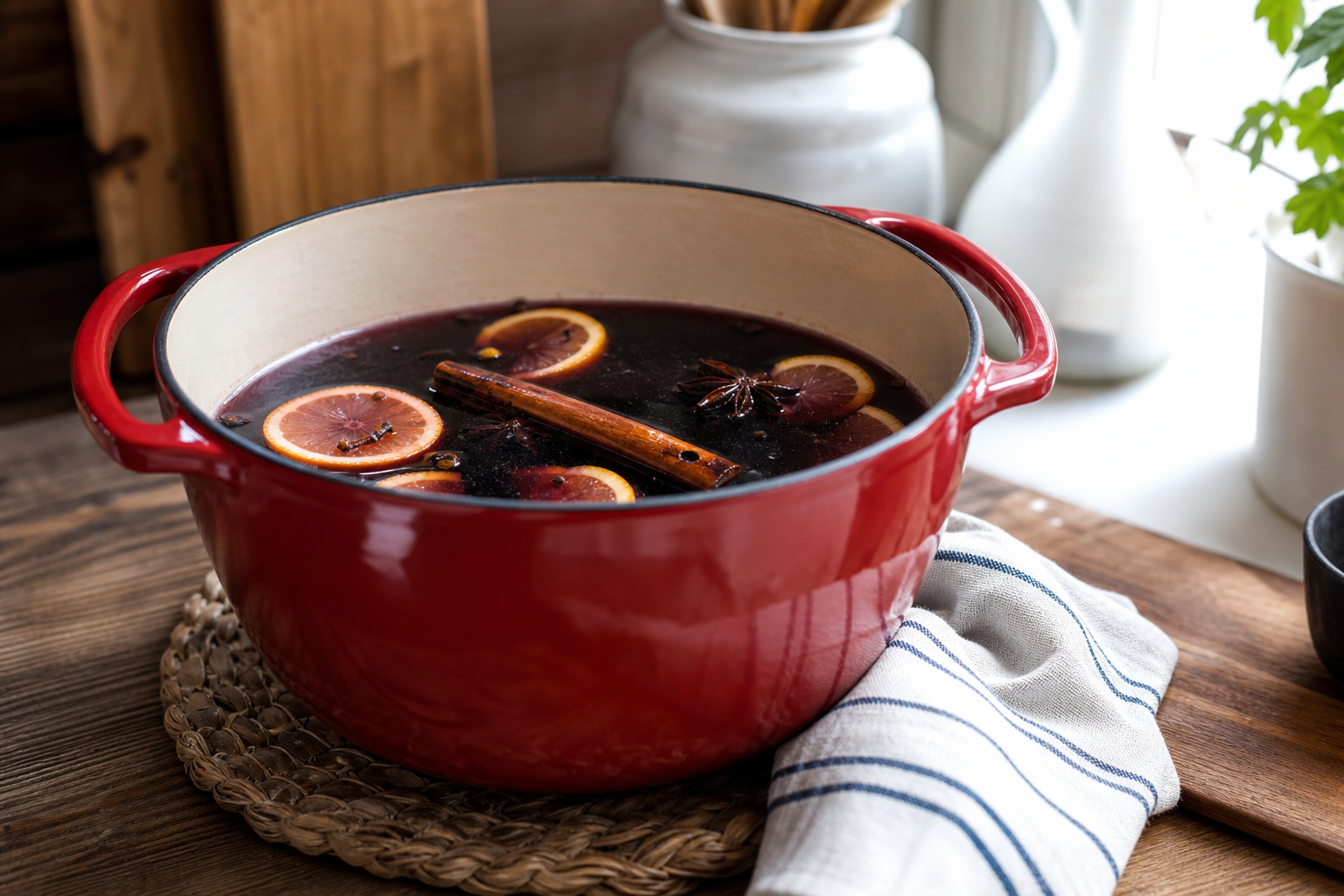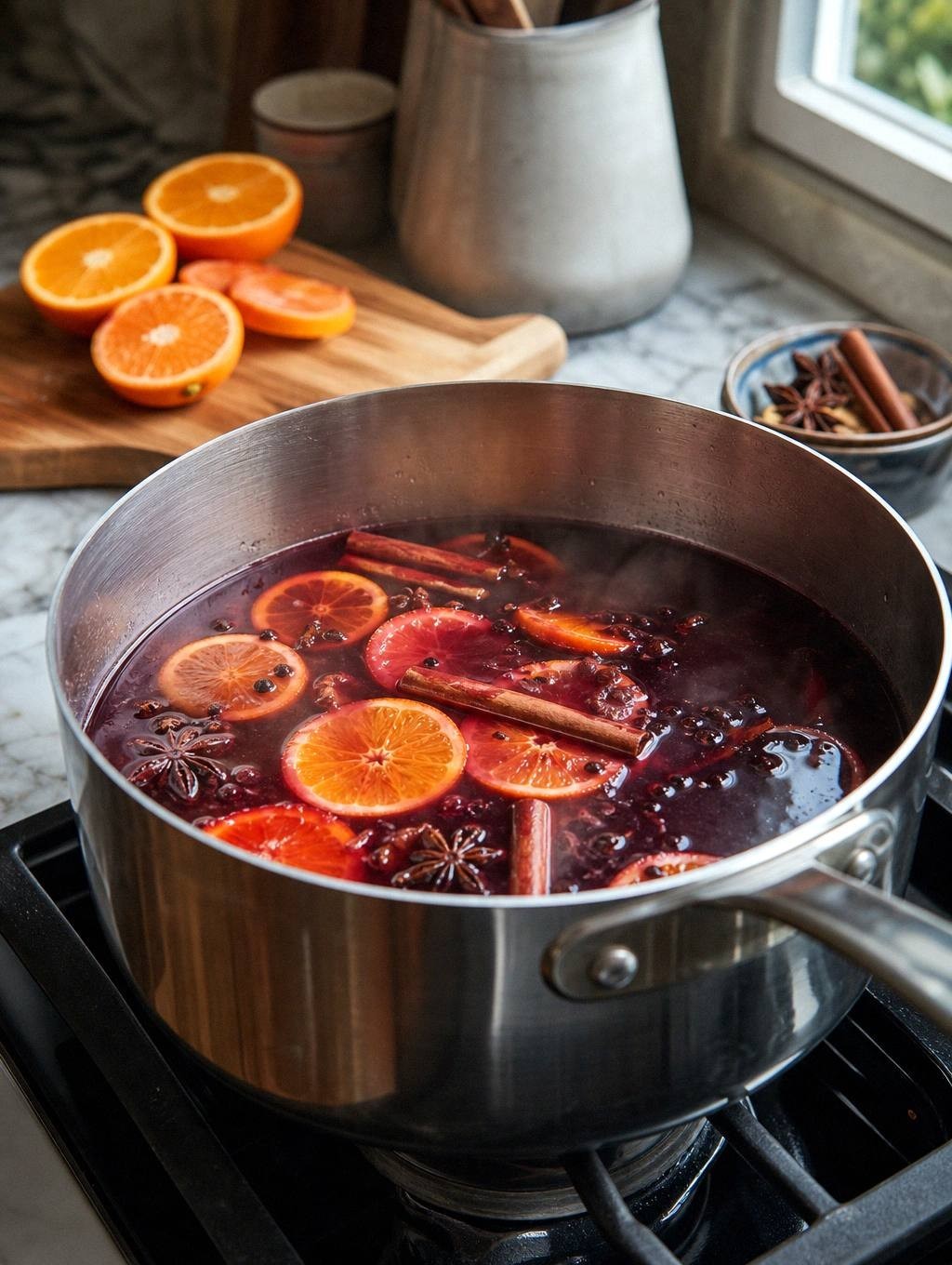
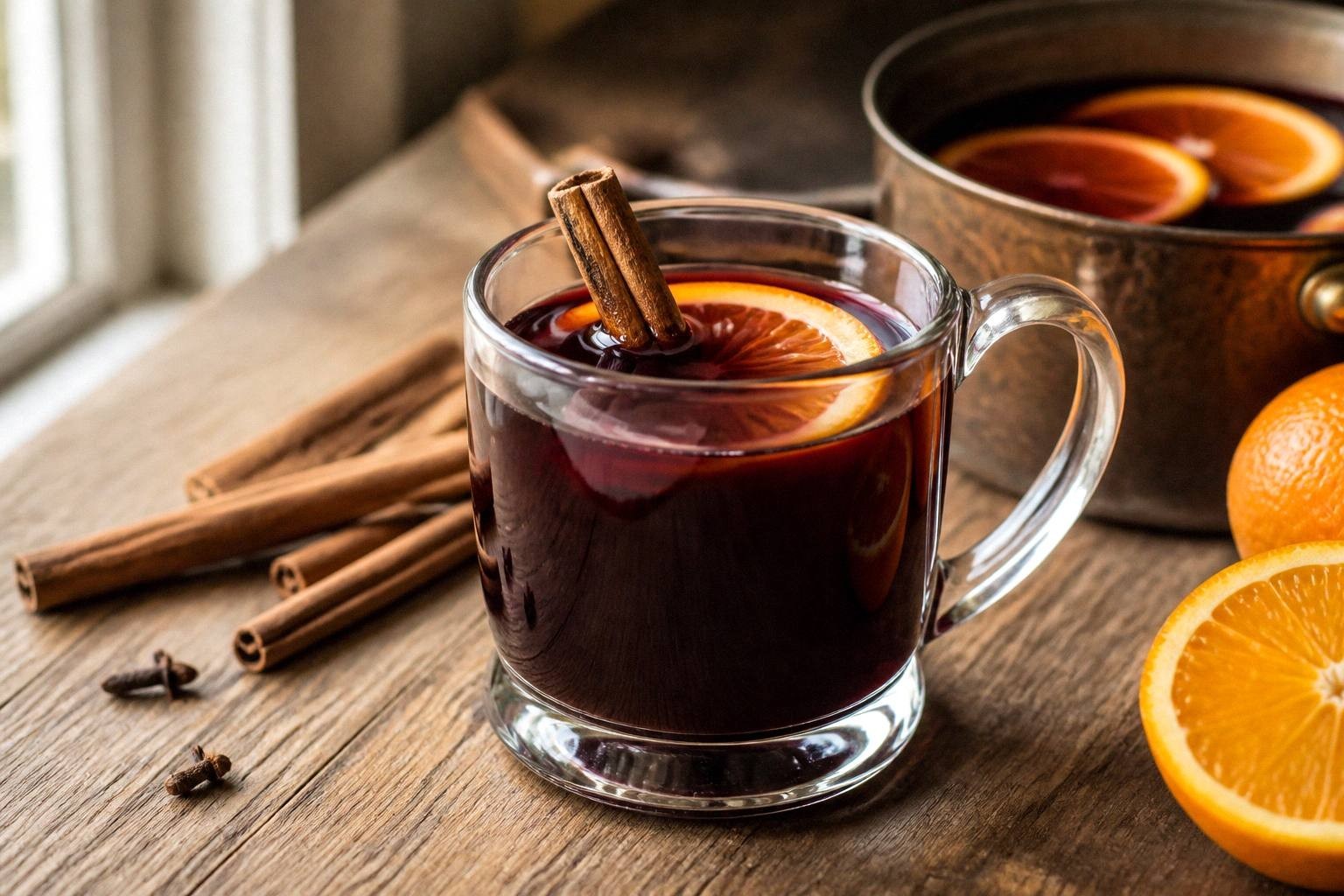
The scent of cinnamon and cloves simmering with red wine fills your kitchen like no candle ever could. Mulled wine turns an ordinary bottle into something warm, spiced, and festive, the kind of drink that makes cold evenings feel like celebrations. This recipe takes twenty minutes from bottle to mug, and every sip tastes like you planned ahead.
What Makes Mulled Wine Work
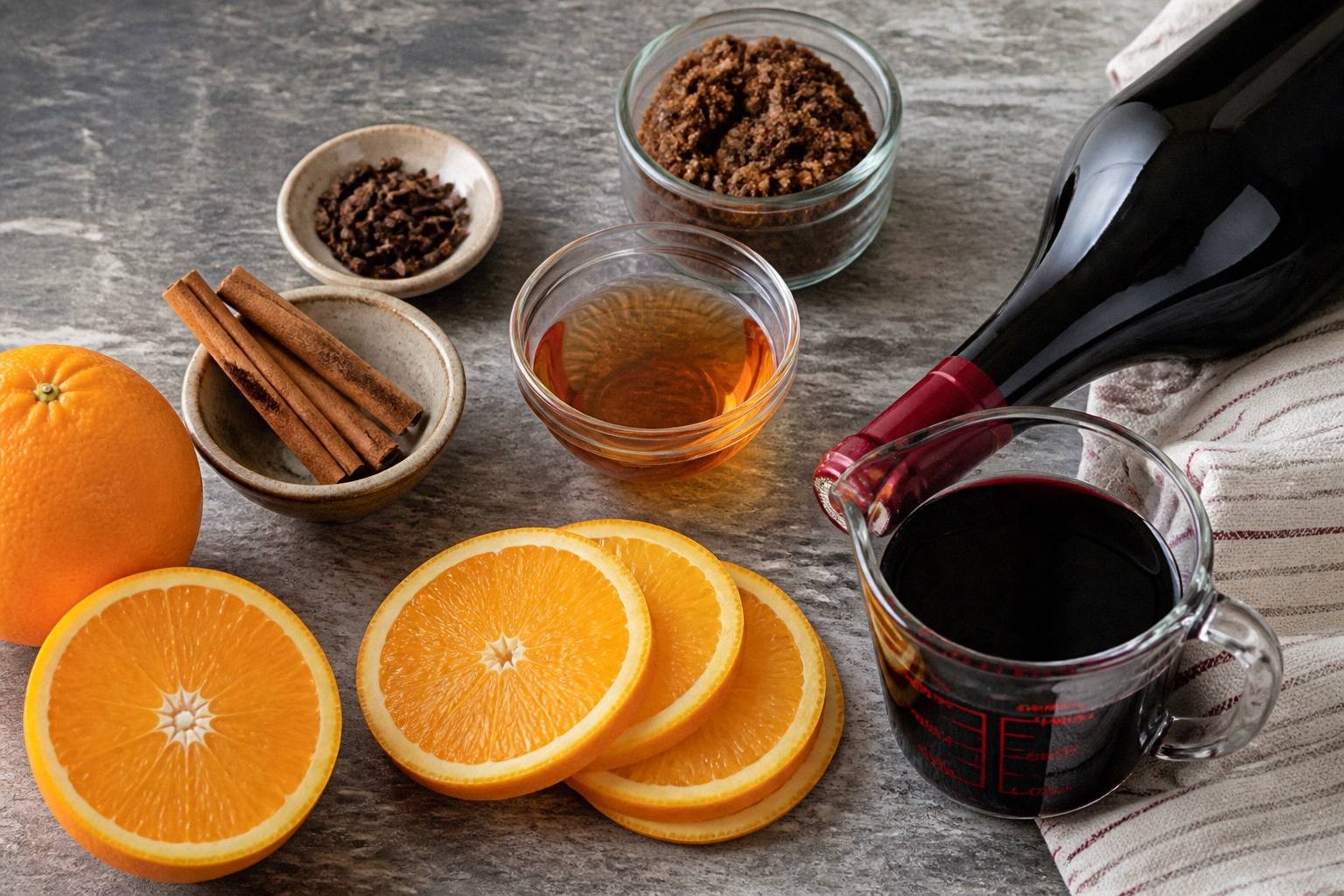
Mulled wine is red wine heated gently with spices, citrus, sweetener, and usually a splash of brandy. The warmth opens up the wine’s fruit flavors while the spices add depth, and the brandy gives the drink a little backbone. It’s a forgiving recipe that improves as it sits, which makes it ideal for parties.
The key is keeping the temperature below a simmer. A rolling boil strips out both the alcohol and the subtle flavors you are trying to build, so keep it well short of one. You want the liquid steaming and fragrant, with tiny bubbles forming at the edges but never breaking into a full bubble. That gentle heat extracts flavor from the spices without turning the wine harsh or thin.
Brandy isn’t just for boosting the alcohol content. It adds a round, slightly sweet note that balances the wine’s acidity and the spices’ bite. If you skip it, the drink still works, but it tastes a little flat. Orange liqueur makes a fine substitute if that’s what you have.
Choosing the Right Wine
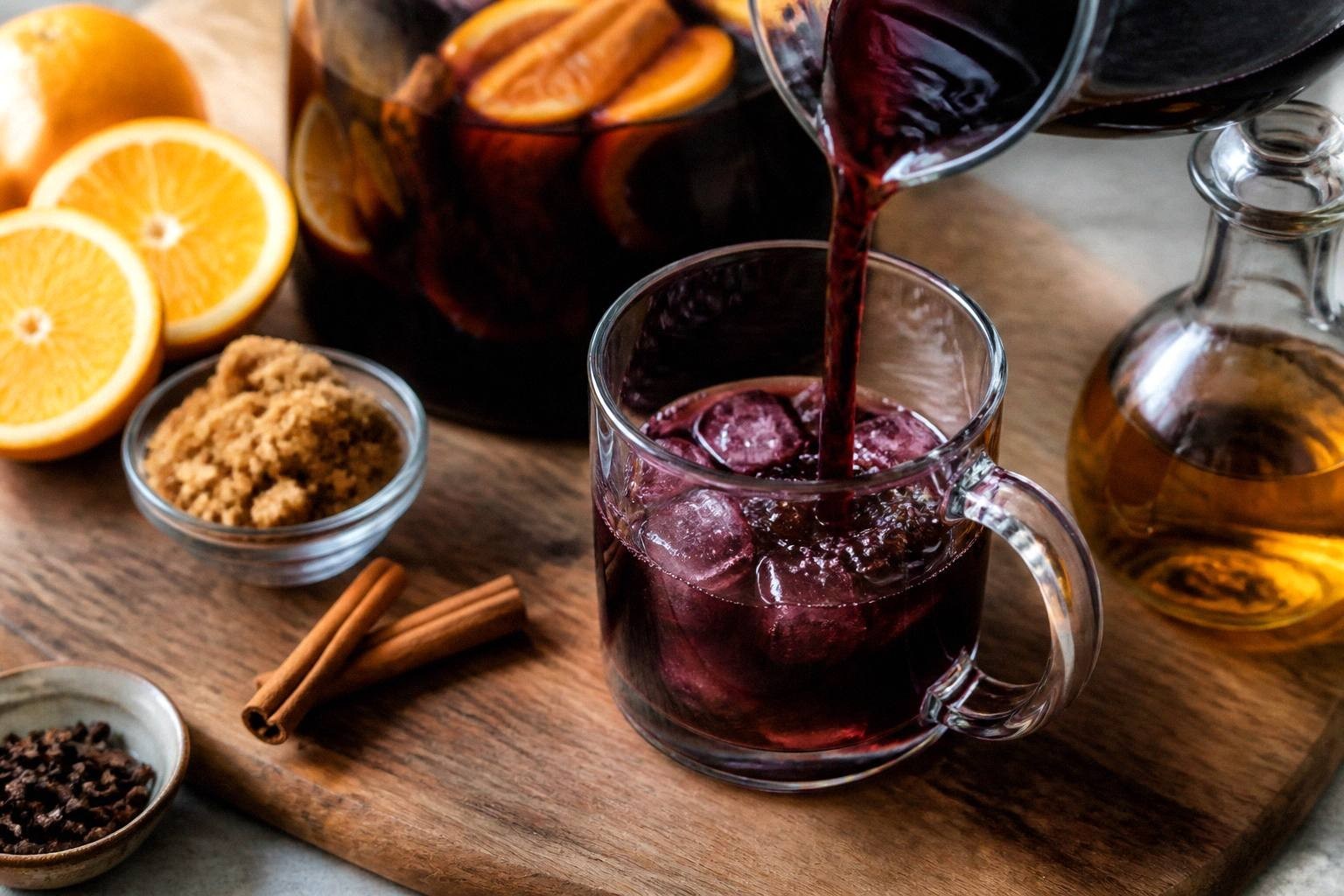
- Best varieties: Merlot, Zinfandel, Grenache, and Cabernet Sauvignon all hold up well to heat and spice.
- Look for fruity wines: Berry or plum flavors work better than earthy or heavily oaked profiles. The spices you’re adding already bring warmth and complexity.
- Choose dry over sweet: You’re adding sweetener separately, so starting with a sweet wine pushes the balance too far. If your wine is off-dry or fruity, start with less sugar and taste as you go.
- Skip expensive bottles: The spices will cover the subtleties you’d pay extra for, and heat changes the wine’s structure anyway. Use a wine you’d happily drink on its own, but wouldn’t save for a special occasion.
Ingredients
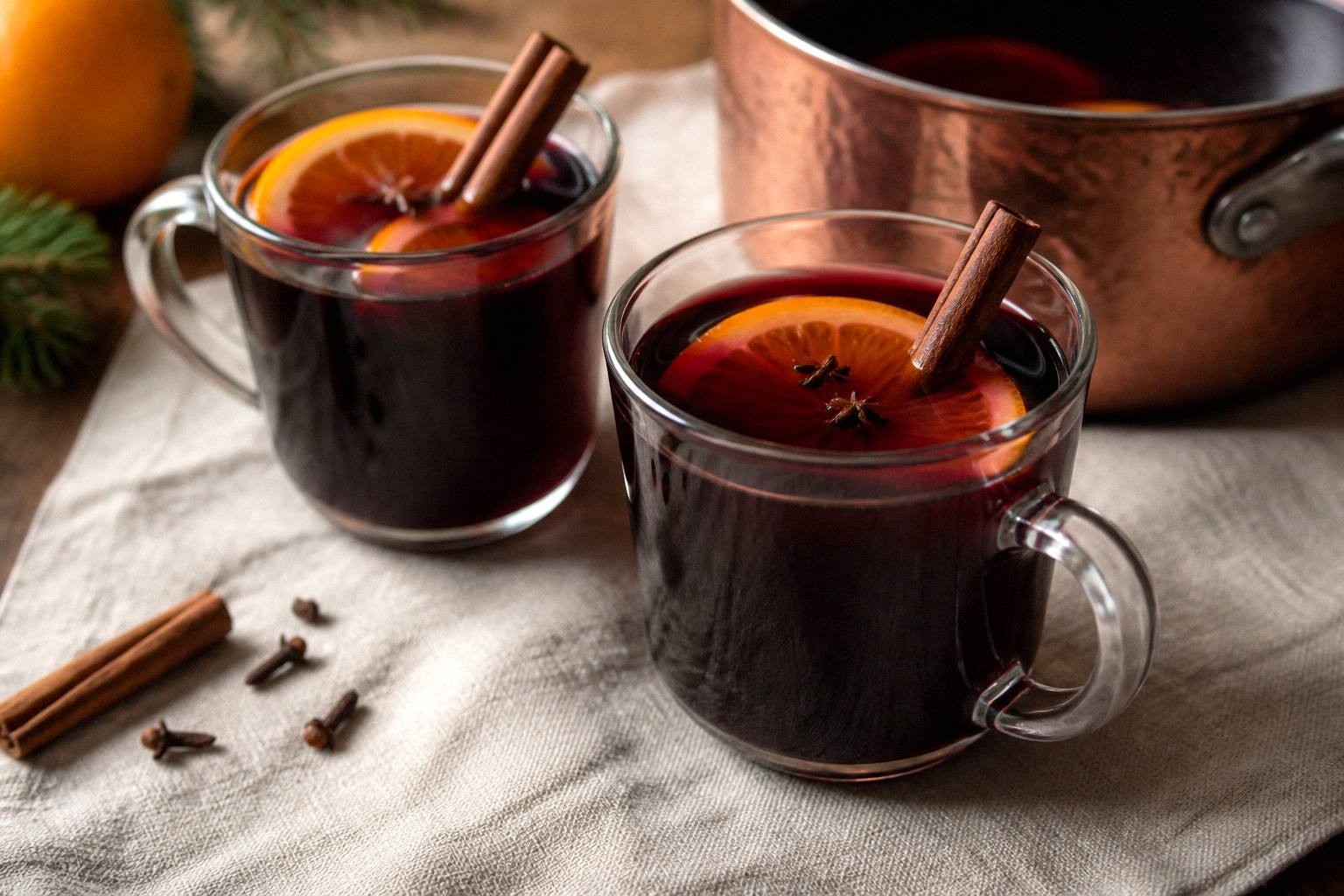
- 2 large oranges
- 4 ¼ cups/1 liter red wine
- 1 ¼ cups/10 ounces brandy
- ½ cup dark brown sugar
- 2 cinnamon sticks
- 6 whole cloves
- 3 cardamom pods, slightly crushed
Instructions
- Using a peeler, remove the peel in strips from 1 orange, then juice that orange. Slice the other orange into rounds and set them aside for garnish.
- In a nonreactive saucepan, combine the orange peel, juice, and the rest of the ingredients. Stir over medium heat until the sugar dissolves, about 2 minutes. Increase the heat to high and bring the mixture to a boil, then immediately reduce the heat to low. Simmer gently until the flavors meld, about 30 minutes. Strain the mixture and discard the solids.
- Ladle into cups or mugs. Garnish each one with a reserved orange round.
Adjusting Sweetness and Spice
Start with the full amount of sugar if your wine is very dry or if you’re serving guests who prefer sweeter drinks. If you’re using a wine with noticeable fruit sweetness, begin with 1/4 cup and taste after the sugar dissolves. You can always stir in more, but you can’t take it back.
The spice amounts here produce a balanced, warming drink without overwhelming the wine. If you want more cinnamon flavor, add an extra stick. For a stronger clove presence, increase to 8 cloves, but go cautiously; cloves turn medicinal fast. Star anise adds a subtle licorice note that rounds out the other spices, but if you or your guests dislike anise, leave it out entirely.
Cardamom is optional but worth including. It brings a floral, slightly citrusy warmth that makes the drink taste more complex. Crush the pods lightly with the side of a knife to open them before adding; whole pods won’t release much flavor.
Make-Ahead and Batch Scaling
Mulled wine holds well in the refrigerator for up to three days. Let it cool completely, then transfer it to a covered container with the spices still in it. The flavor will deepen as it sits. Reheat gently on the stove over low heat, never in the microwave, which heats unevenly and can scorch the sugars.
To scale the recipe for a crowd, multiply everything proportionally. For 12 servings, use three bottles of wine, 3 3/4 cups brandy, 1 1/2 cups sugar, six oranges, 18 cloves, six cinnamon sticks, six star anise, and nine cardamom pods. Use your largest stockpot and give yourself an extra five minutes of heating time to bring the larger volume up to temperature.
You can also hold mulled wine warm for a party. After the initial heating and steeping, transfer the strained wine to a slow cooker set on the warm setting, not low. Low will eventually bring the wine to a simmer and cook off the alcohol. Warm keeps it at serving temperature without further cooking.
Common Problems and How to Fix Them
- The wine tastes thin or harsh. You let it boil. Boiling drives off alcohol and concentrates acidity, leaving the wine sharp and unbalanced. Next time, watch for steam and the first tiny bubbles, then reduce the heat immediately.
- The drink is too bitter. Orange pith releases bitterness when heated. Peel the oranges carefully, removing only the colored zest and leaving the white pith behind. If you’ve already added sliced oranges with pith, strain the wine sooner rather than letting it steep longer.
- It’s too sweet. You can’t remove sugar, but you can dilute it. Add another half bottle of wine and a splash more brandy, then reheat gently. Alternatively, serve smaller portions and offer plain red wine on the side for guests to adjust their own cups.
- The spices taste weak. You didn’t give them enough time or heat. Spices need at least 15 minutes of gentle warmth to release their oils. If you’re in a rush, crush the cinnamon sticks and star anise lightly before adding them to speed extraction.
- The alcohol burned off. You boiled it or held it at too high a temperature for too long. There’s no fix once the alcohol is gone. Keep the heat low and watch the pot.
Serving Suggestions
Serve mulled wine in heatproof mugs, glass cups, or small handled glasses. The drink stays warm longer in ceramic or thick glass than in thin-walled vessels. If you’re serving outdoors or at a holiday market-style gathering, insulated travel mugs work surprisingly well and keep the wine hot for an hour.
Garnish each cup with a fresh orange round or a cinnamon stick. The garnish isn’t just decorative; it adds a hit of fresh citrus or spice aroma with every sip. You can also add a strip of orange peel, twisted to release its oils, for a more elegant presentation.
Mulled wine pairs well with rich, savory appetizers and desserts. Serve it alongside cheese and charcuterie, roasted nuts, or shortbread cookies. It also complements gingerbread, spiced cakes, and anything with caramel or toffee. The warm spices echo the flavors in those foods without competing.
More Mulled Wine Guides
Five short guides cover the questions this recipe raises most often:
- Best wine for mulled wine covers which grapes hold up to heat, what to spend, and the bottles that turn harsh in the pot.
- How long does mulled wine last covers holding it warm, fridge storage, freezing, and when a batch should go.
- Can you reheat mulled wine covers stovetop reheating, slow cooker holding, and what each reheat costs you.
- Why is my mulled wine bitter covers boiling, long clove steeps, orange pith, and how to rescue a harsh batch.
- Can you make mulled wine ahead of time is a host timeline from three days out to the first guest.
If you are pouring for a mixed crowd, the same spice logic runs through non-alcoholic mulled wine , mulled apple cider , wassail , and hot buttered rum .
Frequently Asked Questions
What is mulled wine?
Mulled wine is red wine heated gently with spices, citrus, and sweetener. It’s a traditional winter drink served warm, popular across Europe during the holidays. The spices typically include cinnamon, cloves, and star anise, and many recipes add brandy for extra warmth and depth.
Can you boil mulled wine?
No. Boiling drives off the alcohol and makes the wine taste harsh and thin. Keep the heat low enough that the liquid steams and smells fragrant but never bubbles vigorously. You want gentle warmth, not a simmer.
What is the best wine for mulled wine?
Use a dry, fruity red wine like Merlot, Zinfandel, Grenache, or Cabernet Sauvignon. Choose something you’d drink on its own but wouldn’t save for a special occasion. Avoid heavily oaked or very tannic wines, which can taste bitter when heated.
How long should mulled wine simmer?
It shouldn’t simmer at all. Heat it gently until it steams, then hold it at that temperature for 15 to 20 minutes to let the spices infuse. Longer steeping extracts more flavor, but watch the heat to prevent simmering.
Can you make mulled wine in a slow cooker?
Yes, but use the warm setting, not low. Low will eventually bring the wine to a simmer and cook off the alcohol. Combine all the ingredients in the slow cooker, set it to warm, and let it heat for one to two hours. Stir occasionally and check that it’s not bubbling.
Can you use white wine instead of red?
You can, though the result is a different drink. White mulled wine is lighter and more delicate, with citrus and floral notes instead of the deep, warming character of red. Use a dry white like Sauvignon Blanc or Pinot Grigio, reduce the sugar slightly, and consider swapping star anise for fresh ginger .
Conclusion
Mulled wine is one of those recipes that feels more complicated than it is. You heat wine with spices, wait fifteen minutes, and pour. The result tastes like you spent the afternoon in the kitchen, but the actual work is minimal. Make a batch for your next cold evening or holiday gathering, and you’ll understand why this drink has lasted centuries.