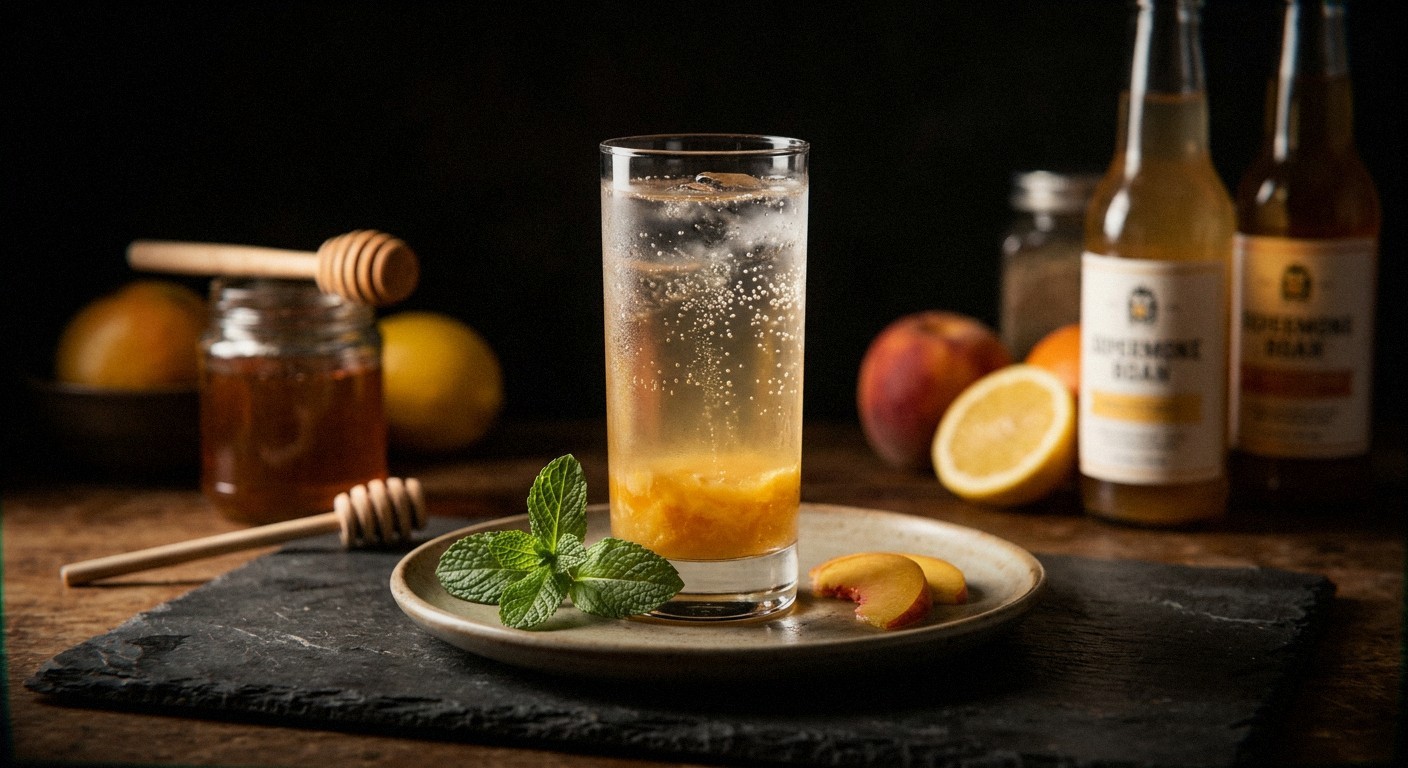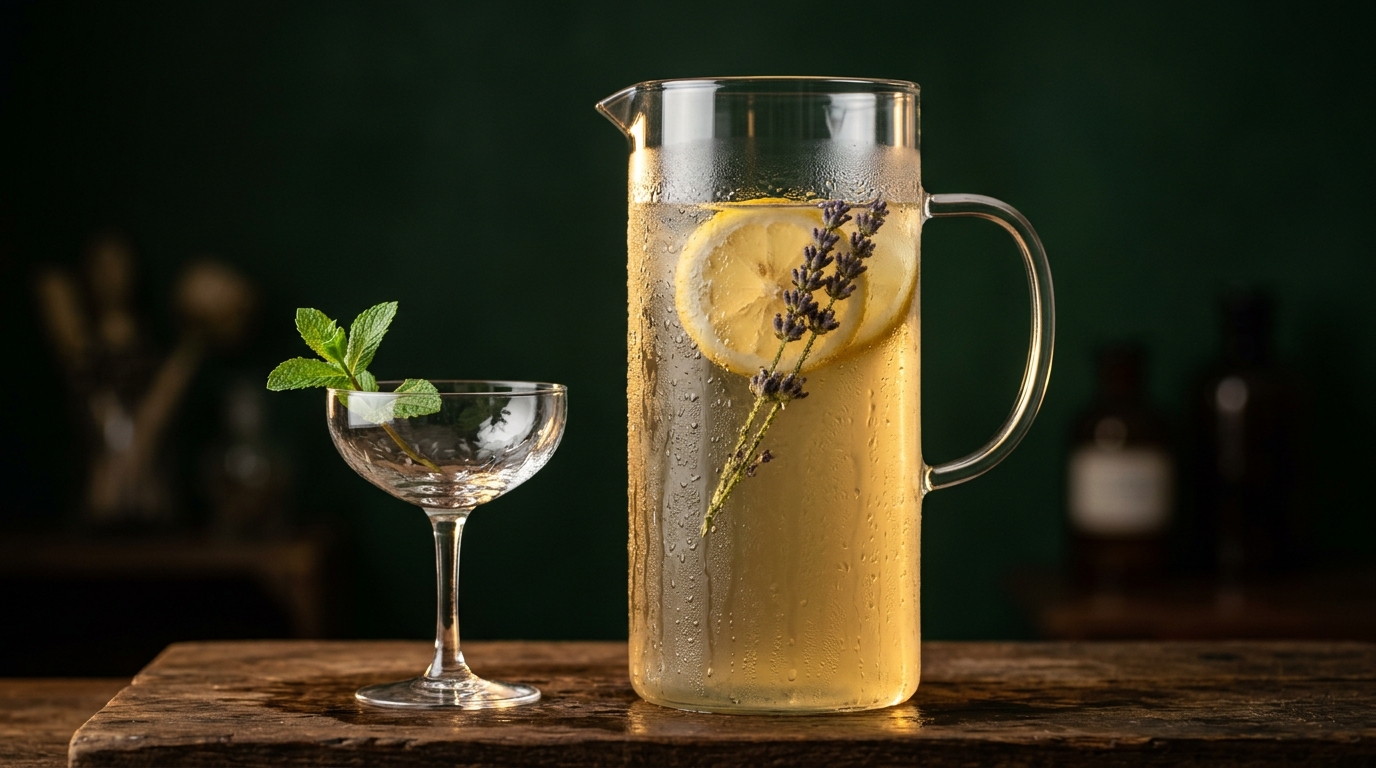
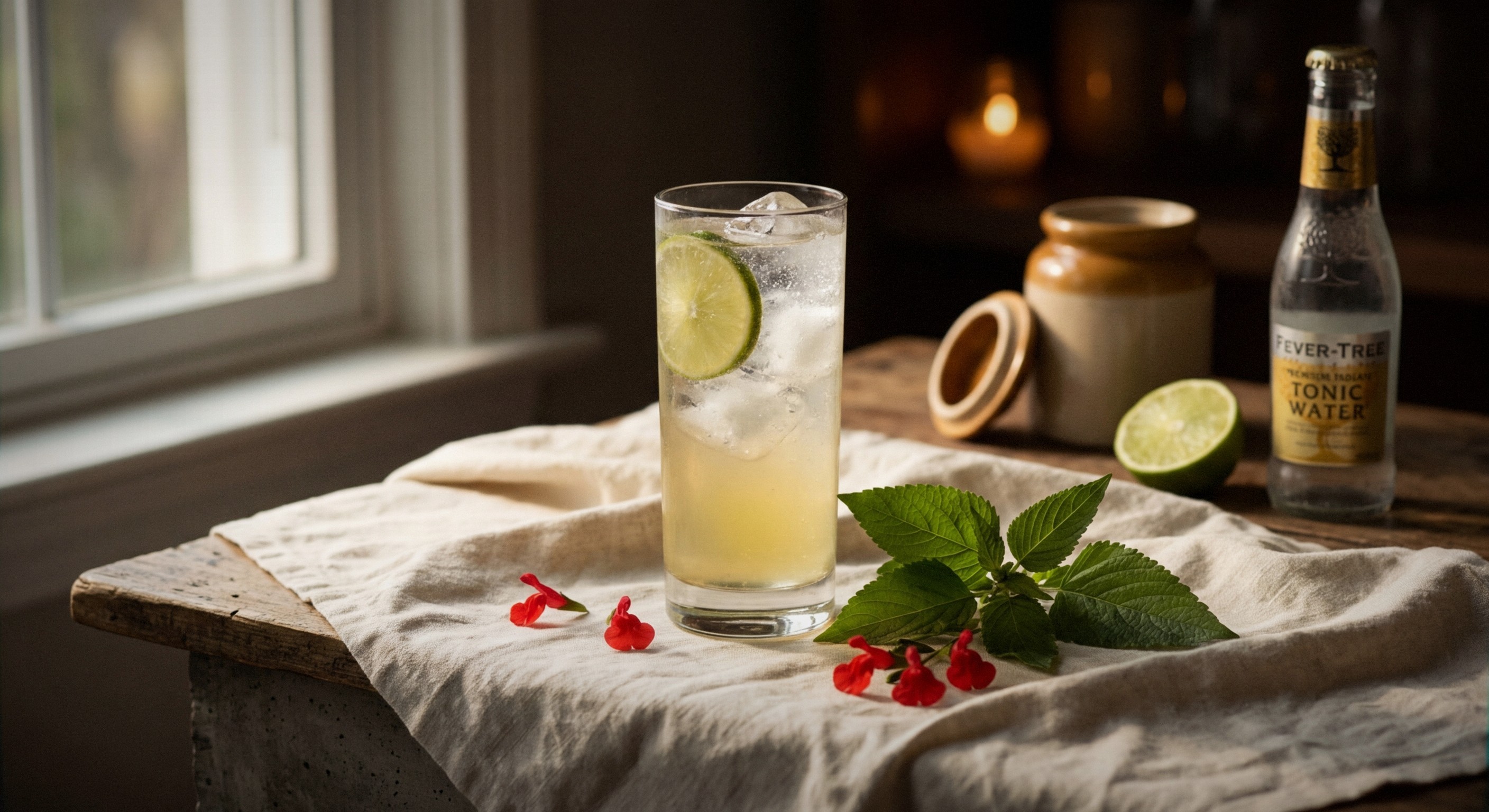
Bright pineapple sage and lime spritz with sparkling water. Get the recipe for this refreshing herbal mocktail.
Why You Will Love This
The first sip tastes like spring broke through winter. Pineapple sage brings a tropical-fruit sweetness without any actual pineapple, just the bright green essence of the herb itself. Lime sharpens everything. The bubbles make it feel celebratory even on a Tuesday.
The Story Behind It
Pineapple sage blooms in late spring with scarlet flowers that hummingbirds chase. The leaves smell exactly like their name suggests, a phenomenon caused by the terpene geraniol. I planted it three years ago for tea, then realized it works better cold and fizzy. This spritz became my answer to the 4 p.m. slump when coffee feels too heavy and water feels too boring.
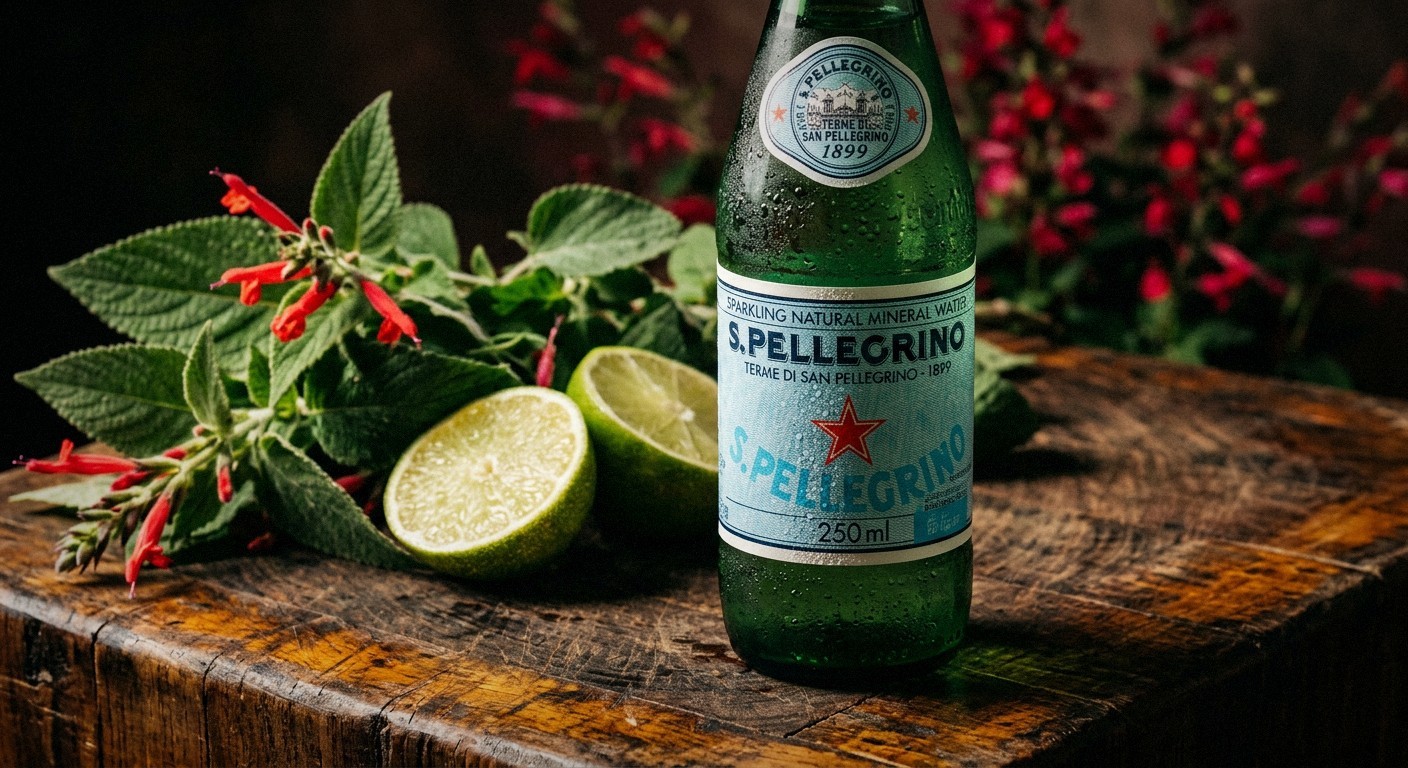
What You Will Need
For the spritz:
- 8-10 fresh pineapple sage leaves (about one 4-inch sprig)
- 1 oz (30 ml) fresh lime juice (half a medium lime)
- 1/2 oz (15 ml) simple syrup or honey syrup (adjust to taste)
- 4 oz (120 ml) chilled sparkling water
- Ice cubes
- 1 lime wheel for garnish
- 2-3 pineapple sage flowers if your plant is blooming (optional but beautiful)
Equipment:
- Tall glass (10-12 oz)
- Muddler or wooden spoon
- Citrus juicer
How to Make It
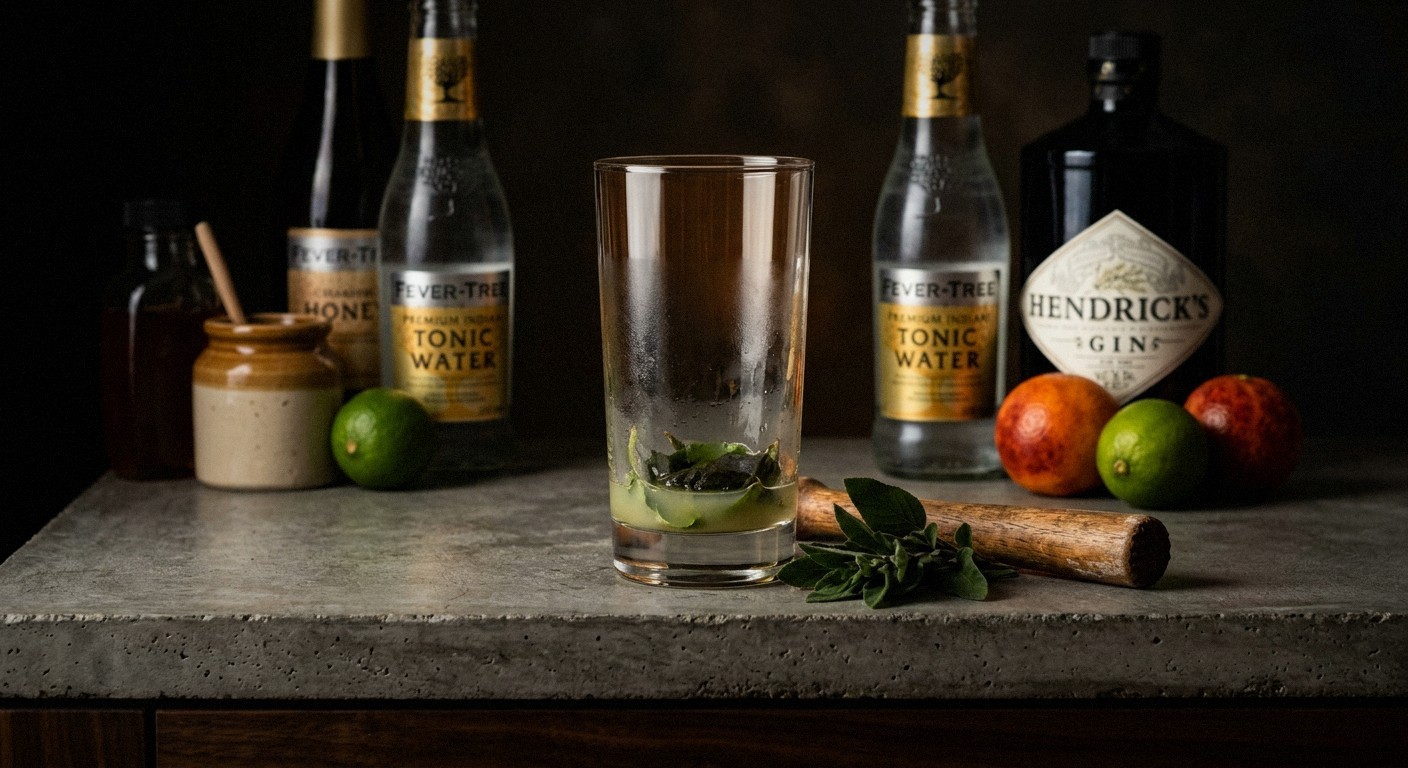
Place pineapple sage leaves in the bottom of your glass. Use the tender top leaves if possible. They bruise more easily and release more fragrance.
Add lime juice and simple syrup directly onto the leaves.
Gently muddle the sage leaves with 3-4 presses. You want to see the leaves darken slightly as oils release. Stop before they shred into confetti.
Fill the glass with ice cubes all the way to the rim.
Pour sparkling water slowly over the ice. Stir gently twice with a bar spoon or chopstick. Over-stirring kills the bubbles.
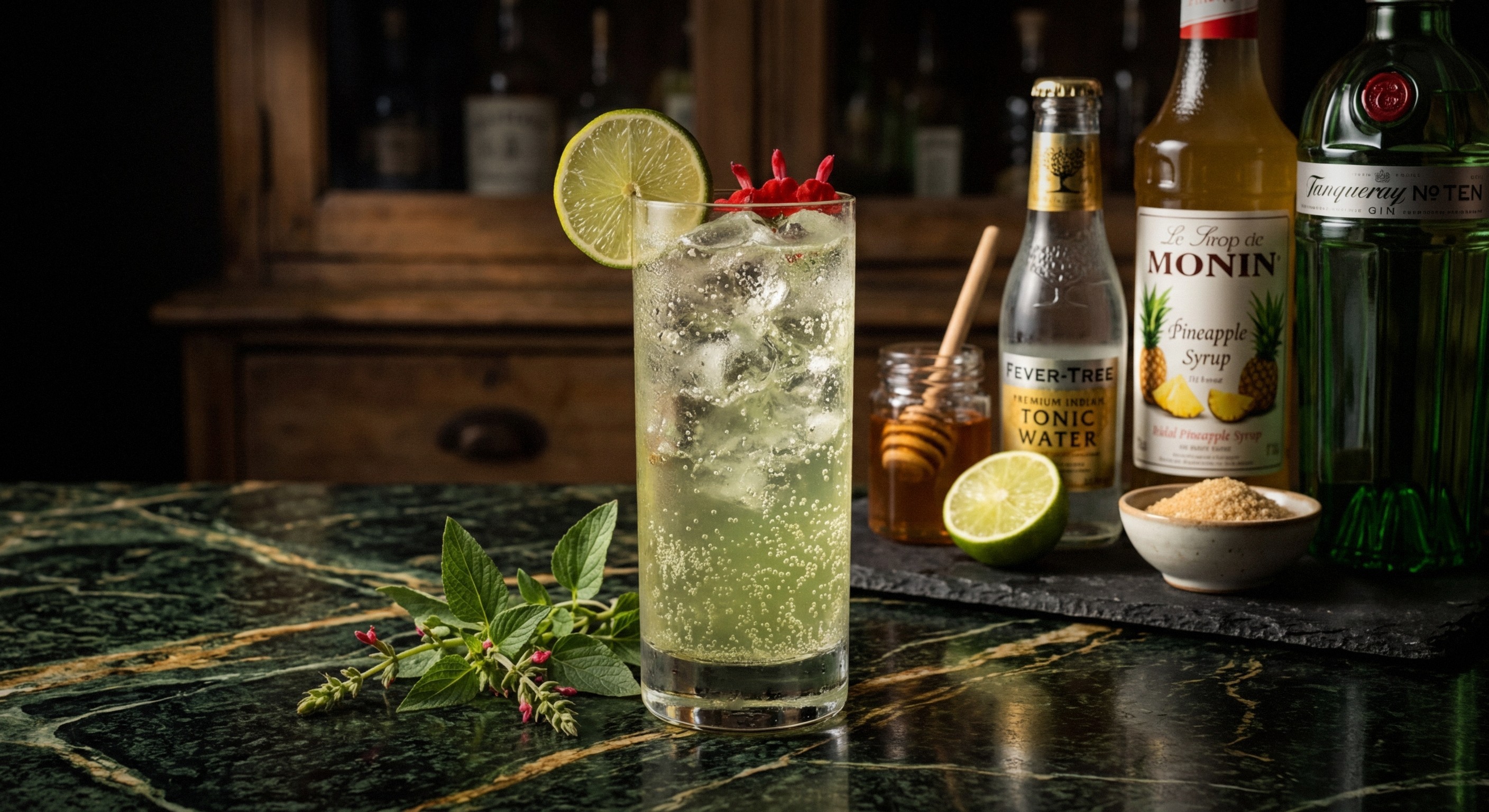
Garnish with a lime wheel pressed onto the rim and tuck sage flowers into the ice if you have them.
Serve immediately. The carbonation fades fast, and the sage flavor is brightest in the first five minutes.
Herbalist Notes
Pineapple sage (Salvia elegans) contains high levels of geraniol, the same terpene found in roses and lemongrass. In Mexican traditional medicine, it has been used since at least the 18th century as a digestive aid, typically consumed as a warm tea after heavy meals. The herb is caffeine-free and generally recognized as safe, though pregnant individuals should consult an herbalist before consuming large quantities of any Salvia species.
Lime juice provides 13 mg of vitamin C per ounce, about 14% of the daily requirement. The acidity (pH 2.0-2.4) helps preserve the volatile oils in the sage and prevents oxidation that would turn the drink brown.
Sparkling water adds no calories but the carbonation stimulates the trigeminal nerve, creating a cooling sensation that makes this drink feel more refreshing than still water versions. Studies show carbonated beverages can temporarily improve feelings of satiety by 8-12% compared to flat drinks.
Make It Your Own
Swap honey syrup for simple syrup if you want a rounder, less sharp sweetness. Use a 1:1 ratio of raw honey to warm water, stirred until dissolved. For a drier spritz, reduce the sweetener to 1/4 oz and add an extra half-ounce of lime juice. If pineapple sage is unavailable, regular garden sage works but tastes more herbaceous and less fruity. Add a thin slice of fresh pineapple to the glass to bridge the flavor gap. In summer, freeze sage leaves into ice cubes with a tiny sage flower in each one. The ice melts slowly and keeps releasing flavor as you drink.
Common Questions
Can I make this ahead for a party?
Muddle the sage with lime juice and syrup up to 2 hours ahead and store in the refrigerator in a sealed container. Add ice and sparkling water only when serving. Pre-mixing loses 60-70% of carbonation within 30 minutes. For a crowd, multiply the base recipe by the number of guests and keep it in a pitcher, then top individual glasses with sparkling water as people arrive.
Where do I find pineapple sage if it’s not at my grocery store?
Most garden centers and herb nurseries stock pineapple sage from March through October. It grows aggressively in USDA zones 8-11 and tolerates partial shade. One plant produces enough leaves for 20-30 drinks per season. If you cannot source it locally, regular garden sage plus 1/4 oz of pineapple juice creates a similar flavor profile, though the herbal note will be stronger and more medicinal.
How sweet should this drink taste?
The 1/2 oz simple syrup measurement produces a barely-sweet spritz that lets the sage and lime dominate. If you typically enjoy sweeter drinks like commercial lemonades (which contain 3-4 oz of sugar per serving), start with 3/4 oz syrup and adjust down next time. The sage itself has a natural fruit-like sweetness that becomes more apparent as the drink sits, so wait 30 seconds after stirring before deciding if you need more syrup.