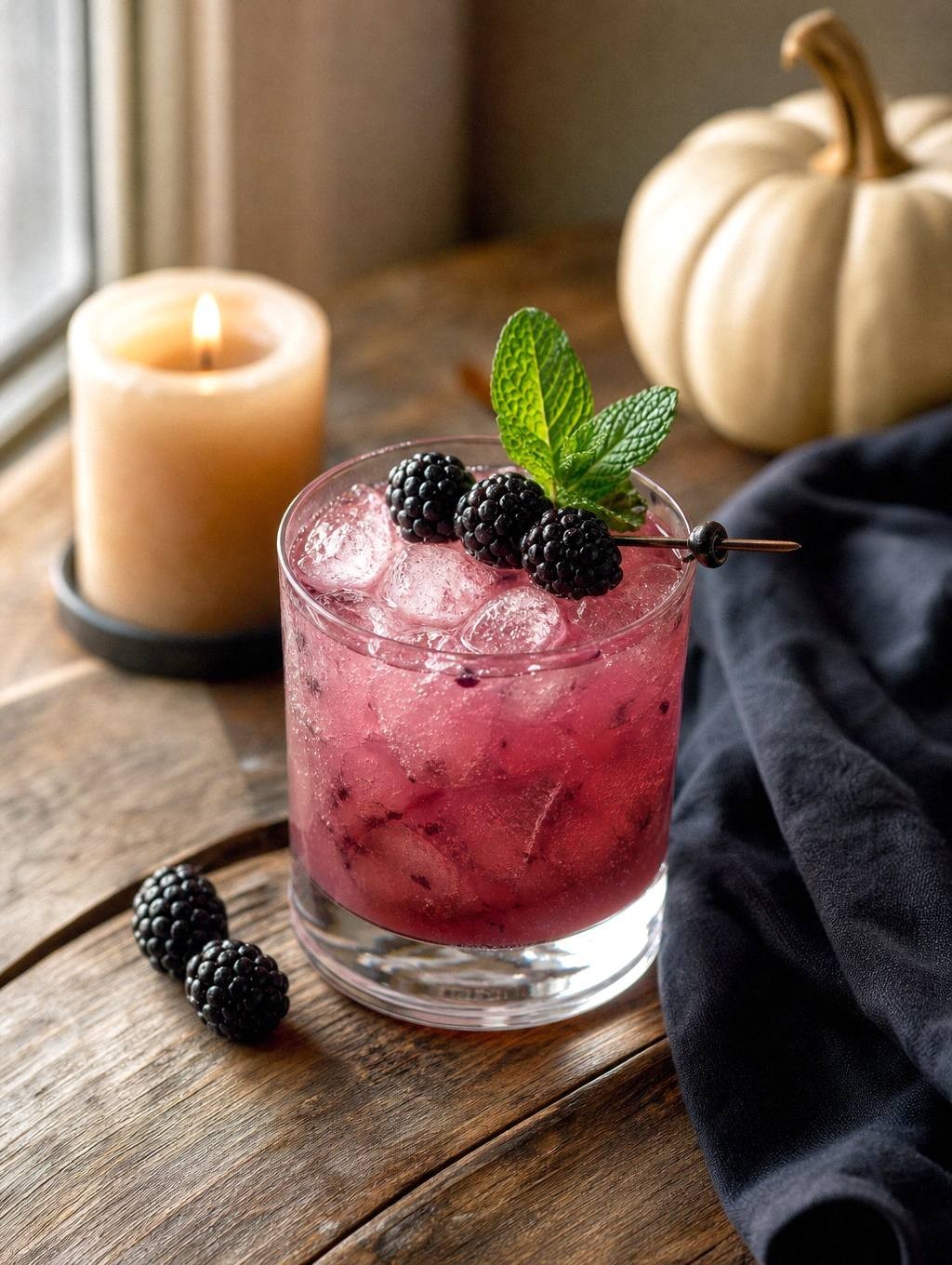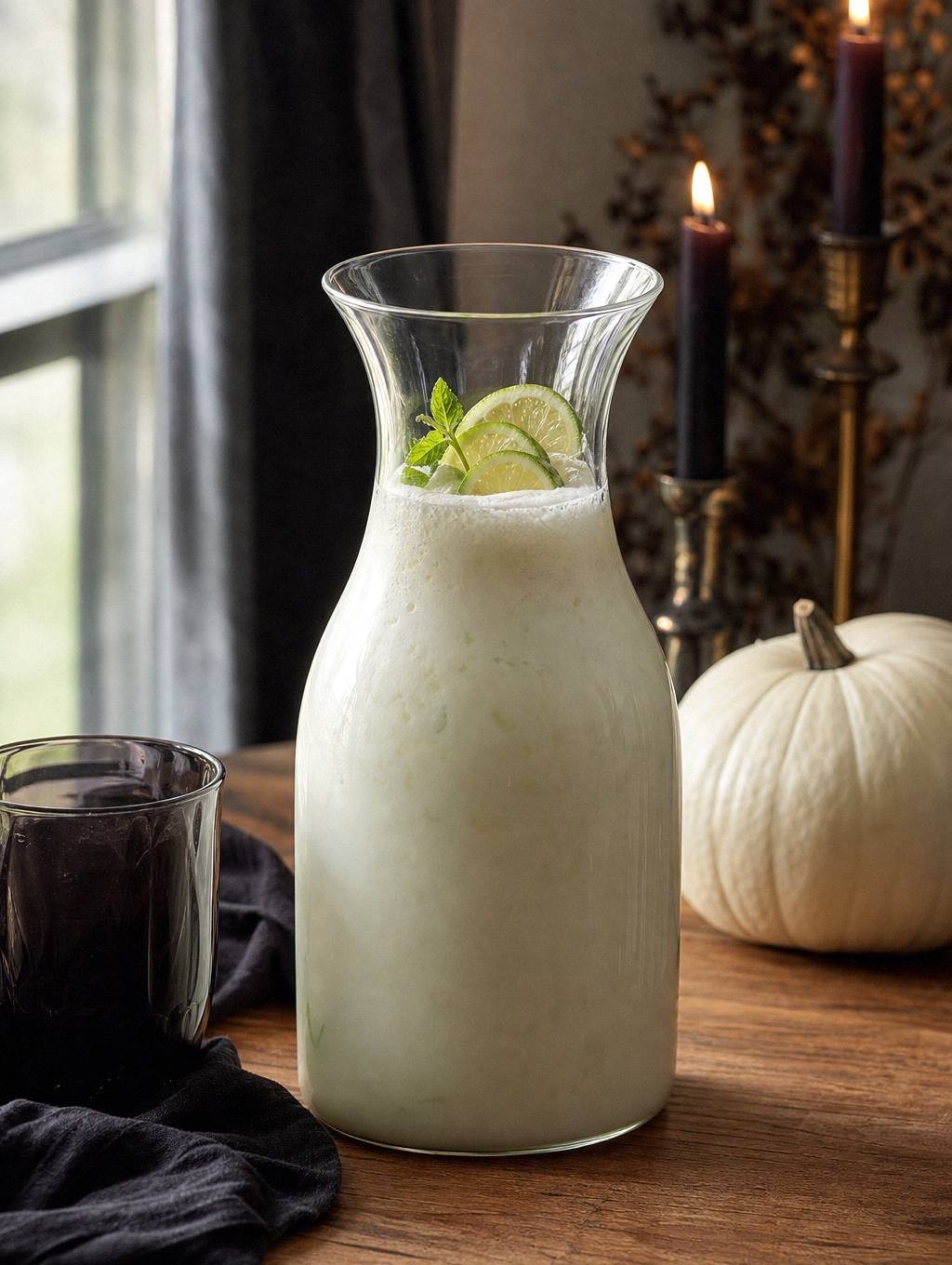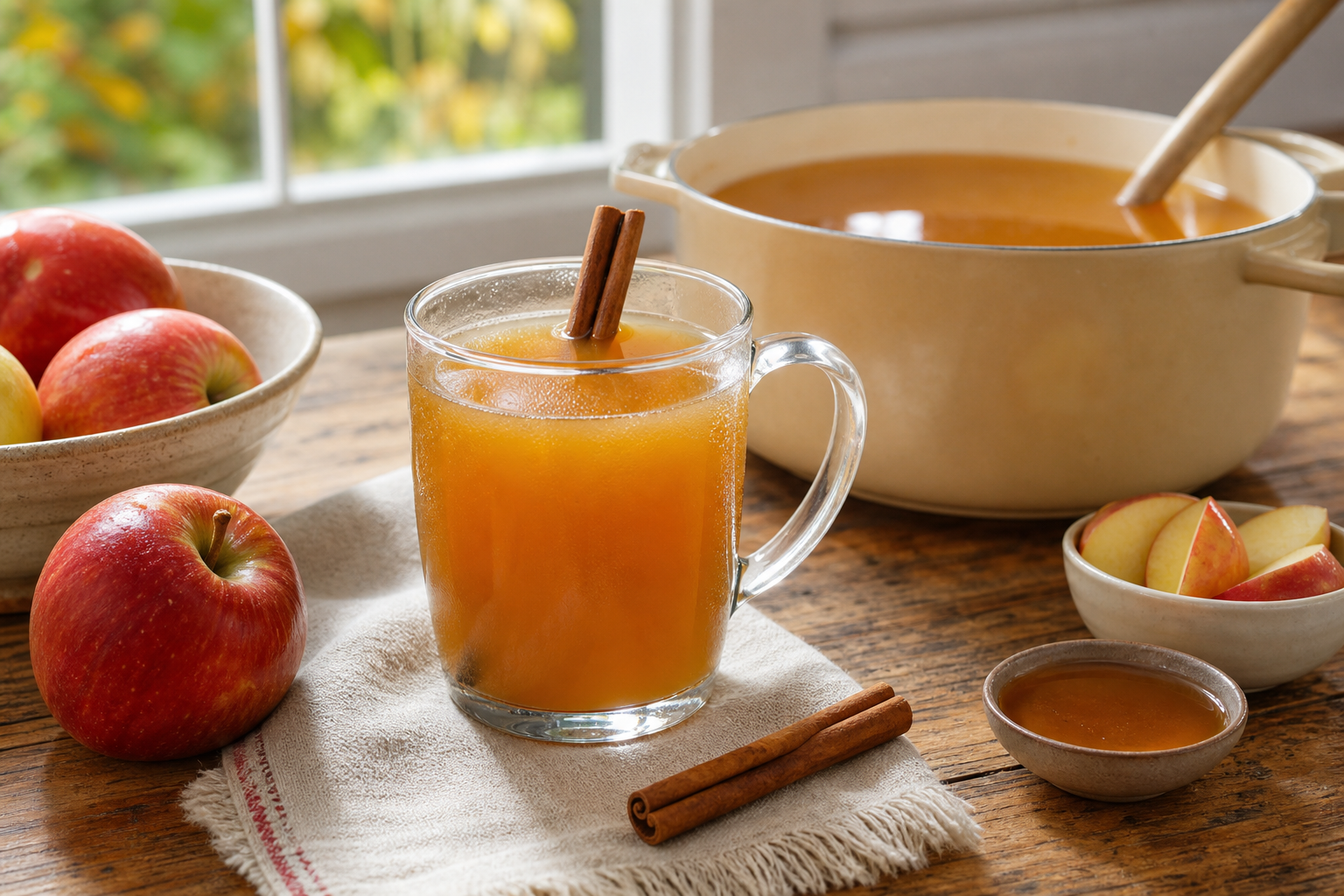
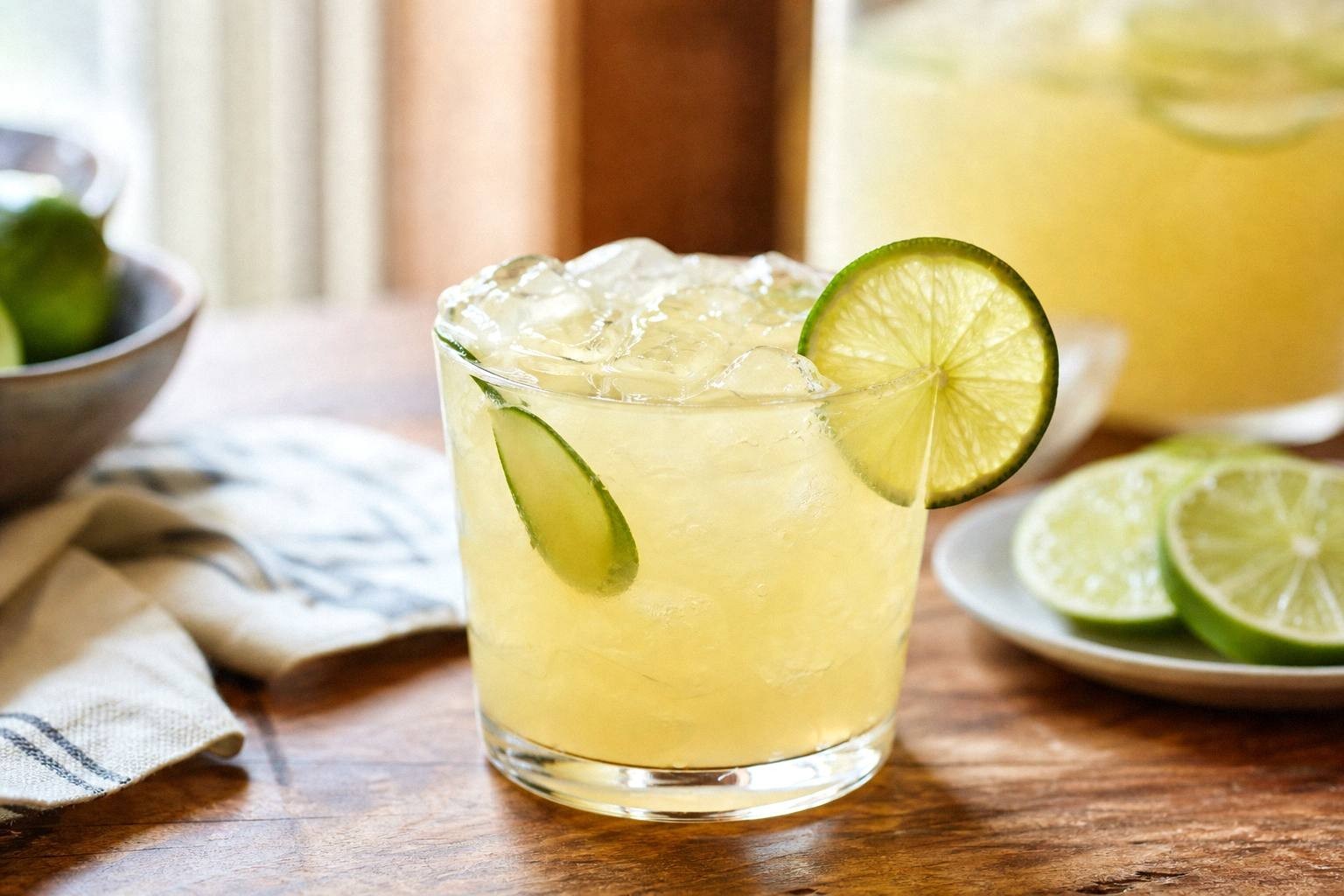
A signature cocktail gives your party a focal point and makes hosting easier. Instead of running a full bar or fielding dozens of drink requests, you offer one or two carefully chosen cocktails that reflect your taste, suit the occasion, and keep guests happy. The right signature drink simplifies your prep, controls your budget, and gives the event a memorable through-line that guests talk about long after they leave.
Why Signature Cocktails Work for Parties
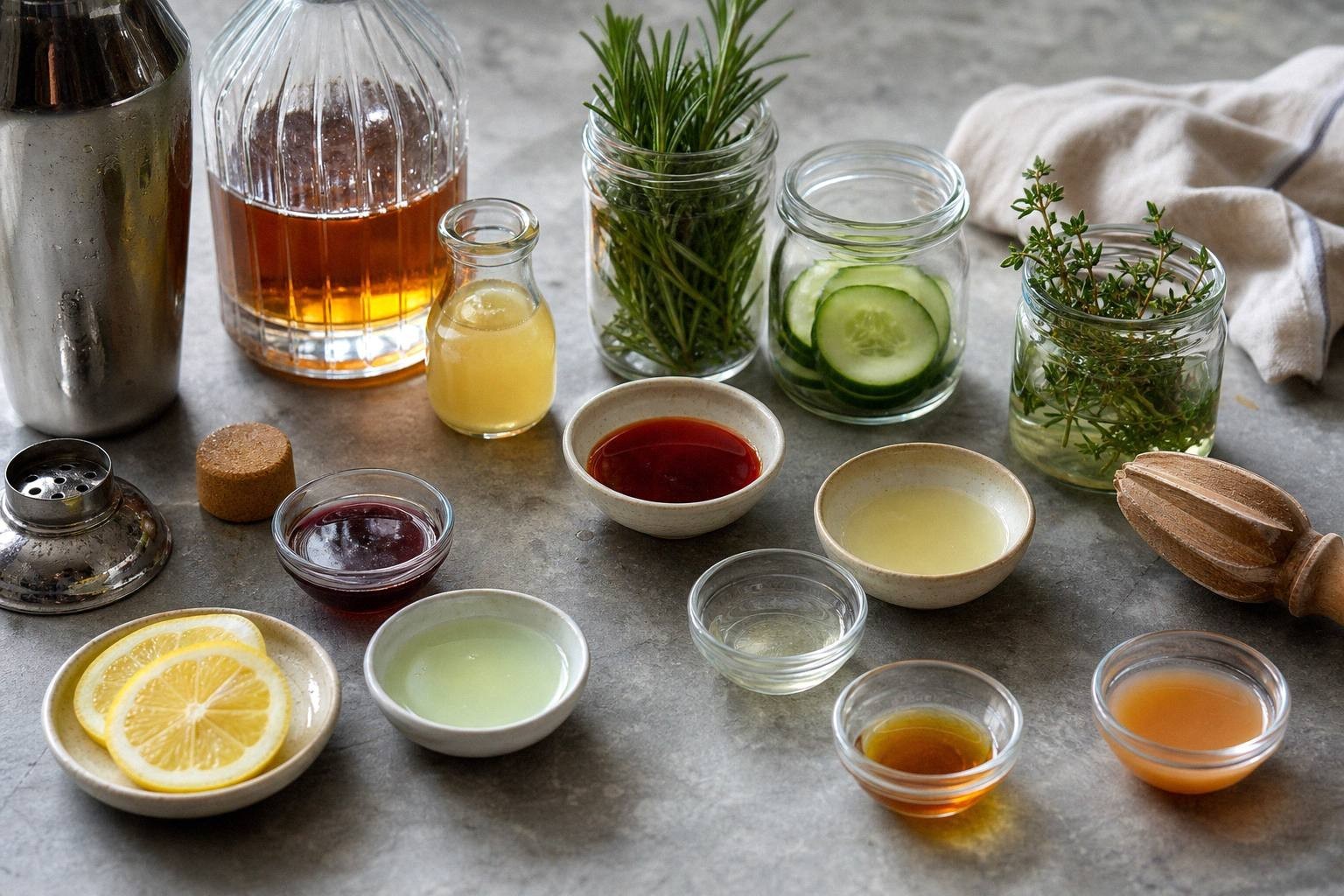
Offering a signature drink narrows your shopping list to a handful of ingredients instead of stocking an entire liquor cabinet. You buy exactly what you need, batch the cocktail ahead of time, and pour from a pitcher or dispenser rather than mixing drinks one by one. That efficiency matters whether you’re hosting twenty people in your living room or a hundred at a rented venue.
A signature cocktail also sets a tone. A gin and tonic with grapefruit signals something crisp and summery, while a margarita with fresh lime tells guests the party leans casual and festive. The drink becomes part of the event’s identity, especially when you name it something personal or tie it to the occasion.
Guests appreciate the clarity, too. Instead of scanning a full bar menu or wondering what to order, they see one or two options and make a quick choice. That keeps lines short during the cocktail hour and gives everyone something to talk about while they sip.
Three Ways to Choose Your Signature Drink
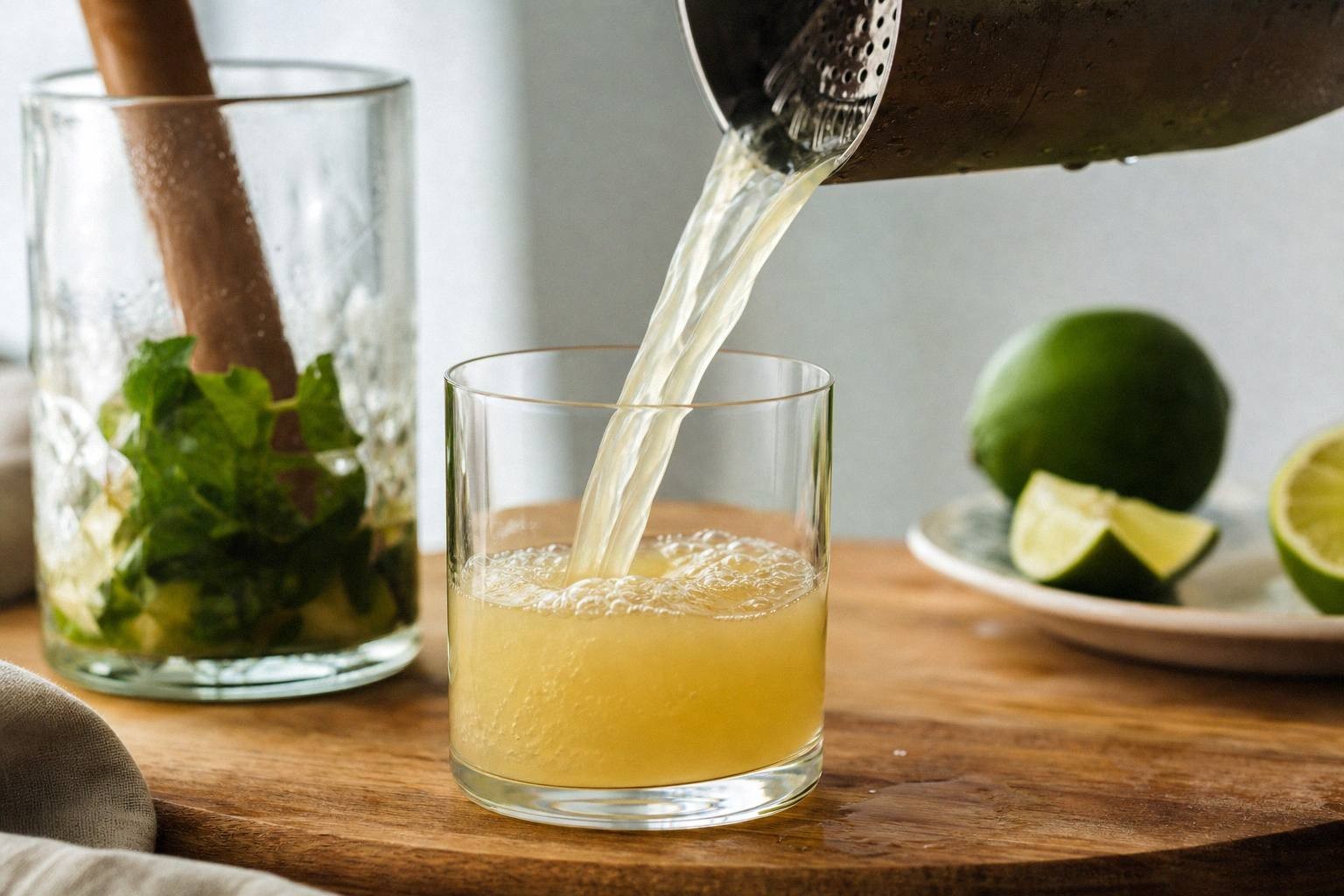
- Start With a Personal Favorite: If you and your co-host have a cocktail you order every time you go out, that drink is already a signature in your life. Serving it at your party feels authentic and gives guests a window into your taste. The risk here is that your favorite might not scale well, so ask whether the drink can be batched or simplified without losing what makes it special.
- Match the Drink to Your Event Theme: A seasonal or thematic approach ties the cocktail to the occasion. A winter wedding might feature a cranberry and ginger cocktail with champagne, while a summer garden party calls for something with cucumber, lime, and soda water. This method works best when the theme is already strong and the drink can echo it naturally.
- Pick a Universally Liked Option: Some cocktails please almost everyone because they balance sweetness, acidity, and alcohol without leaning too hard in any direction. A vodka-based drink with cranberry juice and a splash of lime, or a tequila cocktail with grapefruit juice and tonic water, tends to win over guests who don’t have strong cocktail opinions. The downside is that a universally liked cocktail can feel generic unless you add a personal twist through the garnish, the name, or a single unexpected ingredient.
Practical Constraints That Shape Your Choice
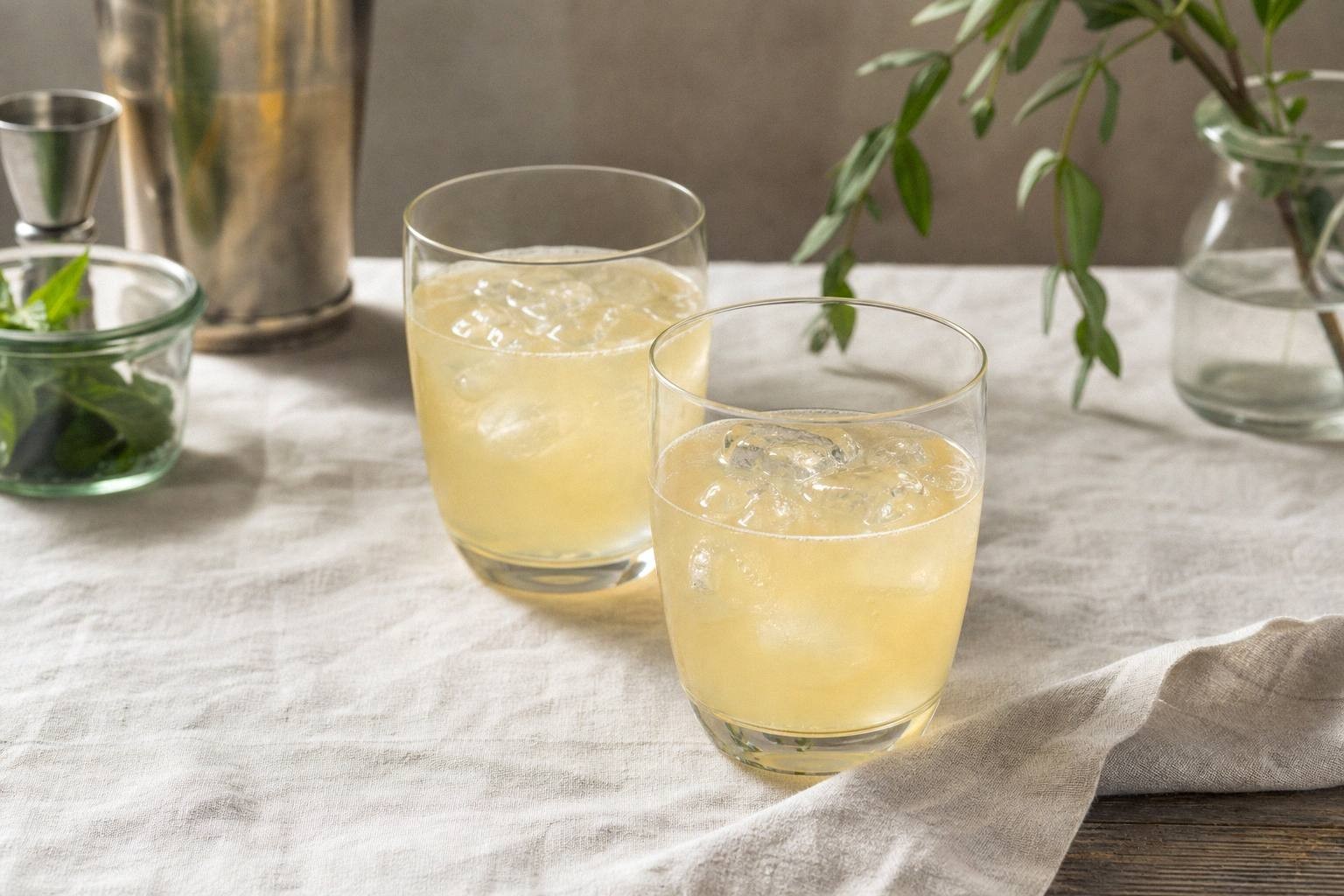
Even the best cocktail idea has to survive contact with reality. Before you settle on a drink, run it through a few practical filters to make sure it’s actually feasible for your event.
Batch Size and Party Headcount
A single-serving cocktail recipe typically makes one drink. To serve twenty guests who each have two drinks, you need to scale that recipe by forty. Some cocktails batch beautifully because they’re just spirits, juice, and syrup mixed in a pitcher.
If you’re hosting more than thirty people, look for drinks that can be pre-mixed and poured from a beverage dispenser. Shaking, muddling and layering can slow service. A shaken recipe also needs planned dilution; merely multiplying spirits and juice does not recreate water added by shaking with ice.
Ingredient Availability and Seasonality
Out-of-season strawberries can cost more and vary in flavor; check the fruit available where you shop. If your signature drink depends on a seasonal ingredient, check availability and price before you commit. Citrus like lemon, lime, orange, and grapefruit is available year-round, which is one reason citrus-forward cocktails dominate party menus.
For ingredients that are hard to find or expensive, ask whether a substitute works. Fresh mint leaves can sometimes be replaced with a mint syrup, though the flavor won’t be identical.
Skill Level and Equipment
If you’ve never made cocktails before, choose a measured recipe with a simple glass-built method and equipment you already have. A gin and tonic is hard to mess up because it’s two ingredients poured over ice. A layered cocktail with three different liquors and a foam topping will frustrate you and slow down service.
Consider what equipment you already own. If you don’t have a cocktail shaker, pick a drink that’s stirred or built directly in the glass.
Budget Per Drink
A signature cocktail costs less than an open bar, but the per-drink price still matters. Calculate the cost from your actual bottle and mixer prices, measured quantities and expected waste; this page supplies no current price quote.
Multiply your per-drink cost by the number of guests and the number of drinks each person will have. If you’re hosting fifty people and expect each guest to have two cocktails, that’s a hundred drinks. That math helps you decide whether the drink fits your budget or whether you need to simplify.
One Drink vs. Two Drinks
Offering two signature cocktails instead of one gives guests a choice and accommodates different tastes. A common approach is to serve one spirit-forward option and one lighter, fruitier option, or to offer his-and-hers drinks that reflect the preferences of a couple hosting together.
Two drinks double your ingredient list and your prep time, but they don’t double your workload if you choose wisely. Pick two cocktails that share some ingredients so you’re not buying twice as much.
If you’re unsure whether to offer one drink or two, consider your guest count and your help. For a small party where you’re the only bartender, one drink keeps things simple. For a larger event with a hired bartender or a friend helping behind the bar, two drinks give guests more flexibility without overwhelming your setup.
How to Name Your Signature Cocktail
A named signature drink feels more intentional than “the cocktail we’re serving.” The name can reference the occasion, the hosts, the location, or an inside joke that means something to the people at the party. A wedding might feature “The Smith & Jones,” combining the couple’s last names.
Keep the name short and easy to say. Guests will ask for the drink by name, and a three-word title is easier to remember than a full sentence.
If you can’t think of a clever name, a simple descriptor works just as well. “Grapefruit Gin Fizz ” or “Cranberry Champagne Punch” tells guests exactly what they’re drinking and sounds more polished than “the pink one.”
Testing Your Signature Cocktail Before the Event
Make the cocktail at least once before the party, ideally a week or two in advance. Mix a single serving first to check the flavor balance, then scale it up to a small batch that serves four or six people. That test run shows you whether the drink holds up when it’s made in quantity and whether the proportions still taste right.
Invite a few friends over to taste the batch and give feedback. Ask specific questions: Is it too sweet? Does it need more citrus? Adjust the recipe based on what you hear, then make another small batch to confirm the changes work.
Testing also reveals logistical problems you won’t notice until you’re actually making the drink. You might discover that the recipe calls for more ice than your freezer holds, or that the garnish takes longer to prep than you expected. Fixing those issues before the party saves you stress on the day itself.
Non-Alcoholic Options
- Adapt Your Signature Cocktail: Offer a non-alcoholic version of your signature cocktail by leaving out the liquor and adjusting the other ingredients to compensate. A margarita becomes a lime and orange juice mix with a splash of soda water.
- Serve a Separate Non-Alcoholic Option: If your signature cocktail doesn’t adapt well, serve a separate non-alcoholic option that feels just as intentional. Sparkling water with fresh fruit, ginger ale with lime, or cranberry juice with orange and a cinnamon stick all work.
- Label Clearly: Put the non-alcoholic option in its own pitcher or dispenser with a sign, and make sure it’s just as visible as the alcoholic drinks. Guests who don’t drink alcohol shouldn’t have to ask or feel like they’re settling for something lesser.
Common Mistakes to Avoid
- Choosing a cocktail that requires fresh ice in every glass. Ice melts, and a batched cocktail sitting in a pitcher with ice will dilute over the course of the party. Serve the cocktail chilled but without ice in the batch, then let guests add ice to their individual glasses.
- Forgetting to account for carbonation. If your cocktail includes soda water, tonic, ginger ale, or champagne, add the carbonated ingredient just before serving, not when you batch the drink. Carbonation goes flat quickly, and a flat cocktail tastes dull.
- Overcomplicating the garnish. A lime wedge or a sprig of mint is easy to prep in quantity. A garnish that requires skewering three different fruits, toasting a cinnamon stick, or cutting a specific shape will slow you down and create a mess. Choose a garnish that looks good but takes seconds to add.
- Not buying enough of a key ingredient. Run the math on how much juice, liquor, or syrup you need for your guest count, then add twenty percent as a buffer. Running out of lime juice halfway through the party means someone has to make an emergency store run or you have to switch to a different drink.
- Serving the cocktail too warm or too cold. A cocktail that’s meant to be served cold but sits at room temperature tastes off. Chill the batch until cold; two hours is not a universal cooling endpoint. Keep perishable ingredients and drinks refrigerated at 40 F (4 C) or below, or in a monitored ice bath.
Frequently Asked Questions
How do I choose a signature cocktail for my party?
Start with a drink you already enjoy, match the cocktail to your event’s season or theme, or pick a universally liked option that works for most guests. Test the drink in advance to make sure it scales well and fits your budget.
Should I offer one signature drink or two?
One drink simplifies your prep and keeps costs down, while two drinks give guests a choice and accommodate different tastes. Offer two if you have help behind the bar or if the drinks share ingredients that reduce your shopping list.
What makes a good signature cocktail?
A good signature cocktail balances flavor, scales easily to serve a crowd, uses ingredients you can find and afford, and reflects the tone of your event. It should be simple enough to batch ahead of time but interesting enough to feel special.
How do I name a signature cocktail?
Use a short, memorable name that references the occasion, the hosts, or the drink’s flavor. A wedding might use the couple’s names, while a seasonal party could name the drink after the main ingredient or the event’s theme.
What are easy signature cocktails for large groups?
Cocktails that batch well include margaritas, vodka-based drinks with cranberry or grapefruit juice, gin and tonics, and champagne punches. Add carbonated mixers at service. Drinks normally shaken with ice need a tested dilution plan; fresh ice in individual glasses is compatible with batching.
Should I include a non-alcoholic signature drink?
Yes. Offer a non-alcoholic version of your signature cocktail or a separate option that feels just as intentional. Label it clearly and present it alongside the alcoholic drinks so guests who don’t drink alcohol feel included.
Conclusion
A signature cocktail simplifies your party planning , controls your budget, and gives your event a memorable identity. Choose a drink that reflects your taste or your theme, test it in advance, and make sure it scales to your guest count. With the right cocktail and a little prep, you’ll spend less time behind the bar and more time enjoying the party you worked hard to host.
Scope and Food Handling
The drink names and pairings here are planning ideas, not complete recipes: no ingredient ratios, finished yields, methods or storage lives are established for them. Use a measured recipe for each selected drink and test its flavor and dilution separately; a tasting test does not establish safety. Headcount arithmetic (20 guests times two drinks equals 40 servings) is correct, but scaling cooking, chilling and storage time requires separate judgment.
Follow USDA perishable-food handling guidance : refrigerate promptly and discard perishable drinks left out longer than two hours, or one hour above 90 F. Spirits do not sanitize fruit, juice, eggs or dairy. Do not transfer a generic two-hour chill to a large dispenser as proof its contents reached refrigeration temperature. Check mixers and spirit substitutes for alcohol content and label alcoholic drinks clearly.